India
India is a vast, diverse subcontinent located in South Asia, offering travelers an extraordinary blend of ancient traditions, stunning landscapes, and modern dynamism. From the Him...
Discover India
ndia is a vast and incredibly diverse subcontinent that offers travelers an extraordinary blend of ancient traditions and modern dynamism. Spanning over 3.2 million square kilometers, the country features an astonishing range of landscapes from the snow-capped Himalayan mountains in the north to tropical beaches in the south, lush rainforests, expansive deserts, and fertile river plains. Its rich cultural heritage spans thousands of years, with a civilization that has produced remarkable philosophical traditions, architectural marvels like the Taj Mahal, and complex social structures that have profoundly influenced global history.
India's cultural complexity is reflected in its incredible diversity, with 28 states and 8 union territories, each offering unique languages, cuisines, festivals, and traditions. Major metropolitan cities like Mumbai, Delhi, Bangalore, and Kolkata showcase a dynamic blend of historical legacy and contemporary innovation, featuring world-class technology sectors alongside centuries-old temples and markets. The country's spiritual landscape is equally profound, being the birthplace of multiple religions including Hinduism, Buddhism, Jainism, and Sikhism, with countless sacred sites, temples, and pilgrimage routes that attract millions of visitors annually.
The culinary experience in India is legendary, characterized by complex spice combinations, regional variations, and an incredible array of vegetarian and non-vegetarian dishes that differ dramatically across regions. From the rich, creamy curries of the north to the coconut-based preparations of the south, and from street food like chaat and samosas to elaborate multi-course meals, Indian cuisine offers an unparalleled gastronomic journey. The country's hospitality, vibrant festivals like Diwali and Holi, colorful traditional clothing, classical music and dance forms, and the warmth of its people make it a uniquely immersive destination for adventurous travelers seeking profound cultural experiences.
Historical Significance
India's history spans an extraordinary arc of human civilization, beginning with the Indus Valley Civilization (3300-1300 BCE), one of the world's earliest urban cultures. Located in modern-day Pakistan and northwest India, this sophisticated society featured advanced urban planning, sophisticated drainage systems, and complex social structures. Archaeological evidence reveals well-organized cities like Harappa and Mohenjo-daro, demonstrating remarkable technological and cultural achievements far ahead of their time. The subsequent Vedic Period (1500-500 BCE) marked the arrival of Indo-Aryan peoples who composed the foundational Sanskrit texts and established the philosophical and religious foundations of Hinduism. This era saw the emergence of complex social hierarchies, ritualistic practices, and the development of the caste system.
Official Country Website
Latest information and updates from India
Key Information
Region
South Asia
Not specified
IST (UTC+5:30)
Cities in India
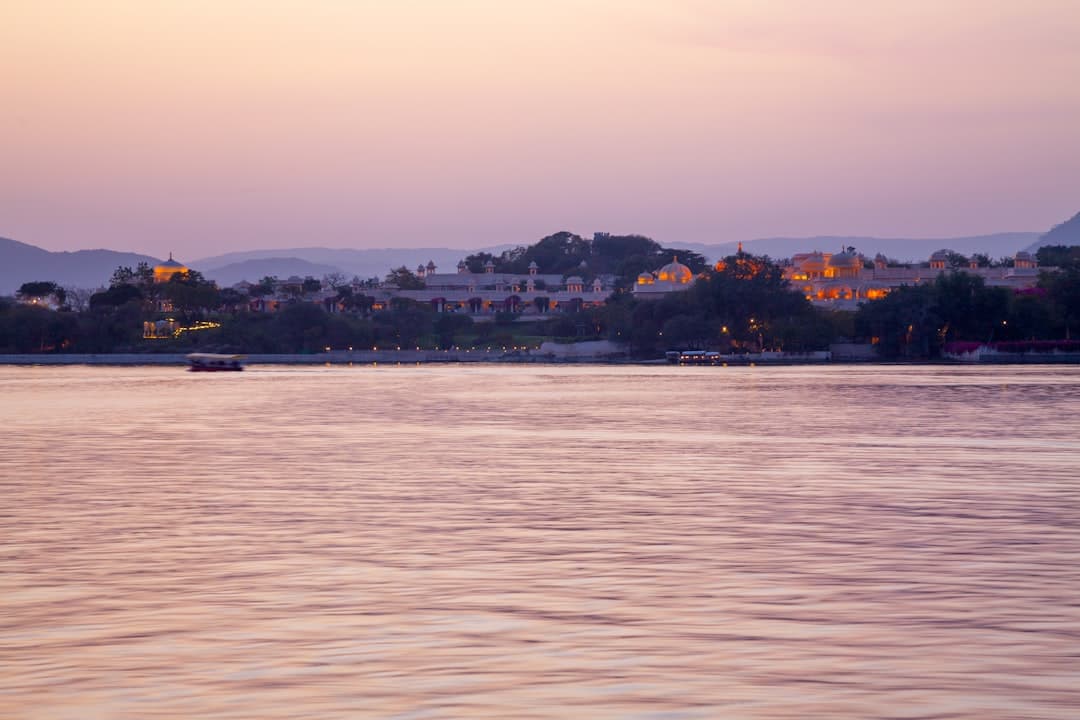
Udaipur
A romantic "City of Lakes" nestled in Rajasthan, known for its stunning palaces, serene water bodies, and rich cultural heritage.
Explore UdaipurFeatured Destinations in India
Travel Costs in India
Cost Overview
India has moderate costs, with a mix of affordable options and some premium experiences.
Money-Saving Tips
- •Visit during shoulder season for better rates on accommodation
- •Use public transportation instead of taxis when possible
- •Consider staying in locations outside the main tourist areas
- •Look for restaurants where locals eat for better value
Currency Information
Currency: Indian Rupee (₹)
Cost Guide: India
Local pricing information
Budget Traveler
Hostels, street food, public transport
Mid-Range
3-star hotels, restaurants, tours
Luxury
4-5 star hotels, fine dining, private tours
Seasonal Pricing
Prices vary by season. High season (summer, holidays) typically costs 20-40% more, while low season offers better deals. Consider the shoulder season (spring/fall) for a balance between good weather and lower prices.
Loading exchange rates...
Note: These prices are approximate and may vary depending on region, season, and personal preferences. Prices in popular tourist areas may be higher.
Budget Comparison
Estimated daily costs for traveling in India
Budget
Backpacker style
Includes
- Hostels & dorms
- Street food & markets
- Free attractions
- Local transport
Mid-Range
Comfortable travel
Includes
- Mid-range hotels
- Local restaurants
- Guided tours
- Mix of transport
Luxury
Premium experience
Includes
- Luxury hotels & resorts
- Fine dining
- Private tours & experiences
- Private transport
Note: Costs vary significantly between cities and regions within India. These are general estimates and can fluctuate based on season, location, and travel style.
Everything You Need to Know
Click any section to expand and view details
Travel Advisory
Check the latest travel advisories and safety information before your trip.
View Official AdvisoryLocal Insights
Culture & Traditions
India is a vast, diverse nation with extraordinary cultural complexity, shaped by thousands of years of historical interactions, religious traditions, and regional variations. The country encompasses hundreds of languages, multiple religious practices, and distinct cultural identities across its states. Traditional Indian culture emphasizes family bonds, respect for elders, spiritual practices, and interconnectedness between individuals and community. Hinduism, Islam, Sikhism, Buddhism, and other religions coexist and deeply influence social norms, festivals, art, and daily life.
Indian arts represent a rich tapestry of expression, including classical dance forms like Bharatanatyam and Kathak, intricate music traditions such as Hindustani and Carnatic classical music, and vibrant visual arts. Architecture ranges from ancient temple complexes and Mughal monuments to contemporary urban designs. Literature spans ancient Sanskrit texts, regional language poetry, and modern global literary contributions. Traditional clothing like saris, kurtas, and turbans remain significant cultural markers, though urban areas increasingly blend traditional and Western fashion styles.
Family structure in India remains predominantly patriarchal and multigenerational, with extended families often living together and maintaining strong intergenerational connections. Social interactions are characterized by formality, indirect communication, and nuanced respect protocols. Festivals like Diwali, Holi, Eid, and regional celebrations demonstrate the country's incredible cultural diversity, involving elaborate rituals, communal gatherings, traditional foods, and spiritual significance. Modern Indian culture represents a dynamic fusion of traditional values and rapidly evolving global influences, particularly in metropolitan centers.
Contemporary Indian culture is experiencing significant transformation through technological advancement, globalization, and younger generations' changing perspectives. Urban centers like Mumbai, Delhi, and Bangalore showcase cosmopolitan lifestyles blending traditional and modern elements, while rural areas maintain more conservative social structures. The emergence of a robust digital economy, increasing women's empowerment, and global cultural exchanges are reshaping traditional social norms and creating new, hybrid cultural expressions.

Cultural Experience
Immerse yourself in local traditions and customs