Loading...
Kuwait
Kuwait is a small, oil-rich nation located at the northern tip of the Persian Gulf, offering travelers a unique blend of modern urban experiences and traditional Arab culture. Its ...
Historical
Overview
Country Overview
Discover Kuwait
K
uwait is a small but strategically important Middle Eastern nation located at the northern edge of the Persian Gulf, characterized by its modern urban landscapes and rich petroleum-based economy. The country features a predominantly desert terrain with a hot, arid climate, punctuated by sophisticated metropolitan areas like Kuwait City, which blends traditional Islamic architecture with contemporary skyscrapers and advanced infrastructure. Kuwait's cultural heritage is deeply rooted in Bedouin traditions, maritime trade, and Islamic influences, creating a unique societal fabric that balances traditional values with rapid modernization.
The nation offers travelers fascinating experiences through its museums, historic sites like the Kuwait Towers, and vibrant souks (traditional markets) that showcase the country's commercial history and cultural depth. Kuwait's culinary scene reflects its diverse cultural influences, featuring delicious Middle Eastern dishes like machboos (spiced rice with meat), margoog (a traditional stew), and an array of fresh seafood reflecting its coastal geography. Despite its relatively small size, Kuwait presents a compelling destination for those interested in understanding contemporary Arab culture, petroleum-driven economic development, and the intricate balance between tradition and modernity in the Gulf region.
Kuwait's landscape is predominantly characterized by flat, sandy desert terrain, with minimal vegetation and a coastline that stretches approximately 499 kilometers along the Persian Gulf. The country's environment is challenging yet fascinating, with summer temperatures often exceeding 50°C, making it one of the hottest regions globally. Its strategic location has historically made it a crucial hub for trade and, more recently, global petroleum production, which has transformed it from a modest pearl-diving and fishing economy to one of the world's wealthiest nations per capita.
Historical Significance
Kuwait's history stretches back to ancient Mesopotamian civilizations, with archaeological evidence suggesting human settlements in the region as early as 4500 BCE. The area was part of the broader Dilmun civilization, which was an important trading network connecting Mesopotamia with the Indus Valley. Early inhabitants were primarily Bedouin tribes and maritime traders who leveraged the region's strategic location along trade routes. The modern state of Kuwait emerged in the early 18th century when the Al-Sabah family established a settlement at Kuwait Bay around 1752. The region became a crucial maritime trading center, attracting merchants from Persia, India, and Arabia.
Official Country Website
Latest information and updates from Kuwait
Key Information
Region
Middle East (Arabian Peninsula)
Official Language
Not specified
Timezone
AST (UTC+3)
Calling Code
+965Cities in Kuwait
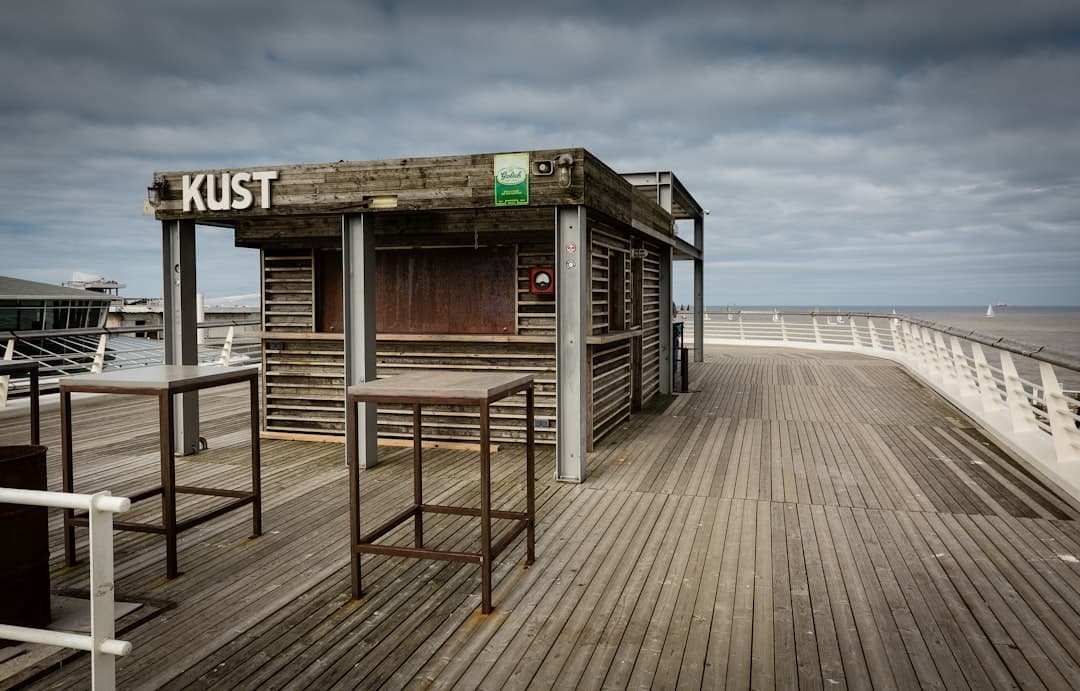
Kuwait
2 days recommended
Coast Strip C
A modern coastal stretch in Kuwait offering pristine beaches, contemporary urban design, and stunning views of the Arabian Gulf.
Explore Coast Strip C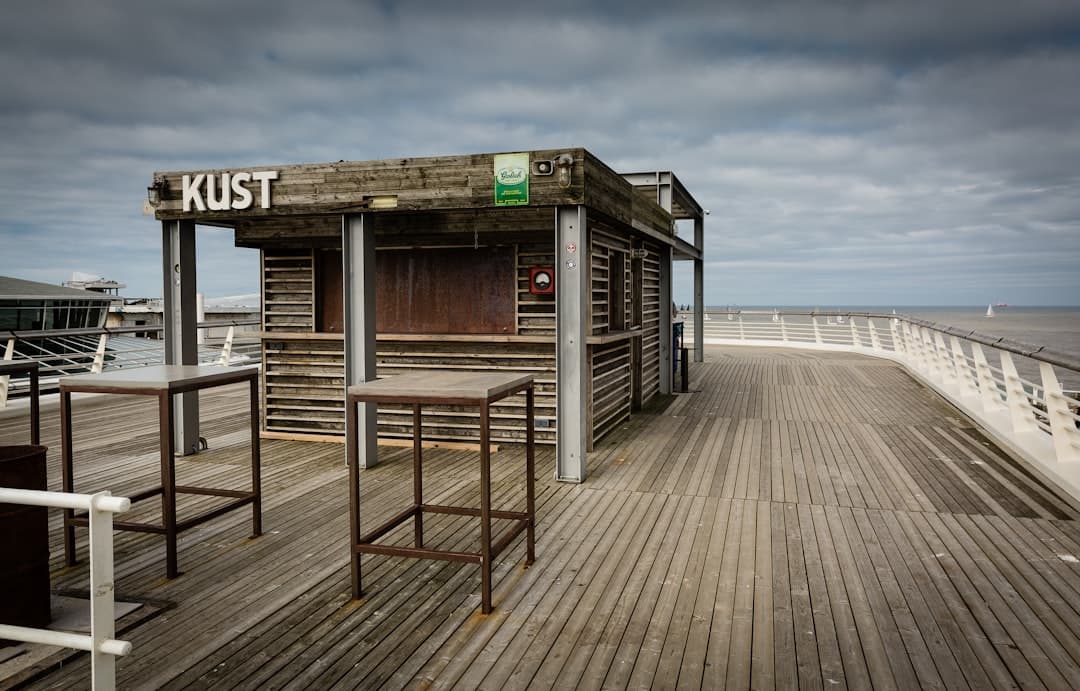
Kuwait
2 days recommended
Coast Strip C
A stunning coastal stretch in Kuwait offering pristine beaches, modern infrastructure, and a glimpse into contemporary Arabian maritime lifestyle.
Explore Coast Strip CFeatured Destinations in Kuwait
Travel Costs in Kuwait
Cost Overview
Kuwait has moderate costs, with a mix of affordable options and some premium experiences.
Money-Saving Tips
- •Visit during shoulder season for better rates on accommodation
- •Use public transportation instead of taxis when possible
- •Consider staying in locations outside the main tourist areas
- •Look for restaurants where locals eat for better value
Currency Information
Currency: Kuwaiti Dinar (د.ك)
Cost Guide: Kuwait
Local pricing information
Currency:
Budget Traveler
Hostels, street food, public transport
Mid-Range
3-star hotels, restaurants, tours
Luxury
4-5 star hotels, fine dining, private tours
Seasonal Pricing
Prices vary by season. High season (summer, holidays) typically costs 20-40% more, while low season offers better deals. Consider the shoulder season (spring/fall) for a balance between good weather and lower prices.
Loading exchange rates...
Note: These prices are approximate and may vary depending on region, season, and personal preferences. Prices in popular tourist areas may be higher.
Budget Comparison
Estimated daily costs for traveling in Kuwait
Budget
Backpacker style
Accommodation
$10-20/nightMeals
$8-15/dayActivities
$5-10/dayTotal
$30-60/dayIncludes
- Hostels & dorms
- Street food & markets
- Free attractions
- Local transport
TYPICAL FOR KUWAIT
Mid-Range
Comfortable travel
Accommodation
$40-80/nightMeals
$25-40/dayActivities
$15-30/dayTotal
$80-150/dayIncludes
- Mid-range hotels
- Local restaurants
- Guided tours
- Mix of transport
Luxury
Premium experience
Accommodation
$150+/nightMeals
$60-120/dayActivities
$40-80/dayTotal
$250+/dayIncludes
- Luxury hotels & resorts
- Fine dining
- Private tours & experiences
- Private transport
Note: Costs vary significantly between cities and regions within Kuwait. These are general estimates and can fluctuate based on season, location, and travel style.
Travel Essentials
Everything You Need to Know
Click any section to expand and view details
Kuwait maintains a selective visa policy with varying requirements for different nationalities. European Union and EEA citizens generally require a visa for entry, which can be obtained through Kuwait's diplomatic missions or approved online platforms. Most EU nationals are eligible for tourist and business visas, typically valid for 30-90 days depending on specific bilateral agreements.
Visa-free and visa-on-arrival policies are limited but exist for select countries. Gulf Cooperation Council (GCC) nationals enjoy unrestricted entry. Some nationalities, including citizens from the United States, United Kingdom, and certain European countries, can obtain a visa on arrival for short-term stays, usually valid for 30 days. However, these policies are subject to frequent changes, and travelers must confirm their specific eligibility before departure. Work and long-term visas require sponsorship from a Kuwaiti employer or educational institution, with stringent documentation and background check requirements.
Special visa categories include work permits (requiring employer sponsorship), student visas (necessitating admission to a Kuwaiti educational institution), and business visas for commercial activities. Recent policy changes have emphasized digital application processes and increased scrutiny of visa applications, particularly in response to global security concerns. COVID-19 has also introduced additional health-related entry requirements that may impact visa issuance.
Travel Advisory
Check the latest travel advisories and safety information before your trip.
View Official AdvisoryLocal Insights
Culture & Traditions
Kuwait is a conservative Gulf Arab nation with a rich cultural heritage deeply rooted in Bedouin traditions and Islamic principles. Traditional Kuwaiti culture emphasizes hospitality, family honor, and strong tribal connections, with extended family networks playing a crucial role in social interactions. The society blends traditional Islamic values with modern cosmopolitan influences, creating a unique cultural landscape that respects heritage while embracing contemporary global trends.
The traditional arts remain an important aspect of Kuwaiti cultural identity, with pearl diving, maritime trade, and desert survival historically shaping local customs. Traditional music like "Sawt" and "Liwa" continue to be celebrated, featuring distinctive instrumental and vocal styles that reflect the country's maritime and Bedouin roots. Artistic expressions such as calligraphy, poetry, and traditional handicrafts like weaving and pearl jewelry-making are still practiced and respected as important cultural traditions.
Modern Kuwaiti culture is characterized by a sophisticated urban lifestyle that balances Islamic principles with global influences. While maintaining conservative social norms, Kuwait has a vibrant cultural scene with modern art galleries, international film festivals, and contemporary music and theater productions. The country's multicultural population, which includes significant expatriate communities, has further enriched its cultural landscape, creating a dynamic environment that blends traditional Arab hospitality with international perspectives.
Family remains the cornerstone of Kuwaiti social structure, with extended family networks providing critical social and economic support. Traditional gender roles persist, though women have made significant professional and educational advances in recent decades. Social interactions are typically formal and hierarchical, with great emphasis placed on respect, politeness, and maintaining harmonious relationships within the community.

Cultural Experience
Immerse yourself in local traditions and customs