Zagreb
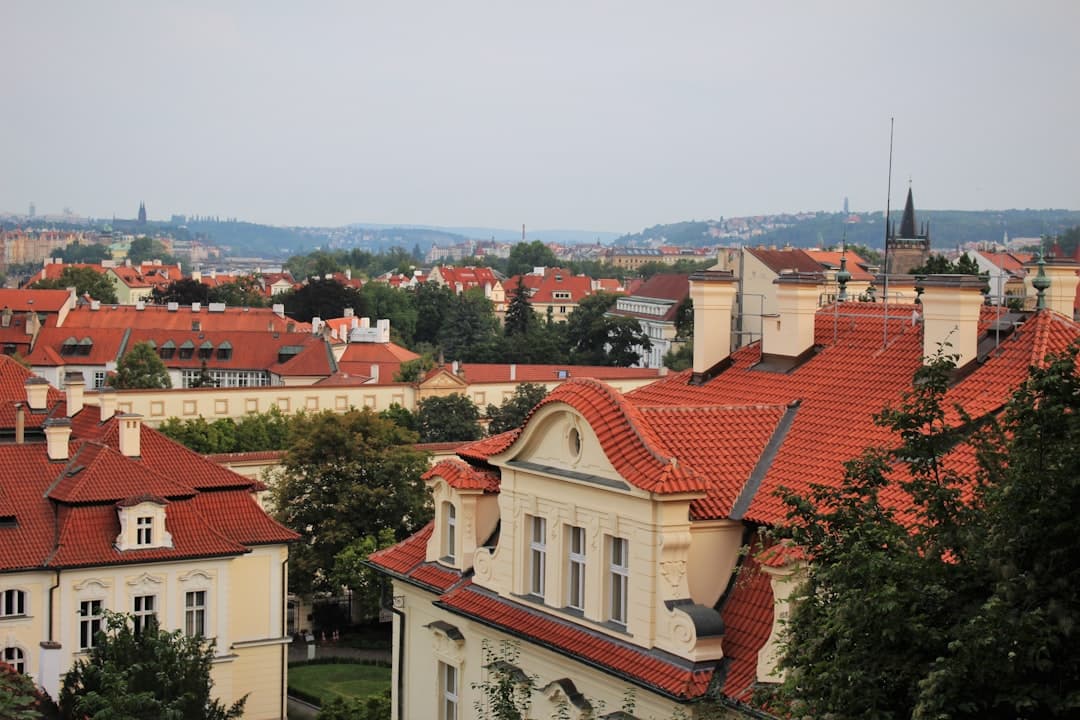
Zagreb is Croatia's capital, a laid-back Central European city of Austro-Hungarian architecture, hillside old quarters, leafy parks and a lively cafe culture.
Zagreb quick facts
- Best time to visit
- May to June and September are the best months to visit Zagreb, with
- Language
- Croatian
- Currency
- Euro (EUR)
- Getting around
- Tram and bus
- Suggested stay
- 3 days
- Cost level
- Moderate
About Zagreb
Zagreb sits on the southern slopes of Medvednica mountain, near the Sava River, and is Croatia's largest city and its political, cultural and academic center. It feels more Central European than Mediterranean, with Habsburg-era facades, tree-lined squares and a compact center that is easy to explore on foot.
The city is split into the Upper Town, made up of the medieval hilltop quarters of Gradec and Kaptol, and the Lower Town, a 19th-century grid of boulevards, parks and museums. A short funicular and a number of stairways link the two levels, and trams run through the main squares.
Life in Zagreb revolves around its cafes, markets and public spaces. Locals gather for long coffees along Tkalčićeva and the Bogovićeva area, shop for produce at Dolac market, and escape to Maksimir Park or the forested trails of Medvednica at weekends. Museums here are unusually quirky, and the city hosts many festivals and a well-known Advent season.
Zagreb works well as a relaxed city break of a few days and as a base for exploring northern Croatia, with castles, spa towns and wine country within easy reach.
Known for
- Upper Town with its medieval streets and gate, Cafe culture and the Saturday morning coffee ritual, Dolac open-air market, Quirky museums such as the Museum of Broken Relationships, Advent season festivities, Austro-Hungarian architecture and green parks
Food in Zagreb
Zagreb's cuisine reflects continental Croatia and its Central European ties, with hearty meat dishes, baked pastries, dairy, and cabbage and potato sides. It is less seafood-focused than the coast, though fish restaurants are easy to find. Home-style cooking and seasonal produce from nearby farms are valued.
Daily eating revolves around a solid lunch, often the main meal, and a strong coffee habit that fills mornings and afternoons. Bakeries sell savory and sweet pastries for a quick breakfast, and the market is a popular place to buy cheese, cured meats, fruit and vegetables.
Wine from the continental regions of Croatia is widely served, along with rakija, fruit brandies often offered as a welcome or digestif. Craft beer has also become a part of the local scene.
History of Zagreb
Zagreb grew from two medieval settlements on neighboring hills, Kaptol, the seat of the bishopric founded in the late 11th century, and Gradec, a fortified town that received royal privileges in the 13th century. The two communities were rivals for centuries before merging in the 1700s and later gaining a unified identity as a city in the 1850s and 1860s.
In the 19th century Zagreb flourished as a cultural and political center of Croatia within the Habsburg monarchy. The Lower Town was laid out with a grid of squares, parks and public buildings, the railway arrived, and institutions such as the university and national theatre took shape. A strong 1880 earthquake led to extensive rebuilding in the following decades.
Zagreb became the capital of Croatia within Yugoslavia after the Second World War and of independent Croatia after 1991. The city expanded considerably in the 20th century, with large districts south of the Sava. A significant earthquake in 2020 damaged many historic buildings, and restoration has continued since.
Culture and etiquette
Zagreb is polite and fairly informal. A handshake and a friendly greeting are standard, and people tend to address strangers formally at first. Punctuality is appreciated for appointments, though social meetings are more relaxed.
Cafe sitting is a central part of social life. It is normal to linger for an hour or more over one drink, and the waiter will not rush you. Locals often meet for the Saturday morning coffee, known as špica, in the center.
When invited to a home, bring a small gift such as flowers or sweets and remove your shoes if asked. Tipping by rounding up or leaving a small amount for good service is customary. Most residents speak some English, but a few words of Croatian such as dobar dan and hvala are warmly received.
Things to do in Zagreb
What to see, where to stay and where to eat.
Cathedral of Zagreb
Kaptol 31, 10000, Zagreb
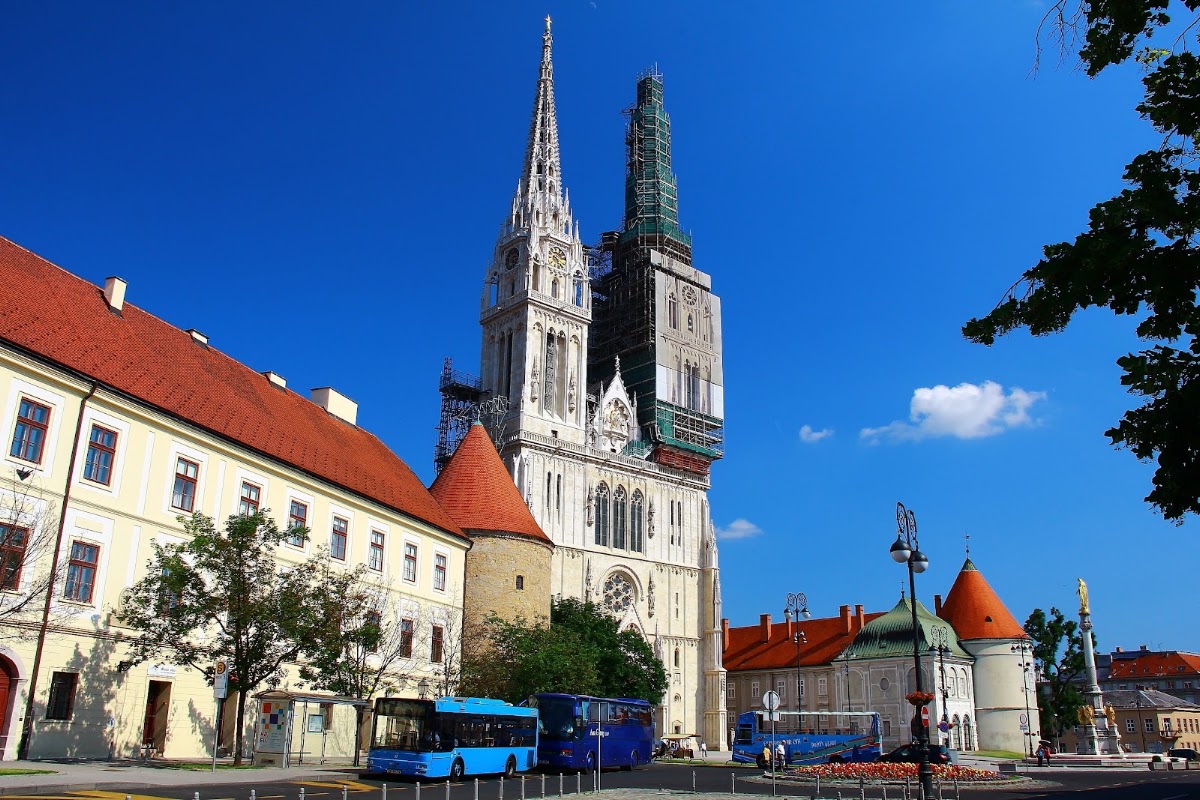
The Cathedral of Zagreb is a huge Roman Catholic edifice located on Kaptol, just 0.23 km from the city center. The cathedral was restored to its former glory during the 1990s. It holds a rating of 4.6 stars based on nearly 18,000 visitor reviews.
Museum of Broken Relationships
Ćirilometodska ul. 2, 10000, Zagreb
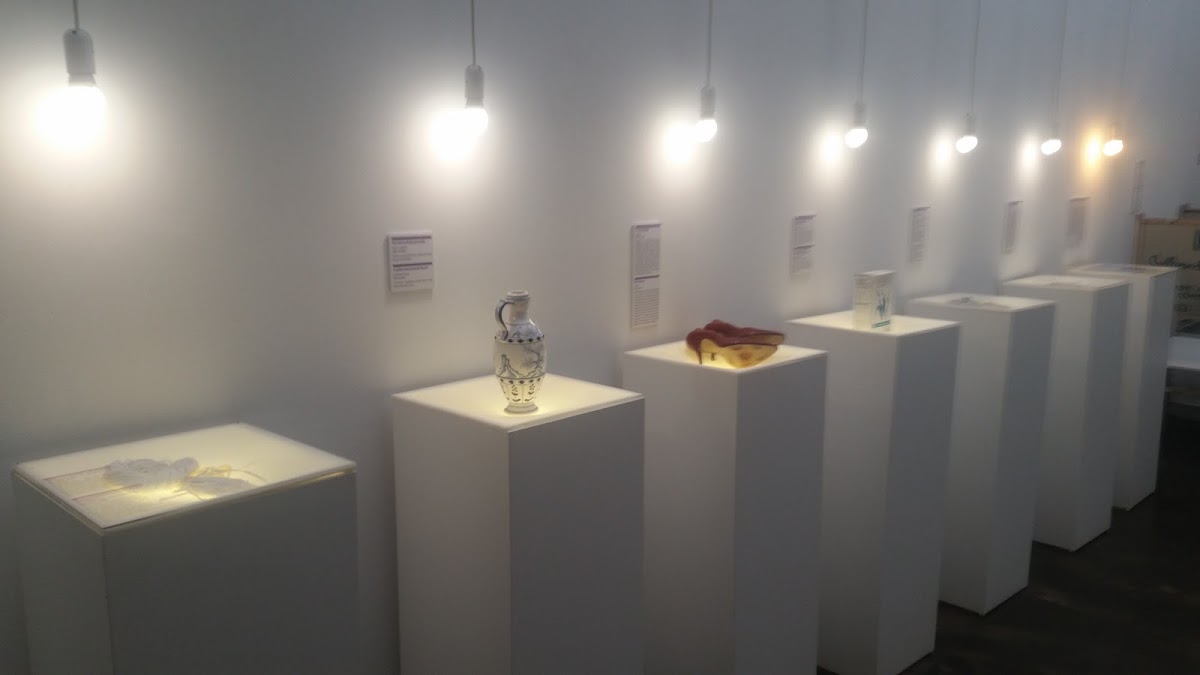
The Museum of Broken Relationships is housed in a baroque palace and displays personal objects from former lovers accompanied by brief synopses. Located just 0.28 km from Zagreb's city center, it offers a unique collection exploring the end of relationships through donated items and their stories.
Stone Gate | Zagreb
Kamenita ul. 1, 10000, Zagreb
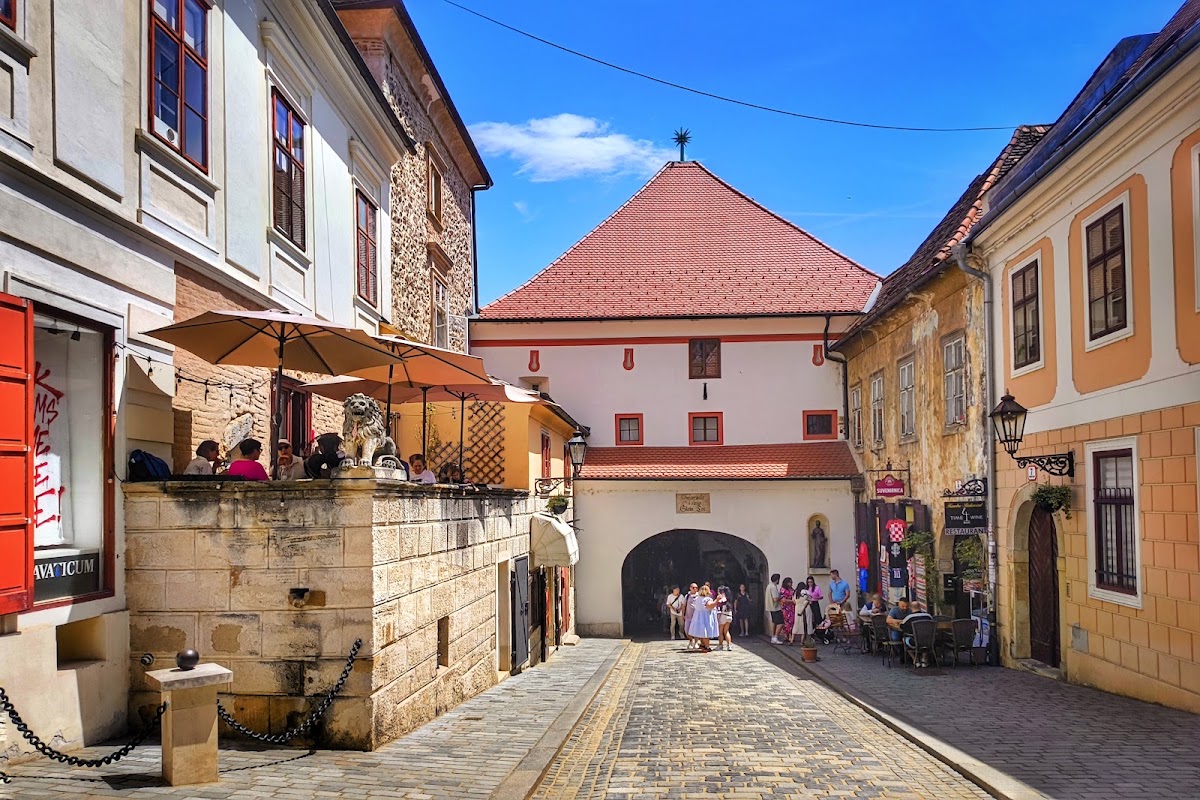
Stone Gate is a medieval stone gate entrance to Zagreb's old town featuring a shrine to the Virgin Mary. Located just over a quarter kilometer from the city center, it is a popular spot for visitors to light candles and pray.
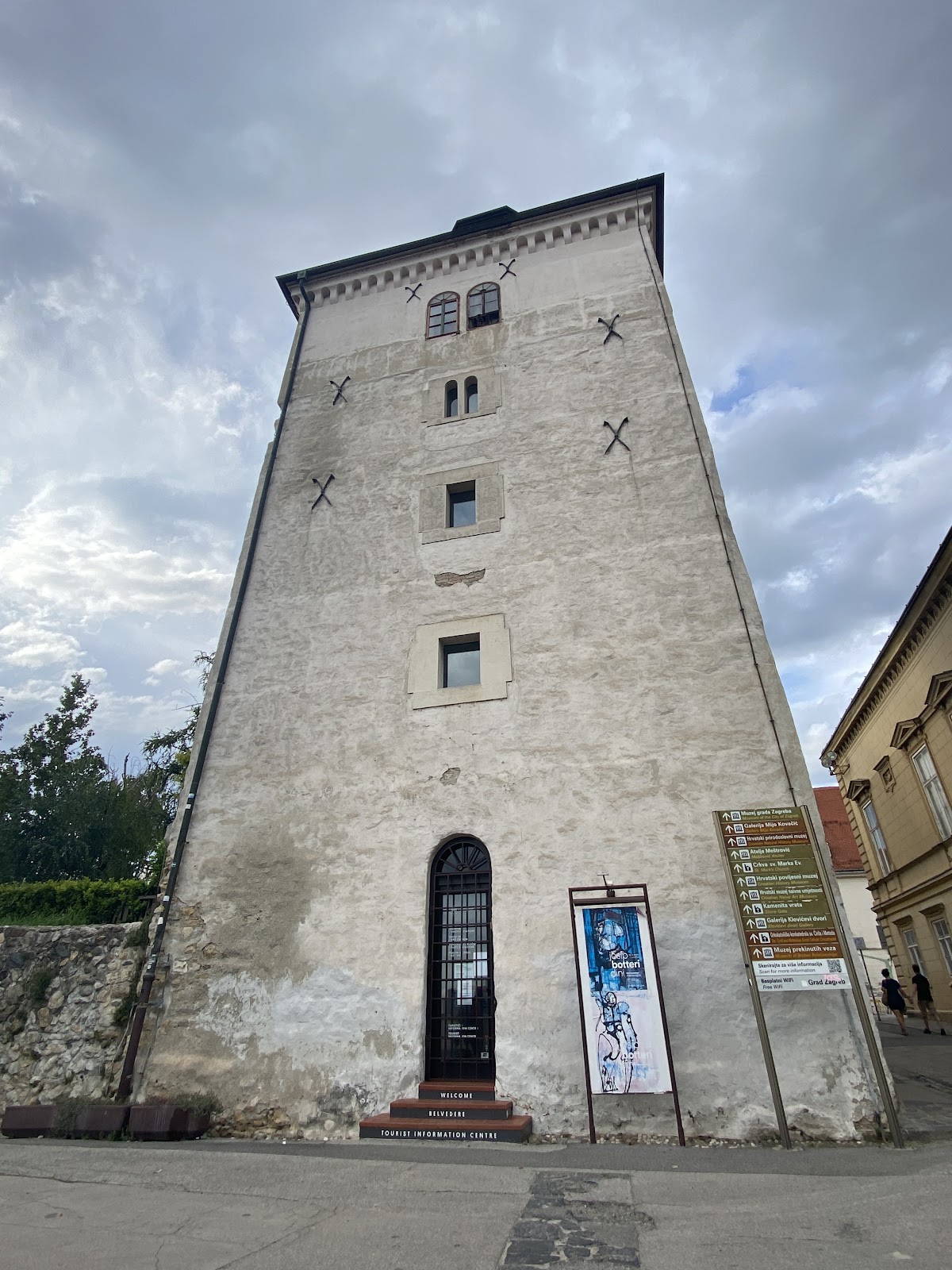
Lotrščak Tower
Strossmayerovo šetalište 9, 10000, Zagreb
Lotrščak Tower is a large tower featuring daily cannon blasts and an observation area offering panoramic views of Zagreb. Located just 0.28 km from the city center, it is highly rated by visitors.
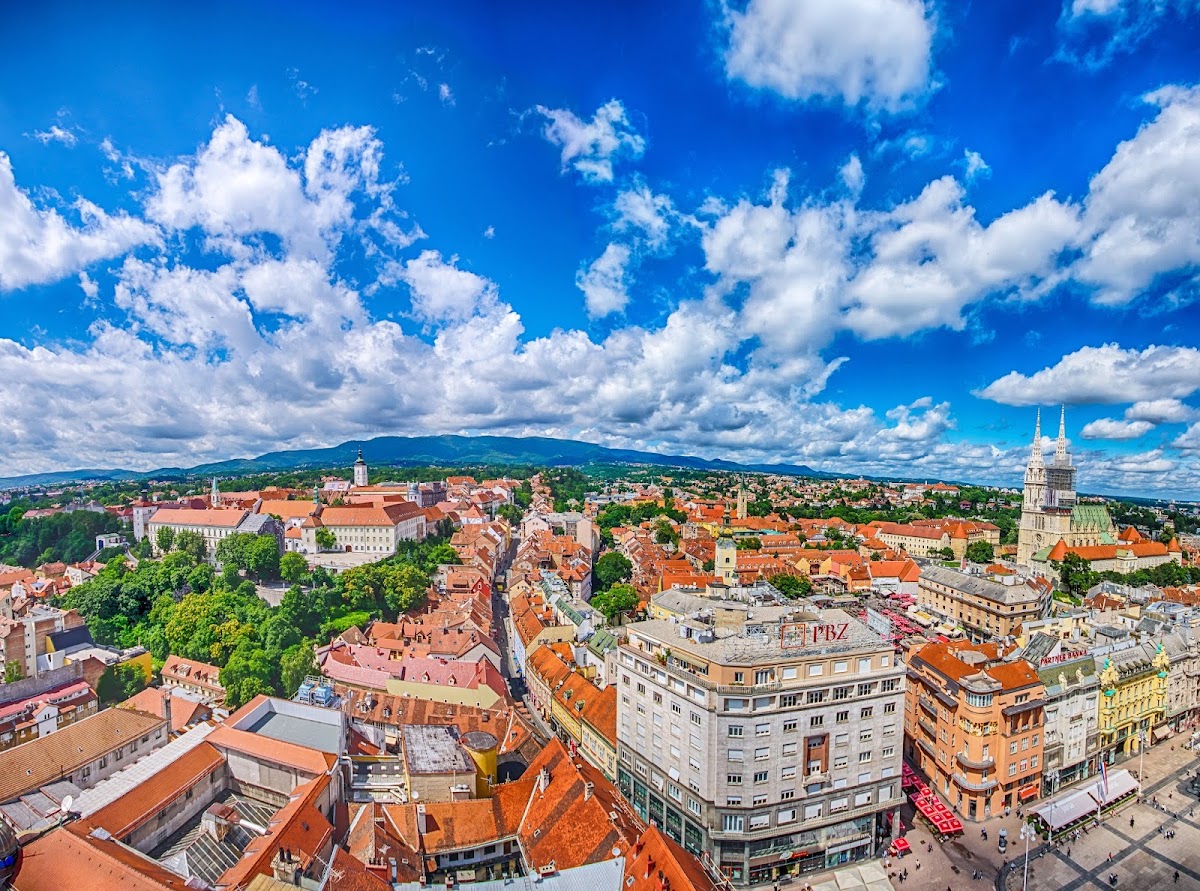
Zagreb 360° observation deck
Trg bana Jelačića, Ilica 1a, 10000, Zagreb
Zagreb 360° observation deck is located on the 16th floor of a skyscraper at Trg bana Jelačića, just 0.13 km from the city center. The venue offers panoramic views of Zagreb along with a bar. It has a rating of 4.4 stars based on 2,396 reviews.
Arheološki muzej u Zagrebu
Zrinjevac 19, 10000, Zagreb
The Archaeological Museum of Zagreb features Egyptian mummies and rare coins, along with Roman monuments displayed in a courtyard. Located just 0.3 km from the city center on Zrinjevac, it attracts visitors with its diverse collection of archaeological artifacts.
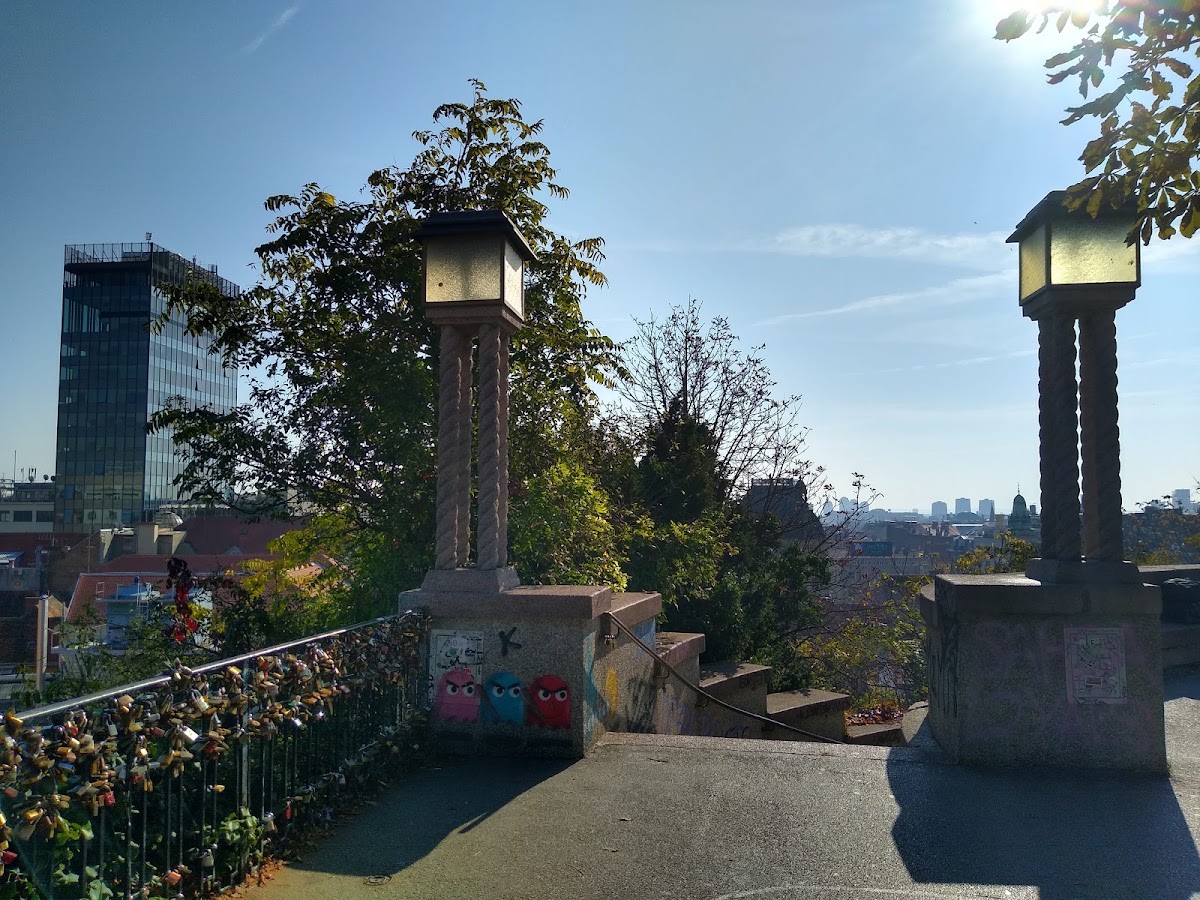
Strossmayer Promenade
Strossmayerovo šetalište 16-99, 10000, Zagreb
Strossmayer Promenade is a hiking area located just 0.33 km from Zagreb's city center. This popular attraction has earned a rating of 4.7 stars from over 1,400 visitors and serves as both a sports activity location and tourist destination.
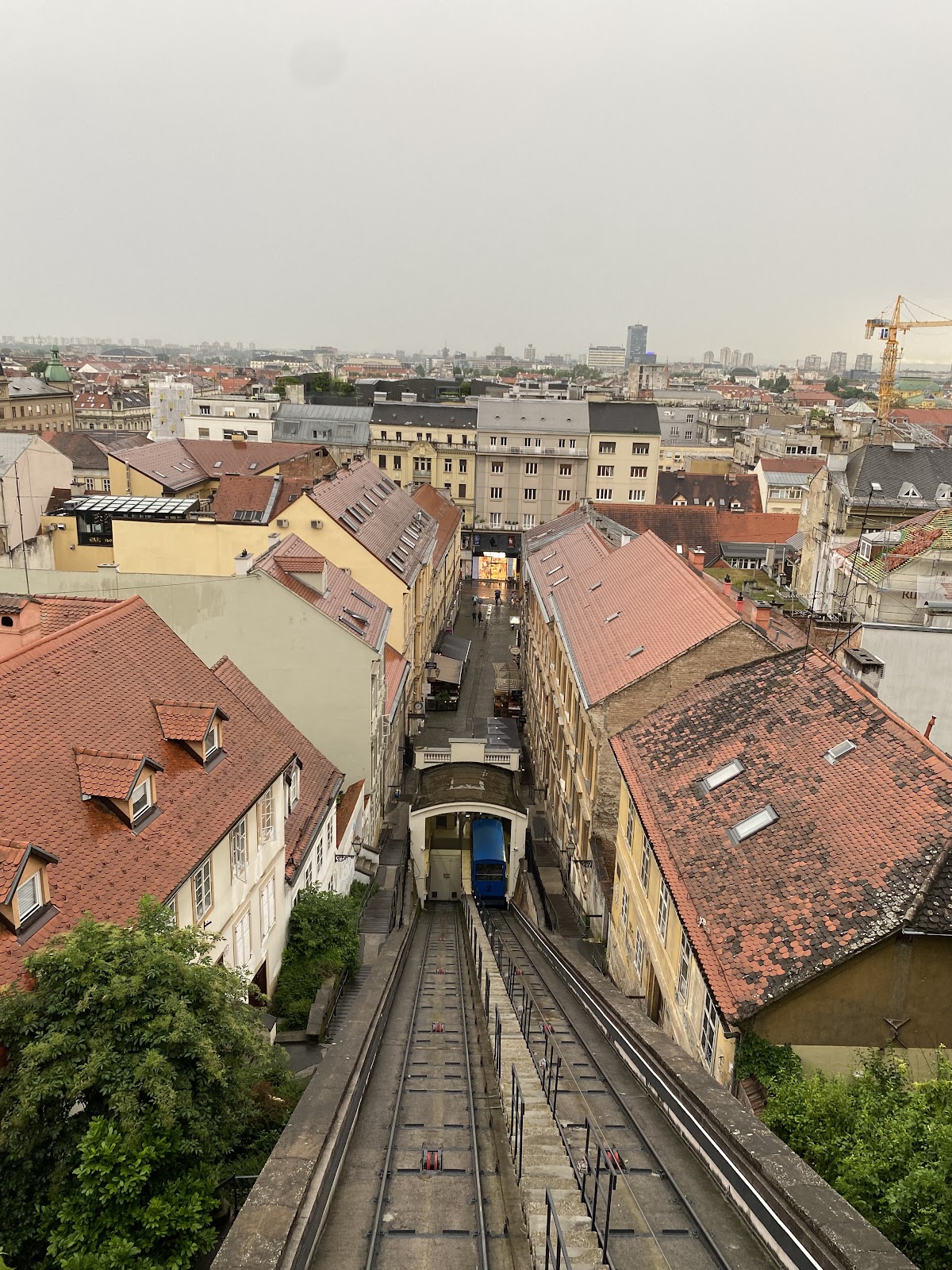
Gornji Grad
Dverce ul. 6, 10000, Zagreb
Gornji Grad is an observation deck tourist attraction located 0.28 km from Zagreb's city center at Dverce ul. 6. With a rating of 4.7 stars from 427 reviews, it offers views of the city from this elevated vantage point.
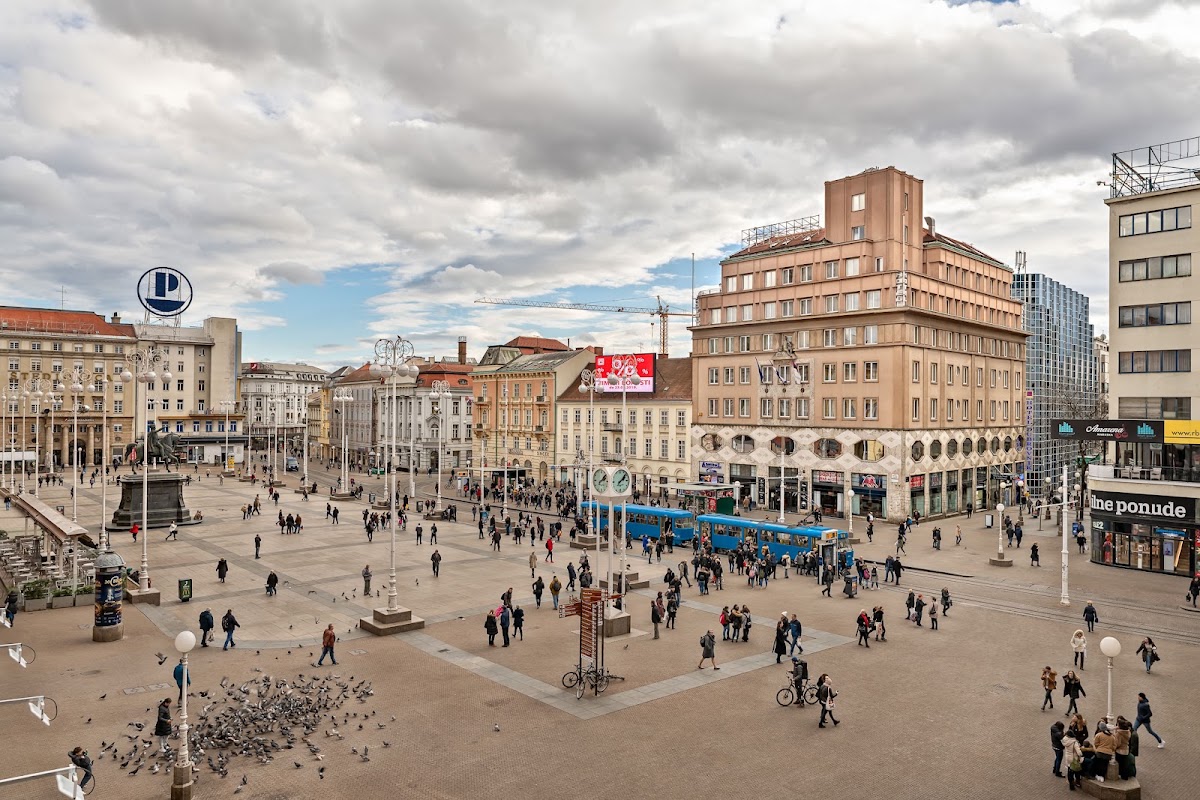
Hotel Dubrovnik
HotelLjudevita Gaja 1, PP 246, 10000, Zagreb
Hotel Dubrovnik is a refined hotel located just 0.17 km from Zagreb's city center, featuring contemporary rooms and suites. The property includes a restaurant, cafe, and gym, and offers event spaces and airport shuttle service. With a rating of 4.5 stars based on over 4,000 reviews, it serves as both an accommodation and venue for banquets and weddings.
Check prices on Booking.com for Hotel Dubrovnik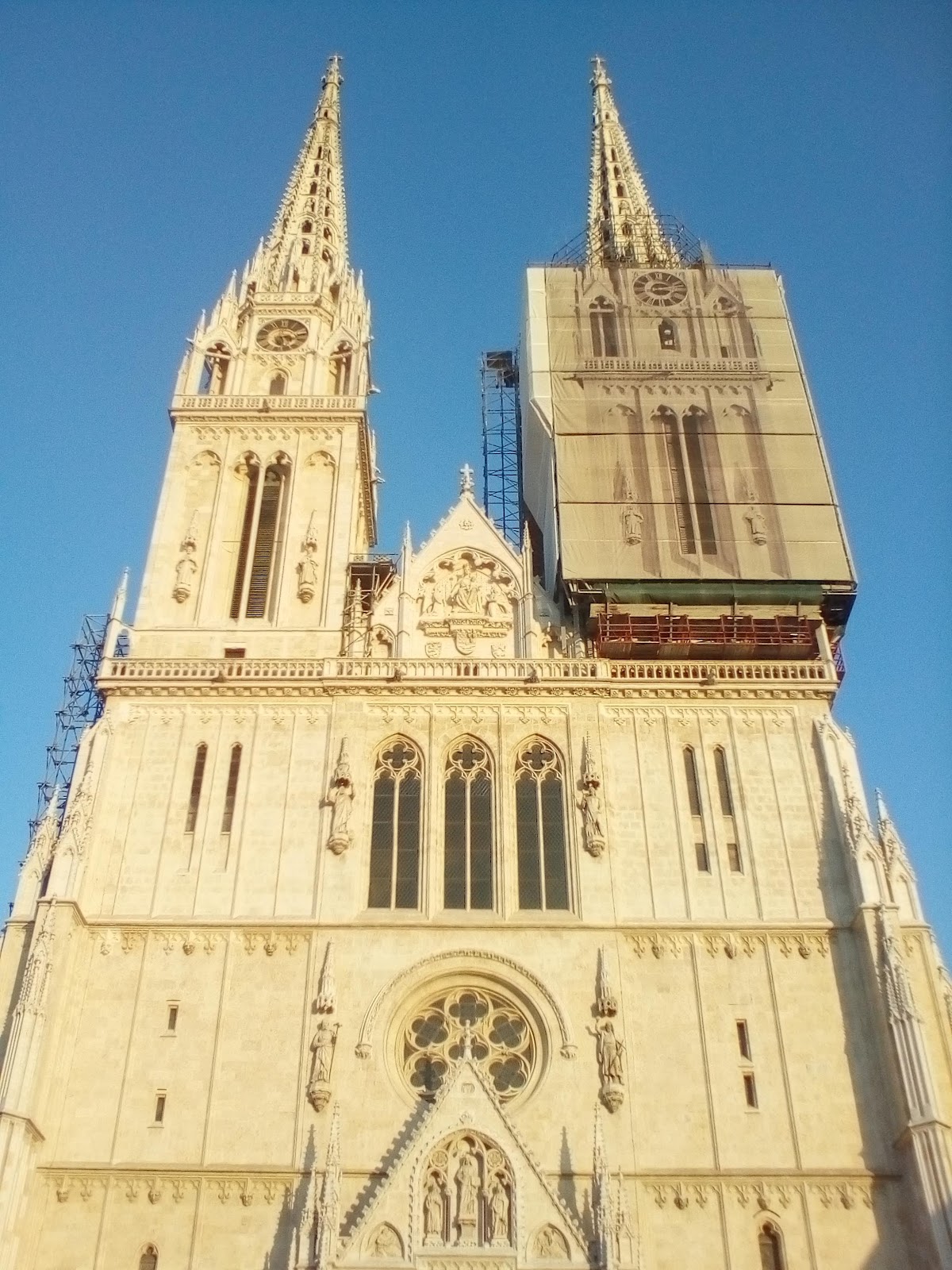
Hostel Swanky Mint
HostelIlica 50, 10000, Zagreb
Hostel Swanky Mint is a trendy, industrial-style hostel located in a former textile factory on Ilica 50, just 0.65 km from Zagreb's city center. The hostel features a buzzy bar and a seasonal pool, with a rating of 4.6 out of 5 based on 1,468 reviews.
Check prices on Booking.com for Hostel Swanky Mint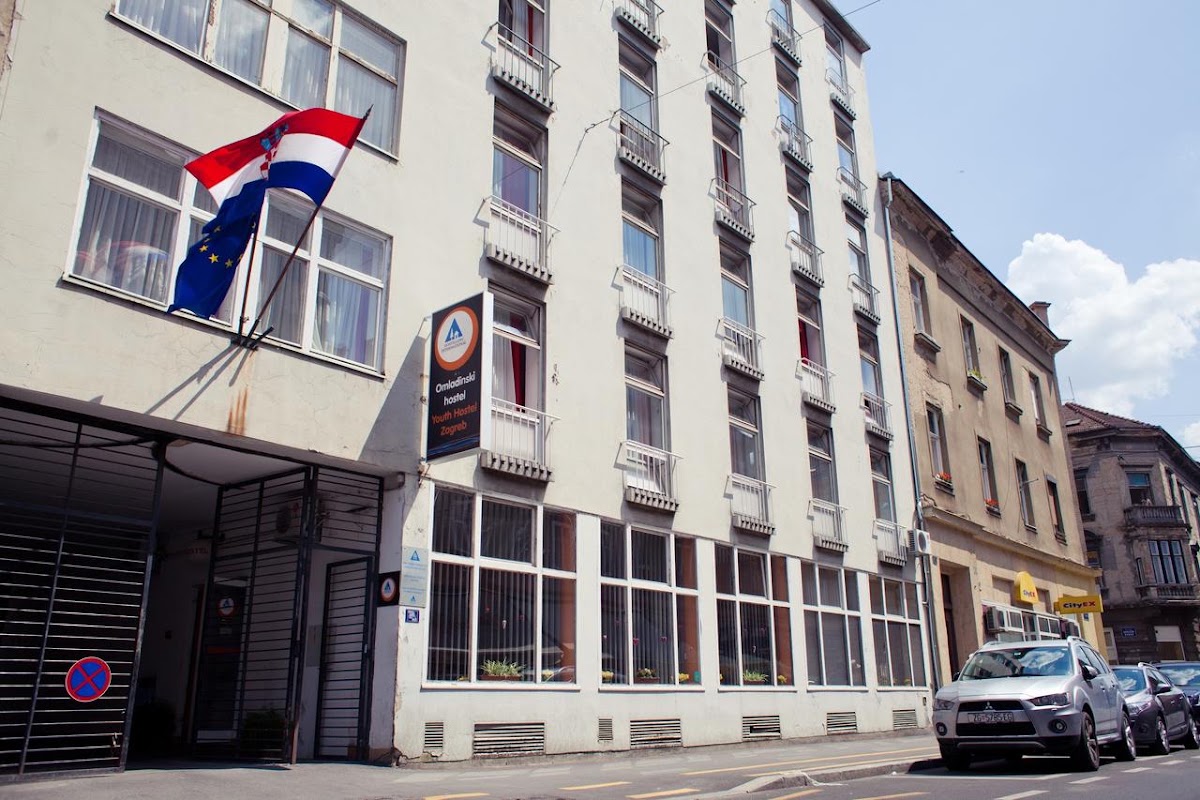
HI Hostel Zagreb
HostelPetrinjska ul. 77, 10000, Zagreb
HI Hostel Zagreb is a laid-back hostel located 0.83 km from the city center on Petrinjska ulica, offering simple dorms and private rooms. The hostel features Wi-Fi, parking, and a lounge area for guests.
Check prices on Booking.com for HI Hostel Zagreb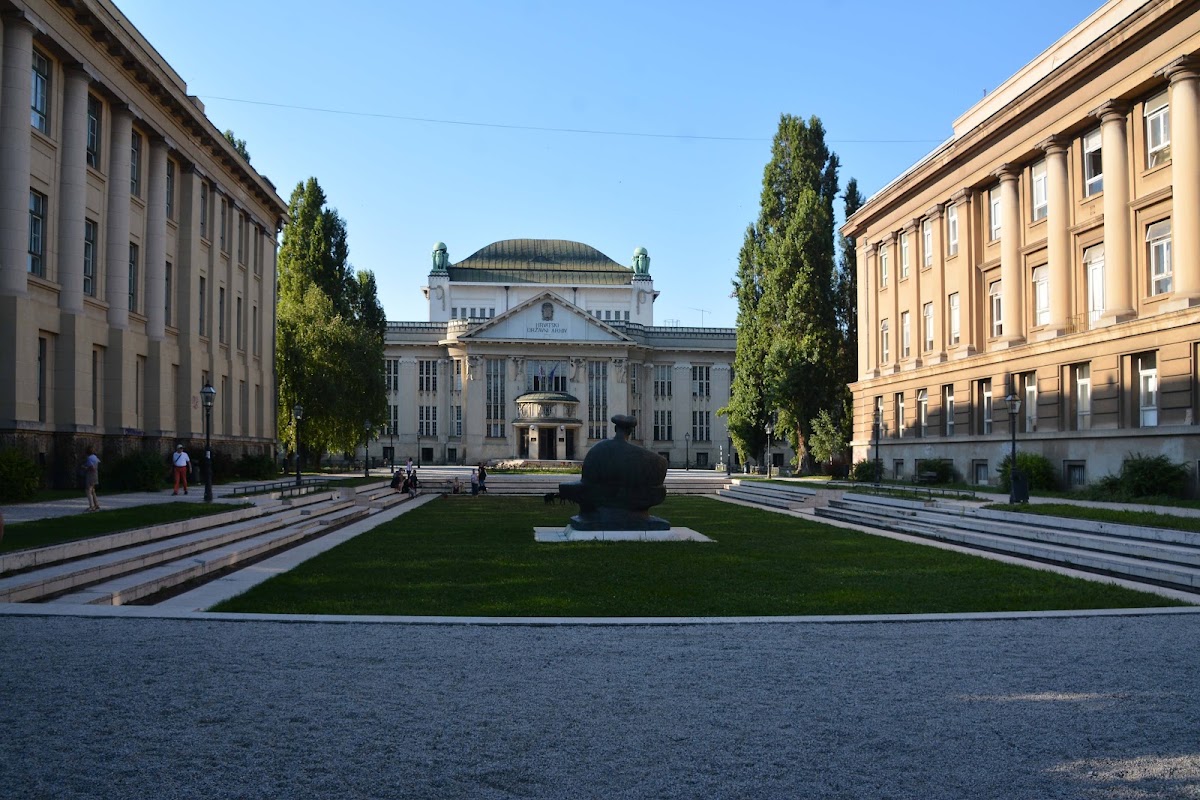
Garden Hotel
HotelVodnikova ul. 13, 10000, Zagreb
Garden Hotel is a casual hotel located 1.2 km from Zagreb's city center on Vodnikova ulica. The property features simply furnished rooms along with a relaxed restaurant and cafe/bar. It has a rating of 4 out of 5 based on over 1,000 guest reviews.
Check prices on Booking.com for Garden Hotel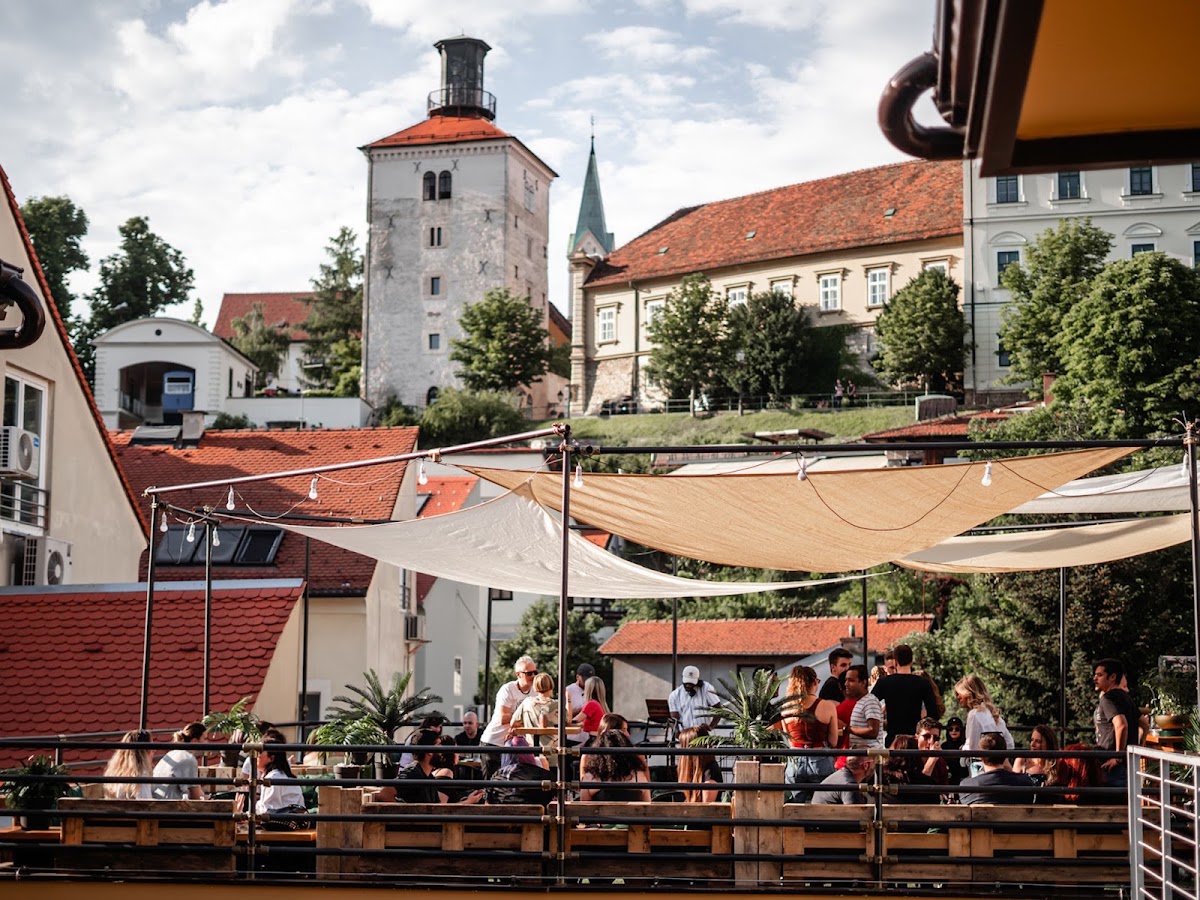
Chillout Hostel
HostelIlica 16, 10000, Zagreb
Chillout Hostel is located on Ilica 16, just 0.26 km from Zagreb's city center. The hostel offers vivid dorms and private rooms with free Wi-Fi, along with a casual restaurant and bar on-site. It has a rating of 4 out of 5 based on 903 reviews.
Check prices on Booking.com for Chillout Hostel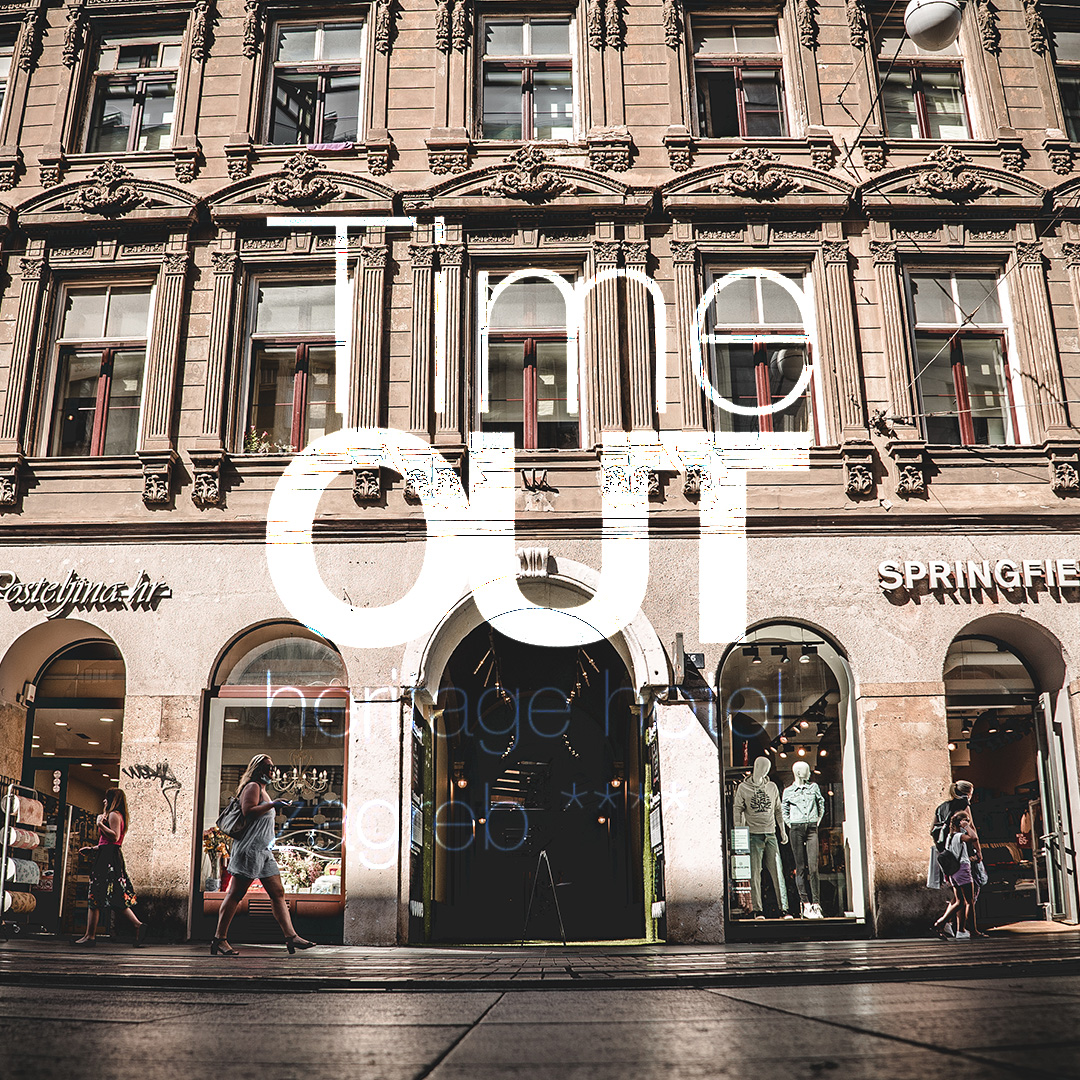
Timeout Heritage Hotel Zagreb
HotelIlica 16, 10000, Zagreb
Timeout Heritage Hotel Zagreb is a laid-back hotel located on Ilica street in central Zagreb, just 0.26 km from the city center. The hotel features streamlined rooms, an airy restaurant, and a rooftop bar. It has a rating of 4 out of 5 based on 729 guest reviews.
Check prices on Booking.com for Timeout Heritage Hotel Zagreb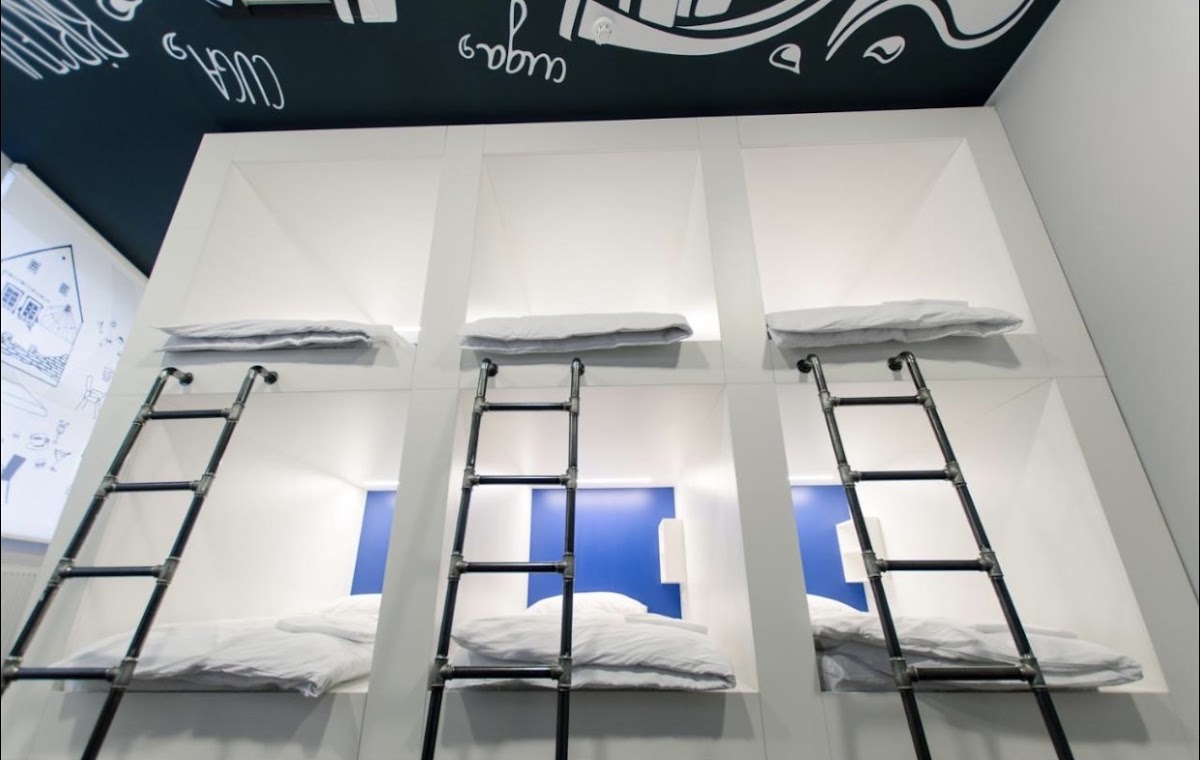
Main Square Hostel
HostelUl. Ivana Tkalčića 7, 10000, Zagreb
Main Square Hostel is a relaxed hostel offering dorms and private rooms with industrial-inspired design and free Wi-Fi, located just 0.05 km from Zagreb's city center on Ivana Tkalčića Street.
Check prices on Booking.com for Main Square Hostel
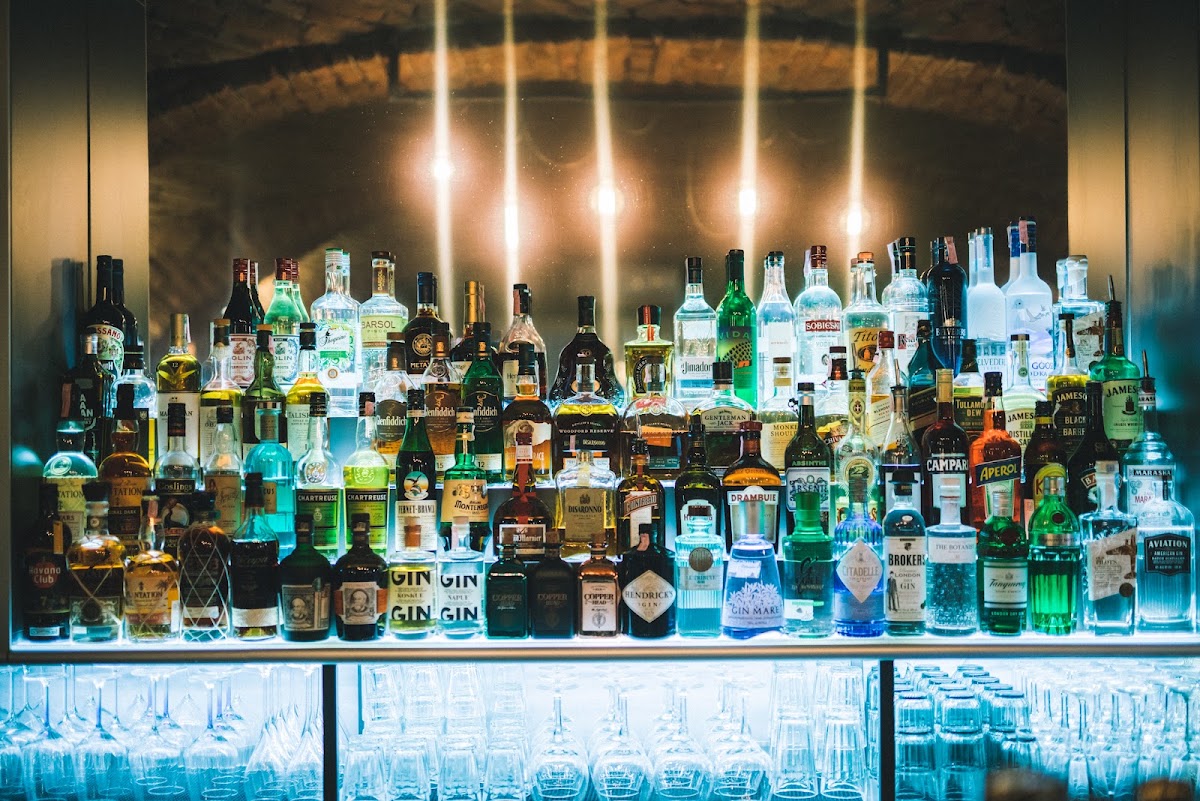
Roots Bar
Price $$Rated 4.8Ul. Josipa Eugena Tomića 5, 10000, Zagreb
Roots Bar is a casual cocktail bar located just 0.29 km from Zagreb's city center, offering fruit and vegetable juices, smoothie bowls, light bites, and unique cocktails. With a 4.8 rating from over 1,800 reviews, it serves as both a breakfast and brunch destination with a moderate price level.
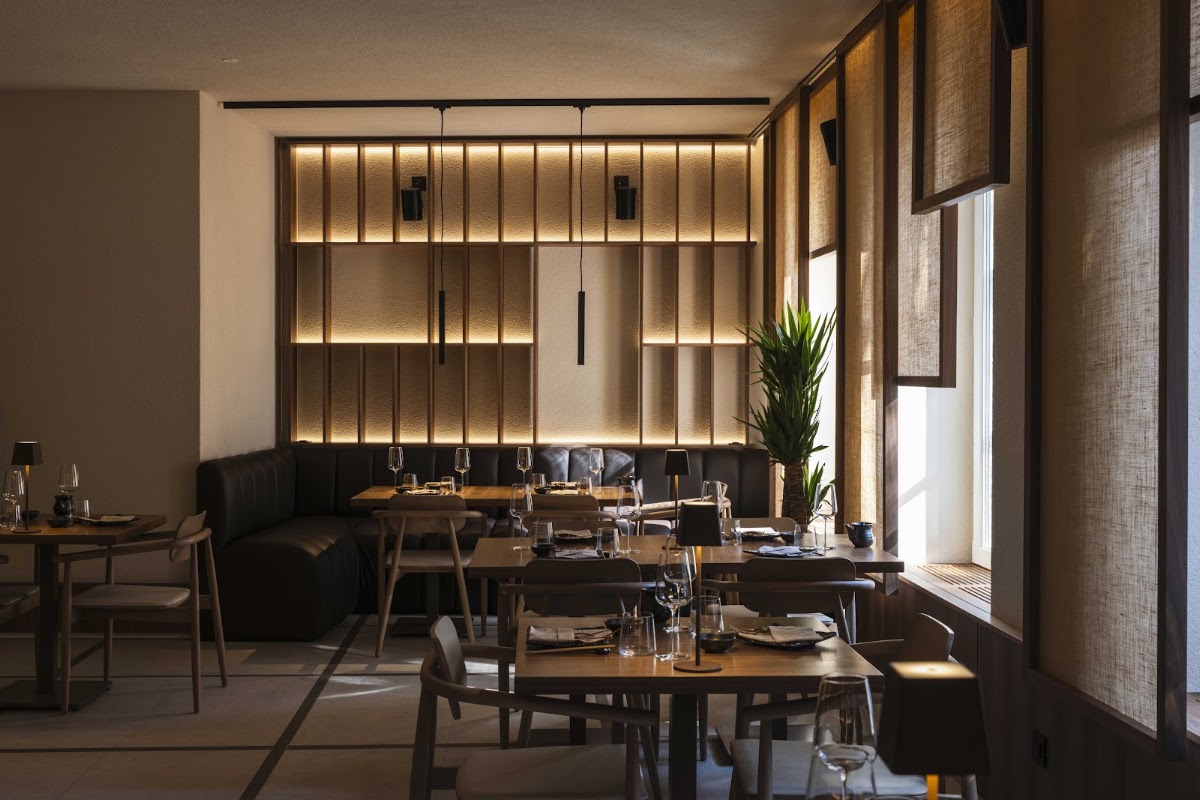
Kiyomi
AsianPrice $$$$Rated 4.8Gajeva ul. 10, 10000, Zagreb
Kiyomi is an Asian restaurant located on Gajeva Street in central Zagreb, just 0.3 km from the city center. With a rating of 4.8 stars from over 1,200 reviews, it is a highly-regarded dining destination. The restaurant is in the highest price category.
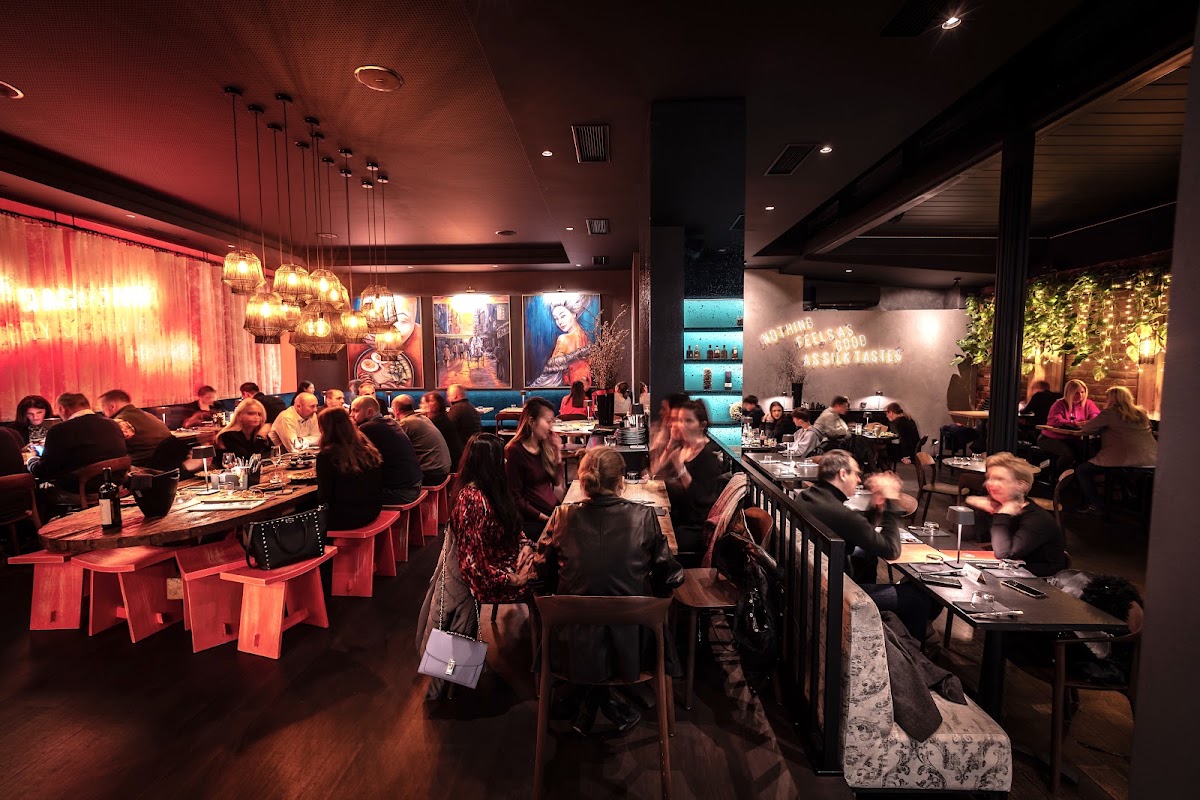
SILK - Pan-Asian Fusion and Izakaya, Zagreb
Price $$$Rated 4.6Obrtnički pro. 5, 10000, Zagreb
SILK is a pan-Asian fusion and izakaya restaurant located in central Zagreb, just 0.44 km from the city center. The venue serves Malaysian, Vietnamese, Korean, and sushi cuisine, earning a 4.6 rating from over 1,100 reviews. It is a moderately priced dining option in the mid-range category.
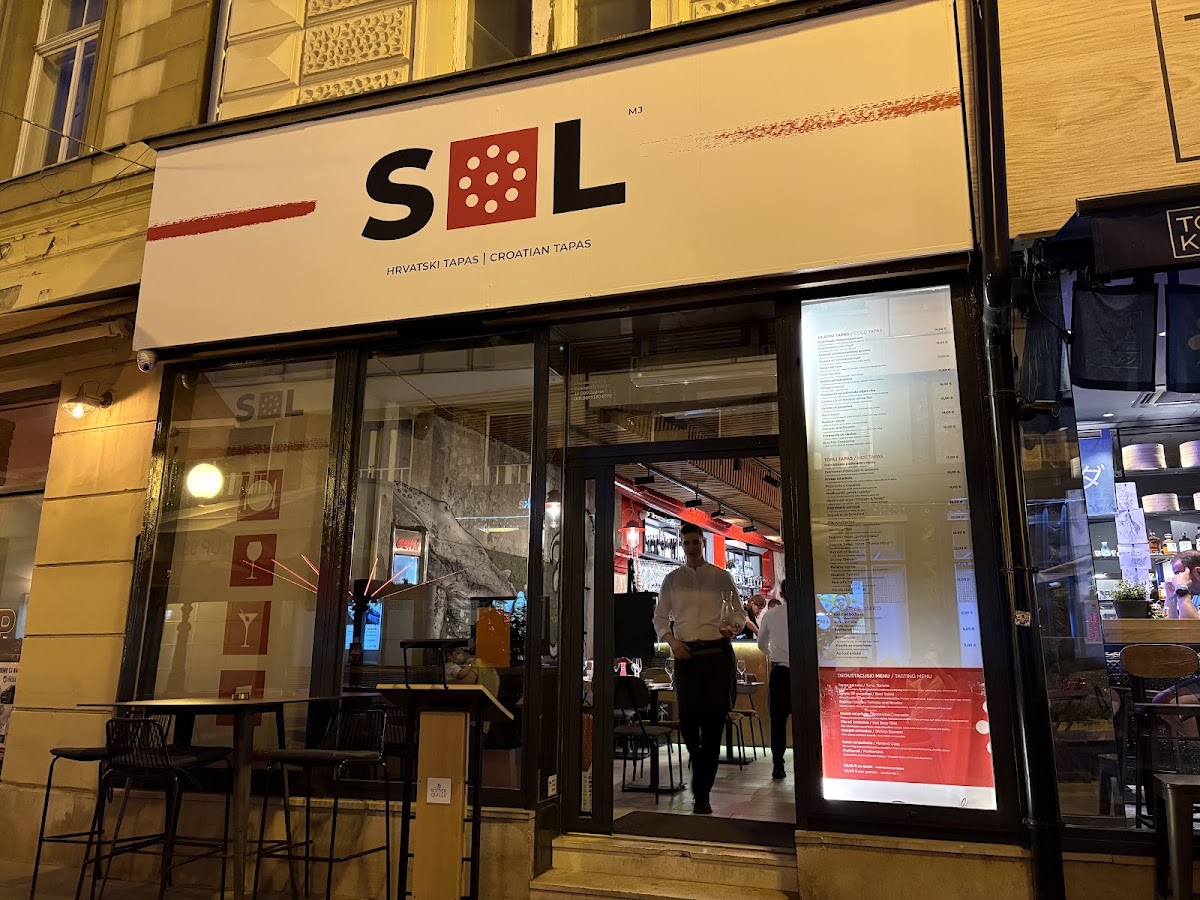
SOL hrvatski tapas/Croatian tapas
Rated 4.6Petrinjska ul. 2, 10000, Zagreb
SOL is a Croatian tapas restaurant located on Petrinjska ulica, just 0.24 km from Zagreb's city center. With a rating of 4.6 stars from 1,293 reviews, it specializes in traditional Croatian small plates and tapas-style dining.
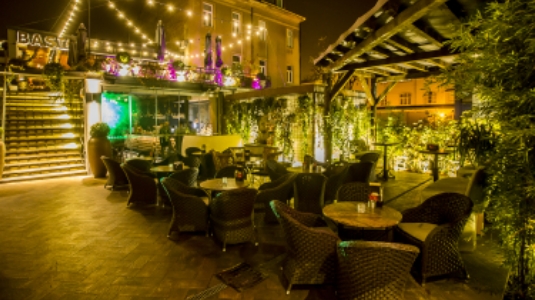
Basta
Price $$Rated 4.5Varšavska ul. 5, 10000, Zagreb
Basta is a restaurant located on Varšavska ul. 5 in Zagreb's city center, just 0.39 km from downtown. It has a rating of 4.5 stars based on over 5,000 reviews and is moderately priced.
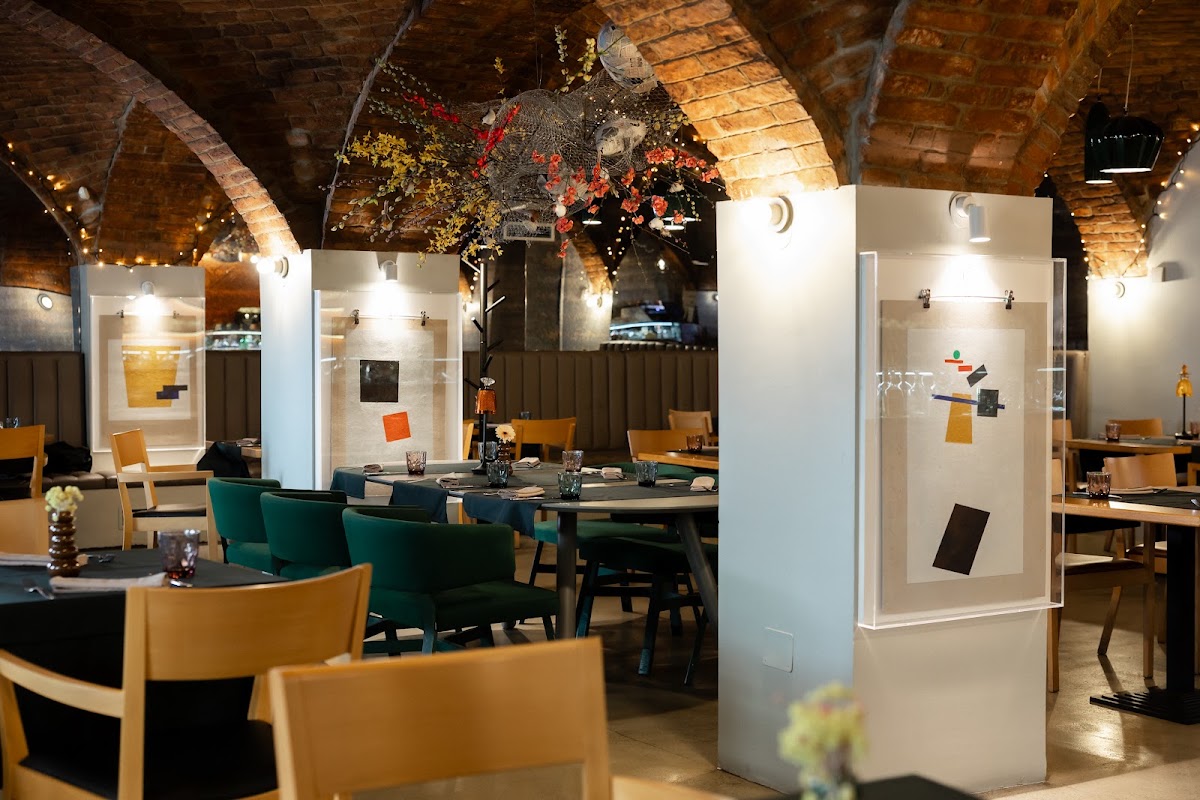
Restoran Boban
ItalianPrice $$$Rated 4.5Gajeva ul. 9, 10000, Zagreb
Restoran Boban is a homey Italian restaurant located on Gajeva street in central Zagreb, just 0.24 km from the city center. The venue features a traditional Italian menu, an extensive wine list, and alfresco seating options. With a rating of 4.5 stars from nearly 6,000 reviews, it is a moderately priced establishment.
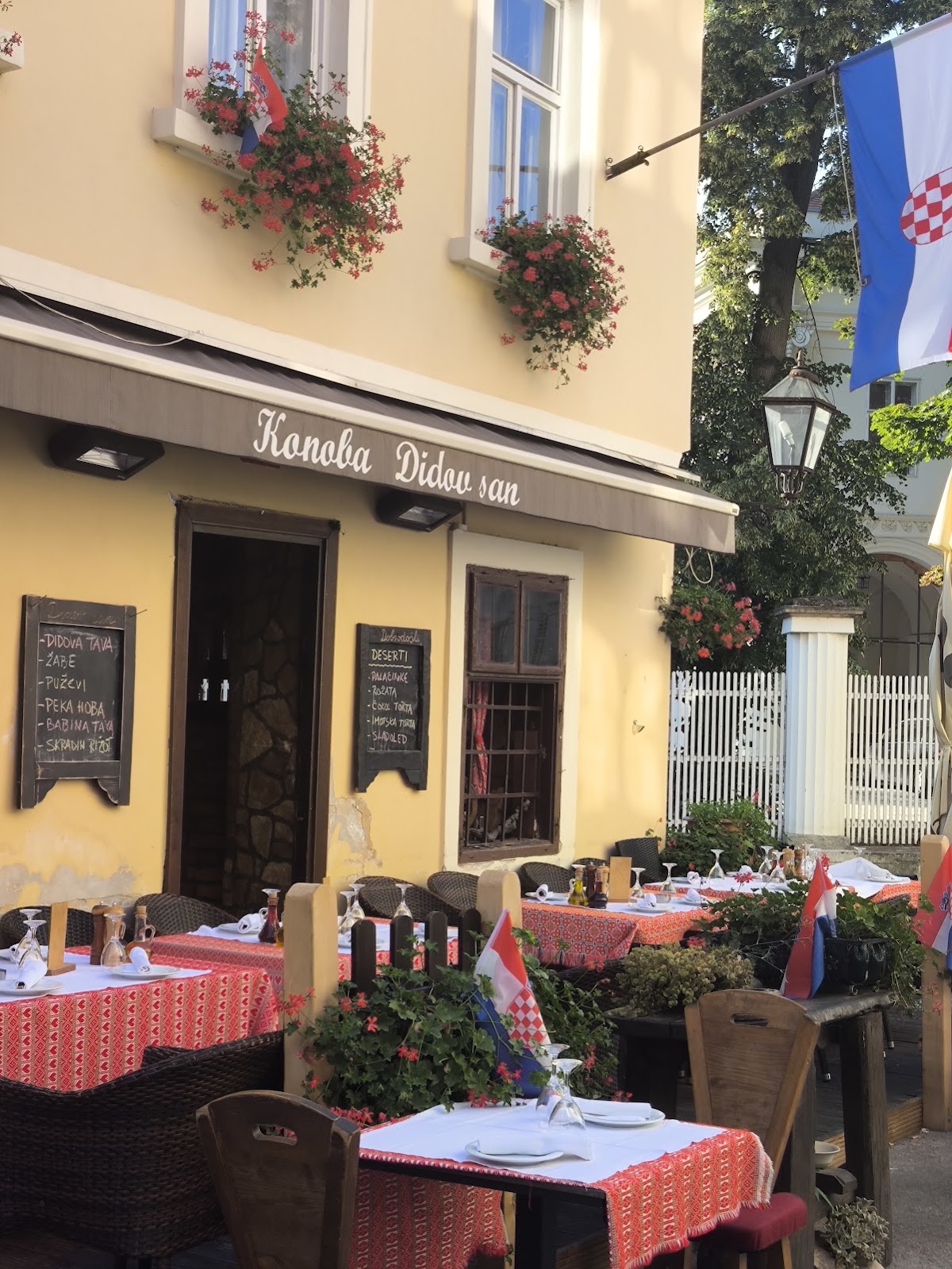
Konoba Didov san
Price $$Rated 4.5Mletačka ul. 11, 10000, Zagreb
Konoba Didov san is a Croatian restaurant located on Mletačka ul. 11, just 0.49 km from Zagreb's city center. The venue has a rating of 4.5 stars based on 3587 reviews and offers moderately priced dining options.
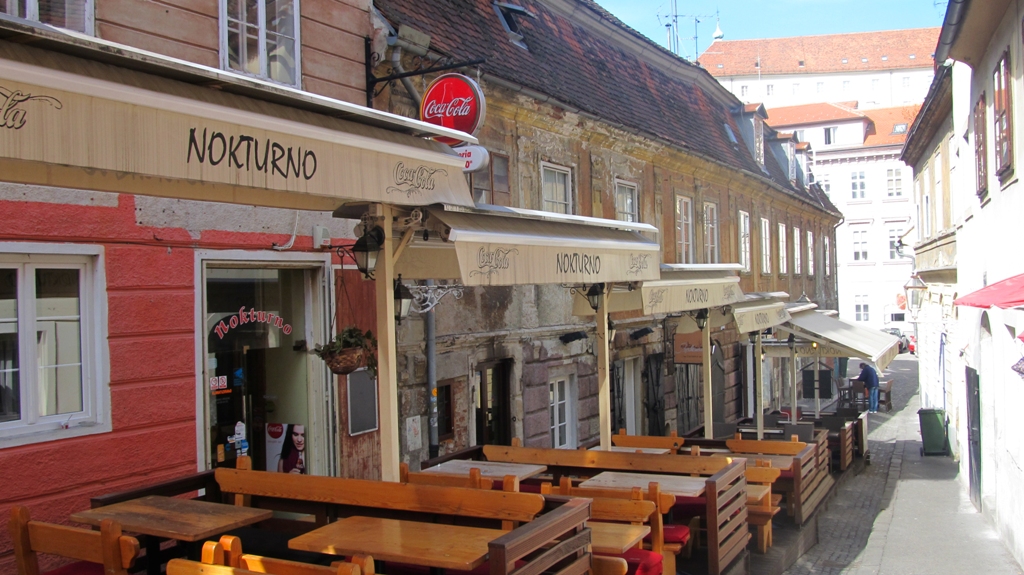
Nokturno
Price $$Rated 4.4Skalinska ul. 4, 10000, Zagreb
Nokturno is a low-key European restaurant located on Skalinska Street, just 0.12 km from Zagreb's city center. The restaurant serves breakfast, lunch, and dinner, offering pasta, pizza, salads, and other specialties at moderate prices. With a rating of 4.4 based on over 12,000 reviews, it is a popular dining option in the area.
What things cost in Zagreb
Typical prices. Estimates only: prices vary by season and neighborhood.
| Hostel dorm bedTypically 20-40 EUR. Per bed, higher in summer and Advent. | €20 – €40 |
|---|---|
| Budget hotel roomTypically 55-100 EUR. Simple double room, with large seasonal variation. | €55 – €100 |
| Mid-range hotel roomTypically 100-180 EUR. Comfortable central hotel double. | €100 – €180 |
| Luxury hotel roomTypically 200-400 EUR. Upscale hotels, higher during peak events. | €200 – €400 |
| CoffeeTypically 2-4 EUR. Espresso or cappuccino in a cafe, with Zagreb's cafe culture being a daily habit. | €2.00 – €4.00 |
|---|---|
| Local beerTypically 3-6 EUR. A half-litre in a bar or restaurant. | €3.00 – €6.00 |
| Street food snackTypically 3-8 EUR. Burek, sandwiches and snacks from bakeries and stands. | €3.00 – €8.00 |
| Budget mealTypically 8-14 EUR. Casual restaurants, bakeries and daily lunch menus. | €8 – €14 |
| Groceries (per day)Typically 15-30 EUR. Basic supermarket food for one person. | €15 – €30 |
| Mid-range mealTypically 18-35 EUR. Per person for a sit-down meal at a good restaurant, excluding alcohol. | €18 – €35 |
| Fine diningTypically 60-130 EUR. Tasting menus and top restaurants, per person. | €60 – €130 |
| Public transport rideOfficial ZET fares: 0.53 EUR for 30 minutes (kiosk ticket), 0.80-1.99 EUR bought from the driver. Day ticket 3.98 EUR. Source: zet.hr. | €0.53 – €1.99 |
|---|---|
| Short taxi rideTypically 6-12 EUR. A short trip within the central area. | €6 – €12 |
| Bike rental (per day)Typically 10-25 EUR. Standard city bikes from rental shops. | €10 – €25 |
| Museum entryTypically 5-15 EUR. Typical range for city museums and galleries. | €5 – €15 |
|---|---|
| Guided walking tourTypically 15-30 EUR. Group walking tours, some also offered on a tip basis. | €15 – €30 |
| Day trip tourTypically 50-110 EUR. Organised excursions, for example to Plitvice Lakes or nearby towns. | €50 – €110 |
Essentials
Practical things to know before you arrive in Zagreb.
When to go
May to June and September are the best months to visit Zagreb, with mild weather, outdoor terraces in full swing and manageable crowds.
- Peak: June-August; December
- Shoulder: April-May; September-October
- Low: January-March; November
Getting around
The historic centre, including the Upper Town, Lower Town and main squares, is compact and very walkable. A network of trams covers much of the city and is the most useful public transport for visitors, supplemented by buses. A short funicular links the Lower Town to the Upper Town. Taxis are widely available, and ride-hailing may also be an option, but check what is currently operating.
Zagreb Airport is southeast of the city centre. Airport buses run to the main bus station and the city centre, and taxis are also available. The main railway station and bus station are both close to the centre and connect Zagreb with other Croatian cities and neighbouring countries. Check current schedules and ticket options locally before you travel.
Where to stay
The Lower Town around Ban Jelačić Square and the main railway station is the most convenient base for first-time visitors, with easy access to museums, cafes, shops and trams. The Upper Town is quieter and atmospheric, with a smaller selection of places to stay, and suits those who want historic surroundings and don't mind steep streets and cobbles.
Tkalčićeva Street and the surrounding area is lively with bars and cafes, so light sleepers may prefer a side street. Areas such as Britanski Trg and the Importanne district offer a more local feel with good restaurants, while neighbourhoods near the main station suit budget travellers who want quick transport links.
Money
The local currency is Euro (EUR).
Exchange rates
- 1 EUR = 1.138 USD (rate as of 2026-09-25)
Cash and cards
- Croatia uses the euro, and cards are widely accepted in hotels, restaurants, shops and for public transport tickets in most cases. Carry some cash for small cafes, markets, kiosks and tips.
- Carry a little cash for markets such as Dolac and for small vendors.
- Pay by card in euros if asked which currency to charge, to avoid poor conversion rates.
- Many restaurants offer a fixed-price daily lunch menu that is good value.
- Check whether a service charge is already included in your bill before tipping.
- Book accommodation early for Advent, when prices rise and availability drops.
Taxes and tipping
- Tipping is appreciated but not mandatory; rounding up or leaving around 5 to 10 percent in restaurants is common if service was good.
Language: Croatian
English: English is widely spoken in Zagreb, especially by younger people and in hotels, restaurants and shops. Older residents may speak less English, but German and Italian are also understood by some.
- Good day / Hello
- Dobar danDOH-bar dahn
- Thank you
- HvalaHVAH-lah
- Please / You're welcome
- MolimMOH-leem
- Yes / No
- Da / Nedah / neh
- Excuse me / Sorry
- OprostiteOH-pro-stee-teh
- Do you speak English?
- Govorite li engleski?GO-vo-ree-teh lee ENG-lesk-ee
- I don't understand
- Ne razumijemneh rah-ZOO-mee-yem
- How much does it cost?
- Koliko košta?KO-lee-ko KOSH-tah
- The bill, please
- Račun, molimRAH-choon MOH-leem
- Where is...?
- Gdje je...?gdyeh yeh
- Cheers
- ŽivjeliZHEEV-yeh-lee
- Goodbye
- Doviđenjadoh-vee-JEH-nyah
More in Croatia
This guide is for general reference. Check opening hours, prices and entry rules with official sources before you travel.