Loading...
Croatia
Croatia is a stunning Mediterranean country featuring a spectacular Adriatic coastline, over 1,000 islands, and historic cities like Dubrovnik and Zagreb. With its blend of natural...
Overview
Country Overview
Discover Croatia
C
roatia is a stunning Mediterranean country located in southeastern Europe, known for its breathtaking Adriatic coastline, historic cities, and rich cultural heritage. Stretching from the eastern Alps to the Pannonian Plains, Croatia offers diverse landscapes including pristine beaches, rugged mountains, verdant national parks, and medieval coastal towns. The country boasts an extraordinary blend of historical influences, with architectural and cultural traces from Roman, Venetian, Ottoman, and Austro-Hungarian periods visible throughout its cities and regions.
The coastal region, particularly Dalmatia, is renowned for its crystal-clear turquoise waters, over 1,000 islands, and picturesque medieval towns like Dubrovnik, which is a UNESCO World Heritage site and famously used as a filming location for Game of Thrones. Inland Croatia features historic cities like Zagreb, with its Austro-Hungarian architecture, charming cafes, and vibrant cultural scene. Croatia's national parks, including Plitvice Lakes with its cascading emerald lakes and waterfalls, showcase the country's extraordinary natural beauty.
Croatian cuisine reflects its diverse cultural heritage, featuring Mediterranean and Central European influences with an emphasis on fresh seafood, locally grown produce, truffles, olive oil, and world-class wines. The country is famous for its culinary specialties like fresh Adriatic seafood, truffle-infused dishes from Istria, and traditional meat dishes like štrukli and pašticada. Croatia's warm hospitality, stunning landscapes, rich history, and diverse experiences make it an increasingly popular destination for travelers seeking both cultural immersion and natural beauty.
Historical Significance
Croatia's historical landscape is characterized by complex migrations, diverse cultural influences, and strategic geopolitical positioning. The region was initially inhabited by Illyrian tribes around 1000 BCE, with archaeological evidence showing sophisticated prehistoric settlements along the Adriatic coastline and inland regions. Greek and Roman colonization significantly impacted the area, with the Romans establishing provinces like Dalmatia and Pannonia, constructing important infrastructure and introducing advanced cultural practices that would influence subsequent civilizations. During the early medieval period, Croats emerged as a distinct Slavic group, migrating to the region around the 7th century and establishing their first independent kingdoms. The medieval Croatian Kingdom, which reached its peak under King Tomislav in the 10th century, was a powerful regional entity that maintained relative autonomy while experiencing complex relationships with neighboring powers like Hungary and Venice.
Official Country Website
Latest information and updates from Croatia
Key Information
Region
Southern Europe (Balkan Peninsula)
Official Language
Not specified
Timezone
CET (UTC+1)
Calling Code
+385Cities in Croatia
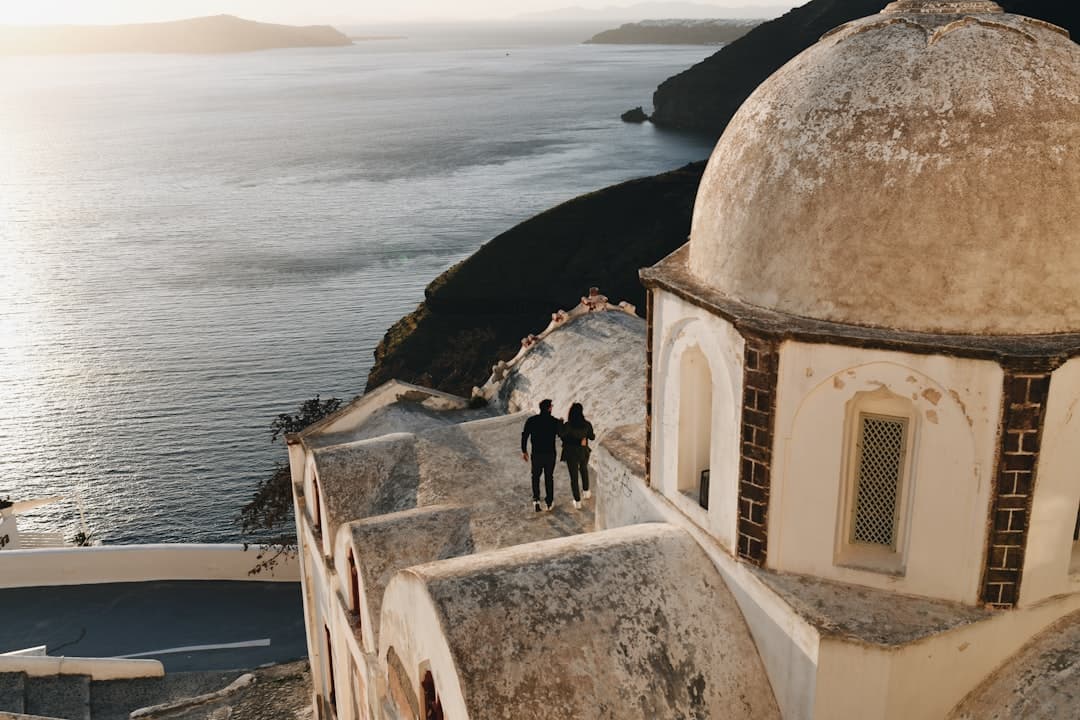
Croatia
3 days recommended
Pula
A stunning coastal city in Istria, Pula is home to one of the best-preserved Roman amphitheaters in the world and offers a perfect blend of ancient history and Mediterranean charm.
Explore Pula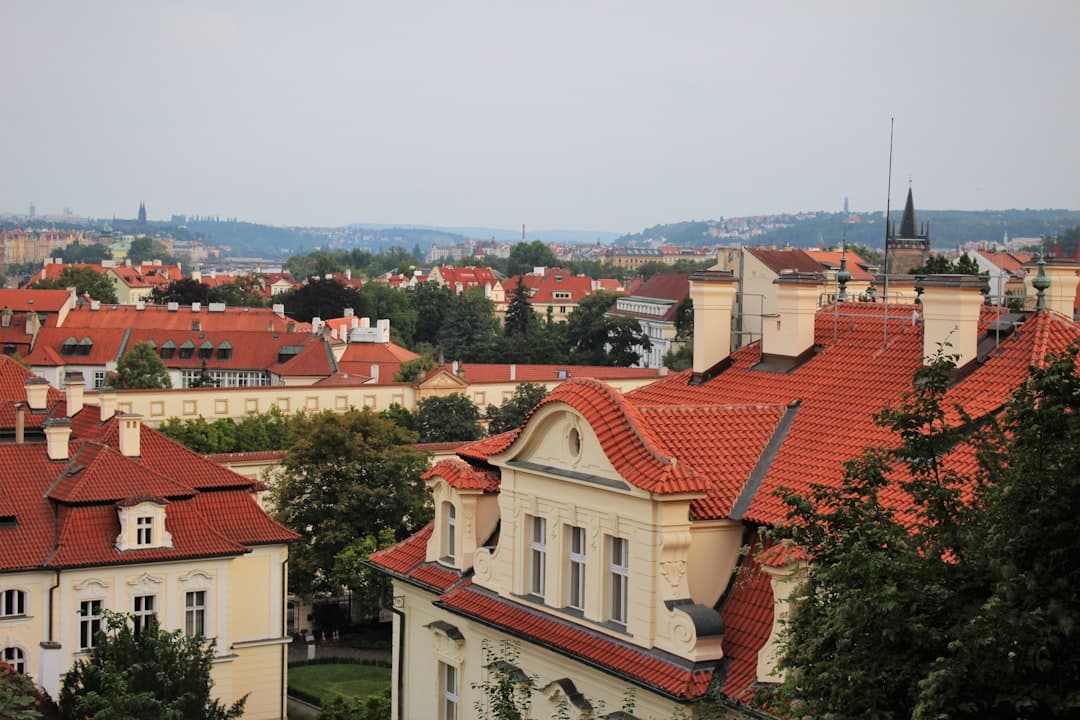
Croatia
2 days recommended
Zagreb
Zagreb, Croatia's vibrant capital, is a charming blend of Austro-Hungarian architectural elegance and modern urban energy.
Explore ZagrebFeatured Destinations in Croatia
Travel Costs in Croatia
Cost Overview
Croatia has moderate costs, with a mix of affordable options and some premium experiences.
Money-Saving Tips
- •Visit during shoulder season for better rates on accommodation
- •Use public transportation instead of taxis when possible
- •Consider staying in locations outside the main tourist areas
- •Look for restaurants where locals eat for better value
Currency Information
Currency: Croatian Kuna (kn)
Cost Guide: Croatia
Local pricing information
Currency:
Budget Traveler
Hostels, street food, public transport
Mid-Range
3-star hotels, restaurants, tours
Luxury
4-5 star hotels, fine dining, private tours
Seasonal Pricing
Prices vary by season. High season (summer, holidays) typically costs 20-40% more, while low season offers better deals. Consider the shoulder season (spring/fall) for a balance between good weather and lower prices.
Loading exchange rates...
Note: These prices are approximate and may vary depending on region, season, and personal preferences. Prices in popular tourist areas may be higher.
Budget Comparison
Estimated daily costs for traveling in Croatia
Budget
Backpacker style
Accommodation
$10-20/nightMeals
$8-15/dayActivities
$5-10/dayTotal
$30-60/dayIncludes
- Hostels & dorms
- Street food & markets
- Free attractions
- Local transport
TYPICAL FOR CROATIA
Mid-Range
Comfortable travel
Accommodation
$40-80/nightMeals
$25-40/dayActivities
$15-30/dayTotal
$80-150/dayIncludes
- Mid-range hotels
- Local restaurants
- Guided tours
- Mix of transport
Luxury
Premium experience
Accommodation
$150+/nightMeals
$60-120/dayActivities
$40-80/dayTotal
$250+/dayIncludes
- Luxury hotels & resorts
- Fine dining
- Private tours & experiences
- Private transport
Note: Costs vary significantly between cities and regions within Croatia. These are general estimates and can fluctuate based on season, location, and travel style.
Travel Essentials
Everything You Need to Know
Click any section to expand and view details
European Union and European Economic Area (EEA) citizens enjoy significant travel privileges when entering Croatia. Citizens from EU/EEA countries can enter Croatia with a valid national ID card or passport and stay up to 90 days without a visa. These travelers are not required to obtain any additional documentation for short-term stays and can move freely for tourism, business, or personal purposes.
Non-EU citizens have varying visa requirements based on their nationality. Many countries, including the United States, Canada, Australia, and several Asian and South American nations, can enter Croatia visa-free for up to 90 days within a 180-day period. Visa-free travelers must have a valid passport with at least three months' validity beyond their intended stay. Countries not on the visa-exempt list must obtain a Schengen-type short-stay visa from a Croatian embassy or consulate. Tourist visas typically allow stays of up to 90 days and require documentation including travel itinerary, accommodation proof, travel insurance, and sufficient financial means.
For long-term stays, Croatia offers several specialized visa categories. Work visas require a valid job contract from a Croatian employer and must be approved by the Ministry of Interior. Student visas necessitate official enrollment documentation from a recognized Croatian educational institution. Retirement visas are available for individuals with stable pension income, requiring proof of financial sustainability and comprehensive health insurance. Recent policy changes have streamlined digital nomad visa processes, allowing remote workers to reside in Croatia for up to one year with simplified documentation requirements.
Travel Advisory
Check the latest travel advisories and safety information before your trip.
View Official AdvisoryLocal Insights
Culture & Traditions
Croatia is a rich cultural tapestry shaped by diverse historical influences including Austro-Hungarian, Mediterranean, and Slavic traditions. The country's cultural identity is deeply rooted in regional distinctions, with coastal Dalmatian culture feeling distinctly different from inland Croatian regions. Traditional Croatian culture emphasizes strong family bonds, hospitality, and a deep connection to local heritage. Music and folk traditions play a significant role, with distinctive folklore, traditional costumes, and regional dance styles like the famous "kolo" circle dance still celebrated during festivals and cultural events.
Croatian arts and literature have a profound national importance, with writers like Miroslav Krleža and Nobel Prize nominee Ivo Andrić representing significant cultural voices. The country's architectural landscape reflects its complex history, featuring Roman ruins, medieval fortresses, Venetian-influenced coastal towns, and Austro-Hungarian urban designs. Modern Croatian culture blends traditional values with contemporary European sensibilities, creating a dynamic cultural environment that respects historical roots while enthusiastically engaging with global trends.
Family remains the central social unit in Croatian society, with multi-generational households still common in rural areas. Social interactions are warm and expressive, characterized by passionate conversation, shared meals, and a strong café culture where people spend hours socializing. Croatians value personal relationships, take pride in their regional identities, and maintain strong connections to local traditions. The coastal regions, particularly Dalmatia, have a more relaxed Mediterranean lifestyle, while inland areas demonstrate a more Central European approach to daily life.
Contemporary Croatian culture is increasingly cosmopolitan, especially in urban centers like Zagreb and Split. Young generations are well-educated, multilingual, and globally connected, while still maintaining a deep respect for traditional cultural practices. Music festivals, particularly electronic and rock events, have become significant cultural exports, with festivals like Ultra Europe attracting international audiences. The country's culinary scene also reflects this blend of traditional and modern, featuring regional specialties alongside innovative contemporary cuisine.

Cultural Experience
Immerse yourself in local traditions and customs