Australia
Australia is a vast continent-nation located in the Southern Hemisphere, renowned for its unique wildlife, stunning natural landscapes, and vibrant multicultural cities. From the i...
Discover Australia
ustralia is a vast and diverse continent-nation, spanning an entire landmass and offering travelers an extraordinary blend of natural wonders, unique wildlife, vibrant urban centers, and rich cultural experiences. From the iconic Great Barrier Reef to the rugged landscapes of the Outback, Australia presents an unparalleled diversity of environments that range from tropical rainforests and pristine beaches to arid desert regions and temperate wilderness zones. Its indigenous Aboriginal culture, dating back over 60,000 years, provides deep historical context and spiritual significance to the landscape, with ancient rock art, traditional storytelling, and profound connections to the land. Major cities like Sydney, Melbourne, and Brisbane showcase Australia's cosmopolitan character, featuring world-class architecture, multicultural populations, sophisticated culinary scenes, and innovative cultural institutions.
These urban centers blend modern design with natural beauty, often situated near spectacular coastal or harbor environments. The country's wildlife is uniquely remarkable, with endemic species like kangaroos, koalas, platypuses, and countless marsupials found nowhere else on Earth, making it a premier destination for nature enthusiasts and wildlife photographers. Australia's culinary landscape reflects its multicultural heritage, incorporating Indigenous traditional foods, British colonial influences, and significant Asian and Mediterranean immigrant contributions. From fresh seafood and premium beef to innovative fusion cuisine, Australian food culture emphasizes high-quality local ingredients and creative culinary techniques.
The nation's wine regions, particularly in South Australia and Victoria, produce world-renowned vintages, while its café culture and coffee scene are considered among the most sophisticated globally. The country's commitment to outdoor lifestyle, environmental conservation, and adventure tourism makes it an exceptional destination for travelers seeking both relaxation and active experiences. Whether surfing along the Gold Coast, exploring the ancient landscapes of the Northern Territory, diving in the Great Barrier Reef, or experiencing the cultural richness of its cities, Australia offers an incredibly diverse and immersive travel experience that combines natural beauty, cultural depth, and modern sophistication.
Historical Significance
Australia's history begins with the Indigenous Aboriginal and Torres Strait Islander peoples, who have inhabited the continent for over 60,000 years. These diverse indigenous cultures developed complex social structures, sophisticated spiritual traditions, and intricate land management practices, living in harmony with the challenging Australian environment. Their deep connection to the land, known as "Dreamtime" or "Dreaming," represents one of the world's oldest continuous cultural traditions, with rich oral histories, complex kinship systems, and advanced understanding of local ecosystems. European exploration of Australia commenced in the early 17th century, with Dutch, Portuguese, and British navigators gradually mapping the continent's coastline. British Captain James Cook claimed the eastern portion of Australia in 1770, leading to the establishment of a penal colony at Botany Bay in 1788.
Official Country Website
Latest information and updates from Australia
Key Information
Region
Oceania
Not specified
AEST (UTC+10)
Cities in Australia
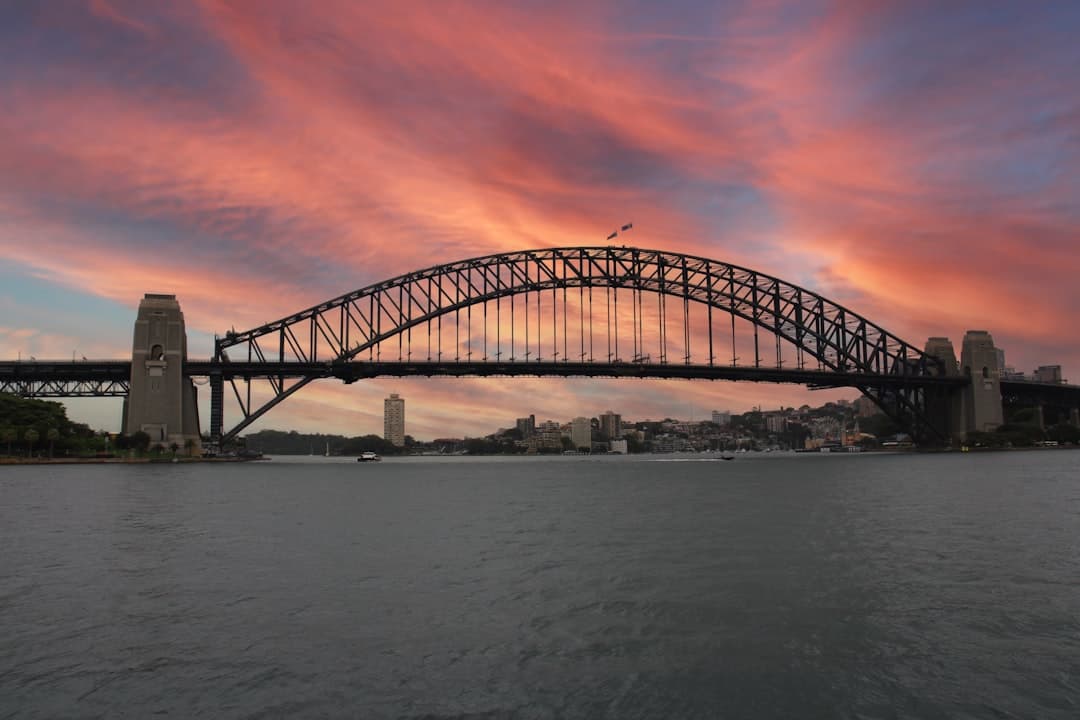
Sydney
A vibrant coastal metropolis where stunning natural beauty meets modern urban sophistication, offering world-class attractions and an enviable lifestyle.
Explore SydneyFeatured Destinations in Australia
Travel Costs in Australia
Cost Overview
Australia has moderate costs, with a mix of affordable options and some premium experiences.
Money-Saving Tips
- •Visit during shoulder season for better rates on accommodation
- •Use public transportation instead of taxis when possible
- •Consider staying in locations outside the main tourist areas
- •Look for restaurants where locals eat for better value
Currency Information
Currency: Australian Dollar ($)
Cost Guide: Australia
Local pricing information
Budget Traveler
Hostels, street food, public transport
Mid-Range
3-star hotels, restaurants, tours
Luxury
4-5 star hotels, fine dining, private tours
Seasonal Pricing
Prices vary by season. High season (summer, holidays) typically costs 20-40% more, while low season offers better deals. Consider the shoulder season (spring/fall) for a balance between good weather and lower prices.
Loading exchange rates...
Note: These prices are approximate and may vary depending on region, season, and personal preferences. Prices in popular tourist areas may be higher.
Budget Comparison
Estimated daily costs for traveling in Australia
Budget
Backpacker style
Includes
- Hostels & dorms
- Street food & markets
- Free attractions
- Local transport
Mid-Range
Comfortable travel
Includes
- Mid-range hotels
- Local restaurants
- Guided tours
- Mix of transport
Luxury
Premium experience
Includes
- Luxury hotels & resorts
- Fine dining
- Private tours & experiences
- Private transport
Note: Costs vary significantly between cities and regions within Australia. These are general estimates and can fluctuate based on season, location, and travel style.
Everything You Need to Know
Click any section to expand and view details
Travel Advisory
Check the latest travel advisories and safety information before your trip.
View Official AdvisoryLocal Insights
Culture & Traditions
Australian culture is a vibrant blend of Indigenous heritage, British colonial influences, and multicultural diversity shaped by waves of immigration. The nation's cultural identity is characterized by a laid-back attitude known as the "mateship" philosophy, which emphasizes egalitarianism, mutual respect, and informal social interactions. Indigenous Aboriginal and Torres Strait Islander cultures form a foundational layer of Australian cultural identity, with rich traditions of art, storytelling, and connection to the land dating back over 60,000 years.
Modern Australian culture is remarkably diverse, particularly in major cities like Sydney and Melbourne, which host significant immigrant populations from Asia, Europe, and the Middle East. This multiculturalism is reflected in the country's cuisine, arts, and social practices. The arts scene is dynamic, with strong traditions in visual arts, contemporary music, theater, and film. Indigenous art, particularly dot painting and storytelling, plays a significant role in national cultural expression. Australian literature, represented by authors like Patrick White and Tim Winton, often explores themes of landscape, identity, and social adaptation.
The Australian lifestyle emphasizes outdoor activities, sports, and a strong connection to nature. Beach culture is particularly prominent, with surfing, swimming, and coastal recreation central to social interactions. The country's sporting culture is intense, with Australian Rules Football, cricket, rugby, and swimming generating massive national enthusiasm. Social gatherings often revolve around barbecues (known as "barbies"), outdoor events, and casual social interactions that prioritize friendliness and informal communication.

Cultural Experience
Immerse yourself in local traditions and customs