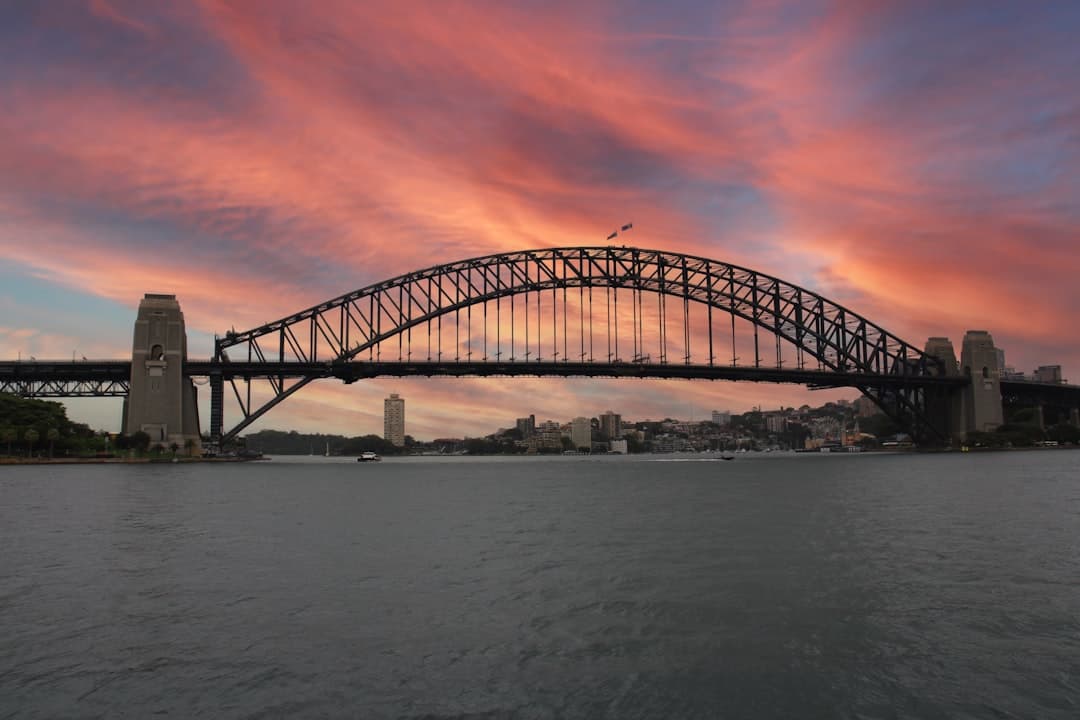
Sydney
Australia's largest city, built around a huge natural harbour and famed for the Opera House, Harbour Bridge, beaches and an outdoor-loving lifestyle.
Sydney quick facts
- Best time to visit
- The best months to visit Sydney are September to November and March to
- Language
- English
- Currency
- Australian Dollar (AUD)
- Getting around
- Metro, bus and ferry
- Suggested stay
- 5 days
- Population
- 5M
About Sydney
Sydney sits on the shores of Port Jackson, one of the world's great natural harbours, on the southeast coast of Australia. It is the capital of New South Wales and the country's largest city, a sprawling metropolis of waterways, bays, headlands and surf beaches that stretches from the coast far inland to the Blue Mountains foothills.
The city centre and Circular Quay sit on the south side of the harbour, with The Rocks, the Royal Botanic Garden and the Opera House all within walking distance of each other. Ferries, trains, light rail and buses connect the centre to harbourside suburbs and to ocean beaches such as Bondi and Manly. Getting on the water is one of the best ways to see the city.
Sydney is cosmopolitan and diverse, shaped by Aboriginal heritage, British colonial history and waves of migration from Asia, Europe and the Middle East. That mix shows in its neighbourhoods, markets and restaurants. Summers are warm and humid, winters mild, and locals spend a great deal of time swimming, walking coastal paths and eating outdoors.
Visitors should allow time for both the icons and the everyday city: a harbour ferry ride, a coastal walk, a wander through an inner-city neighbourhood and a day at the beach. Distances are larger than they look on a map, so it helps to base yourself near a train or ferry line.
Known for
- Sydney Opera House, Sydney Harbour Bridge, Bondi Beach and surf culture, Natural harbour and ferries, New Year's Eve fireworks, Multicultural food scene
Food in Sydney
Sydney's food reflects its migrant communities and its access to seafood. Fresh fish, oysters, prawns and other seafood are widely eaten, and produce from the surrounding regions features prominently. Cuisines from across Asia are especially strong, including Chinese, Vietnamese, Thai, Korean and Japanese, alongside Italian, Greek, Lebanese and modern Australian cooking.
Cafe culture is central to daily life. Brunch is a weekend ritual, and flat whites and strong espresso-based coffee are the norm. Many places serve breakfast dishes late into the day, and outdoor tables are popular in the warmer months.
Casual eating is common: fish and chips by the water, meat pies, barbecues in parks and dumplings in Chinatown. Australian wine, craft beer and local spirits are easy to find, and many restaurants let diners bring their own wine, often called BYO.
History of Sydney
The Sydney area is the traditional country of the Eora people, including the Gadigal of the city centre, who lived here for tens of thousands of years, fishing and gathering along the harbour and its foreshores.
In 1788 the First Fleet under Captain Arthur Phillip arrived from Britain and established a penal colony at Sydney Cove. The settlement grew slowly at first, then expanded through the nineteenth century with free settlers, wool and the gold rushes, becoming the main city of the colony of New South Wales.
The Sydney Harbour Bridge opened in 1932 and the Opera House in 1973, both becoming national symbols. Postwar migration transformed the city's population and food, and Sydney hosted the Olympic Games in 2000. Today it is Australia's leading commercial and financial centre.
Culture and etiquette
Sydneysiders are generally relaxed, informal and outdoors-oriented. Dress is casual in most settings, and people commonly wear beachwear near the coast but usually not in shops or restaurants away from the sand. Queuing is expected, and it is polite to thank bus drivers as you leave.
Sun safety matters: the UV index is high, so hats, sunscreen and shade are part of everyday life. At beaches, swim between the red and yellow flags patrolled by lifeguards and follow their instructions, as rips are common.
Tipping is appreciated for good service but not obligatory. Sydney acknowledges the Traditional Owners of the land at many events, and visitors can learn more about Aboriginal culture through galleries, guided walks and cultural sites. Tap water is safe to drink.
Things to do in Sydney
What to see, where to stay and where to eat.
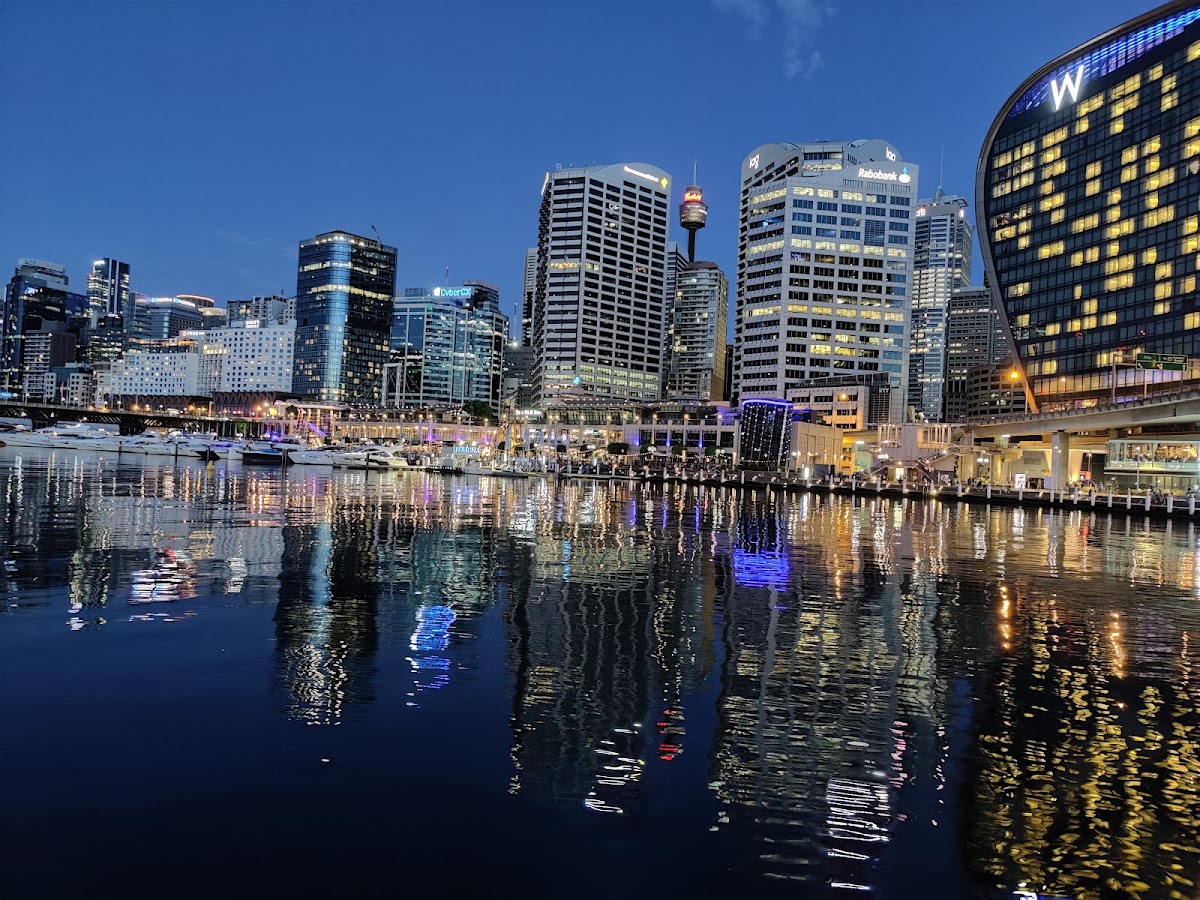
Darling Harbour
6 hoursPrice $$$Sydney NSW 2000
Darling Harbour is a waterfront destination located 0.88 km from Sydney's city center that houses many of Sydney's major attractions and hosts large-scale events. With a rating of 4.7 out of 5 from over 65,000 reviews, it serves as a popular hub for visitors and locals alike.
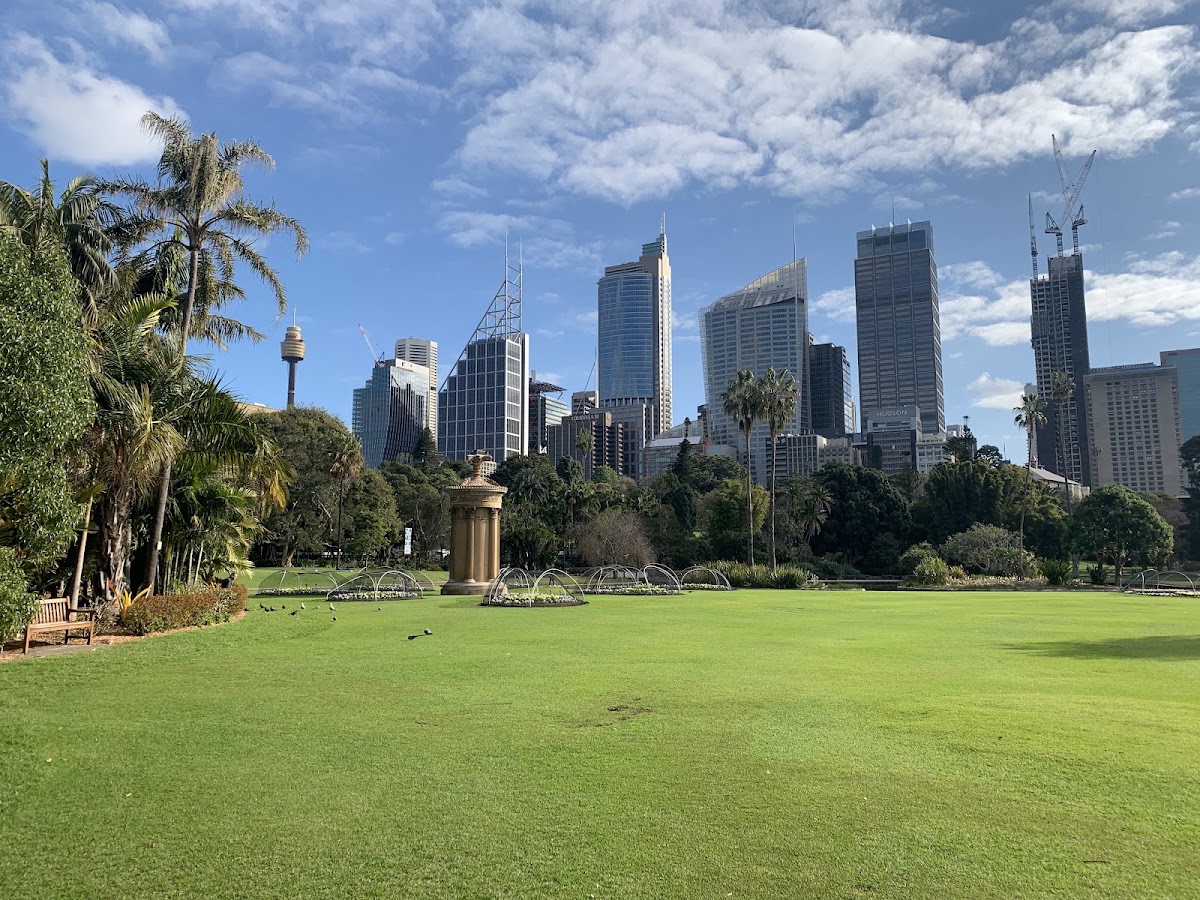
Royal Botanic Garden Sydney
1 hourPrice $$Mrs Macquaries Rd, Sydney NSW 2000
Royal Botanic Garden Sydney is a harbourside botanical garden featuring a rose garden, fernery and 'Jurassic Jungle' area for children. Located on Mrs Macquaries Road, just over 1 kilometer from the city center, it serves as a haven for city wildlife. The venue has a rating of 4.7 stars from over 25,000 reviews.
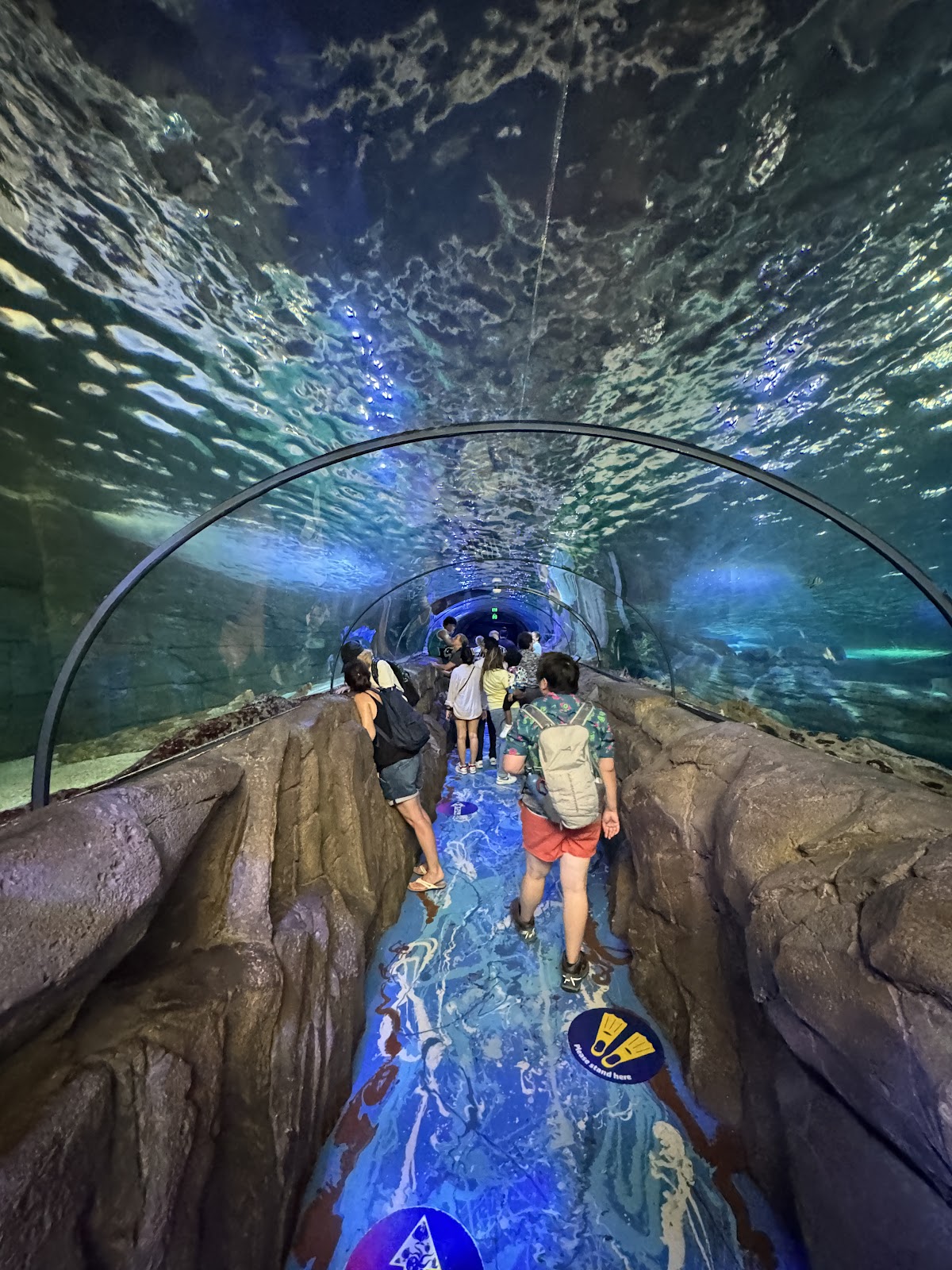
SEA LIFE Sydney Aquarium
1 hourPrice $$1-5 Wheat Rd, Sydney NSW 2000
SEA LIFE Sydney Aquarium features glass viewing tunnels that allow visitors to observe Australia's freshwater and marine aquatic environments. Located just 0.45 km from the city center at 1-5 Wheat Rd, this aquarium showcases the country's diverse aquatic life.
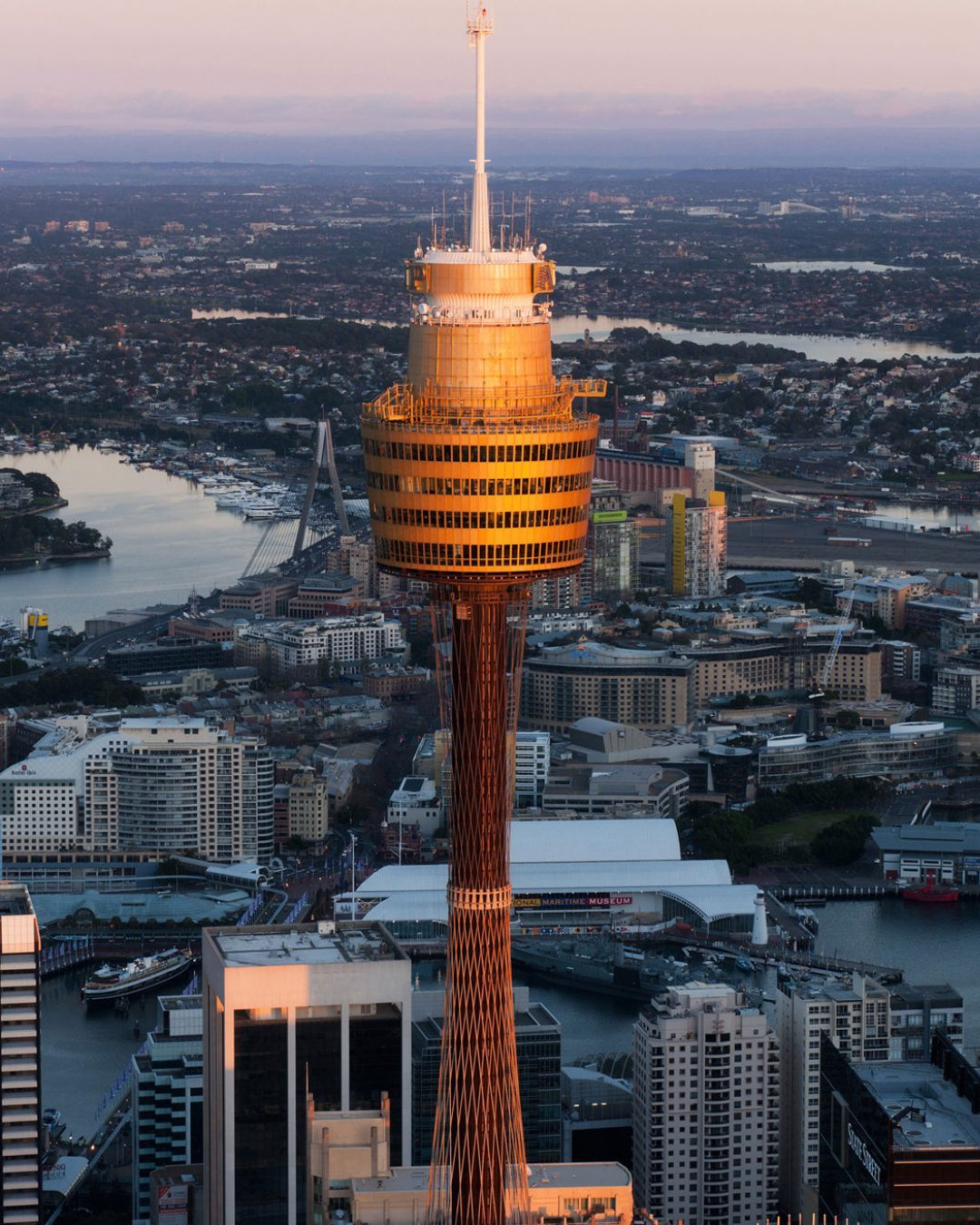
Sydney Tower Eye
Westfield Sydney, Level 5/108 Market St, Sydney NSW 2000
Sydney Tower Eye is a landmark tower building located in Westfield Sydney on Market Street, just 0.25 km from the city center. It features an observation deck, outdoor viewing platform, and 4-D cinema. With a rating of 4.4 out of 5 from over 16,000 reviews, it is a popular tourist attraction.
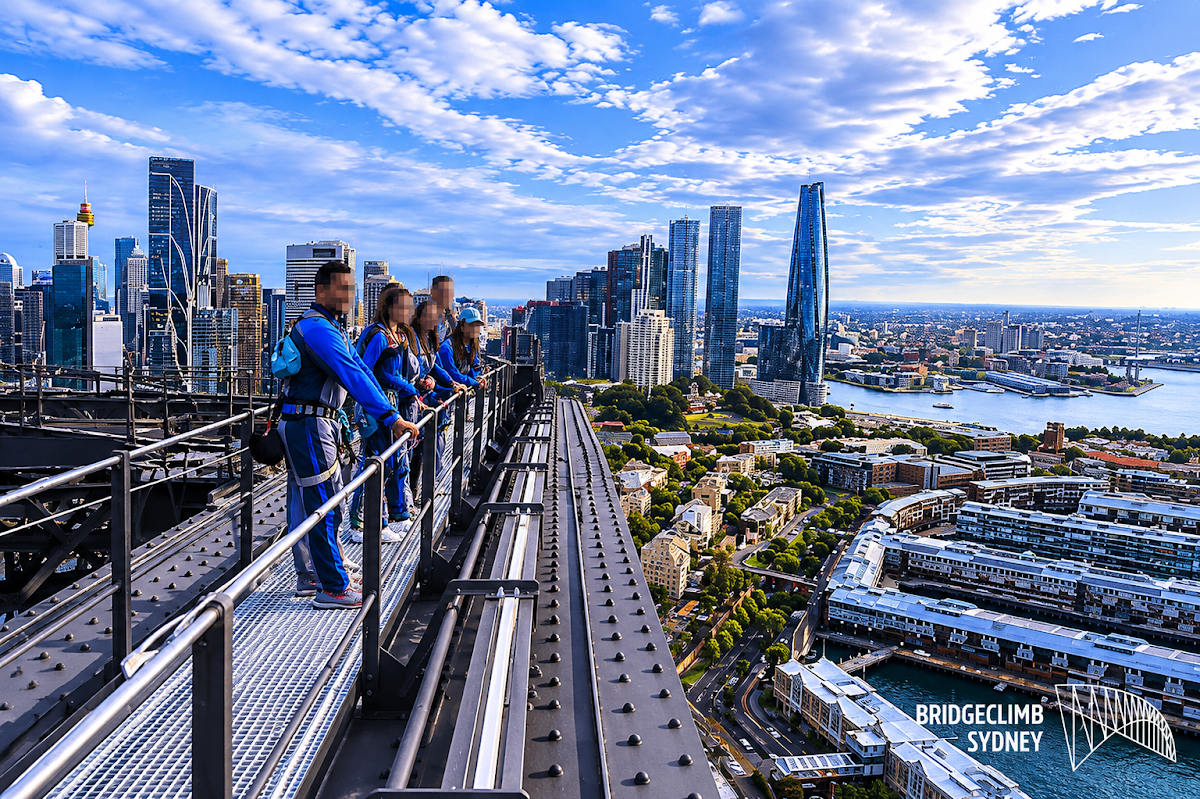
BridgeClimb Sydney
2 hoursPrice $$3 Cumberland St, The Rocks NSW 2000
BridgeClimb Sydney is a tour company that guides visitors on climbs up the iconic Sydney Harbour Bridge, offering stunning city views from the top. Located at 3 Cumberland Street in The Rocks, it is situated just 1.26 kilometers from Sydney's city center.
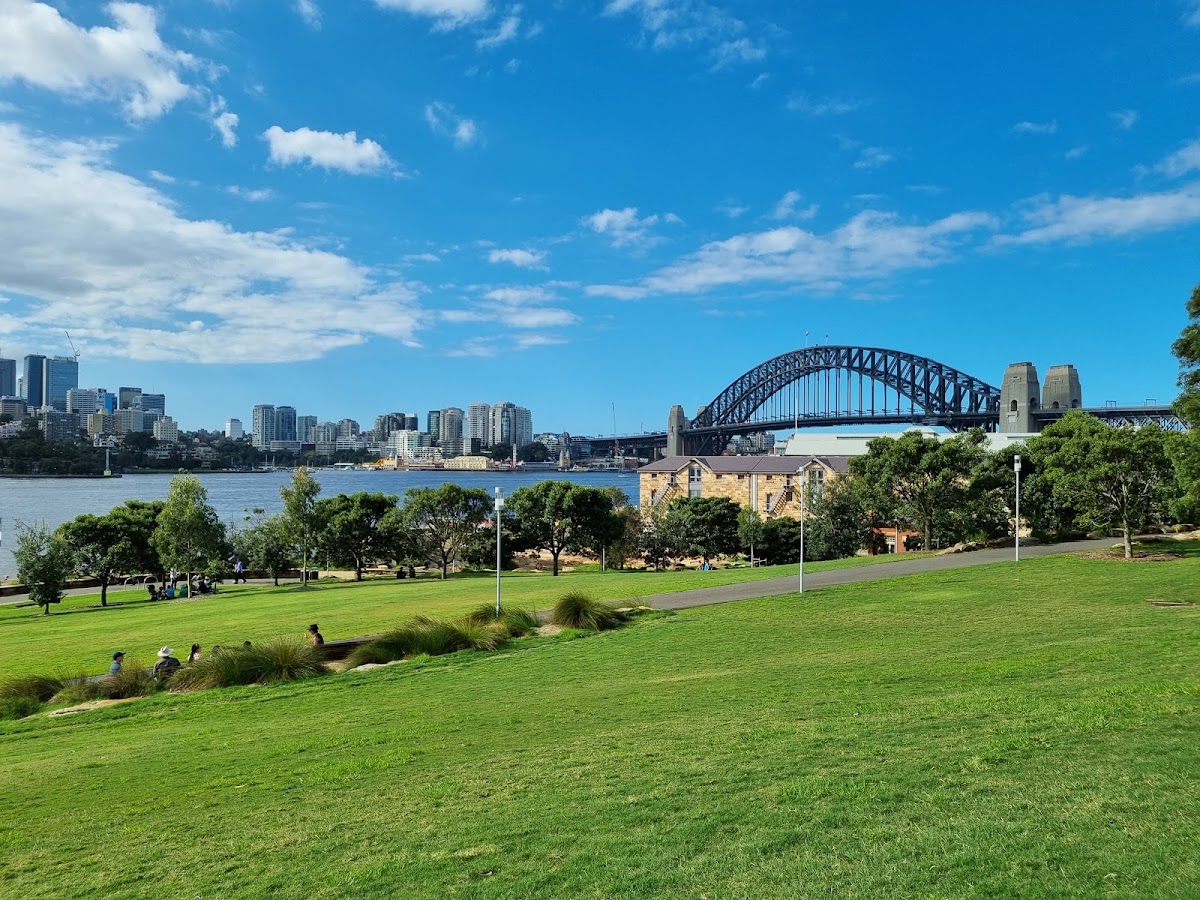
Barangaroo Reserve
Hickson Rd, Barangaroo NSW 2000
Barangaroo Reserve is a waterfront park located on Hickson Road featuring walking and cycling paths, a variety of trees, and grassy areas with scenic views. Situated just 1.39 kilometers from Sydney's city center, it offers a peaceful space for outdoor recreation and leisure activities.
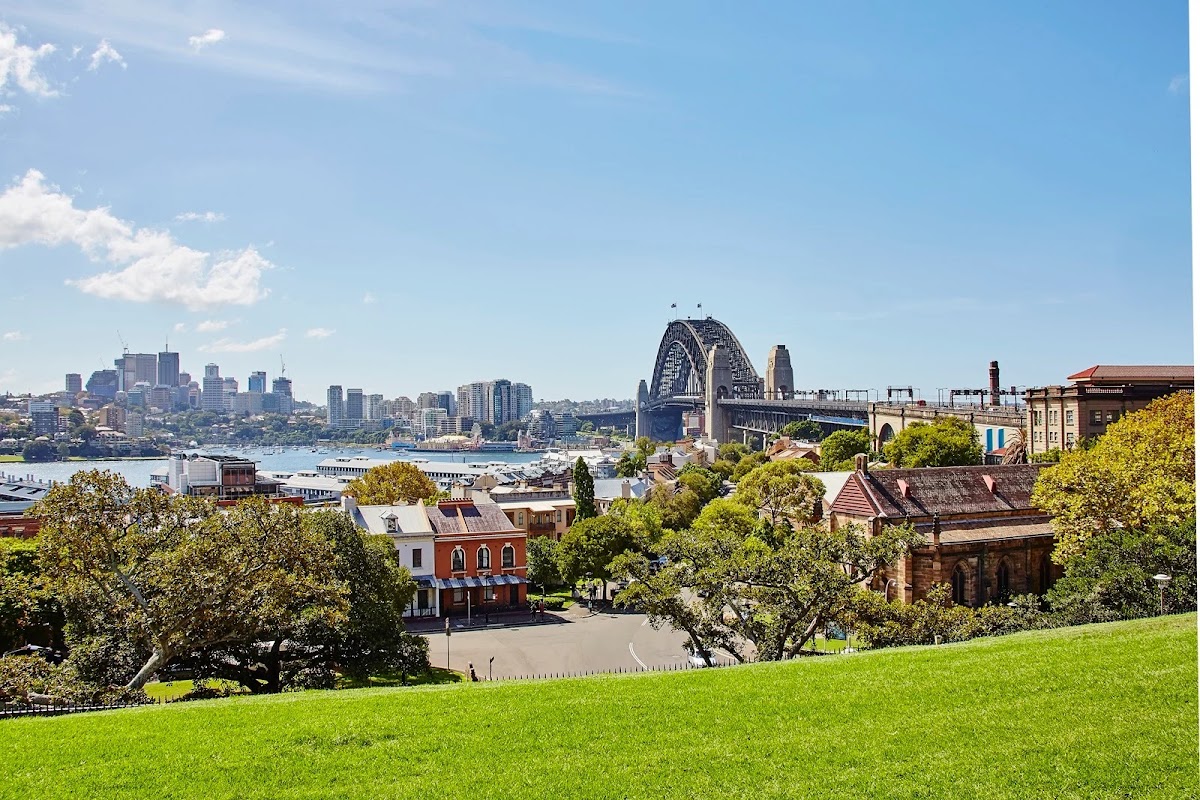
Observatory Hill Park
1001 Upper Fort St, Millers Point NSW 2000
Observatory Hill Park is a grassy park featuring sweeping views of the harbour and bridge, along with public artwork, a rotunda, and a tennis court. Located in Millers Point, it serves as both a park and dog park attraction near Sydney's city center.
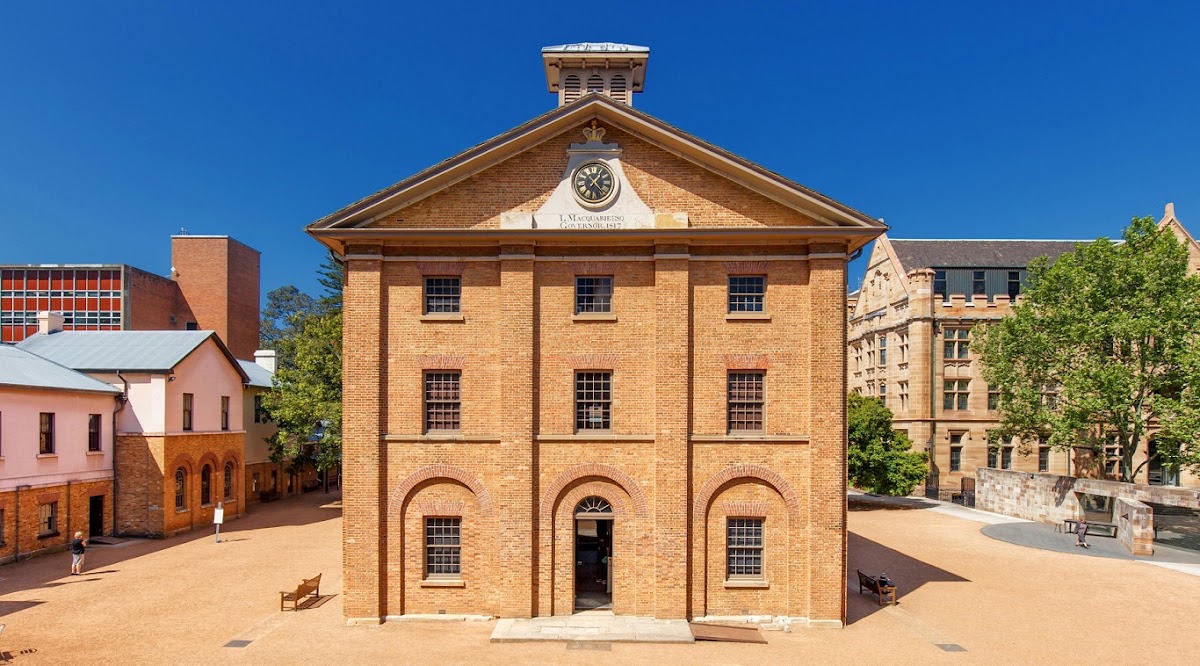
Hyde Park Barracks
Queens Square, Macquarie St, Sydney NSW 2000
Hyde Park Barracks is a former prison located on Macquarie Street that offers insight into the lives of convicts and orphans who lived there during the 1800s. The museum, situated just over half a kilometer from Sydney's city center, provides a historical perspective on this significant colonial-era landmark.
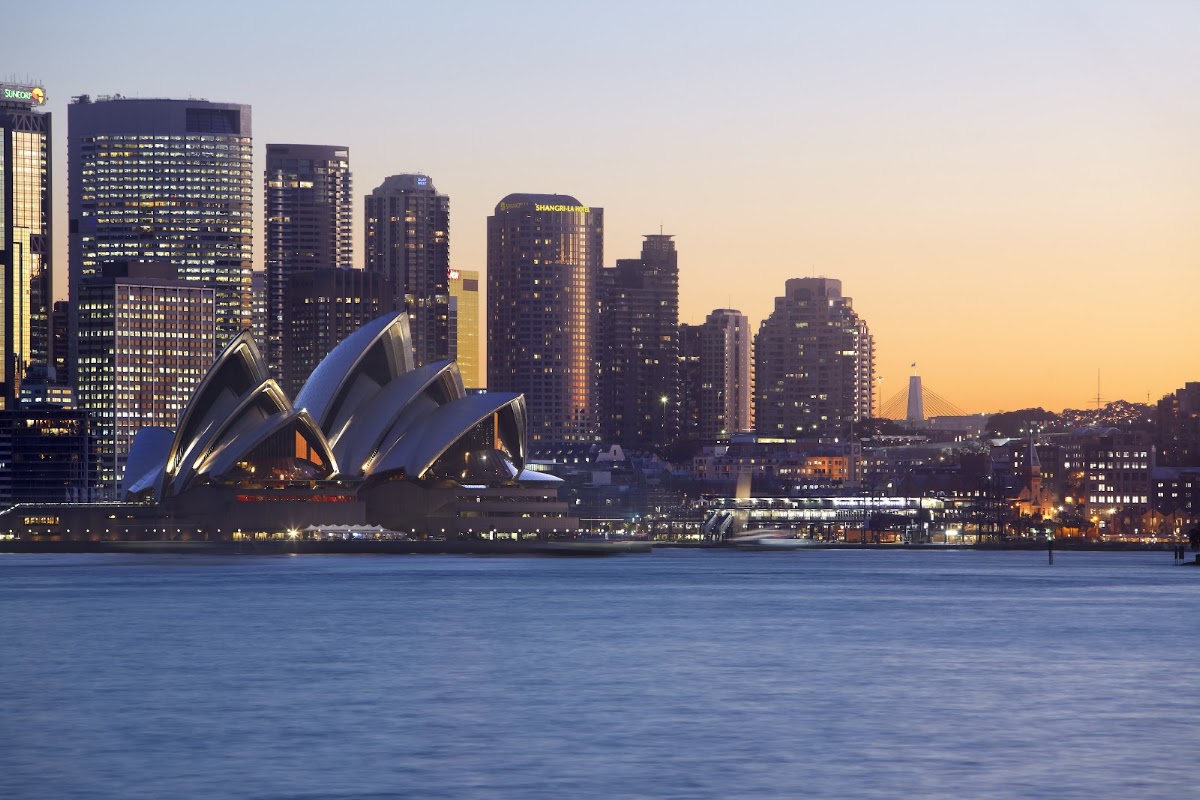
Shangri-La Sydney
Hotel176 Cumberland St, The Rocks NSW 2000
Shangri-La Sydney is a sophisticated hotel located at 176 Cumberland Street in The Rocks, just 0.84 km from the city center. The property offers polished rooms and suites along with a high-end restaurant and chic spa. With a rating of 4.3 out of 5 based on over 10,000 reviews, it provides upscale accommodation in Sydney's historic precinct.
Check prices on Booking.com for Shangri-La Sydney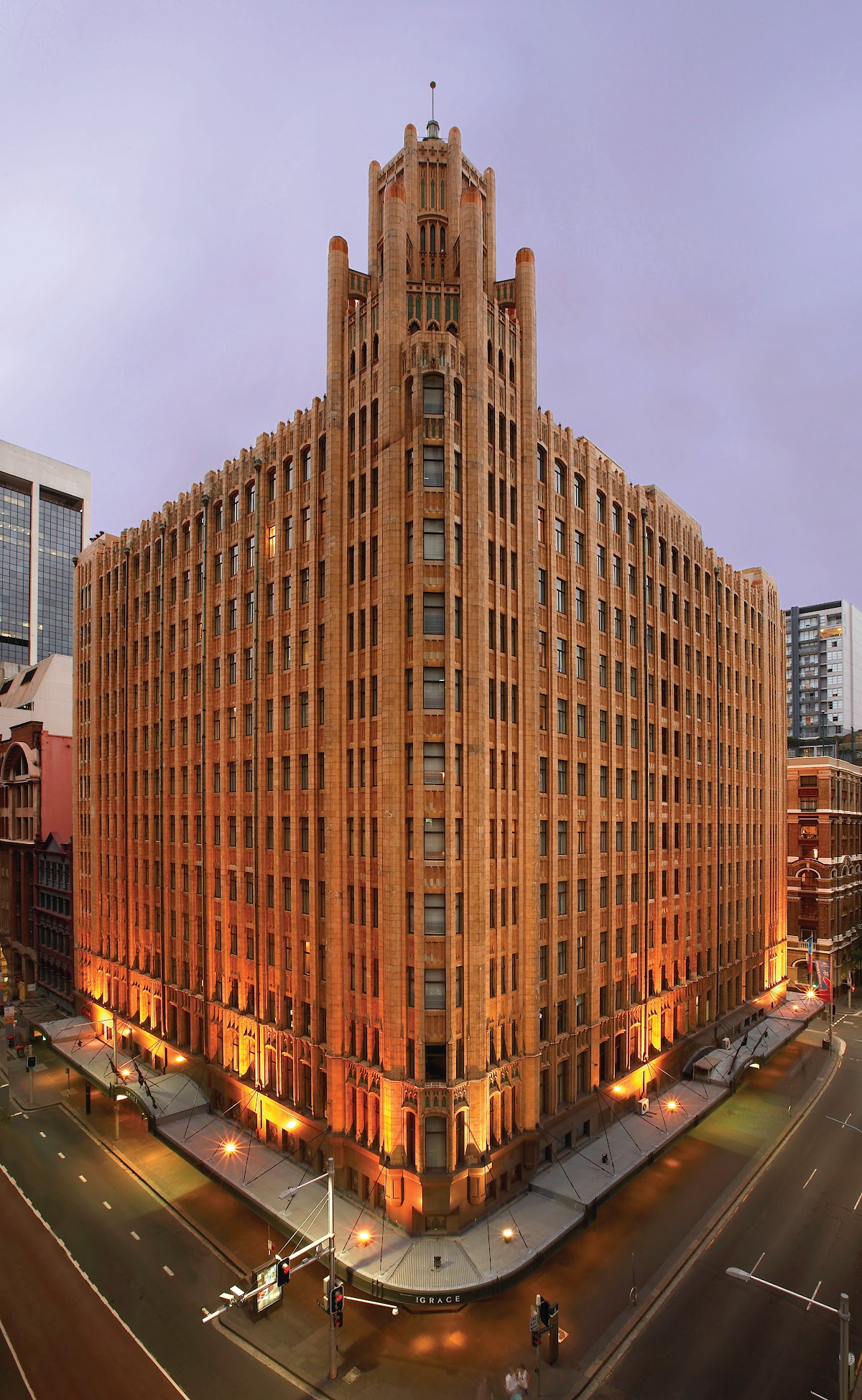
The Grace Hotel
Hotel77 York St, Sydney NSW 2000
The Grace Hotel is located at 77 York St in Sydney's city center, just 0.1 km from the center. This 1920s hotel features airy rooms with art deco interior design and offers an indoor rooftop pool and eclectic dining options. The hotel has a rating of 4.3 stars based on over 3,300 reviews.
Check prices on Booking.com for The Grace Hotel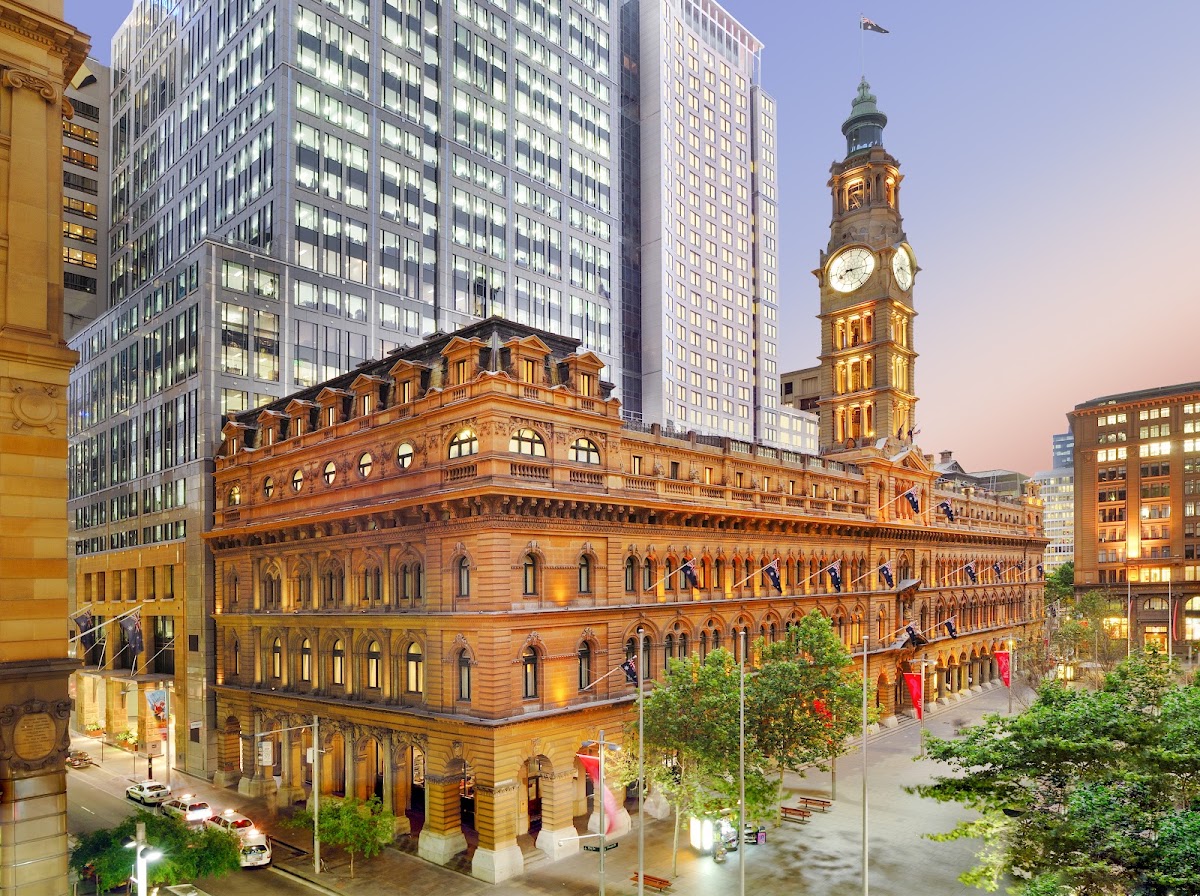
The Fullerton Hotel Sydney
HotelLobby Level/1 Martin Pl, Sydney NSW 2000
The Fullerton Hotel Sydney is located at Martin Place, just 0.11 km from the city center. The hotel features polished accommodations in a converted post office and high-rise building, with on-site dining, a bar, and two ballrooms. It has a rating of 4.4 out of 5 based on 2589 guest reviews.
Check prices on Booking.com for The Fullerton Hotel Sydney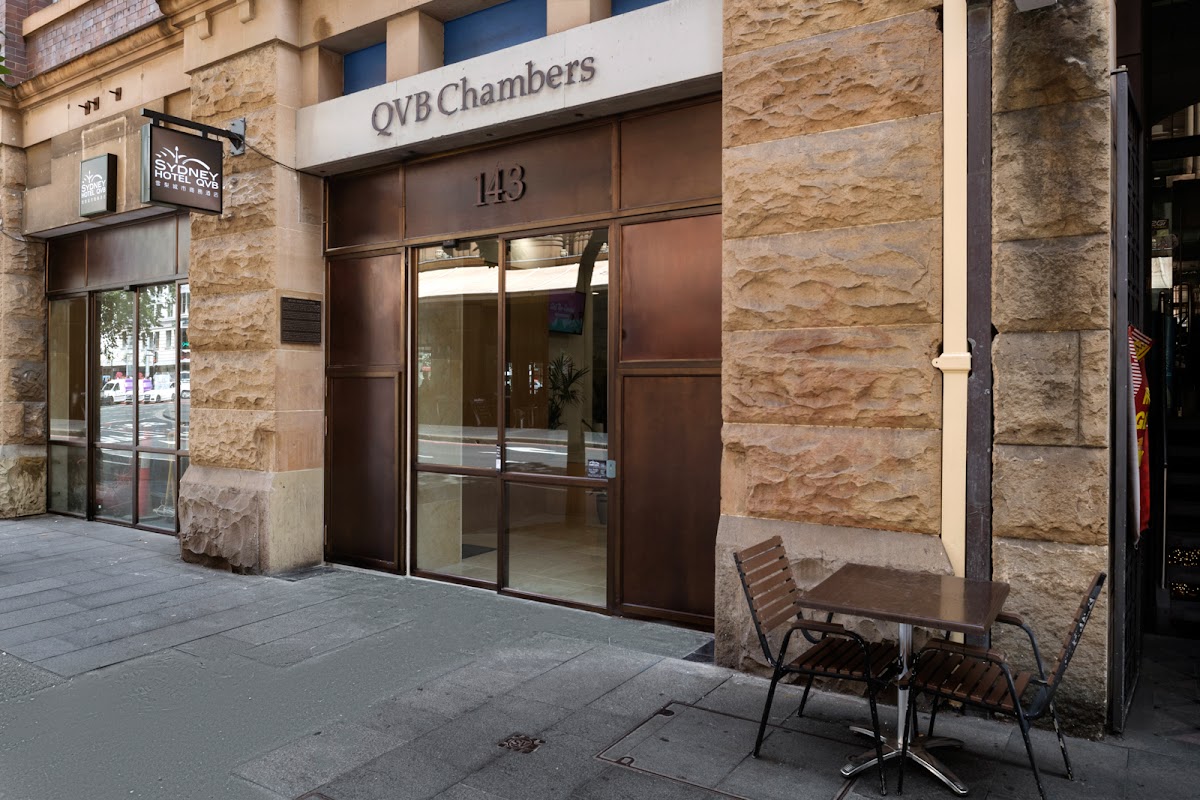
Sydney Hotel QVB
Hotel143 York St, Sydney NSW 2000
Sydney Hotel QVB is an informal hotel located in the busy CBD at 143 York St, just 0.42 km from the city center. The hotel offers modest rooms, some with balconies, and provides complimentary Wi-Fi to guests.
Check prices on Booking.com for Sydney Hotel QVB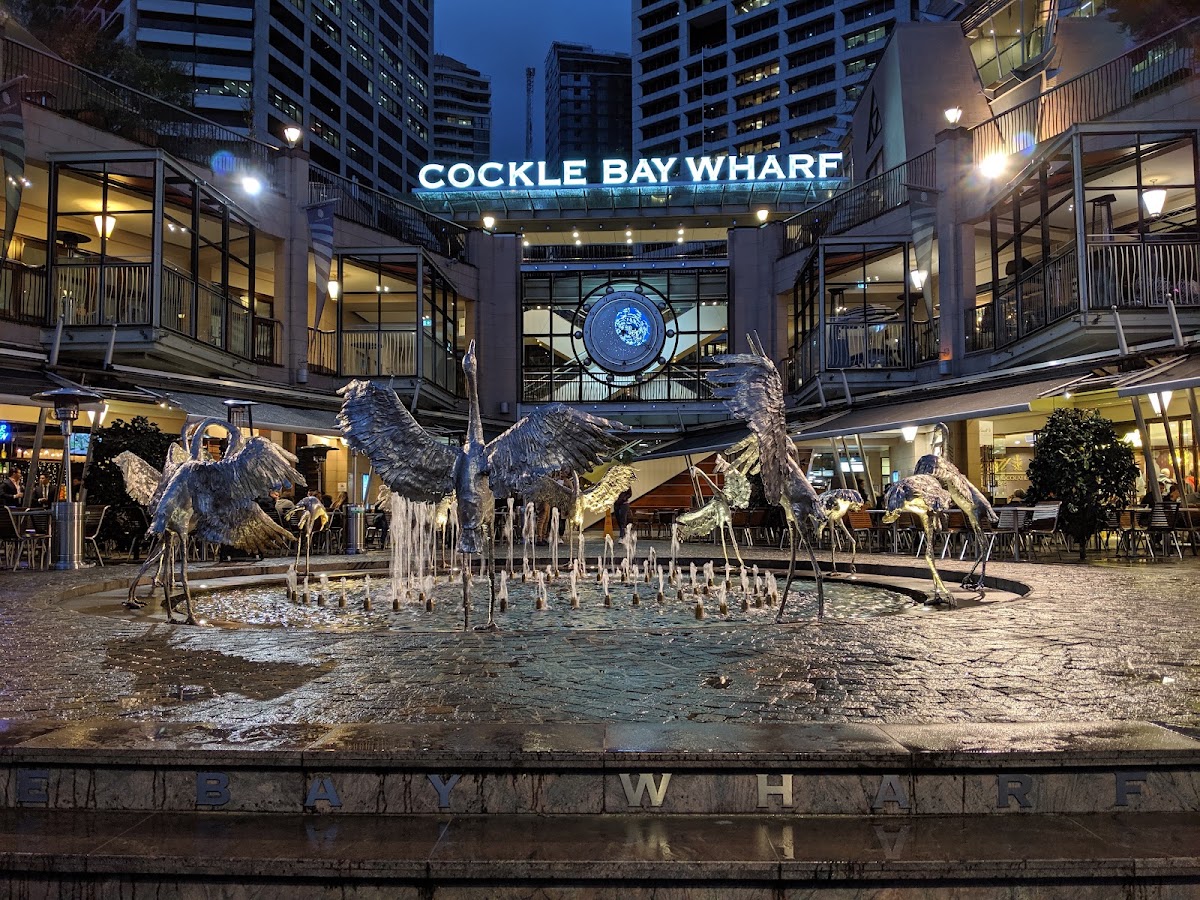
Nomads Sydney
Hostel477 Kent St, Sydney NSW 2000
Nomads Sydney is a modest hostel located on Kent Street, offering both dormitory and private rooms for guests. The property features a casual bar, TV lounge, and shared kitchen facilities, making it a convenient base for travelers visiting the city center.
Check prices on Booking.com for Nomads Sydney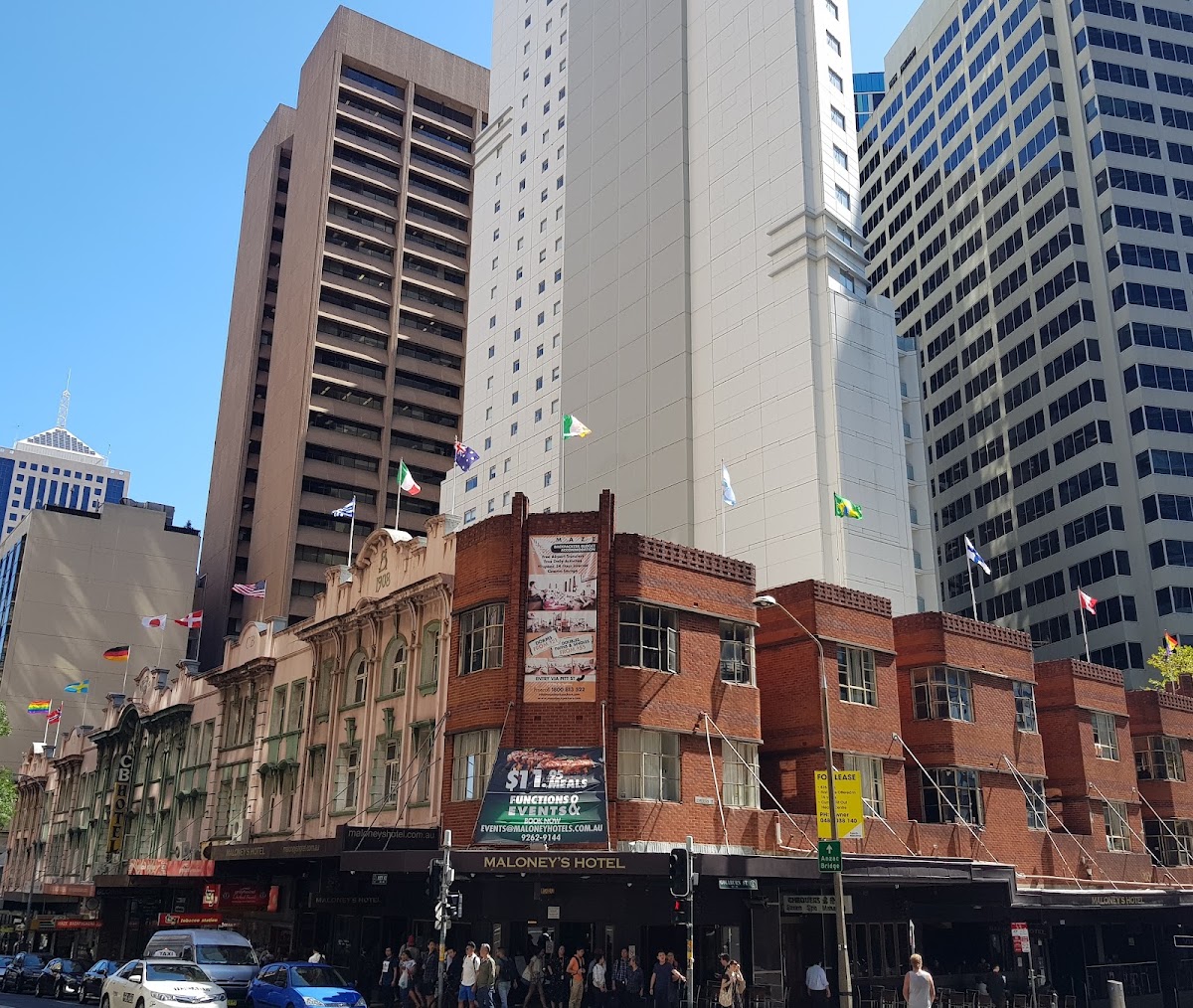
Maze Backpackers
Hostel417 Pitt St, Haymarket NSW 2000
Maze Backpackers is a hostel located on Pitt Street in Haymarket, offering simple, no-frills dorms and private rooms. The venue features a lively, urban atmosphere and provides a free airport shuttle for guests.
Check prices on Booking.com for Maze Backpackers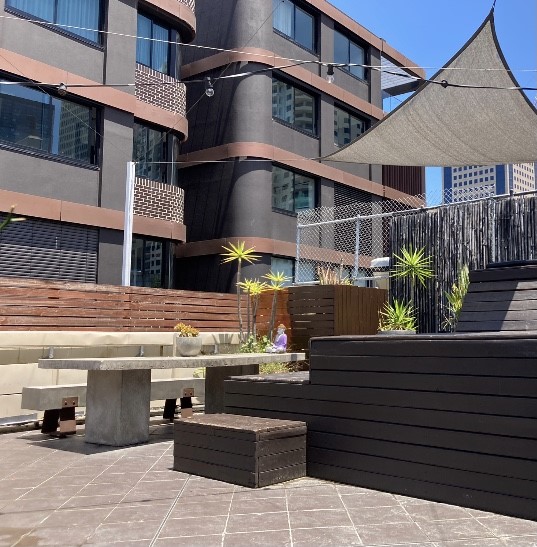
Big Backpackers Hostel
Hostel212 Elizabeth St, Surry Hills NSW 2010
Big Backpackers Hostel in Surry Hills offers casual accommodation with private or shared rooms, Wi-Fi, a guest kitchen, and a TV lounge. Located 1.3 km from Sydney's city center at 212 Elizabeth Street, it has a rating of 4.1 out of 5 based on 663 reviews.
Check prices on Booking.com for Big Backpackers Hostel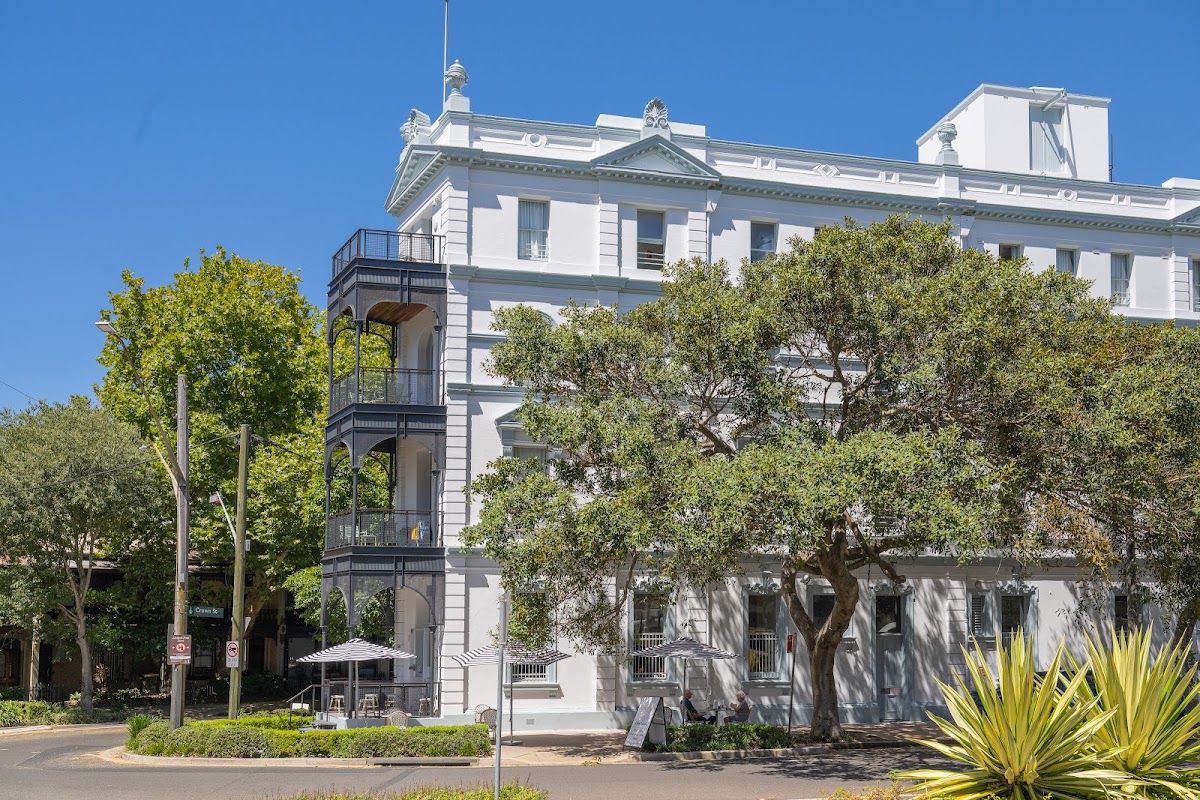
Pacific House Hostel
Hostel50-58 Sir John Young Cres, Woolloomooloo NSW 2011
Pacific House Hostel is a trendy hostel located in Woolloomooloo, less than 1 km from Sydney's city center. It offers bright dormitories and private rooms, along with Wi-Fi, a café, shared kitchen, and a veranda. The hostel has a rating of 4.4 stars based on over 600 guest reviews.
Check prices on Booking.com for Pacific House Hostel
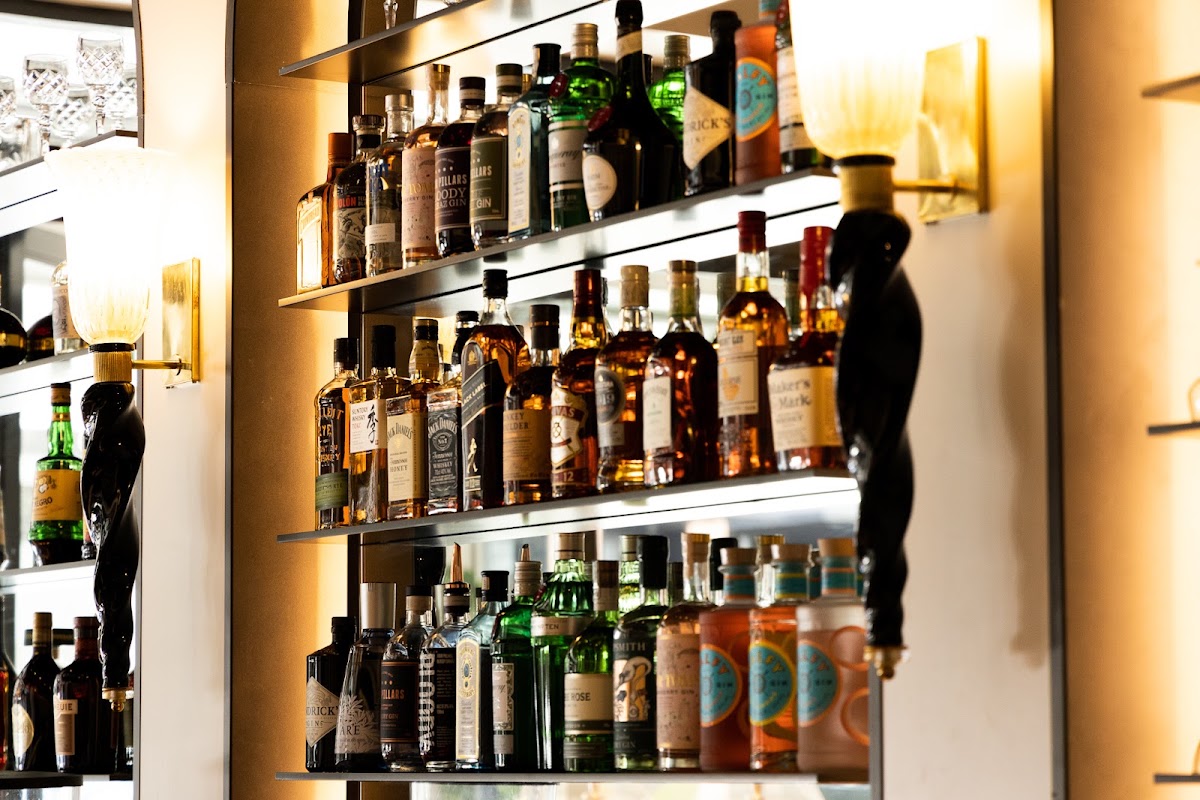
La Riviera Restaurant & Bar
ItalianPrice $$Rated 4.7170 Phillip St, Sydney NSW 2000
La Riviera Restaurant & Bar is an Italian restaurant located on Phillip Street in central Sydney, just 0.4 km from the city center. With a rating of 4.7 stars from 332 reviews, it offers moderately priced dining in the heart of the city.
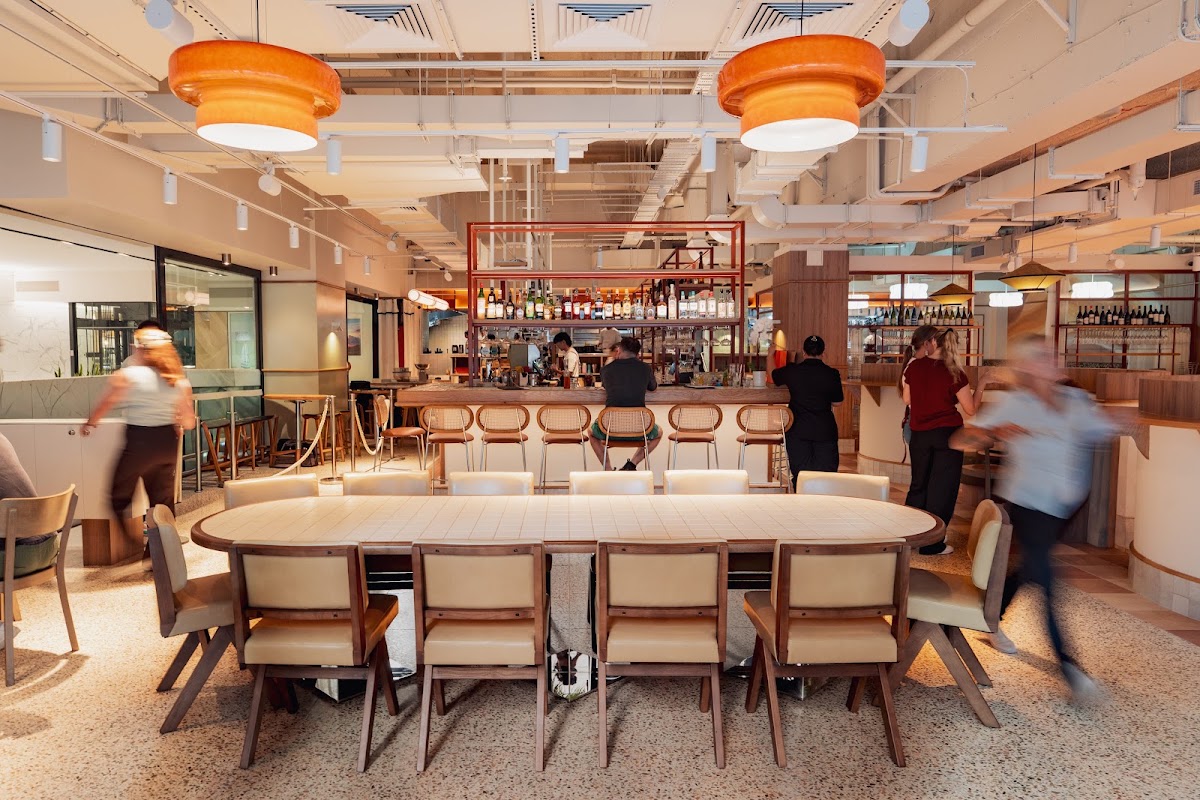
Mordeo Sydney
MediterraneanPrice $$Rated 4.6Shop 301/52 Martin Pl, Sydney NSW 2000
Mordeo Sydney is a Mediterranean restaurant located at Shop 301/52 Martin Pl in Sydney's city center, specialising in French, Italian and Spanish provisions. The venue also offers cocktails and wine, with a rating of 4.6 stars from over 900 reviews.
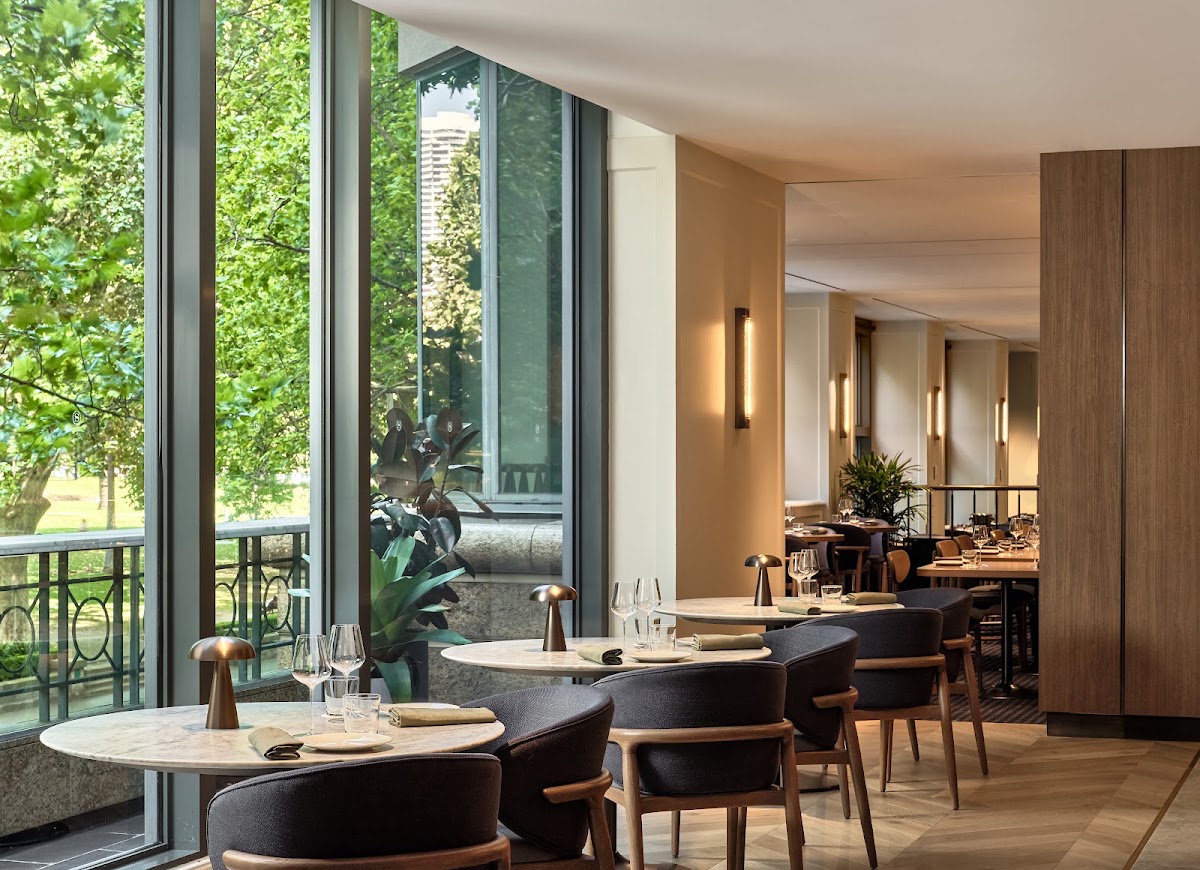
Sydney Common
Price $$$Rated 4.5161 Elizabeth St, Sydney NSW 2000
Sydney Common is a restaurant located at 161 Elizabeth Street in Sydney's city center, just 0.4 km from the CBD. It has a rating of 4.5 stars from 265 reviews and is in the mid-to-high price range.
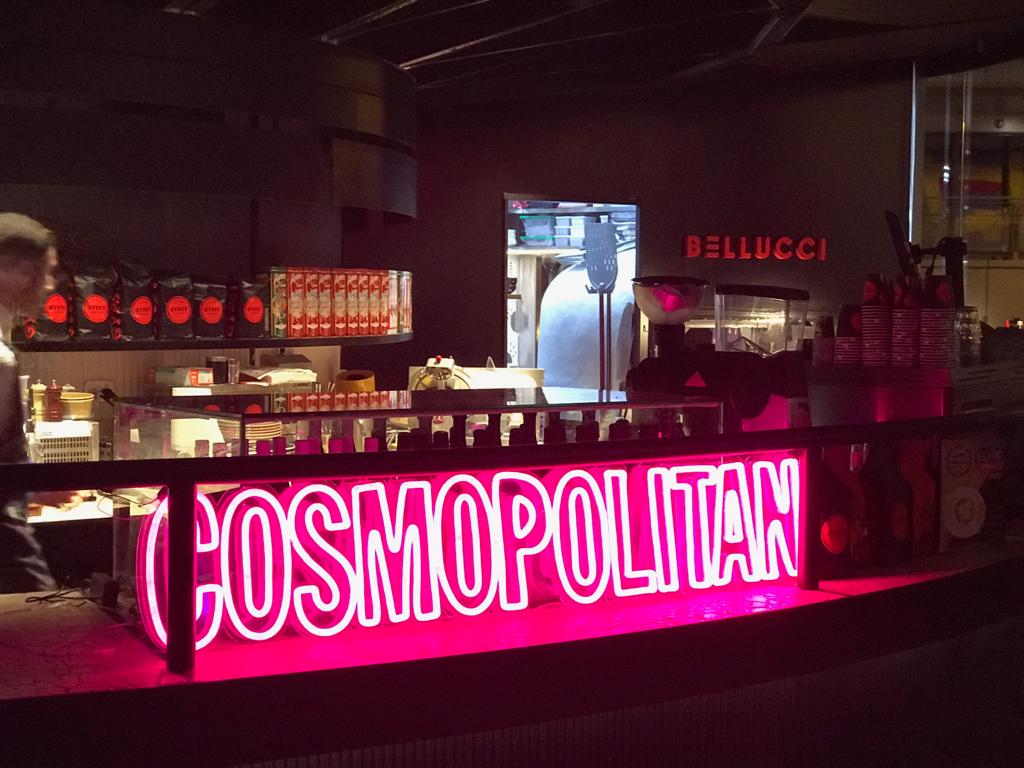
Bellucci Cucina
ItalianPrice $$Rated 4.4Upper Podium, 264/278 George St, Sydney NSW 2000
Bellucci Cucina is an Italian restaurant located on the Upper Podium of 264/278 George St in Sydney's city centre. The venue serves pizza and Italian cuisine and features a cocktail bar, with a rating of 4.4 stars from over 1,200 reviews. It also functions as an event venue for private functions and gatherings.
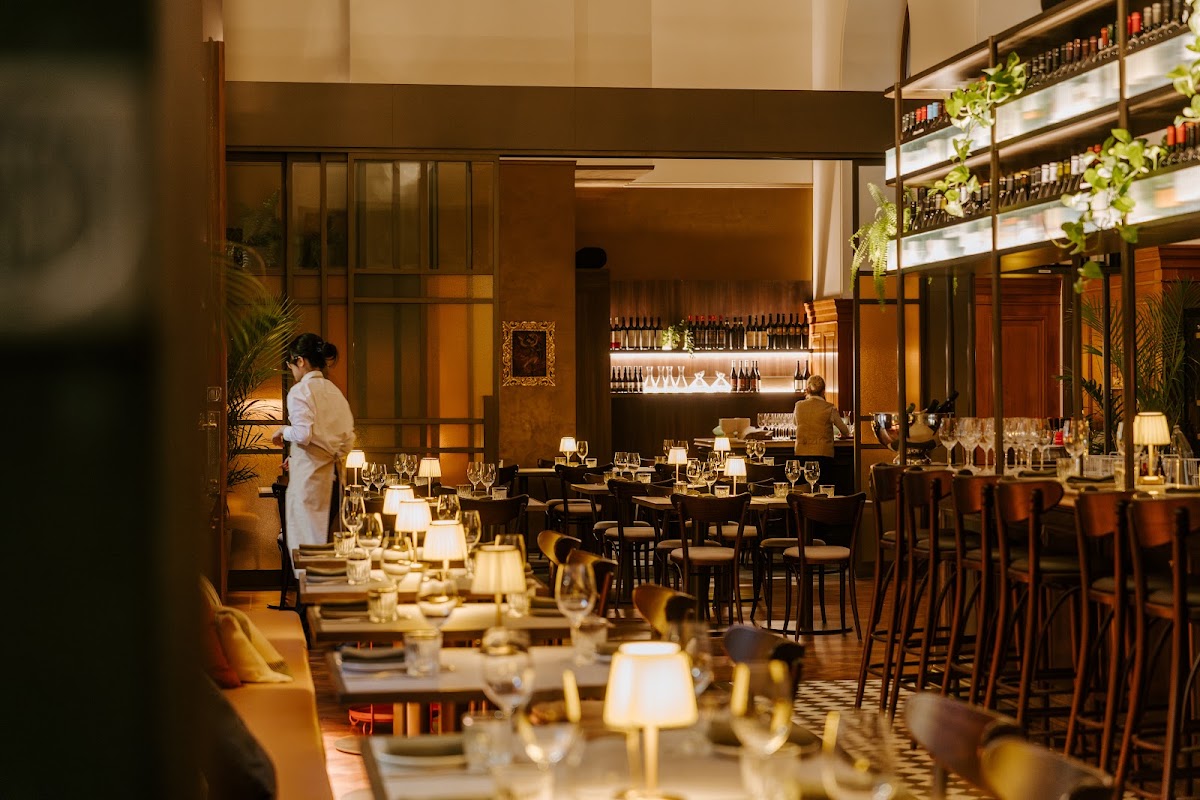
Morena
Price $$$Rated 4.4Sydney GPO, 1 Martin Pl, Sydney NSW 2000
Morena is a restaurant located at Sydney GPO on Martin Place in the heart of Sydney's CBD, just 140 metres from the city center. With a 4.4-star rating from 587 reviews, it offers mid-range dining in a premium location.
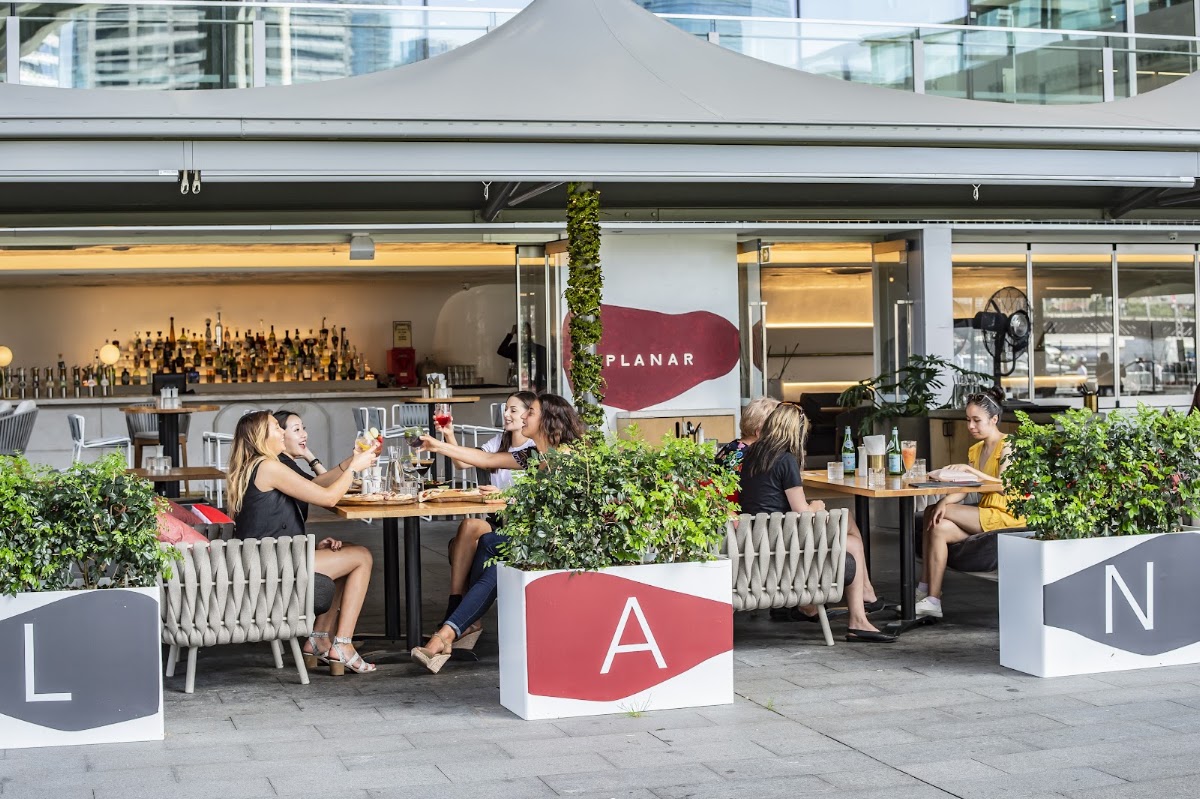
Planar Restaurant
Price $$Rated 4.1ICC Sydney, Shop C08, Ground Floor/14 Darling Dr, Darling Harbour NSW 2000
Planar Restaurant is an airy, fashionable spot located at ICC Sydney in Darling Harbour offering fusion dishes and a robust drink list, plus live music. The venue operates as a cocktail bar, steakhouse, seafood restaurant, and family restaurant with halal options available. It is rated 4.1 stars on Google Places and is moderately priced.
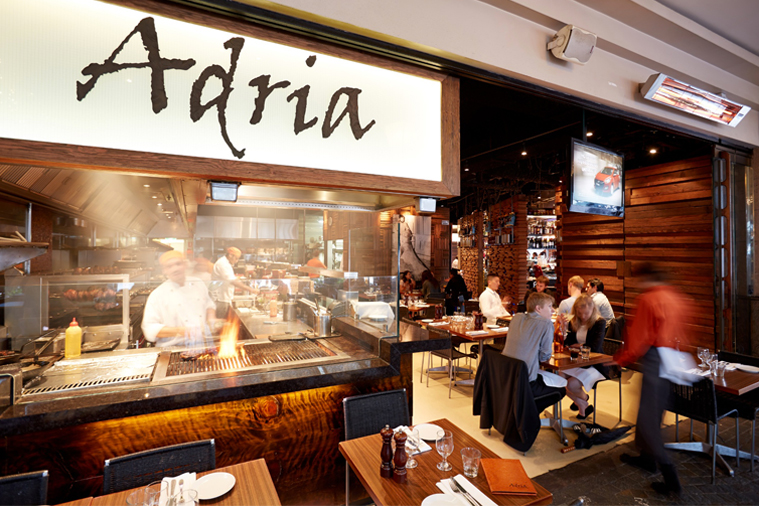
Adria Bar Restaurant
Price $$Rated 4.1The Promenade, Cockle Bay Wharf Darling Harbour, Wheat Rd, Sydney NSW 2000
Adria Bar Restaurant serves Mediterranean fare, mains and cocktails in a rustic space with a large harbourside terrace at Cockle Bay Wharf in Darling Harbour. The venue operates as both a restaurant and bar, and is available for events. It is located just 0.56 km from Sydney's city center.
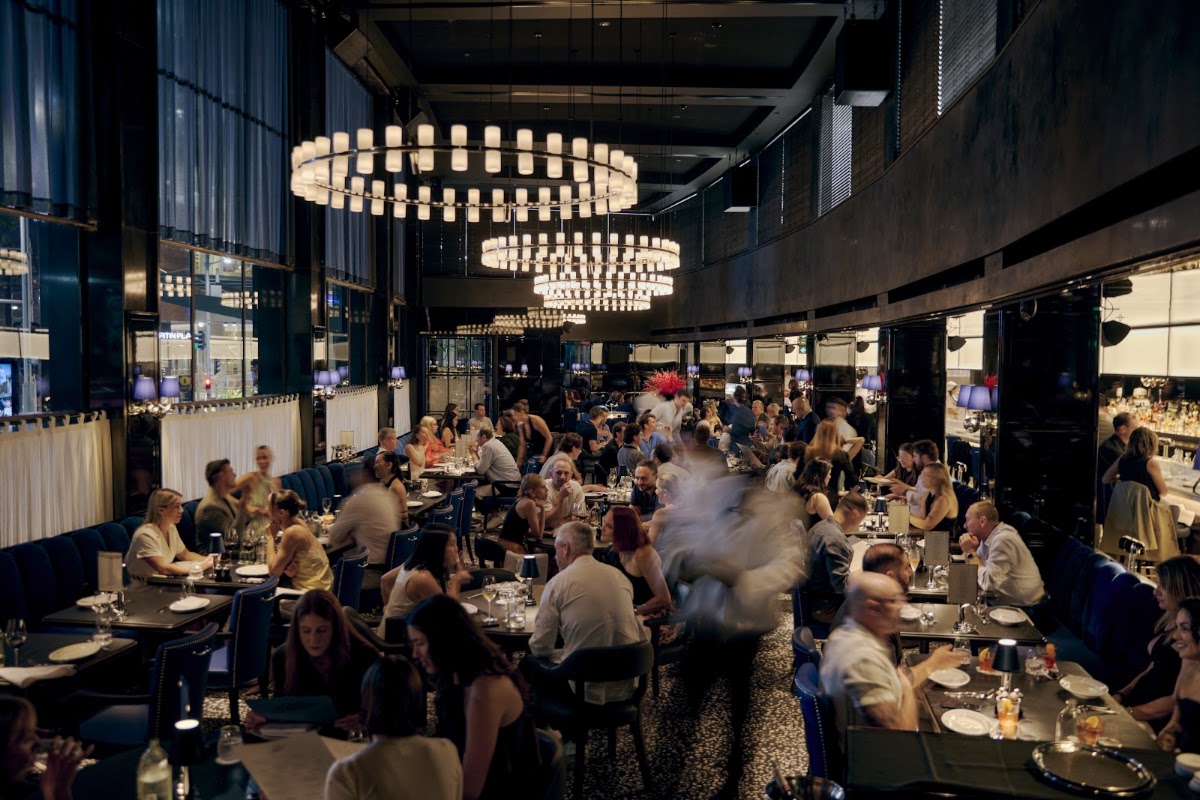
Grill Americano
Price $$$$Rated 3.91 Chifley Square, Sydney NSW 2000
Grill Americano is a restaurant located at 1 Chifley Square in Sydney's CBD, just 0.46 km from the city center. It is a high-end establishment with a price level of 4 and has received a rating of 3.9 from 330 customer reviews.
What things cost in Sydney
Typical prices. Estimates only: prices vary by season and neighborhood.
| Hostel dorm bedTypically 40-90 AUD. Shared dorm bed, higher in summer and around New Year. | A$40 – A$90 |
|---|---|
| Budget hotel roomTypically 130-220 AUD. Simple private room, varies a lot by season. | A$130 – A$220 |
| Mid-range hotel roomTypically 220-400 AUD. Comfortable central hotel room. | A$220 – A$400 |
| Luxury hotel roomTypically 450-1000 AUD. Upscale and harbourfront hotels, higher at peak times. | A$450 – A$1,000 |
| CoffeeTypically 4-6.50 AUD. Flat white or latte at a cafe. | A$4.00 – A$6.50 |
|---|---|
| Local beerTypically 8-14 AUD. Pint or schooner at a pub, higher in harbourside venues. | A$8 – A$14 |
| Street food snackTypically 8-18 AUD. Market stalls, kebabs, dumplings and similar snacks. | A$8 – A$18 |
| Budget mealTypically 15-25 AUD. Casual cafe, food court or takeaway meal. | A$15 – A$25 |
| Groceries (per day)Typically 25-50 AUD. Basic self-catering supplies for one person. | A$25 – A$50 |
| Mid-range mealTypically 35-65 AUD. Main course at a sit-down restaurant, usually without drinks. | A$35 – A$65 |
| Fine diningTypically 150-350 AUD. Tasting menus at high-end restaurants, per person. | A$150 – A$350 |
| Public transport rideTypically 3-9 AUD. Single trip depending on mode and distance. | A$3.00 – A$9.00 |
|---|---|
| Short taxi rideTypically 15-35 AUD. Short trip within the inner city. | A$15 – A$35 |
| Bike rental (per day)Typically 30-60 AUD. Standard bike hire for a day. | A$30 – A$60 |
| Museum entryTypically 0-30 AUD. Many major galleries have free general entry, while special exhibitions cost extra. | A$0 – A$30 |
|---|---|
| Guided walking tourTypically 30-80 AUD. Group tours of the city or The Rocks, some free tours operate on tips. | A$30 – A$80 |
| Day trip tourTypically 100-250 AUD. Guided trips to places such as the Blue Mountains or Hunter Valley. | A$100 – A$250 |
Essentials
Practical things to know before you arrive in Sydney.
When to go
The best months to visit Sydney are September to November and March to May, when days are warm and sunny and crowds are smaller than in summer.
- Peak: December-February
- Shoulder: March-May, September-November
- Low: June-August
Getting around
Sydney Airport is close to the city centre and connects by train, taxi and ride services. Trains are usually the quickest and simplest option to reach central Sydney. An Opal card or contactless payment card can be used on trains, buses, ferries and light rail.
Within the city, trains, buses, light rail and the Metro cover many areas, while ferries link Circular Quay with places such as Manly, Watermans Bay and Taronga Zoo, and make for a scenic ride. The centre is walkable, and coastal walks such as Bondi to Coogee are popular. Taxis and ride services are widely available, and traffic can be heavy at peak hours, so public transport is often faster.
Where to stay
The CBD, Circular Quay and The Rocks suit first-time visitors who want to be near the Opera House, Harbour Bridge and transport links. Darling Harbour and Haymarket are convenient for families and budget travellers, with easy access to Central Station and a wide range of eating options.
Surry Hills, Darlinghurst and Potts Point offer a trendy mix of cafes, bars and restaurants and suit couples and food lovers. Bondi, Coogee and Manly appeal to beach lovers, though they are further from the centre. Newtown and Glebe suit those wanting a relaxed, local feel with lots of cafes and live music.
Money
The local currency is Australian Dollar (AUD).
Cash and cards
- Cards and contactless payments are accepted almost everywhere, including small cafes and public transport. Cash is rarely needed but can be useful at some markets.
- Use a contactless card or phone for most purchases to avoid carrying much cash.
- Check foreign transaction fees on your card before travelling.
- Many major galleries and museums are free, and harbour ferries offer scenic views for the cost of a regular transit trip.
- Eating at food courts, markets and lunch specials helps keep costs down.
- Prices shown are usually the final price, with GST already included.
Taxes and tipping
- Tipping is not expected in Australia as staff receive award wages. Rounding up or leaving a small tip for excellent service at restaurants is appreciated but optional.
Language: English
English: English is the everyday language, so visitors will have no difficulty communicating.
- Hello
- G'dayguh-DAY
- How are you?
- How ya going?how ya GO-ing
- Thank you, friend
- Thanks, matethanks mayt
- That's fine / you're welcome
- No worriesno WUR-eez
- Thanks, or a toast
- Cheerscheerz
- Afternoon
- ArvoAR-vo
- Petrol station
- ServoSUR-vo
- Liquor store
- Bottle-oBOT-ul-oh
- A popular espresso coffee with steamed milk
- Flat whiteflat wite
- Flip-flops
- Thongsthongz
Other city guides
This guide is for general reference. Check opening hours, prices and entry rules with official sources before you travel.