Austria
Austria is a Central European country known for its stunning Alpine landscapes, imperial cities, and rich cultural heritage. With world-class museums, classical music history, and ...
Discover Austria
ustria is a stunning Central European country renowned for its breathtaking Alpine landscapes, rich imperial history, and profound cultural contributions to classical music, art, and architecture. Located in the heart of Europe, Austria offers travelers a mesmerizing blend of natural beauty and sophisticated urban experiences, with snow-capped mountains, pristine lakes, historic cities, and charming villages that showcase its diverse and picturesque terrain. Vienna, the capital, epitomizes Austria's cultural grandeur with its magnificent Baroque architecture, world-class museums, and imperial palaces like Schönbrunn.
The city has been home to legendary composers such as Mozart, Beethoven, and Strauss, earning its reputation as a global center of classical music and artistic excellence. Beyond Vienna, cities like Salzburg and Innsbruck offer equally compelling historical and cultural experiences, with well-preserved medieval and Renaissance architecture set against stunning Alpine backdrops. Austrian cuisine is another highlight, featuring hearty dishes like Wiener Schnitzel, Sachertorte, and sophisticated pastries that reflect the country's culinary traditions.
The nation's commitment to outdoor recreation, skiing, hiking, and cultural preservation makes it a year-round destination for travelers seeking both natural beauty and refined cultural experiences. Austria's emphasis on quality of life, environmental sustainability, and rich historical heritage creates a unique travel experience that seamlessly blends tradition with modernity.
Historical Significance
Austria's history is deeply rooted in complex European dynamics, beginning with Celtic settlements in the region around 400 BCE. The area was subsequently conquered by the Roman Empire around 15 BCE, becoming the province of Noricum and experiencing significant Roman cultural and infrastructural influence. Celtic and Roman populations gradually merged, establishing early foundations for the region's cultural development. The medieval period saw the emergence of the Babenberg Dynasty in 976 CE, who established Austria as a distinct territorial entity within the Holy Roman Empire. In 1278, the Habsburg Dynasty assumed control, transforming Austria into a powerful European monarchy that would dramatically shape continental politics for centuries.
Official Country Website
Latest information and updates from Austria
Key Information
Region
Central Europe
Not specified
CET (UTC+1)
Cities in Austria
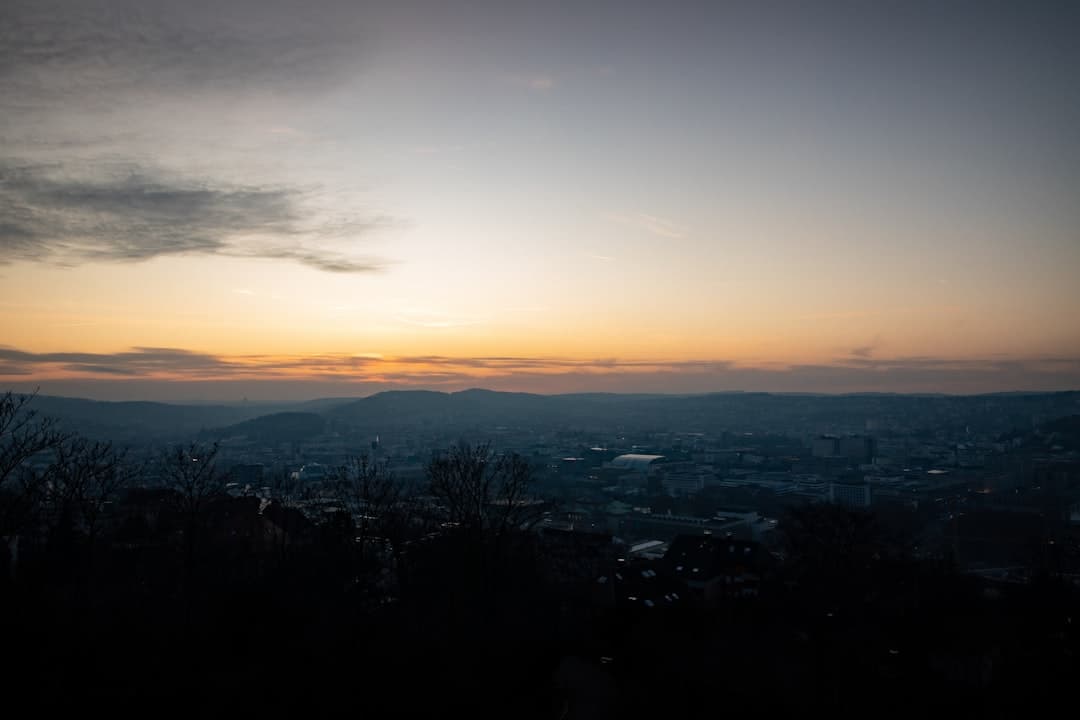
Salzburg
A breathtaking Alpine city where musical heritage, Baroque architecture, and stunning mountain landscapes create an enchanting cultural destination.
Explore SalzburgFeatured Destinations in Austria
Travel Costs in Austria
Cost Overview
Austria has moderate costs, with a mix of affordable options and some premium experiences.
Money-Saving Tips
- •Visit during shoulder season for better rates on accommodation
- •Use public transportation instead of taxis when possible
- •Consider staying in locations outside the main tourist areas
- •Look for restaurants where locals eat for better value
Currency Information
Currency: Euro (€)
Cost Guide: Austria
Local pricing information
Budget Traveler
Hostels, street food, public transport
Mid-Range
3-star hotels, restaurants, tours
Luxury
4-5 star hotels, fine dining, private tours
Seasonal Pricing
Prices vary by season. High season (summer, holidays) typically costs 20-40% more, while low season offers better deals. Consider the shoulder season (spring/fall) for a balance between good weather and lower prices.
Loading exchange rates...
Note: These prices are approximate and may vary depending on region, season, and personal preferences. Prices in popular tourist areas may be higher.
Budget Comparison
Estimated daily costs for traveling in Austria
Budget
Backpacker style
Includes
- Hostels & dorms
- Street food & markets
- Free attractions
- Local transport
Mid-Range
Comfortable travel
Includes
- Mid-range hotels
- Local restaurants
- Guided tours
- Mix of transport
Luxury
Premium experience
Includes
- Luxury hotels & resorts
- Fine dining
- Private tours & experiences
- Private transport
Note: Costs vary significantly between cities and regions within Austria. These are general estimates and can fluctuate based on season, location, and travel style.
Everything You Need to Know
Click any section to expand and view details
Travel Advisory
Check the latest travel advisories and safety information before your trip.
View Official AdvisoryLocal Insights
Culture & Traditions
Austria is a Central European nation with a rich cultural heritage deeply rooted in its Habsburg imperial history and Alpine traditions. The country blends sophisticated urban culture, particularly in Vienna, with traditional rural alpine customs, creating a unique cultural landscape. Classical music, classical arts, and intellectual traditions are paramount, with Austria producing legendary composers like Mozart, Strauss, and Schubert, and philosophers such as Wittgenstein.
Austrian culture emphasizes formality, precision, and social etiquette. Family remains central to social structure, with multi-generational connections and strong regional identities. Each province (Bundesland) maintains distinct traditions, dialects, and cultural practices. Rural areas particularly preserve traditional customs like folk music, traditional dress (Tracht), and agricultural festivals, while urban centers like Vienna represent cosmopolitan, progressive European sophistication.
The arts play a crucial role in Austrian identity. From world-renowned classical music and opera to contemporary visual arts, Austrians take immense pride in their cultural contributions. Architecture ranges from magnificent Baroque imperial buildings to innovative modern designs. Literature, particularly from figures like Rilke and Kafka, has significantly influenced European intellectual thought. Contemporary Austrian culture also embraces progressive social values, environmental consciousness, and a strong social welfare system.

Cultural Experience
Immerse yourself in local traditions and customs