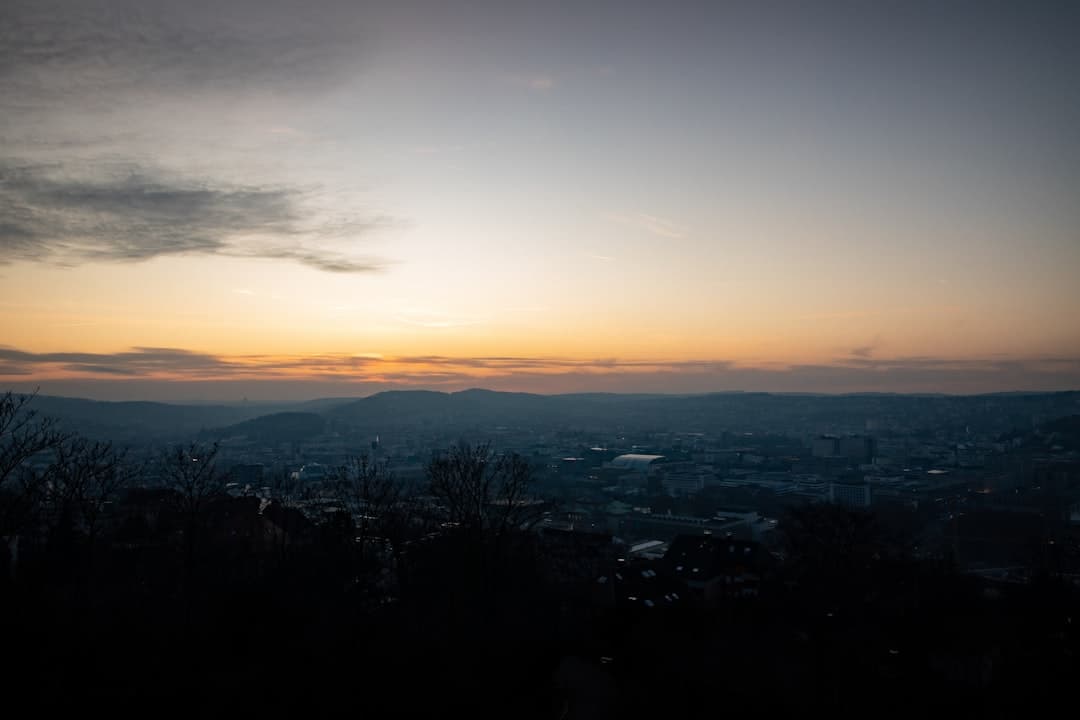
Salzburg
A breathtaking Alpine city where musical heritage, Baroque architecture, and stunning mountain landscapes create an enchanting cultural destination.
Salzburg quick facts
- Best time to visit
- May-September
- Daily budget, mid-range
- €100-150
- Language
- German
- Currency
- Euro (EUR)
- Getting around
- Bus
- Suggested stay
- 3 days
About Salzburg
Salzburg is a picturesque city nestled in the Austrian Alps, renowned for its exquisite Baroque architecture and profound musical legacy. As the birthplace of Wolfgang Amadeus Mozart, the city pulses with musical history, offering visitors numerous opportunities to experience classical music and cultural performances in historic venues.
The city's Old Town, a UNESCO World Heritage site, is a masterpiece of architectural beauty, featuring narrow cobblestone streets, magnificent churches, and elegant palaces. Visitors can explore the imposing Hohensalzburg Fortress, which towers over the city and provides panoramic views of the surrounding alpine landscape, offering a glimpse into the region's medieval history.
Beyond its cultural attractions, Salzburg offers a perfect blend of historical charm and natural beauty. The surrounding mountains and nearby lakes provide numerous outdoor activities, from hiking and skiing to scenic walks, while the city's culinary scene showcases traditional Austrian cuisine and sophisticated dining experiences.
Known for
- Mozart's birthplace
- Baroque architecture
- Classical music heritage
- Sound of Music film locations
- Alpine scenery
Food in Salzburg
Salzburg's culinary traditions are deeply rooted in Austrian Alpine cuisine, blending Bavarian influences with traditional Austrian cooking styles. The city's food culture emphasizes hearty, comforting dishes that reflect the region's mountainous landscape and agricultural heritage. Meals are typically substantial and feature high-quality local ingredients, with an emphasis on meat, dairy, and seasonal produce.
Dining in Salzburg is a social experience, with meals often serving as important family and community gatherings. Breakfast tends to be lighter, while lunch and dinner are more elaborate affairs. The city's proximity to both mountain and agricultural regions provides a rich variety of ingredients, including fresh dairy, game meats, and locally grown vegetables. Cafés play a significant role in local culture, with coffee and pastry consumption being an important social ritual throughout the day.
History of Salzburg
Salzburg's history is deeply rooted in its role as an important ecclesiastical center, with its origins tracing back to the Roman settlement of Iuvavum. In 696 CE, Saint Rupert established the diocese of Salzburg, transforming the region into a significant religious and cultural hub. The city became the capital of an independent prince-archbishopric in 1278, during which time the powerful Prince-Archbishops of Salzburg wielded considerable political and economic influence throughout the region.
The city's golden age occurred during the 17th and 18th centuries, when Prince-Archbishops transformed Salzburg into a magnificent Baroque city, commissioning stunning architectural projects that still define its landscape today. Notable rulers like Prince-Archbishop Wolf Dietrich von Raitenau dramatically reshaped the city's urban design, creating grand squares, magnificent churches, and the iconic Hohensalzburg Fortress. During this period, Salzburg became a crucial cultural center, famously being the birthplace of Wolfgang Amadeus Mozart in 1756, which has since become a cornerstone of the city's cultural identity and global reputation.
Throughout the centuries, Salzburg experienced significant political transitions, including becoming part of the Austrian Empire in 1805 and later the Austrian-Hungarian Empire. The city's strategic location and rich cultural heritage have preserved its historical character, making it a UNESCO World Heritage Site in 1996. Today, Salzburg successfully blends its medieval and Baroque architectural legacy with modern cultural significance, attracting millions of tourists annually who are drawn to its musical heritage, stunning architecture, and rich historical narrative.
Culture and etiquette
Salzburg is a city deeply rooted in Austrian cultural traditions, with a strong emphasis on classical music, art, and historical preservation. The city's social fabric is characterized by a blend of traditional Alpine culture and sophisticated European sensibilities. Austrians, particularly in Salzburg, value punctuality, politeness, and formal social interactions.
Daily life in Salzburg revolves around a strong work-life balance, with emphasis on leisure, family time, and cultural activities. The city's residents are typically reserved in public spaces but warm and friendly in personal interactions. Social etiquette is important, with formal address (using titles and last names) being the norm until invited to use first names. The city's rich musical heritage, particularly its connection to Mozart, permeates daily life, with numerous concerts, festivals, and cultural events throughout the year.
Do's: - Dress formally and neatly in public - Shake hands when meeting someone - Arrive on time for appointments and meetings - Use formal titles (Herr/Frau) when addressing people - Respect quiet hours (typically afternoon rest times)
Don'ts: - Avoid loud conversations in public spaces - Don't be late for appointments - Refrain from discussing sensitive historical topics - Don't start eating before everyone is served - Avoid wearing casual clothing in formal settings
Tipping Culture: - Tip 10% in restaurants - Round up taxi fares - Tip service staff directly - Tipping is appreciated but not mandatory
Dress Code: - Conservative and neat dress in most settings - Business attire is formal - Casual but presentable clothing for everyday activities - Traditional clothing (dirndl and lederhosen) acceptable during festivals
Local Customs: - Strong coffee culture with afternoon café traditions - Emphasis on classical music and cultural events - Respect for environmental consciousness - Celebration of local festivals and traditions - Importance of family and community gatherings
Things to do in Salzburg
What to see, where to stay and where to eat.
Hohensalzburg Fortress Exploration
3 hoursPrice $$Castle Hill
Medieval hilltop castle offering panoramic city views and extensive museum exhibits. Explore multiple museum sections, historic rooms, and enjoy breathtaking perspectives of Salzburg's landscape.
Mozart Heritage Walking Tour
2 hoursPrice $$Old Town (Altstadt)
Explore the birthplace and childhood sites of Wolfgang Amadeus Mozart in Salzburg's historic center. Discover fascinating insights into the composer's life and musical legacy through carefully curated historical locations.
Mirabell Gardens Photography Walk
1 hourCity Center
Stunning baroque gardens featuring immaculate landscaping, fountains, and picturesque views of the city and mountains. Perfect for photography and leisurely strolls.
Mozart Dinner Concert
2 hoursPrice $$$Historic City Center
Elegant evening featuring classical music performance with period costumes, accompanied by traditional Austrian multi-course dinner in historic setting.
Salzburg Sound of Music Tour
4 hoursPrice $$City and surrounding countryside
Guided tour exploring famous film locations from the iconic movie, including scenic landscapes, historic buildings, and musical heritage sites associated with the film.
Traditional Austrian Culinary Workshop
3 hoursPrice $$$City Center Cooking Schools
Hands-on cooking class teaching authentic Austrian cuisine like Wiener Schnitzel, Apfelstrudel, and regional specialties. Learn traditional cooking techniques from local chefs.
Alpine Hiking Experience
2 hoursPrice $Salzkammergut Region
Scenic mountain trails in the nearby Alps offering stunning landscapes and moderate hiking routes. Perfect for experiencing Austria's natural beauty and mountain ecosystem.
Salzach River Cruise
1 hourPrice $$River area
Scenic boat tour along the Salzach River, offering unique perspectives of Salzburg's historic architecture and surrounding landscape. Relaxing and informative experience.
Traditional Christmas Market Experience
2 hoursOld Town
Festive winter market featuring local crafts, traditional foods, mulled wine, and holiday atmosphere. Authentic Austrian Christmas celebration in historic surroundings.
Salzburg Mountain Bike Adventure
2 hoursPrice $$Mountain regions surrounding Salzburg
Guided mountain biking tours through Alpine landscapes, offering challenging trails and stunning scenic routes for intermediate to advanced cyclists.
Mozart District Historic Hostel
Chill HostelPrice $$Old Town historic district
Charming family-run hostel located in a traditional Salzburg building near Mozart's birthplace. Features vintage Austrian decor and a warm, welcoming atmosphere. Perfect for culturally curious travelers wanting an authentic local experience.
Check prices on Booking.com for Mozart District Historic HostelAlpine View Luxury Resort
Luxury HotelPrice $$$$Suburban hillside area
Stunning mountain-view hotel offering panoramic vistas of the Austrian Alps. Elegant rooms with contemporary Austrian design, featuring premium materials and sophisticated amenities. Spa and wellness center provides ultimate relaxation.
Check prices on Booking.com for Alpine View Luxury ResortFortress Quarter Business Hotel
HotelPrice $$$$Business district near Hohensalzburg Fortress
Modern, efficient hotel catering to business travelers with streamlined design and professional services. Located near conference centers with quick transportation access. Offers contemporary workspaces and technology-friendly rooms.
Check prices on Booking.com for Fortress Quarter Business HotelRiverside Backpackers Party Hostel
Party HostelPrice $$Riverfront area
High-energy hostel along the Salzach River with vibrant social atmosphere. Nightly events, group activities, and communal spaces designed to help travelers connect. Known for its lively bar and organized pub crawls.
Check prices on Booking.com for Riverside Backpackers Party HostelClassical Music Boutique Apartments
HotelPrice $$$$Historic city center
Elegantly designed apartments celebrating Salzburg's musical heritage. Each unit themed around classical composers with curated artwork and musical references. Offers home-like comfort with hotel-level services.
Check prices on Booking.com for Classical Music Boutique Apartments
Alpine Traditional Kitchen
EuropeanPrice $Historic City Center
Rustic restaurant celebrating Salzburg's culinary heritage with classic Austrian dishes. Wooden interior features local mountain decor and traditional cooking techniques. Offers hearty regional specialties passed down through generations.
Mozart Quarter Bistro
MediterraneanPrice $Old Town District
Charming cafe nestled near historic music venues with relaxed European atmosphere. Offers light Mediterranean-inspired cuisine and excellent coffee selections. Popular among local musicians and cultural professionals.
Riverside Fine Dining Experience
FrenchPrice $Riverfront Area
Elegant restaurant overlooking Salzach River with sophisticated French-inspired cuisine. Exceptional wine list and meticulously prepared gourmet dishes. Panoramic views of historic Salzburg landscape.
Mountain Vegetarian Kitchen
VegetarianPrice $University District
Modern plant-based restaurant featuring locally sourced ingredients from Alpine regions. Creative menu transforming traditional Austrian recipes into vegetarian delights. Bright, contemporary interior with mountain views.
Street Food Market Cafe
Fast_foodPrice $Student Quarter
Casual, affordable eatery offering international street food styles. Quick service with diverse menu catering to budget-conscious travelers and students. Vibrant, energetic atmosphere with communal seating.
Imperial Dessert Salon
DessertPrice $Historic City Center
Elegant pastry cafe celebrating Salzburg's rich confectionery traditions. Ornate interior reminiscent of Habsburg-era coffee houses. Offers exquisite cakes, pastries, and traditional Austrian sweet treats.
What things cost in Salzburg
Typical prices in US dollars. Estimates only: prices vary by season and neighborhood.
| Hostel dorm bedBackpacker hostels near old town | $20-35 |
|---|---|
| Budget hotel roomBasic hotels in surrounding neighborhoods | $50-80 |
| Apartment rentalEntire apartment, varies by location | $60-120 |
| Mid-range hotel roomComfortable 3-star hotels with Mozart Quarter views | $90-150 |
| Luxury hotel roomHistoric hotels, Alpine view suites | $200-400 |
| CoffeeEspresso and café melange at traditional Viennese-style cafes | $3-5 |
|---|---|
| Local beerAustrian draft beers, premium local brewery selections | $4-7 |
| Street foodPretzels, würstel stands, quick Austrian street snacks | $4-8 |
| Glass of wineAustrian white wines, regional Salzburg valley selections | $6-12 |
| Budget mealCasual Austrian eateries, schnitzels, local cafeterias | $8-15 |
| Groceries for a dayDaily market groceries, fresh produce | $15-25 |
| Mid-range mealTraditional Austrian restaurants with full service | $20-35 |
| Fine diningMichelin-starred restaurants, gourmet Alpine cuisine | $50-100 |
| Taxi, per kmAdditional kilometer charges | $1-2 |
|---|---|
| Public transport ticketSingle journey, day passes $8-12 | $2-3 |
| Taxi base fareInitial taxi fare within city | $4-6 |
| Ride-hailing tripAverage ride within Salzburg | $10-20 |
| Bike rental, per dayDaily bicycle rental | $12-25 |
| Car rental, per dayDaily rental with basic insurance | $40-80 |
Essentials
Practical things to know before you arrive in Salzburg.
When to go
May-September
Warm temperatures, festival season, outdoor activities, minimal rainfall, comfortable for sightseeing. Summer (June-August) offers peak tourist experience with Mozart and cultural festivals.
- Peak: June-August
- Shoulder: April-May, September-October
- Low: November-March
Getting around
Salzburg boasts an excellent public transportation system with comprehensive bus and trolleybus networks that efficiently connect the city's historic center and surrounding districts. The city's compact size and integrated transit make moving around remarkably convenient for tourists and residents alike.
The public transit system is clean, punctual, and well-maintained, with frequent services and clear route maps. Most tourist attractions are within easy reach of public transportation, reducing the need for private vehicles.
- Airport: W. A. Mozart Airport, 4-5 km from city center Bus connection: 20-25 minutes Cost: €2-4 one way Taxi: €15-20
- Public Transport: Buses/Trolleybuses cover entire city Single ticket: €2.50 Day passes: €5-6 Mobile and physical ticket options Highly reliable and frequent service
- Walking: Extremely walkable historic center Most attractions within 2-3 km radius Pedestrian-friendly infrastructure
- Taxis/Rideshare: Taxis available throughout city Base fare: €3-4 Per kilometer: €1.50-2 Uber and local rideshare services present
Where to stay
Salzburg offers a diverse range of accommodation options, from historic boutique hotels to modern apartments. Peak tourist seasons (summer and during Mozart Festival) see significantly higher prices, with rates potentially increasing by 30-50%. Winter ski season also experiences price spikes. Budget travelers should expect to pay €50-80 per night for basic accommodations, mid-range hotels range €80-150, and luxury options start at €200+. Most accommodations are well-maintained, with high standards of cleanliness and service typical of Austrian hospitality.
1. Altstadt (Old Town): - Pros: UNESCO World Heritage site, walking distance to major attractions - Cons: Most expensive area, can be noisy during peak tourist season - Price Range: €120-250 per night - Best for: First-time visitors, culture enthusiasts, those wanting immediate access to historic sites
2. Andräviertel: - Character: Elegant residential district with baroque architecture - Advantages: Quieter than Old Town, close to museums and shopping - Nearby: Mirabell Palace, Mozart Residence - Price Level: €90-180 per night - Suits: Couples, culture travelers, those wanting a more relaxed atmosphere
3. Nonntal: - Description: University district with student-friendly environment - Suitability: Budget travelers, backpackers, younger tourists - Typical Costs: €50-100 per night - Proximity to public transportation and affordable dining options
- Book 3-6 months in advance for summer and festival periods
- Consider apartment rentals for longer stays or group travel
- Best booking platforms: Booking.com, AirBnB, Hotels.com
- Look for accommodations near public transportation
- Check for city tourist tax (usually €2-3 per person per night)
- Consider staying slightly outside city center for better rates
- Winter bookings should be made early due to ski tourism demand
- Look for hotels offering free Mozart Festival or museum passes
- Verify if breakfast is included in room rate
- Check cancellation policies, especially during peak seasons
Recommended booking strategy: Compare prices across multiple platforms, be flexible with dates, and consider staying in nearby towns with good train connections if Salzburg prices are prohibitively high.
Money
The local currency is Euro (EUR).
Exchange rates
- USD/EUR: 1 USD = 0.92-0.95 EUR
- GBP/EUR: 1 GBP = 1.15-1.20 EUR
- CAD/EUR: 1 CAD = 0.68-0.72 EUR
Cash and cards
- Cash still important in Salzburg, especially in smaller establishments
- Recommended to carry 100-200 EUR in cash
- Denominations: €5, €10, €20, €50 notes most useful
- Small shops, cafes, and some restaurants prefer cash
Taxes and tipping
- VAT (Sales Tax): 20% standard rate
- Reduced rates: 10% for some goods
- Tourist Tax Refund available for purchases over €75
- Refund process at major airports and some shopping centers
- Salzburg is part of the Eurozone
- Credit cards increasingly preferred in tourist areas
- Always have some cash for smaller establishments
- Check with your bank about international transaction fees before traveling
Language: German
English: High (B2-C1 level); Widely spoken among younger professionals, tourists, and in academic/business settings; Excellent in urban areas, slightly less proficient in rural regions
- Hello/Good morning
- Hallo/Guten MorgenHAH-loh/GOO-ten MOR-gen
- Good evening
- Guten AbendGOO-ten AH-bent
- Thank you
- DankeDAHN-kuh
- Please
- BitteBIT-tuh
- Excuse me/Sorry
- Entschuldigungent-SHUL-di-gung
- Yes/No
- Ja/Neinyah/nine
- How much?
- Wie viel?vee feel
- Where is...?
- Wo ist...?voh ist
- I don't understand
- Ich verstehe nichtish fer-SHTEY-uh nisht
- Do you speak English?
- Sprechen Sie Englisch?SHPRE-ken zee ANG-lish
- Help!
- Hilfe!HILL-fuh
- Goodbye
- Auf Wiedersehenowf VEE-der-zey-en
- Cheers!
- Prost!prost
- Delicious
- KöstlichKERST-likh
- Bill/Check please
- Die Rechnung, bittedee REKH-nung, BIT-tuh
Other city guides
This guide is for general reference. Check opening hours, prices and entry rules with official sources before you travel.