Germany
Germany is a central European country known for its rich cultural heritage, stunning landscapes, and technological innovation. From medieval castles and historic cities to modern u...
Discover Germany
ermany is a captivating European nation renowned for its rich history, stunning landscapes, and remarkable cultural contributions. From the fairy-tale castles of Bavaria to the modern, vibrant cities like Berlin and Munich, the country offers travelers an extraordinary blend of historical depth and contemporary innovation. The landscape is incredibly diverse, featuring the dramatic Alps in the south, dense forests like the Black Forest, picturesque river valleys such as the Rhine, and a dramatic North Sea coastline. Germany's cultural heritage is profound, with significant contributions to art, philosophy, music, and science.
As the birthplace of influential figures like Beethoven, Einstein, and Kant, the country has shaped global intellectual and artistic movements. Its cities showcase remarkable architectural diversity, from medieval town centers with half-timbered houses to cutting-edge modern designs. The nation is also celebrated for its engineering prowess, world-class automotive industry, and commitment to environmental sustainability. German cuisine is hearty and diverse, featuring iconic dishes like bratwurst, schnitzel, sauerkraut, and pretzels, complemented by world-famous beer and wine traditions.
Each region offers unique culinary specialties, reflecting local cultural identities. The country's festivals, like Oktoberfest in Bavaria, are globally renowned celebrations of tradition, food, and community spirit. Modern Germany is a global economic powerehouse, a leader in technological innovation, and a crucial player in European politics. Its commitment to social welfare, environmental protection, and cultural preservation makes it a fascinating destination for travelers seeking both historical insights and contemporary experiences.
Historical Significance
Germany's historical landscape is complex and multifaceted, rooted in ancient Germanic tribal territories that emerged around 500 BCE. Initially comprised of diverse tribal groups like the Saxons, Franks, and Alemanni, these early societies were characterized by decentralized political structures and a strong warrior culture. The Roman Empire's expansionist efforts significantly influenced these regions, with interactions ranging from trade to military confrontations along the Rhine and Danube frontiers. The Holy Roman Empire, established in 962 CE under Otto I, represented a pivotal transformation in German territorial organization. This decentralized political entity encompassed numerous principalities, duchies, and independent city-states across Central Europe.
Official Country Website
Latest information and updates from Germany
Key Information
Region
Central Europe
Not specified
CET (UTC+1)
Cities in Germany
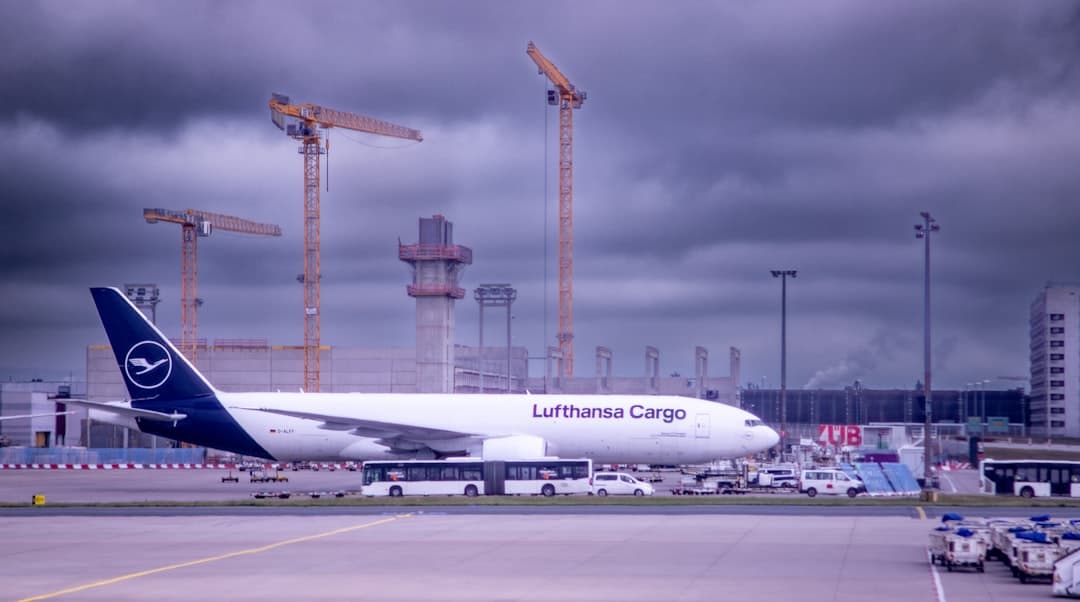
Frankfurt
A dynamic financial hub blending modern skyscrapers with historic German architecture and rich cultural heritage.
Explore FrankfurtFeatured Destinations in Germany
Travel Costs in Germany
Cost Overview
Germany has moderate costs, with a mix of affordable options and some premium experiences.
Money-Saving Tips
- •Visit during shoulder season for better rates on accommodation
- •Use public transportation instead of taxis when possible
- •Consider staying in locations outside the main tourist areas
- •Look for restaurants where locals eat for better value
Currency Information
Currency: Euro (€)
Cost Guide: Germany
Local pricing information
Budget Traveler
Hostels, street food, public transport
Mid-Range
3-star hotels, restaurants, tours
Luxury
4-5 star hotels, fine dining, private tours
Seasonal Pricing
Prices vary by season. High season (summer, holidays) typically costs 20-40% more, while low season offers better deals. Consider the shoulder season (spring/fall) for a balance between good weather and lower prices.
Loading exchange rates...
Note: These prices are approximate and may vary depending on region, season, and personal preferences. Prices in popular tourist areas may be higher.
Budget Comparison
Estimated daily costs for traveling in Germany
Budget
Backpacker style
Includes
- Hostels & dorms
- Street food & markets
- Free attractions
- Local transport
Mid-Range
Comfortable travel
Includes
- Mid-range hotels
- Local restaurants
- Guided tours
- Mix of transport
Luxury
Premium experience
Includes
- Luxury hotels & resorts
- Fine dining
- Private tours & experiences
- Private transport
Note: Costs vary significantly between cities and regions within Germany. These are general estimates and can fluctuate based on season, location, and travel style.
Everything You Need to Know
Click any section to expand and view details
Travel Advisory
Check the latest travel advisories and safety information before your trip.
View Official AdvisoryLocal Insights
Culture & Traditions
Germany is a nation with a rich and complex cultural identity, deeply rooted in both historical traditions and modern European cosmopolitanism. Regional identities remain strong, with distinct cultural differences between northern and southern regions, and between eastern and western Germany. Bavarian culture, for instance, differs significantly from that of Hamburg or Berlin, with unique dialects, culinary traditions, and local customs.
German culture places high value on precision, efficiency, and organization, reflected in everything from engineering and workplace practices to social interactions. Family structures tend to be close-knit but increasingly diverse, with nuclear families becoming more common alongside multi-generational households. Education and professional achievement are highly respected, and there's a strong emphasis on continuous learning and skill development.
The arts play a crucial role in German society, with world-renowned classical music heritage from composers like Bach, Beethoven, and Wagner, alongside a vibrant contemporary arts scene. Literature, philosophy, and intellectual discourse are deeply respected, with Germany producing influential thinkers like Kant, Hegel, and Nietzsche. Modern German culture is characterized by a progressive social outlook, environmental consciousness, and a commitment to social welfare, balanced with a respect for traditional values.
Festivals are an integral part of German cultural life, with events like Oktoberfest in Bavaria, Christmas markets across the country, and numerous regional celebrations showcasing local traditions. Music festivals, particularly electronic and classical music events, draw international audiences. The country's culinary scene blends traditional regional cuisines like Bavarian, Swabian, and North German cooking with increasingly sophisticated international and vegetarian/vegan options.

Cultural Experience
Immerse yourself in local traditions and customs