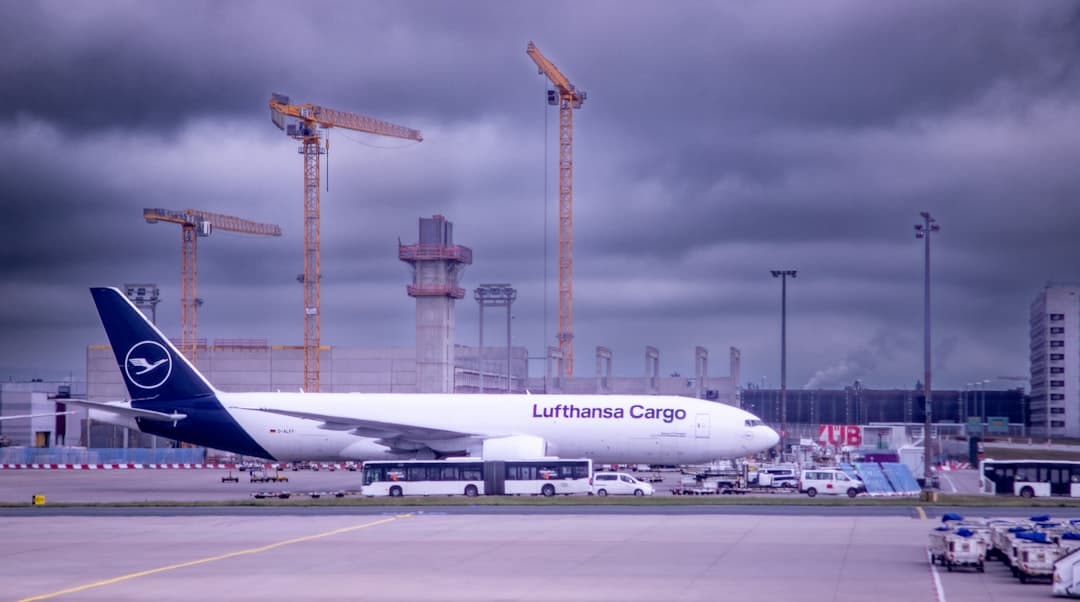
Frankfurt
A dynamic financial hub blending modern skyscrapers with historic German architecture and rich cultural heritage.
Frankfurt quick facts
- Best time to visit
- Late spring (May-June) and early autumn (September-October)
- Daily budget, mid-range
- €100-150
- Language
- German
- Currency
- Euro (EUR)
- Getting around
- Metro, tram and bus
- Suggested stay
- 3 days
About Frankfurt
Frankfurt is Germany's financial capital and a global center of commerce, featuring a striking skyline of contemporary skyscrapers alongside beautifully preserved medieval buildings. The city offers a unique blend of old-world charm and cutting-edge modernity, with its historic Römerberg square sitting in stark contrast to its sleek banking district.
The city is home to numerous world-class museums, including significant art and historical collections that showcase Germany's cultural depth. Visitors can explore the Museumsufer (Museum Embankment), a cluster of museums along the Main River, which offers extensive cultural experiences spanning art, history, and natural sciences.
Frankfurt's cosmopolitan nature is evident in its diverse population and international atmosphere. The city serves as a major transportation hub with one of Europe's busiest airports and an extensive public transit system, making it easily accessible and a gateway to other European destinations.
Known for
- Financial and business center of Germany
- Frankfurt Stock Exchange
- Major international transportation hub
- Historical half-timbered architecture
- Frankfurt Book Fair
- European Central Bank headquarters
Food in Frankfurt
Frankfurt's food culture is deeply rooted in traditional German cuisine with a cosmopolitan twist, reflecting the city's status as a major financial and international hub. The local culinary scene blends hearty Hessian regional specialties with modern international influences, creating a diverse and dynamic food environment. Meals are typically structured around substantial breakfasts, substantial midday lunches, and lighter evening dinners, with a strong emphasis on quality ingredients and traditional cooking methods.
Dining in Frankfurt is characterized by a mix of traditional taverns (known as "Apfelwein" taverns) and contemporary restaurants. The city takes great pride in its local food traditions, particularly around regional specialties like Frankfurt sausages and apple wine. Social dining is an important cultural practice, with locals enjoying long, leisurely meals that often involve sharing food and conversation, especially during weekends and traditional festivals.
History of Frankfurt
Frankfurt's history dates back to the Roman Empire, when a settlement was established near the Main River around 100 AD. By the 8th century, the area had become an important regional center, and in 794, Charlemagne held an imperial assembly in Frankfurt, marking the city's emergence as a significant political location. During the Holy Roman Empire, Frankfurt gained prominence as a free imperial city in the 14th century, which granted it considerable political and economic autonomy.
The city became a crucial commercial hub during the medieval and early modern periods, hosting some of Europe's most important trade fairs and serving as a key financial center. Frankfurt was also a significant site for imperial elections, with many Holy Roman Emperors being chosen in the city's historic Römer building. In the 19th century, Frankfurt played a pivotal role in Germany's political development, hosting the Frankfurt Parliament of 1848-1849, which was an early attempt to create a unified German nation-state. The city survived significant transformations through World War II, when it suffered extensive bombing, and subsequently rebuilt itself as a major financial and transportation center in post-war Germany.
Culture and etiquette
Frankfurt is a cosmopolitan city with a unique blend of traditional German culture and international influences, reflecting its status as a major financial and business center. Social interactions tend to be formal and structured, with a strong emphasis on punctuality, efficiency, and professional conduct. Germans in Frankfurt value direct communication, preferring clear and straightforward conversations over small talk or indirect messaging.
Daily life in Frankfurt is characterized by a balance between work and personal time, with strong social support systems and a high quality of life. Residents appreciate well-organized public transportation, robust social services, and a rich cultural scene that includes museums, theaters, and diverse culinary experiences. The city's multicultural population means that while traditional German customs are respected, there's also significant openness to international perspectives and lifestyles.
DO'S: - Be punctual for all appointments - Maintain direct eye contact during conversations - Respect personal space and privacy - Recycle and follow environmental guidelines - Use formal titles (Herr/Frau) until invited to use first names
DON'TS: - Don't be late - Avoid loud public conversations - Don't jaywalk or cross streets against traffic signals - Don't discuss sensitive historical topics without sensitivity - Avoid discussing personal financial matters
ADDITIONAL TIPS: - Tipping: 10% is standard in restaurants, round up taxi fares - Dress code: Business casual for most settings, more formal for professional environments - Cash is still preferred in many smaller establishments - Sundays are considered quiet days, with most businesses closed - Always validate public transportation tickets
Things to do in Frankfurt
What to see, where to stay and where to eat.
Römerberg Historic City Center Walking Tour
2 hoursPrice $Old Town (Altstadt) historic district
Explore Frankfurt's medieval heart featuring stunning reconstructed half-timbered buildings and the iconic Römer city hall complex. Learn about the city's imperial history and architectural evolution through centuries of transformation.
Goethe House and Museum Cultural Experience
1 hourPrice $Historic city center
Explore the birthplace of famous German writer Johann Wolfgang von Goethe, featuring meticulously restored 18th-century interiors and comprehensive exhibits about his life and literary works.
Museum Riverbank Cultural District Experience
2 hoursPrice $Museumsufer (Museum Riverbank)
Explore world-class museums along Frankfurt's museum riverbank, including the Städel Museum's extensive art collection and the German Architecture Museum's innovative exhibits.
Traditional German Market Food Tour
2 hoursPrice $$City center markets
Sample authentic Frankfurt specialties like handkäse, apfelwein, bratwurst, and local pastries while exploring vibrant market halls and neighborhood food stalls. Learn about culinary traditions from knowledgeable local guides.
Main River Waterfront Cycling Experience
3 hoursPrice $$Main River waterfront
Rent bicycles and explore Frankfurt's scenic riverfront paths, enjoying panoramic city skyline views and connecting with local urban nature. Route passes multiple parks and historic bridges.
Palmengarten Botanical Gardens Exploration
2 hoursPrice $Westend district
Wander through stunning tropical and subtropical gardens featuring diverse global plant collections, beautiful greenhouse environments, and peaceful walking paths. Perfect for nature lovers and families.
Frankfurt Skyline Evening Photography Tour
2 hoursPrice $$Financial district and riverfront
Capture Frankfurt's stunning modern skyline during golden hour and twilight, exploring multiple scenic viewpoints around the city's financial district and riverfront.
Frankfurt River View Hostel
Party HostelPrice $$Sachsenhausen district
High-energy backpacker haven located near the Main River. Features vibrant common areas and nightly social events. Perfect for young travelers looking to meet international friends.
Check prices on Booking.com for Frankfurt River View HostelFinancial District Business Hotel
HotelPrice $$$$Bankenviertel (Banking Quarter)
Sleek, modern hotel catering specifically to business travelers. Offers quiet workspaces, high-speed internet, and efficient conference facilities.
Check prices on Booking.com for Financial District Business HotelOld Town Cozy Hostel
Chill HostelPrice $$Altstadt (Old Town)
Quiet, family-run hostel in historic Römerberg area. Offers peaceful atmosphere with traditional German hospitality and carefully maintained facilities.
Check prices on Booking.com for Old Town Cozy HostelLuxury Riverfront Design Hotel
Luxury HotelPrice $$$$Westend district
Ultra-modern architectural marvel overlooking the Main River. Offers cutting-edge design, panoramic city views, and exceptional personalized service.
Check prices on Booking.com for Luxury Riverfront Design HotelUrban Apartment Residences
HotelPrice $$$$Innenstadt (City Center)
Modern serviced apartments offering home-like comfort with hotel-level services. Perfect for extended stays or travelers wanting more space and independence.
Check prices on Booking.com for Urban Apartment Residences
Historic Frankfurt Market Kitchen
EuropeanPrice $Market District
Traditional German restaurant located near the central market district. Serves classic regional dishes with emphasis on locally sourced ingredients and traditional cooking methods. Features rustic wooden interior reflecting Frankfurt's culinary heritage.
Riverfront Seafood Terrace
SeafoodPrice $Riverside area
Modern restaurant overlooking the Main River with panoramic city views. Specializes in fresh regional and international seafood preparations. Elegant contemporary design with open kitchen concept.
Urban Vegetarian Bistro
VegetarianPrice $Westend neighborhood
Trendy plant-based restaurant featuring creative international cuisine. Offers innovative meat-free dishes using organic, locally grown produce. Bright, minimalist interior with communal dining spaces.
Financial District Gourmet Cafe
CafePrice $Financial District
Sophisticated coffee house catering to professionals in Frankfurt's banking quarter. Offers high-quality espresso, artisan pastries, and light lunch options. Sleek, modern design with quiet working spaces.
Mediterranean Terrace Restaurant
MediterraneanPrice $Nordend neighborhood
Vibrant restaurant offering authentic Mediterranean cuisine with an open-air terrace. Combines Greek, Italian, and Spanish culinary traditions. Lively atmosphere with shared plate dining concept.
What things cost in Frankfurt
Typical prices in US dollars. Estimates only: prices vary by season and neighborhood.
| Hostel dorm bedShared rooms in central Frankfurt | $20-35 |
|---|---|
| Budget hotel roomBasic hotels near main train station | $50-80 |
| Apartment rentalEntire apartment in residential neighborhoods | $50-100 |
| Mid-range hotel roomComfortable hotels in Innenstadt district | $80-130 |
| Luxury hotel room5-star hotels near financial district | $180-350 |
| CoffeeEspresso drinks at local cafes | $3-5 |
|---|---|
| Street foodBratwurst, pretzels, street market snacks | $3-7 |
| Local beerCraft and traditional German beer at bars | $4-7 |
| Glass of wineLocal Rheingau wine selections | $6-12 |
| Budget mealDöner kebab, currywurst stands, student cafeterias | $8-15 |
| Groceries for a dayDaily groceries for self-catering | $15-25 |
| Mid-range mealTraditional German restaurants, casual dining | $20-35 |
| Fine diningMichelin-starred restaurants, gourmet German cuisine | $50-100 |
| Taxi, per kmRate per kilometer | $1.50-2.50 |
|---|---|
| Public transport ticketSingle/day tickets for U-Bahn and S-Bahn | $3-7 |
| Taxi base fareInitial taxi fare | $5-8 |
| Ride-hailing tripAverage city ride | $10-20 |
| Bike rental, per dayDaily bicycle rental | $12-25 |
| Car rental, per dayDaily rental with basic insurance | $40-80 |
| Römerberg historic city center walking tour | $10-20 |
|---|---|
| Frankfurt Cathedral (Kaiserdom) tour | $12-18 |
| Frankfurt Stock Exchange visitor experience | $15-25 |
| Evening Frankfurt food and beer walking tour | $20-35 |
| Main Tower observation deck & panoramic city view | $25-40 |
| Rhine River day cruise from Frankfurt | $30-50 |
Essentials
Practical things to know before you arrive in Frankfurt.
When to go
Late spring (May-June) and early autumn (September-October)
Mild temperatures, fewer tourists, pleasant outdoor conditions, festival periods, comfortable for sightseeing and outdoor activities.
- Peak: June-August
- Shoulder: April-May, September-October
- Low: November-March
Getting around
Frankfurt boasts an exceptional public transportation system that integrates buses, trams, U-Bahn (underground), and S-Bahn (suburban rail) networks. The comprehensive system covers virtually all city areas and connects seamlessly with regional transportation.
The city's transportation infrastructure is highly efficient, punctual, and user-friendly, with frequent services and extensive coverage. Most residents and tourists can navigate the entire metropolitan region using public transit with minimal difficulty.
- Airport: Frankfurt Airport (20-25 km from city center) Train connection: 10-15 minutes, €4-6 Taxi: 25-35 minutes, €25-40 Multiple direct transit options
- Public Transport: Extensive network (RMV transit system) Day/week passes available Mobile app ticketing Coverage: Highly comprehensive Typical single ticket: €2.75-3.50
- Walking: Very walkable city center Most attractions within 2-3 km radius Excellent pedestrian infrastructure
- Taxis/Rideshare: Taxis widely available Base fare: €3-4 Per kilometer rate: €1.50-2.50 Uber and local rideshare options present
Where to stay
Frankfurt offers diverse accommodation options ranging from budget hostels to luxury hotels. Prices fluctuate significantly based on season, with peak rates during trade fair periods (spring and autumn) and major events like Frankfurt Book Fair. Summer and Christmas market seasons also see higher prices. Advance booking is crucial during these peak times. Expect modern, efficient accommodations with good infrastructure and connectivity. Most hotels offer free Wi-Fi, and many include breakfast.
1. Innenstadt (City Center): - Pros: Central location, close to major attractions, excellent public transport - Cons: Most expensive area, can be noisy - Price Range: €120-€300 per night - Best for: Business travelers, first-time visitors, those wanting immediate access to attractions
2. Westend: - Character: Upscale residential area with financial district proximity - Advantages: Quieter than city center, near Goethe University, green spaces - Price Level: €100-€250 per night - Nearby: Financial district, museums, parks - Suits: Business professionals, academics, travelers seeking a more relaxed environment
3. Sachsenhausen: - Description: Historic district with traditional and modern accommodations - Cultural character: Known for museums, traditional apple wine taverns - Price Range: €80-€200 per night - Suitability: Culture enthusiasts, travelers wanting authentic Frankfurt experience - Good for budget to mid-range travelers
- Book 3-6 months in advance during trade fair periods
- Consider staying slightly outside center for better rates
- Use platforms like Booking.com, Hotels.com for competitive pricing
- Check for additional fees (city tax, parking)
- Look for accommodations near main train station (Hauptbahnhof) for excellent transport connections
- Consider apartment rentals for longer stays
- Off-season (November-March, excluding Christmas market period) offers best rates
- Always confirm cancellation policies
- Check if breakfast is included
- Consider proximity to public transportation
- Verify hotel's distance from city center or specific attractions you're interested in visiting
Typical price categories: - Budget: €50-€80 - Mid-range: €80-€150 - Luxury: €150-€350+
Recommended booking platforms: Booking.com, Expedia, Hotels.com, Airbnb
Money
The local currency is Euro (EUR).
Exchange rates
- 1 USD ≈ 0.92 EUR
- 1 GBP ≈ 1.16 EUR
- 1 CAD ≈ 0.68 EUR
Cash and cards
- Cash still widely used, especially in smaller establishments
- Recommended to carry €50-100 in cash
- Many smaller shops and cafes prefer cash
- Denominations: €5, €10, €20, €50 notes most practical
Taxes and tipping
- VAT (Sales Tax): 19% standard rate
- Tourists can claim VAT refund on purchases over €50
- VAT refund process available at major airports and some stores
- Frankfurt is a financial hub with excellent banking infrastructure
- Credit cards increasingly accepted, but cash still king
- Always inform your bank of travel plans
- Carry some form of ID when making purchases
Language: German
English: High (B2-C1 level); widely spoken among professionals, younger generations, and in business sectors; most urban residents speak English fluently
- Hello/Good morning
- Hallo/Guten Morgenhal-oh/goo-ten mor-gen
- Good evening
- Guten Abendgoo-ten ah-bent
- Thank you
- Dankedahn-kuh
- Please
- Bittebi-tuh
- Excuse me/Sorry
- Entschuldigung/Tut mir leident-shul-di-gung/toot meer lied
- Yes/No
- Ja/Neinyah/nine
- How much?
- Wie viel?vee feel?
- Where is...?
- Wo ist...?voh ist
- I don't understand
- Ich verstehe nichtish ver-shte-eh nicht
- Do you speak English?
- Sprechen Sie Englisch?shpre-ken zee eng-lish
- Help!
- Hilfe!hil-fuh
- Goodbye
- Auf Wiedersehen/Tschüssowf vee-der-zay-en/choos
- Cheers!
- Prost!prost
- Delicious
- Leckerle-ker
- Bill/Check please
- Die Rechnung, bittedee rech-nung, bi-tuh
Other city guides
This guide is for general reference. Check opening hours, prices and entry rules with official sources before you travel.