Grenada
Grenada is a stunning Caribbean island nation located in the southeastern Caribbean Sea, known for its spice production, pristine beaches, and lush tropical landscapes. It offers v...
Discover Grenada
renada, known as the "Spice Isle," is a captivating Caribbean nation comprised of the main island of Grenada and several smaller islands. Located in the southeastern Caribbean Sea, this tropical paradise is renowned for its lush landscapes, pristine beaches, and rich agricultural heritage, particularly in nutmeg and other spice production. The island features dramatic volcanic terrain, rainforests, and stunning coastlines that offer visitors a perfect blend of natural beauty and cultural experiences. The country's history is a vibrant tapestry of indigenous, African, European, and Caribbean influences, reflected in its colorful festivals, music, and traditions.
St. George's, the capital, is a picturesque town with colorful Georgian-era buildings, a historic harbor, and colonial architecture that tells stories of the island's complex past. Grenada offers diverse attractions from the Grand Anse Beach's turquoise waters to the Grand Etang National Park's tropical rainforest and crater lake. Grenadian cuisine is a delightful fusion of Caribbean flavors, featuring fresh seafood, local spices, and tropical fruits.
Visitors can explore local markets, enjoy traditional dishes like oil down (a national one-pot meal), and experience the warm hospitality of the local population. The island's economy relies on agriculture, tourism, and offshore financial services, creating a unique economic landscape that supports both traditional and modern ways of life. The nation's natural environment is a primary draw for travelers, with opportunities for diving, snorkeling, hiking, and exploring marine ecosystems. The Underwater Sculpture Park, located in the Caribbean Sea, offers a unique underwater experience, while the island's numerous waterfalls, hiking trails, and nature reserves provide endless exploration opportunities for adventure seekers and nature enthusiasts.
Historical Significance
The island of Grenada has a rich and complex historical narrative dating back to indigenous Arawak and Carib populations who first inhabited the island around 500 AD. These indigenous peoples developed sophisticated agricultural and maritime societies, cultivating crops like cassava and utilizing advanced canoe-building techniques. The Carib people, in particular, were known for their fierce resistance to European colonization and maintained significant cultural and territorial control until the late 17th century. European contact began with Christopher Columbus's sighting of the island in 1498 during his third voyage to the Americas. However, sustained European interaction commenced in 1650 when French settlers arrived and established a colony, effectively displacing the indigenous Carib population through a combination of warfare, disease, and displacement.
Official Country Website
Latest information and updates from Grenada
Key Information
Region
Caribbean (Lesser Antilles)
Not specified
AST (UTC-4)
Cities in Grenada
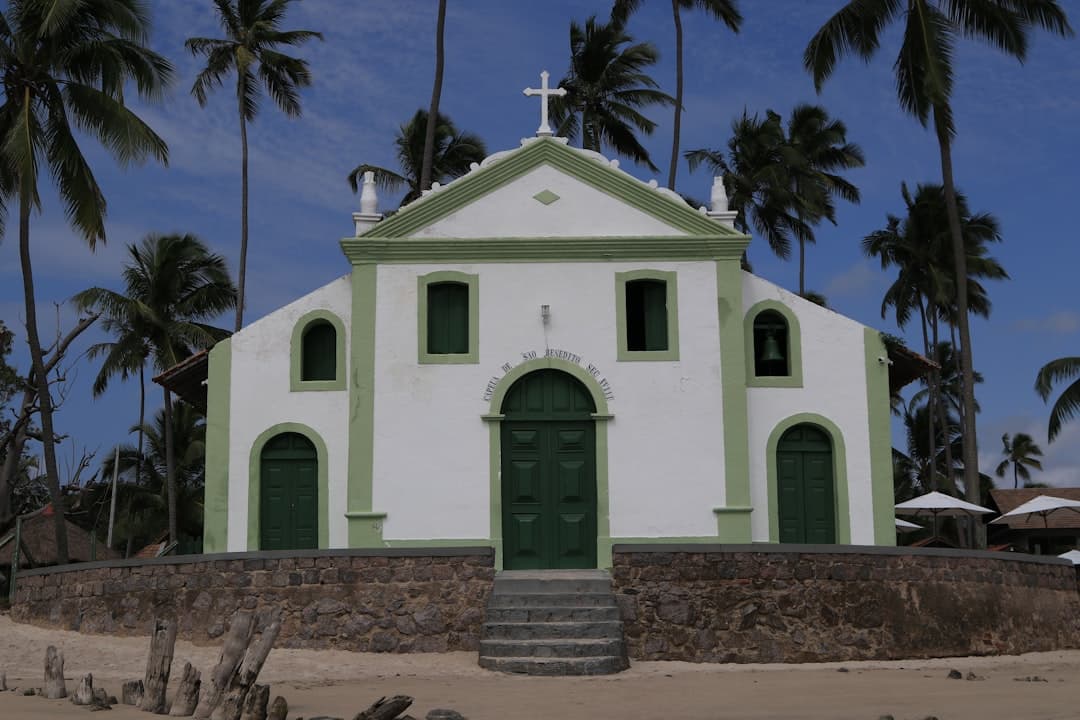
St. George's
A picturesque Caribbean capital nestled on a horseshoe-shaped harbor, offering a perfect blend of colonial history and tropical beauty.
Explore St. George'sFeatured Destinations in Grenada
Travel Costs in Grenada
Cost Overview
Grenada has moderate costs, with a mix of affordable options and some premium experiences.
Money-Saving Tips
- •Visit during shoulder season for better rates on accommodation
- •Use public transportation instead of taxis when possible
- •Consider staying in locations outside the main tourist areas
- •Look for restaurants where locals eat for better value
Currency Information
Currency: East Caribbean Dollar ($)
Cost Guide: Grenada
Local pricing information
Budget Traveler
Hostels, street food, public transport
Mid-Range
3-star hotels, restaurants, tours
Luxury
4-5 star hotels, fine dining, private tours
Seasonal Pricing
Prices vary by season. High season (summer, holidays) typically costs 20-40% more, while low season offers better deals. Consider the shoulder season (spring/fall) for a balance between good weather and lower prices.
Loading exchange rates...
Note: These prices are approximate and may vary depending on region, season, and personal preferences. Prices in popular tourist areas may be higher.
Budget Comparison
Estimated daily costs for traveling in Grenada
Budget
Backpacker style
Includes
- Hostels & dorms
- Street food & markets
- Free attractions
- Local transport
Mid-Range
Comfortable travel
Includes
- Mid-range hotels
- Local restaurants
- Guided tours
- Mix of transport
Luxury
Premium experience
Includes
- Luxury hotels & resorts
- Fine dining
- Private tours & experiences
- Private transport
Note: Costs vary significantly between cities and regions within Grenada. These are general estimates and can fluctuate based on season, location, and travel style.
Everything You Need to Know
Click any section to expand and view details
Travel Advisory
Check the latest travel advisories and safety information before your trip.
View Official AdvisoryLocal Insights
Culture & Traditions
Grenada, known as the "Spice Isle," has a rich cultural heritage deeply rooted in African, Caribbean, European, and indigenous Carib influences. The island's culture reflects a vibrant blend of historical experiences, with strong traditions emerging from its colonial past and African ancestral connections. Grenadians are known for their warm hospitality, strong community bonds, and a relaxed, friendly approach to social interactions.
Music and dance play a central role in Grenadian culture, with calypso, soca, and steel pan being particularly important. Traditional festivals like Carnival (known locally as Spicemas) showcase elaborate costumes, energetic dancing, and musical performances that celebrate the island's cultural identity. The annual celebration typically occurs in August, featuring colorful parades, street parties, and cultural competitions that bring communities together in a spectacular display of national pride.
Family structure remains fundamentally important in Grenadian society, with extended family networks providing crucial social support. Respect for elders is deeply ingrained, and community gatherings often involve multiple generations sharing meals, stories, and traditions. The island's cuisine reflects its cultural diversity, featuring rich dishes like oil down (a one-pot meal with breadfruit, meat, and vegetables), fresh seafood, and an abundance of locally grown spices that have historically been crucial to the island's economy and cultural identity.
Modern Grenadian culture balances traditional practices with contemporary influences, particularly among younger generations. While maintaining strong cultural roots, the society has become increasingly globalized, with education, tourism, and international connections shaping contemporary social dynamics. Religious practices, predominantly Christianity, continue to play a significant role in community life, with churches serving as important social institutions beyond their spiritual functions.

Cultural Experience
Immerse yourself in local traditions and customs