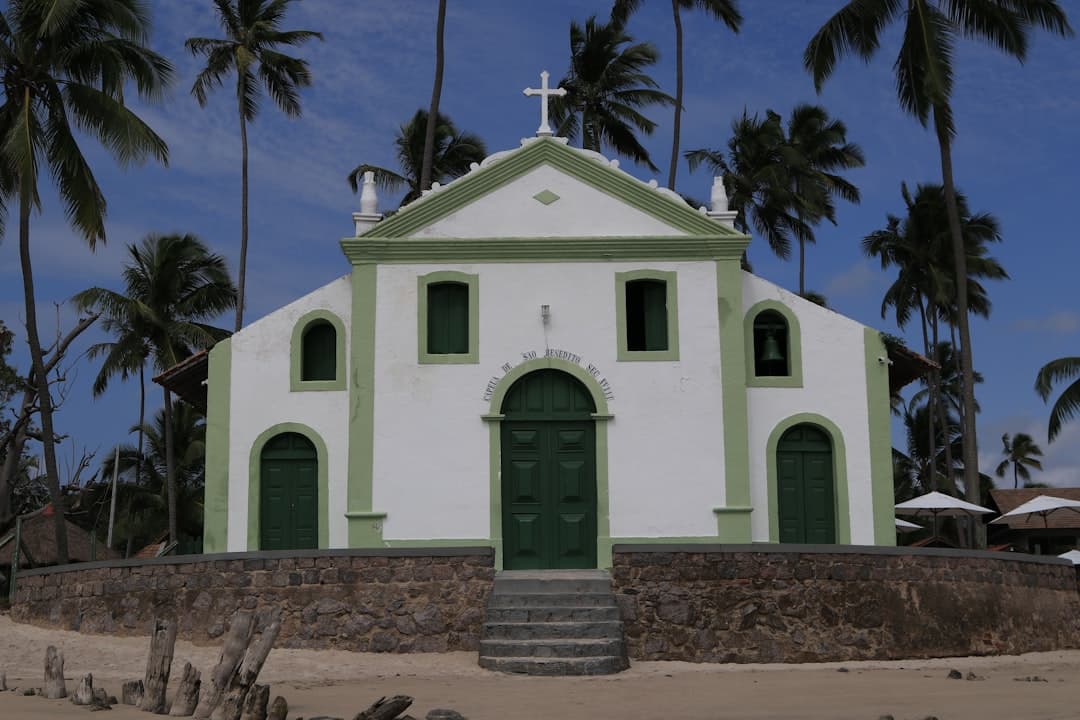
St. George's
A picturesque Caribbean capital nestled on a horseshoe-shaped harbor, offering a perfect blend of colonial history and tropical beauty.
St. George's quick facts
- Best time to visit
- January-April
- Daily budget, mid-range
- $100-200 USD
- Language
- English (Official)
- Currency
- East Caribbean Dollar (XCD)
- Suggested stay
- 3 days
- Cost level
- Moderate
About St. George's
St. George's is the vibrant capital of Grenada, known for its stunning natural harbor and colorful Georgian-style architecture that reflects its rich colonial past. The city is a visual feast, with pastel-colored buildings cascading down hillsides and historic stone buildings that tell stories of the island's complex history.
The waterfront area is particularly charming, featuring a bustling marketplace where local vendors sell fresh produce, spices, and handcrafted goods. Visitors can explore the historic Fort George, which offers panoramic views of the city and harbor, providing insight into the island's strategic maritime importance.
St. George's serves as an excellent base for exploring Grenada's natural wonders, with easy access to beautiful beaches, lush rainforests, and the island's famous spice plantations. The city's warm, welcoming atmosphere and rich cultural heritage make it a compelling destination for travelers seeking an authentic Caribbean experience.
Known for
- Picturesque harbor
- Colonial architecture
- Spice trade history
- Friendly local culture
- Beautiful waterfront
Food in St. George's
St. George's, the capital of Grenada, boasts a vibrant culinary culture deeply rooted in Caribbean and African traditions, with strong influences from French and British colonial history. The local cuisine is characterized by fresh seafood, tropical fruits, and a rich blend of spices that reflect the island's agricultural heritage. Meals are typically hearty and communal, with an emphasis on fresh, locally sourced ingredients and traditional cooking methods.
Grenadians take great pride in their food culture, with meal times being important social events that bring families and communities together. Breakfast is usually light, often consisting of local fruits, bread, and coffee, while lunch and dinner are more substantial meals featuring rice, provisions (root vegetables), and protein-rich dishes. The island's proximity to the sea ensures that seafood plays a central role in the local diet, with fish and shellfish featuring prominently in many traditional recipes.
History of St. George's
St. George's, the capital of Grenada, was originally established by French colonizers in the mid-17th century as a strategic settlement on the island's southwestern coast. The town was strategically positioned around a natural harbor, which provided excellent protection for maritime activities and defense. French settlers initially constructed the town, building Fort George in 1705 to protect their colonial interests and control the strategic location.
Throughout the 18th century, St. George's became a focal point of intense colonial competition between the French and British empires. The town changed hands multiple times during various conflicts, including the Seven Years' War and the American Revolutionary War. By 1783, the British definitively gained control of Grenada, and St. George's became an important administrative center for British colonial operations in the Caribbean. The town's architecture reflects this complex colonial history, with a blend of French and British architectural styles evident in its historic buildings and fortifications.
In the modern era, St. George's has transformed from a colonial administrative center to a vibrant Caribbean capital. The city has preserved much of its historical character, with its picturesque harbor, colorful Georgian buildings, and historic sites like the Carenage waterfront attracting tourists and serving as a testament to the island's rich cultural heritage. Despite challenges like Hurricane Ivan in 2004, which caused significant damage, the city has demonstrated resilience and continues to be a crucial economic and cultural hub for Grenada.
Culture and etiquette
Grenadian culture is a vibrant blend of African, Caribbean, and British influences, reflecting the island's complex historical background. Social interactions are typically warm, friendly, and characterized by a relaxed, community-oriented approach. Grenadians value personal relationships and often engage in friendly conversation, with a strong emphasis on respect for elders and community connections.
Daily life in St. George's revolves around a mix of traditional practices and modern Caribbean lifestyle. Family and community play central roles, with extended family networks providing strong social support. The pace of life is generally laid-back, with an emphasis on personal interactions, social gatherings, and enjoying the island's natural beauty. Religion, particularly Christianity, plays a significant role in social and cultural practices.
Do's: - Dress modestly, especially when visiting religious sites - Greet people with a smile and handshake - Respect local customs and traditions - Ask permission before taking photographs of people - Try local cuisine and engage in cultural conversations
Don'ts: - Avoid overly revealing clothing in public spaces - Don't be loud or aggressive in public - Avoid discussing sensitive political topics - Don't rush interactions; patience is appreciated - Refrain from public displays of affection
Tipping Culture: - 10-15% is typical in restaurants - Tour guides appreciate tips of 10-15% - Taxi drivers expect around 10% - Hotel staff appreciate small tips for services
Dress Code: - Casual but neat attire is acceptable - Beachwear should be confined to beach areas - Conservative dress for church and formal events - Light, breathable clothing recommended due to tropical climate
Local Customs: - Strong emphasis on community and family - Respect for elders is crucial - Religious practices are important - Music and festivals are significant cultural expressions - Hospitality and friendliness are core cultural values
Things to do in St. George's
What to see, where to stay and where to eat.
Grand Anse Beach Relaxation Experience
2 hoursPrice $Southern coastal area
Enjoy one of the Caribbean's most beautiful beaches with pristine white sand and crystal-clear turquoise waters. Perfect for swimming, sunbathing, and water activities.
St. George's Historic District Walking Tour
2 hoursPrice $$City center
Wander through colorful colonial streets, admire Georgian architecture, and explore the rich maritime history of Grenada's capital city.
Historic Fort George Exploration
1 hourPrice $Northern city heights
Discover Grenada's colonial military history at this 18th-century fortress overlooking St. George's harbor. Explore well-preserved cannons, strategic viewpoints, and learn about the island's complex colonial past.
Traditional Spice Market Walking Tour
2 hoursPrice $$City center marketplace
Immerse yourself in Grenada's famous spice trade heritage. Explore local markets, sample fresh spices, and learn about the island's agricultural traditions.
Grenada Chocolate and Cocoa Farm Tour
3 hoursPrice $$Interior agricultural regions
Learn about organic chocolate production, walk through cocoa plantations, and enjoy tastings of world-renowned Grenadian chocolate. Understand sustainable farming practices.
Underwater Sculpture Park Snorkeling
3 hoursPrice $$Western coastal waters
Explore a unique underwater art installation combining marine conservation and artistic expression. Swim among fascinating submerged sculptures in a protected marine area.
Sunset Catamaran Cruise
2 hoursPrice $$$Western coastal waters
Enjoy a leisurely evening cruise along Grenada's beautiful coastline, with stunning sunset views, light refreshments, and relaxed Caribbean atmosphere.
Caribbean Backpackers Retreat
Chill HostelPrice $Near Grand Anse Beach area
A serene tropical hostel nestled near the harbor with lush garden spaces. Perfect for travelers seeking a relaxed Caribbean experience. Offers communal areas with stunning ocean views and opportunities to meet fellow adventurers.
Check prices on Booking.com for Caribbean Backpackers RetreatHistoric Center Boutique Hotel
HotelPrice $$$$St. George's historic district
Restored colonial-era property featuring traditional Grenadian architectural elements. Each room uniquely decorated with local artwork and antique furnishings. Intimate atmosphere with personalized service.
Check prices on Booking.com for Historic Center Boutique HotelWaterfront Business Hotel
HotelPrice $$$Commercial center
Modern, professionally managed hotel catering to business travelers and conference attendees. Offers contemporary amenities and efficient service. Located in convenient commercial district.
Check prices on Booking.com for Waterfront Business HotelTropical Party Hostel
Party HostelPrice $$Near Grand Anse Beach
High-energy hostel with nightly social activities, rooftop bar, and vibrant atmosphere. Designed for young travelers seeking connection and adventure. Regular group excursions and local event coordination.
Check prices on Booking.com for Tropical Party HostelLuxury Harbor Resort
Luxury HotelPrice $$$$Carenage waterfront area
Upscale waterfront resort offering premium accommodations with panoramic ocean views. Full-service property with world-class amenities and sophisticated Caribbean design. Ideal for discerning travelers.
Check prices on Booking.com for Luxury Harbor ResortGrenadian Family Apartments
HotelPrice $$$Suburban residential area
Spacious, fully-equipped apartments offering home-like comfort for longer stays. Located in quiet residential neighborhood with local community feel. Perfect for families and extended travelers.
Check prices on Booking.com for Grenadian Family Apartments
Spice Island Traditional Kitchen
Price $Near market district
Authentic Grenadian cuisine featuring classic island recipes passed through generations. Offers traditional cooking methods and locally sourced ingredients. Represents the heart of Grenadian culinary traditions.
Waterfront Seafood Grill
SeafoodPrice $Harbor area
Fresh catch prepared with Caribbean flair overlooking the harbor. Specializes in locally caught fish and shellfish prepared using traditional and modern techniques.
Tropical Vegetarian Cafe
VegetarianPrice $Central downtown area
Plant-based restaurant featuring locally grown produce and creative Caribbean-inspired vegetarian dishes. Bright, airy space with garden seating.
Caribbean Fusion Bistro
MediterraneanPrice $Historic center
Modern restaurant blending Mediterranean techniques with Caribbean ingredients. Stylish interior with open kitchen concept showcasing culinary creativity.
Street Food Market Cafe
Fast_foodPrice $Near main market
Casual open-air dining featuring local street food vendors. Offers variety of quick, affordable Grenadian and Caribbean street cuisine.
Sunset Creole Kitchen
Price $Hillside area
Family-run restaurant serving traditional Creole recipes with panoramic sunset views. Warm, welcoming atmosphere celebrating Grenadian culinary heritage.
Tropical Bakery Cafe
DessertPrice $Downtown area
Charming bakery specializing in Caribbean pastries and sweet treats. Fresh baked goods and local dessert specialties.
Coastal Grill House
BarbecuePrice $Near waterfront
Rustic barbecue restaurant featuring locally sourced meats and traditional grilling techniques. Open-air setting with live music on weekends.
What things cost in St. George's
Typical prices in US dollars. Estimates only: prices vary by season and neighborhood.
| Hostel dorm bedBasic backpacker hostels near Grand Anse Beach | $20-35 |
|---|---|
| Budget hotel roomLocal guesthouses, basic amenities | $50-80 |
| Apartment rentalApartments with ocean or harbor views | $60-120 |
| Mid-range hotel roomBoutique hotels in St. George's historic area | $100-150 |
| Luxury hotel roomSandals Resort, high-end Caribbean accommodations | $250-500 |
| CoffeeLocal cafes, Caribbean coffee blends | $2-4 |
|---|---|
| Street foodDoubles, saltfish cakes, local street snacks | $2-5 |
| Local beerCarib or Stag beer at local bars | $3-6 |
| Budget mealLocal Grenadian roti, street food at market stalls | $5-10 |
| Glass of wineImported wines, limited local selection | $6-12 |
| Groceries for a dayLocal markets and supermarkets | $15-25 |
| Mid-range mealSeafood restaurants near the harbor, local cuisine | $15-25 |
| Fine diningResort restaurants, waterfront dining experiences | $40-80 |
| Taxi, per kmAdditional kilometer charges | $1-2 |
|---|---|
| Public transport ticketLocal minibus/shared taxi (called 'buses') | $1-2 |
| Taxi base fareInitial taxi fare within city | $5-8 |
| Bike rental, per dayDaily bicycle rental | $15-25 |
| Car rental, per dayDaily rental, recommended for exploring island | $50-80 |
Essentials
Practical things to know before you arrive in St. George's.
When to go
January-April
Dry season with minimal rainfall, comfortable temperatures (24-30°C), lowest humidity, ideal for outdoor activities and beach tourism. Avoids hurricane season and provides most predictable weather conditions.
- Peak: December-April
- Shoulder: May-June, November
- Low: July-October
Getting around
St. George's transportation is relatively limited but functional for its size. The city and surrounding areas are served by a mix of minibuses, shared taxis, and private transportation options that connect most key locations.
Public transportation is informal but comprehensive, with minibuses and shared taxis covering most routes. Travelers should expect somewhat unpredictable schedules but generally affordable and accessible transit.
- Airport: Maurice Bishop International Airport, 8-10 km from city center
- Taxi cost: $20-30 USD
- Transfer time: 15-20 minutes
- Multiple shuttle and taxi options available
- Public transport:
- Minibuses cover most routes
- Typical fare: $1-3 XCD per trip
- Cash payment only
- Limited fixed schedules
- Walking:
- City center highly walkable
- Typical walking distances: 1-3 km
- Some steep hills and uneven terrain
- Taxis/Rideshare:
- Taxis widely available
- Typical rate: $2-4 XCD per km
- No formal rideshare services
- Negotiated rates common
Where to stay
St. George's offers a diverse range of accommodation options, from budget-friendly guesthouses to luxury resorts. Peak tourist season (December-April) sees higher prices and increased demand, with rates potentially 30-50% higher than off-season. Travelers should expect prices ranging from $50-$300 per night depending on season and accommodation type. Most properties offer Caribbean-style architecture, many with ocean or harbor views. Advance booking is recommended during peak winter months.
1. Grand Anse Beach Area: - Pros: Prime tourist location, closest to major beaches - Cons: Can be crowded during peak season - Price Range: $100-$250 per night - Best for: Beach lovers, tourists seeking convenience - Typical travelers: Couples, families, resort seekers
2. St. George's Historic District: - Character: Colonial architecture, close to historic sites - Advantages: Cultural immersion, walking distance to restaurants - Price Level: $75-$200 per night - Nearby attractions: Fort George, National Museum - Ideal for: History enthusiasts, cultural travelers
3. Carenage Waterfront: - Description: Scenic harbor area with boutique accommodations - Suitability: Travelers seeking authentic local experience - Typical Costs: $60-$180 per night - Best for: Photographers, budget-conscious travelers
- Book 3-6 months in advance for peak season (December-April)
- Use platforms like Booking.com, Airbnb, local tourism websites
- Consider all-inclusive resorts for better value during high season
- Check for hurricane season discounts (June-November)
- Negotiate rates directly with smaller guesthouses
- Verify amenities like air conditioning and Wi-Fi
- Consider local taxes and additional fees when budgeting
- Look for accommodations with free airport transfers
- Check cancellation policies carefully
Money
The local currency is East Caribbean Dollar (XCD).
Exchange rates
- 1 USD ≈ 2.70 XCD
- 1 EUR ≈ 2.90 XCD
- 1 GBP ≈ 3.40 XCD
Cash and cards
- Cash widely used, especially in smaller establishments
- Carry denominations of $5, $10, $20 XCD
- Rural areas more cash-dependent
Taxes and tipping
- Sales Tax (VAT): 15%
- No significant tourist tax refund program
- U.S. dollars often accepted alongside XCD
- Credit cards work in most tourist areas
- Always have some cash for small purchases
- Check with bank about international transaction fees
Language: English (Official)
English: High proficiency; widely spoken across all age groups and professions
- Hello/Good morning
- Mornin'mor-ning
- Good evening
- Good evegud eev
- Thank you
- Thanksthanks
- Please
- Pleasepleez
- Excuse me/Sorry
- Pardonpar-dun
- Yes/No
- Yeh/Nahyeh/nah
- How much?
- Wha' de price?wha de prys
- Where is...?
- Weh de...weh de
- I don't understand
- Ah nah get datah nah get dat
- Do you speak English?
- You speak English?yu speek ing-glish
- Help!
- Help!help
- Goodbye
- Bye nowbye now
- Cheers!
- Salud!sa-lud
- Delicious
- Tasty!tays-tee
- Bill/Check please
- Bill, pleasebil pleez
Other city guides
This guide is for general reference. Check opening hours, prices and entry rules with official sources before you travel.