Hungary
Hungary is a Central European country known for its stunning capital Budapest, rich historical heritage, thermal baths, and unique cultural traditions. Located in the Carpathian Ba...
Discover Hungary
ungary is a landlocked Central European country renowned for its rich historical heritage, stunning architectural landscapes, and vibrant cultural traditions. Located in the Carpathian Basin, Hungary boasts a diverse geography featuring rolling plains, picturesque hills, and the magnificent Danube River that bisects its capital, Budapest. The country's history is deeply influenced by various civilizations, including Romans, Turks, Habsburgs, and Soviets, creating a complex and fascinating cultural tapestry.
Budapest, often called the "Paris of the East," is a breathtaking city celebrated for its stunning Art Nouveau architecture, thermal baths, and historic sites like the Parliament Building and Buda Castle. Beyond the capital, Hungary offers remarkable attractions such as Lake Balaton, the largest lake in Central Europe, medieval towns like Eger and Pécs, and vast agricultural regions known as the Great Hungarian Plain. Hungarian cuisine is renowned for its hearty, flavorful dishes like goulash, paprika-spiced meats, and delectable pastries.
The country's cultural contributions are significant, with notable figures in arts, sciences, and music, including composers Béla Bartók and Franz Liszt, and numerous Nobel Prize winners. Hungary's unique language, unrelated to surrounding Slavic languages, and its distinctive folk traditions of music, dance, and embroidery make it a fascinating destination for travelers seeking an authentic Central European experience.
Historical Significance
Hungary's historical narrative begins with the migration of Magyar tribes from the Ural Mountains around 895 CE, led by Grand Prince Árpád, who established the foundations of the Hungarian state in the Carpathian Basin. These nomadic people, originating from Central Asian steppes, gradually transitioned from a pastoral lifestyle to a more settled agricultural society, adopting Christianity under King Stephen I (Saint Stephen) in 1000 CE, who was crowned by Pope Sylvester II and established the Kingdom of Hungary as a significant European medieval power. Throughout the medieval period, Hungary emerged as a powerful kingdom, experiencing both golden ages and significant challenges. The Árpád Dynasty ruled until 1301, followed by periods of complex royal successions and territorial expansions.
Official Country Website
Latest information and updates from Hungary
Key Information
Region
Central Europe
Not specified
CET (UTC+1)
Cities in Hungary
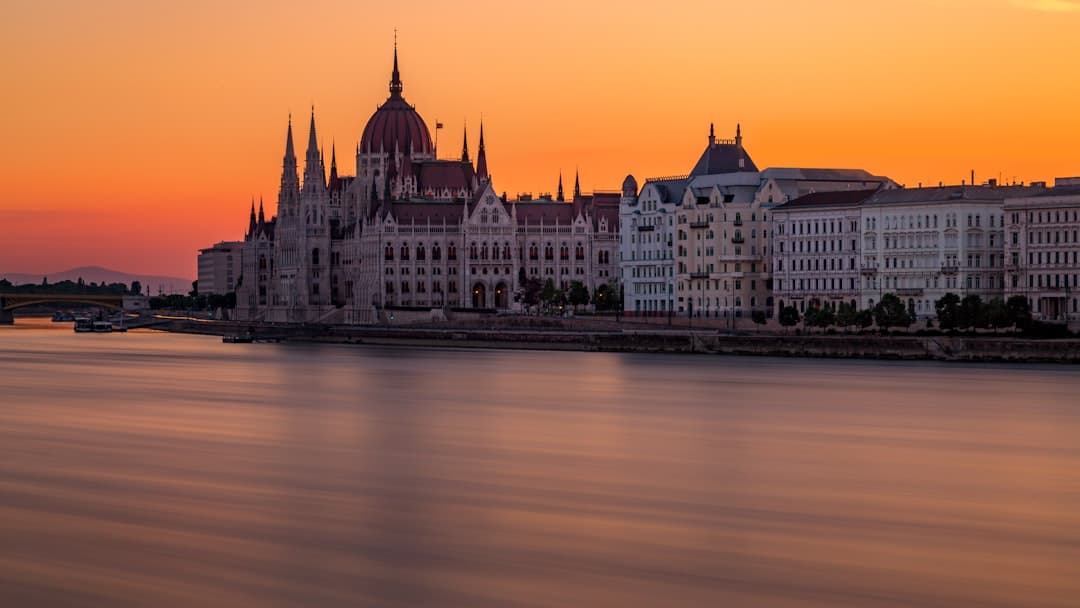
Budapest
A stunning European capital divided by the Danube River, Budapest offers a mesmerizing blend of historic architecture, thermal baths, and vibrant cultural experiences.
Explore BudapestFeatured Destinations in Hungary
Travel Costs in Hungary
Cost Overview
Hungary has moderate costs, with a mix of affordable options and some premium experiences.
Money-Saving Tips
- •Visit during shoulder season for better rates on accommodation
- •Use public transportation instead of taxis when possible
- •Consider staying in locations outside the main tourist areas
- •Look for restaurants where locals eat for better value
Currency Information
Currency: Hungarian Forint (Ft)
Cost Guide: Hungary
Local pricing information
Budget Traveler
Hostels, street food, public transport
Mid-Range
3-star hotels, restaurants, tours
Luxury
4-5 star hotels, fine dining, private tours
Seasonal Pricing
Prices vary by season. High season (summer, holidays) typically costs 20-40% more, while low season offers better deals. Consider the shoulder season (spring/fall) for a balance between good weather and lower prices.
Loading exchange rates...
Note: These prices are approximate and may vary depending on region, season, and personal preferences. Prices in popular tourist areas may be higher.
Budget Comparison
Estimated daily costs for traveling in Hungary
Budget
Backpacker style
Includes
- Hostels & dorms
- Street food & markets
- Free attractions
- Local transport
Mid-Range
Comfortable travel
Includes
- Mid-range hotels
- Local restaurants
- Guided tours
- Mix of transport
Luxury
Premium experience
Includes
- Luxury hotels & resorts
- Fine dining
- Private tours & experiences
- Private transport
Note: Costs vary significantly between cities and regions within Hungary. These are general estimates and can fluctuate based on season, location, and travel style.
Everything You Need to Know
Click any section to expand and view details
Travel Advisory
Check the latest travel advisories and safety information before your trip.
View Official AdvisoryLocal Insights
Culture & Traditions
Hungary's culture is deeply rooted in a rich historical tapestry that blends Central European influences with unique Magyar traditions. The Hungarian people, descended from nomadic tribes from the Ural Mountains, have maintained a strong sense of national identity despite centuries of foreign occupation. Traditional Hungarian culture emphasizes family bonds, hospitality, and a profound connection to folk traditions that are still celebrated today.
Music and arts play a central role in Hungarian cultural expression. The country has produced world-renowned composers like Béla Bartók and Zoltán Kodály, who revolutionized classical music by incorporating traditional folk melodies. Folk dance remains a vibrant cultural practice, with intricate choreographed performances featuring colorful traditional costumes, particularly in rural regions. Hungarian folk art is characterized by elaborate embroidery, ceramics, and woodcarving that reflect the nation's agricultural heritage and artistic creativity.
Modern Hungarian culture is a dynamic blend of traditional values and contemporary European influences. Budapest, the capital, serves as a cultural hub where historic architecture coexists with cutting-edge design and vibrant nightlife. Family remains extremely important, with multi-generational gatherings being common and extended family networks providing significant social support. Hungarians are known for their passionate temperament, love of good food and wine, and a strong intellectual tradition that has produced numerous Nobel Prize winners in science and literature.
The country's culinary culture is a testament to its rich agricultural traditions, featuring hearty dishes like goulash, paprika-spiced meats, and elaborate pastries. Social gatherings often revolve around food, with meals being important communal experiences. Festivals like the Budapest Spring Festival, Sziget Music Festival, and various wine and harvest celebrations showcase the nation's love for cultural expression, music, and community connection.

Cultural Experience
Immerse yourself in local traditions and customs