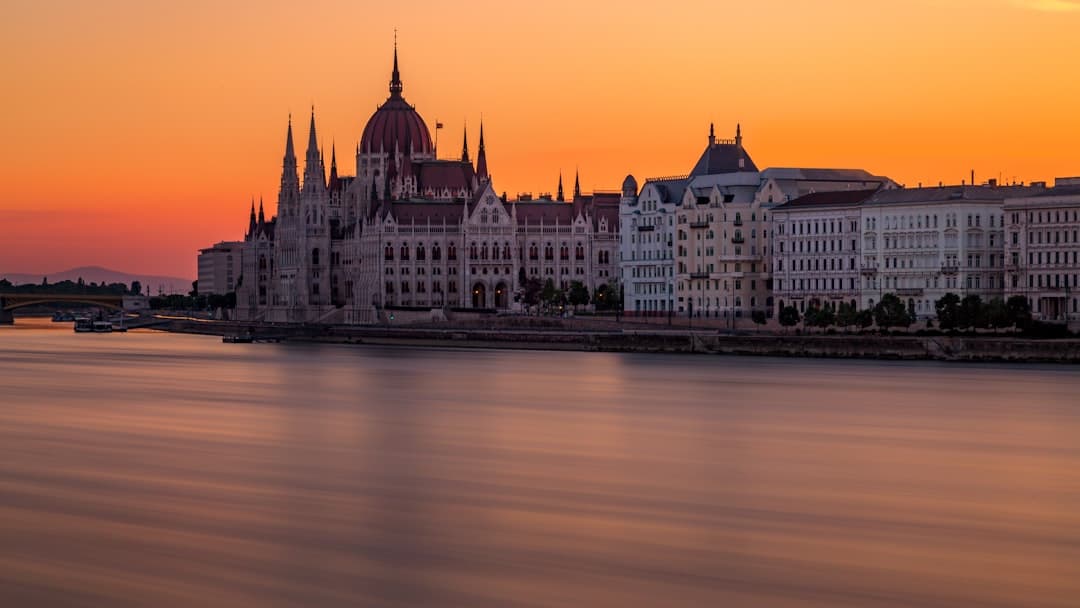
Budapest
Hungary's capital straddles the Danube, pairing grand Habsburg-era architecture and Ottoman-rooted thermal baths with a lively café, ruin bar and food scene.
Budapest quick facts
- Best time to visit
- The best months to visit Budapest are May to June and September to
- Language
- Hungarian (Magyar)
- Currency
- Hungarian Forint (HUF)
- Getting around
- Metro, tram and bus
- Suggested stay
- 4 days
- Population
- 1.7M
About Budapest
Budapest is the capital and largest city of Hungary, built on both banks of the Danube. Hilly Buda on the west bank holds the castle district and quiet residential slopes, while flat Pest on the east bank is home to the Parliament, broad boulevards, theatres, markets and most nightlife. The two sides were unified with Óbuda in 1873.
The city is known for its architecture, from medieval and baroque Buda to the eclectic and Art Nouveau buildings that went up in the late nineteenth century. Its thermal springs feed bathhouses that range from Ottoman-era domed pools to grand neo-baroque complexes, and soaking in them is part of everyday life for many locals.
Budapest works well on foot combined with trams, metro lines and buses. The riverside embankments, the Great Boulevard and the streets of the inner districts are all good for walking, and the Danube views at dusk are a highlight. Coffeehouses, wine bars and courtyard pubs give the city a relaxed evening rhythm.
Most visitors find three or four days enough to cover the main sights, baths and food, with extra time useful for day trips along the Danube Bend or for slower café and museum days.
Known for
- Thermal baths, Danube panoramas and bridges, Ruin bars, Grand Habsburg-era architecture, Café culture, Paprika-rich cuisine
Food in Budapest
Hungarian cooking is hearty and built around pork, beef, poultry, onions, sour cream and paprika. Stews and soups are central, and lunch is often the main meal of the day. Pickles, fresh bread and seasonal vegetables often accompany meals.
Budapest also has a strong baking and café tradition, with layered cakes, strudels and pastries that owe much to Central European influences. Street snacks such as fried dough and chimney cake are widely sold, and markets offer sausages, cured meats, cheeses and produce.
Hungarian wine is a good match for the food, with regions such as Tokaj and Eger well known, and fruit brandy called pálinka is a traditional spirit. Many modern restaurants also give regional dishes a lighter, contemporary treatment.
History of Budapest
The area was settled in Celtic times, and the Romans founded the town of Aquincum in the first century AD in what is now Óbuda. Magyar tribes arrived in the late ninth century, and the medieval towns of Buda and Pest grew into important centres of the Kingdom of Hungary, with Buda becoming a royal seat.
Ottoman forces took Buda in 1541 and held the area for about 145 years, leaving behind bathhouse traditions. Habsburg-led forces retook it in 1686. In the eighteenth and nineteenth centuries the cities grew rapidly, and in 1873 Buda, Pest and Óbuda merged into a single city. The 1896 millennial celebrations spurred much of the monumental building still seen today.
The twentieth century brought heavy losses in both world wars, including the siege of 1944 to 1945, followed by decades of communist rule. The 1956 uprising against Soviet control was a defining event. Hungary moved to a multiparty system in 1989 and the city has since restored much of its historic fabric.
Culture and etiquette
Hungarians tend to be formal on first meeting, with a handshake and a polite greeting. Hungarian is unrelated to most neighboring languages, so a few words such as köszönöm for thank you are appreciated, though English is commonly spoken in tourist areas.
In baths, swimwear is expected in most pools and a towel and sandals are useful. Some baths have single-sex or nude sections on set days, so check rules before going. On public transport, give up seats to older people and validate tickets as required.
Tipping in restaurants is customary, and check whether a service charge is already added to the bill. Clinking beer glasses is traditionally avoided in Hungary, a custom linked to the 1849 executions after the revolution, though many people no longer observe it strictly.
Things to do in Budapest
What to see, where to stay and where to eat.
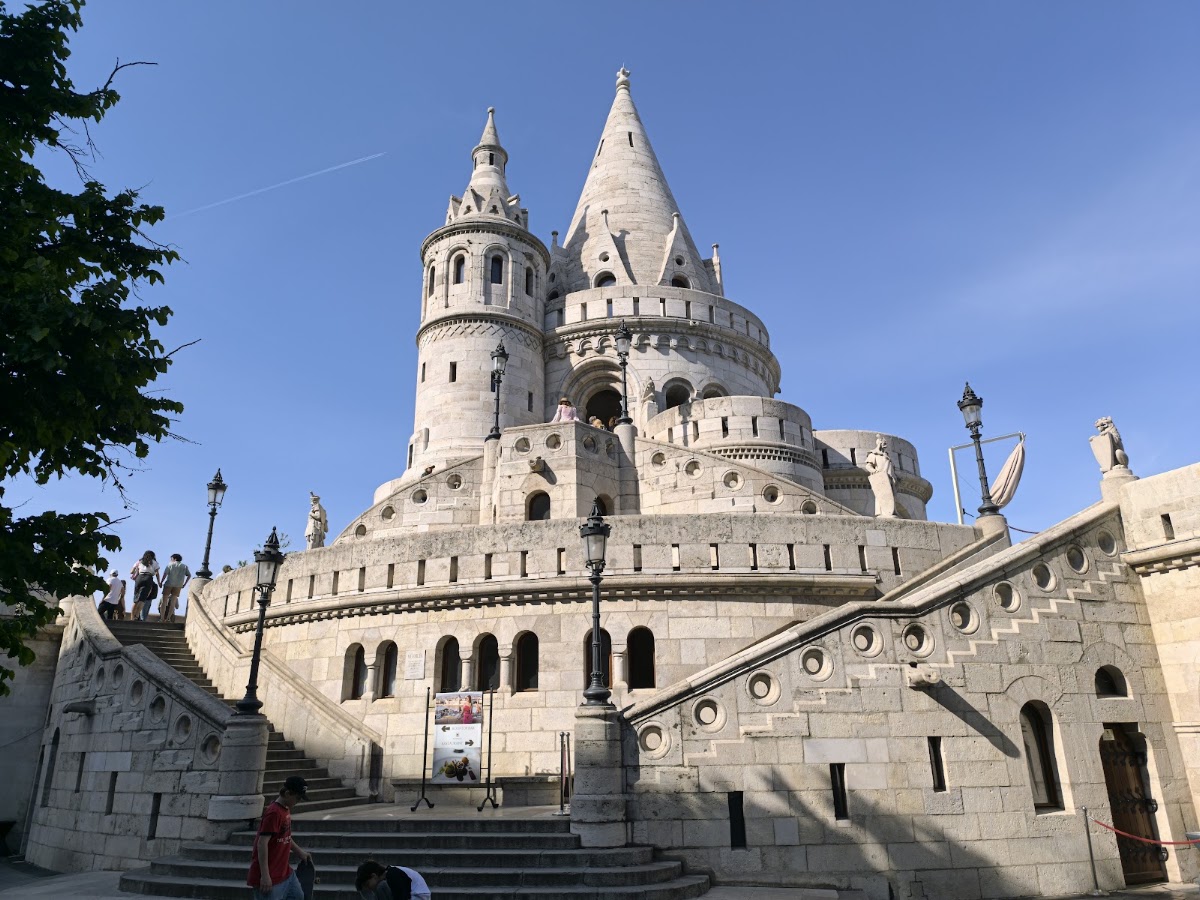
Fisherman's Bastion
Budapest, 1014
Fisherman's Bastion is a 19th-century fortress featuring 7 turreted lookout towers that offer panoramic views of Budapest. The site includes a cafe on its terrace, making it a popular tourist attraction located less than a kilometer from the city center.
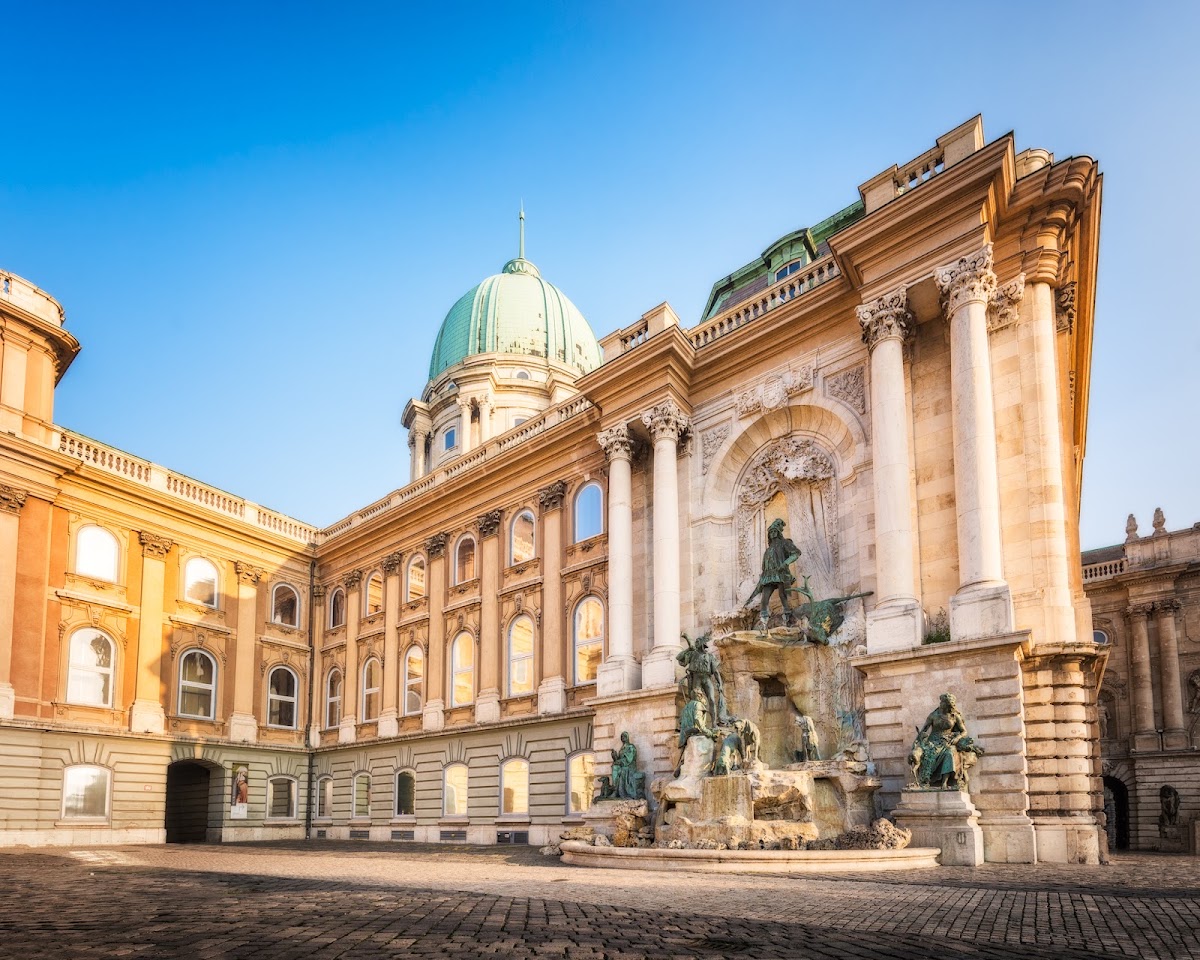
Buda Castle
Budapest, Szent György tér, 1014
Buda Castle is a palatial venue located in Budapest that houses the Hungarian National Gallery and displays ranging from Gothic altars to sculpture. Situated just 0.21 km from the city center on Szent György tér, it is rated 4.7 out of 5 by over 71,000 visitors.
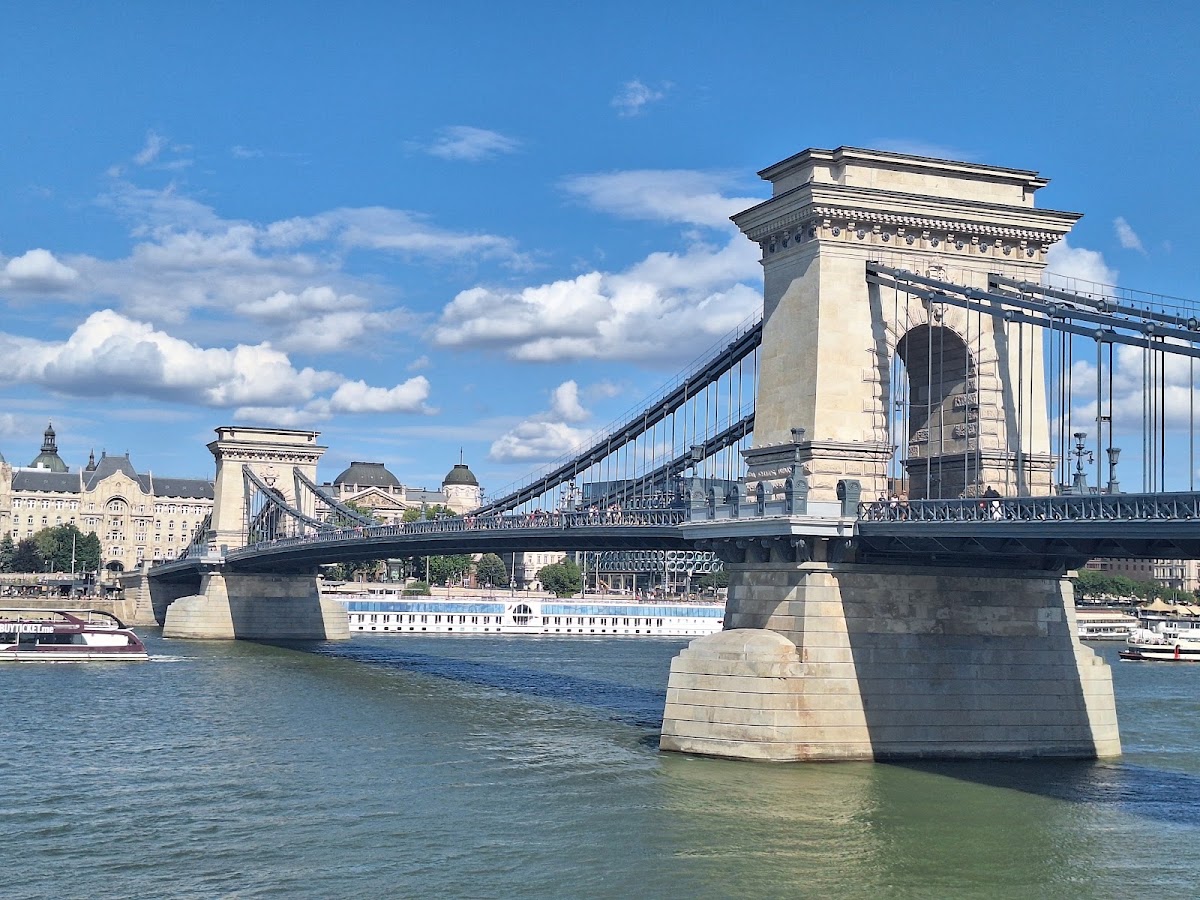
Széchenyi Chain Bridge
Budapest, Széchenyi Lánchíd, 1051
The Széchenyi Chain Bridge is a landmark 19th-century suspension bridge designed by William Tierney Clark. The bridge is illuminated at night and is located just 0.27 km from Budapest's city center.
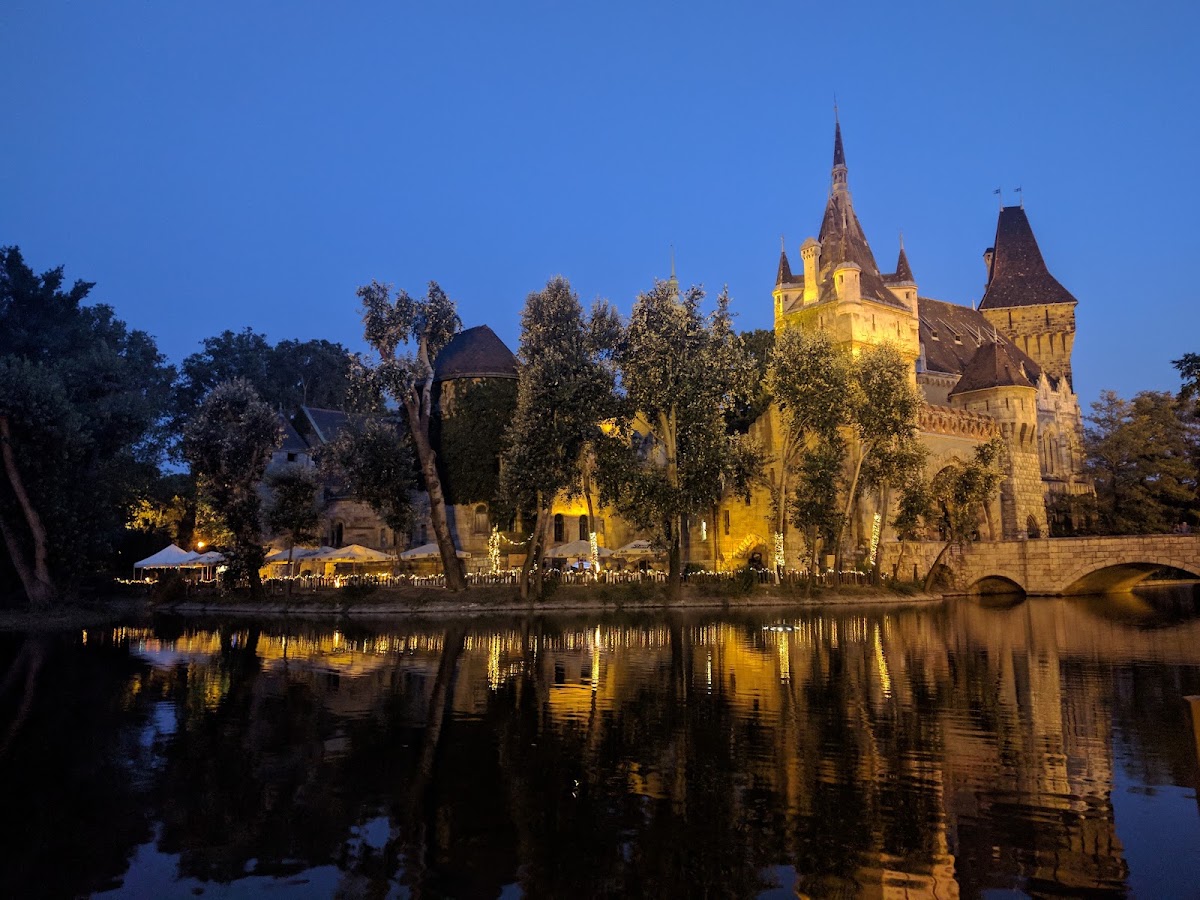
Vajdahunyad Castle
Budapest, Vajdahunyad stny., 1146
Vajdahunyad Castle is a lakeside castle built in 1896 that showcases the evolution of Hungarian architecture through its elaborate design. Located 3.7 kilometers from Budapest's city center, this historical landmark serves as both a museum and popular tourist attraction.
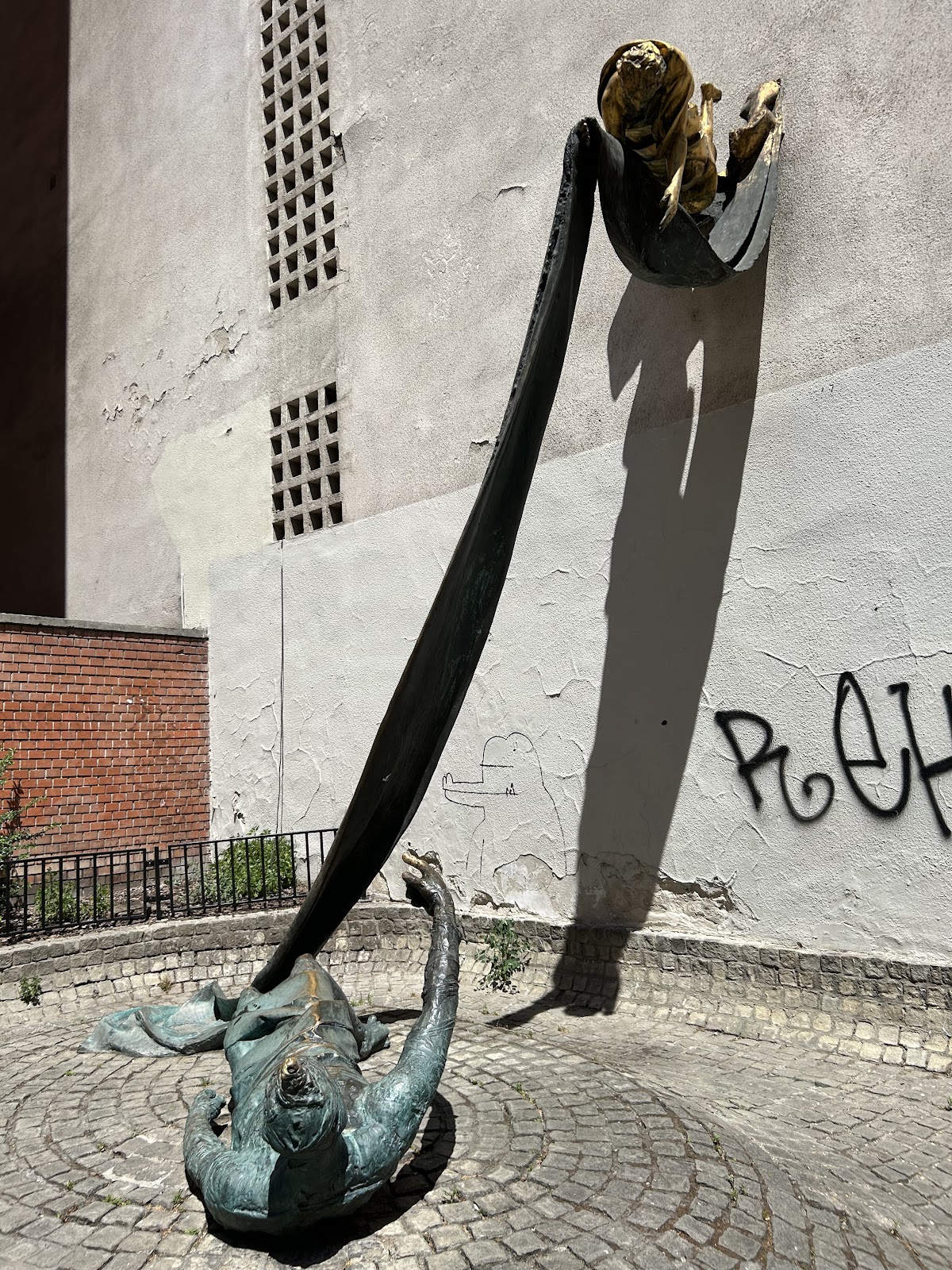
Top Budapest Tours - Free Walking Tours
Budapest, Madách Imre tér, 1075
Top Budapest Tours offers free walking tours of Budapest, starting from Madách Imre tér in the city center. With a 5-star rating from over 2,300 reviews, it is a popular choice for exploring the city on foot.
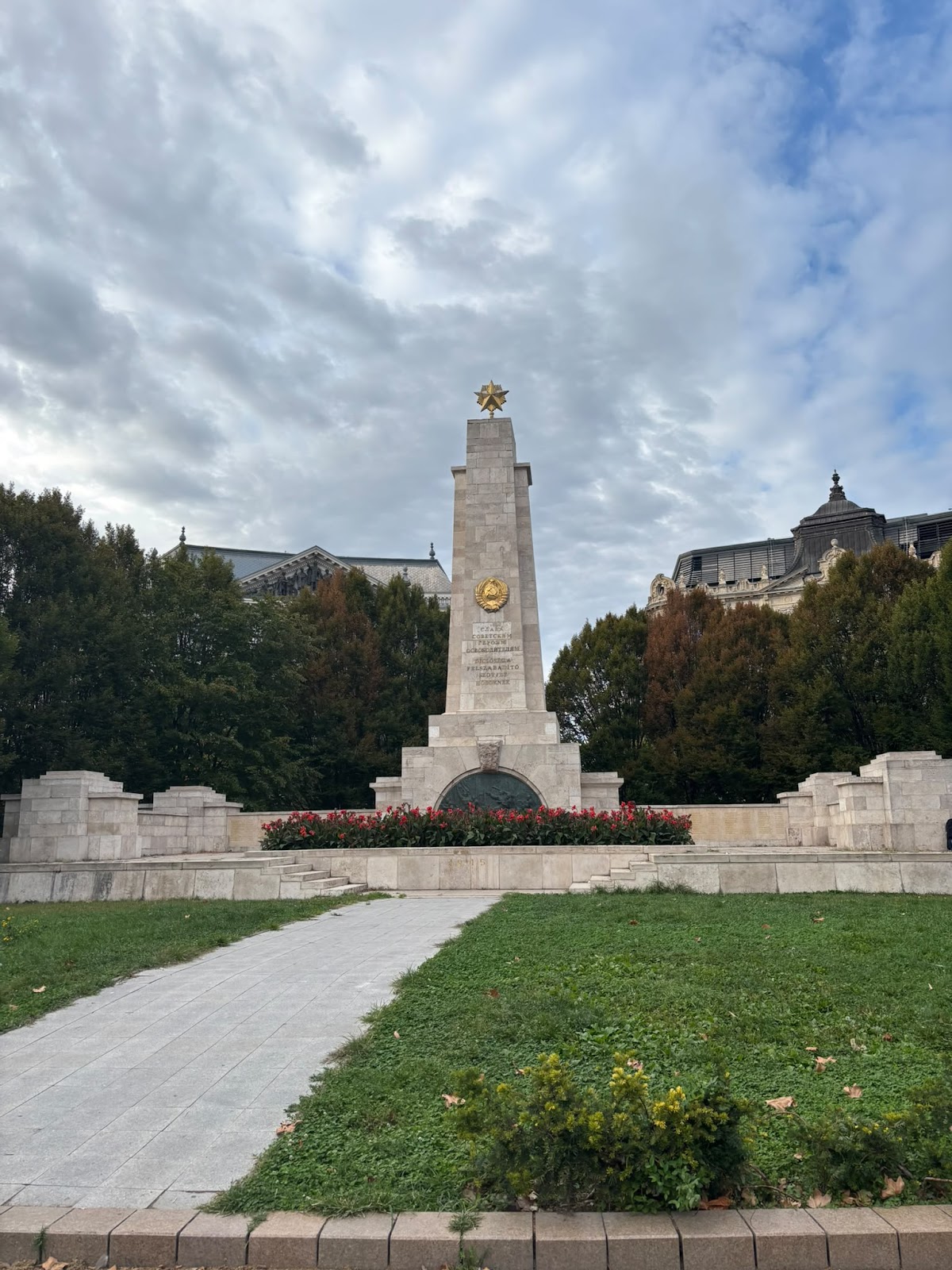
Budapest Tour - WannaWalk Tours
Budapest, Szent István tér 11c, 1051
Budapest Tour - WannaWalk Tours is a tourist attraction located at Szent István tér 11c in central Budapest, less than 1 km from the city center. The venue has a 5-star rating based on 154 reviews.
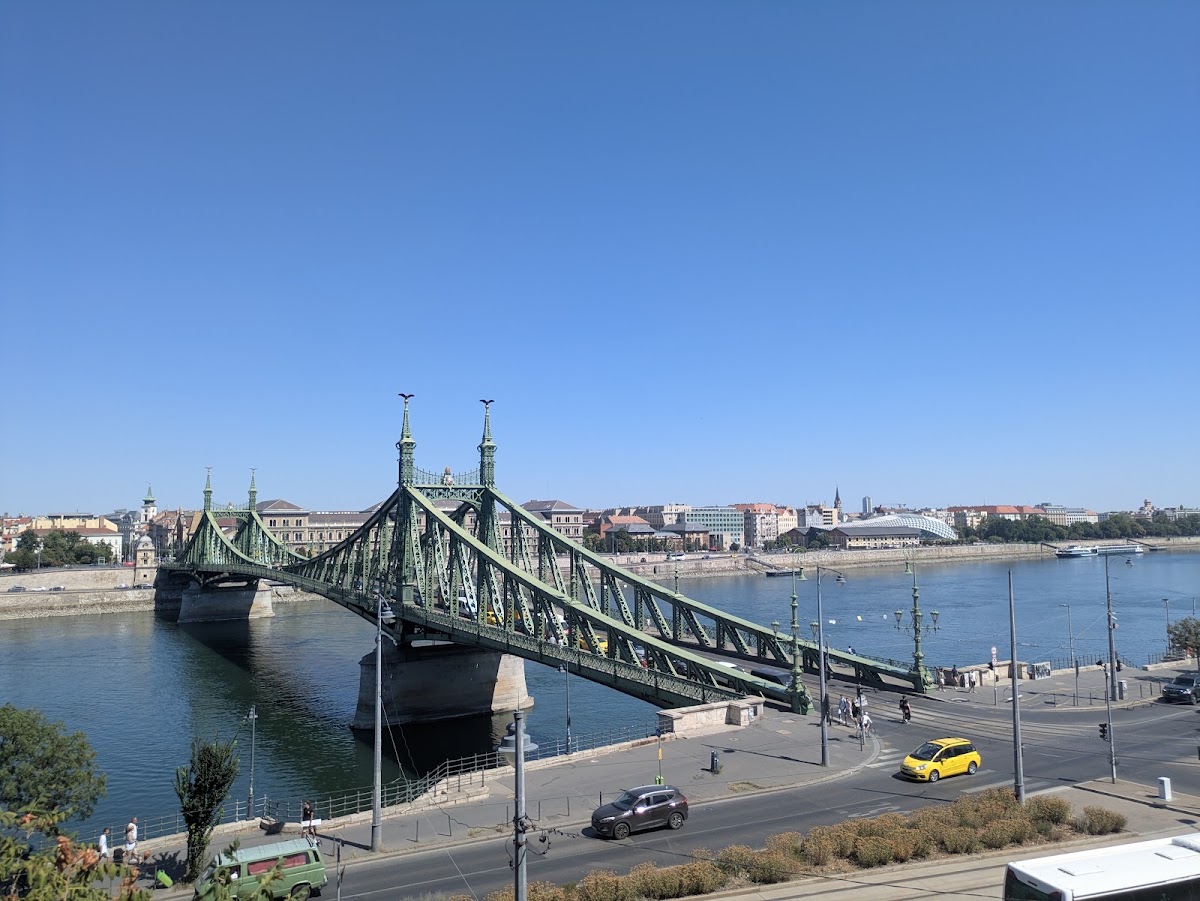
Liberty Bridge
Budapest, Fővám tér 1093, 1118
Liberty Bridge is a tourist attraction located in central Budapest, approximately 1.75 km from the city center. The bridge has a rating of 4.8 based on visitor reviews.
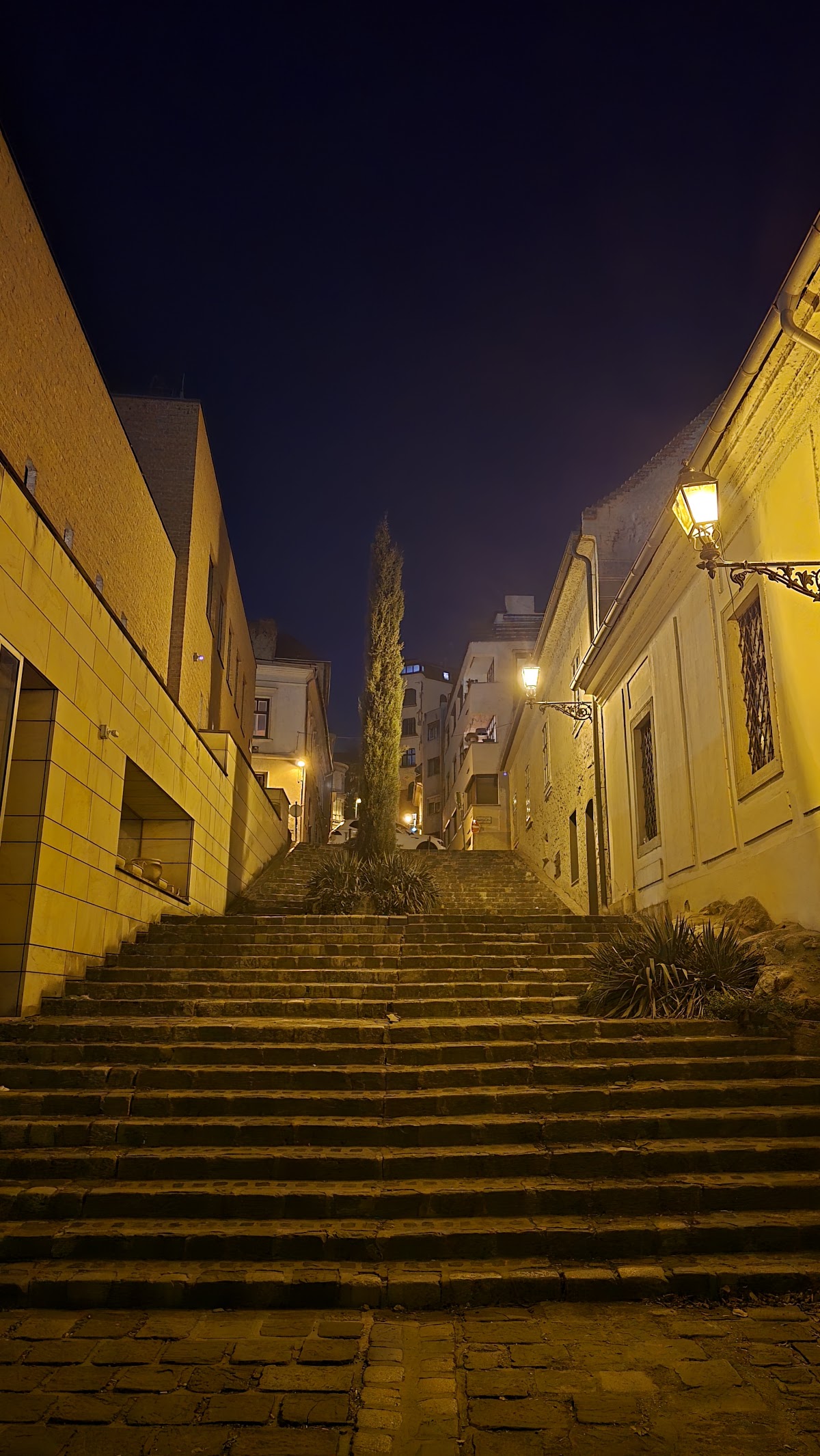
Pala Staircase
Budapest, Pala u. 4, 1011
The Pala Staircase is a tourist attraction located in Budapest's District I, just 0.33 kilometers from the city center. It has a rating of 4 stars based on 6 reviews.
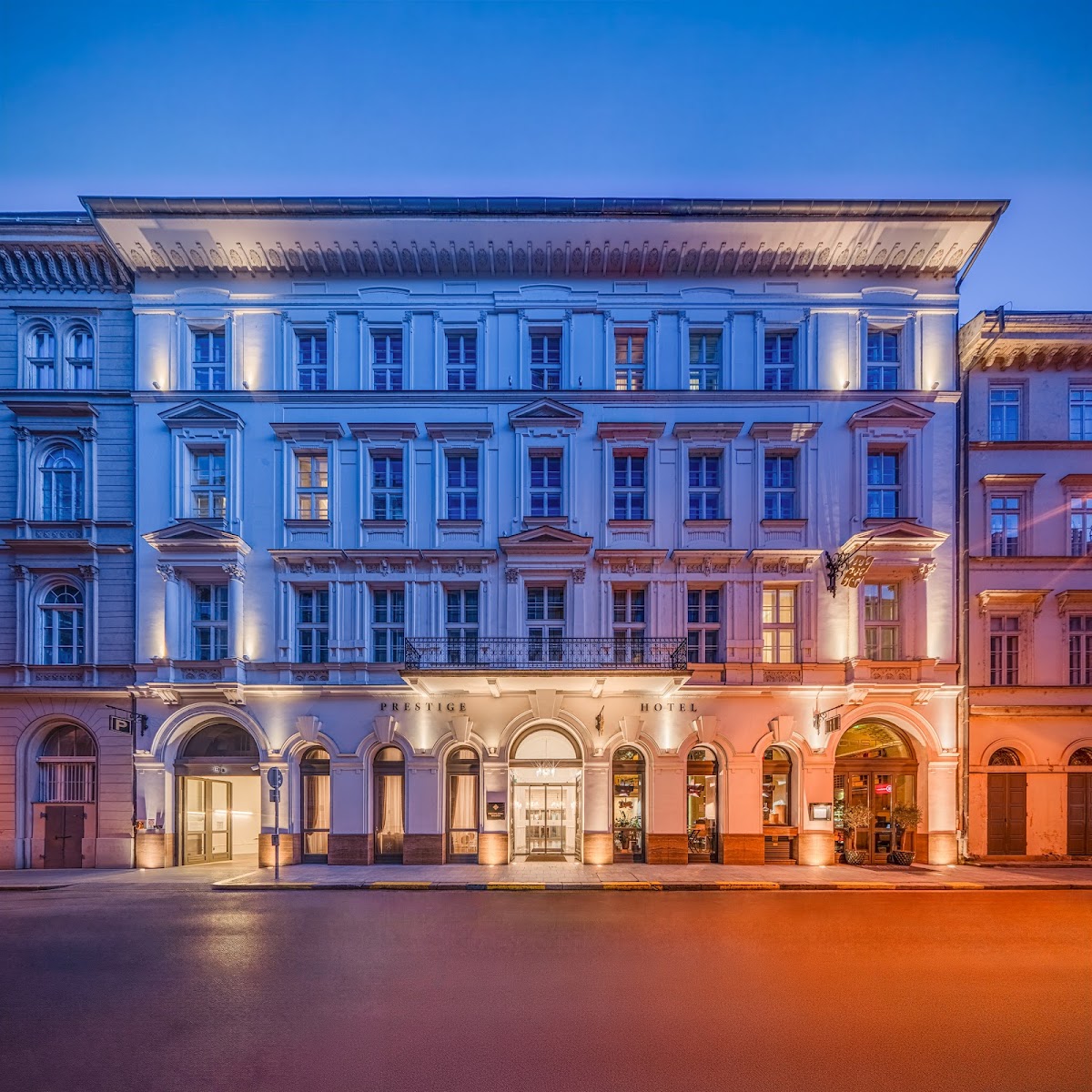
Prestige Hotel Budapest
HotelBudapest, Vigyázó Ferenc u. 5, 1051
Prestige Hotel Budapest is a sophisticated hotel located 0.7 km from the city center, featuring a trendy restaurant with a show kitchen, a gym, and a sauna.
Check prices on Booking.com for Prestige Hotel Budapest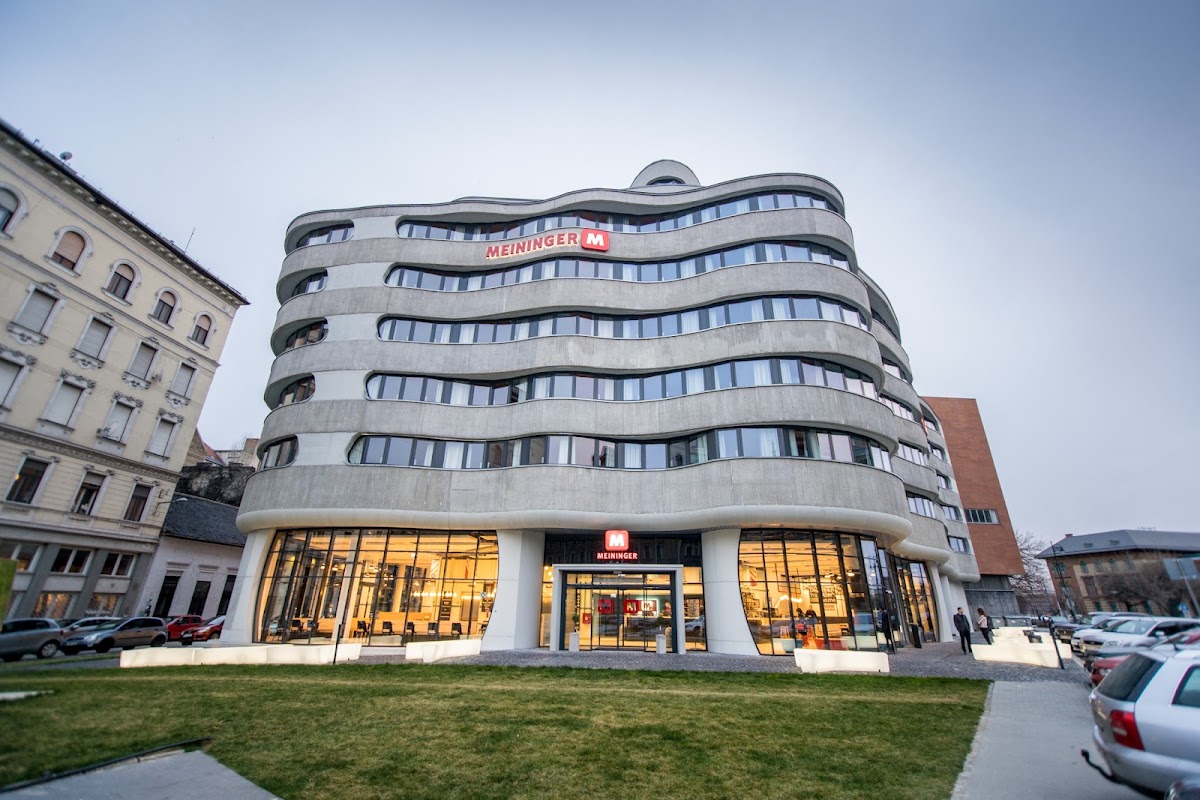
MEININGER Budapest Great Market Hall
HostelBudapest, Csarnok tér 2, 1093
MEININGER Budapest Great Market Hall is a hip hotel offering streamlined dorms and private rooms, located 2 km from the city center. The property features a shared kitchen, bar, and game room.
Check prices on Booking.com for MEININGER Budapest Great Market Hall
Maverick Budapest Soho
HostelBudapest, Kazinczy u. 24, 1075
Maverick Budapest Soho is an unpretentious hostel located on Kazinczy utca in Budapest's 7th district. The hostel offers a lounge and communal kitchen, along with complimentary Wi-Fi for guests. It is situated 1.69 km from the city center.
Check prices on Booking.com for Maverick Budapest Soho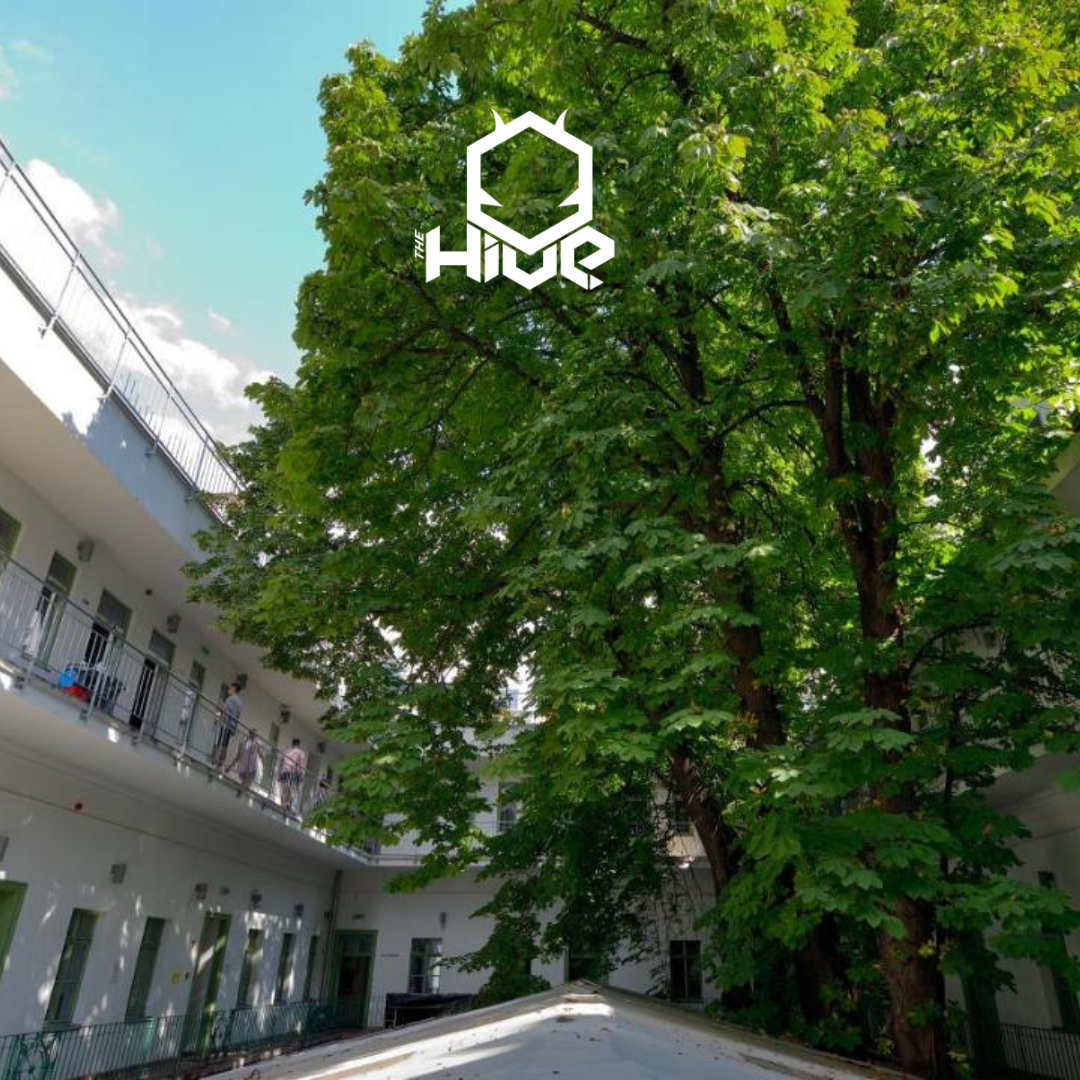
The Hive Party Hostel
HostelBudapest, Dob u. 19, 1074
The Hive Party Hostel is a vibrant hostel for adults located 1.56 km from Budapest's city center on Dob utca. It features a buzzing rooftop restaurant and bar, along with a shared kitchen for guests.
Check prices on Booking.com for The Hive Party Hostel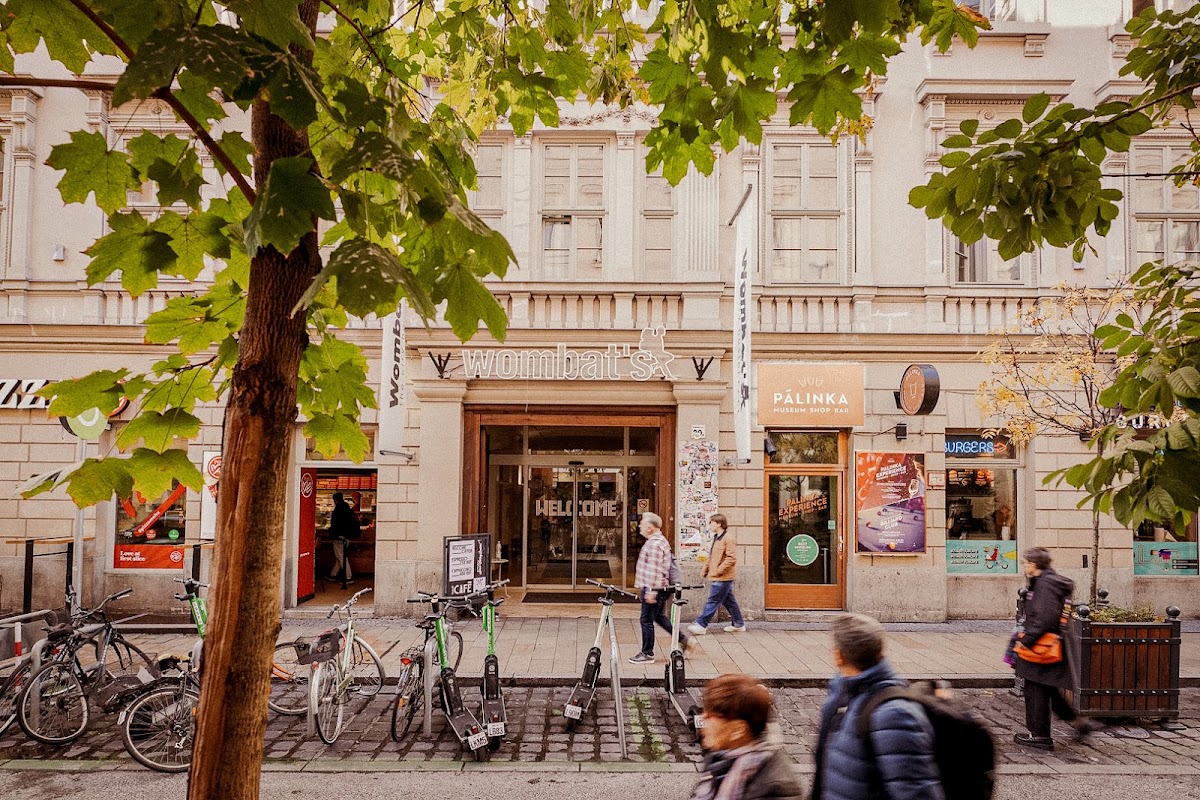
Wombat's City Hostel Budapest
HostelBudapest, Király u. 20, 1061
Wombat's City Hostel Budapest is an informal hostel located on Király street, 1.34 km from the city center. The property features a communal kitchen, a bar, a lounge with a pool table, and free Wi-Fi. It has a rating of 4.2 stars based on 2553 reviews.
Check prices on Booking.com for Wombat's City Hostel Budapest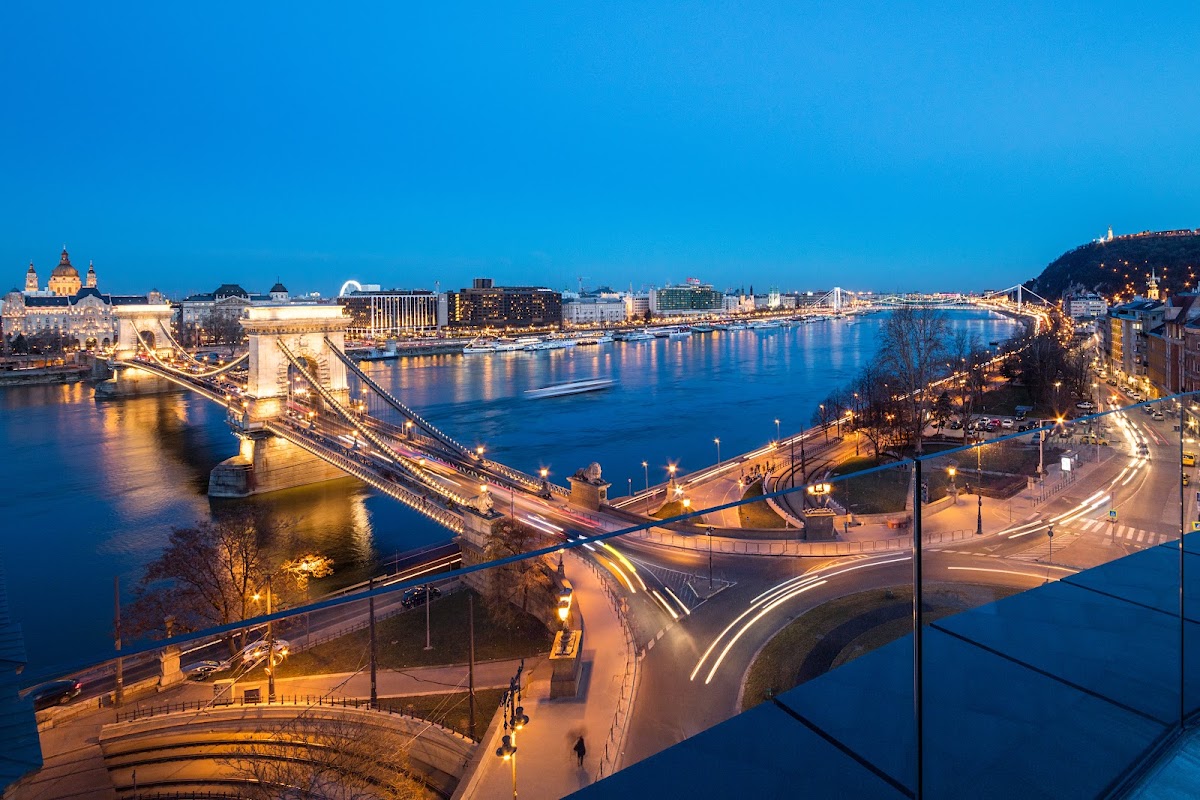
Hotel Clark Budapest
HotelBudapest, Clark Ádám tér 1, 1013
Hotel Clark Budapest is a polished retreat located at Clark Ádám tér 1, just 0.09 km from the city center. The hotel offers rooms with rainfall showers, a striking restaurant, and a gym. It has a rating of 4.7 out of 5 based on 1414 reviews.
Check prices on Booking.com for Hotel Clark Budapest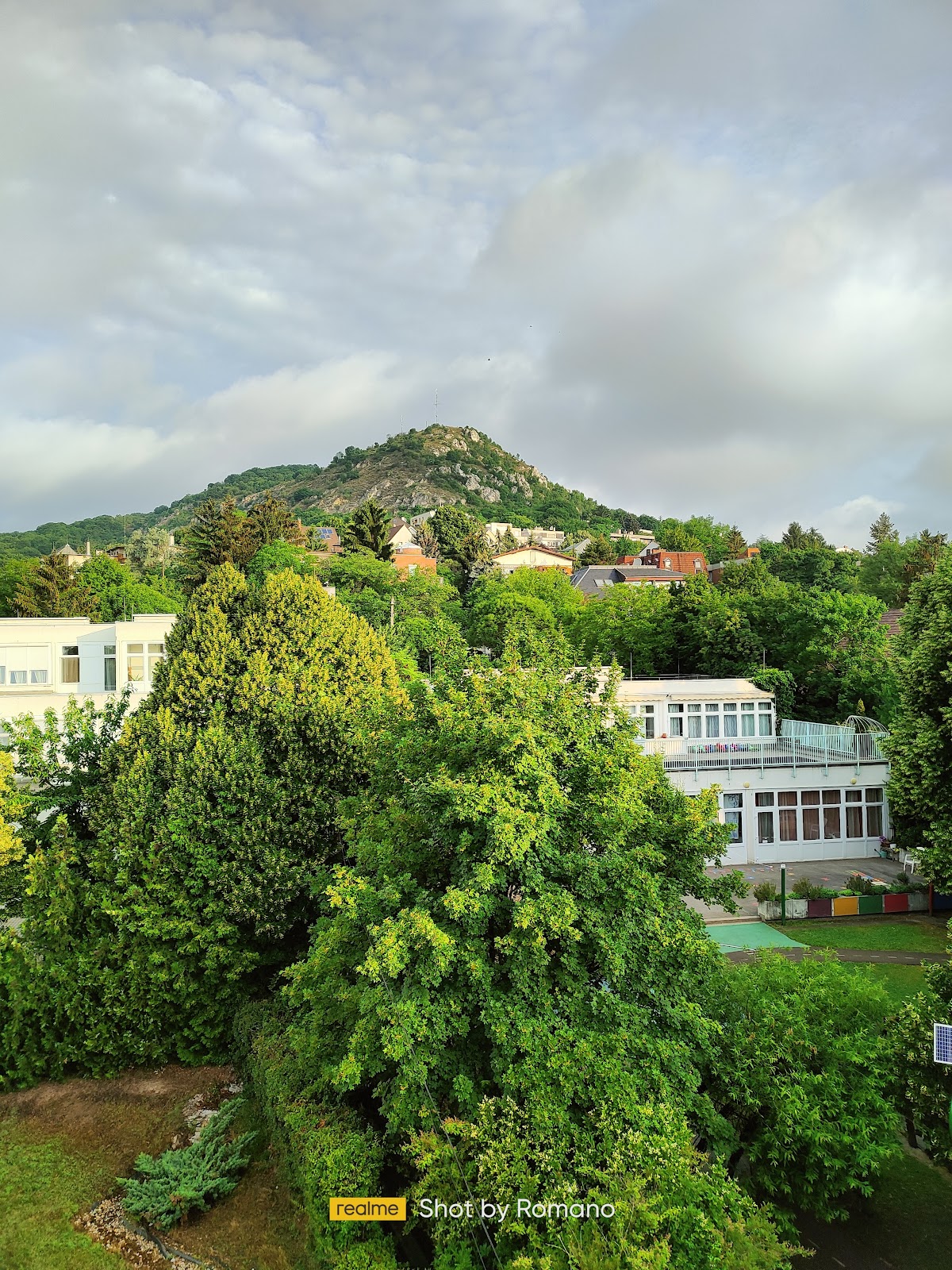
Hotel Classic
HotelBudapest, Zólyomi út 6, 1118
Hotel Classic is an unassuming hotel located 2.33 km from Budapest's city center, offering functional accommodations with a 24-hour bar and garden patio. The hotel has a rating of 3.1 stars based on 1,258 guest reviews.
Check prices on Booking.com for Hotel Classic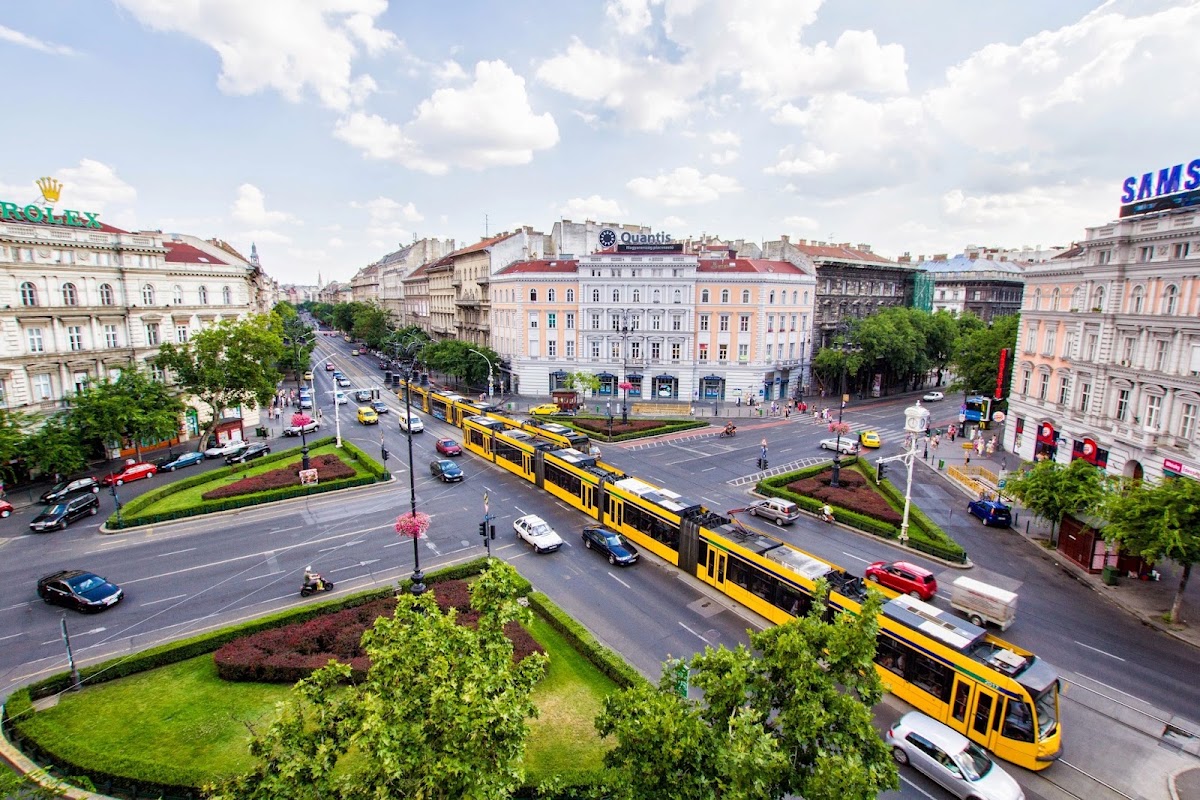
Avenue Hostel
HostelBudapest, Oktogon 4, 1067
Avenue Hostel is a relaxed hostel located at Oktogon 4 in Budapest, about 2 kilometers from the city center. It offers simple dormitory rooms along with 3 guest kitchens, and includes complimentary breakfast, Wi-Fi, and linens. The hostel has a rating of 4.2 based on over 3,600 reviews.
Check prices on Booking.com for Avenue Hostel
Konyha Restaurant
Rated 4.9Budapest, Zrínyi u. 2, 1051
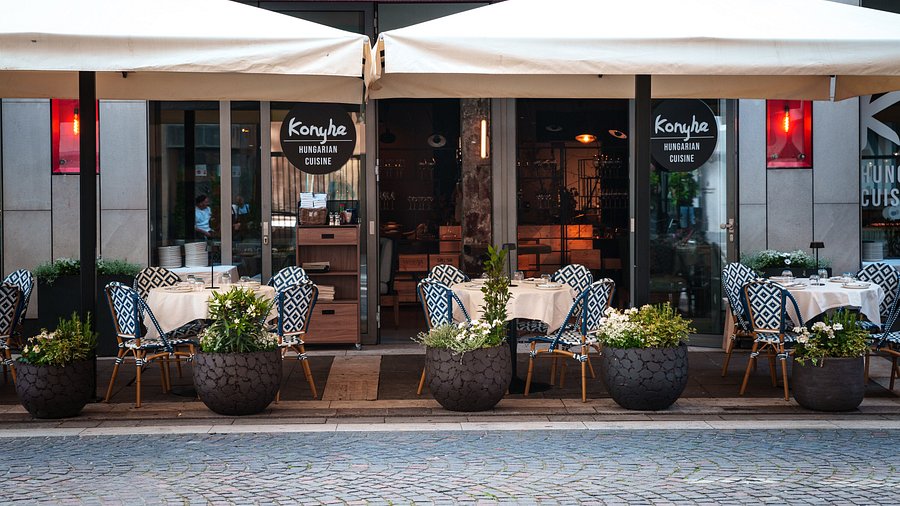
Konyha Restaurant is a Hungarian and European restaurant located on Zrínyi street in central Budapest, just 0.64 km from the city center. With a rating of 4.9 stars from 6,776 reviews, it is a highly regarded dining establishment in the area.
Fat Mama Restaurant
Rated 4.8Budapest, Kazinczy u. 24, 1075
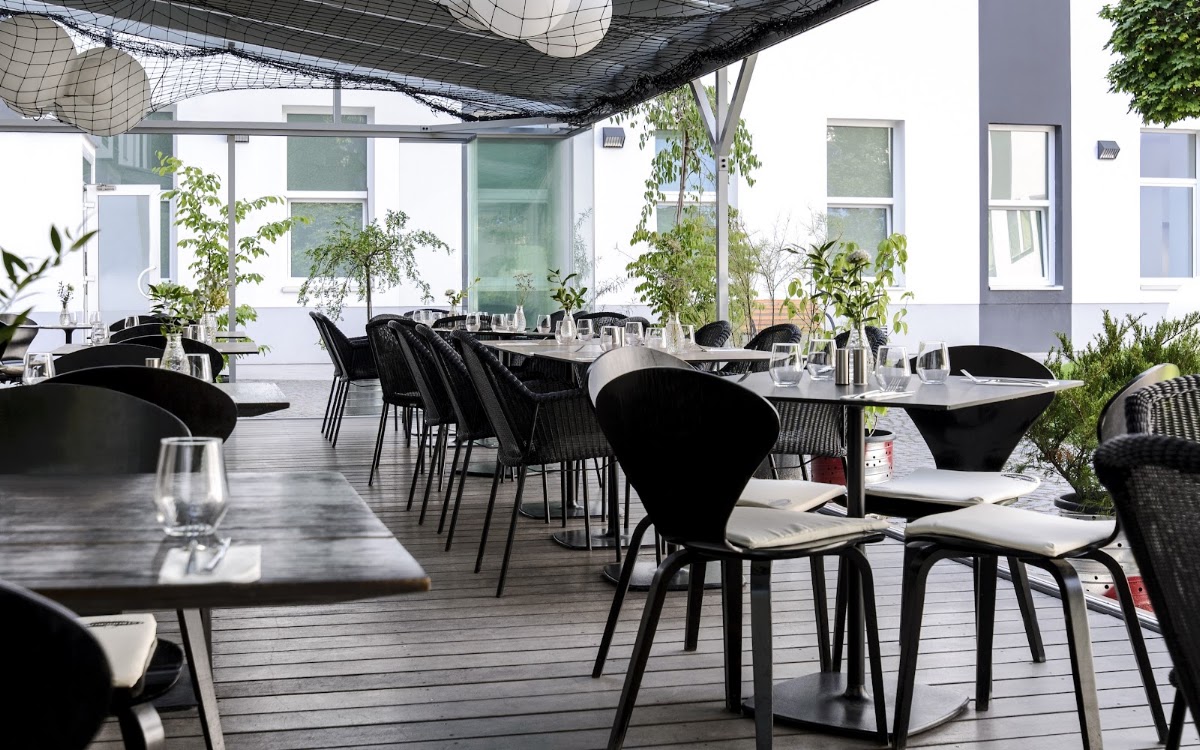
Fat Mama Restaurant is located on Kazinczy utca in Budapest's Jewish Quarter, 1.68 km from the city center. This establishment serves as a restaurant, brunch spot, and cocktail bar, also offering Hungarian cuisine and coffee. It has earned a 4.8-star rating from nearly 40,000 reviews.
Aranybástya
Rated 4.8Budapest, Buda Castle, Csónak u. 1, 1015
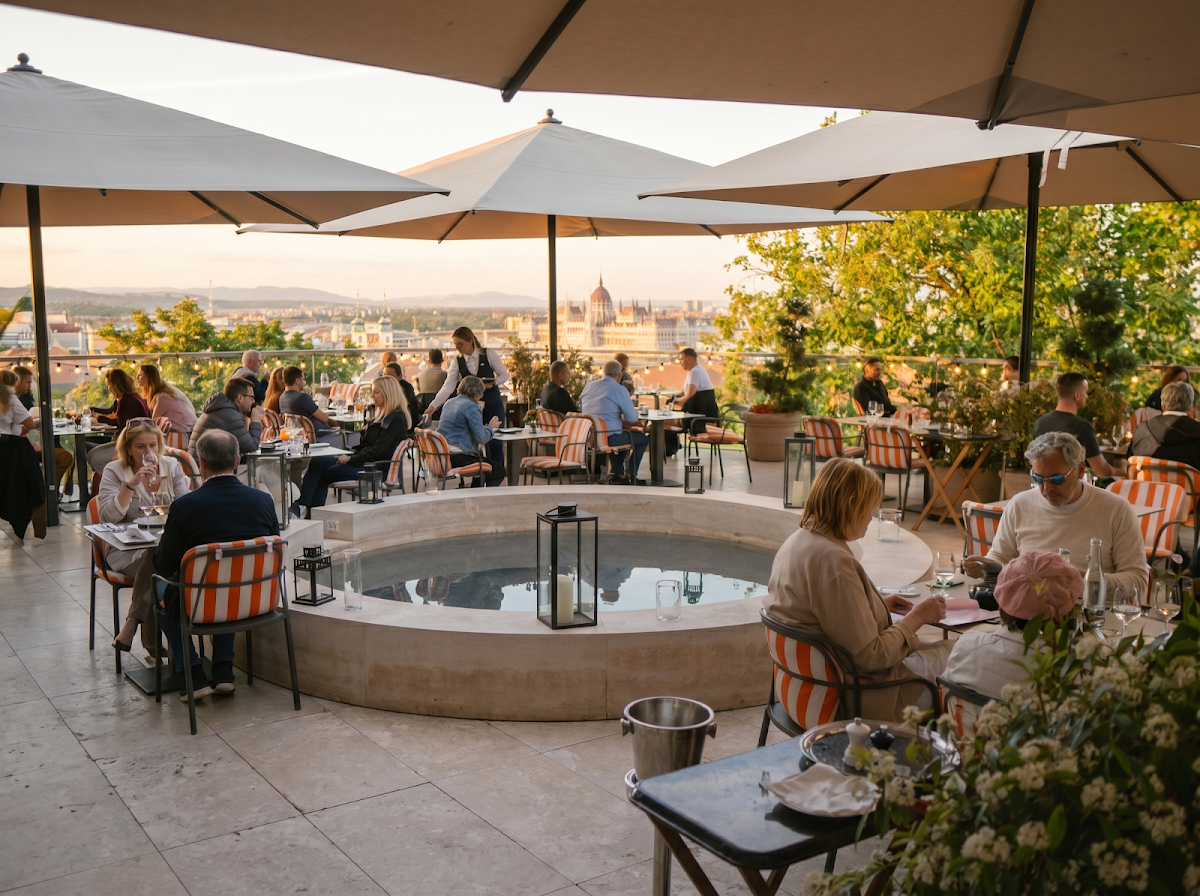
Aranybástya is a Hungarian restaurant located within Buda Castle, just 0.34 km from Budapest's city center. With a rating of 4.8 stars from 3,750 reviews, it serves as both a dining establishment and event venue in this historic castle setting.
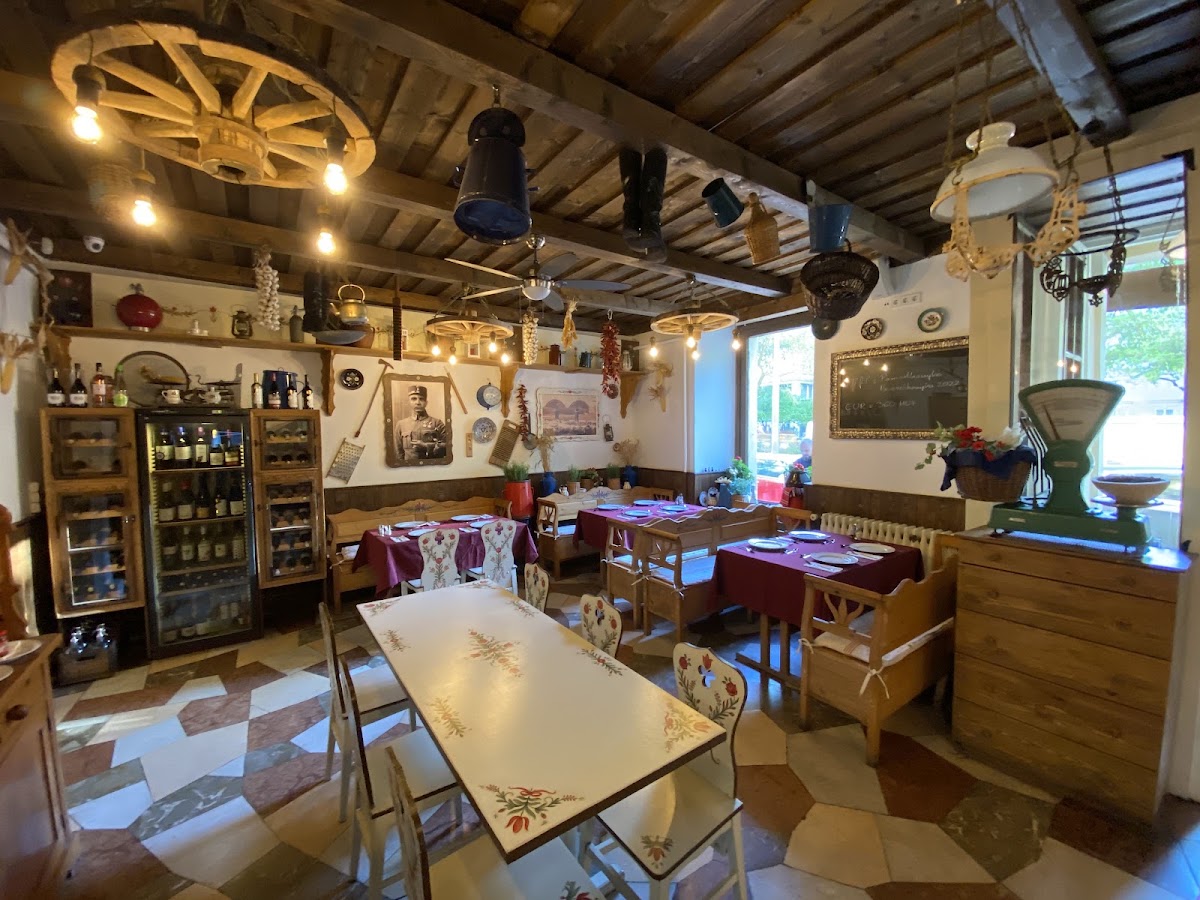
Parasztkonyha Restaurant
Rated 4.8Budapest, Október 6. u. 3, 1051
Parasztkonyha Restaurant is a Hungarian restaurant located on Október 6. street in central Budapest, less than a kilometer from the city center. With a rating of 4.8 stars from over 11,000 reviews, it serves Hungarian and European cuisine.
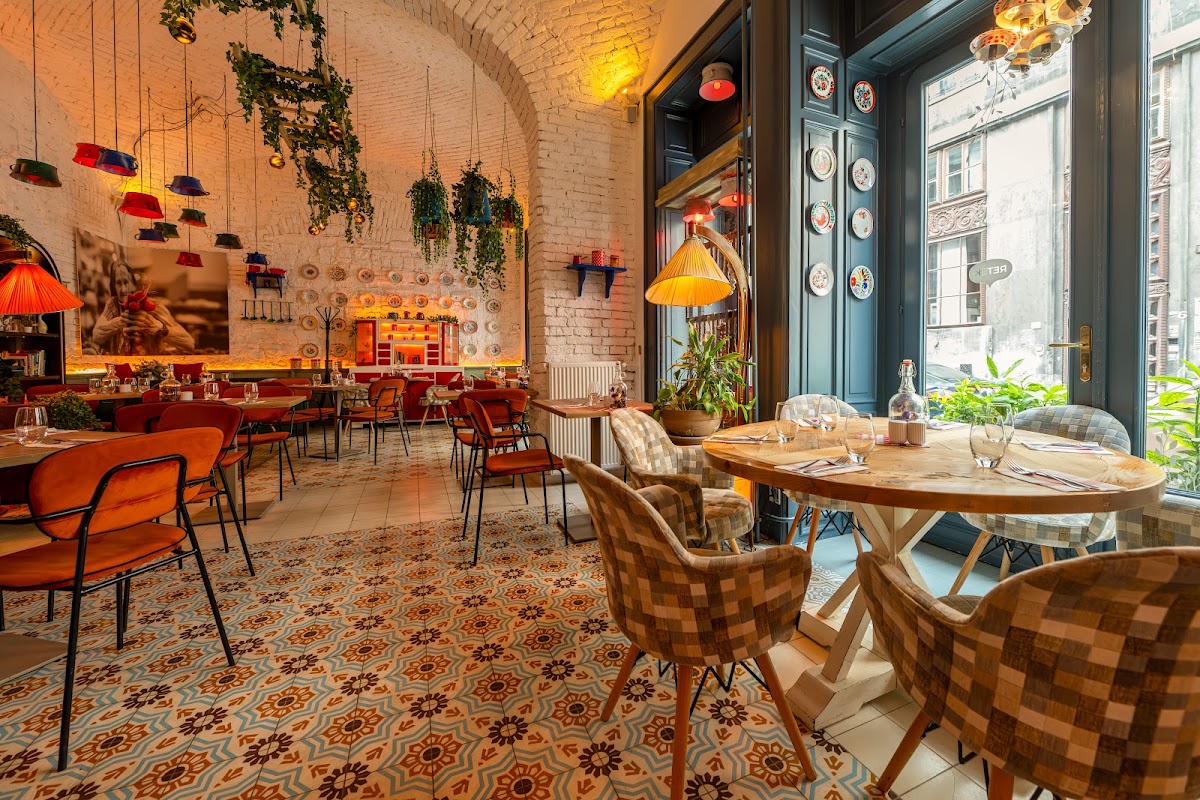
Retek Bisztro
Price $$$Rated 4.8Budapest, Nádor u. 5, 1051
Retek Bisztro is a Hungarian restaurant located at Nádor u. 5 in central Budapest, serving regional staples including goulash soup and stuffed sour cabbage. The venue has a rating of 4.8 stars based on over 6,500 reviews and operates at a mid-range price level.
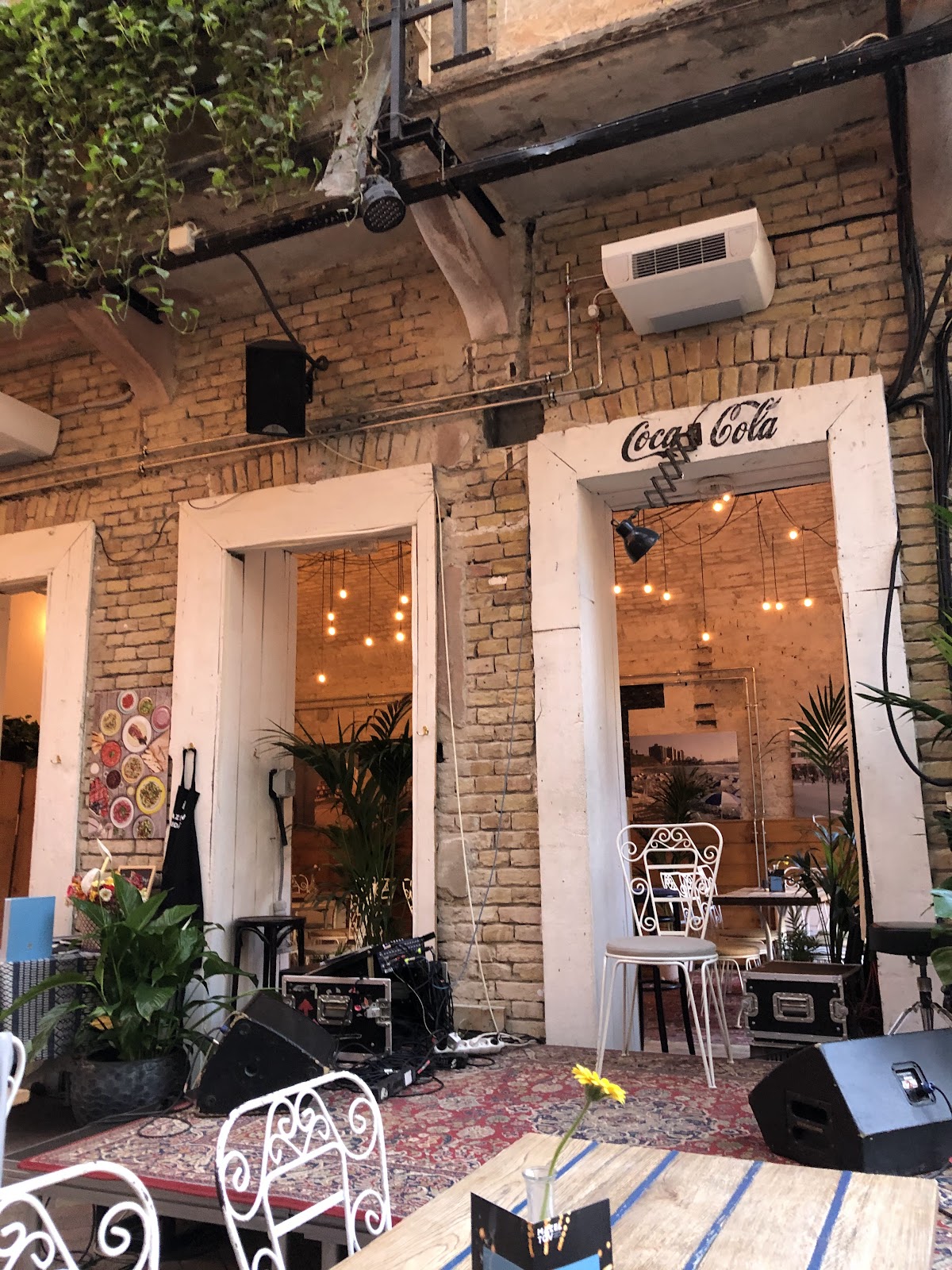
Mazel Tov
Rated 4.6Budapest, Akácfa u. 47, 1073
Mazel Tov is a fusion restaurant located in Budapest's Jewish quarter, housed in a light and airy space that functions as both a cafe and cultural venue. The restaurant features a garden area and serves bar snacks, sandwiches, beers, and hot drinks. With a rating of 4.6 from over 42,000 reviews, it is situated approximately 1.9 kilometers from the city center.
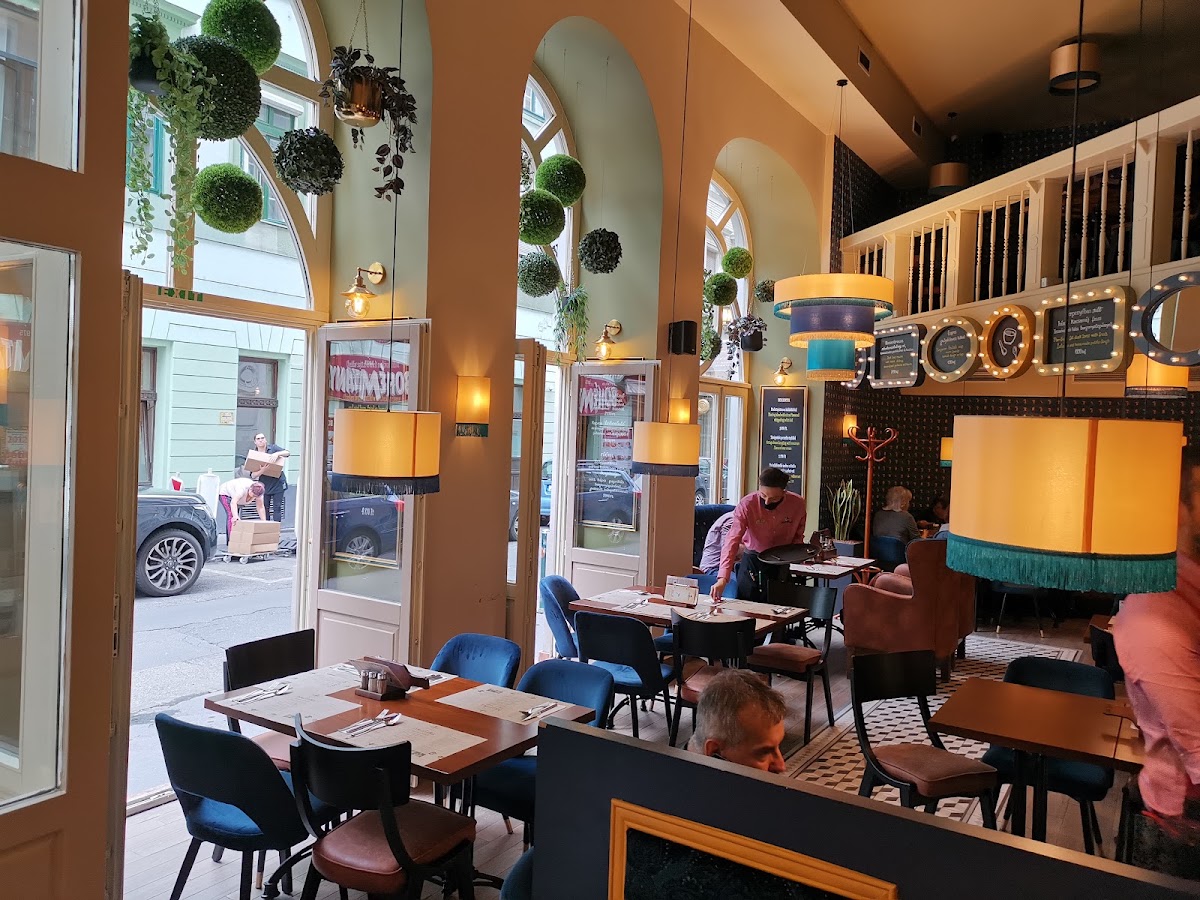
VakVarjú Restaurant
Price $$Rated 4.5Budapest, Paulay Ede u. 7, 1061
VakVarjú Restaurant is a high-ceilinged, quirky bistro located on Paulay Ede utca in Budapest's sixth district. The venue serves hearty Hungarian dishes and features a balcony area, along with a kids' play space. With a 4.5-star rating from over 16,000 reviews, it offers moderately priced dining options.
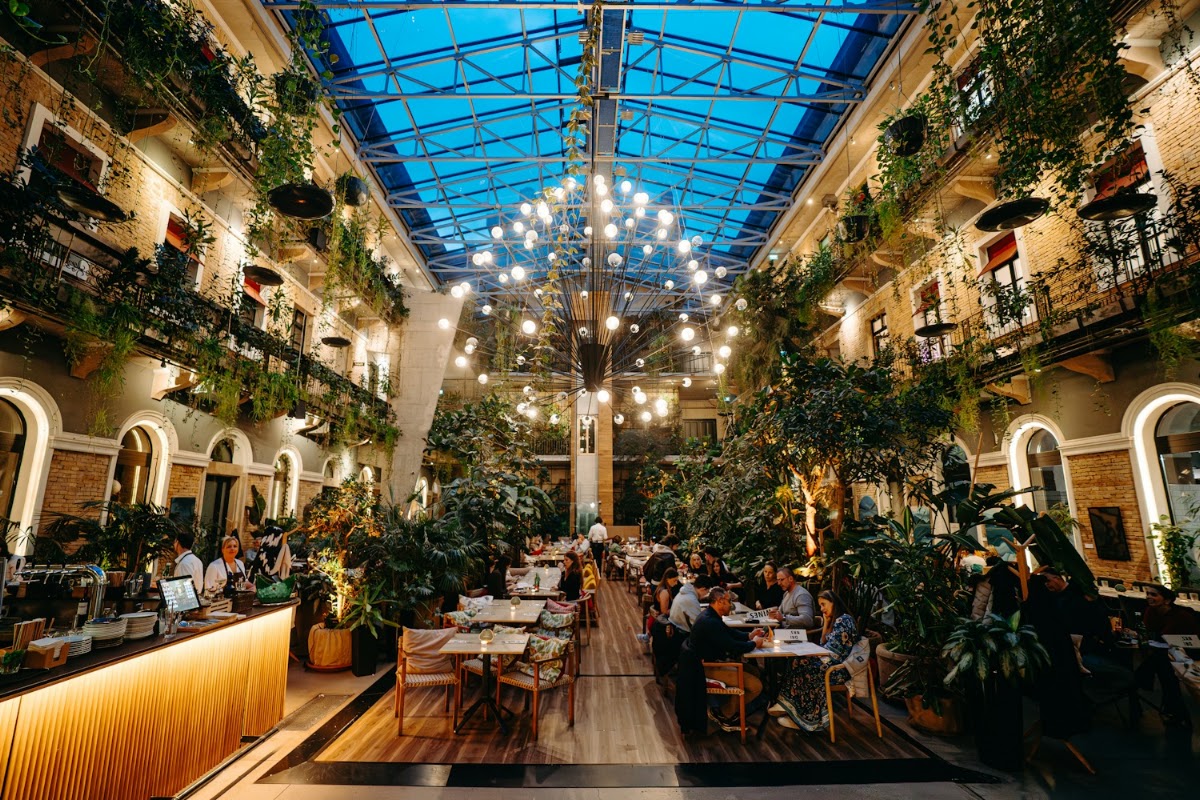
Twentysix Budapest Restaurant
MediterraneanRated 4.4Budapest, Király u. 26, 1061
Twentysix Budapest Restaurant is a Mediterranean restaurant located on Király utca in the 6th district. The plant-filled venue offers Mediterranean cuisine and also hosts workshops and yoga classes.
What things cost in Budapest
Typical prices. Estimates only: prices vary by season and neighborhood.
| Hostel dorm bedTypically 6000-16000 HUF. A dorm bed per night, higher in summer and at weekends. | HUF 6,000 – HUF 16,000 |
|---|---|
| Budget hotel roomTypically 20000-40000 HUF. A simple private room per night, with wide seasonal variation. | HUF 20,000 – HUF 40,000 |
| Mid-range hotel roomTypically 40000-90000 HUF. A comfortable central hotel room per night. | HUF 40,000 – HUF 90,000 |
| Luxury hotel roomTypically 100000-250000 HUF. Five-star and historic hotels, with rates rising in peak season. | HUF 100,000 – HUF 250,000 |
| Local beerTypically 900-2200 HUF. A draught beer in a pub or bar, with ruin bars and terraces at the upper end. | HUF 900 – HUF 2,200 |
|---|---|
| CoffeeTypically 1000-2200 HUF. Cappuccino or similar in a cafe, with higher prices in tourist spots. | HUF 1,000 – HUF 2,200 |
| Street food snackTypically 1500-3500 HUF. Lángos, sausages and other snacks from stalls and market food halls. | HUF 1,500 – HUF 3,500 |
| Budget mealTypically 3000-6000 HUF. A simple meal at a casual local eatery or lunch menu. | HUF 3,000 – HUF 6,000 |
| Groceries (per day)Typically 4000-9000 HUF. Basic supermarket food for one person for a day. | HUF 4,000 – HUF 9,000 |
| Mid-range mealTypically 7000-15000 HUF. A main course and drink at a sit-down restaurant, per person. | HUF 7,000 – HUF 15,000 |
| Fine diningTypically 25000-60000 HUF. Tasting menus at upscale restaurants, per person before drinks. | HUF 25,000 – HUF 60,000 |
| Public transport rideTypically 400-1200 HUF. A single-journey range; day and multi-day passes usually offer better value. | HUF 400 – HUF 1,200 |
|---|---|
| Short taxi rideTypically 2500-5500 HUF. A short trip within the centre, more with unlicensed or badly chosen taxis. | HUF 2,500 – HUF 5,500 |
| Bike rental (per day)Typically 4000-9000 HUF. Standard city bike rental for a full day. | HUF 4,000 – HUF 9,000 |
| Museum entryTypically 3000-9000 HUF. Typical range for major museums; smaller ones are cheaper. | HUF 3,000 – HUF 9,000 |
|---|---|
| Guided walking tourTypically 5000-15000 HUF. Group tours; some free tours operate on a tip basis. | HUF 5,000 – HUF 15,000 |
| Day trip tourTypically 15000-40000 HUF. Organised trips to places like the Danube Bend or Eger. | HUF 15,000 – HUF 40,000 |
Essentials
Practical things to know before you arrive in Budapest.
When to go
The best months to visit Budapest are May to June and September to early October, when the weather is mild and outdoor terraces and river walks are at their best.
- Peak: June-August
- Shoulder: April-May, September-October
- Low: November-March
Getting around
Budapest has an extensive public transport network of metro lines, trams, buses, trolleybuses and suburban trains, run by the city transport company. The historic yellow trams along the Danube and the small metro line under Andrássy út are handy for sightseeing. Tickets must be bought and validated before riding, and inspections are common, so check the current ticket rules on arrival. Central Budapest is compact and walkable, and bikes and scooters are available in many areas. Taxis are plentiful, but it is wise to order through a reputable dispatcher or app and confirm the fare method first.
Budapest Ferenc Liszt International Airport lies southeast of the centre. Typical ways into town include a public bus connecting to the metro, a dedicated airport shuttle service, a pre-booked taxi or transfer, and in some cases a train. Journey times to the centre are usually around 30 to 50 minutes depending on traffic and mode. International trains arrive at stations such as Keleti, Nyugati and Déli.
Where to stay
District V (Belváros-Lipótváros) and the neighbouring parts of District VI put you close to the main sights, the river and the Danube promenade, and suit first-time visitors who want to walk everywhere. District VII, the old Jewish Quarter, is the centre of nightlife and ruin bars, so it suits younger travellers and social groups but can be noisy at night.
Buda side areas such as the Castle District and around Gellért Hill are quieter and scenic, good for couples and those who prefer calm evenings. District VIII (Palotanegyed) and parts of District IX offer a more local feel with cafes and good transport links, and often suit budget-conscious travellers. Areas near Margaret Island and Újlipótváros are pleasant for those who enjoy parks and a residential atmosphere.
Money
The local currency is Hungarian Forint (HUF).
Cash and cards
- Contactless card payments are widely accepted in shops, restaurants and on transport, but small vendors, markets and some bars may prefer cash. Hungary uses the forint rather than the euro, so carry some local cash.
- Check whether a service charge is already included on the restaurant bill before adding a tip.
- If a card terminal offers to charge in your home currency, choose forints to avoid poor conversion.
- Avoid exchanging money at street booths with attractive-looking rates; compare the total received rather than the headline rate.
- Carry a little cash for public toilets, markets and small stalls.
- Confirm taxi pricing before you set off or use a reputable booking service.
Taxes and tipping
- Tipping around 10 to 15 percent is customary in restaurants, and check whether a service charge is already added to the bill. Rounding up is normal for taxis and cafes.
Language: Hungarian (Magyar)
English: English is widely spoken in tourist areas, restaurants and hotels, especially by younger people. Older residents and smaller local shops may speak little English, though German is also understood by some.
- Good day (formal hello)
- Jó napot kívánokyo NAH-pot KEE-vah-nok
- Hi / bye (informal)
- SziaSEE-ah
- Thank you
- KöszönömKUH-suh-nuhm
- Please
- KéremKAY-rem
- Yes
- IgenEE-gen
- No
- Nemnem
- Excuse me / sorry
- ElnézéstEL-nay-zaysht
- Do you speak English?
- Beszél angolul?BEH-sayl AWN-go-lool
- How much does it cost?
- Mennyibe kerül?MEN-nyi-beh KEH-rool
- Cheers
- EgészségedreEH-gays-shay-ged-reh
- The bill, please
- A számlát kéremaw SAHM-lat KAY-rem
- Goodbye
- ViszontlátásraVEE-sont-lah-tah-shraw
Other city guides
This guide is for general reference. Check opening hours, prices and entry rules with official sources before you travel.