Thailand
Thailand is a Southeast Asian kingdom famous for its ornate Buddhist temples, pristine tropical beaches, vibrant street food culture, and warm hospitality. Located between Myanmar and Cambodia, it offers diverse experiences from bustling Bangkok to serene northern mountains and stunning island paradises like Phuket and Krabi, all deeply rooted in authentic Buddhist traditions and Southeast Asian culture.
Thailand quick facts
- Capital
- Bangkok (Krung Thep)
- Currency
- Thai Baht (THB)
- Region
- Southeast Asia
- Time zone
- ICT (UTC+7)
- Calling code
- +66
City guides in Thailand
1 city with a full guide.
About Thailand
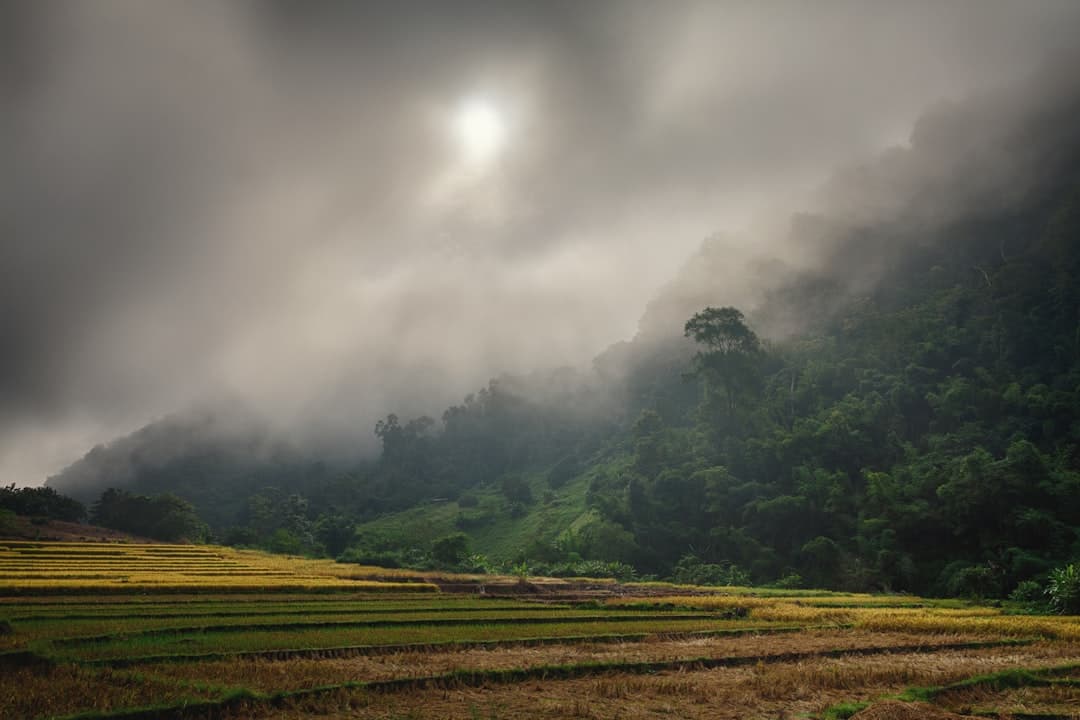
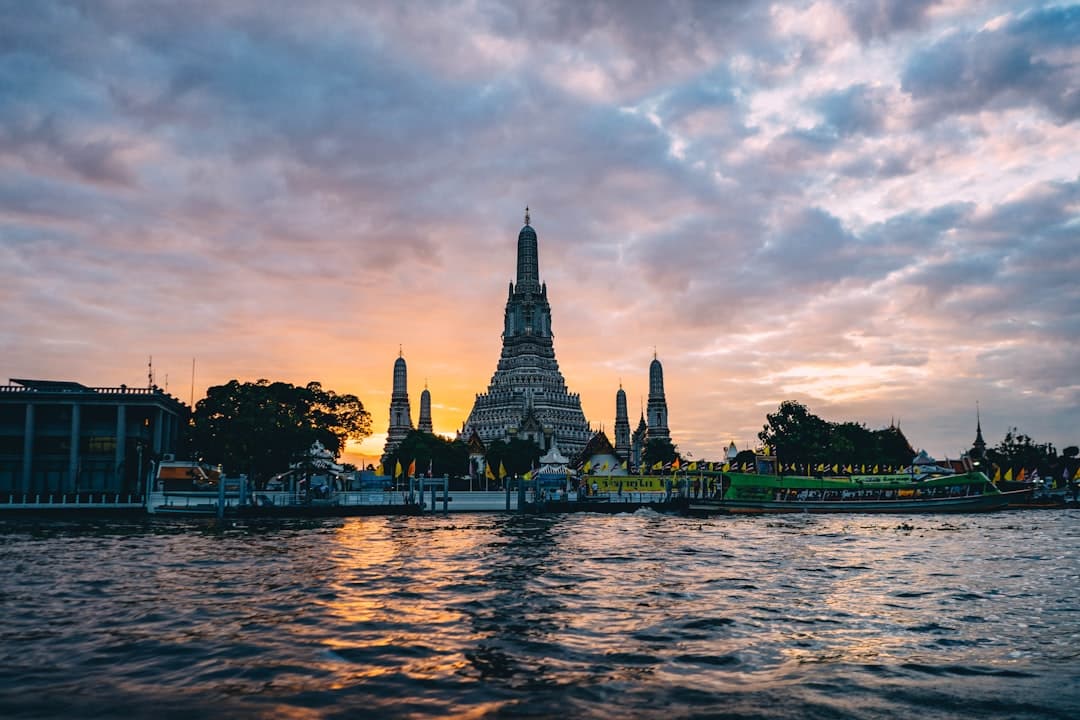
Thailand, officially the Kingdom of Thailand, is a Southeast Asian nation renowned for its stunning natural beauty, vibrant culture, and world-class hospitality. The country's landscape is remarkably diverse, ranging from the limestone karsts and pristine beaches of the Andaman Sea in the south to the lush jungles and mountainous terrain of the northern regions. Thailand's cultural heritage is deeply rooted in Buddhism, evident in its thousands of ornate temples, serene monasteries, and spiritual practices that permeate daily life. The country has never been colonized, allowing its unique traditions, architecture, and customs to flourish authentically, making it a living museum of Southeast Asian culture.
The major cities offer distinct experiences: Bangkok, the bustling capital, is a mesmerizing blend of ultra-modern skyscrapers, ancient temples, and chaotic street markets that never sleep; Chiang Mai in the north provides a more relaxed atmosphere with its old city walls, night bazaars, and access to hill tribe villages; while coastal cities like Phuket and Krabi serve as gateways to some of the world's most beautiful beaches and island-hopping adventures. Thailand's attractions are extraordinarily varied—from the Grand Palace and Wat Phra Kaew in Bangkok to the floating markets, elephant sanctuaries, and the famous islands of Phuket, Koh Samui, and Krabi with their turquoise waters and white sand beaches.
Thai cuisine is globally celebrated for its perfect balance of sweet, sour, salty, and spicy flavors, featuring iconic dishes like pad thai, tom yum soup, and green curry. Street food culture is integral to the Thai experience, with night markets and food stalls offering affordable, delicious meals that rival fine dining establishments. Beyond its natural and culinary attractions, Thailand's warmth and genuine hospitality—embodied in the Thai concept of "sanuk" (finding fun and pleasure in everything)—make visitors feel genuinely welcomed, contributing to its reputation as one of Asia's most accessible and rewarding destinations.
What things cost in Thailand
Typical prices. Estimates only: prices vary by season and neighborhood.
| Backpacker, per dayBackpacker budget: hostels, street food, local transport | 800-1,200 THB$22-34 USD |
|---|---|
| Mid-range, per dayMid-range hotels, restaurant meals, some activities | 2,000-3,500 THB$55-97 USD |
| Hostel dorm bedPer bed in shared room (tourist areas vary) | 250-500 THB$7-14 USD |
|---|---|
| Mid-range hotel roomDouble room, decent amenities, central location Note: Prices vary significantly by location (Bangkok > Chiang Mai > islands). Peak season (Nov-Feb) sees 10-20% increases. | 1,200-2,500 THB$33-70 USD |
| Inexpensive mealStreet food, noodles, rice dishes at local stalls | 40-80 THB$1.10-2.20 USD |
|---|---|
| Mid-range meal for twoTwo people at casual restaurant | 400-800 THB$11-22 USD |
| Public transport ticketBus or BTS Skytrain single journey (Bangkok) | 15-65 THB$0.40-1.80 USD |
|---|
Essentials
Practical things to know before you travel to Thailand.
When to go
- Southwest Monsoon (May-October)
- Thailand's summer coincides with the monsoon season, bringing heavy rainfall, especially in afternoons and evenings. Temperatures remain hot and humid (28-35°C / 82-95°F). Tourist crowds thin considerably, making this ideal for budget travelers. Accommodation and flight prices drop significantly (30-50% lower than peak season). The landscape becomes lush and vibrant green. While outdoor activities like island hopping and hiking may be limited by weather, this season offers excellent value. The Andaman Sea experiences rough waters, making diving less ideal. However, fewer tourists mean shorter queues at temples and attractions. Consider waterproof gear and flexible itineraries.
- Hot Season (March-May)
- March to May represents Thailand's hottest period, with temperatures soaring to 35-40°C (95-104°F) and minimal rainfall. The heat intensifies as summer approaches, with April being the most intense month. This season attracts fewer tourists than winter, offering moderate prices and less crowding. Songkran Festival (mid-April) celebrates Thai New Year with water splashing festivities, making it a vibrant cultural experience despite the heat. Daylight hours are long, perfect for early morning temple visits and evening explorations. The dry conditions make this excellent for northern Thailand exploration, though southern islands may be less appealing. Bring high SPF sunscreen and stay hydrated. Budget accommodations offer better rates than winter months.
- Early Monsoon Transition (August-November)
- September and October remain wet with occasional heavy downpours, but rainfall decreases significantly by November. Temperatures moderate from summer extremes (25-32°C / 77-90°F). This shoulder season offers exceptional value with reduced tourism and lower prices. By November, weather becomes increasingly pleasant with clear skies and comfortable humidity levels. The landscape remains verdant from monsoon rains. This is ideal for trekking in northern Thailand as temperatures cool. Visibility improves for diving and snorkeling by late October. Fewer crowds mean authentic local experiences and easier temple access. November marks the beginning of peak season, so prices gradually increase mid-month. Consider traveling early fall for best value or late fall for optimal weather.
- Cool Dry Season (December-February)
- December through February represents peak travel season with ideal weather—cool, dry, and sunny (20-28°C / 68-82°F). Clear skies and low humidity make this perfect for all activities: island hopping, diving, trekking, and sightseeing. However, expect maximum tourist crowds and highest prices (50-100% premium over shoulder seasons). Accommodation books months in advance; flights are expensive. Popular beaches and temples become congested. New Year period (late December-early January) sees peak prices and crowds. This season suits visitors seeking guaranteed good weather and comfortable conditions. Bring light layers for cooler evenings, especially in northern Thailand. Despite higher costs, the reliable weather and festive atmosphere appeal to families and those with limited flexibility. Consider visiting less-touristy regions to avoid extreme crowding.
Main airports
- Suvarnabhumi Airport (BKK) - Bangkok
- Don Mueang International Airport (DMK) - Bangkok
- Phuket International Airport (HKT) - Phuket
- Chiang Mai International Airport (CNX) - Chiang Mai
- Hat Yai International Airport (HDY) - Hat Yai
- Krabi International Airport (HKG) - Krabi
- Udon Thani International Airport (UTH) - Udon Thani
- Samui International Airport (USM) - Koh Samui
Getting around
Thailand offers diverse transportation options connecting major cities and regions. The State Railway of Thailand operates an extensive network with trains ranging from rapid express services to local trains, connecting Bangkok to northern cities like Chiang Mai, northeastern regions, and southern destinations. Buses are the most economical option, with numerous operators ranging from basic local buses to comfortable long-distance coaches with air conditioning and sleeper services. Bangkok's Skytrain (BTS) and Metro (MRT) provide efficient elevated and underground rapid transit systems, while taxis and motorcycle taxis (tuk-tuks) are ubiquitous in cities. Ride-sharing apps like Grab are widely available in urban areas.
Domestic flights operated by airlines such as Thai Airways, AirAsia, Nok Air, and Thai Lion Air provide quick connections between distant regions, particularly useful for reaching islands and northern destinations. Inter-island travel relies heavily on ferries connecting major islands like Phuket, Krabi, Koh Samui, and Koh Phi Phi; ferry schedules vary seasonally due to monsoon conditions. Long-tail boats and speedboats offer flexible island-hopping options, especially in the Andaman Sea and Gulf of Thailand.
For navigating Thailand, most travelers rely on a combination of methods: taxis and Grab for city transport, buses or trains for longer distances, and domestic flights for time-sensitive journeys. English signage is common in tourist areas, but learning basic Thai phrases is helpful. Transportation is generally affordable, and booking through official counters or established companies ensures safety and reliability. Tourist information centers in major cities provide transport schedules and assistance.
Useful links
This guide is for general reference. Check entry rules, prices and advisories with official sources before you travel.