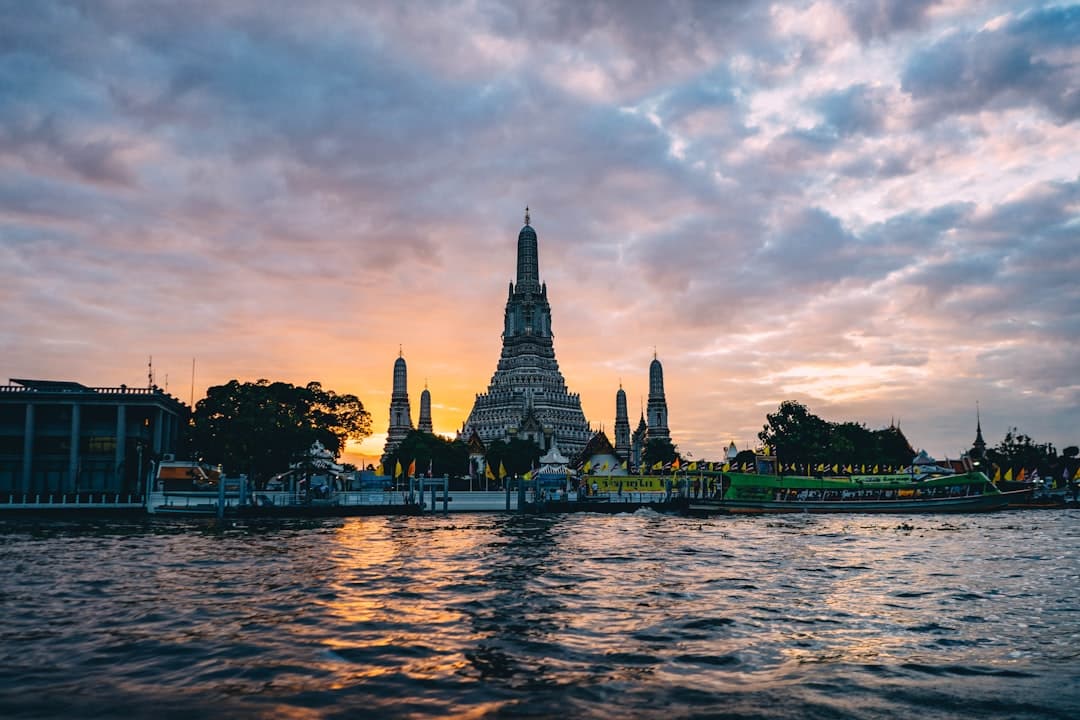
Bangkok
Thailand's sprawling capital on the Chao Phraya River, famed for glittering temples, legendary street food, canal-side history and a restless, modern energy.
Bangkok quick facts
- Best time to visit
- The best months to visit Bangkok are November to February, when it is
- Language
- Thai (Central Thai)
- Currency
- Thai Baht (THB)
- Getting around
- Metro, bus and ferry
- Suggested stay
- 4 days
- Population
- 8M
About Bangkok
Bangkok is the capital and largest city of Thailand, spread across the flat delta of the Chao Phraya River. Its old royal core on Rattanakosin Island holds the Grand Palace and some of the country's most revered temples, while the surrounding districts mix markets, shophouses, glass towers, elevated rail lines and busy expressways.
The city is a place of contrasts. Saffron-robed monks collect alms past air-conditioned malls, spirit houses sit in front of skyscrapers, and quiet canal communities survive a few minutes from major shopping avenues. The river and its canals, known historically as khlong, still shape movement and daily life in many parts of the city.
Bangkok is one of the world's great food cities, with everything from noodle carts and curry stalls to refined Thai dining. It is also hot and humid for most of the year, so most visitors plan sightseeing for early morning or late afternoon and rest in the middle of the day.
Getting around is a mix of elevated BTS Skytrain, MRT underground and rail lines, river boats, taxis, motorcycle taxis and tuk-tuks. Traffic can be heavy, so using rail and river transport where possible saves time.
Known for
- Ornate Buddhist temples and the Grand Palace, Street food and night markets, Chao Phraya River and canal life, Vibrant nightlife and shopping malls, Thai massage and traditional culture
Food in Bangkok
Thai food in Bangkok balances sweet, sour, salty, spicy and bitter flavors, and much of it is eaten casually at street stalls, open-fronted shophouse restaurants and food courts. People often eat several small meals a day, and dishes are typically shared and eaten with rice, using a fork and spoon.
The city also reflects Chinese, Indian, Muslim and regional Thai influences, so you can find central Thai curries, northeastern grilled meats and salads, southern spicy dishes and Chinese-style noodles and roast meats. Night markets and neighborhood streets are especially good for trying many things in one outing.
Fresh tropical fruit, iced drinks and desserts are everywhere. Spice levels can be strong, so it is common to ask for a dish less spicy, and condiments such as chili flakes, sugar, fish sauce and vinegar are often on the table for seasoning.
History of Bangkok
Bangkok began as a small trading settlement on the west bank of the Chao Phraya River, in the area later called Thonburi. After the fall of Ayutthaya in 1767, King Taksin established Thonburi as the capital for a short period.
In 1782 King Rama I, founder of the Chakri dynasty, moved the capital across the river to Rattanakosin Island and began building the Grand Palace and Wat Phra Kaew. Canals were dug to form a defensive moat and to serve as waterways, giving the city a reputation as the Venice of the East.
In the 19th and 20th centuries, under kings such as Rama IV and Rama V, the city modernized with roads, trams and Western-influenced buildings. Rapid growth followed in the second half of the 20th century, when the city expanded far beyond its old core and became the country's political, economic and cultural center.
Culture and etiquette
Thai society places great importance on respect, especially toward the monarchy, Buddhism and elders. Speaking disrespectfully about the royal family is illegal, so visitors should be careful in conversation and online. The traditional greeting is the wai, pressing palms together with a slight bow.
When visiting temples, dress modestly with shoulders and knees covered, and remove shoes before entering buildings. Do not point your feet at Buddha images or people, do not touch anyone's head, and women should avoid touching monks or handing things to them directly. Keep voices low in sacred spaces.
People generally value staying calm and avoiding open conflict, often described as jai yen, or a cool heart. Smiling and patience go a long way when things go wrong, and bargaining is normal at markets but should be friendly and not aggressive.
Things to do in Bangkok
What to see, where to stay and where to eat.
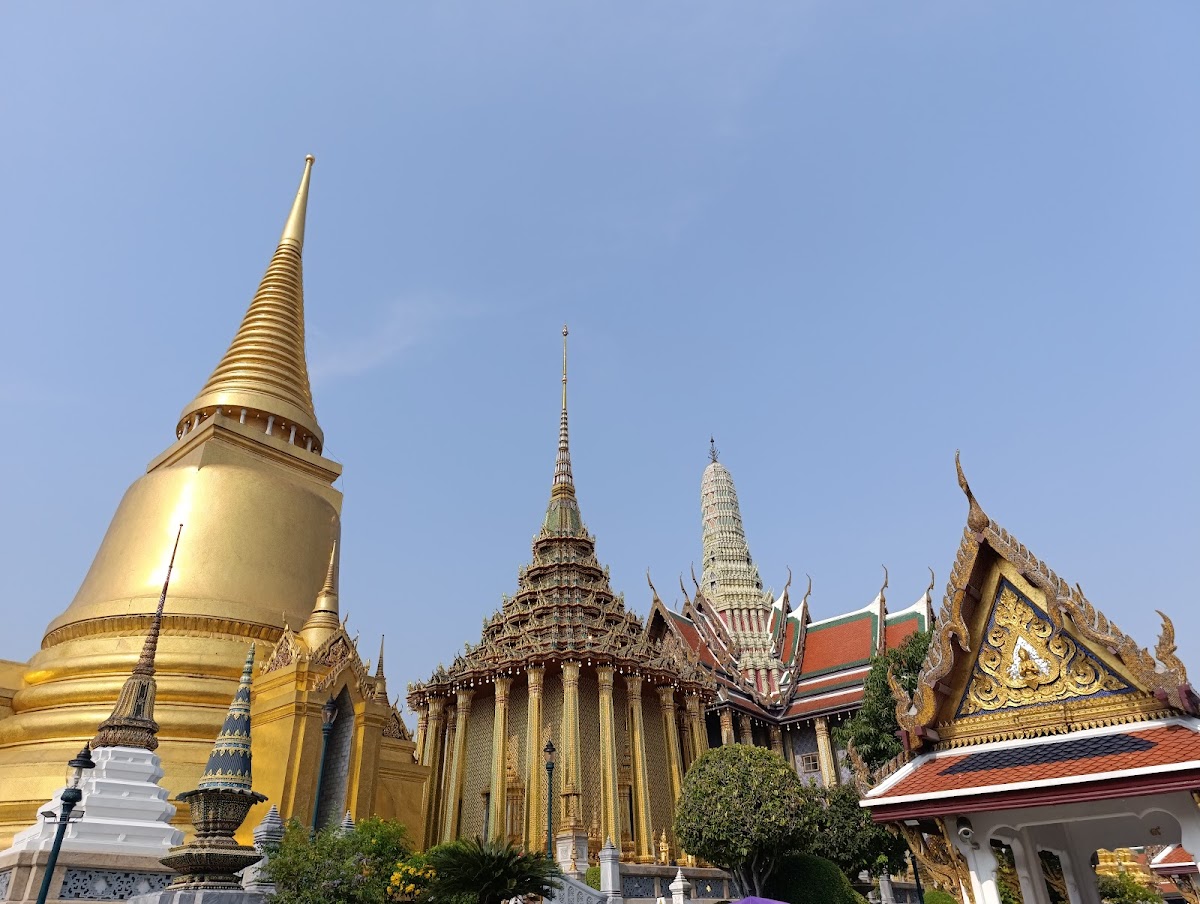
The Grand Palace
Phra Borom Maha Ratchawang, Phra Nakhon, Bangkok 10200
Built in 1782, The Grand Palace is an ornate royal palace complex located in Phra Nakhon, just 0.36 km from Bangkok's city center. The palace now houses a museum and is open to visitors, with a rating of 4.6 from over 80,000 reviews.
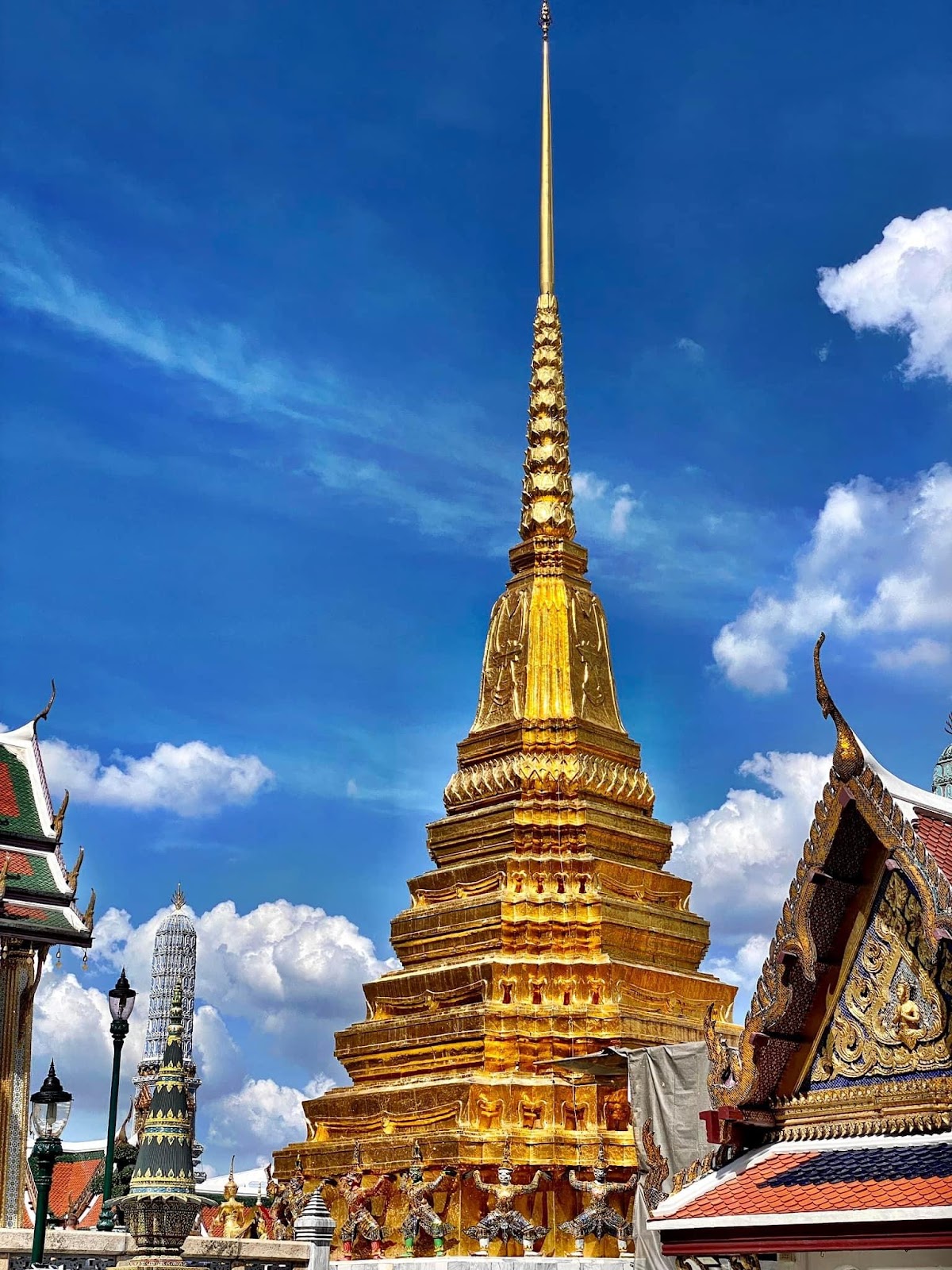
The Temple of the Emerald Buddha
Na Phra Lan Rd, Khwaeng Phra Borom Maha Ratchawang, Khet Phra Nakhon, Krung Thep Maha Nakhon 10200
Located on the grounds of the Grand Palace, this sacred Buddhist temple is renowned for its Emerald Buddha. The temple is situated on Na Phra Lan Road in the Phra Nakhon district, just 0.13 km from Bangkok's city center. It holds a rating of 4.7 stars based on nearly 44,000 visitor reviews.
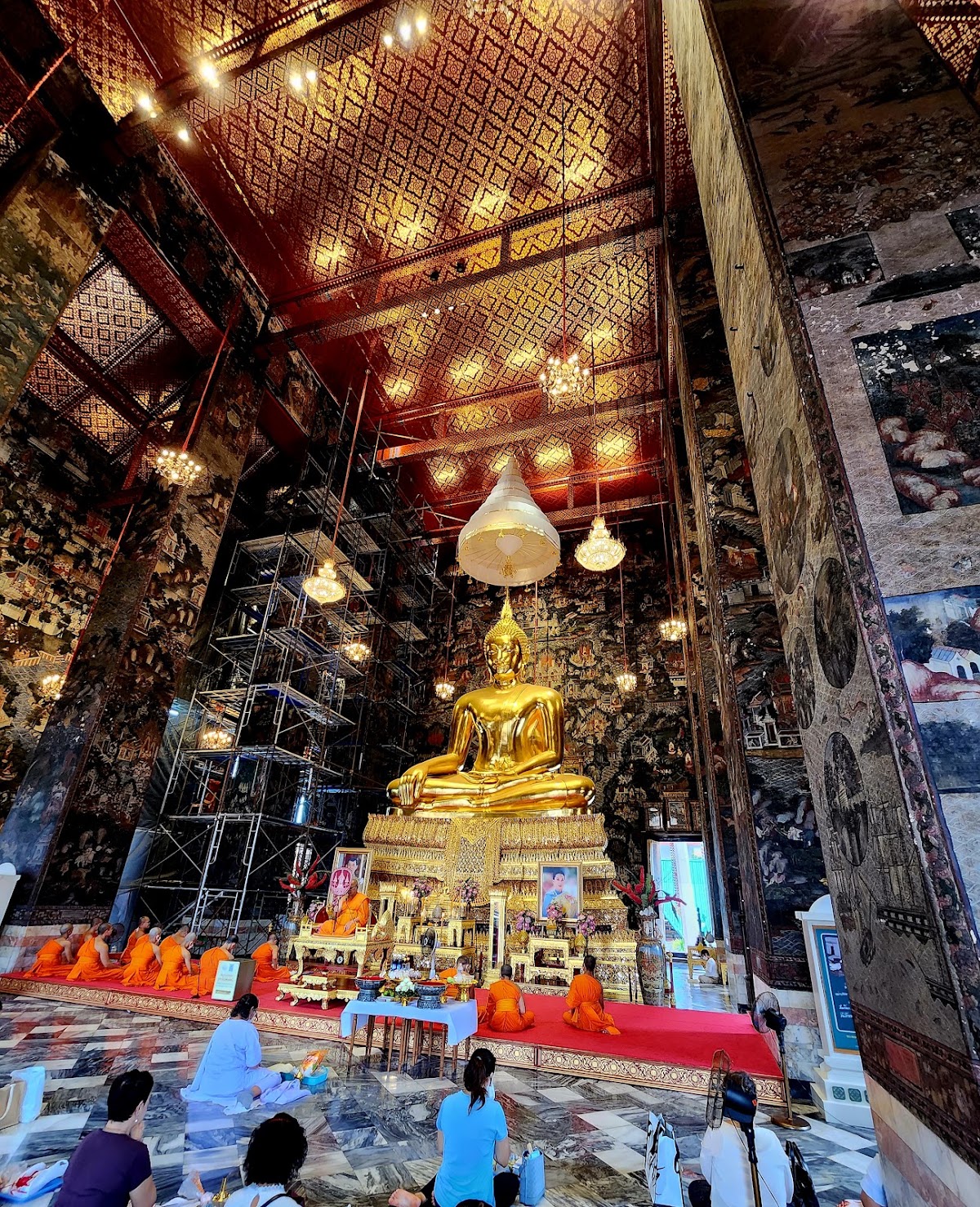
The Giant Swing
QG22+PGF, Dinso Rd, แขวง บางขุนพรหม, Khet Phra Nakhon, Krung Thep Maha Nakhon 10200
The Giant Swing is a landmark monument consisting of a tall, scarlet frame that overlooks a 19th-century Buddhist temple. Located less than a kilometer from Bangkok's city center, it is a notable tourist attraction in the Phra Nakhon district. The site has a rating of 4.6 stars from over 4,000 visitor reviews.
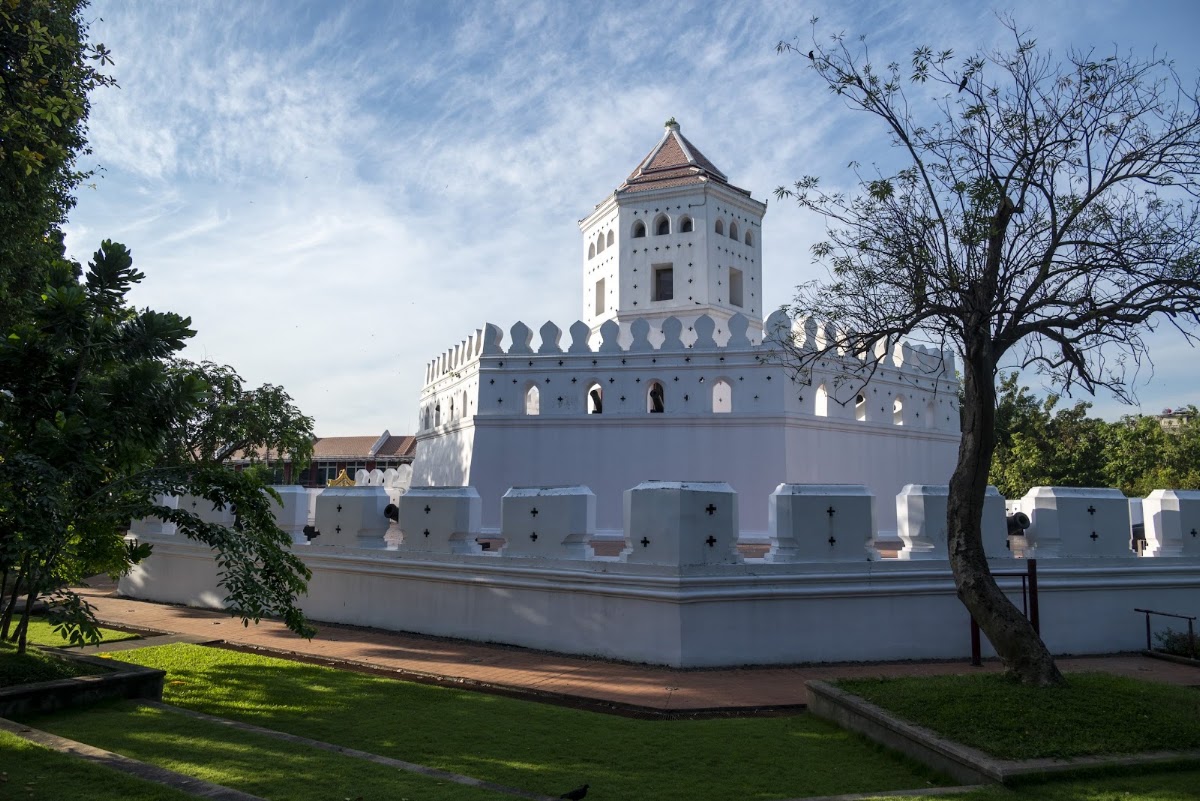
Phra Sumen Fort
QF7W+H7W, Thanon Phra Athit, Khwaeng Chana Songkhram, Khet Phra Nakhon, Krung Thep Maha Nakhon 10200
Phra Sumen Fort is a riverfront fort built in 1783 featuring an octagonal bunker and white exterior, located in a small park. The fort is a historical landmark situated 1.3 kilometers from Bangkok's city center.
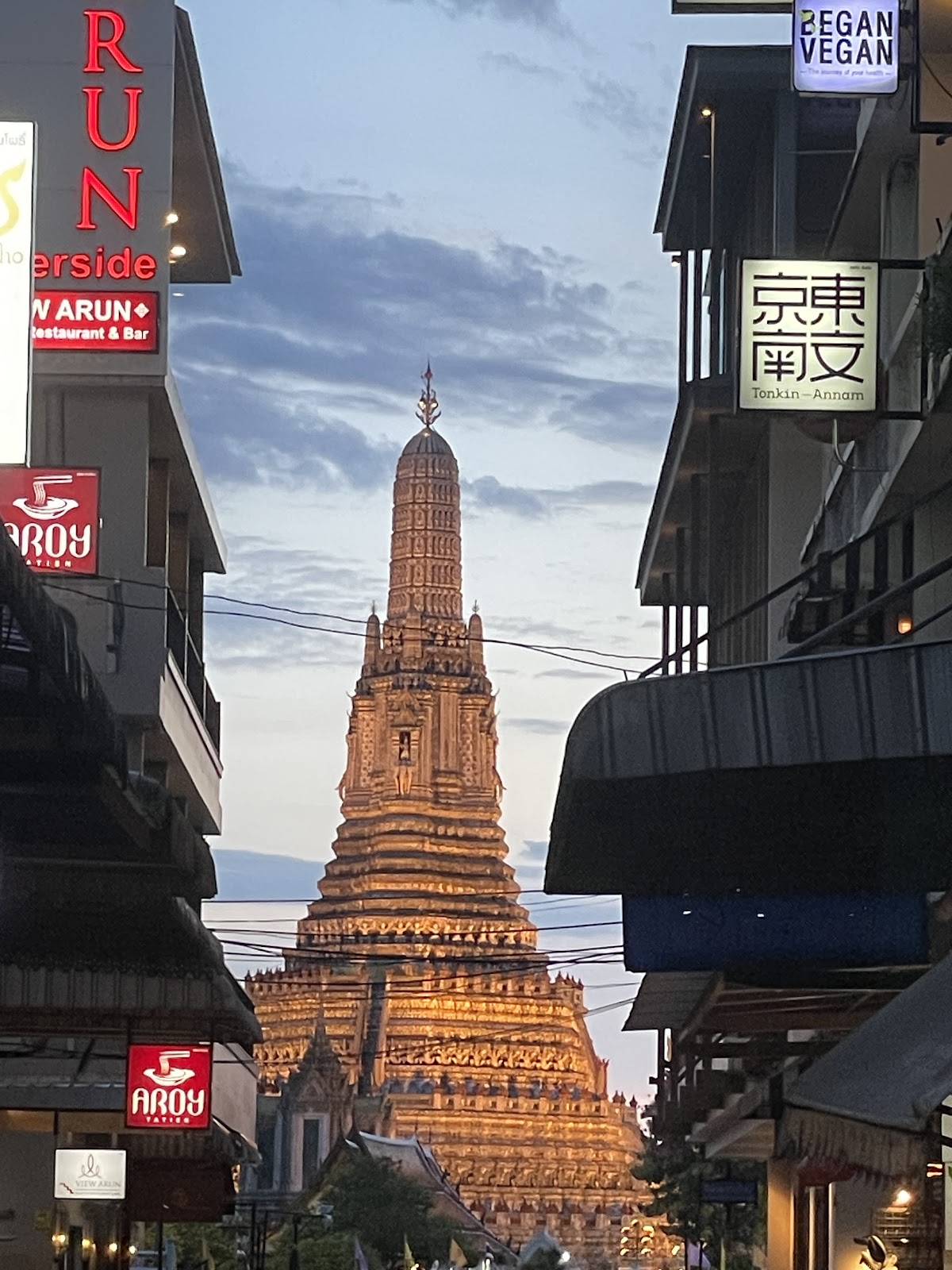
Wat Arun Viewing Point
89 Thanon Maha Rat, Khwaeng Phra Borom Maha Ratchawang, Khet Phra Nakhon, Krung Thep Maha Nakhon 10200
Wat Arun Viewing Point is a tourist attraction located in the Phra Nakhon district, 0.89 km from Bangkok's city center. The venue offers views of the area and has a rating of 4.6 stars based on 696 visitor reviews.
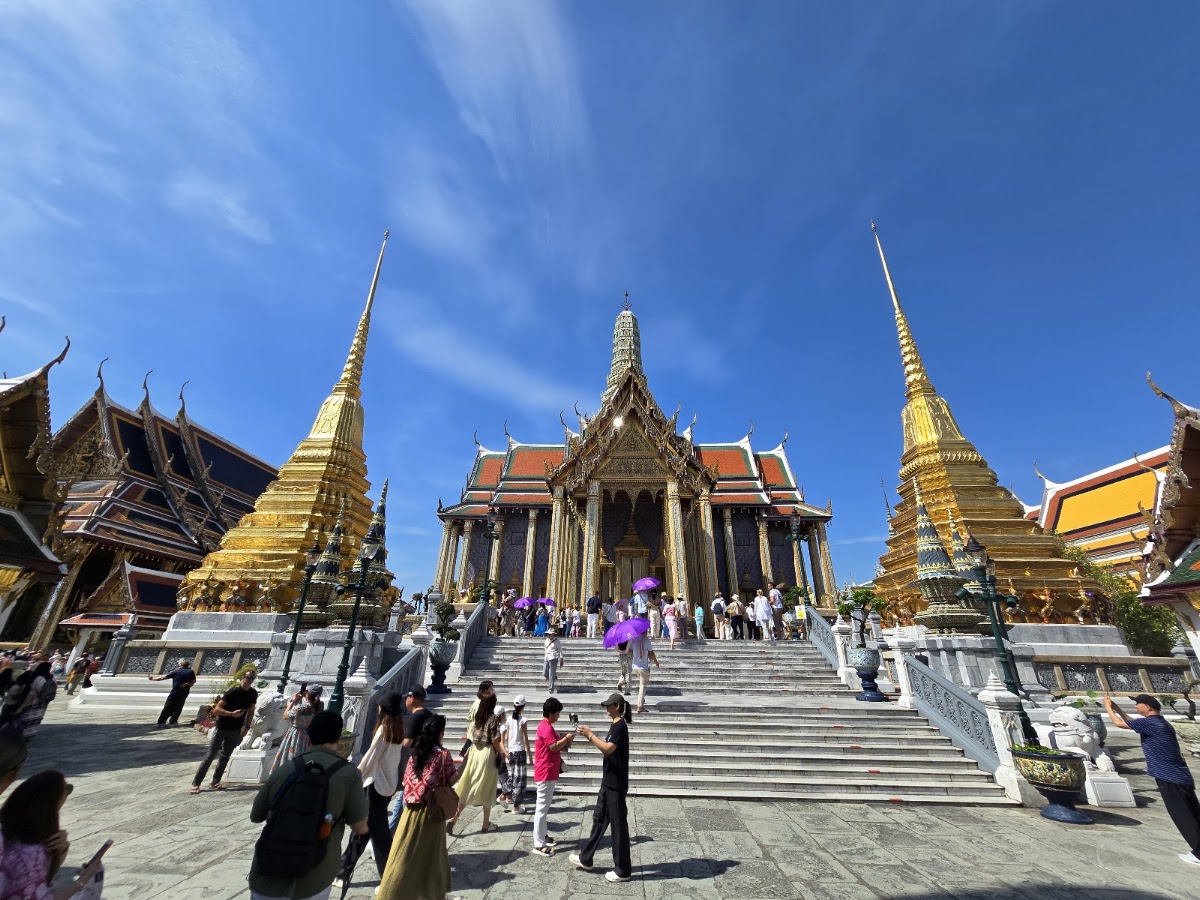
Grand Palace
PFXR+XJ5, Phra Borom Maha Ratchawang, Phra Nakhon, Bangkok 10200
The Grand Palace is a major tourist attraction located in the Phra Nakhon district, just 0.35 km from Bangkok's city center. With a rating of 4.5 stars from 252 reviews, it draws visitors interested in experiencing one of Thailand's most significant landmarks.
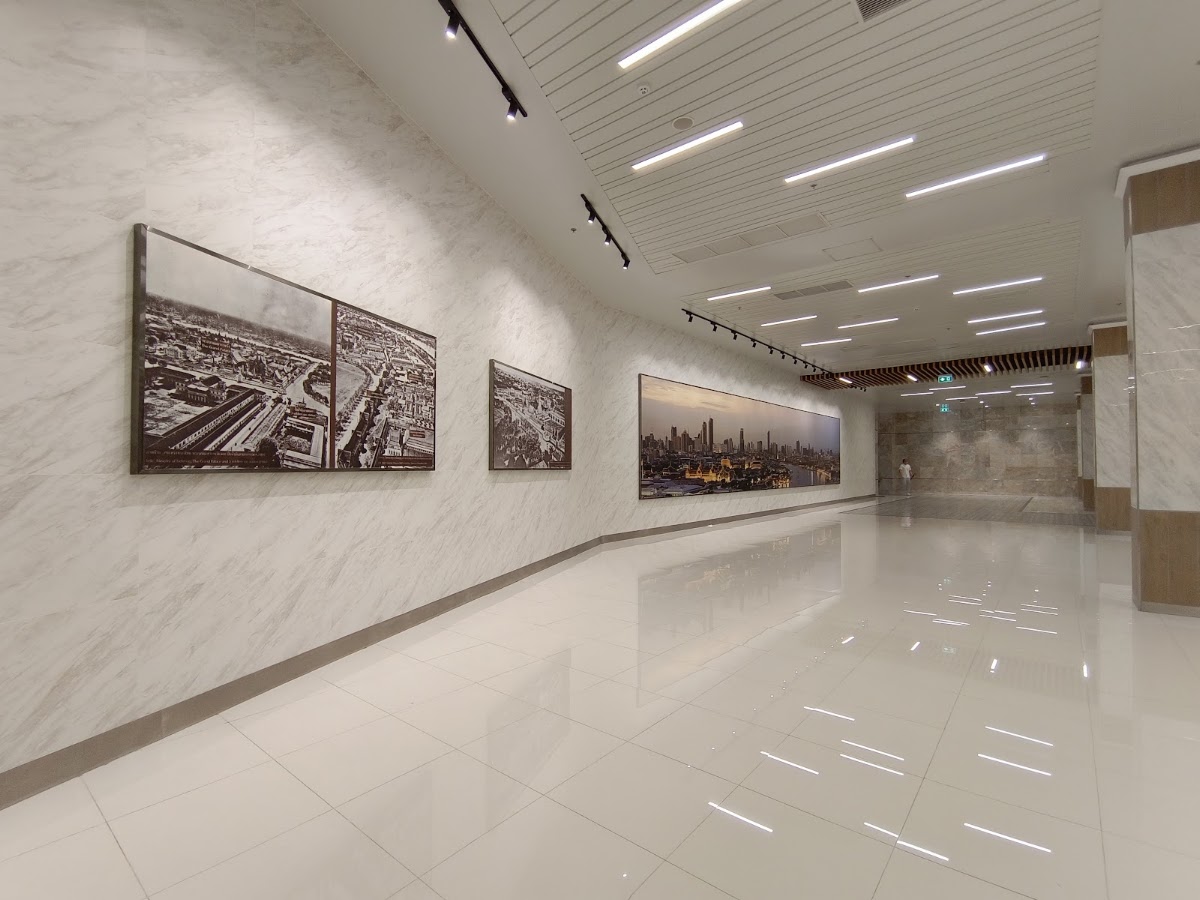
Na Phra Lan Tunnel Gate 1
QF3R+7P8, Na Phra Lan Rd, Khwaeng Phra Borom Maha Ratchawang, Khet Phra Nakhon, Krung Thep Maha Nakhon 10200
Na Phra Lan Tunnel Gate 1 is a tourist attraction located in the Phra Nakhon district, just 0.2 km from Bangkok's city center. It has a strong rating of 4.7 stars based on 225 reviews from visitors.
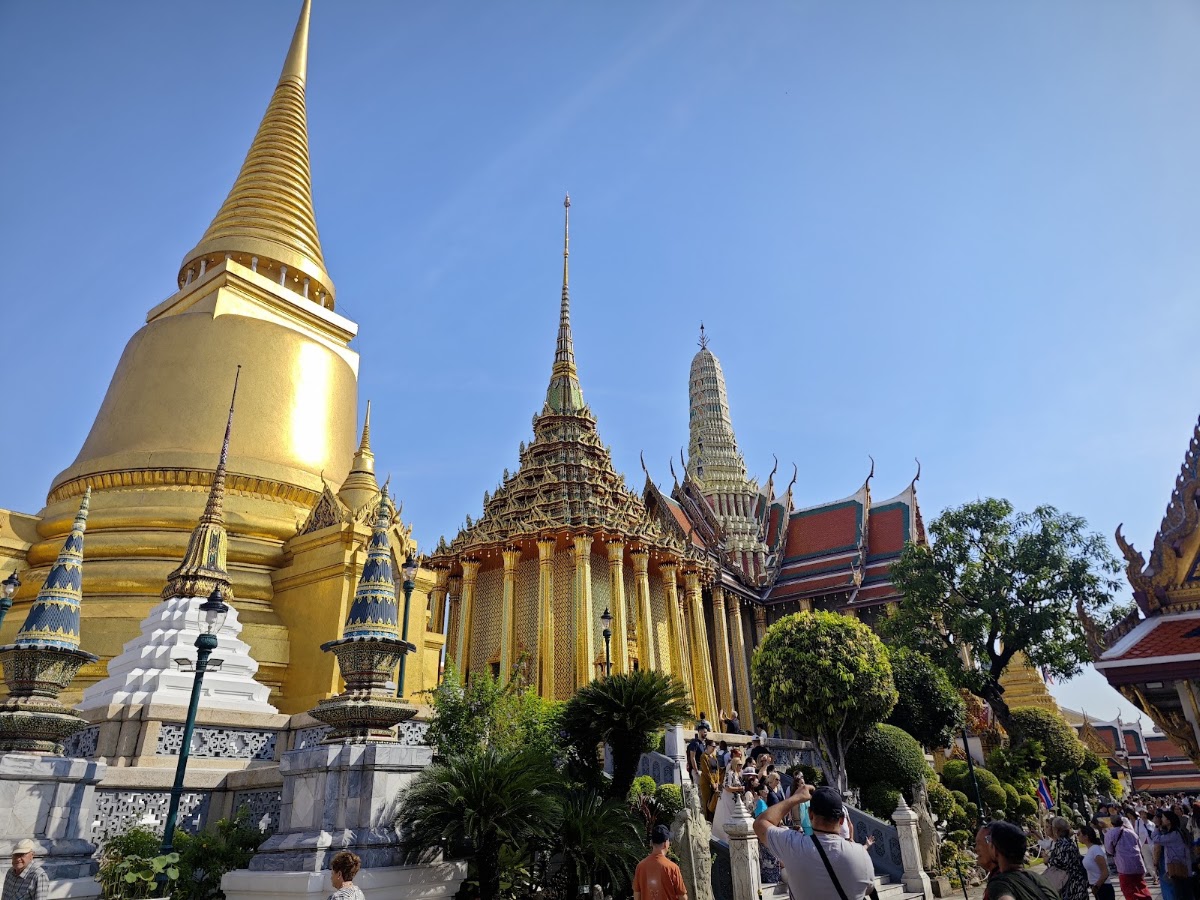
Phiman Rattaya Throne Hall
200 Thanon Maha Rat, Khwaeng Phra Borom Maha Ratchawang, Khet Phra Nakhon, Krung Thep Maha Nakhon 10200
Phiman Rattaya Throne Hall is a historical landmark and tourist attraction located in the Phra Nakhon district, just 0.44 km from Bangkok's city center. The venue holds a 4.6-star rating based on 82 reviews from visitors.
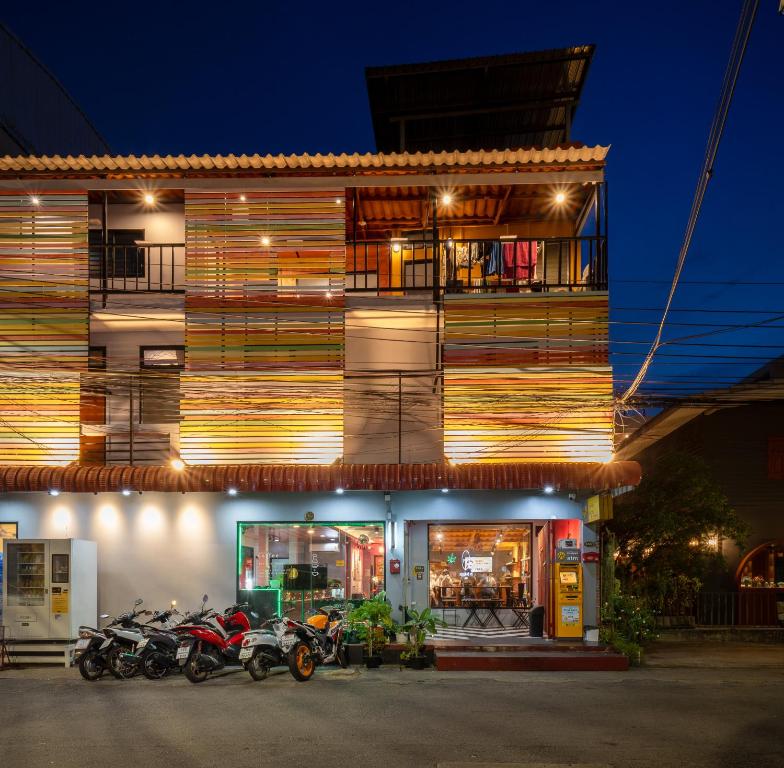
OH Hostels - Bangkok
Hostel107 Soi Samsen 4, Khwaeng Ban Phan Thom, Khet Phra Nakhon, Krung Thep Maha Nakhon 10200
OH Hostels - Bangkok is a hostel located in the Phra Nakhon district, 1.45 kilometers from Bangkok's city center. The property features a coffee shop and cafe on-site, and has a rating of 4.6 based on 2460 reviews.
Check prices on Booking.com for OH Hostels - Bangkok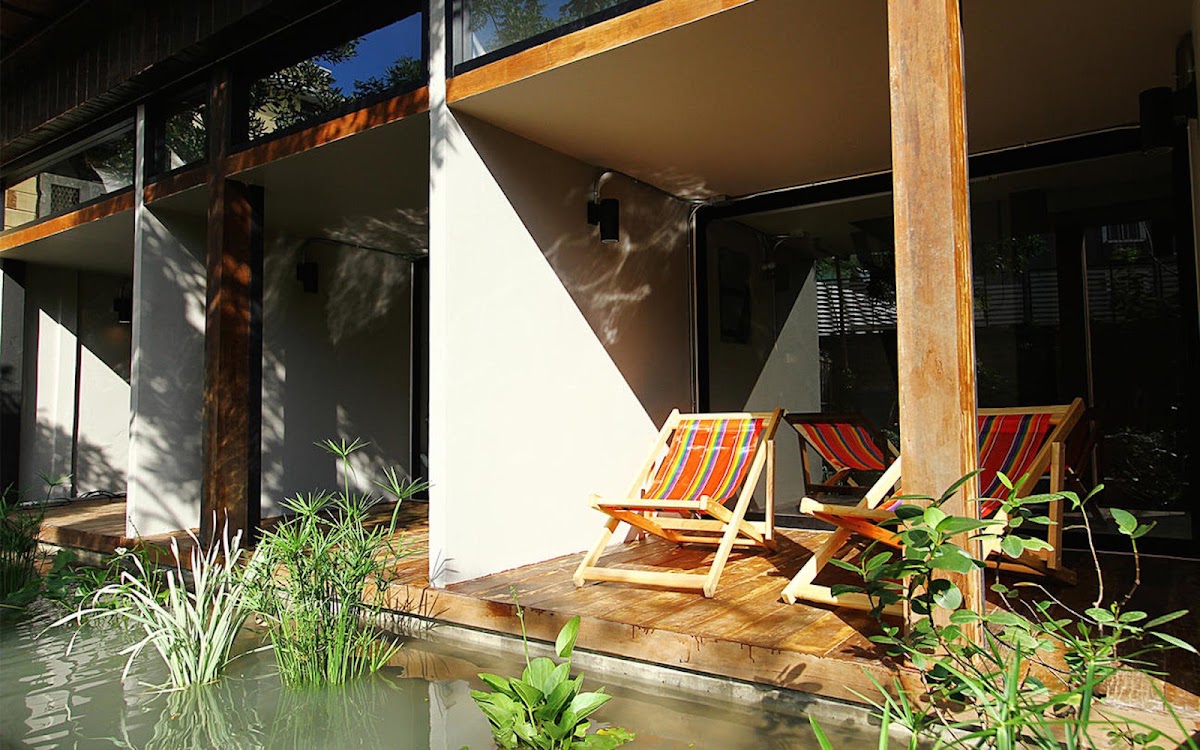
Here Hostel Bangkok
Hostel196/3-14 Soi Damnoen Klang Tai, Khwaeng Wat Bowon Niwet, Khet Phra Nakhon, Krung Thep Maha Nakhon 10200
Here Hostel Bangkok is a laid-back hostel offering simple dorms and private rooms with complimentary breakfast included. Located just 1.15 km from Bangkok's city center in the Wat Bowon Niwet area, it has a rating of 4.6 stars based on over 700 guest reviews.
Check prices on Booking.com for Here Hostel Bangkok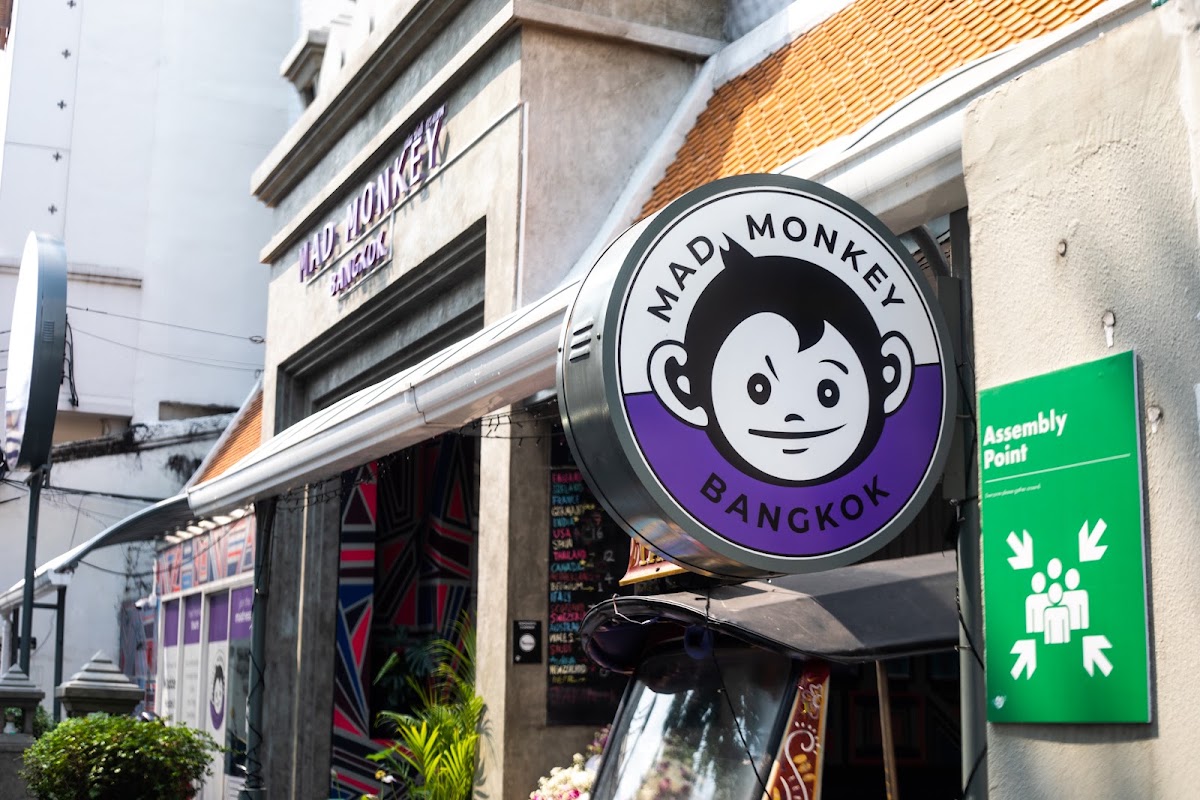
Mad Monkey Bangkok
Hostel55 Thanon Phra Sumen, Khwaeng Chana Songkhram, Khet Phra Nakhon, Krung Thep Maha Nakhon 10200
Mad Monkey Bangkok is a laid-back budget hostel located 1.25 km from the city center, offering unassuming rooms and dorms. The hostel features an on-site restaurant, bar, and pool for guests to enjoy.
Check prices on Booking.com for Mad Monkey Bangkok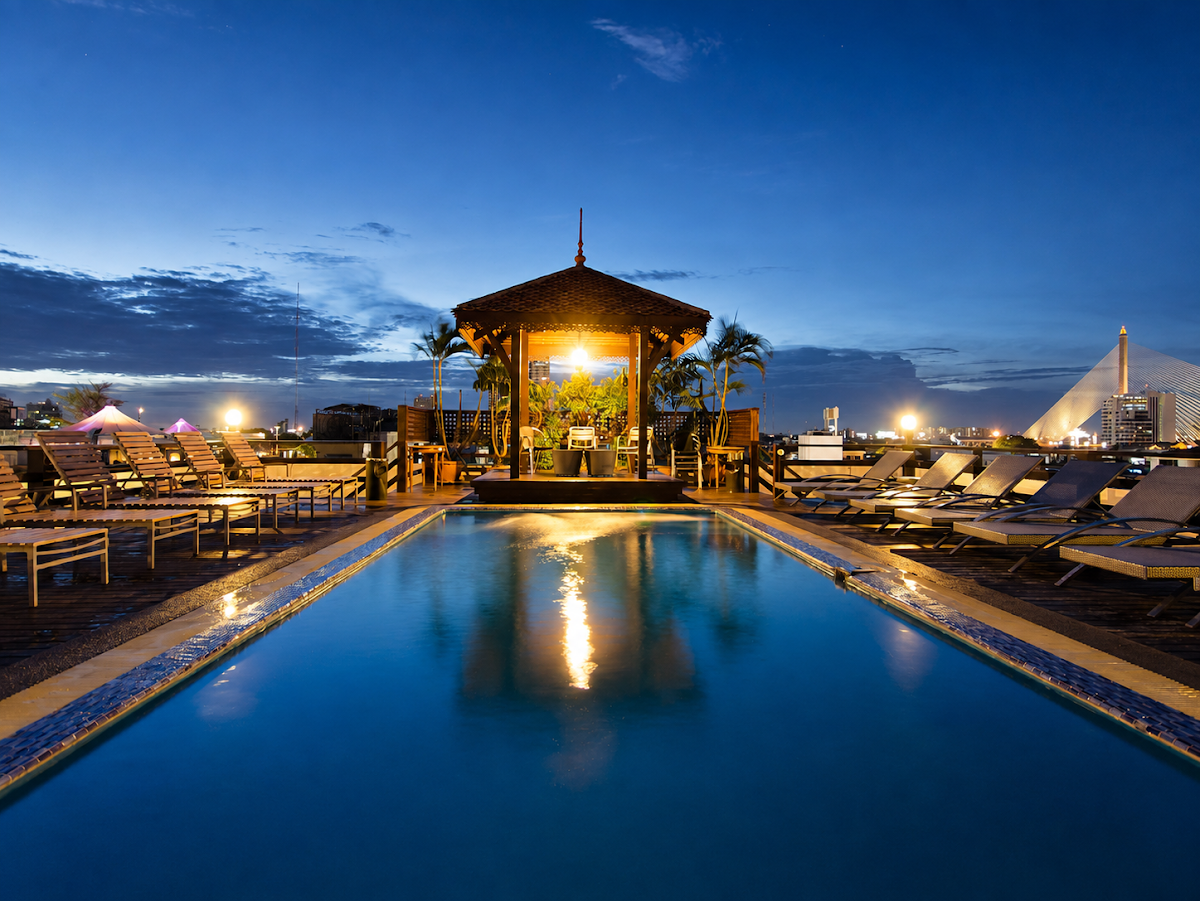
Khaosan Palace
Hotel139 Thanon Khao San, Khwaeng Talat Yot, Khet Phra Nakhon, Krung Thep Maha Nakhon 10200
Khaosan Palace is a hotel located on Khao San Road, 0.83 km from Bangkok's city center. The property features colorful rooms, a restaurant, a rooftop outdoor pool, and a bar. It has a rating of 3.7 stars based on over 2,000 reviews.
Check prices on Booking.com for Khaosan Palace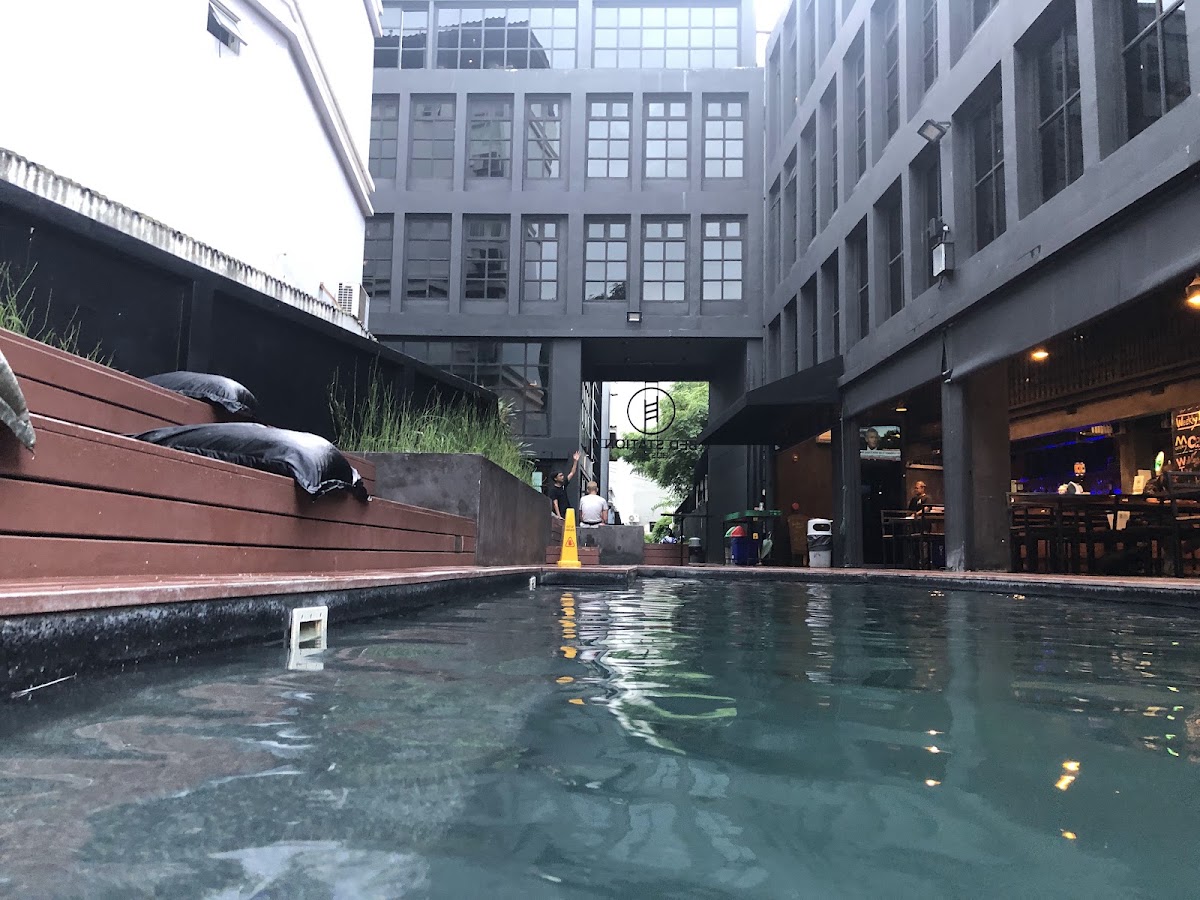
BED STATION HOSTEL KHAO SAN
Hostel80, 80/1 Thanon Tani, Khwaeng Talat Yot, Khet Phra Nakhon, Krung Thep Maha Nakhon 10200
BED STATION HOSTEL KHAO SAN is a hip hostel located 1 km from Bangkok's city center, offering unfussy dorms along with a casual restaurant and bar. The property features an outdoor pool and provides free Wi-Fi to guests.
Check prices on Booking.com for BED STATION HOSTEL KHAO SAN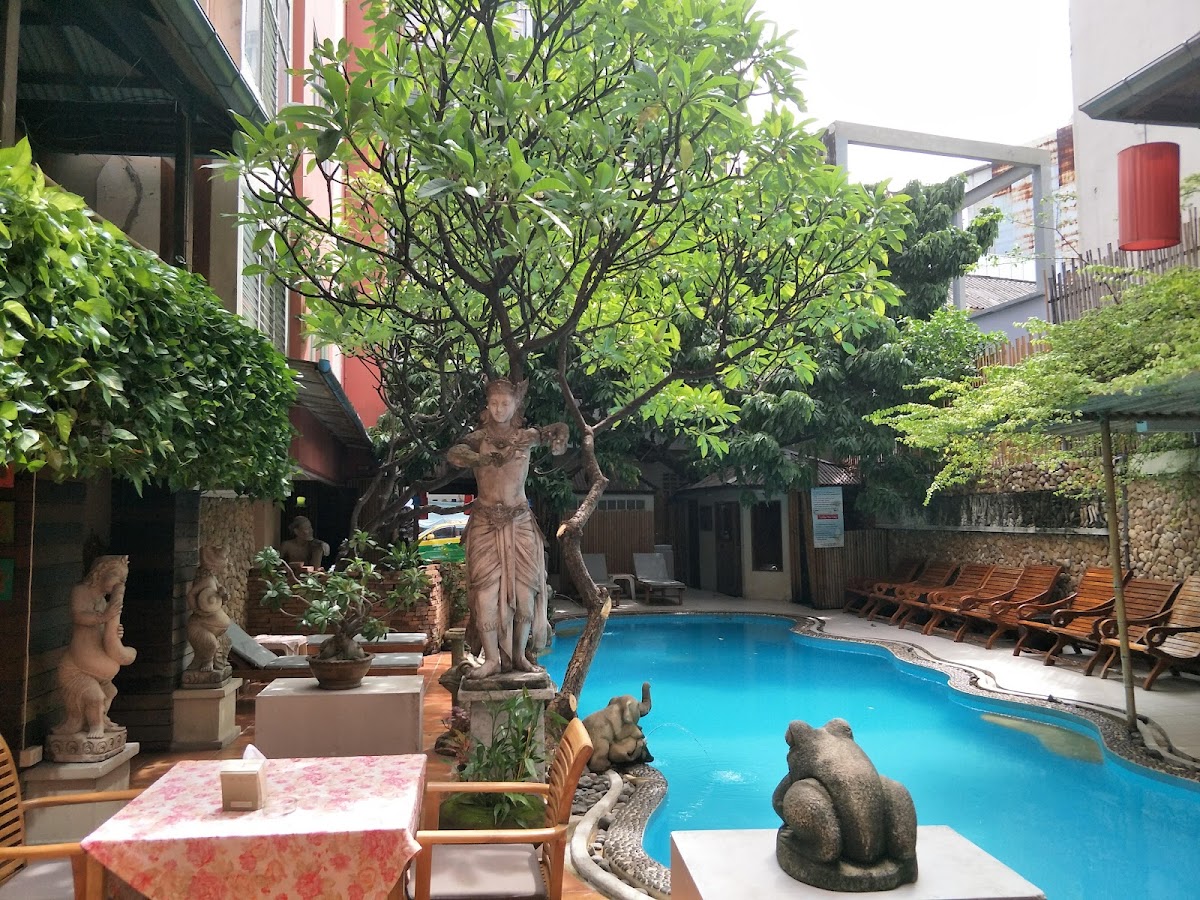
Villa Cha Cha Banglamphu Hotel
Hotel36 1 Thanon Tani, Khwaeng Talat Yot, Khet Phra Nakhon, Krung Thep Maha Nakhon 10200
Villa Cha Cha Banglamphu Hotel is a stylish hotel located just over 1 km from Bangkok's city center, offering simple quarters with an outdoor pool. The property features 24-hour dining and a casual bar for guests to enjoy.
Check prices on Booking.com for Villa Cha Cha Banglamphu Hotel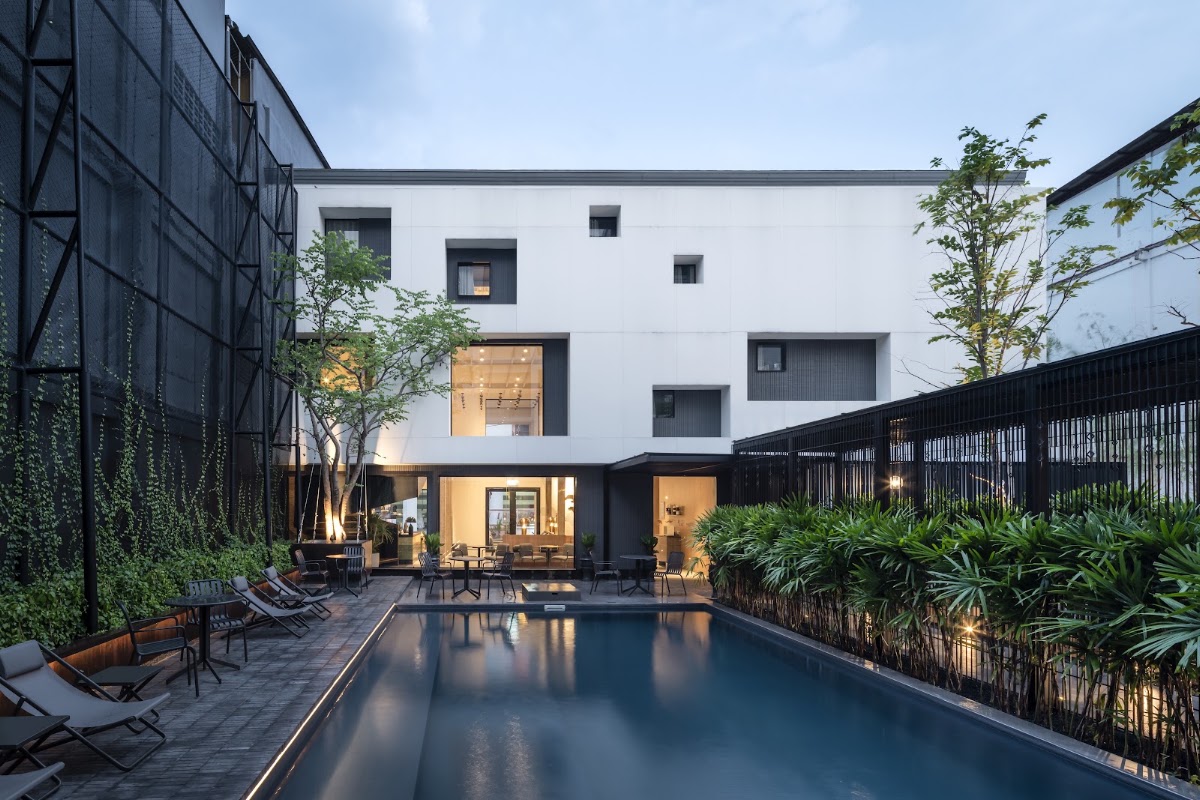
Lilit Bang Lumphu Hotel - Bangkok
Hostel55/8 Trok Soi Ban, ซอย พานถม แขวงบ้านพานถม เขตพระนคร กรุงเทพมหานคร 10200
Lilit Bang Lumphu Hotel is located 1.32 kilometers from Bangkok's city center in the Phra Nakhon district. The property functions as a hotel and hostel with an on-site restaurant offering halal options. It has a rating of 4.6 stars based on 789 reviews.
Check prices on Booking.com for Lilit Bang Lumphu Hotel - Bangkok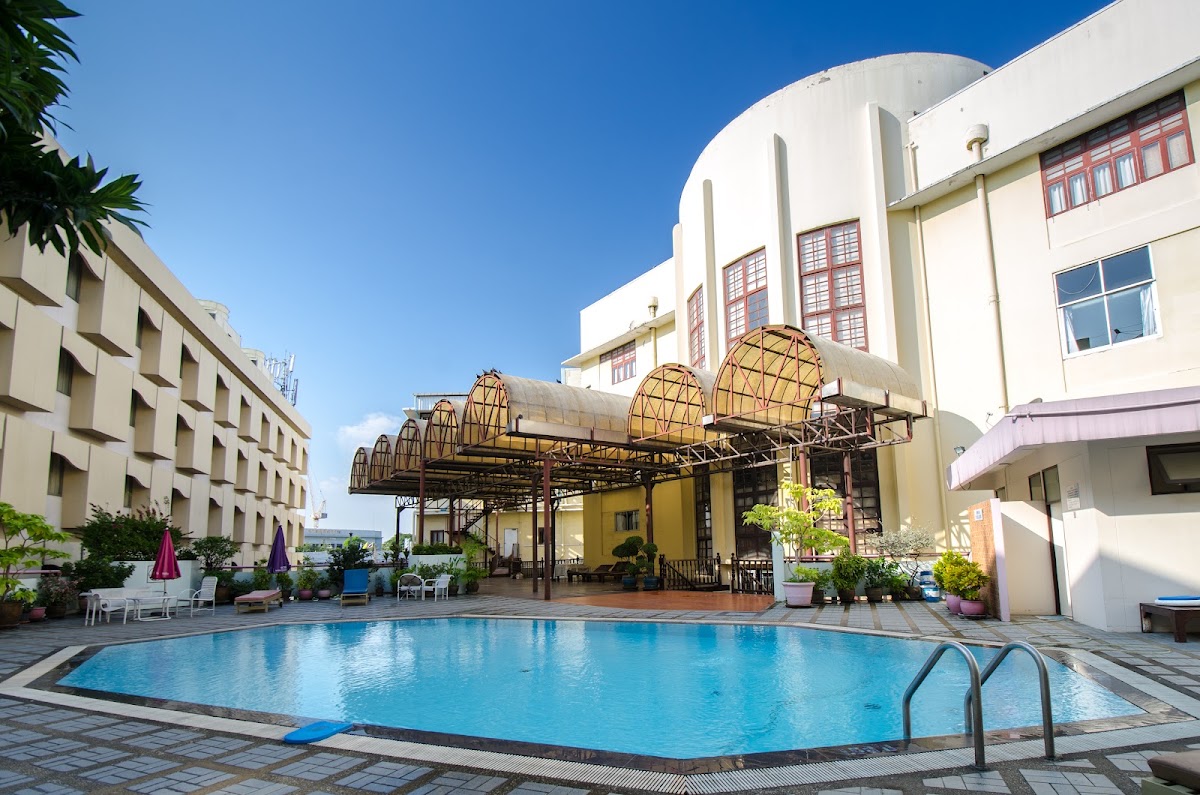
Royal Rattanakosin Hotel
Hotel2 Thanon Ratchadamnoen Klang, Khwaeng Wat Bowon Niwet, Khet Phra Nakhon, Krung Thep Maha Nakhon 10200
Royal Rattanakosin Hotel is a laid-back lodging offering streamlined rooms and suites located 0.56 km from Bangkok's city center. The hotel features an on-site restaurant, bar, and outdoor pool. It holds a rating of 3.8 stars based on nearly 4,000 guest reviews.
Check prices on Booking.com for Royal Rattanakosin Hotel
Tea Leaf Restaurant (Myanmar Food)
Rated 5.0120 Thanon Khao San, Khwaeng Talat Yot, Khet Phra Nakhon, Krung Thep Maha Nakhon 10200
Tea Leaf Restaurant is a family restaurant serving Myanmar food, located on Thanon Khao San in central Bangkok, less than 1 km from the city center. The restaurant has a perfect 5-star rating based on customer reviews.
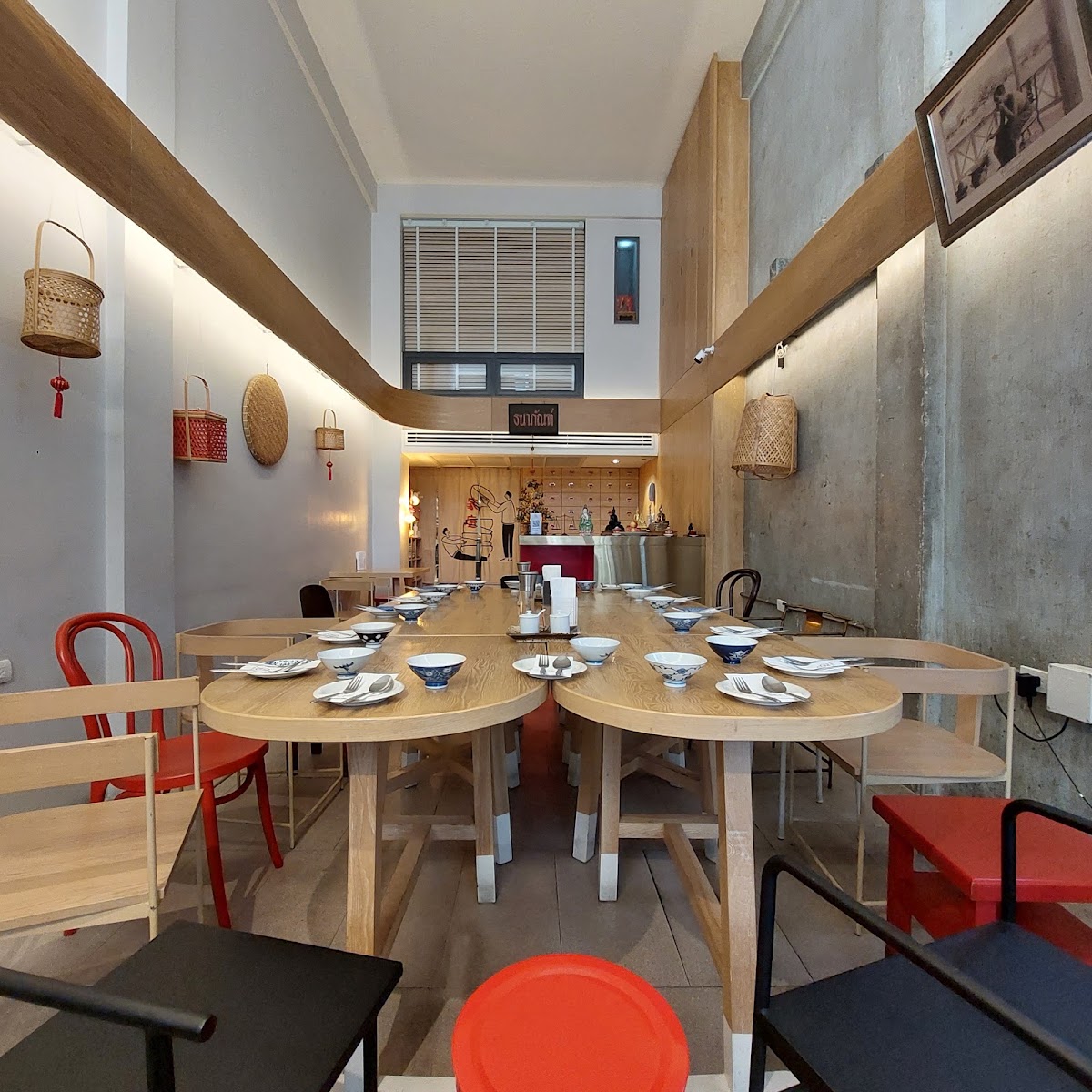
TANA (ธนา)
Price $$Rated 4.9117 Thanon Maha Rat, Khwaeng Phra Borom Maha Ratchawang, Khet Phra Nakhon, Krung Thep Maha Nakhon 10200
TANA is a restaurant located on Thanon Maha Rat in the Phra Nakhon district, less than 1 kilometer from Bangkok's city center. It has a rating of 4.9 stars based on 910 reviews and offers moderately priced dining.
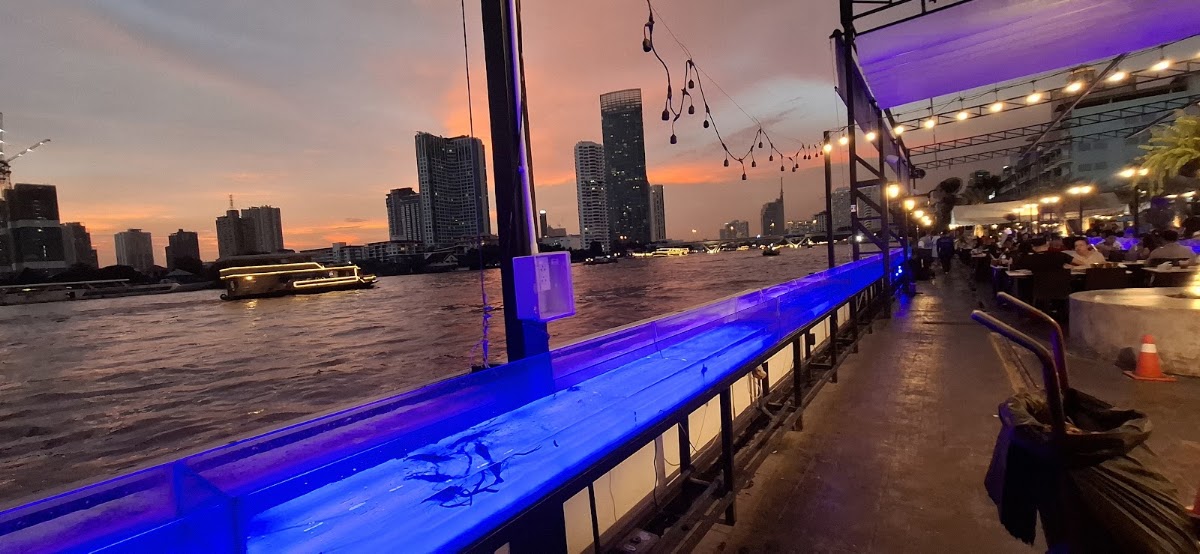
Kodtalay The Riverfront Seafood Buffet
SeafoodPrice $$Rated 4.911, 3 Soi Charoen Krung 58, Khwaeng Yan Nawa, Khet Sathon, Krung Thep Maha Nakhon 10120
Kodtalay The Riverfront Seafood Buffet is a seafood restaurant located in the Sathon area of Bangkok, approximately 4.6 kilometers from the city center. With a rating of 4.9 stars from nearly 60,000 reviews, it offers affordable dining at a moderate price level.
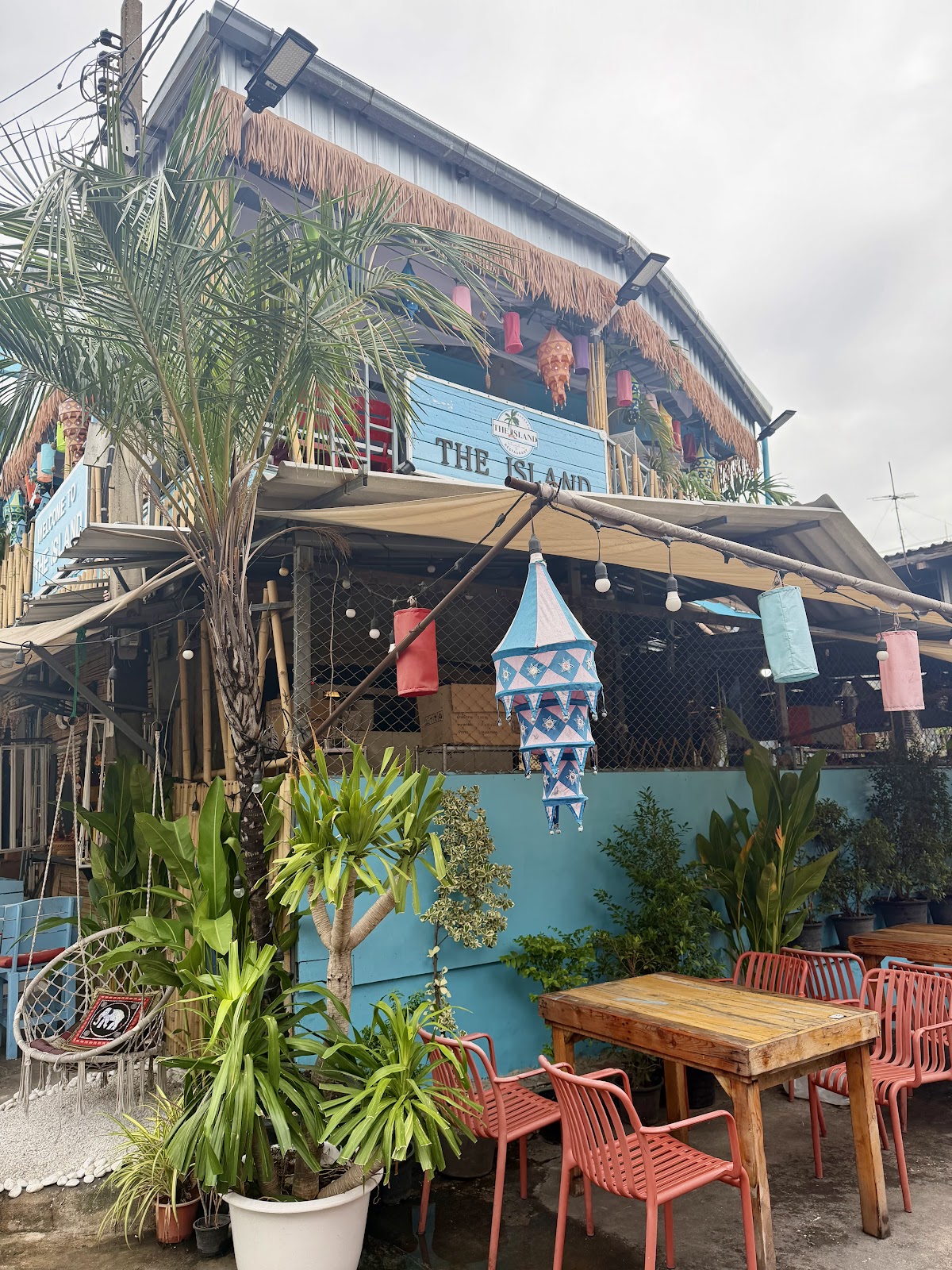
The Island Bangkok
ThaiPrice $$Rated 4.949 Soi Samsen 4, Khwaeng Ban Phan Thom, Khet Phra Nakhon, Krung Thep Maha Nakhon 10200
The Island Bangkok is a Thai restaurant located in the Phra Nakhon district, just 1.4 km from the city center. The venue serves Thai cuisine and also offers cocktails, breakfast, vegan options, and Asian dishes in a family-friendly setting. With a rating of 4.9 from over 18,000 reviews, it is a highly popular destination.
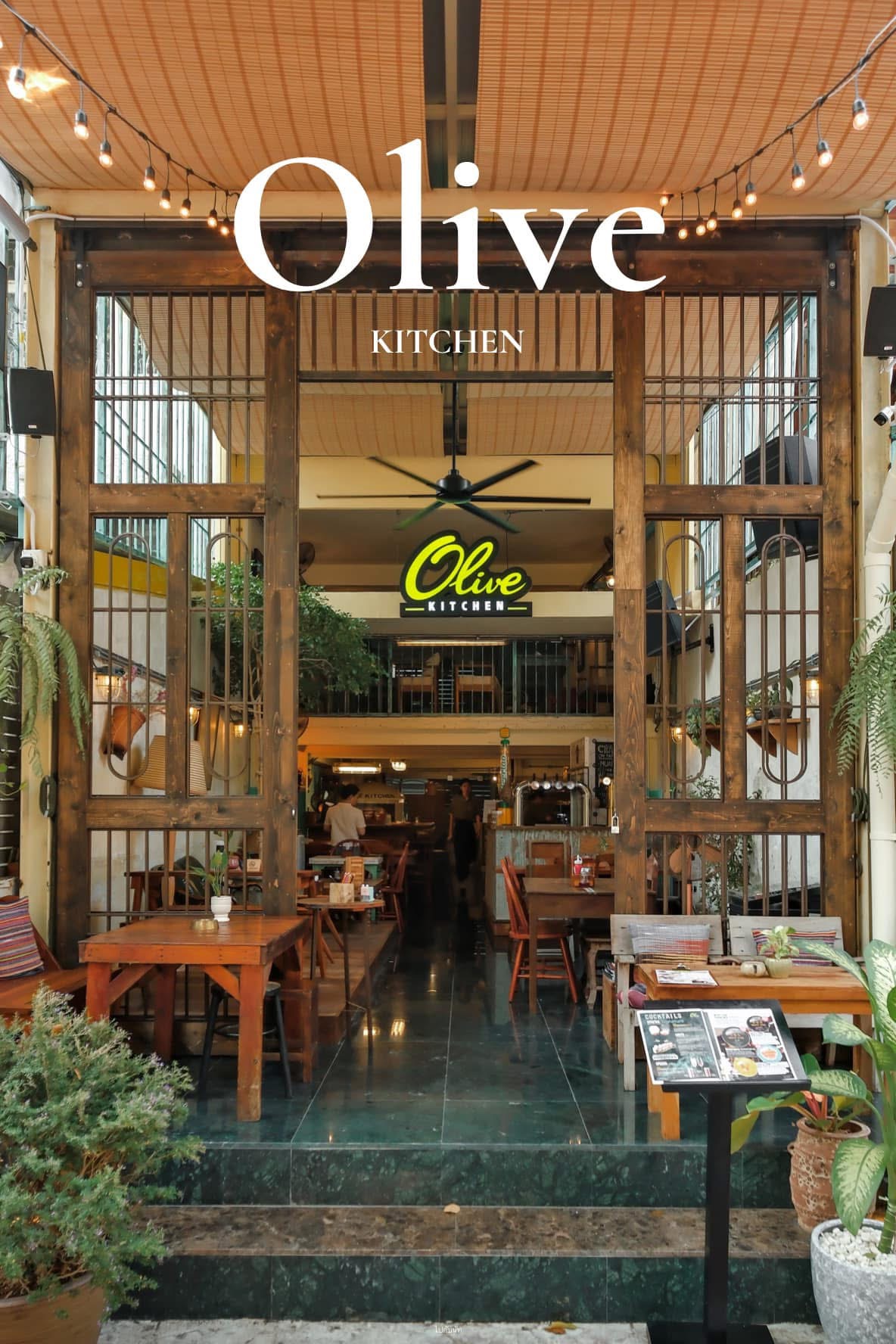
Olive Kitchen - Khaosan
Price $$Rated 4.828/10, 10 Trok Bowonrangsi, Khwaeng Chana Songkhram, Khet Phra Nakhon, Krung Thep Maha Nakhon 10200
Olive Kitchen - Khaosan is a restaurant located in the Phra Nakhon district, less than 1 km from Bangkok's city center. The venue serves Thai cuisine and offers breakfast, brunch, pizza, and bar service with a rating of 4.8 stars from over 3,100 reviews.
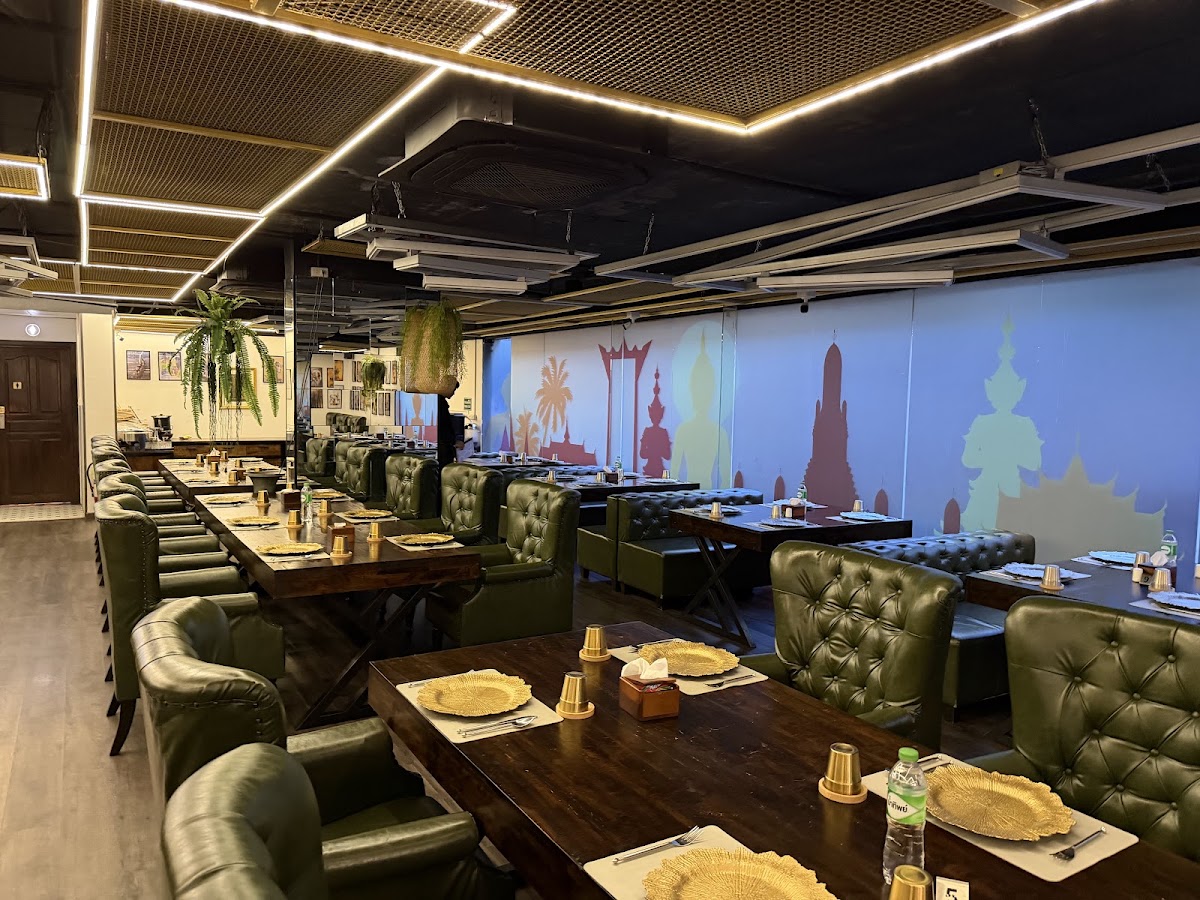
Saffron Restaurant Bangkok
IndianPrice $$Rated 4.822/22, ground floor, Citadines Hotel, Soi Sukhumvit 11, Khwaeng Khlong Toei Nuea, Watthana, Krung Thep Maha Nakhon 10110
Saffron Restaurant Bangkok is an Indian restaurant located on the ground floor of Citadines Hotel in the Sukhumvit area, approximately 7 kilometers from Bangkok's city center. The venue also functions as a lounge bar and night club, and serves European cuisine alongside its Indian offerings. With a rating of 4.8 stars from over 1,500 reviews, it offers moderate pricing.
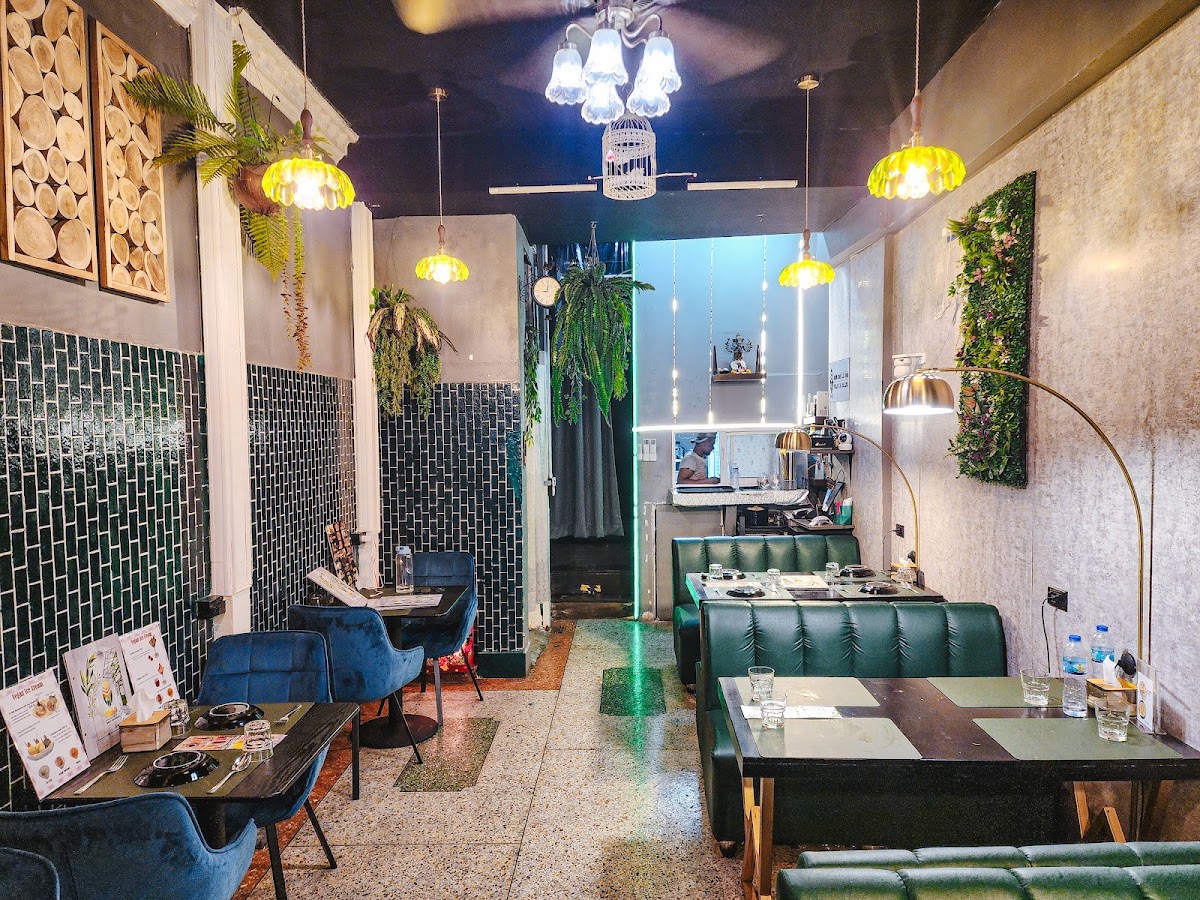
VILLA Veg & Vegan Indian Restaurant
VegetarianPrice $$Rated 4.8147 Thanon Tanao, Khwaeng Wat Bowon Niwet, Khet Phra Nakhon, Krung Thep Maha Nakhon 10200
VILLA Veg & Vegan Indian Restaurant is a vegetarian Indian restaurant located in the Phra Nakhon district of Bangkok, approximately 0.86 km from the city center. The restaurant has a 4.8 rating based on 483 reviews and is in the budget-friendly price range.
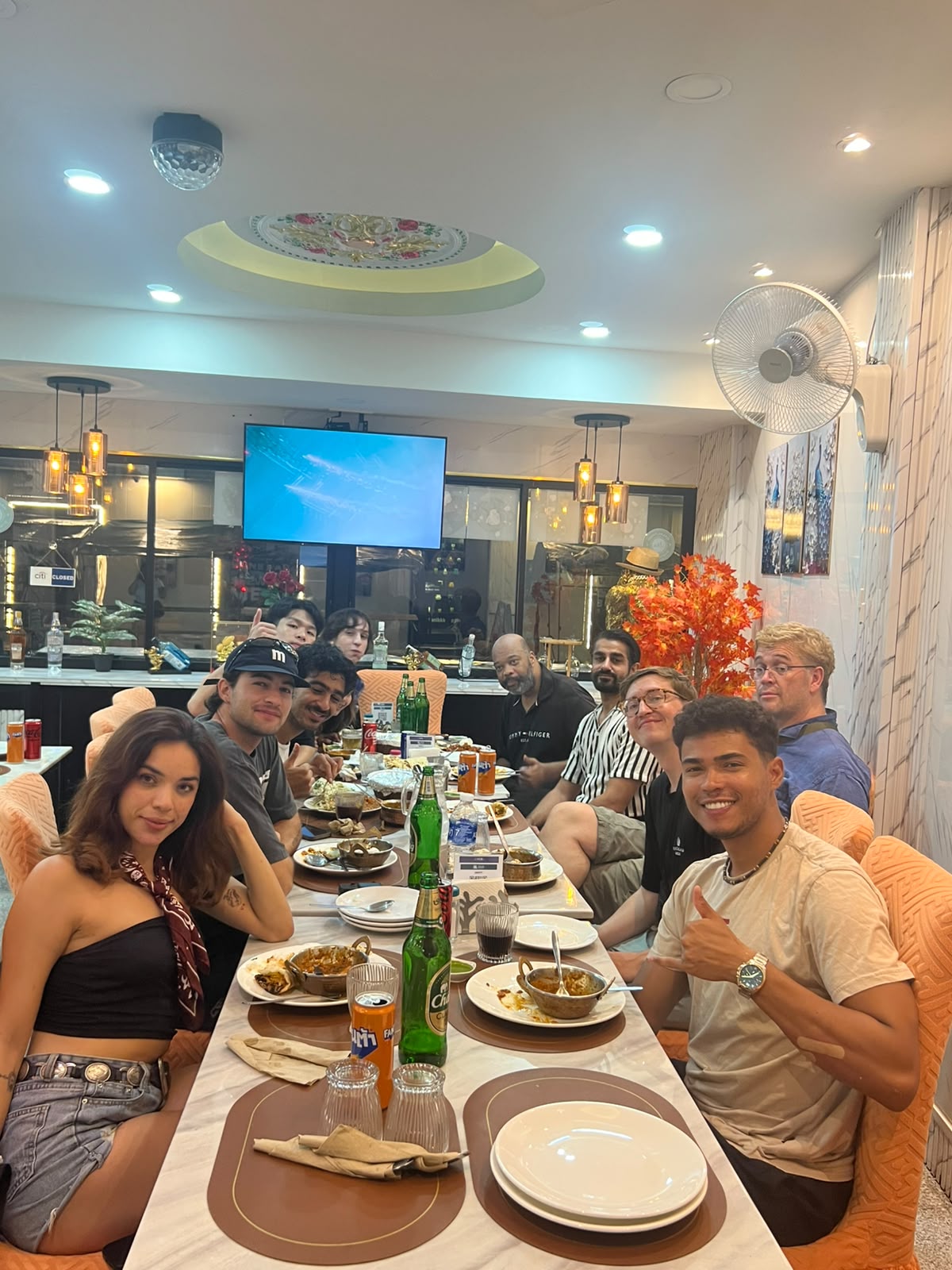
Delight Indian Restaurant @khao san
IndianPrice $$Rated 4.828, Opposite to The Gravitique Hotel Opposite to NapPark Hostel, 30 19 Thanon Tani, Khwaeng Talat Yot, Khet Phra Nakhon, Krung Thep Maha Nakhon 10200
Delight Indian Restaurant is located on Thanon Tani in the Khao San area, opposite The Gravitique Hotel and NapPark Hostel. The restaurant has a 4.8 rating based on 360 reviews and offers affordable dining with a price level of 2 out of 4.
What things cost in Bangkok
Typical prices. Estimates only: prices vary by season and neighborhood.
| Hostel dorm bedTypically 250-700 THB. Per bed in a dormitory, depending on location and season. | THB 250 – THB 700 |
|---|---|
| Budget hotel roomTypically 700-1800 THB. Simple private room, often with air conditioning. | THB 700 – THB 1,800 |
| Mid-range hotel roomTypically 2000-5000 THB. Comfortable central hotel, with higher rates in peak season. | THB 2,000 – THB 5,000 |
| Luxury hotel roomTypically 6000-20000 THB. Five-star and riverside properties, with top hotels costing more. | THB 6,000 – THB 20,000 |
| Street food snackTypically 40-100 THB. A single dish from a street stall or market vendor. | THB 40 – THB 100 |
|---|---|
| CoffeeTypically 60-150 THB. Cafe coffee, with international chains and specialty shops at the higher end. | THB 60 – THB 150 |
| Local beerTypically 70-180 THB. Varies widely between convenience stores, restaurants and bars. | THB 70 – THB 180 |
| Budget mealTypically 80-200 THB. Simple sit-down local restaurant or food court meal. | THB 80 – THB 200 |
| Groceries (per day)Typically 200-500 THB. Basic snacks, drinks and fruit from shops and markets. | THB 200 – THB 500 |
| Mid-range mealTypically 300-800 THB. Per person at a comfortable restaurant, excluding alcohol. | THB 300 – THB 800 |
| Fine diningTypically 2000-6000 THB. Per person at upscale restaurants, often more with tasting menus and drinks. | THB 2,000 – THB 6,000 |
| Public transport rideTypically 15-60 THB. Typical single trip on bus, metro, Skytrain or river boat depending on distance. | THB 15 – THB 60 |
|---|---|
| Short taxi rideTypically 60-180 THB. Short metered ride, heavily affected by traffic. | THB 60 – THB 180 |
| Bike rental (per day)Typically 150-400 THB. Bicycle rental is limited and mostly found in tourist areas or for organised rides. | THB 150 – THB 400 |
| Museum entryTypically 50-500 THB. Wide range from small local museums to major attractions, with foreigner pricing common. | THB 50 – THB 500 |
|---|---|
| Guided walking tourTypically 600-1800 THB. Half-day food or heritage walks, depending on group size and inclusions. | THB 600 – THB 1,800 |
| Day trip tourTypically 1000-3000 THB. Organised trips to places like Ayutthaya or floating markets, depending on inclusions. | THB 1,000 – THB 3,000 |
Practical guides for Bangkok
Thailand eSIM vs tourist SIM in 2026: what to buy for a Bangkok arrival
Should you buy an eSIM before flying to Thailand or a tourist SIM at the airport? Dated prices from Airalo, AIS and True-dtac side by side, the registration rules, and the arrival steps for Bangkok.
Essentials
Practical things to know before you arrive in Bangkok.
When to go
The best months to visit Bangkok are November to February, when it is drier and noticeably less hot and humid.
- Peak: November-February
- Shoulder: March-May
- Low: June-October
Getting around
Bangkok is served by two airports: Suvarnabhumi, the main international hub, and Don Mueang, used mainly by low-cost and regional carriers. From Suvarnabhumi you can reach the centre by the Airport Rail Link, taxi or bus, while Don Mueang is connected by taxi, bus and a rail connection to the city. Traffic can be severe, so allow generous time for road journeys to and from either airport.
Within the city, the BTS Skytrain and MRT metro are the fastest and most comfortable ways to cover central areas, and they avoid traffic. Chao Phraya river boats are useful for reaching sights along the river such as the Grand Palace area. Metered taxis, motorcycle taxis, tuk-tuks and buses are also available; insist on the meter for taxis and agree the price before riding a tuk-tuk or motorbike taxi. Walking in the heat can be tiring, so plan sightseeing for morning and late afternoon.
Where to stay
Sukhumvit, especially around Asok, Nana and Phrom Phong, is convenient for first-time visitors, with excellent Skytrain access, restaurants, nightlife and shopping. Siam and Chit Lom suit shoppers and those wanting a central base with easy rail connections, while Silom and Sathorn offer a business district feel with good dining and nightlife nearby.
The old town area around Rattanakosin and Khao San Road is best for budget travellers and sightseers who want to be close to temples and the Grand Palace, though rail access is limited. Riverside districts offer scenic views and hotel-style relaxation with boat access, and Chinatown appeals to food lovers who enjoy a lively, busy atmosphere. Ari and Thong Lo attract those who like cafes and a more local, trendy feel.
Money
The local currency is Thai Baht (THB).
Cash and cards
- Cash is still very useful for street food, markets, taxis and small shops, while cards are widely accepted in malls, hotels and many restaurants. QR code payments are common among locals but are usually set up for Thai bank accounts.
- Carry small notes and coins for street vendors, buses and taxis, as vendors often cannot break large notes.
- Compare exchange counters in the city rather than exchanging at the airport, and keep your receipts.
- Withdrawing from ATMs usually carries a fee for foreign cards, so take out larger amounts less often.
- Use the taxi meter and confirm the price in advance for tuk-tuks and motorbike taxis.
- Check whether restaurant bills already include service charge and tax before adding a tip.
Taxes and tipping
- Tipping is not obligatory, but leaving small change or rounding up is appreciated in restaurants, taxis and for hotel or massage staff. Some upscale restaurants add a service charge to the bill.
Language: Thai (Central Thai)
English: English is widely understood in hotels, tourist areas, malls and many restaurants, but is less common among taxi drivers, market vendors and in local neighbourhoods. Younger Bangkok residents tend to speak more English.
- Hello / Goodbye
- สวัสดีsa-wat-dee (add krap if male, ka if female)
- Thank you
- ขอบคุณkhop khun
- Sorry / Excuse me
- ขอโทษkhaw thoht
- No problem / Never mind
- ไม่เป็นไรmai pen rai
- How much?
- เท่าไหร่tao rai
- Too expensive
- แพงไปphaeng pai
- Not spicy
- ไม่เผ็ดmai phet
- Some water, please
- ขอน้ำหน่อยkhaw nam noi
- Where is the toilet?
- ห้องน้ำอยู่ที่ไหนhong nam yoo tee nai
- I don't want it
- ไม่เอาmai ao
- Delicious
- อร่อยa-roy
- Help!
- ช่วยด้วยchuay duay
Other city guides

This guide is for general reference. Check opening hours, prices and entry rules with official sources before you travel.