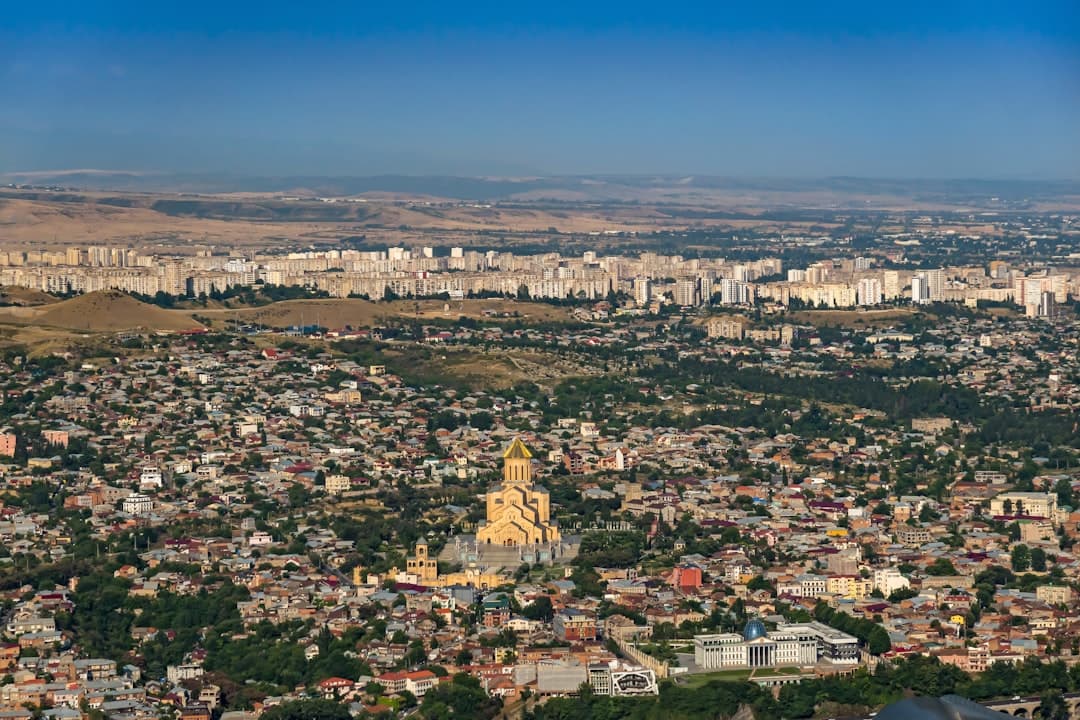
Guadalajara
Guadalajara is a vibrant cultural hub and the birthplace of mariachi music, offering a perfect blend of colonial charm and modern Mexican energy.
Guadalajara quick facts
- Best time to visit
- October-November
- Daily budget, mid-range
- 1000-1500 pesos ($60-$90)
- Language
- Spanish
- Currency
- Mexican Peso (MXN)
- Getting around
- Bus and train
- Suggested stay
- 3 days
About Guadalajara
Guadalajara, the capital of Jalisco state, is a dynamic metropolis that captures the essence of traditional Mexican culture while embracing contemporary urban life. The city boasts stunning colonial architecture, with beautiful historic centers featuring magnificent baroque churches, grand plazas, and elegant government buildings that tell stories of Mexico's rich past.
The city is renowned for its incredible cultural contributions, particularly in music, art, and cuisine. Visitors can explore world-class museums, enjoy live mariachi performances, and experience the warmth of Mexican hospitality in its numerous traditional markets and bustling neighborhoods. The historic center, with its well-preserved buildings and vibrant public spaces, offers a glimpse into the city's architectural and cultural heritage.
Guadalajara serves as a gateway to the surrounding region of Jalisco, famous for tequila production. The city itself offers an impressive culinary scene, with local specialties like birria, tortas ahogadas, and exceptional street food that showcase the depth of Mexican gastronomy. Its proximity to charming towns like Tlaquepaque and Zapopan provides additional opportunities for exploration and cultural immersion.
Known for
- Mariachi music
- Tequila production
- Colonial architecture
- Rich cultural heritage
- Authentic Mexican cuisine
Food in Guadalajara
Guadalajara's culinary landscape is a vibrant reflection of Jalisco state's rich gastronomic heritage, blending indigenous traditions with Spanish colonial influences. The city is renowned for its hearty, flavorful cuisine that emphasizes fresh local ingredients, bold spices, and time-honored cooking techniques. Meals are deeply social experiences, with families and friends gathering to share elaborate lunches and dinners that often stretch for hours.
Dining in Guadalajara is characterized by a relaxed approach to meal times, with lunch typically being the largest meal of the day, served between 2-4 PM. Street food culture is particularly robust, with markets and street vendors offering an incredible array of traditional dishes that showcase the region's culinary expertise. The cuisine emphasizes corn, chili peppers, meat preparations, and fresh produce, creating a complex and satisfying food culture that celebrates both rural traditions and urban innovation.
History of Guadalajara
Guadalajara was founded on February 14, 1542 by Spanish conquistador Cristóbal de Oñate, representing the Spanish Crown's efforts to establish control in New Spain's western territories. The city quickly became an important regional center, strategically located in the Jalisco region and serving as a key administrative and economic hub during the colonial period. Its location in a fertile valley with access to trade routes made it an ideal settlement for Spanish colonizers.
During Mexico's struggle for independence in the early 19th century, Guadalajara played a significant role in the revolutionary movement. The city was a crucial battleground and strategic location for insurgent forces fighting against Spanish colonial rule. After Mexico gained independence in 1821, Guadalajara emerged as one of the most important cities in the newly formed Mexican nation, becoming the capital of Jalisco state and a center of cultural and economic development. Throughout the 19th and 20th centuries, the city experienced substantial growth, transforming from a colonial administrative center to a modern metropolitan area with a diverse economy encompassing manufacturing, technology, and services.
The city's rich history is reflected in its architectural heritage, with numerous colonial-era buildings, churches, and public spaces that showcase its historical significance. Today, Guadalajara is known as the second-largest city in Mexico, maintaining its historical importance while being a contemporary urban center that blends traditional Mexican culture with modern innovation.
Culture and etiquette
Guadalajara is the second-largest city in Mexico, located in the state of Jalisco, and is known for its rich cultural heritage and traditional Mexican values. Family is extremely important in Guadalajaran society, with strong emphasis on close-knit family relationships and frequent gatherings. Social interactions are typically warm and personal, with physical greetings like hugs and cheek kisses being common among friends and family.
Daily life in Guadalajara is characterized by a relaxed yet passionate approach. People tend to be social and enjoy spending time together, with meals being important social events. The city has a vibrant cultural scene, blending traditional Mexican customs with modern urban lifestyles. Mariachi music, which originated in Jalisco, is a significant part of the local cultural identity, and the city is known for its love of food, art, and traditional celebrations.
Do's: - Greet people with a warm handshake or kiss on the cheek - Dress modestly and relatively formally in social and professional settings - Learn and use basic Spanish phrases - Be patient and take time for social interactions - Respect family traditions and elders
Don'ts: - Avoid being overly direct or confrontational - Don't be late for social gatherings (though locals may have a more relaxed time perception) - Avoid discussing sensitive political topics with strangers - Don't refuse food or drink when offered, as it can be considered impolite
Tipping Culture: - Restaurants: 10-15% of the bill - Taxis: Tipping is not expected but rounding up is appreciated - Hotel staff: Small tips for bellhops and housekeeping are customary
Dress Code: - Casual but neat attire is acceptable in most settings - More formal dress for business and upscale restaurants - Comfortable but modest clothing recommended
Local Customs: - Siestas are less common in urban areas, but relaxed lunch breaks are still practiced - Religious festivals and celebrations are important, especially around Christmas and Easter - Guadalajara is known for its tequila and mariachi traditions, which are sources of local pride
Things to do in Guadalajara
What to see, where to stay and where to eat.
Historic Guadalajara Cathedral and Plaza Tour
2 hoursPrice $Historic City Center
Explore the stunning colonial architecture of Guadalajara's historic center, featuring the magnificent cathedral and surrounding historic buildings. Learn about the city's rich colonial history and architectural significance.
Mercado San Juan de Dios Culinary Adventure
2 hoursPrice $Historic City Center
Explore the world's largest indoor market, sampling local street foods, fresh produce, and traditional Mexican ingredients. Experience the vibrant local food culture and interact with local vendors.
Mariachi Music and Cultural Performance
2 hoursPrice $$Historic City Center
Experience the birthplace of mariachi music with a traditional live performance. Learn about the history and cultural significance of this iconic Mexican musical style.
Tequila Region Day Trip and Distillery Tour
6 hoursPrice $$Tequila Valley (outside Guadalajara)
Explore the nearby town of Tequila, visit traditional distilleries, and learn about the production of Mexico's national spirit. Includes tastings and insight into the cultural significance of tequila.
Tlaquepaque Arts and Crafts Village Tour
3 hoursPrice $$Tlaquepaque District
Explore this charming neighborhood known for traditional Mexican arts, crafts, galleries, and artisan workshops. Experience local craftsmanship and purchase unique souvenirs.
Guadalajara Zoo and Wildlife Experience
3 hoursPrice $Western Guadalajara
Visit one of Mexico's top zoos, featuring diverse animal exhibits, conservation programs, and interactive experiences. Includes native Mexican wildlife and international species.
Romantic Sunset at Chapultepec Avenue
2 hoursPrice $City Center
Stroll along one of Guadalajara's most vibrant streets, enjoying street performances, outdoor cafes, and a beautiful evening atmosphere perfect for couples.
Guadalajara Botanical Gardens Exploration
2 hoursPrice $Southwestern Guadalajara
Discover native Mexican plant species, walking trails, and beautiful landscaped gardens. Learn about local ecology and conservation efforts.
Historic Center Social Hostel
Party HostelPrice $Historic City Center
Vibrant backpacker hub located in the heart of Guadalajara's historic district. Features nightly social events, communal spaces designed for meeting travelers, and a lively on-site bar. Perfect for young, adventurous travelers wanting to explore the city.
Check prices on Booking.com for Historic Center Social HostelArtistic District Boutique Hotel
HotelPrice $$$$Chapultepec West neighborhood
Intimate hotel showcasing local contemporary art throughout its spaces. Each room features unique artwork from Jalisco region artists. Minimalist design with warm Mexican touches creates an inspiring environment for creative travelers.
Check prices on Booking.com for Artistic District Boutique HotelBusiness District Modern Hotel
HotelPrice $$$Financial District
Sleek, professional hotel catering to corporate travelers and professionals. Offers state-of-the-art meeting facilities, soundproofed rooms, and efficient services. Ideal for those visiting Guadalajara's business zones.
Check prices on Booking.com for Business District Modern HotelTranquil Neighborhood Chill Hostel
Chill HostelPrice $$Zapopan residential area
Peaceful, family-run hostel in a quiet residential area. Offers serene atmosphere with beautiful garden, communal spaces for relaxation, and personalized traveler advice. Perfect for those seeking a calm base for exploring Guadalajara.
Check prices on Booking.com for Tranquil Neighborhood Chill HostelLuxury Guadalajara Grand Resort
Luxury HotelPrice $$$$Zapopan luxury district
Opulent five-star resort offering world-class amenities and exceptional service. Expansive grounds featuring multiple pools, gourmet restaurants, and spa facilities. Represents the pinnacle of Guadalajara hospitality.
Check prices on Booking.com for Luxury Guadalajara Grand Resort
Historic Market Traditional Kitchen
MexicanPrice $Near central market district
A rustic restaurant celebrating Jalisco's culinary heritage. Serves classic regional dishes prepared using generations-old family recipes. Wooden tables and traditional decor create an authentic local atmosphere.
Pacific Coast Seafood Terrace
SeafoodPrice $Upscale western neighborhood
Fresh seafood restaurant featuring catch from nearby coastal regions. Open-air dining with ocean-inspired design and panoramic city views. Specializes in contemporary seafood preparations.
Urban Vegetarian Garden
VegetarianPrice $Trendy midtown area
Modern plant-based restaurant with innovative global-inspired dishes. Bright, airy space with living plant walls and sustainable design. Focuses on locally sourced organic ingredients.
Italian Countryside Trattoria
ItalianPrice $Near historic downtown
Warm, family-style Italian restaurant featuring recipes from different regional traditions. Handmade pastas and wood-fired pizzas characterize the menu. Intimate dining room with rustic decor.
Street Food Market Kitchen
MexicanPrice $Central market area
Casual restaurant celebrating Guadalajara's street food culture. Open kitchen allows guests to watch traditional cooking techniques. Communal tables and vibrant atmosphere.
Sunset Rooftop Fusion
AsianPrice $Upscale financial district
Contemporary restaurant blending Asian flavors with local ingredients. Stunning city views and modern minimalist design. Innovative cocktail program complements creative menu.
Artisan Bakery & Cafe
CafePrice $Trendy residential neighborhood
Charming neighborhood cafe specializing in handcrafted breads, pastries, and light meals. Warm, inviting space with local art and community focus.
What things cost in Guadalajara
Typical prices in US dollars. Estimates only: prices vary by season and neighborhood.
| Hostel dorm bedShared rooms in Guadalajara's historic center | $12-22 |
|---|---|
| Budget hotel roomBasic hotels, clean rooms in central neighborhoods | $25-45 |
| Apartment rentalEntire apartment, varies by neighborhood and season | $35-75 |
| Mid-range hotel roomComfortable hotels in Zapopan and central districts | $50-90 |
| Luxury hotel roomFour Seasons and premium hotel experiences | $120-250 |
| Street foodTacos, elotes, gorditas, quick local snacks | $1-4 |
|---|---|
| CoffeeLocal cafes, artisan coffee shops in historic center | $2-4 |
| Local beerCraft and traditional Mexican beers, happy hour discounts | $2-5 |
| Budget mealStreet tacos, tortas, local market meals, quick authentic cuisine | $3-8 |
| Glass of wineHouse wines, mostly imported selections | $4-8 |
| Groceries for a dayDaily market/supermarket supplies for one person | $10-20 |
| Mid-range mealSit-down restaurants, traditional Mexican restaurants, good variety | $12-25 |
| Fine diningUpscale restaurants in Zapopan, chef-driven Mexican cuisine | $35-75 |
| Taxi, per kmAdditional kilometer charges | $0.50-1 |
|---|---|
| Public transport ticketMetro, bus rides across metropolitan area | $0.50-1.50 |
| Taxi base fareInitial taxi fare within city limits | $2-4 |
| Ride-hailing tripAverage ride between major city districts | $5-12 |
| Bike rental, per dayDaily bicycle rental, city bike share programs | $8-15 |
| Car rental, per dayDaily rental with basic insurance | $25-50 |
| Museo Regional de Guadalajara, comprehensive regional history museum | $5-12 |
|---|---|
| Mercado San Juan de Dios, largest indoor market in Latin America | $5-15 |
| Hospicio Cabañas UNESCO World Heritage Site, historic cultural center | $8-15 |
| Guadalajara Cathedral and surrounding historic plaza tours | $10-20 |
| Traditional mariachi performance at Plaza de Armas or local venues | $10-25 |
| Tequila distillery tours in nearby Tequila town, transportation included | $15-30 |
| Weekend folkloric dance and cultural performances at local theaters | $20-40 |
| Day trip to Tlaquepaque artisan village, including shopping and lunch | $25-50 |
Essentials
Practical things to know before you arrive in Guadalajara.
When to go
October-November (dry season, mild temperatures, fewer tourists, cultural festivals)
- Peak Season: December-February
- Shoulder Season: March-May
- Low Season: July-September
Getting around
Guadalajara has a comprehensive public transportation system featuring buses, light rail, and extensive taxi networks. The city's infrastructure is well-developed, providing multiple options for urban mobility with relatively affordable rates.
The public transit system connects major districts efficiently, though navigation can be challenging for non-Spanish speakers. Most routes are frequent and cover significant urban and suburban areas, making it convenient for residents and travelers.
- Airport: Miguel Hidalgo International Airport, 16-20 km from city center
- Taxi: $15-25 USD
- Airport shuttle: $8-12 USD
- Travel time: 25-40 minutes depending on traffic
- Public Transport:
- Light Rail (Tren Ligero): Covers major city routes
- Buses: Extensive network, frequent service
- Payment: Reloadable transit cards, cash payments
- Approximate fare: $0.50-$1 USD per trip
- Walking:
- City center highly walkable
- Most tourist areas compact and pedestrian-friendly
- Typical walking distances: 2-4 km between attractions
- Taxis/Rideshare:
- Uber and local taxi services widely available
- Base fare: $2-3 USD
- Per kilometer rate: $0.50-$0.75 USD
- Rideshare apps recommended for safety and transparency
Where to stay
Guadalajara offers diverse lodging options ranging from budget hostels to luxury hotels. Prices fluctuate significantly with seasonal events like the International Film Festival, Mariachi Festival, and holiday periods. Expect higher rates during December and July-August. Most accommodations offer free Wi-Fi, and many include breakfast. Mid-range hotels typically provide the best value, with prices reflecting location and amenities.
1. Centro Histórico: - Pros: Historic architecture, central location, close to major attractions - Cons: Can be noisy, potential traffic congestion - Price Range: $50-$150 per night - Best for: Cultural travelers, first-time visitors, history enthusiasts
2. Zapopan: - Upscale residential area with modern amenities - Pros: Quieter, near technology corridor, good for business travelers - Nearby: Shopping centers, corporate offices - Price Level: $80-$200 per night - Suits: Business travelers, families, professionals
3. Tlaquepaque: - Artistic district with colonial charm - Pros: Bohemian atmosphere, artisan shops, authentic local experience - Price Range: $60-$120 per night - Best for: Art lovers, cultural tourists, those seeking traditional Mexican ambiance
- Book 2-3 months in advance during festival seasons
- Use platforms like Booking.com, Airbnb, and local Mexican websites
- Consider boutique hotels for unique experiences
- Negotiate rates for extended stays
- Check for hidden fees (parking, taxes)
- Prefer hotels with secure parking if renting a car
- Learn basic Spanish phrases for smoother booking
- Consider location relative to public transportation
- Budget hotels often have better rates if booked directly
- Peak tourist seasons: December (Christmas), July-August (summer vacation)
Typical Price Brackets: - Budget: $30-$60/night - Mid-range: $60-$150/night - Luxury: $150-$300/night
Additional Local Consideration: Many hotels offer significant discounts during weekdays and off-peak seasons.
Money
The local currency is Mexican Peso (MXN).
Exchange rates
- 1 USD = 17-19 MXN
- 1 EUR = 19-21 MXN
- 1 GBP = 22-24 MXN
- (Rates can fluctuate, always check current rates)
Cash and cards
- Cash is king in Guadalajara
- Carry 500-1000 peso notes
- Small businesses and markets prefer cash
- Always have cash for street vendors, taxis, small restaurants
Taxes and tipping
- VAT (IVA): 16%
- Tourists can claim tax refunds on purchases over certain amounts
- Keep receipts for potential tax refund at airport
- Always have some cash as backup
- Check current exchange rates before traveling
- Be aware of potential currency fluctuations
Language: Spanish
English: Moderate; more common among younger professionals and in tourist areas; urban professionals typically have better English skills than rural populations
- Hello/Good morning
- Hola/Buenos díasoh-LAH/bwen-os DEE-ahs
- Good evening
- Buenas nochesbwen-ahs NO-ches
- Thank you
- GraciasGRAH-see-ahs
- Please
- Por favorpor fah-VOR
- Excuse me/Sorry
- Perdón/Disculpeper-DON/dees-KOOL-peh
- Yes/No
- Sí/Nosee/no
- How much?
- ¿Cuánto cuesta?KWAN-to KWES-tah
- Where is...?
- ¿Dónde está...?DON-deh es-TAH
- I don't understand
- No entiendono en-tee-EN-do
- Do you speak English?
- ¿Habla inglés?AH-blah een-GLAYS
- Help!
- ¡Ayuda!ah-YOO-dah
- Goodbye
- Adiósah-dee-OS
- Cheers!
- ¡Salud!sah-LOOD
- Delicious
- Deliciosodeh-lee-see-O-so
- Bill/Check please
- La cuenta, por favorlah KWEN-tah por fah-VOR
More in Mexico
This guide is for general reference. Check opening hours, prices and entry rules with official sources before you travel.