Puebla
A stunning colonial city with rich historical heritage, incredible cuisine, and breathtaking architectural beauty nestled in central Mexico.
Puebla quick facts
- Best time to visit
- October to April
- Daily budget, mid-range
- $1000-1500 MXN ($50-75 USD)
- Language
- Spanish (Castellano)
- Currency
- Mexican Peso (MXN)
- Getting around
- Bus
- Suggested stay
- 3 days
About Puebla
Puebla is a UNESCO World Heritage Site renowned for its exquisite Spanish colonial architecture, vibrant cultural scene, and remarkable culinary traditions. Located approximately 130 kilometers southeast of Mexico City, the city boasts an impressive historic center filled with colorful baroque buildings, ornate churches, and charming cobblestone streets that transport visitors back in time.
The city is particularly famous for its extraordinary cuisine, which includes world-renowned dishes like mole poblano, chiles en nogada, and a diverse array of traditional Mexican recipes. Its culinary significance is so profound that UNESCO has recognized Puebla's gastronomy as an Intangible Cultural Heritage.
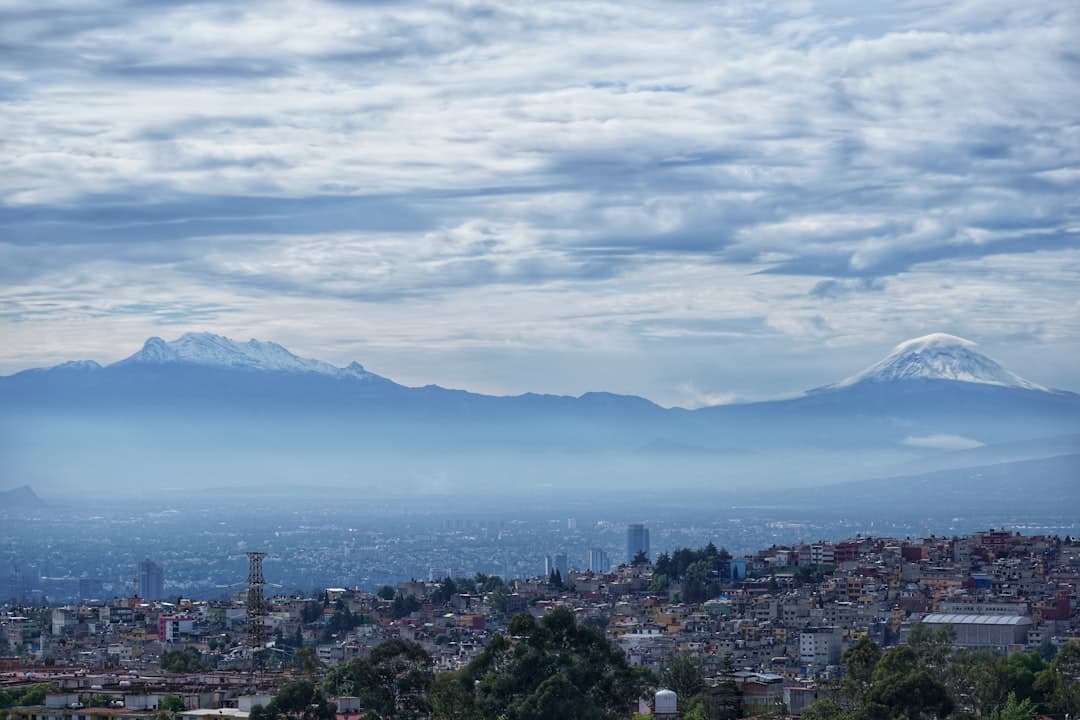
Puebla offers visitors a perfect blend of historical exploration and modern Mexican culture. Visitors can explore magnificent churches, visit impressive museums, enjoy local markets, and experience the warm hospitality of its residents. The city's proximity to volcanoes and archaeological sites also makes it an excellent base for regional exploration.
Known for
- Mole poblano cuisine
- Talavera pottery
- Colonial architecture
- Historic city center
- Cinco de Mayo historical significance
Food in Puebla
Puebla's culinary tradition is renowned throughout Mexico as one of the most sophisticated and complex regional cuisines, blending indigenous and Spanish colonial influences. The city is often considered the birthplace of mole poblano, a rich and intricate sauce that symbolizes the cultural fusion of Mexican gastronomy. Poblano cuisine is characterized by its elaborate preparation methods, use of multiple ingredients, and deep respect for traditional cooking techniques passed down through generations.
Meal times in Puebla follow traditional Mexican patterns, with breakfast typically served early, a substantial lunch between 2-4 PM, and dinner occurring later in the evening around 8-9 PM. Family meals are important social events, often featuring multiple courses and shared dishes that showcase the region's culinary diversity. Street food and market cuisine play a significant role in daily life, with local markets like Mercado el Carmen offering an authentic glimpse into Puebla's vibrant food culture.
History of Puebla
Puebla was founded on April 16, 1531 by Spanish conquistadors as a strategic settlement between Mexico City and the port of Veracruz, designed to solidify Spanish control in central Mexico. The city was carefully planned as one of the first Spanish colonial cities, with a grid layout that became a model for future urban development in New Spain. Its location in a fertile valley and its proximity to important trade routes quickly made it an economic and cultural center.
During the colonial period, Puebla became renowned for its textile production, ceramic arts (particularly Talavera pottery), and religious architecture. The city played a significant role in Mexico's struggle for independence, with key battles and revolutionary movements taking place in and around Puebla. The famous Battle of Puebla on May 5, 1862, where Mexican forces defeated the French army, is now celebrated as Cinco de Mayo and represents a crucial moment in Mexican national identity. Throughout the centuries, Puebla has maintained its historical character, with its historic city center being designated as a UNESCO World Heritage Site in 1987, preserving its remarkable colonial architecture and cultural heritage that reflects the complex layers of Mexican history from indigenous times through Spanish colonial rule and into the modern era.
Culture and etiquette
Puebla is a vibrant city with deep colonial roots and a strong sense of traditional Mexican culture. Social interactions are characterized by warmth, respect, and a strong emphasis on family connections. People tend to be quite social and value personal relationships, often greeting each other with a kiss on the cheek or a warm hug, even in professional settings.
Daily life in Puebla revolves around family, food, and community. Meals are considered important social events, with lunch typically being the largest meal of the day. The city is known for its rich culinary traditions, particularly its famous mole poblano, and people take great pride in their local cuisine and cultural heritage. Religion plays a significant role in daily life, with Catholicism being the predominant faith, and religious festivals and traditions deeply integrated into the social fabric.
Do's: - Dress modestly and conservatively, especially when visiting churches - Greet people with a handshake or kiss on the cheek - Learn and use basic Spanish phrases - Be punctual for business meetings - Respect religious and cultural traditions
Don'ts: - Avoid discussing sensitive political topics - Don't be overly direct or confrontational - Don't expect everything to run exactly on time - Avoid wearing revealing clothing in traditional settings
Tipping Culture: - Restaurants: 10-15% of the bill - Taxis: Tipping is not expected but rounding up is appreciated - Hotel staff: 20-50 pesos per service is typical
Dress Code: - Casual but neat attire is acceptable in most settings - More formal dress for business and religious events - Comfortable walking shoes recommended for exploring the city
Local Customs: - Strong emphasis on family gatherings and celebrations - Siesta time is still observed in some areas - Religious festivals are important community events - Respect for elders is a significant cultural value
Things to do in Puebla
What to see, where to stay and where to eat.
Historic Cholula Pyramid Complex Exploration
2 hoursPrice $Cholula archaeological zone, western Puebla
Explore the world's largest pyramid by volume, featuring incredible archaeological layers from multiple civilizations. Walk through underground tunnels and learn about pre-Hispanic architectural techniques.
Puebla Cathedral and Zócalo Walking Tour
2 hoursPrice $City center
Explore the magnificent cathedral and surrounding historic square, learning about colonial architectural and religious history of the region.
Puebla Street Food Walking Tour
3 hoursPrice $$Historic downtown, local markets
Sample authentic local cuisine including mole poblano, chiles en nogada, and street tacos. Explore hidden culinary gems with knowledgeable local guides.
Rosary Chapel Baroque Architecture Tour
1 hourPrice $Historic city center
Explore one of the most ornate baroque chapels in Latin America, featuring incredible gold-leaf decorations and intricate religious artwork from colonial period.
Puebla Night Market Cultural Walk
2 hoursPrice $El Carmen neighborhood
Evening exploration of local markets, experiencing vibrant street life, traditional music, and late-night food vendors. Immerse in authentic local atmosphere.
Traditional Mexican Cooking Class
4 hoursPrice $$Local culinary schools, downtown area
Learn to prepare classic Pueblan dishes like mole poblano from professional chefs. Includes market tour and hands-on cooking experience.
Traditional Talavera Pottery Workshop
3 hoursPrice $$Historic city center
Learn the UNESCO-recognized ceramic technique unique to Puebla. Participate in hands-on workshop creating traditional blue and white pottery pieces with expert artisans.
Africam Safari Wildlife Experience
2 hoursPrice $$Outskirts of Puebla city
Drive-through wildlife park featuring diverse animal habitats including African and American species. Interactive educational experiences for all ages.
Cuexcomate Volcano Micro-Hike
1 hourPrice $City's northern region
Short hike to world's smallest volcano, offering unique urban landscape views and geological insights.
Popocatépetl Volcano National Park Hiking
2 hoursPrice $$Eastern mountain regions
Moderate hiking trails offering spectacular views of active volcano and surrounding mountain landscapes. Multiple difficulty levels available for different fitness ranges.
Historic Center Colonial Retreat
HotelPrice $$$$Historic City Center
A lovingly restored 18th-century mansion transformed into an intimate boutique hotel. Featuring original architectural details, hand-painted tiles, and colonial-era furniture. Each room tells a unique story of Puebla's rich cultural heritage.
Check prices on Booking.com for Historic Center Colonial RetreatPuebla Backpackers Social Hostel
Party HostelPrice $Historic District
High-energy hostel designed for young travelers seeking connections and adventure. Vibrant common areas, nightly social events, and group activities make meeting fellow travelers effortless.
Check prices on Booking.com for Puebla Backpackers Social HostelLuxury Volcanic Views Resort
Luxury HotelPrice $$$$Angelópolis District
Elegant five-star hotel with breathtaking views of Popocatépetl volcano. Combines modern luxury with traditional Mexican design elements. Spa, gourmet restaurant, and meticulously designed rooms offer ultimate comfort.
Check prices on Booking.com for Luxury Volcanic Views ResortArtisan Quarter Quiet Hostel
Chill HostelPrice $$Artist Quarter
Peaceful hostel located in Puebla's traditional crafts neighborhood. Focuses on cultural immersion, offering workshops, local art displays, and a tranquil environment for travelers seeking authentic experiences.
Check prices on Booking.com for Artisan Quarter Quiet HostelContemporary Business Hotel
HotelPrice $$$Financial District
Sleek, modern hotel catering to business travelers and professionals. Equipped with state-of-the-art conference facilities, high-speed internet, and convenient location near business districts.
Check prices on Booking.com for Contemporary Business Hotel
Historic Market District Mole Kitchen
MexicanPrice $Central Market District
Traditional Pueblan restaurant specializing in complex mole sauces. Celebrates generations of local culinary techniques with recipes passed down through families.
Colonial Quarter Seafood Terrace
SeafoodPrice $Historic Center
Elegant restaurant featuring fresh coastal seafood with Pueblan influences. Open-air terrace with views of historic architecture.
Street Food Marketplace Cafe
MexicanPrice $Near University District
Casual street food collective representing various regional Mexican cuisines. Communal seating and vibrant atmosphere.
Vegetarian Mountain Cuisine
VegetarianPrice $Artistic Neighborhood
Modern plant-based restaurant using local organic ingredients. Innovative takes on traditional Pueblan recipes.
French Colonial Bistro
FrenchPrice $Historic Center
Elegant restaurant blending French culinary techniques with Mexican ingredients. Sophisticated dining experience in a restored colonial building.
Traditional Bakery & Dessert House
DessertPrice $Market District
Classic Pueblan bakery specializing in traditional sweets and pastries. Family-run establishment with recipes dating back generations.
Coastal Fusion Kitchen
MexicanPrice $Trendy Neighborhood
Modern restaurant combining coastal Mexican seafood with contemporary presentation. Vibrant, young chef-driven concept.
Traditional Family Mole Restaurant
MexicanPrice $Residential Neighborhood
Intimate family-run restaurant preserving centuries-old Pueblan cooking techniques. Focuses on authentic, home-style mole preparations.
What things cost in Puebla
Typical prices in US dollars. Estimates only: prices vary by season and neighborhood.
| Hostel dorm bedBackpacker hostels near historic center | $12-20 |
|---|---|
| Budget hotel roomBasic hotels in downtown area | $30-45 |
| Apartment rentalEntire apartment rentals | $35-70 |
| Mid-range hotel roomComfortable hotels near main attractions | $50-90 |
| Luxury hotel roomPremium hotels in historic districts | $120-250 |
| Street foodPoblano specialties like cemitas, tacos arabes | $1-3 |
|---|---|
| CoffeeLocal cafes, artisan coffee shops | $2-4 |
| Local beerCraft and local Mexican beers | $2-5 |
| Glass of wineHouse wines in restaurants | $4-8 |
| Budget mealStreet tacos, tortas, local market food stalls | $4-8 |
| Groceries for a dayDaily market and supermarket groceries | $10-15 |
| Mid-range mealSit-down restaurants in historic center, traditional poblano cuisine | $12-20 |
| Fine diningGourmet restaurants featuring regional Puebla specialties | $35-70 |
| Taxi, per kmAdditional kilometer charges | $0.50-1 |
|---|---|
| Public transport ticketBus and local transit fares | $0.50-1 |
| Taxi base fareInitial taxi fare | $2-4 |
| Ride-hailing tripAverage city ride | $5-12 |
| Bike rental, per dayDaily bicycle rental | $8-15 |
| Car rental, per dayDaily rental with basic insurance | $25-50 |
| Amparo Museum, regional art and history | $5-10 |
|---|---|
| Forts of Loreto and Guadalupe historical sites | $5-15 |
| Rosary Chapel (Capilla del Rosario), baroque masterpiece | $8-12 |
| Puebla Cathedral tour, UNESCO World Heritage site | $10-15 |
| Evening walking tour of historic center | $10-20 |
| Puebla culinary tour and cooking class | $15-25 |
| Talavera pottery workshop and shopping experience | $20-35 |
Essentials
Practical things to know before you arrive in Puebla.
When to go
October to April
Mild temperatures, low rainfall, and numerous cultural festivals make this period ideal for visiting. Avoid rainy season (May-September) and summer heat for more comfortable travel experiences.
- Peak: December-January (Christmas/New Year's, cool
- Shoulder: March-May, October-November
- Low: June-September (rainy season)
Getting around
Puebla offers a comprehensive public transportation system with multiple options for urban and regional mobility. The city's public transit network includes buses, trolleybuses, and a modern Bus Rapid Transit (BRT) system that provides efficient coverage across most urban areas.
The transportation infrastructure is well-developed, with integrated routes connecting different city districts and surrounding municipalities. Most major destinations are accessible through public transportation, though peak hours can involve significant congestion.
- Airport: Hermanos Serdán International Airport, located 20-25 km from city center
- Transport options: Taxi (250-350 MXN), Airport shuttle (150-200 MXN)
- Travel time to city center: 30-45 minutes depending on traffic
- Public transport:
- Extensive bus network
- RUTA (BRT system) with dedicated lanes
- Typical fare: 7-10 MXN per trip
- Prepaid transit cards available
- Walking:
- Historic center highly walkable
- Most attractions within 2-3 km radius
- Sidewalks generally well-maintained
- Taxis/Rideshare:
- Uber and local taxi services widely available
- Base fare: 30-40 MXN
- Per kilometer rate: 10-15 MXN
- Rideshare apps recommended for safety and pricing transparency
Where to stay
Puebla offers diverse lodging options from budget hostels to luxury hotels. Prices fluctuate significantly between peak tourist seasons (Cinco de Mayo, Day of the Dead) and off-peak periods. Expect higher rates during festivals and lower prices from May to September. Most accommodations offer free Wi-Fi, and many historic properties are located in colonial-era buildings. Budget travelers can find comfortable options, while luxury seekers will appreciate boutique hotels in restored mansions.
1. Historic Center (Centro Histórico): - Pros: UNESCO World Heritage location, walkable, close to major attractions - Cons: Can be noisy, more expensive - Price Range: $80-$250 per night - Best for: Cultural tourists, first-time visitors, history enthusiasts
2. Angelópolis District: - Modern business and shopping area - Pros: Contemporary hotels, close to convention centers - Cons: Less historic character, further from old town - Price Range: $60-$180 per night - Best for: Business travelers, those seeking modern amenities
3. Zona Azul (Cholula): - Suburban area near archaeological sites - Pros: Quieter, more residential feel - Cons: Requires transportation to city center - Price Range: $50-$150 per night - Best for: Budget travelers, backpackers, cultural explorers
- Book 2-3 months in advance during festival seasons
- Use platforms like Booking.com, Airbnb, and local Mexican booking sites
- Consider boutique hotels in restored colonial buildings for authentic experience
- Spanish language skills can help negotiate better rates
- Check for hotels with included breakfast to save on meal costs
- Verify proximity to public transportation
- Consider travel insurance for flexible booking
- Peak tourist seasons: April-May, October-November
- Budget accommodations can start at $30, luxury hotels range $200-$400
- Always check recent reviews and verify amenities
Money
The local currency is Mexican Peso (MXN).
Exchange rates
- 1 USD = 17-19 MXN
- 1 EUR = 19-21 MXN
- 1 GBP = 22-24 MXN
Cash and cards
- Cash is king in Puebla, especially in markets, small restaurants, and local shops
- Carry denominations of $50, $100, $200, $500 peso bills
- Always have some cash for street vendors, public transport, and smaller establishments
Taxes and tipping
- VAT (IVA): 16%
- Tourists can claim VAT refunds on purchases over certain amount at major airports
- Keep receipts and look for "tax-free" shopping options
- Credit cards with chip technology work best
- Always have some cash as backup
- Be aware of dynamic currency conversion fees when using cards
Language: Spanish (Castellano)
English: Low to moderate; more common among younger professionals and in tourist areas; urban centers have higher proficiency than rural regions
- Hello/Good morning
- Hola/Buenos díasoh-LAH/bweh-nos DEE-ahs
- Good evening
- Buenas nochesbweh-nahs NO-ches
- Thank you
- GraciasGRAH-see-ahs
- Please
- Por favorpor fah-VOR
- Excuse me/Sorry
- Perdón/Disculpeper-DOHN/dees-KOOL-peh
- Yes/No
- Sí/Nosee/no
- How much?
- ¿Cuánto cuesta?KWAN-toh KWES-tah
- Where is...?
- ¿Dónde está...?DOHN-deh es-TAH
- I don't understand
- No entiendono en-tee-EN-doh
- Do you speak English?
- ¿Habla inglés?AH-blah een-GLES
- Help!
- ¡Ayuda!ah-YOO-dah
- Goodbye
- Adiósah-dee-OHS
- Cheers!
- ¡Salud!sah-LOOD
- Delicious
- Deliciosodeh-lee-see-OH-soh
- Bill/Check please
- La cuenta, por favorlah KWEN-tah, por fah-VOR
More in Mexico
This guide is for general reference. Check opening hours, prices and entry rules with official sources before you travel.