Mexico
Mexico is a diverse North American country known for its rich cultural heritage, ancient civilizations, and stunning landscapes ranging from tropical beaches to mountain ranges. Wi...
Discover Mexico
exico is a vibrant and diverse country that offers travelers an extraordinary blend of ancient civilizations, rich cultural heritage, stunning landscapes, and modern urban experiences. Stretching from the Pacific Ocean to the Gulf of Mexico, the country features dramatic geographical diversity including tropical rainforests, desert landscapes, mountain ranges, and pristine coastal regions. Its pre-Columbian history is represented by remarkable archaeological sites like Chichen Itza and Teotihuacan, while its colonial past is evident in beautifully preserved cities such as Guanajuato and San Miguel de Allende. Mexico's cultural tapestry is woven from indigenous traditions, Spanish colonial influences, and contemporary global interactions.
The country is renowned for its passionate music, intricate art, colorful festivals like Día de los Muertos, and world-famous cuisine that has been recognized by UNESCO as an intangible cultural heritage. Cities like Mexico City offer a cosmopolitan experience with world-class museums, cutting-edge gastronomy, and vibrant neighborhoods, while smaller towns showcase traditional crafts, local customs, and warm hospitality. The landscape ranges from the rugged Sierra Madre mountain ranges to the lush Yucatan Peninsula, offering travelers incredible biodiversity and natural attractions. Mexico boasts numerous national parks, pristine beaches along the Caribbean and Pacific coasts, volcanic regions, and desert ecosystems.
Travelers can explore ancient Mayan and Aztec ruins, swim in cenotes, visit colonial-era missions, trek through tropical forests, and experience some of the world's most biodiverse regions. Mexican cuisine is a highlight for many travelers, featuring complex flavors, regional specialties, and ingredients that have shaped global gastronomy. From street tacos and mole sauces to regional dishes like Yucatecan cochinita pibil and Oaxacan tlayudas, the country offers an incredible culinary journey. Its food culture is deeply rooted in indigenous traditions, combining pre-Hispanic ingredients with Spanish colonial influences to create a unique and globally celebrated cuisine.
Historical Significance
Mexico's history is a complex tapestry of indigenous civilizations, colonial conquest, and national transformation. The region was home to advanced pre-Columbian civilizations, including the Olmec (considered the "mother culture" of Mesoamerica), Maya, and Aztec empires. The Aztecs, who established their magnificent capital of Tenochtitlan in the Valley of Mexico, created a sophisticated civilization with advanced agricultural techniques, complex social structures, and impressive architectural and astronomical achievements by the 14th century. The Spanish conquest, led by Hernan Cortés, began in 1519 and fundamentally transformed the indigenous landscape. By 1521, the Aztec Empire fell, marking the beginning of three centuries of Spanish colonial rule. During this period, the region became New Spain, with a hierarchical social system that marginalized indigenous and mixed-race populations while concentrating wealth and power among Spanish-born elites.
Official Country Website
Latest information and updates from Mexico
Key Information
Region
North America
Not specified
CST (UTC-6)
Cities in Mexico
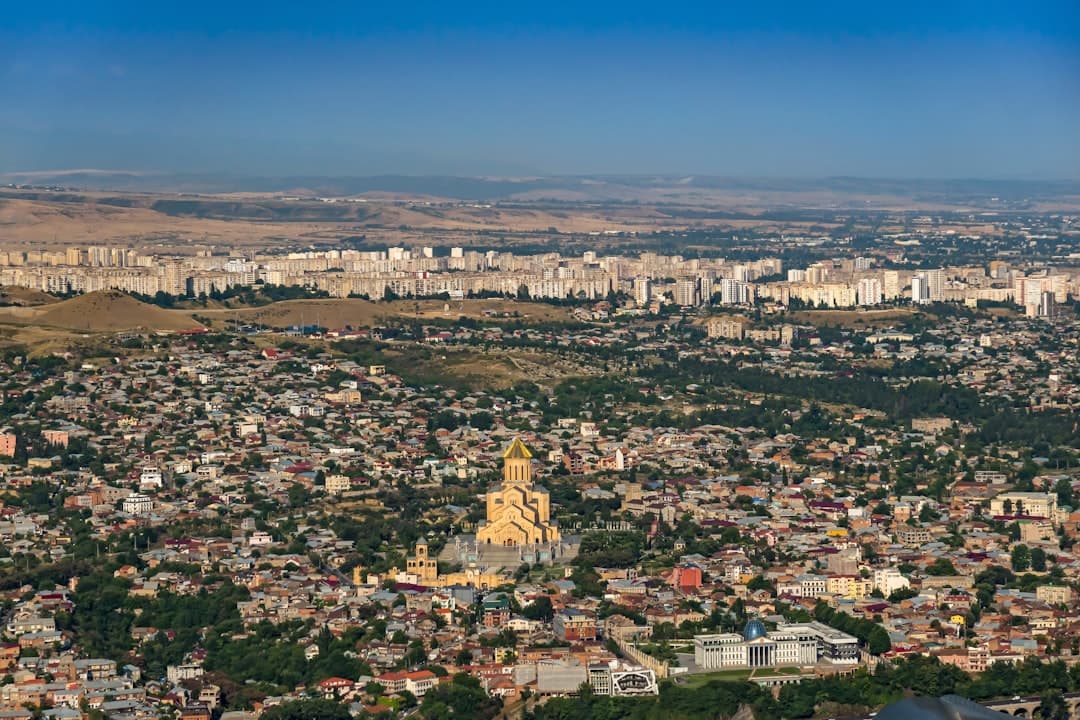
Guadalajara
Guadalajara is a vibrant cultural hub and the birthplace of mariachi music, offering a perfect blend of colonial charm and modern Mexican energy.
Explore Guadalajara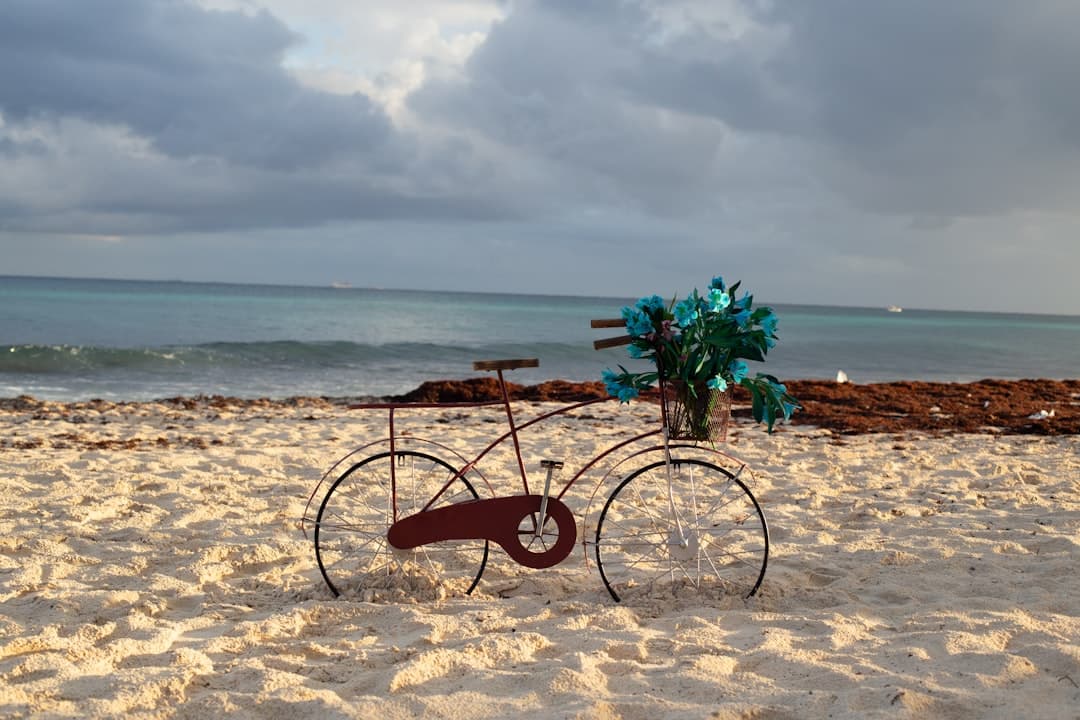
Playa del Carmen
A vibrant coastal paradise on Mexico's Riviera Maya, blending pristine Caribbean beaches with rich Mayan culture and modern amenities.
Explore Playa del Carmen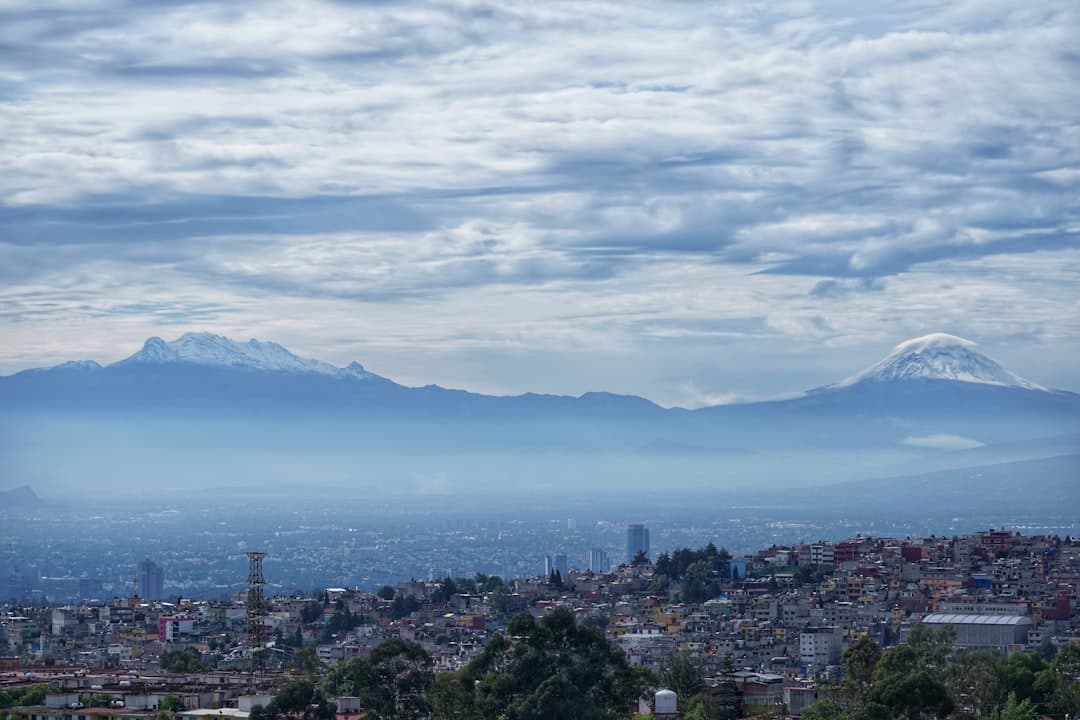
Puebla
A stunning colonial city with rich historical heritage, incredible cuisine, and breathtaking architectural beauty nestled in central Mexico.
Explore Puebla
Tequila
Tequila is a picturesque town in Jalisco, Mexico, renowned worldwide as the birthplace of the iconic agave-based spirit that shares its name.
Explore TequilaFeatured Destinations in Mexico
Travel Costs in Mexico
Cost Overview
Mexico has moderate costs, with a mix of affordable options and some premium experiences.
Money-Saving Tips
- •Visit during shoulder season for better rates on accommodation
- •Use public transportation instead of taxis when possible
- •Consider staying in locations outside the main tourist areas
- •Look for restaurants where locals eat for better value
Currency Information
Currency: Mexican Peso ($)
Cost Guide: Mexico
Local pricing information
Budget Traveler
Hostels, street food, public transport
Mid-Range
3-star hotels, restaurants, tours
Luxury
4-5 star hotels, fine dining, private tours
Seasonal Pricing
Prices vary by season. High season (summer, holidays) typically costs 20-40% more, while low season offers better deals. Consider the shoulder season (spring/fall) for a balance between good weather and lower prices.
Loading exchange rates...
Note: These prices are approximate and may vary depending on region, season, and personal preferences. Prices in popular tourist areas may be higher.
Budget Comparison
Estimated daily costs for traveling in Mexico
Budget
Backpacker style
Includes
- Hostels & dorms
- Street food & markets
- Free attractions
- Local transport
Mid-Range
Comfortable travel
Includes
- Mid-range hotels
- Local restaurants
- Guided tours
- Mix of transport
Luxury
Premium experience
Includes
- Luxury hotels & resorts
- Fine dining
- Private tours & experiences
- Private transport
Note: Costs vary significantly between cities and regions within Mexico. These are general estimates and can fluctuate based on season, location, and travel style.
Everything You Need to Know
Click any section to expand and view details
Travel Advisory
Check the latest travel advisories and safety information before your trip.
View Official AdvisoryLocal Insights
Culture & Traditions
Mexico is a vibrant and complex nation with a rich cultural heritage blending indigenous traditions and Spanish colonial influences. The country's cultural identity is deeply rooted in its historical diversity, with strong regional variations that reflect complex indigenous and mestizo backgrounds. From the colorful traditions of Oaxaca to the modern cosmopolitan life of Mexico City, Mexican culture is characterized by warmth, family-centricity, and a profound respect for tradition.
Family plays a central role in Mexican society, with extended family networks providing crucial social support and maintaining close intergenerational relationships. Social interactions are typically warm and intimate, with physical greetings like hugs and kisses being common. Catholicism significantly influences social norms, with religious festivals, saints' days, and cultural celebrations deeply embedded in daily life. The Day of the Dead (Día de los Muertos) exemplifies this unique cultural fusion, where indigenous traditions blend with Catholic practices to create a profound celebration of life and remembrance.
Mexican artistic expression is extraordinarily rich, encompassing visual arts, music, literature, and performance. From the revolutionary murals of Diego Rivera to the magical realism of writers like Carlos Fuentes, Mexican culture celebrates creativity and storytelling. Traditional music genres like mariachi represent national pride, while contemporary forms like rock en español demonstrate cultural dynamism. Traditional crafts such as pottery, textiles, and metalwork continue to be important cultural expressions, representing centuries of artistic skill and regional identity.
Modern Mexican culture is a complex tapestry of traditional values and contemporary global influences. Urban centers like Mexico City showcase a sophisticated, cosmopolitan lifestyle alongside deeply rooted cultural practices. Young Mexicans navigate global cultural trends while maintaining strong connections to family and regional traditions. The cuisine, recognized by UNESCO as an intangible cultural heritage, remains a powerful expression of cultural identity, with regional variations reflecting local history, ingredients, and social practices.

Cultural Experience
Immerse yourself in local traditions and customs