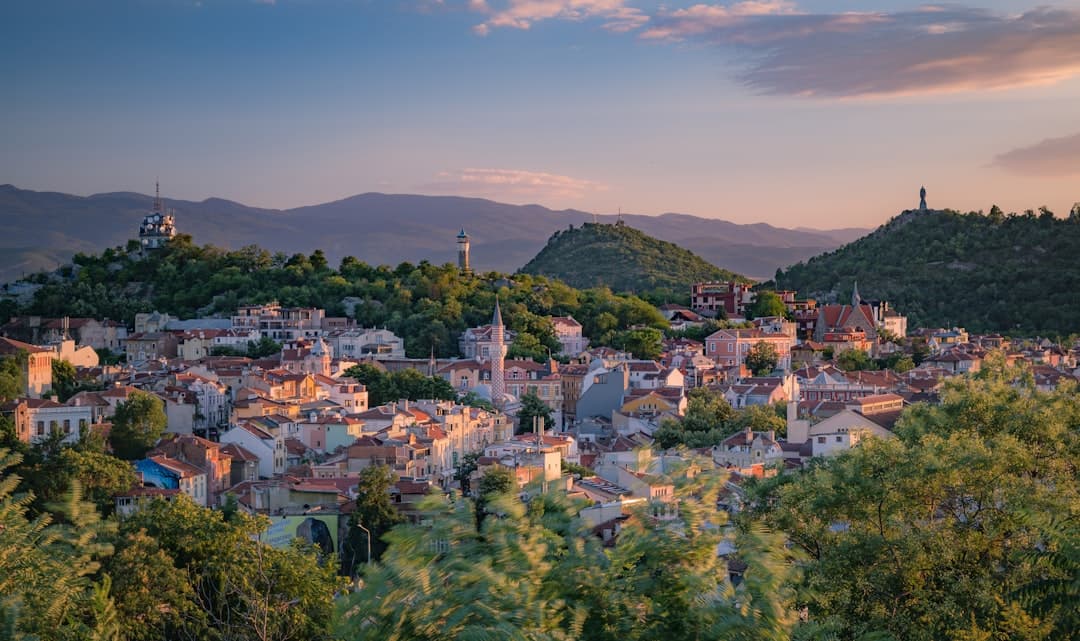
Plovdiv
Plovdiv is Bulgaria's second city, a lively place built around seven hills, with a Roman theatre, an Ottoman-era old town and a creative, café-filled center.
Plovdiv quick facts
- Best time to visit
- The best months to visit Plovdiv are May to June and September to
- Language
- Bulgarian
- Currency
- Euro (EUR)
- Getting around
- Bus and train
- Suggested stay
- 3 days
- Cost level
- Cheap
About Plovdiv
Plovdiv sits on the Maritsa River in the Upper Thracian Plain in southern Bulgaria. It is one of the oldest continuously inhabited cities in Europe, and layers of Thracian, Roman, Byzantine, Ottoman and Bulgarian history are visible within a short walk of each other. The city grew around its rocky hills, locally called tepeta, which still shape its skyline and offer good viewpoints.
The heart of the visitor experience is the Old Town on and around three of the hills, with steep cobbled lanes and colorful National Revival houses with projecting upper floors. Below it, the pedestrian main street runs through the modern center, lined with shops, cafés and squares, and leads to the remains of a Roman stadium. Plovdiv was European Capital of Culture in 2019, which brought restoration projects and a growing number of galleries and festivals.
Across the river, the district of Kapana has become the city's creative quarter, full of craft workshops, bars and small restaurants. The city is compact and walkable, with a relaxed pace, and many people enjoy sitting for hours over coffee in the center.
Plovdiv works well as a base for exploring the Rhodope Mountains and nearby monasteries and fortresses, but it rewards a stay of its own. Visitors will find a mix of ancient ruins, museums, street art and a lively evening scene that is friendlier on the budget than many European cities.
Known for
- Ancient Roman Theatre, Old Town with National Revival houses, Seven hills, Kapana creative district, European Capital of Culture 2019
Food in Plovdiv
Food in Plovdiv follows general Bulgarian traditions, with fresh seasonal vegetables, grilled meat, dairy and plenty of salads. Meals are typically shared, starting with a cold salad and often a glass of rakia, the local fruit brandy. The surrounding plain is fertile farmland, so tomatoes, peppers and fruit are a point of pride in summer.
Bakery snacks such as banitsa and other pastries are common for breakfast, usually with yogurt or ayran. Lunch and dinner often feature grilled kebapche and kyufte, slow-cooked stews, and dishes baked in clay pots. The area is also close to wine-producing regions, and Bulgarian wine is easy to find across the city.
Dining is relaxed and unhurried. Outdoor tables fill up in warmer months, and the Kapana area and the main pedestrian street are popular for evening meals and drinks.
History of Plovdiv
Plovdiv has been settled since the Neolithic period, with continuous habitation for several thousand years. In the 4th century BC it was taken by Philip II of Macedon and renamed Philippopolis. Earlier it was a Thracian settlement, often linked with the name Eumolpias or Pulpudeva.
Under Roman rule from the 1st century AD, Philippopolis became an important provincial city on the main road between Europe and Constantinople, with a theatre, a stadium and public buildings. It later passed between Byzantine, Bulgarian and Ottoman control. Under the Ottomans it was known as Filibe and was a significant trading town.
In the 19th century the city became a center of the Bulgarian National Revival, and wealthy merchants built the ornate houses that now define the Old Town. After the Liberation in 1878 it was the capital of Eastern Rumelia, and in 1885 it joined the rest of Bulgaria. Today it is a major cultural, trade and fair city.
Culture and etiquette
Bulgarians are generally warm but reserved at first, and greetings are polite and fairly formal. A notable quirk is the head gesture: shaking the head side to side typically means yes, and nodding means no, though many people adjust this for foreigners. It is good to confirm answers in words.
Tipping in restaurants is customary at a modest level, and rounding up the bill or adding a small percentage is appreciated. When visiting churches and monasteries, dress modestly and be quiet, and check whether photography is allowed inside. When invited into a home, it is polite to bring a small gift and to be ready to be offered food and drink.
Plovdiv has a strong arts and festival culture, with theatre, music and exhibitions throughout the year. Locals take pride in the city's long history and enjoy sharing it, and they spend much of the evening socializing in cafés and public squares.
Things to do in Plovdiv
What to see, where to stay and where to eat.
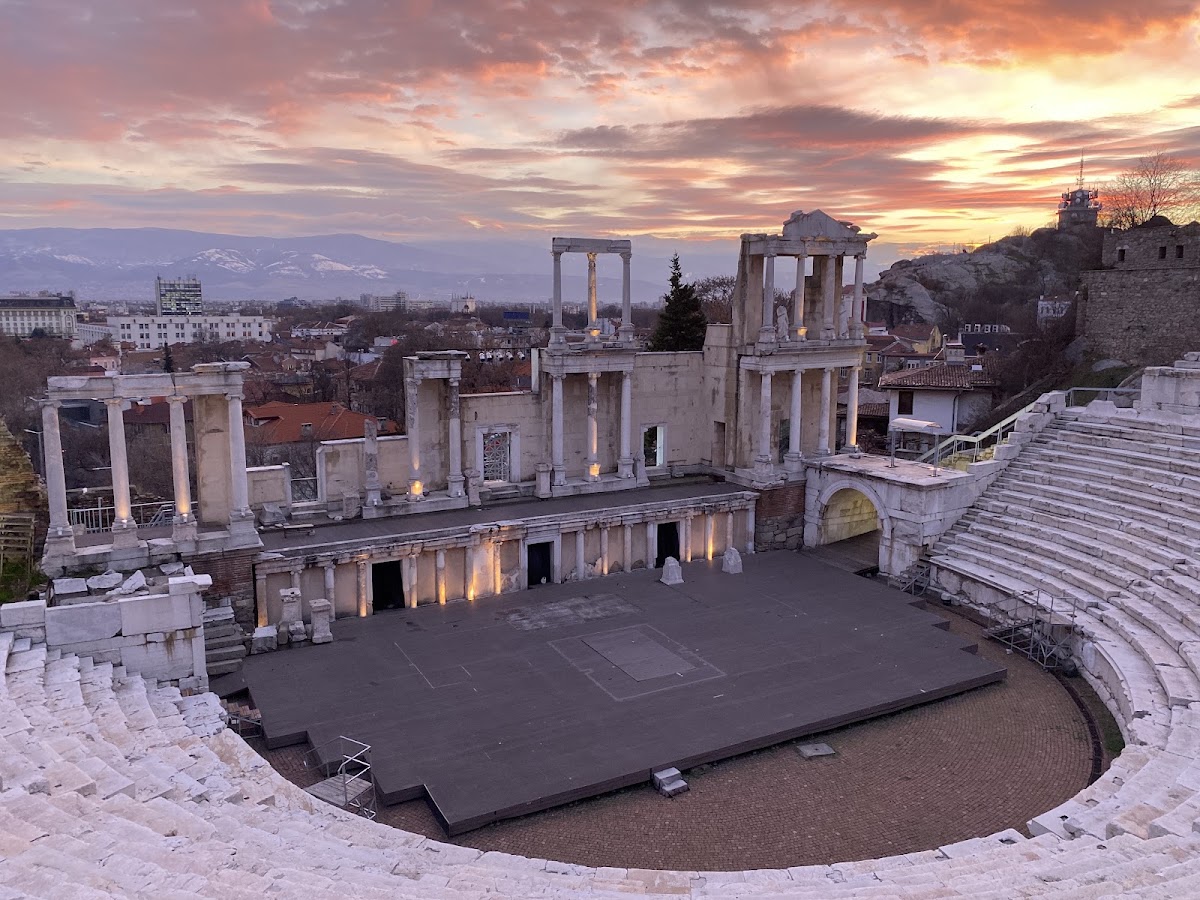
Ancient Theatre of Philippopolis
TsentarPlovdiv Center, ул. Цар Ивайло 4, 4000 Plovdiv
The Ancient Theatre of Philippopolis is a restored Roman-style amphitheater located in Plovdiv's city center. Today it hosts various performing arts events throughout the year. The venue is rated 4.7 out of 5 based on over 21,000 visitor reviews.
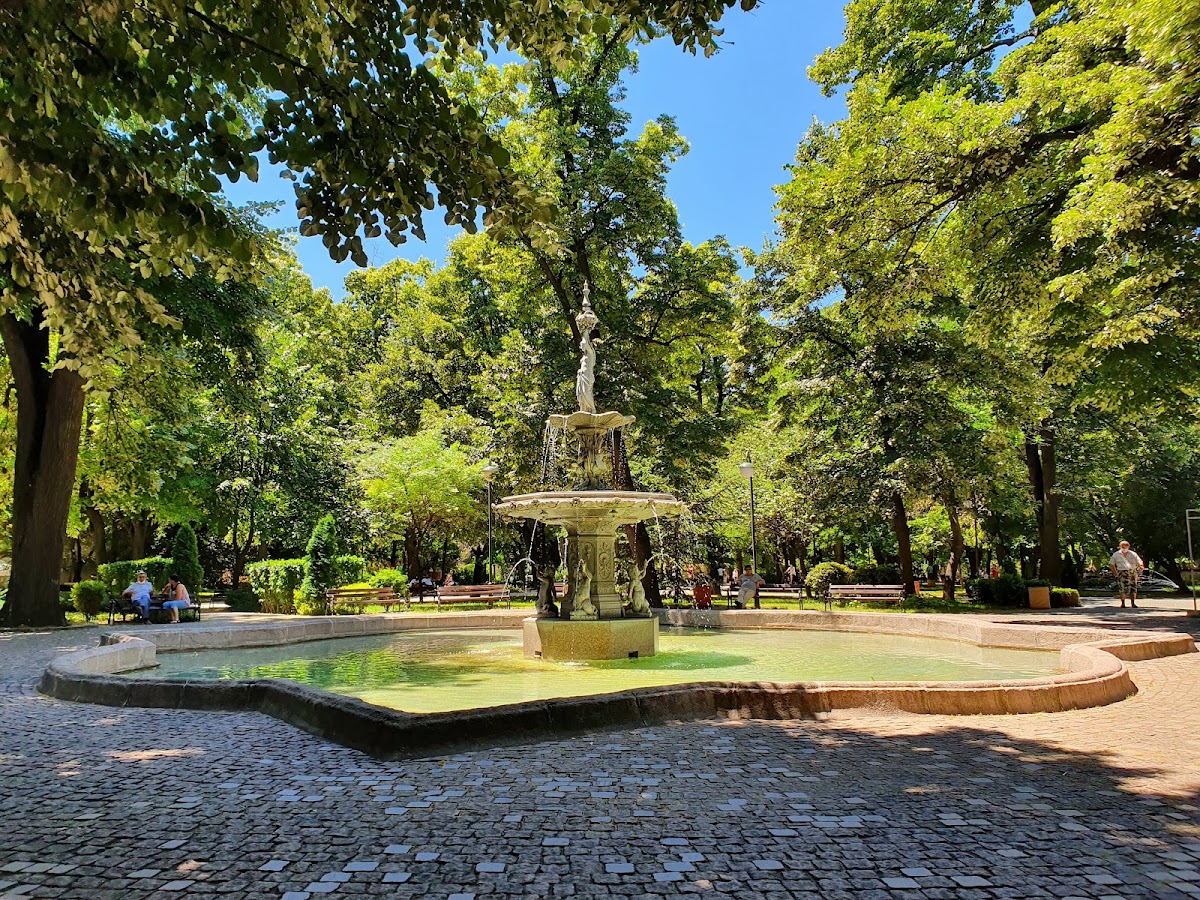
“Tsar Simeon Garden” Park
Plovdiv Center, ul. "Veliko Tarnovo" 11А, 4000 Plovdiv
Tsar Simeon Garden Park is a spacious and leafy park in central Plovdiv, established in 1892. The park features a lake with weekend fountain shows and includes play areas for visitors.
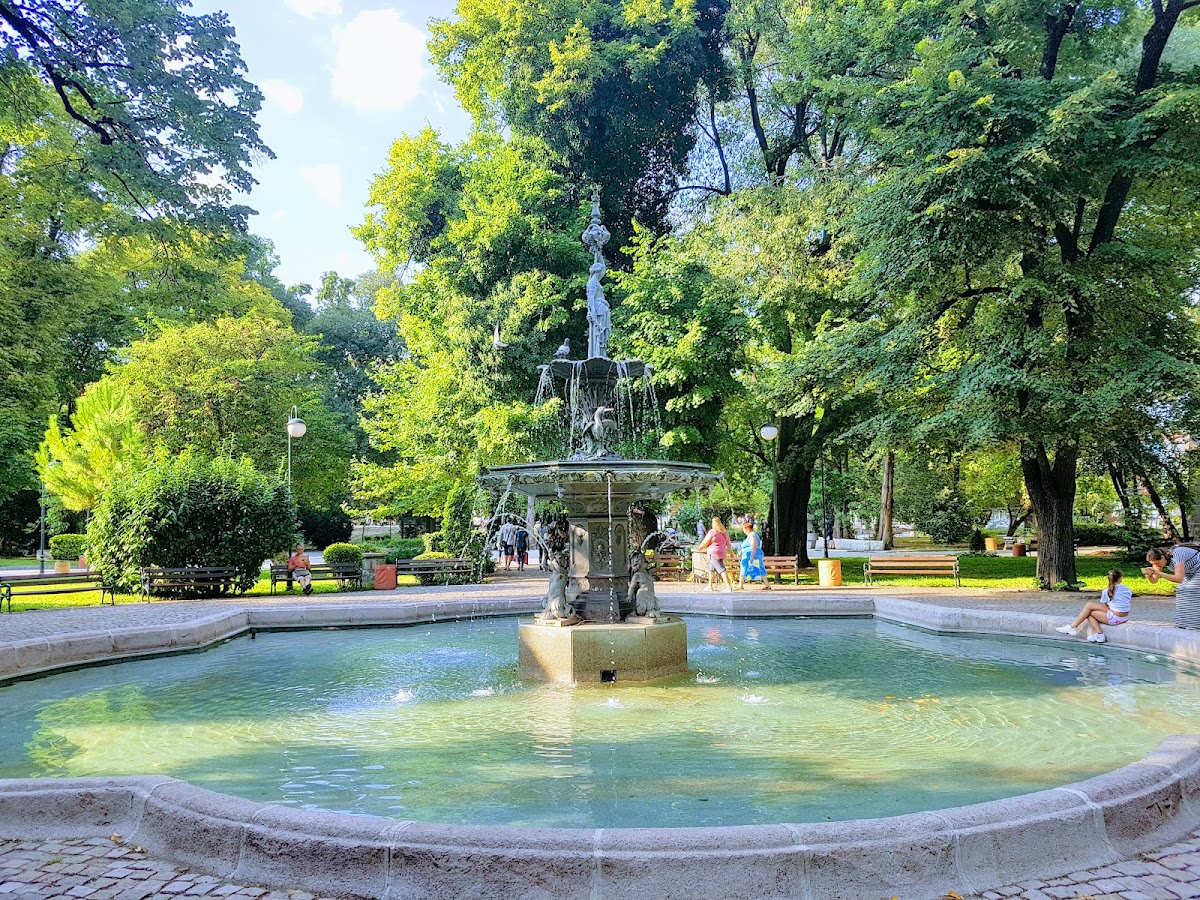
Singing Fountains
Central district, 4000 Plovdiv
Singing Fountains is a tourist attraction featuring synchronised lights and water jets on a tree-fringed lake in Plovdiv's central district. A children's splash fountain is located nearby. The attraction has a rating of 4.7 stars based on nearly 15,000 reviews.
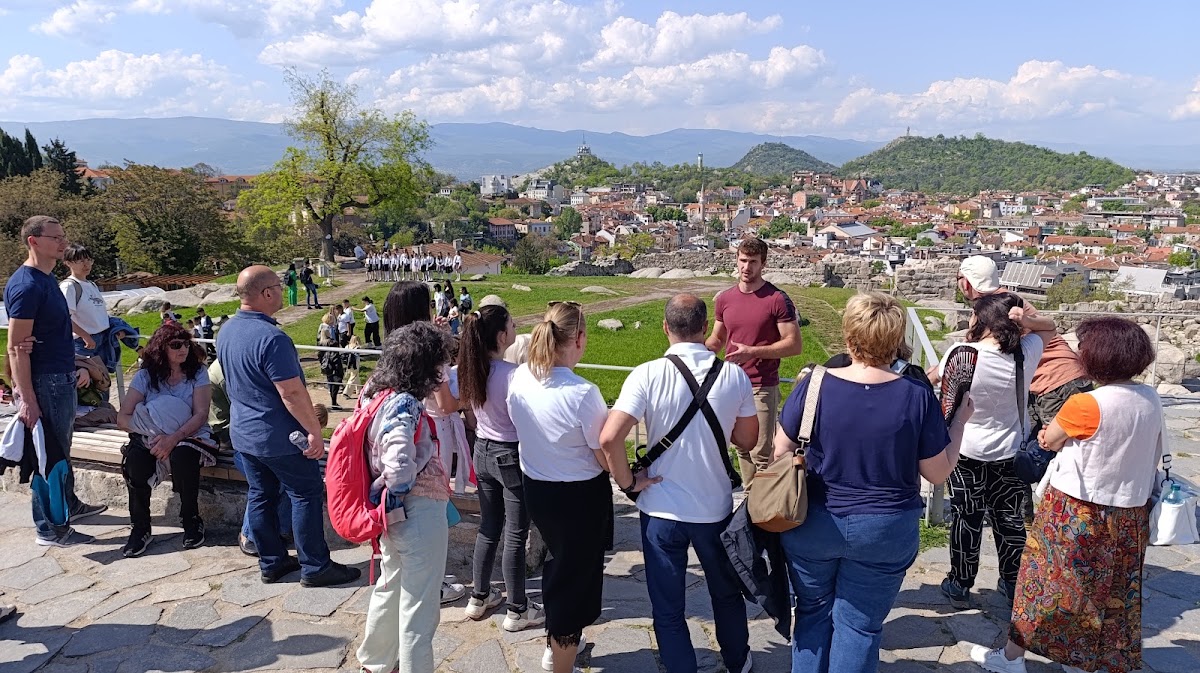
Nebet Tepe
TsentarPlovdiv Center, ul. "Doctor Stoyan Chomakov", 4000 Plovdiv
Nebet Tepe is an archaeological complex featuring the crumbling walls of an ancient fortress located in central Plovdiv. The site offers panoramic views of the city and is rated 4.7 out of 5 based on nearly 3,800 visitor reviews.
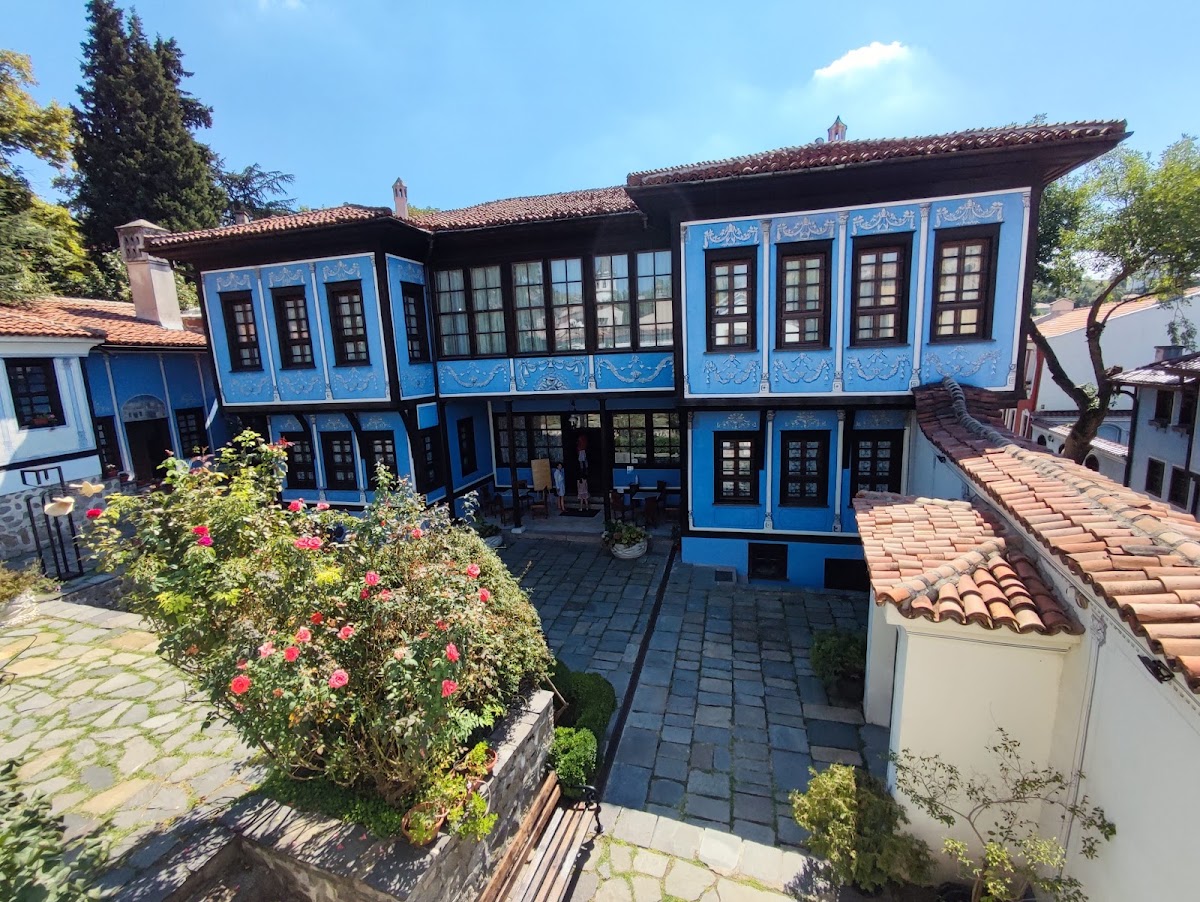
Hindliyan's House
TsentarPlovdiv Center, ul. "Artin Gidikov" 4, 4000 Plovdiv
Hindliyan's House is a museum located in Plovdiv's city center, just 0.3 km from the main area. The venue has a strong rating of 4.8 stars based on 582 visitor reviews.
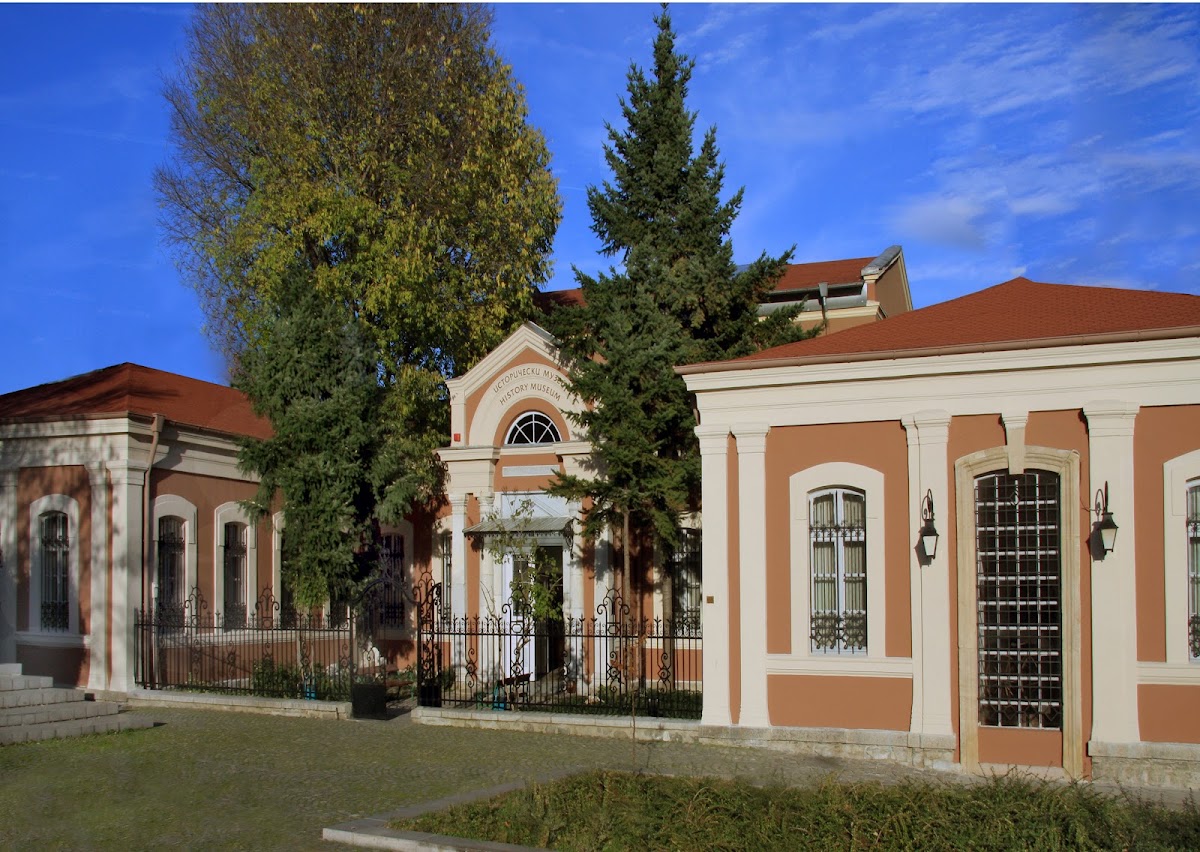
Plovdiv Regional History Museum
TsentarPlovdiv Center, pl. "Saedinenie" 1, 4000 Plovdiv
The Plovdiv Regional History Museum is located in the former home of publisher Hristo G. Danov in the city center and features exhibits on the history of book publishing in Bulgaria. With a rating of 4.7 stars from nearly 500 visitors, it offers insight into the cultural and literary heritage of the region.
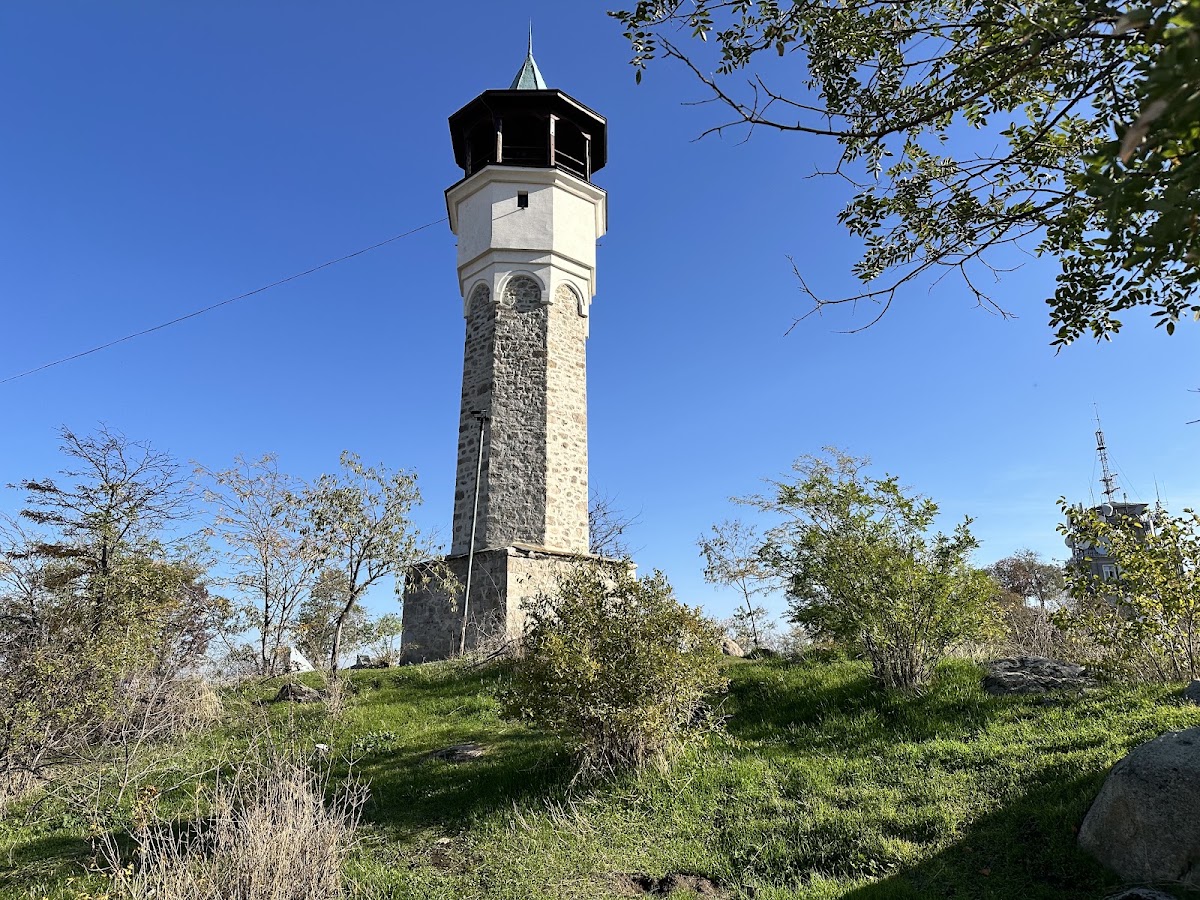
Clock Tower
Plovdiv Center, ul. "Bozhidar Zdravkov" 19, 4000 Plovdiv
The Clock Tower is a tourist attraction located in Plovdiv Center at ul. "Bozhidar Zdravkov" 19, just 0.26 km from the city center. It has a rating of 4.7 based on 351 reviews.
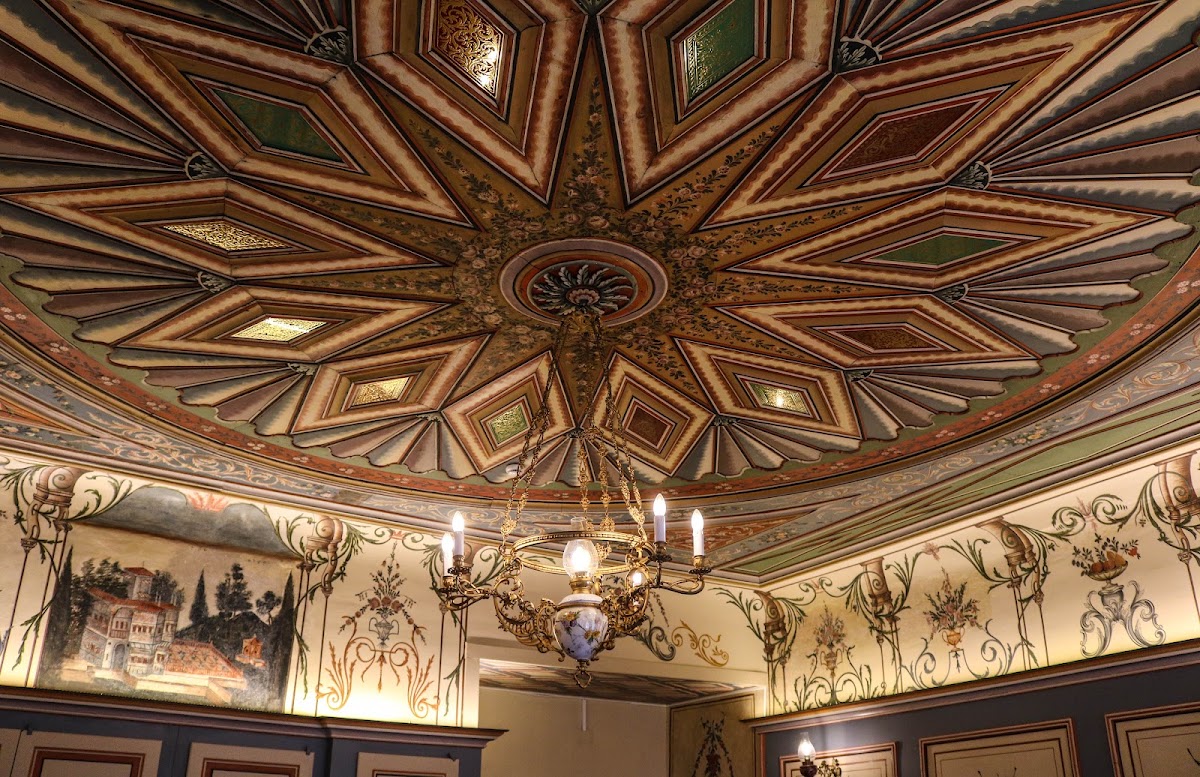
House-Museum Klianti
TsentarPlovdiv Center, ul. "Todor Samodumov" 3, 4000 Plovdiv
House-Museum Klianti is a museum located in the center of Plovdiv, just 0.3 kilometers from the city center. It is situated at ul. Todor Samodumov 3 and has received a rating of 4.5 stars from 219 visitors.
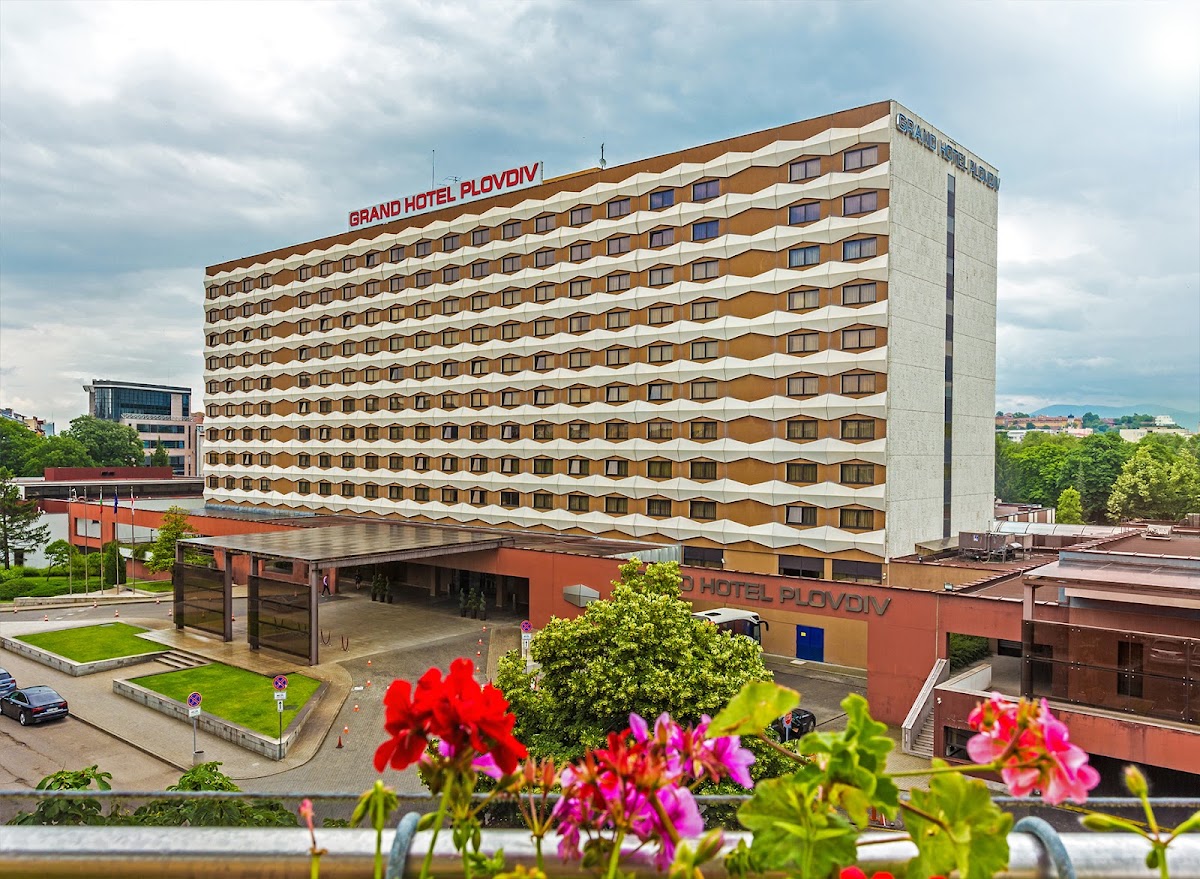
Grand Hotel Plovdiv
HotelKarshiakaSeveren, ul. "Zlatyu Boyadzhiev" 2, 4003 Plovdiv
Grand Hotel Plovdiv is an informal hotel located 0.87 km from the city center, featuring a pool, 4 international restaurants, and 2 bars. The hotel also offers additional amenities including a banquet hall, cafe, hair salon, casino, and car wash. It has a rating of 4.4 based on over 6,000 guest reviews.
Check prices on Booking.com for Grand Hotel Plovdiv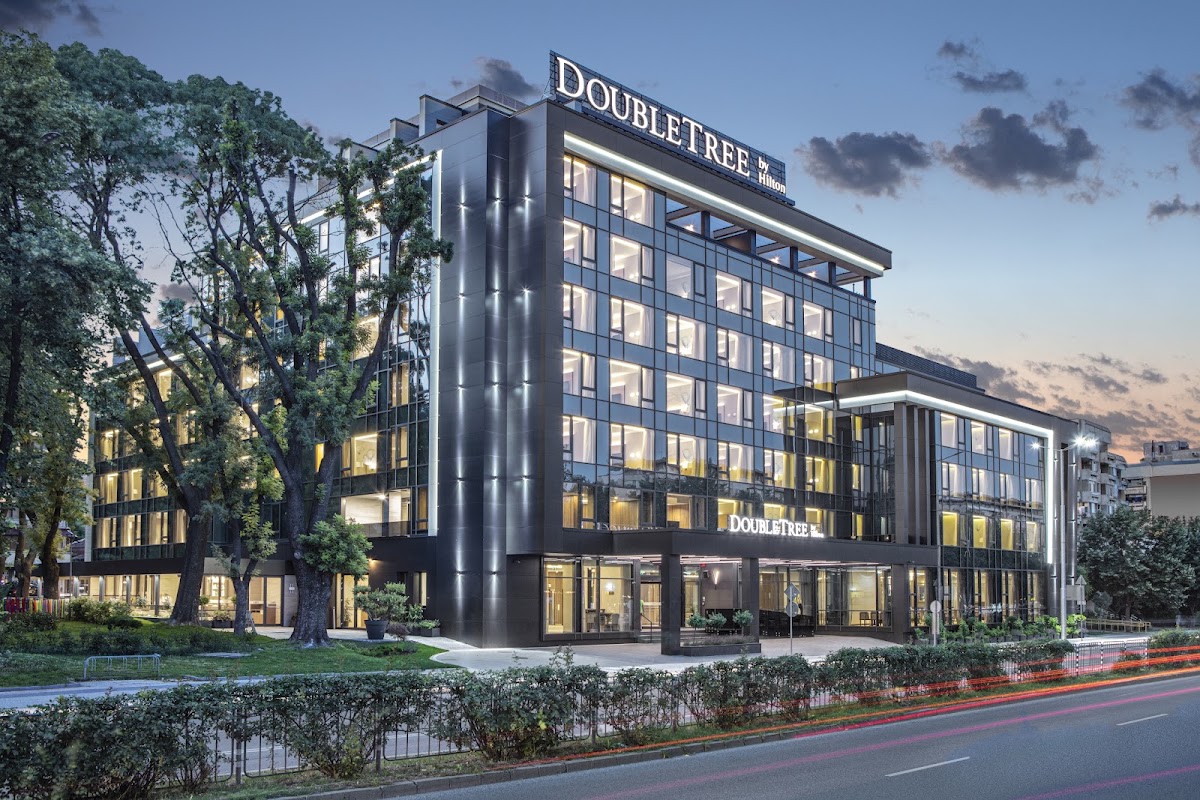
DoubleTree by Hilton Plovdiv Center
HotelTsentarPlovdiv Center, pl. "Sveta Petka" 1, 4000 Plovdiv
DoubleTree by Hilton Plovdiv Center is a hotel located at Sveta Petka Square in central Plovdiv, approximately 0.67 km from the city center. The property offers spa facilities and serves as an event venue. It has a rating of 4.7 based on 1,462 reviews.
Check prices on Booking.com for DoubleTree by Hilton Plovdiv Center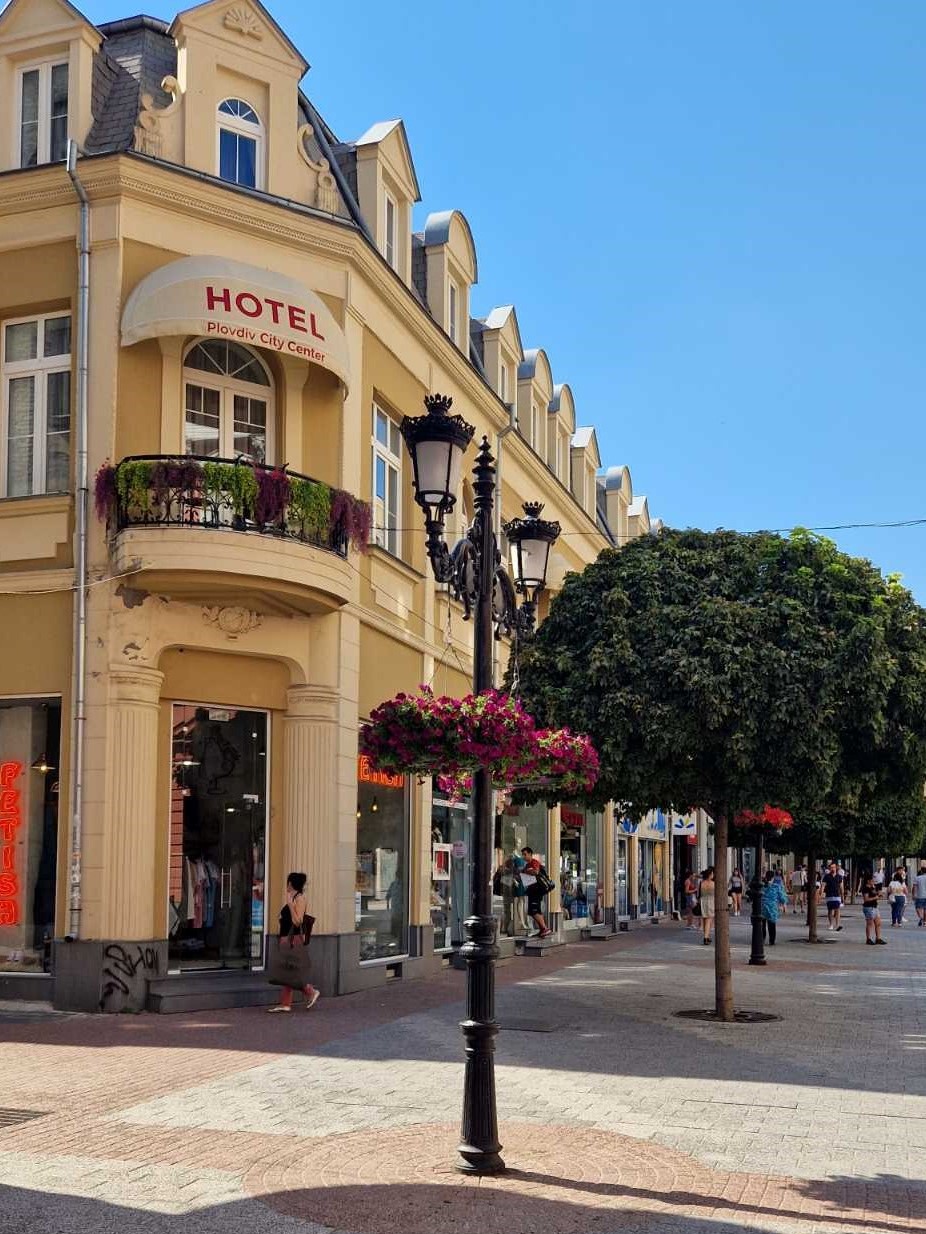
Plovdiv City Center Hotel
HotelTsentarPlovdiv Center, ul. "Knyaz Alexander I" № 14, 4000 Plovdiv
Plovdiv City Center Hotel is a laid-back hotel offering warmly furnished rooms, some with balconies, plus Wi-Fi and a terrace. Located just 0.18 km from the city center, it provides convenient access to Plovdiv's attractions. The hotel has a rating of 4.9 out of 5 based on 537 reviews.
Check prices on Booking.com for Plovdiv City Center Hotel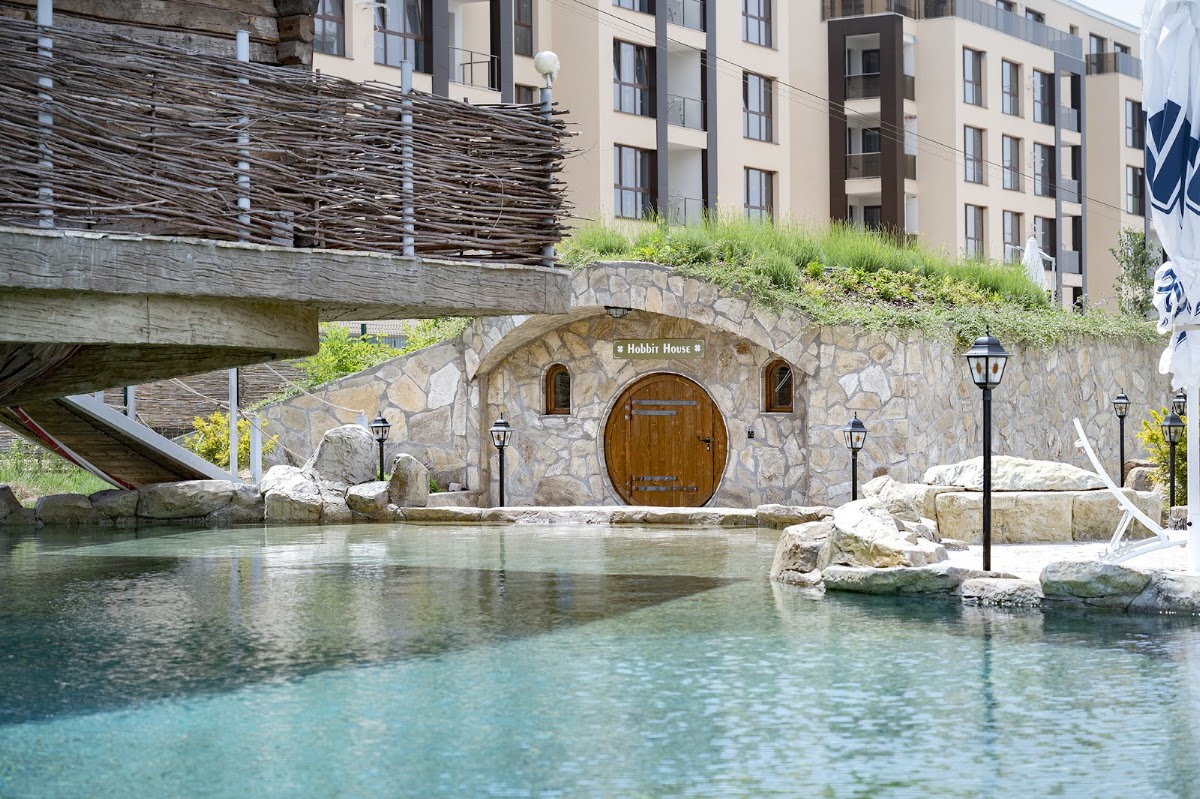
Hotel & Camping Glamping Alliance
HotelGlamping Alliance, Hotel & Camping, Yuzhen, ul. "Komatevsko Shose" 81, 4016 Plovdiv
Hotel & Camping Glamping Alliance is located in the Yuzhen area of Plovdiv, approximately 5.3 km from the city center. The property combines hotel, camping, and glamping accommodations with on-site spa facilities and a restaurant. It has a rating of 4.5 stars based on 489 reviews.
Check prices on Booking.com for Hotel & Camping Glamping Alliance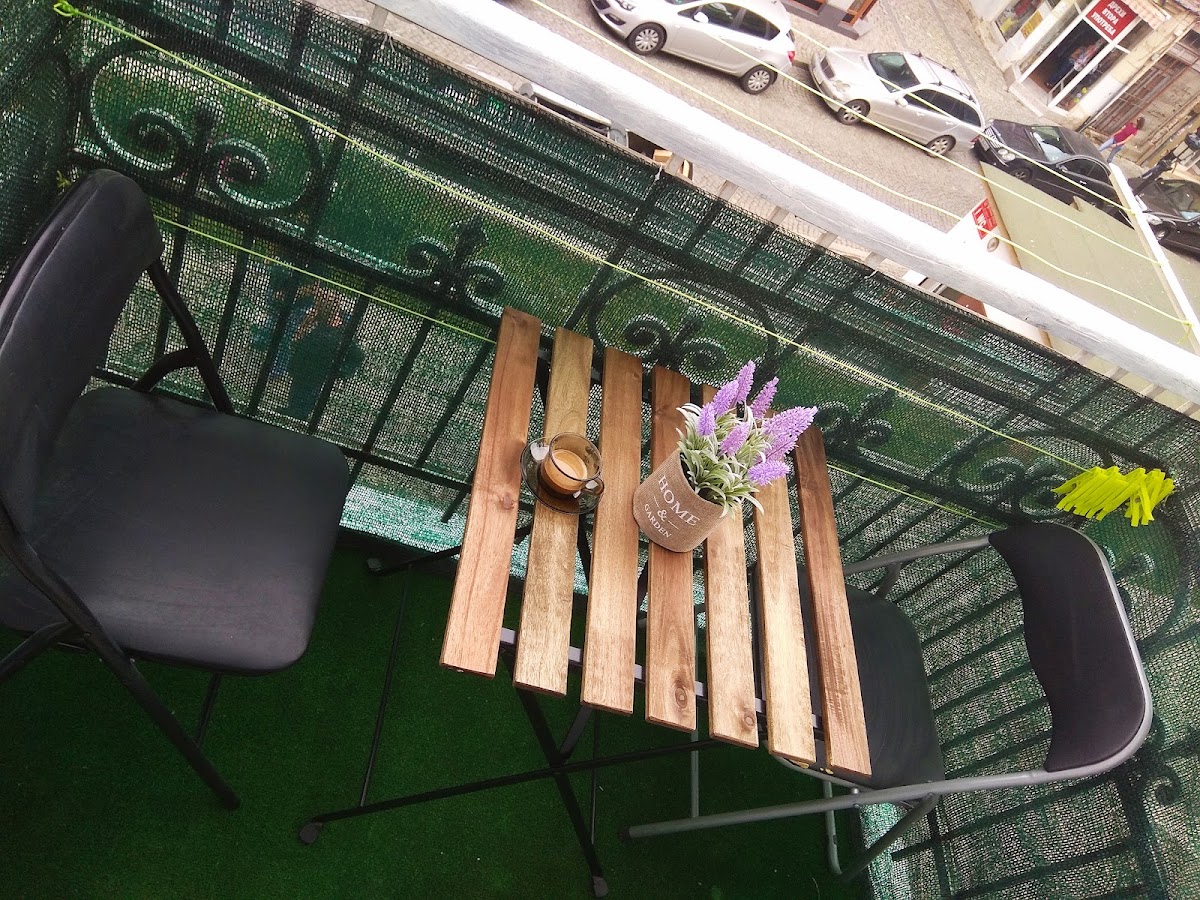
Pijama Hostel
HostelKapanaPlovdiv Center, ul. "Konstantin Stoilov" 9, 4000 Plovdiv
Pijama Hostel is located in the Kapana area of Plovdiv's city center on ul. Konstantin Stoilov, just 60 meters from the main square. This hostel has a rating of 4.1 stars based on 172 guest reviews. It offers guest accommodation in the heart of Plovdiv's historic old town.
Check prices on Booking.com for Pijama Hostel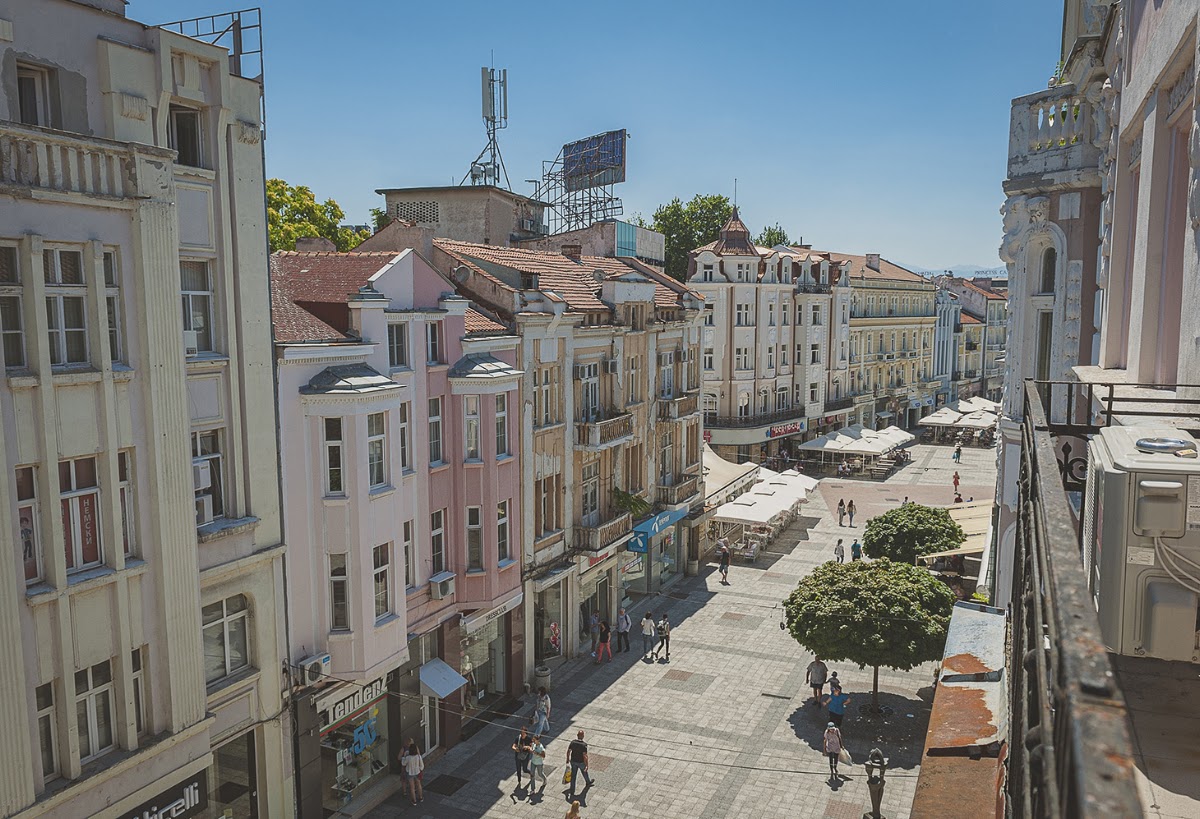
Temple House Plovdiv
HostelTsentarPlovdiv Center, ul. "Knyaz Alexander I" 36, 4000 Plovdiv
Temple House Plovdiv is a hostel located in Plovdiv's center, just 0.34 km from the city center on ul. Knyaz Alexander I. The hostel has a rating of 4.1 stars based on 165 reviews.
Check prices on Booking.com for Temple House Plovdiv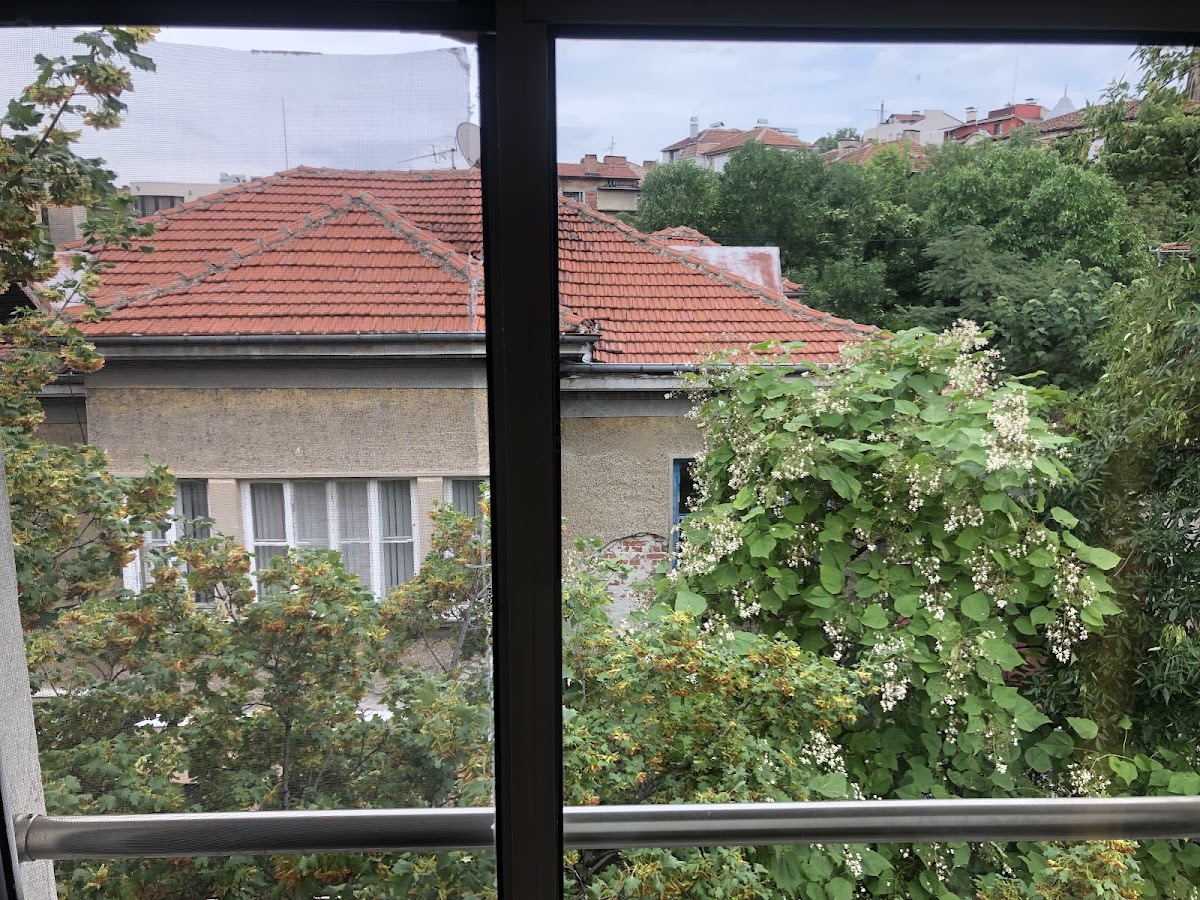
Hakuna Matata Guest House
HostelTsentarPlovdiv Center, ul. "Sveti Sveti Kiril I Metodiy" 2, 4000 Plovdiv
Hakuna Matata Guest House is a hostel located in Plovdiv's city center, just 0.34 km from the main area. It has a rating of 4.3 stars based on 163 guest reviews.
Check prices on Booking.com for Hakuna Matata Guest House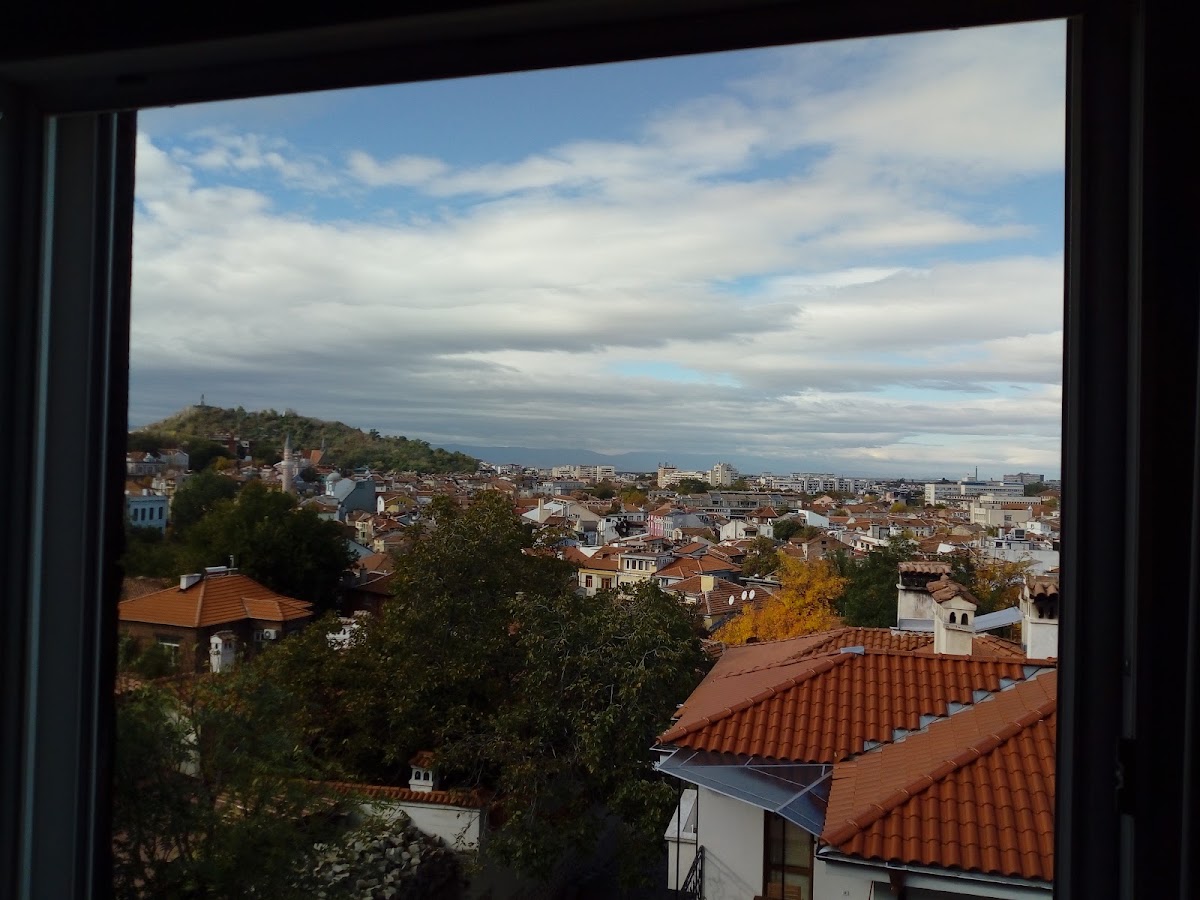
Hikers Hostel
HostelStaria gradPlovdiv Center, ul. "Saborna" 53, 4000 Plovdiv
Hikers Hostel is a casual hostel located in Plovdiv's old town center, just 0.34 km from the city center. It offers unfussy quarters with a cozy lounge and shared kitchen, plus breakfast is included. The hostel has a rating of 4.2 stars based on 151 guest reviews.
Check prices on Booking.com for Hikers Hostel
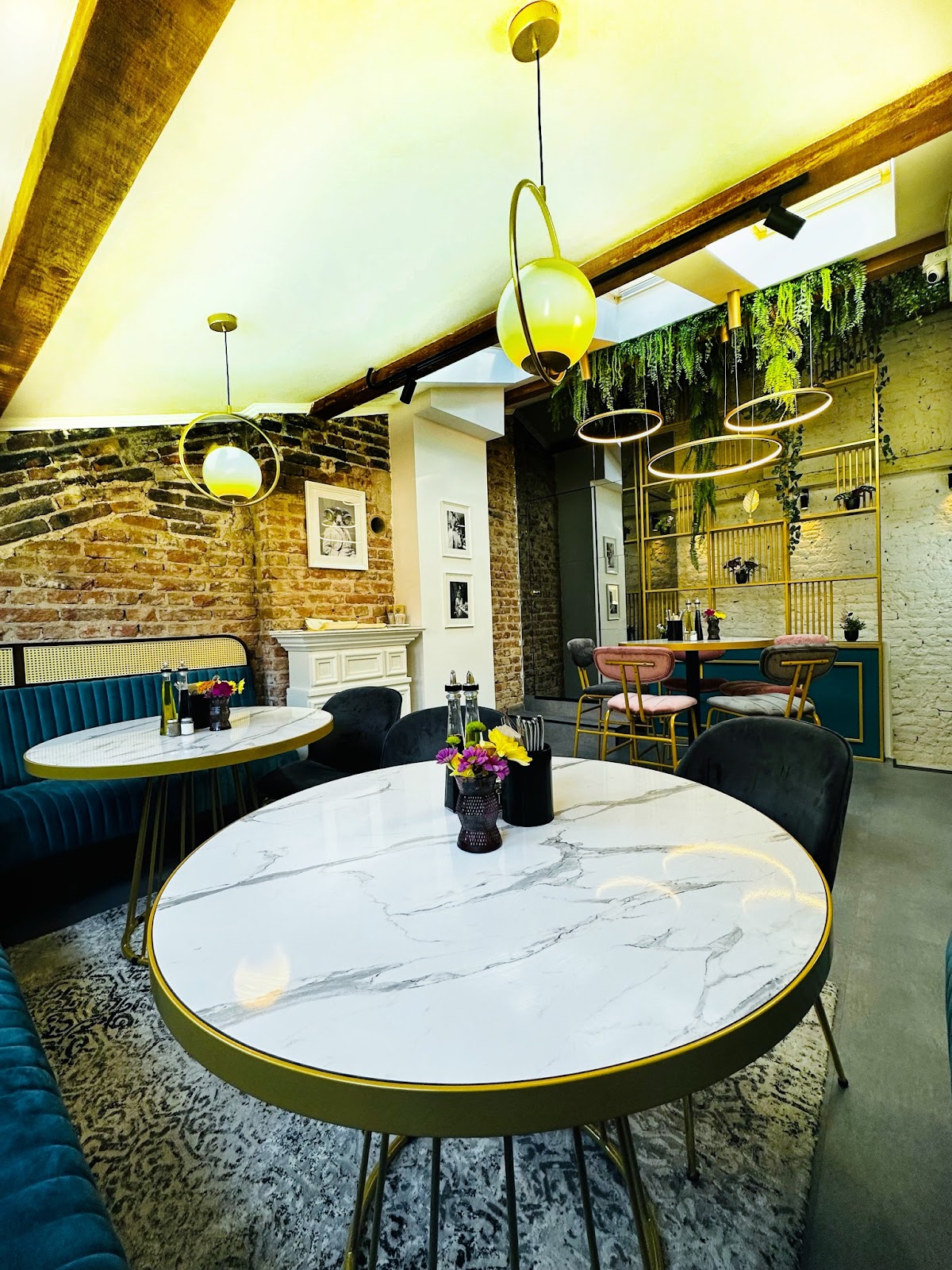
Aylyakria Restaurant
Price $$$Rated 4.7KapanaPlovdiv Center, ul. "Kozhuharska" 3, 4000 Plovdiv
Aylyakria Restaurant is located in the Kapana district of Plovdiv's city center on Kozhuharska Street. It holds a 4.7 rating based on over 3600 reviews and is in the mid-to-upper price range.
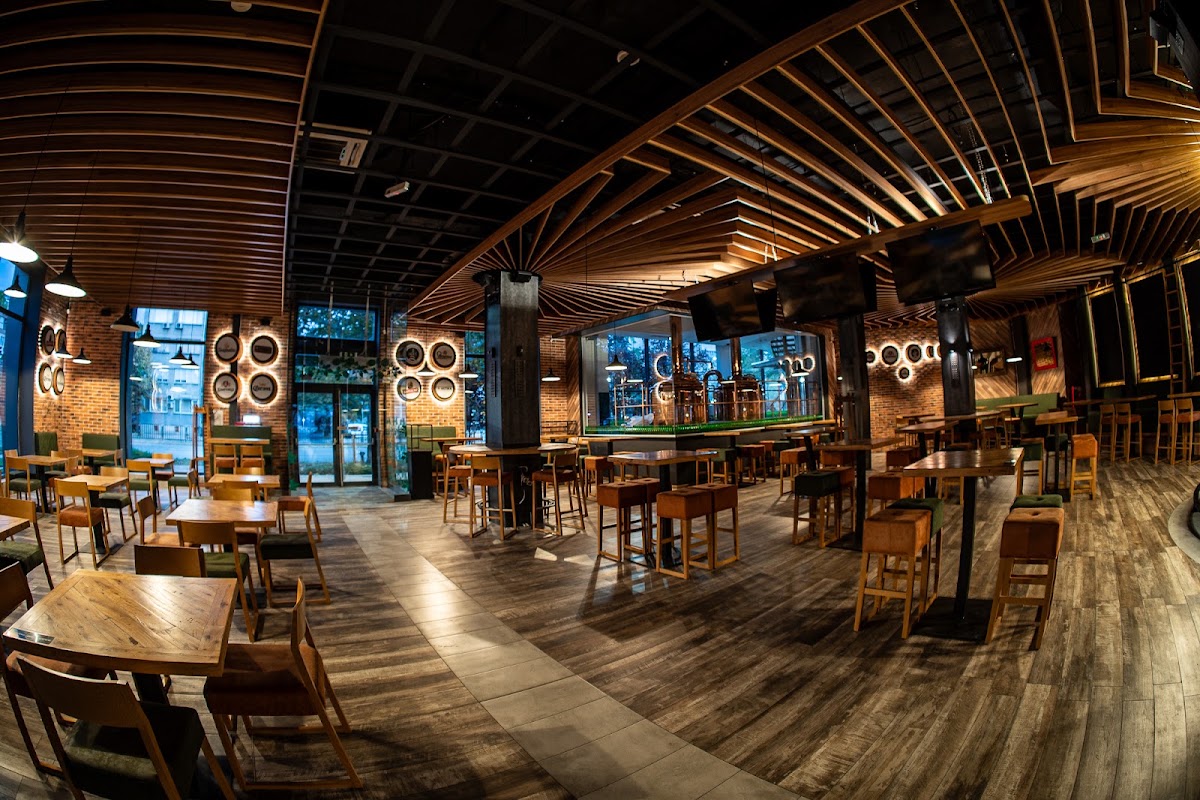
FRIK&S Brewery
Price $$$Rated 4.6Kamenitsa 1Plovdiv Center, бул. „Източен“ 69, 4000 Plovdiv
FRIK&S Brewery is a brewpub located in Plovdiv Center, 1.28 km from the city center. The venue serves as both a restaurant and bar, offering a mid-range price level with a strong rating of 4.6 stars based on nearly 1,900 customer reviews.
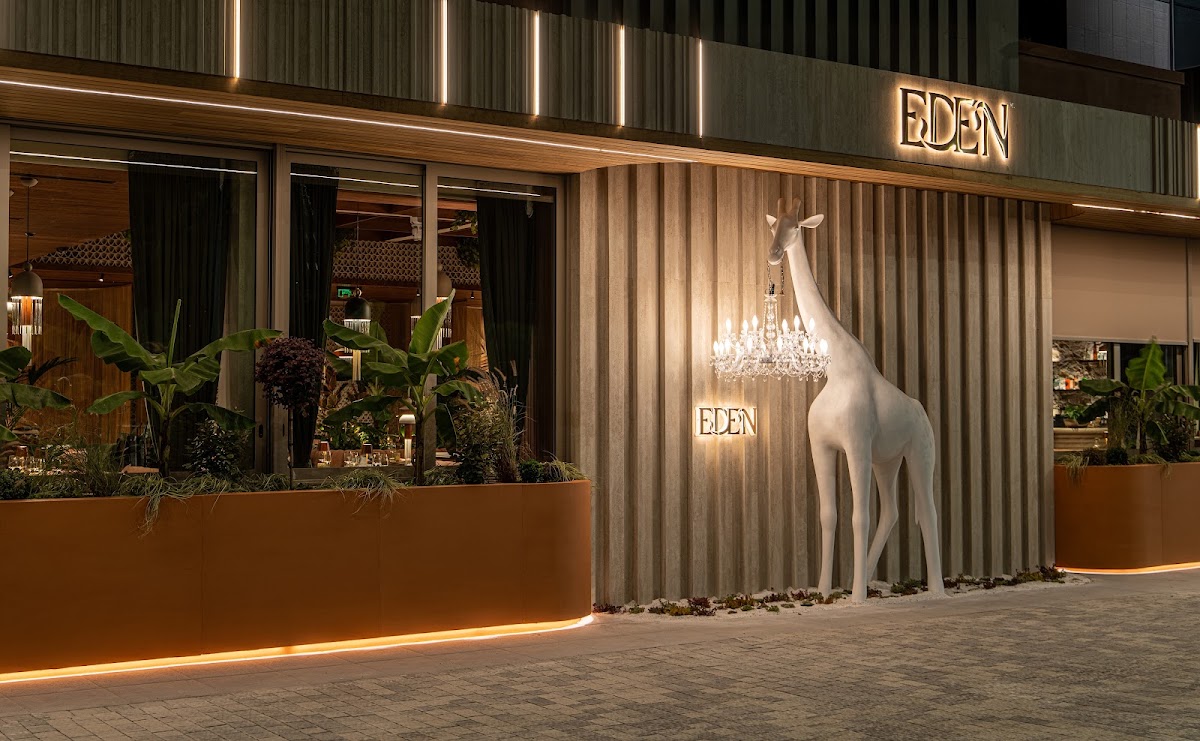
EDEN Restaurant
Price $$$$Rated 4.5Severen, bul. "Dunav" 5, 4003 Plovdiv
EDEN Restaurant is located on Dunav Boulevard in Plovdiv's Severen neighborhood, approximately 1.9 km from the city center. With a 4.5-star rating based on 414 reviews, it operates at the highest price level. The restaurant is classified as a fine dining establishment offering food service.
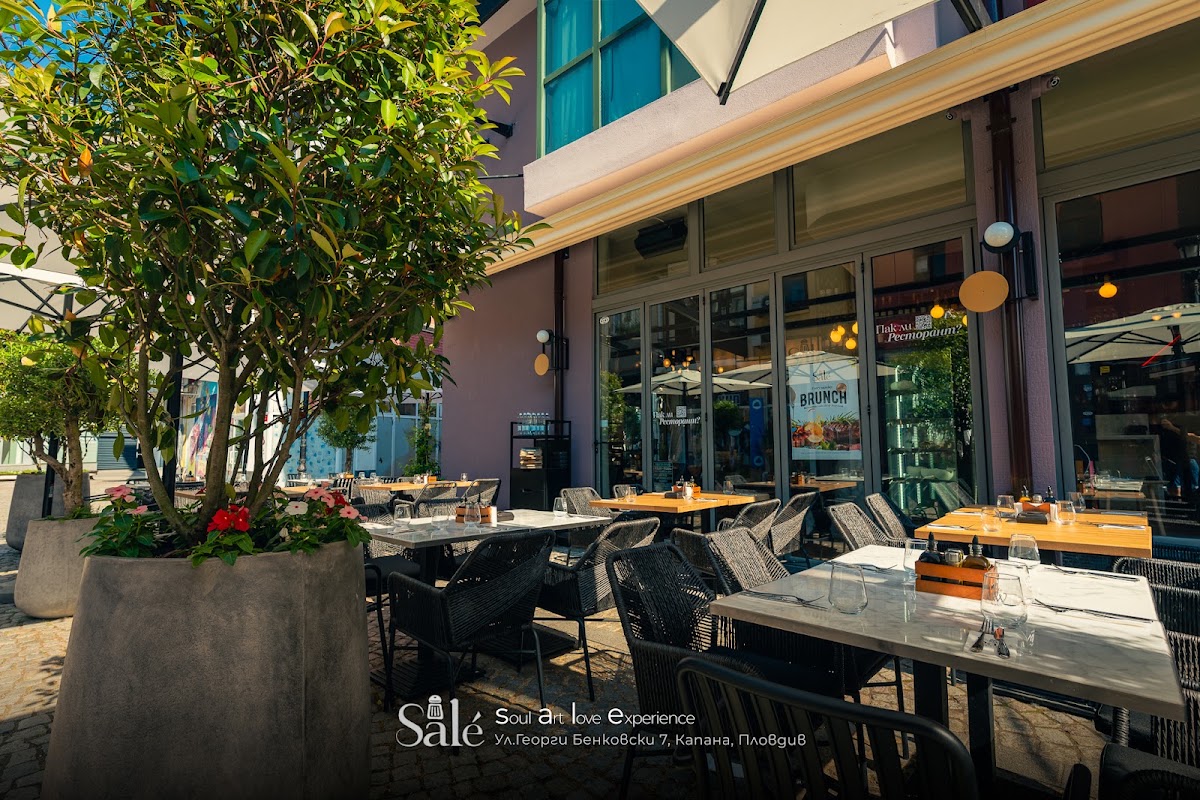
Salé restaurant
Price $$$Rated 4.4Center, KapanaPlovdiv Center, ul. "Georgi Benkovski" 7, 4000 Plovdiv
Salé restaurant is located in Plovdiv's Center district on ul. Georgi Benkovski, just 0.15 km from the city center. With a rating of 4.4 stars from 587 reviews, it offers mid-range pricing and operates as a full-service restaurant.
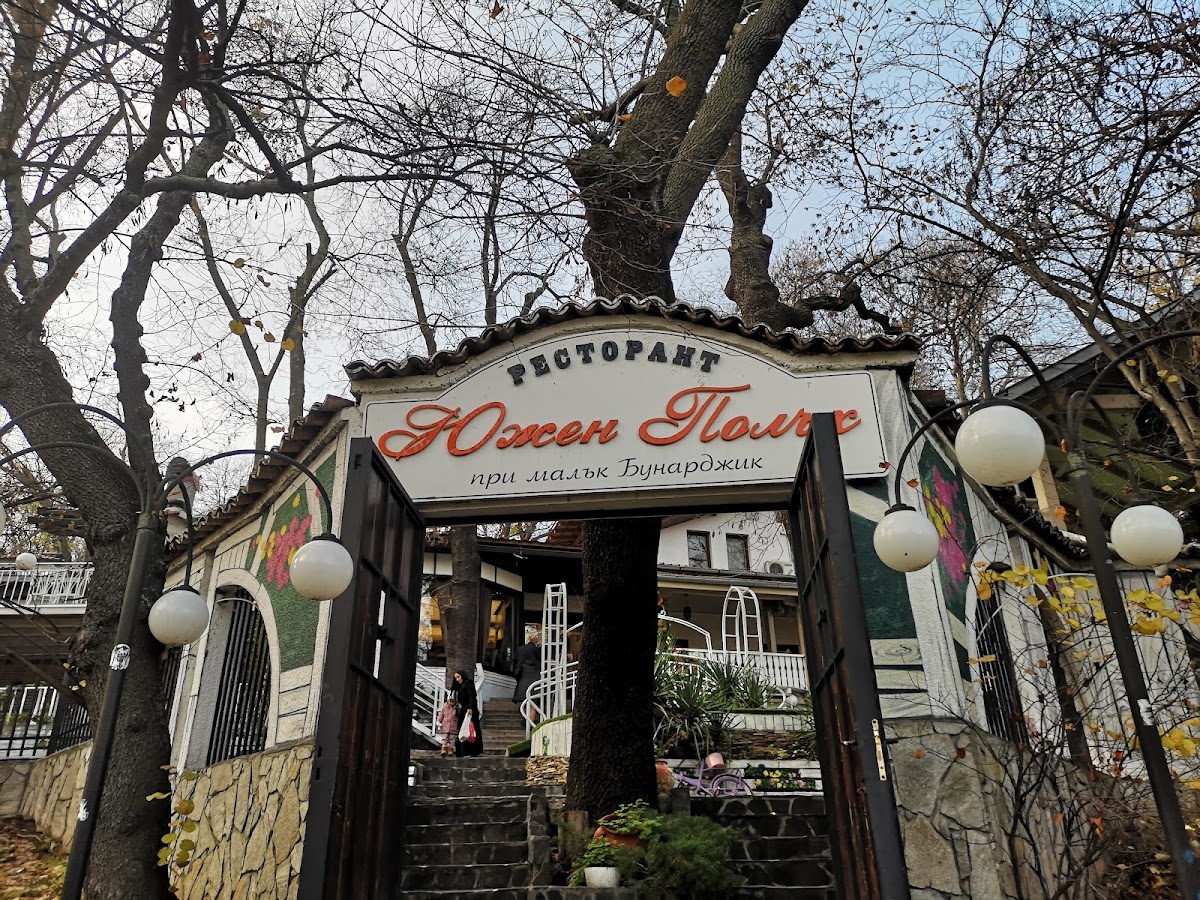
"Yuzhen Polah Pri Malak Bunardzhik" Restaurant
Price $$$Rated 4.4Halm Na OsvoboditelitePlovdiv Center, ul. "Volga" № 1A, 4000 Plovdiv
Yuzhen Polah Pri Malak Bunardzhik is an Eastern European restaurant located in Plovdiv Center, approximately 0.73 km from the city center. It has a rating of 4.4 stars based on 3446 reviews and is in the mid-to-upper price range.
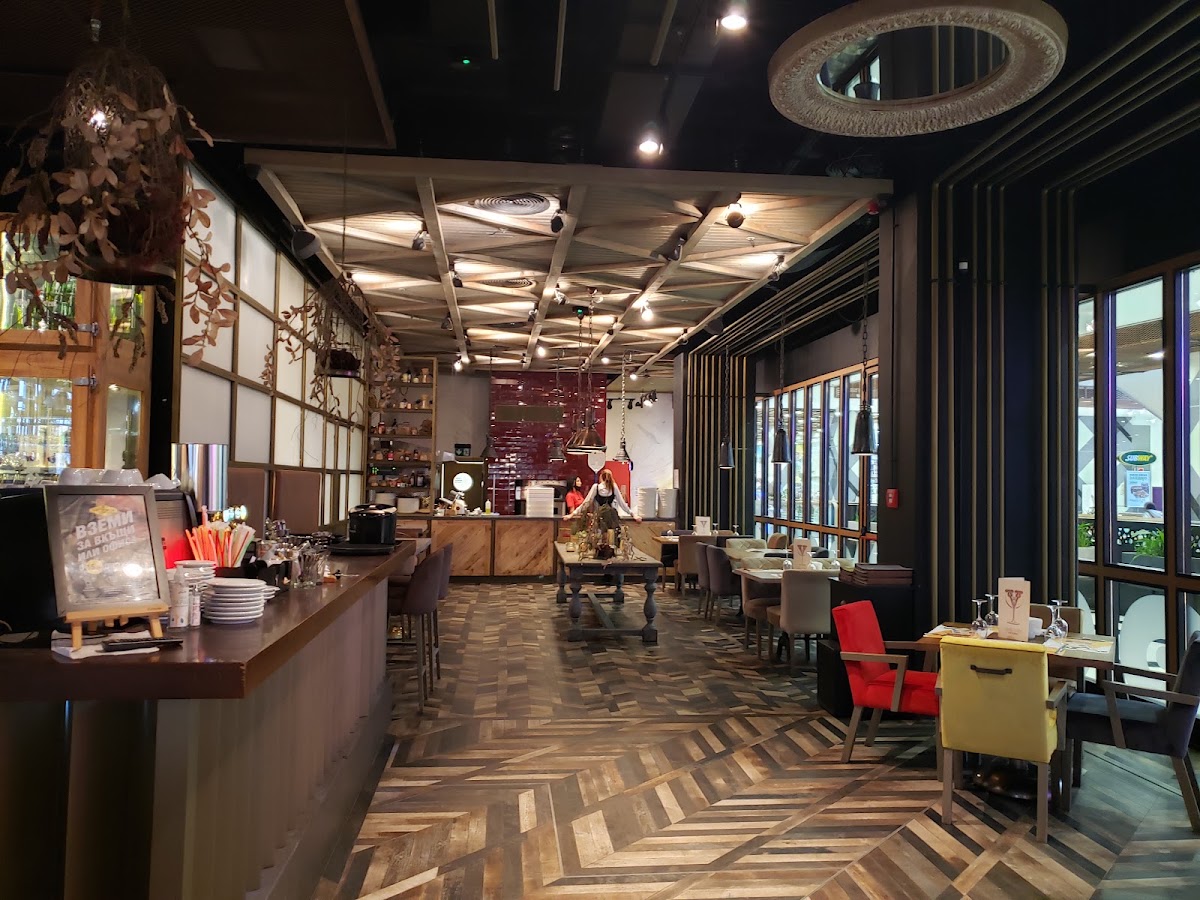
Restaurant Victoria Markovo Tepe Mall
Price $$$Rated 4.3TsentarPlovdiv Center, bul. Ruski 54, 4002 Plovdiv
Restaurant Victoria is located in Markovo Tepe Mall in central Plovdiv, less than 1 km from the city center. The restaurant offers sushi, Mediterranean cuisine, and pizza, with options for dine-in, takeaway, and delivery. It has a 4.3-star rating based on over 2,100 reviews and is moderately priced.
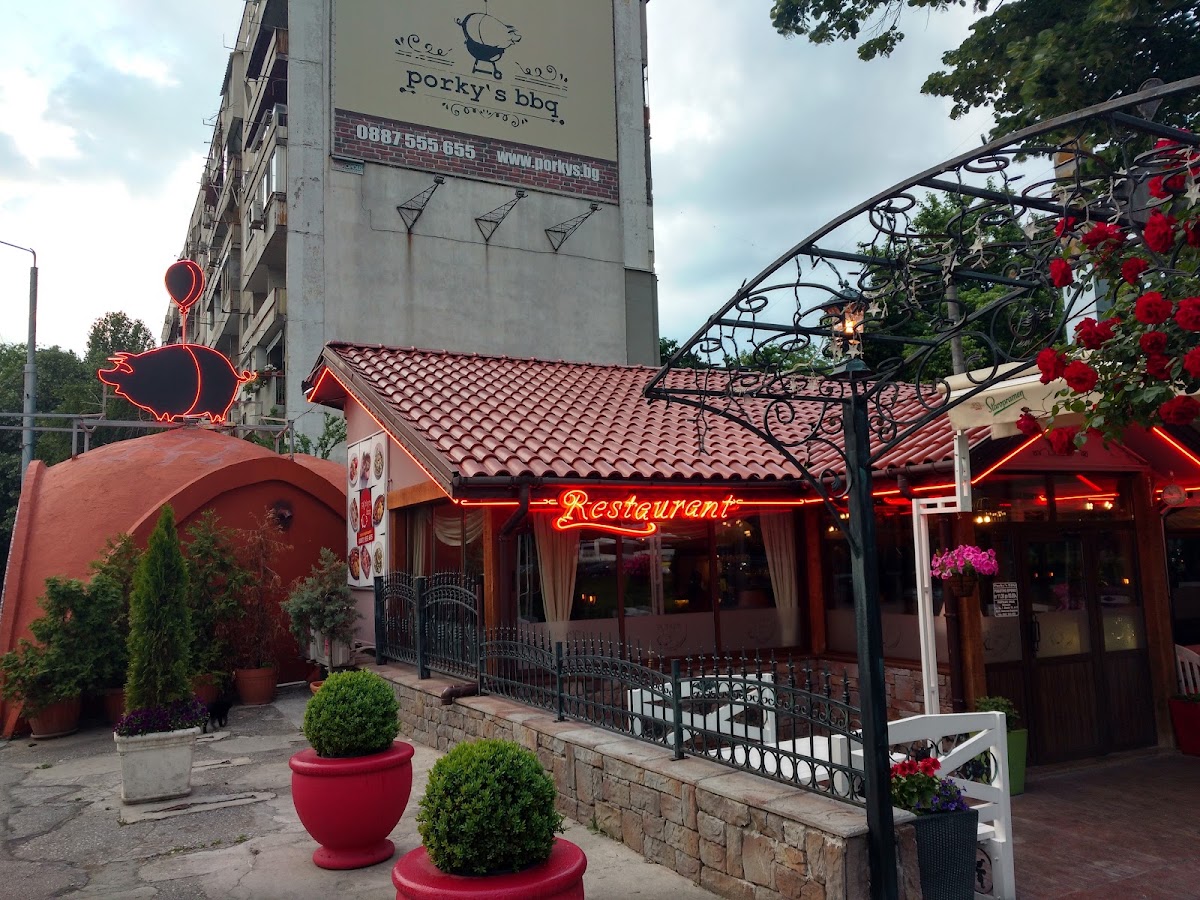
Porky's bbq
Price $$$Rated 4.3FilipovoSeveren, bul. "Dunav" 29, 4000 Plovdiv
Porky's bbq is a restaurant located on bul. Dunav in northern Plovdiv, about 1.7 km from the city center. It has a rating of 4.3 stars based on over 1,000 reviews and is positioned at a moderate price level.
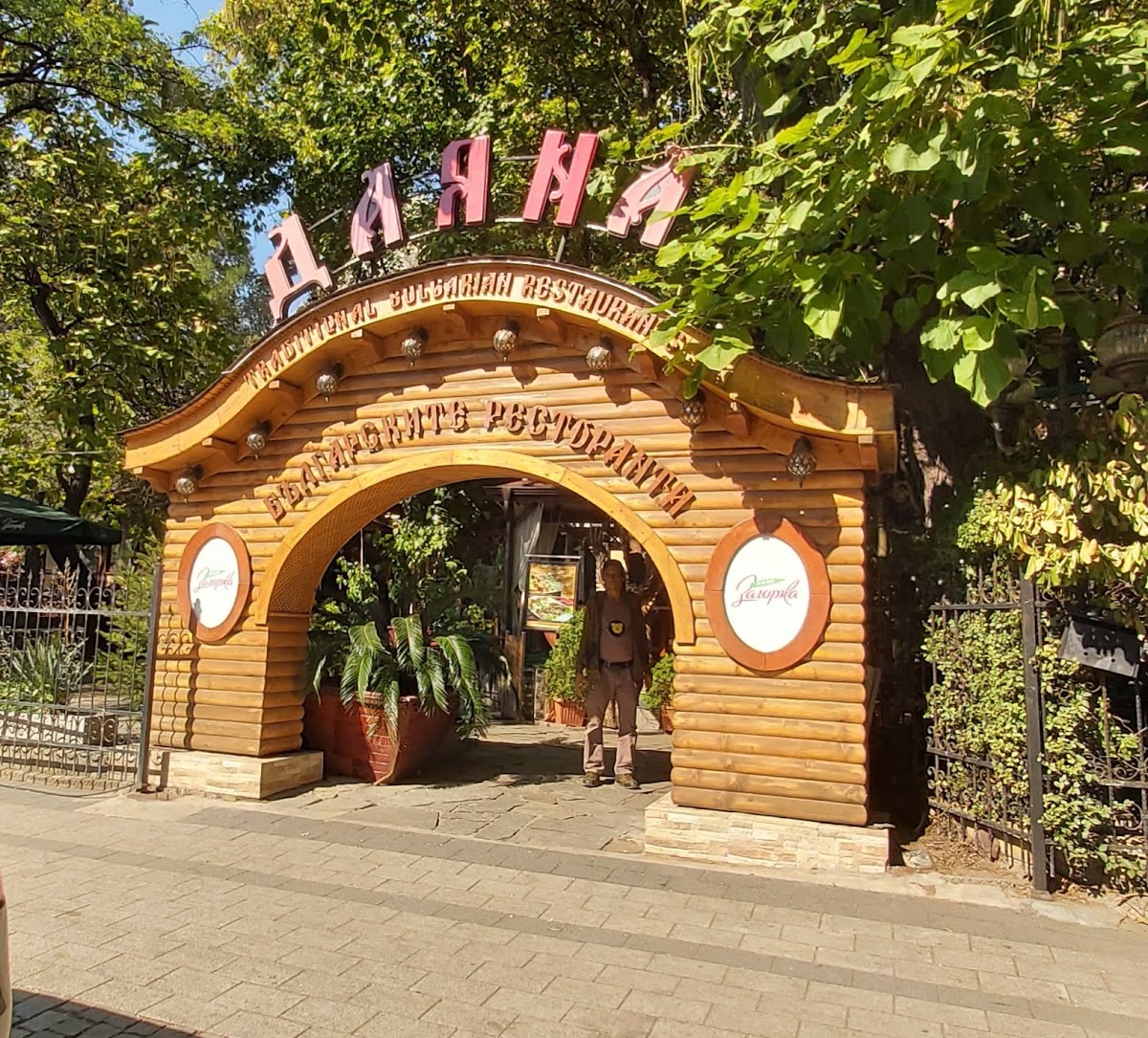
Restaurant Dayana-3
Rated 3.7Plovdiv Center, ul. "Knyaz Al. Dondukov-Korsakov" 4, 4000 Plovdiv
Restaurant Dayana-3 is located in Plovdiv's city center on Knyaz Al. Dondukov-Korsakov street, just 0.46 km from the main square. With a rating of 3.7 stars based on 950 reviews, it serves as a dining option in the heart of the city.
What things cost in Plovdiv
Typical prices. Estimates only: prices vary by season and neighborhood.
| Hostel dorm bedTypically 12-25 EUR. Dorm bed, higher in summer. | €12 – €25 |
|---|---|
| Budget hotel roomTypically 35-65 EUR. Simple private room or guesthouse. | €35 – €65 |
| Mid-range hotel roomTypically 65-120 EUR. Comfortable hotel, often in or near the centre. | €65 – €120 |
| Luxury hotel roomTypically 130-250 EUR. Upscale boutique or large hotel. | €130 – €250 |
| CoffeeTypically 1.50-3.50 EUR. Espresso or cappuccino at a cafe. | €1.50 – €3.50 |
|---|---|
| Local beerTypically 1.50-3.50 EUR. Draught beer at a bar or restaurant. | €1.50 – €3.50 |
| Street food snackTypically 1.50-4 EUR. Banitsa, pastries and quick takeaway bites from bakeries and stalls. | €1.50 – €4.00 |
| Budget mealTypically 6-12 EUR. Simple traditional dishes at local eateries. | €6 – €12 |
| Groceries (per day)Typically 10-20 EUR. Basic supermarket items for one person. | €10 – €20 |
| Mid-range mealTypically 15-30 EUR. Per person for a sit-down dinner with a drink. | €15 – €30 |
| Fine diningTypically 40-80 EUR. Per person at the city's upscale restaurants. | €40 – €80 |
| Public transport rideOfficial single city bus ticket 0.50 EUR; 24-hour ticket 2.56 EUR. Source: plovdiv.bg. | €0.50 |
|---|---|
| Short taxi rideTypically 3-7 EUR. Short trip within the city. | €3.00 – €7.00 |
| Guided walking tourTypically 0-25 EUR. Free tip-based tours exist alongside paid private tours. | €0 – €25 |
|---|---|
| Day trip tourTypically 40-90 EUR. Organised excursion to nearby monasteries or mountains. | €40 – €90 |
Essentials
Practical things to know before you arrive in Plovdiv.
When to go
The best months to visit Plovdiv are May to June and September to early October, when it is warm and pleasant for walking the Old Town and the hills.
- Peak: June-August
- Shoulder: April-May, September-October
- Low: November-March
Getting around
Plovdiv's centre is compact and the main sights, including the Old Town, the Roman Stadium area, the pedestrian main street and the Kapana district, are best explored on foot. Cobbled lanes in the Old Town are uneven and steep in places, so comfortable shoes help. City buses cover the wider area, and taxis are readily available for short trips, though it is wise to agree on the fare method or use a reputable company.
Plovdiv Airport is small and has limited services, so many visitors arrive via Sofia Airport and continue by bus or train, a journey of roughly two hours. The city has a main train station and a separate bus station to the south, each within a short taxi or bus ride of the centre. Renting a car is useful for day trips to places such as the Rhodope Mountains and Bachkovo Monastery.
Where to stay
The pedestrian centre around the main street and Kapana is the most convenient base for first-time visitors, with cafes, bars and restaurants on the doorstep and easy walking to the sights. It suits those who like nightlife and a lively atmosphere, though some streets can be noisy on weekend evenings.
The Old Town on the hill offers atmospheric guesthouses in restored historic houses and is ideal for couples and travellers who want quiet evenings, but access involves cobbles and stairs. Areas near the Maritsa river and the Tsar Simeon Garden side are calmer and good for families, while places near the train station suit those with early departures and tighter budgets.
Money
The local currency is Euro (EUR).
Exchange rates
- 1 EUR = 1.138 USD (rate as of 2026-09-25)
Cash and cards
- Cards are widely accepted in hotels, restaurants and shops in the centre, but carrying some cash is useful for small cafes, markets, taxis and rural trips.
- Keep small notes and coins for bakeries, kiosks and public toilets.
- Check whether a service charge is already included in the bill before tipping.
- Choose to pay in euros rather than accepting conversion at the card terminal.
- Use ATMs inside or beside banks and avoid standalone exchange booths with poor rates.
- Markets and smaller shops may prefer cash.
Taxes and tipping
- Tipping around 10 percent in restaurants is customary if service is good, and rounding up is common in taxis and cafes.
Language: Bulgarian
English: English is widely spoken by younger people and in hotels, restaurants and tourist sites. Older residents may speak less English, and some also speak Russian or German.
- Hello
- Здравейтеzdra-VAY-te
- Good day
- Добър денDO-bur den
- Please / You're welcome
- МоляMO-lya
- Thank you
- Благодаряbla-go-da-RYA
- Yes
- Даda
- No
- Неneh
- Excuse me / Sorry
- Извинетеiz-vi-NE-te
- How much does it cost?
- Колко струва?KOL-ko STROO-va
- I don't understand
- Не разбирамneh raz-BEE-ram
- Do you speak English?
- Говорите ли английски?go-vo-REE-te li an-GLEES-ki
- The bill, please
- Сметката, моляSMET-ka-ta MO-lya
- Cheers
- Наздравеnaz-DRA-ve
More in Bulgaria

This guide is for general reference. Check opening hours, prices and entry rules with official sources before you travel.