
Sofia
Bulgaria's capital sits beneath Vitosha mountain, mixing Roman ruins, Orthodox churches, Soviet-era architecture and a lively café and food scene.
Sofia quick facts
- Best time to visit
- The best months to visit Sofia are May to June and September to early
- Language
- Bulgarian
- Currency
- Euro (EUR)
- Getting around
- Metro, tram and bus
- Suggested stay
- 3 days
- Population
- 1.2M
About Sofia
Sofia is the capital and largest city of Bulgaria, set in a broad valley at the foot of Vitosha mountain at roughly 550 meters above sea level. It is one of the oldest cities in Europe, and layers of Thracian, Roman, Byzantine, Ottoman and socialist-era history sit side by side in its compact center.
The downtown is easy to explore on foot. Wide boulevards paved with yellow bricks, grand late nineteenth-century public buildings, Orthodox churches, a mosque and a synagogue all stand within a short walk of each other, a visible sign of the city's religious diversity. Excavated Roman streets can be seen inside metro stations and underpasses.
Sofia has a relaxed, youthful feel. Parks such as the Borisova Gradina are popular for walking, the pedestrian Vitosha Boulevard is lined with cafés and shops, and many residents head to Vitosha mountain on weekends for hiking in summer and skiing in winter. Evenings are lively, with a strong bar, restaurant and live music culture.
The city suits a short stay of two to four days, and it works well as a base for trips to the Rila and Rhodope mountains, the Rila Monastery and nearby towns.
Known for
- Alexander Nevsky Cathedral, Roman and Serdica ruins, Vitosha mountain on the city's doorstep, Cafe culture and nightlife, Orthodox churches and religious diversity, Affordable food and drink
Food in Sofia
Bulgarian cooking is built on fresh vegetables, dairy, grilled meats and herbs. Meals often begin with a cold salad and a glass of rakia, the fruit brandy that is a national tradition. Sofia's restaurants cover traditional home-style cooking, modern Bulgarian cuisine and a wide range of international options.
Yogurt and white brined cheese are everyday staples, and bakeries sell flaky pastries for breakfast or a quick snack. Soups, stews served in clay pots, and grilled meats are common main courses, while seasonal produce such as tomatoes and peppers is excellent in summer.
Eating out is relaxed and social, and portions are generous. Bulgarian wine has a long history and local wines are widely available by the glass, and craft beer and specialty coffee have also become popular in the city.
History of Sofia
The area was settled in antiquity by the Thracians, and the Roman city of Serdica became an important regional center after being taken in the first century AD. Emperor Constantine is said to have favored the city, and its Roman-era walls, streets and buildings survive in places beneath the modern center.
The settlement later passed between Byzantine and Bulgarian rule and was known as Sredets in the medieval Bulgarian period. The name Sofia comes from the Church of St. Sofia and is in use from around the fourteenth century. The Ottomans took the city in the late fourteenth century and held it for about five centuries, making it a regional administrative center.
After the Russo-Turkish War, Sofia was chosen as the capital of the restored Bulgarian state in 1879. It grew quickly with planned streets and new public buildings, was heavily bombed in the Second World War, and was rebuilt during the socialist era with large housing districts and monumental architecture. Since 1989 it has become a modern European capital.
Culture and etiquette
Bulgarians are generally warm but somewhat reserved with strangers. A handshake is a common greeting, and it is polite to greet shop staff and people you meet in small settings. Bulgaria has a distinctive head gesture: nodding sideways generally means yes and nodding up and down can mean no, so confirm with words when it matters.
When entering Orthodox churches and monasteries, dress modestly, keep voices low and be careful about photography, especially during services. Lighting a candle is a common custom. If invited to a home, it is usual to remove your shoes and bring a small gift such as flowers or sweets.
Tipping of around ten percent in restaurants is customary if service was good. Many cafés and bars are social centers, and people often linger over a single drink. Traditional holidays such as Baba Marta on March 1, when people exchange red and white martenitsi bracelets, are widely observed.
Things to do in Sofia
What to see, where to stay and where to eat.
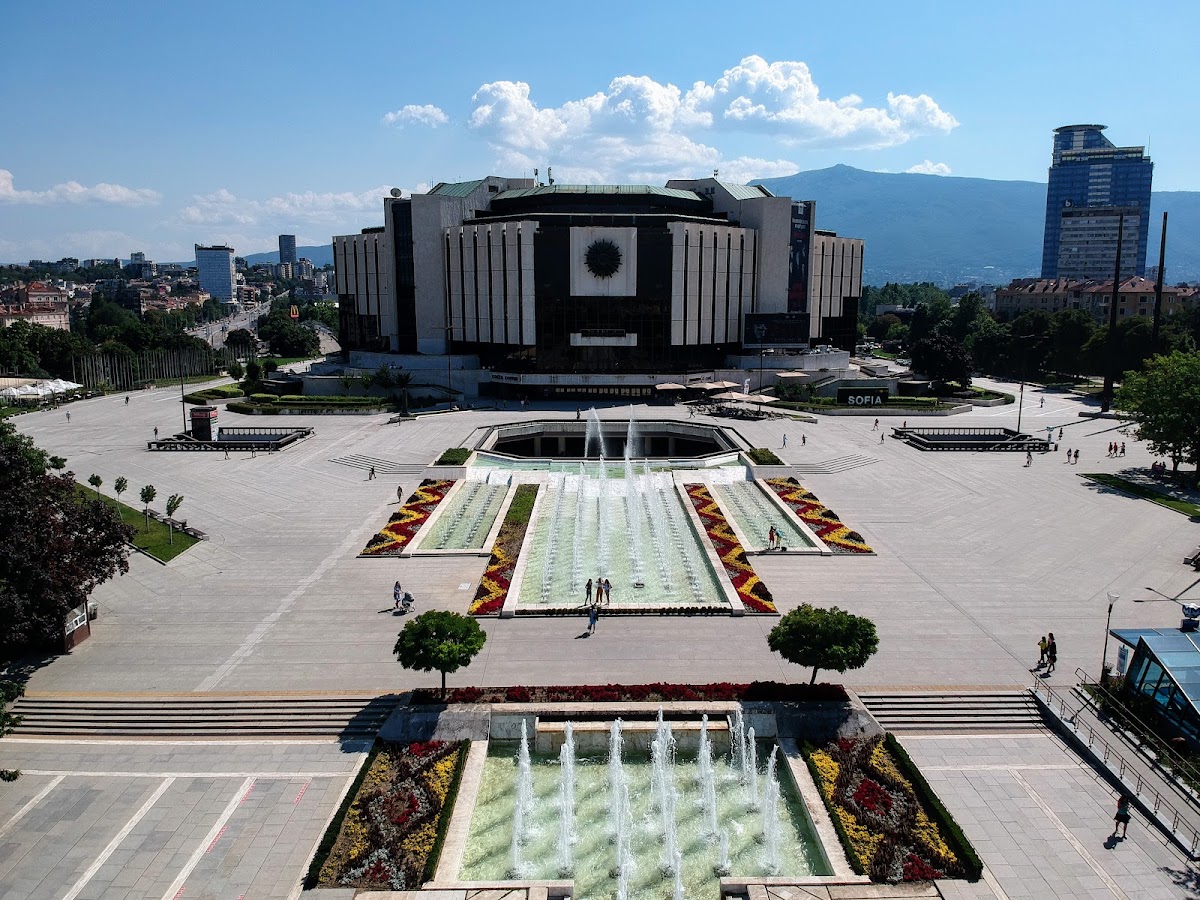
National Palace of Culture Park
Ndk, bul. "Vitosha", 1463 Sofia
National Palace of Culture Park is a huge complex located on Vitosha Boulevard, just over 1 km from Sofia's city center. It hosts conferences, trade fairs, festivals, and cultural events featuring big-name acts. The venue has a rating of 4.6 stars based on nearly 32,000 reviews.
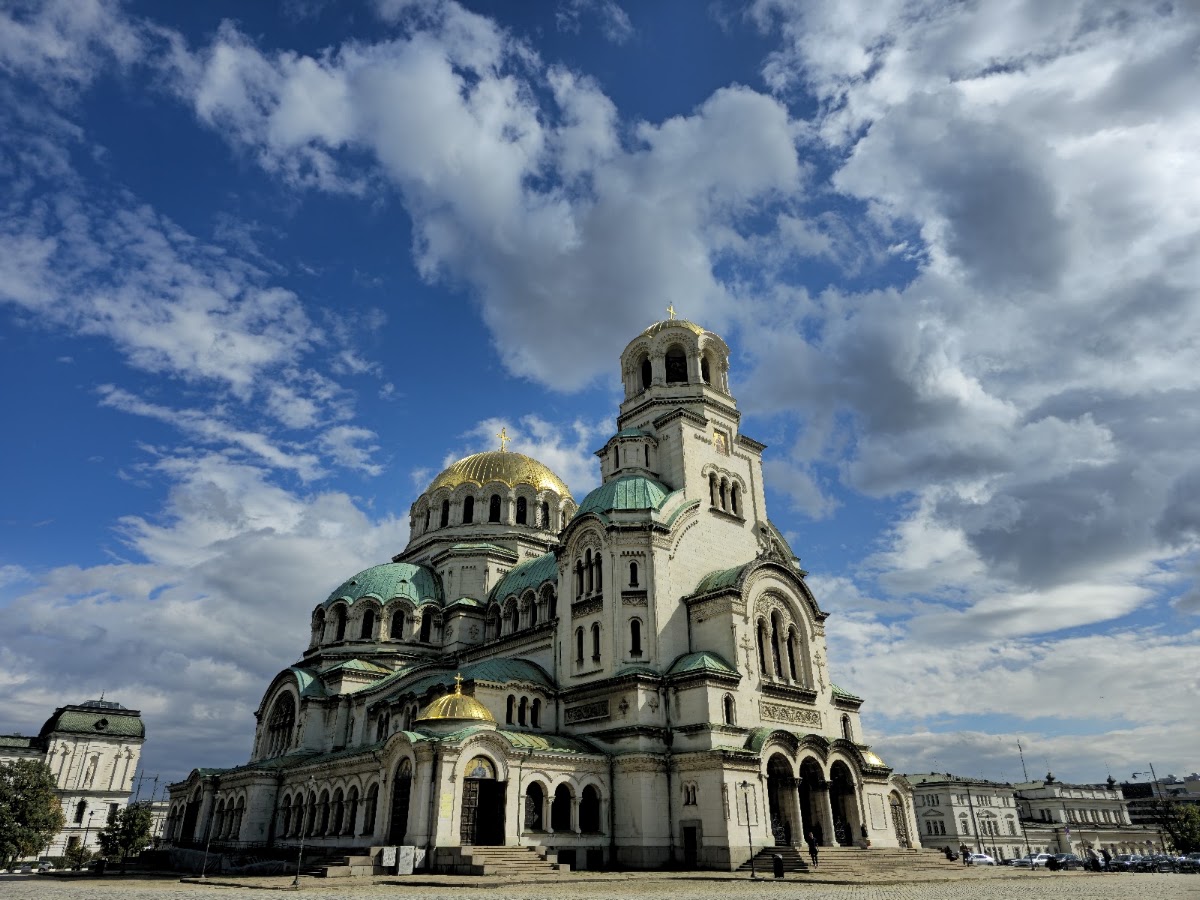
Patriarchal Cathedral St. Alexander Nevsky
Sofia Center, pl. "Sveti Aleksandar Nevski", 1000 Sofia
The Patriarchal Cathedral St. Alexander Nevsky is an iconic Bulgarian Orthodox church featuring Neo-Byzantine architecture, located in Sofia Center. The cathedral includes an underground museum and is situated approximately 1 kilometer from the city center.
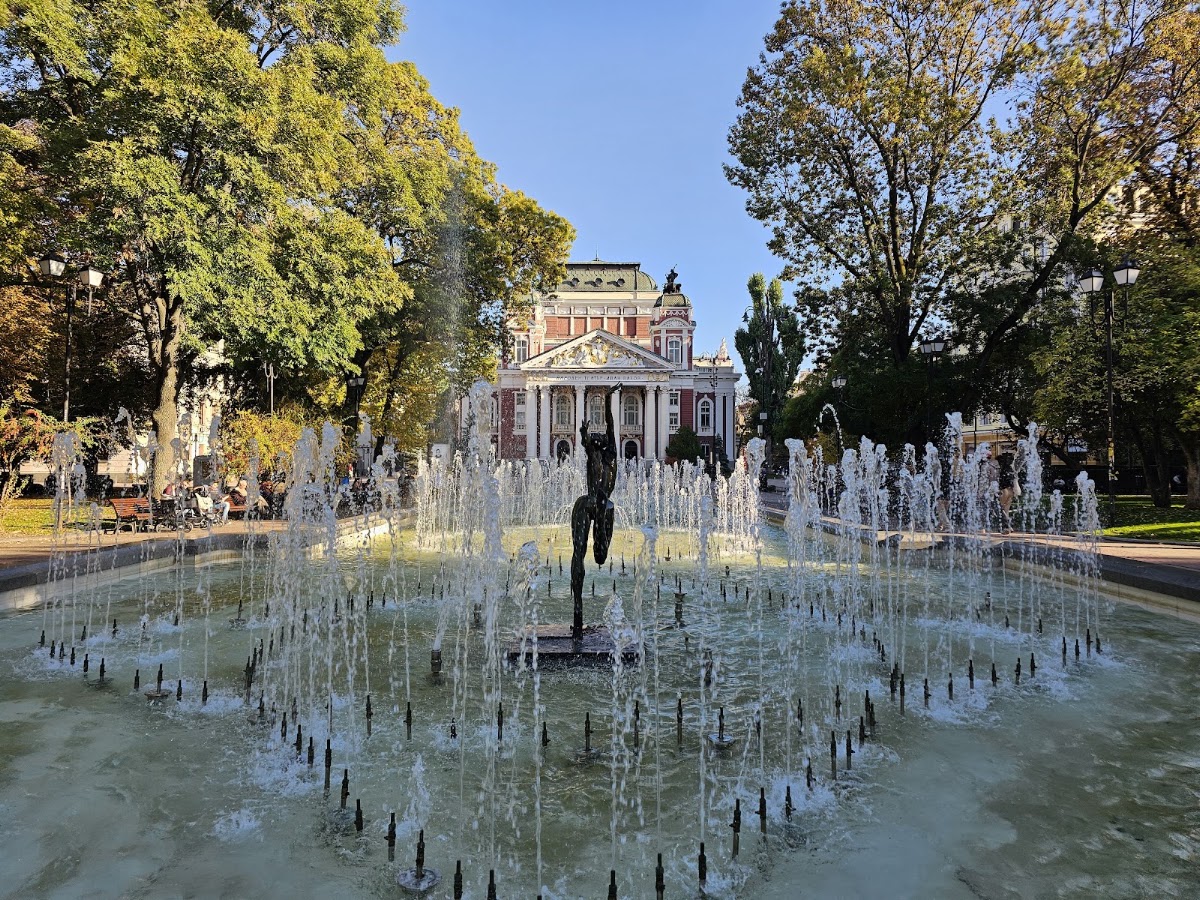
The City Garden
Old City Center, 1000 Sofia
The City Garden is a scenic park located in Sofia's Old City Center, featuring a fountain and flowerbeds. Originally established in 1872, it is a popular spot for playing chess and is situated just 0.35 km from the city center.
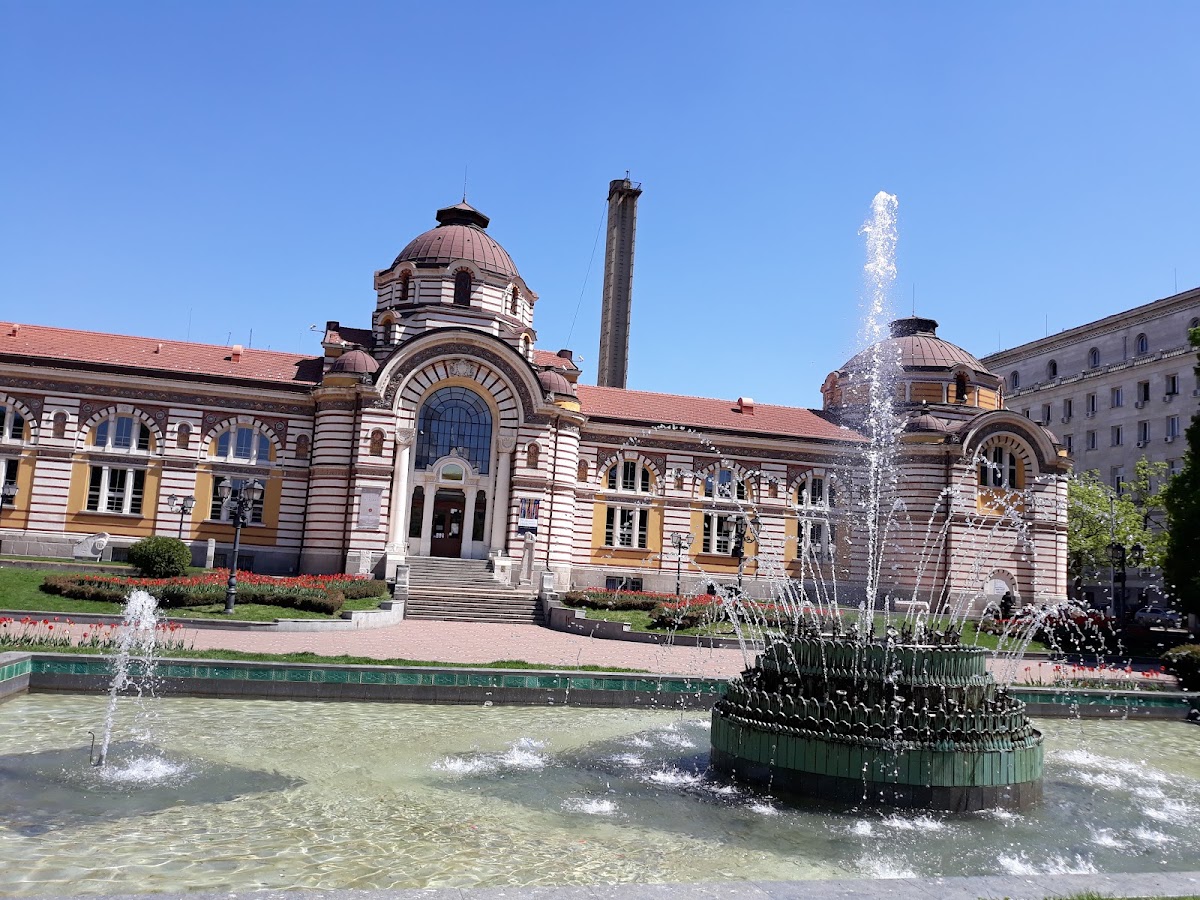
Regional History Museum of Sofia
Old City Center, pl. “Banski“ 1, 1000 Sofia
The Regional History Museum of Sofia features historical exhibits spanning from ancient to modern times and hosts cultural events, located in the Old City Center near Banski Square. The museum has a rating of 4.4 stars based on over 5,200 visitor reviews and is situated just 0.55 km from Sofia's city center.
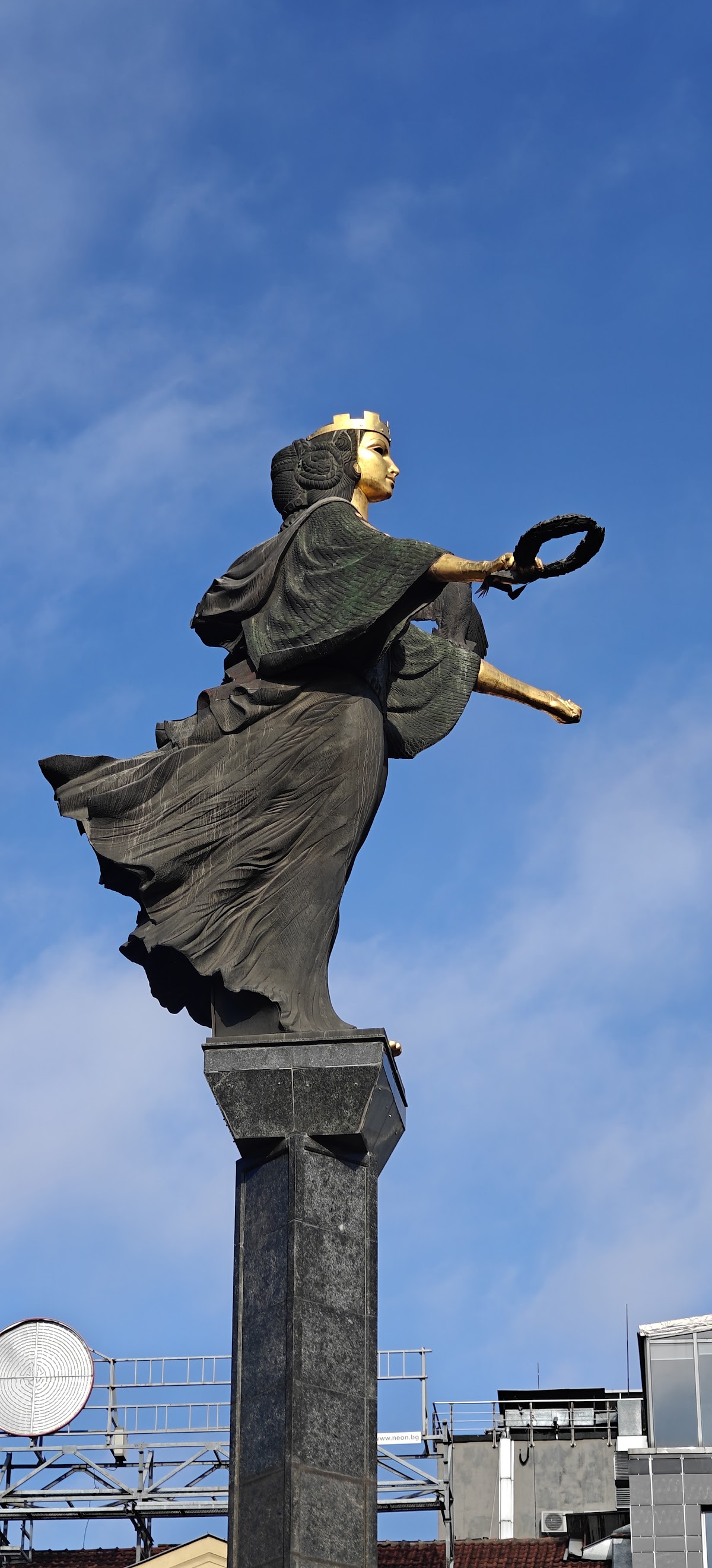
The Monument of Saint Sofia - Patron of City
Sofia Center, 1000 Sofia
The Monument of Saint Sofia is a towering sculpture located in Sofia Center, designed locally and constructed from copper and brass. This historical landmark honors the patron saint of the city and stands as a notable tourist attraction just 0.34 km from the city center.
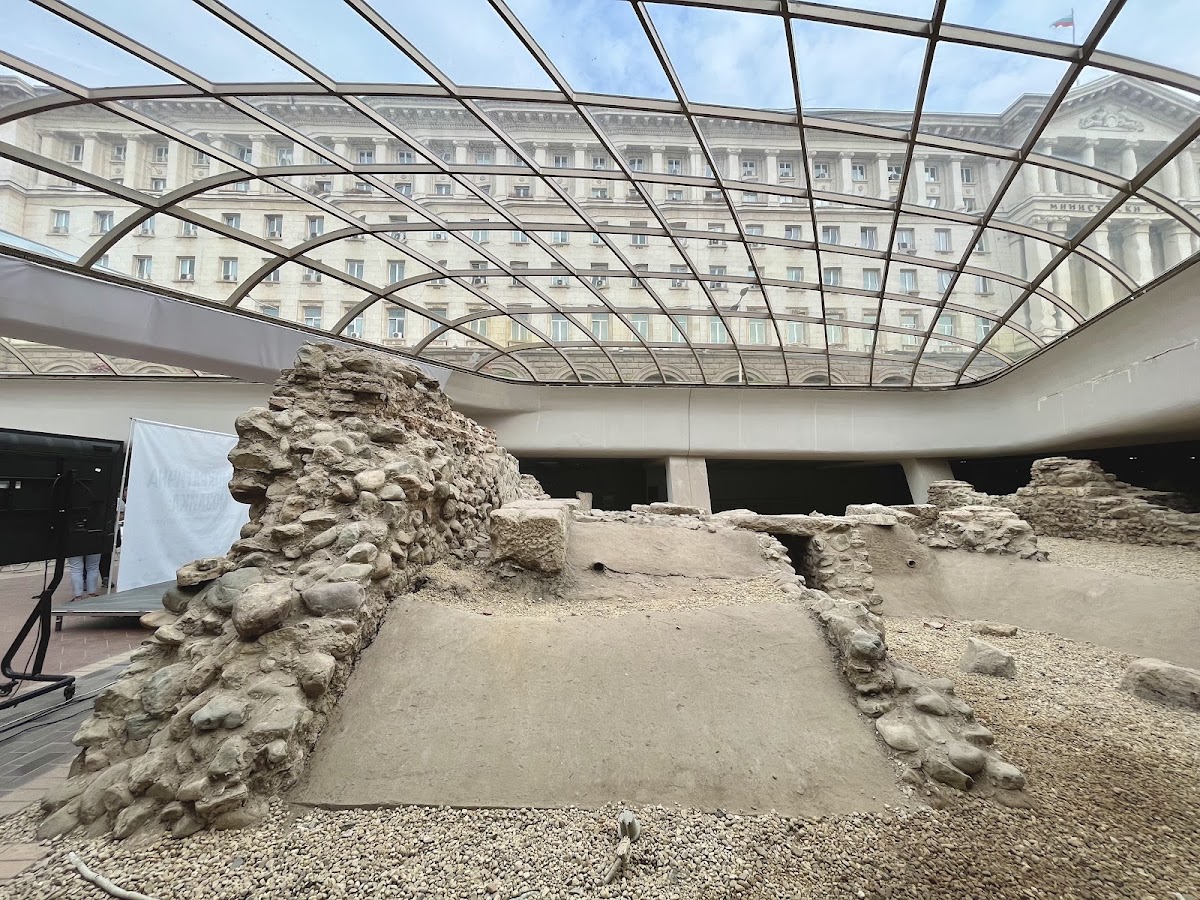
Ancient Serdica Cultural Complex
Old City Center, pl. "Nezavisimost", 1000 Sofia
The Ancient Serdica Cultural Complex is a historical landmark located in Sofia's Old City Center dedicated to the ancient Roman city that once occupied this site. With a 4.6-star rating from over 1,100 visitors, it offers insights into the archaeological heritage of the area. The complex is situated just 0.37 kilometers from the city center.
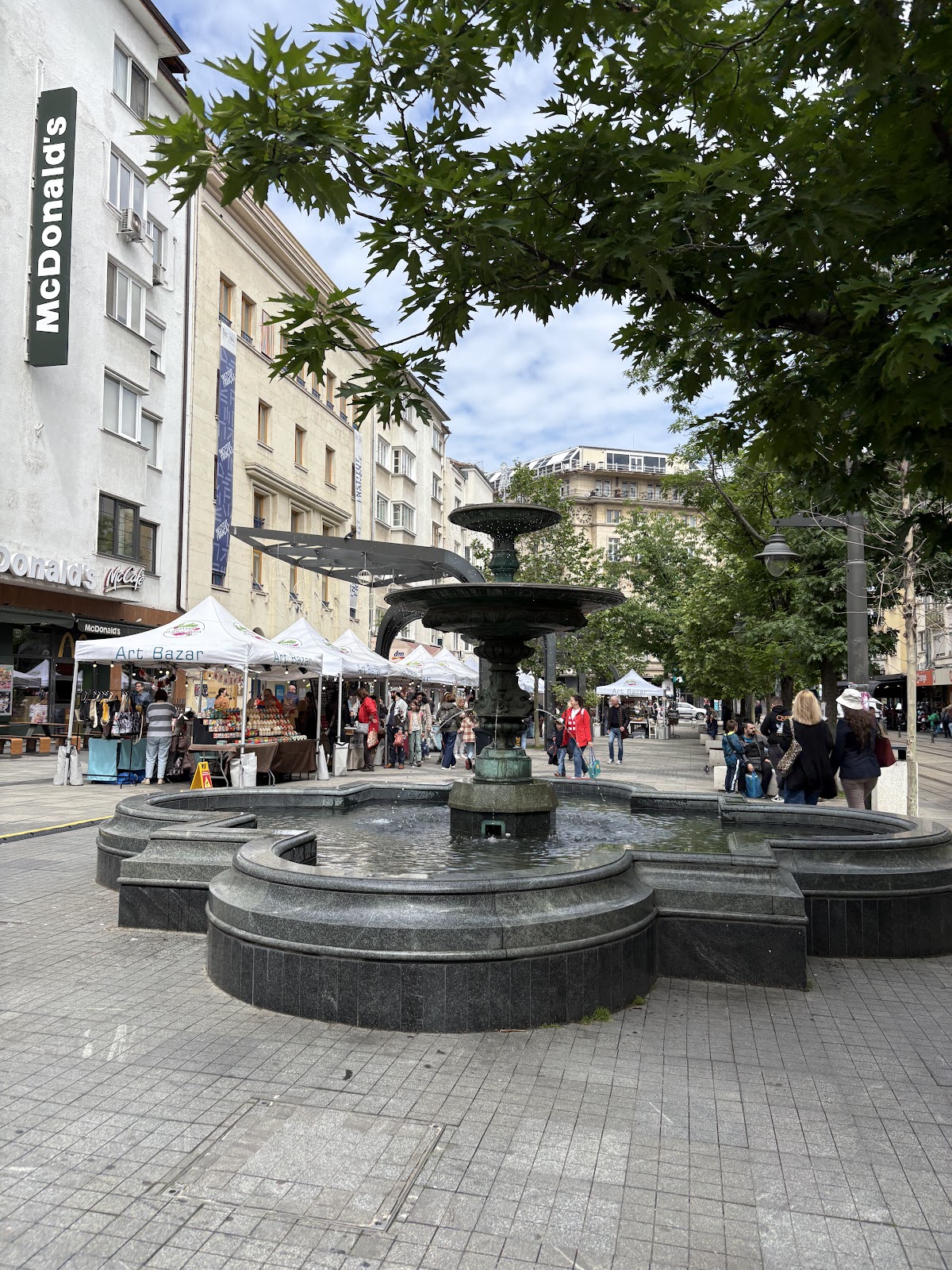
Slaveykov Square
Sofia Center, pl. "Petko R. Slaveykov" 2A, 1000 Sofia
Slaveykov Square is a tourist attraction located in Sofia Center, just 0.4 km from the city center. The square has a rating of 4.5 stars based on 593 reviews.
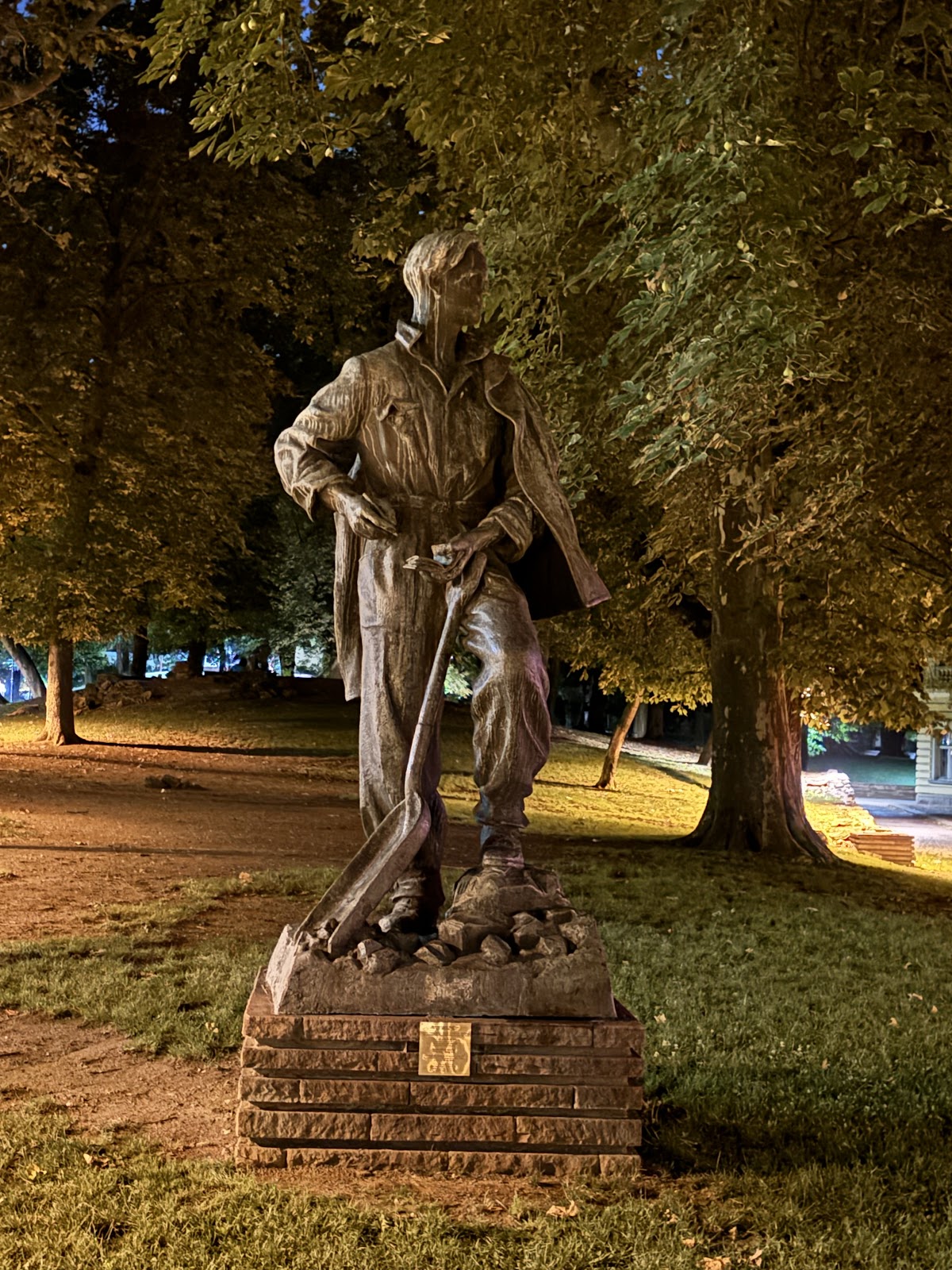
Nikola Vaptsarov Statue
Sofia Center, ul. "Moskovska" 6, 1000 Sofia
The Nikola Vaptsarov Statue is a tourist attraction located in Sofia Center at Moskovska Street. This point of interest stands 0.57 km from the city center and holds a rating of 4.8 based on 47 reviews.
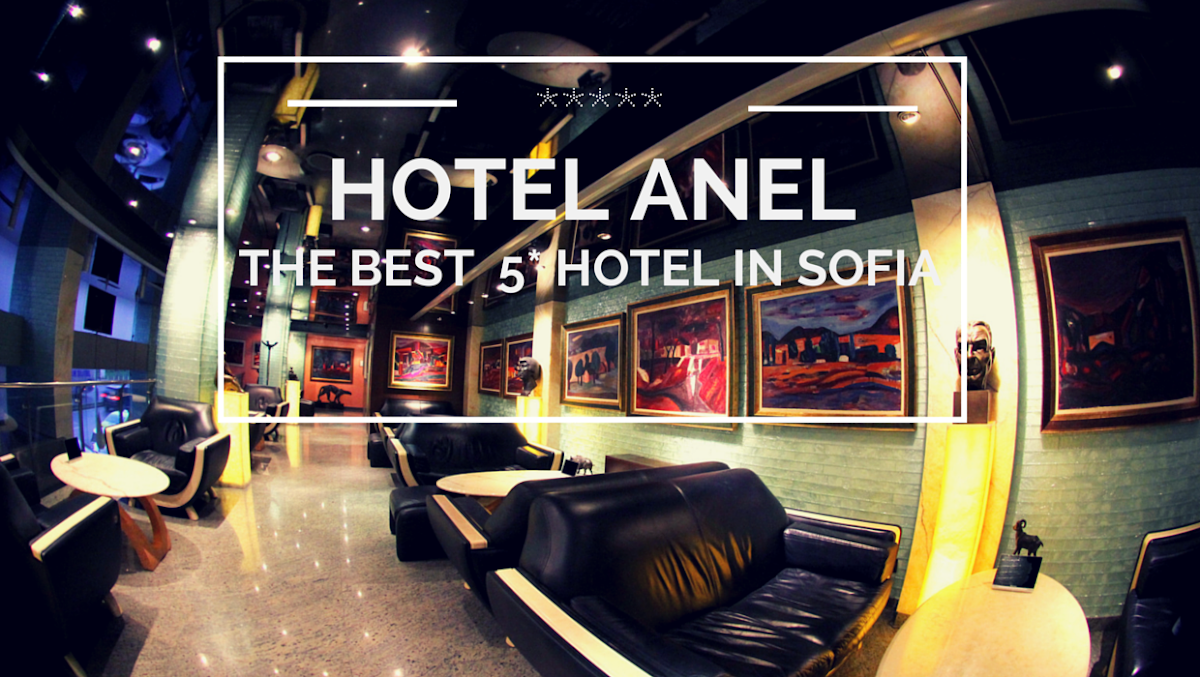
Hotel Anel
HotelSofia Center, bul. "Todor Alexandrov" 14, 1000 Sofia
Hotel Anel is a refined hotel located in Sofia Center on bul. Todor Alexandrov, featuring a restaurant, bar, and casino. The property includes a wellness center with an indoor pool and serves as a live music venue and event space.
Check prices on Booking.com for Hotel Anel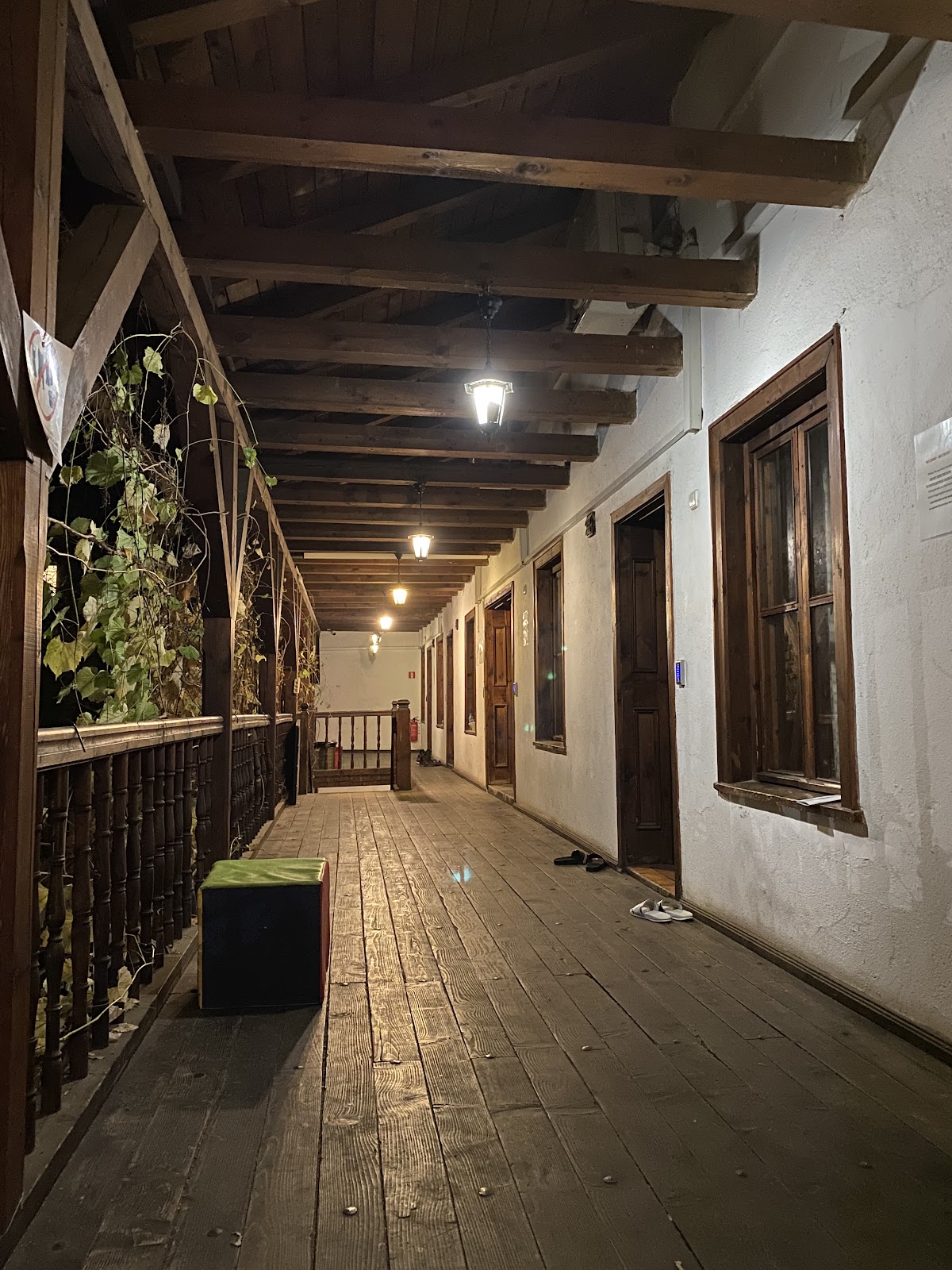
Hostel Mostel
HostelSofia Center, bul. "Makedonia" 2A, 1000 Sofia
Hostel Mostel is a low-key property located in Sofia Center, just 0.51 km from the city center. It offers modest dorms and private rooms, along with a TV lounge and free breakfast. The hostel has a 4.2 rating based on 2135 guest reviews.
Check prices on Booking.com for Hostel Mostel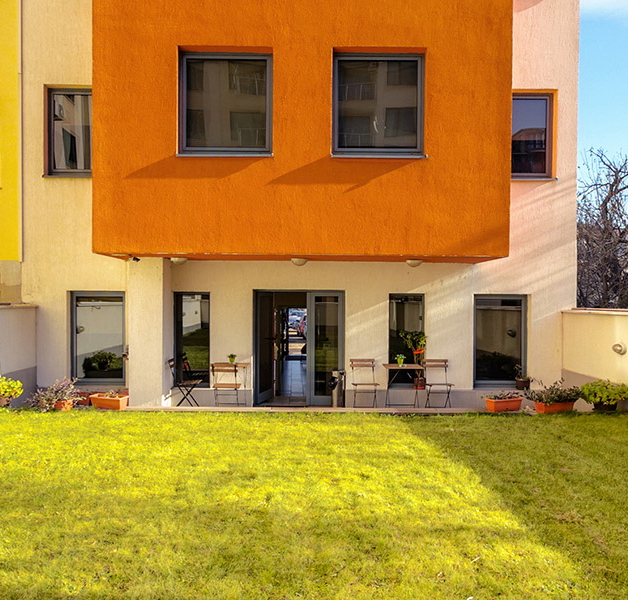
easyHotel Sofia
HotelSofia Center, ul. "Aldomirovska" 108, 1309 Sofia
easyHotel Sofia is a budget hotel located 1.64 km from Sofia's city center on Aldomirovska Street. It offers bright, compact rooms with en suite bathrooms and free Wi-Fi. The hotel has a rating of 3.6 based on 1554 reviews.
Check prices on Booking.com for easyHotel Sofia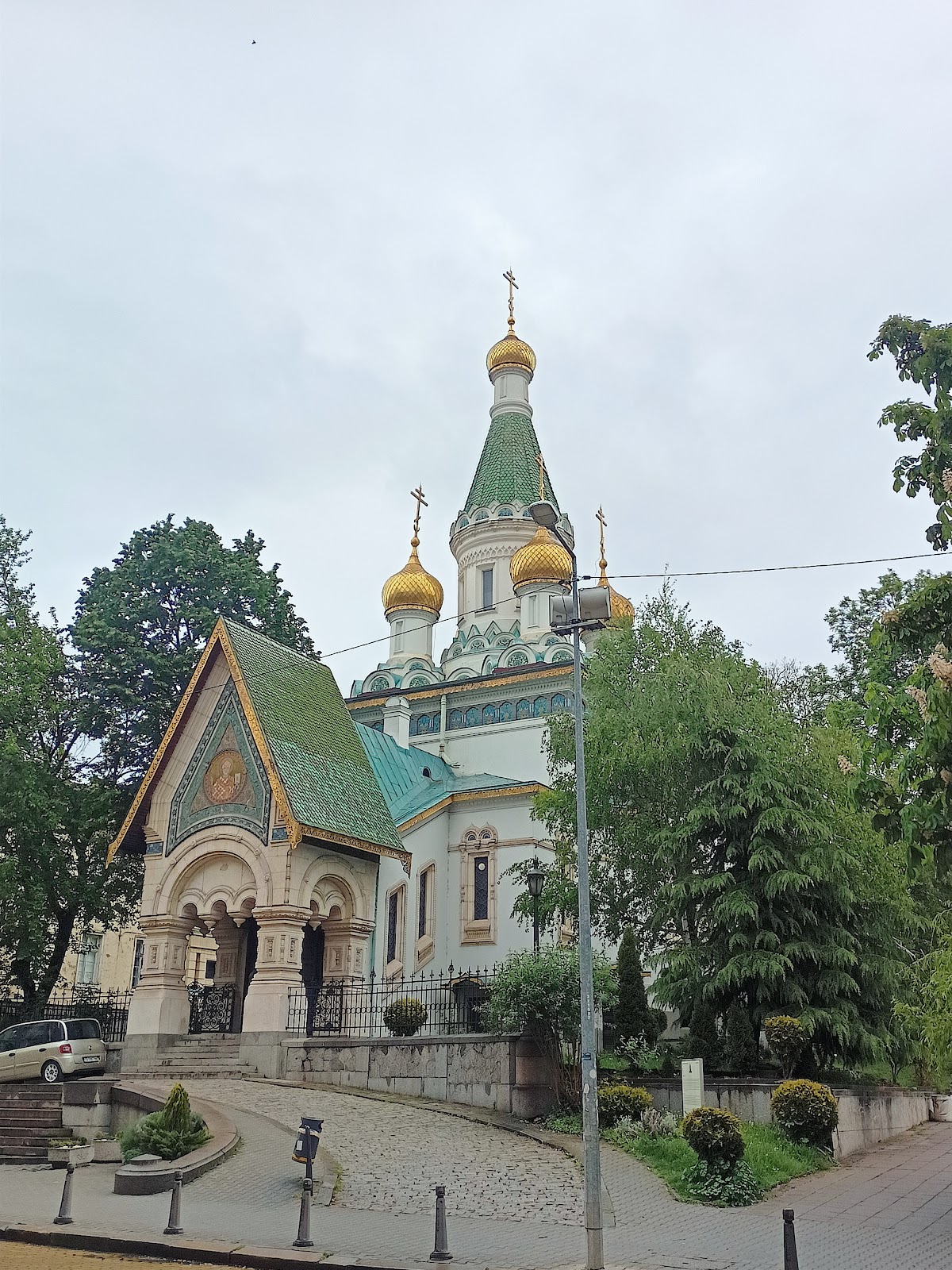
БлаБла хостел
HostelOld City Center, ul. "Iskar" 11, 1000 Sofia
БлаБла хостел is a hostel located in Sofia's Old City Center on ul. Iskar 11, just 0.68 km from the city center. With a rating of 4.1 stars based on 749 reviews, it offers budget accommodation in a central location.
Check prices on Booking.com for БлаБла хостел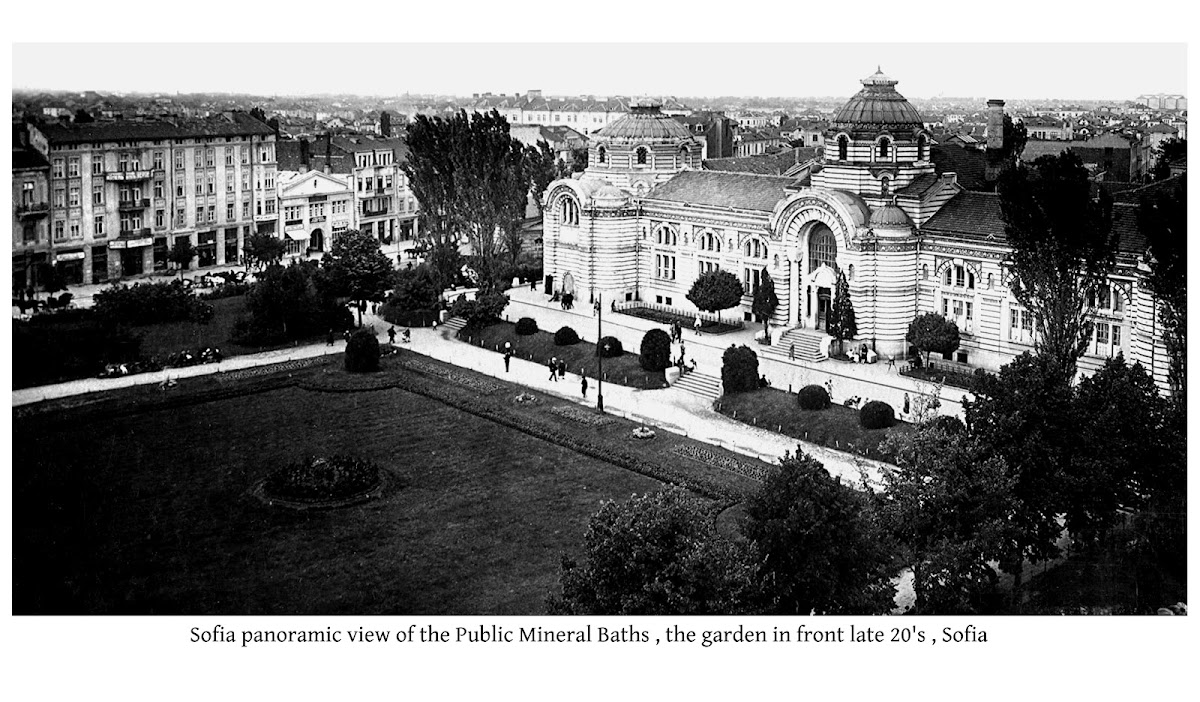
Hostel N1 - Rigid Rules
HostelOld City Center, ul. Serdika 28, 1000 Sofia
Hostel N1 - Rigid Rules is located in Sofia's Old City Center on ul. Serdika 28, just 0.73 km from the city center. The hostel has a rating of 4.6 stars based on 692 reviews.
Check prices on Booking.com for Hostel N1 - Rigid Rules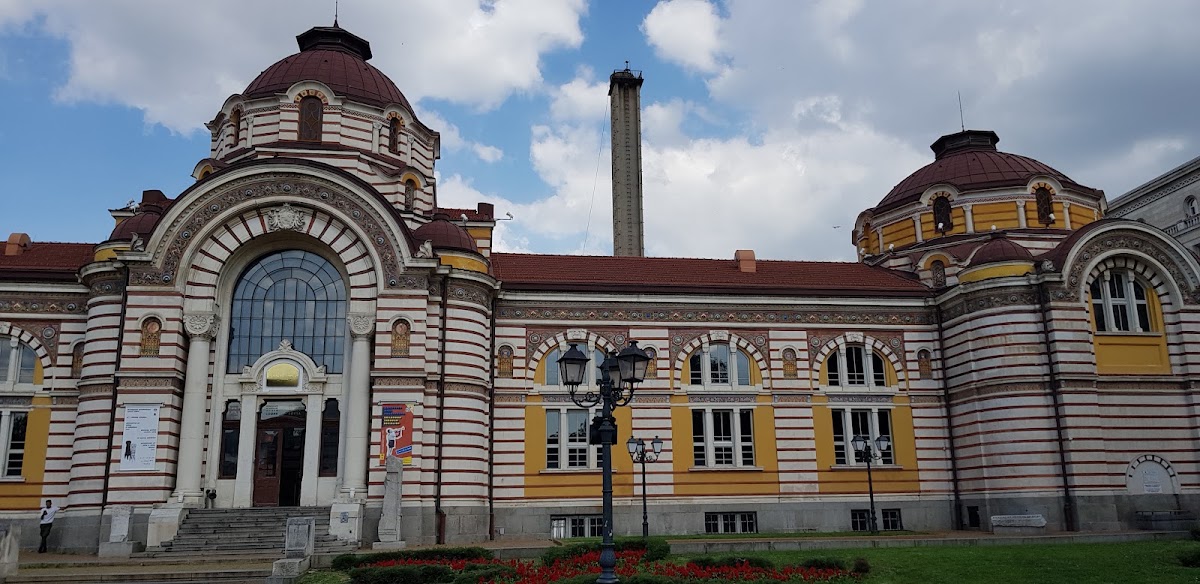
Central Point Hotel
HotelOld City Center, ul. "Trapezitsa" 6, 1000 Sofia
Central Point Hotel is located in Sofia's Old City Center on Trapezitsa Street, just 0.39 km from the city center. The hotel features eclectic rooms, some with sitting areas, and offers a casual atmosphere with a lobby lounge. With a rating of 3.9 out of 5 based on 600 reviews, it provides convenient accommodation in the heart of Sofia.
Check prices on Booking.com for Central Point Hotel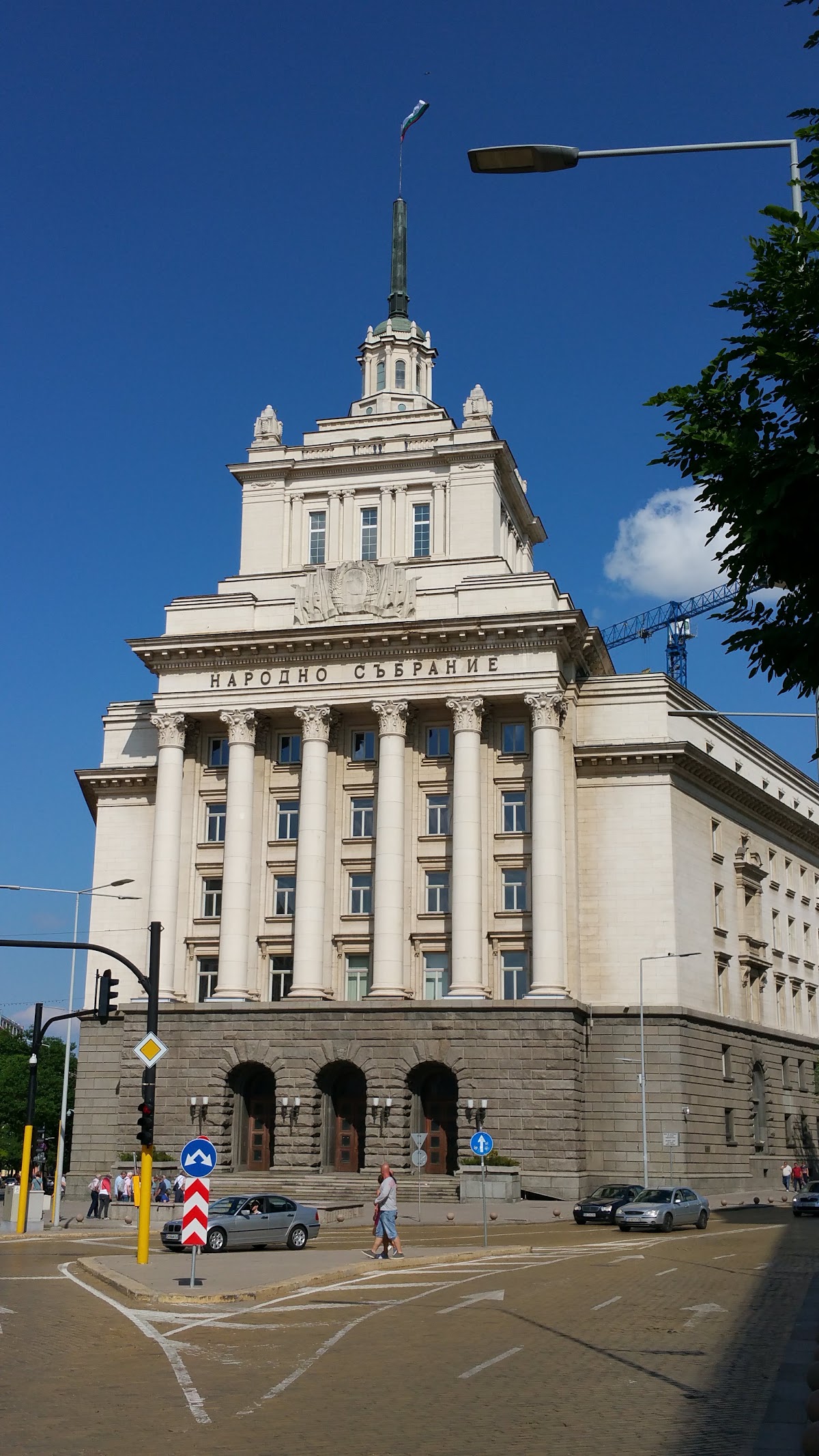
Ivory Tower Hostel
HostelSofia Center, ul. "Tsar Samuil" 60, 1000 Sofia
Ivory Tower Hostel is located in Sofia Center at ul. "Tsar Samuil" 60, just 0.41 km from the city center. This hostel has a rating of 3.7 stars based on 282 reviews.
Check prices on Booking.com for Ivory Tower Hostel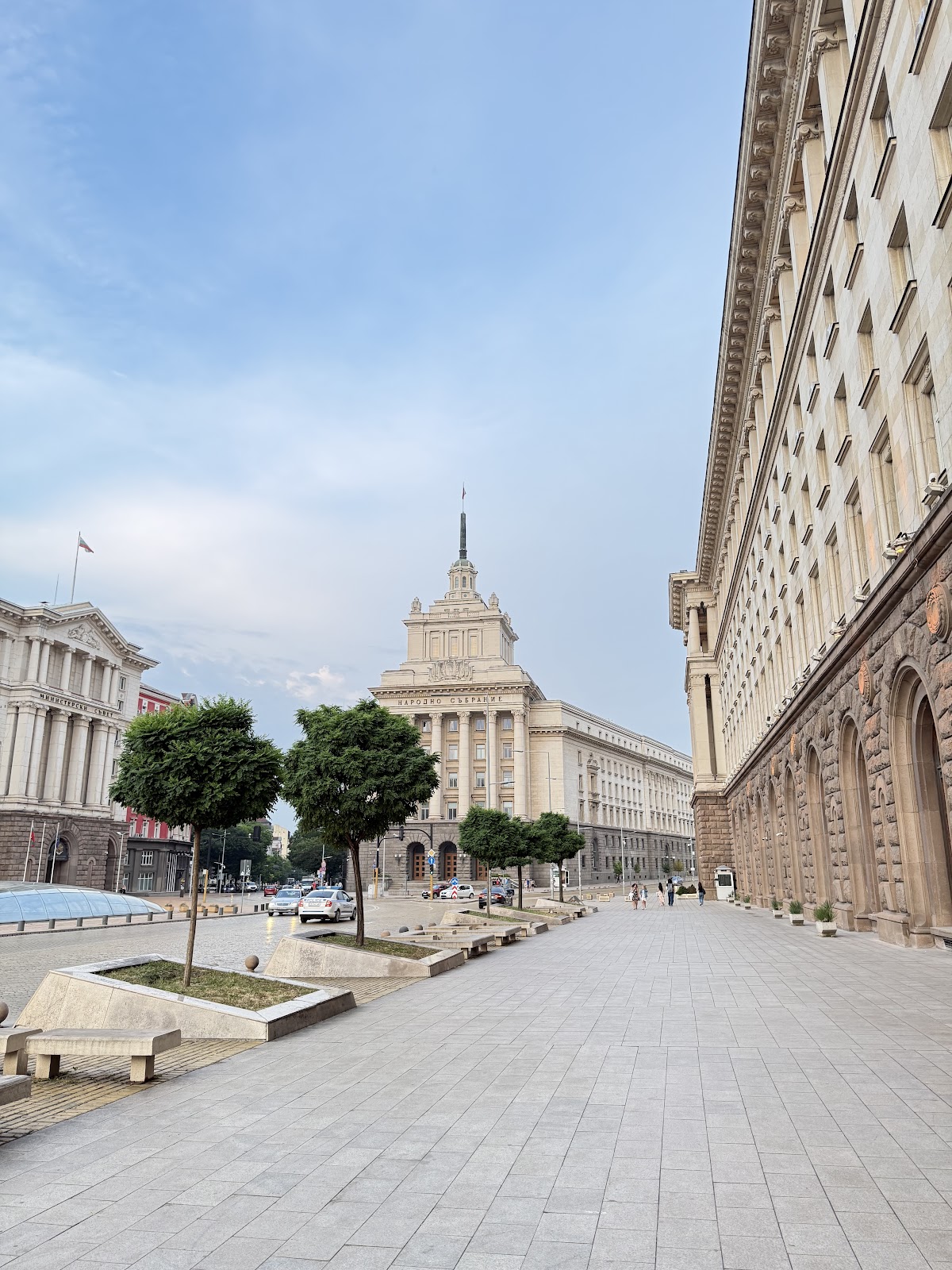
B1 Downtown Hotel Sofia
HotelSofia Center, "Aleksandar Stamboliyski" Blvd 35, 1000 Sofia
B1 Downtown Hotel Sofia is a hotel located on Aleksandar Stamboliyski Boulevard in Sofia's city center, just 0.36 km from the main downtown area. The hotel has a rating of 4.5 stars based on 243 guest reviews.
Check prices on Booking.com for B1 Downtown Hotel Sofia
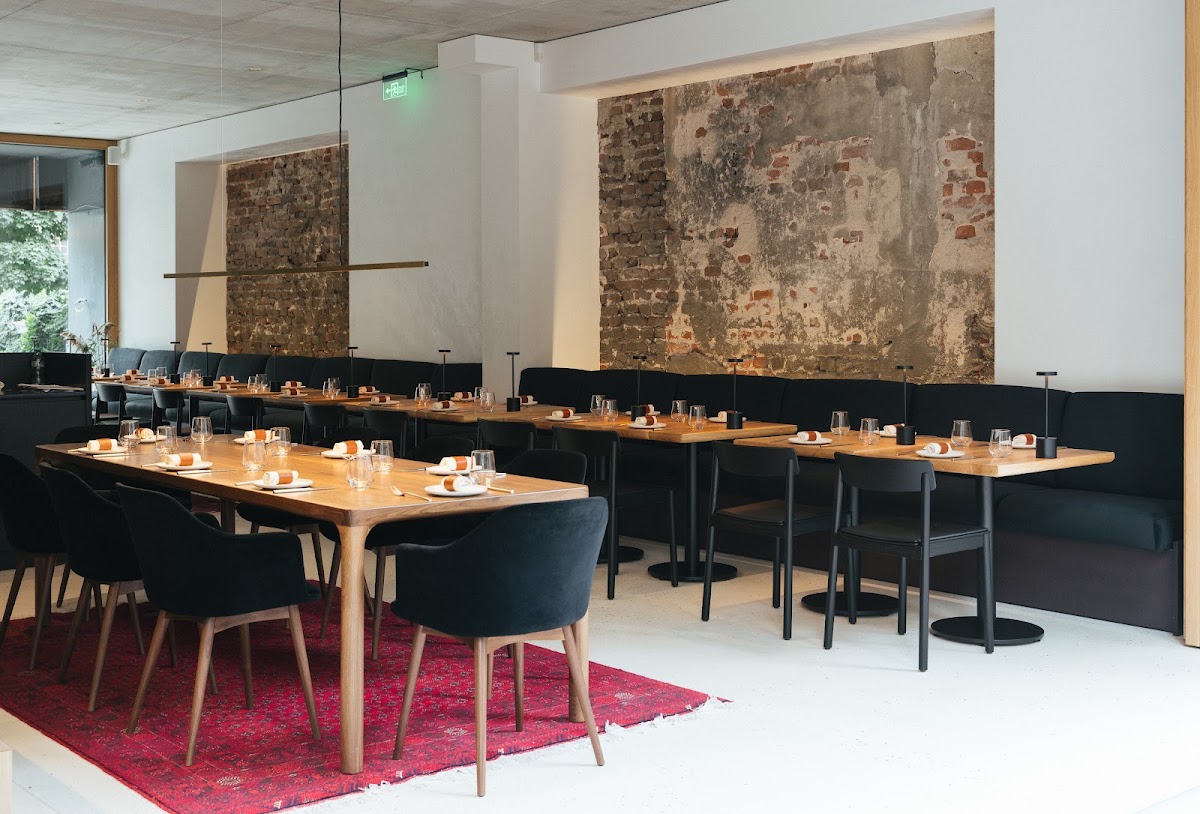
KOMAT Restaurant
Price $$$$Rated 4.7Sofia Center, ul. "Bratya Miladinovi" 46, 1303 Sofia
KOMAT Restaurant is located in Sofia Center on ul. Bratya Miladinovi and has a rating of 4.7 stars based on 828 reviews. It is a higher-end establishment situated less than a kilometer from the city center.
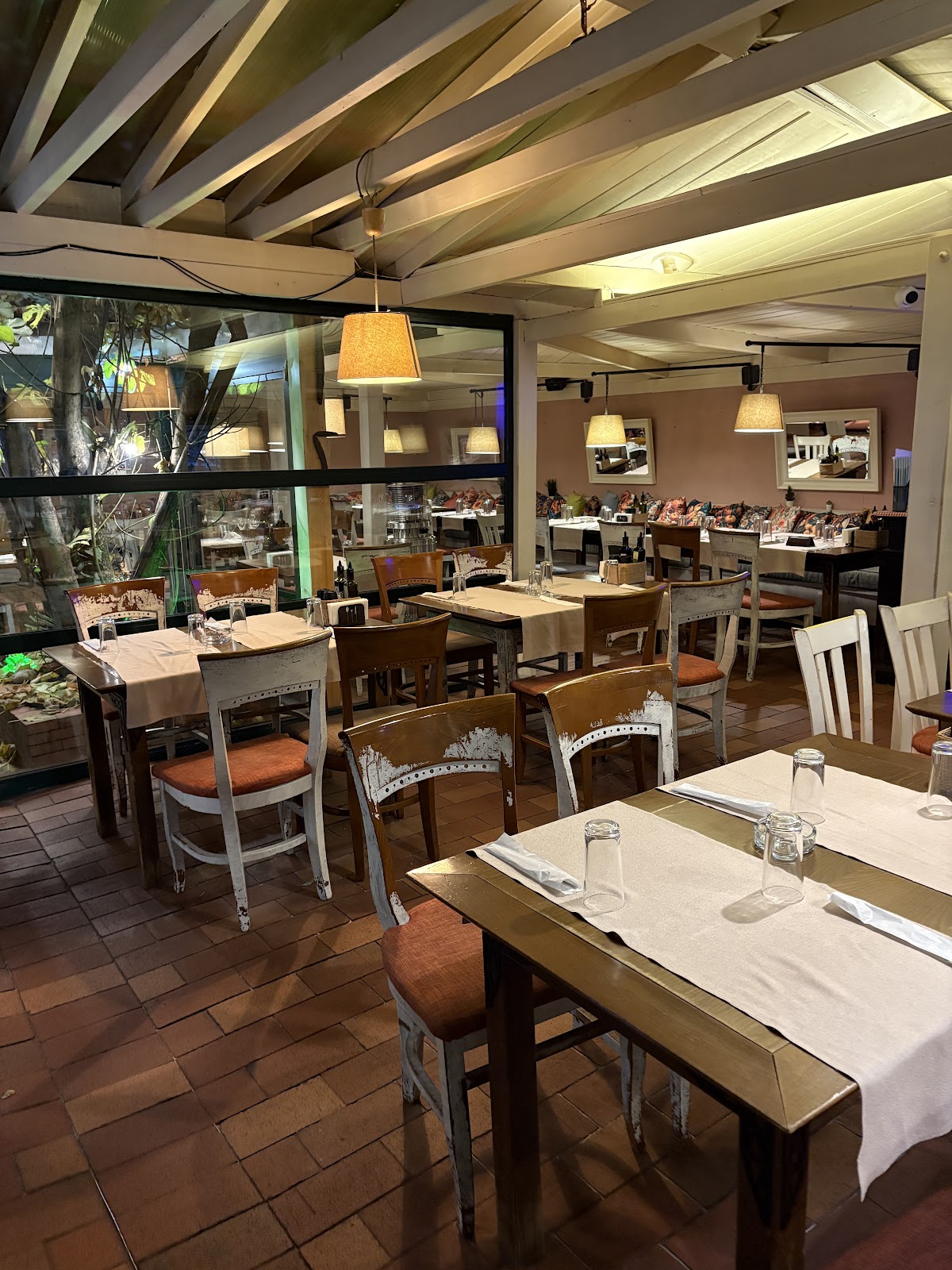
Dobro Restaurant
Price $$$Rated 4.7Sofia Center, ul. "Petar Parchevich" 33, 1000 Sofia
Dobro Restaurant is located in Sofia Center on ul. Petar Parchevich, just 0.46 km from the city center. It is a moderately priced establishment with a 4.7 rating based on over 14,000 reviews.
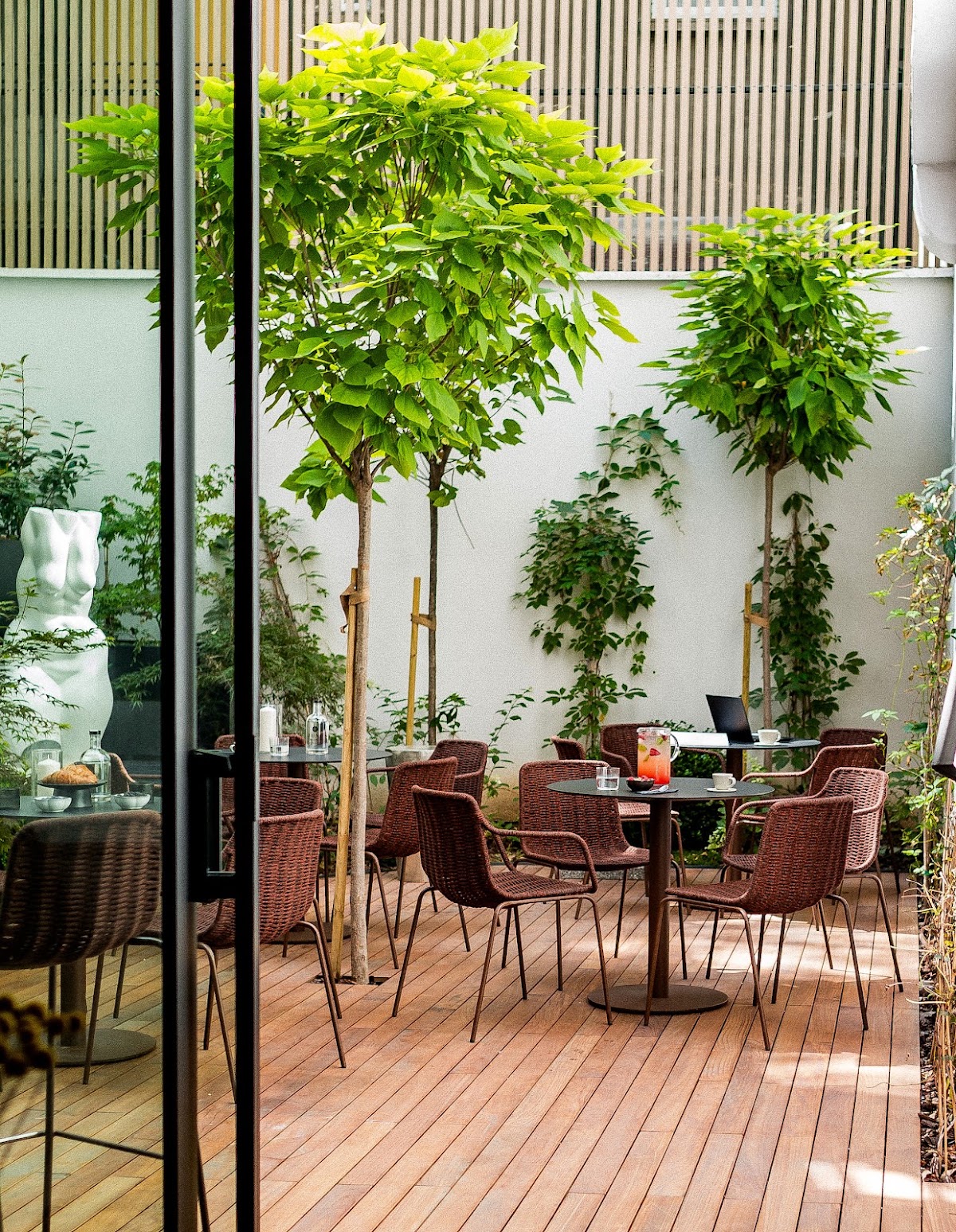
COOKÓ Kitchen:Drinks
Rated 4.7Old City Center, ul. "Ivan Denkoglu" 40, 1000 Sofia
COOKÓ Kitchen:Drinks is a restaurant located in Sofia's Old City Center on ul. "Ivan Denkoglu" 40, just 0.16 km from the city center. It has a strong rating of 4.7 stars based on 769 reviews.
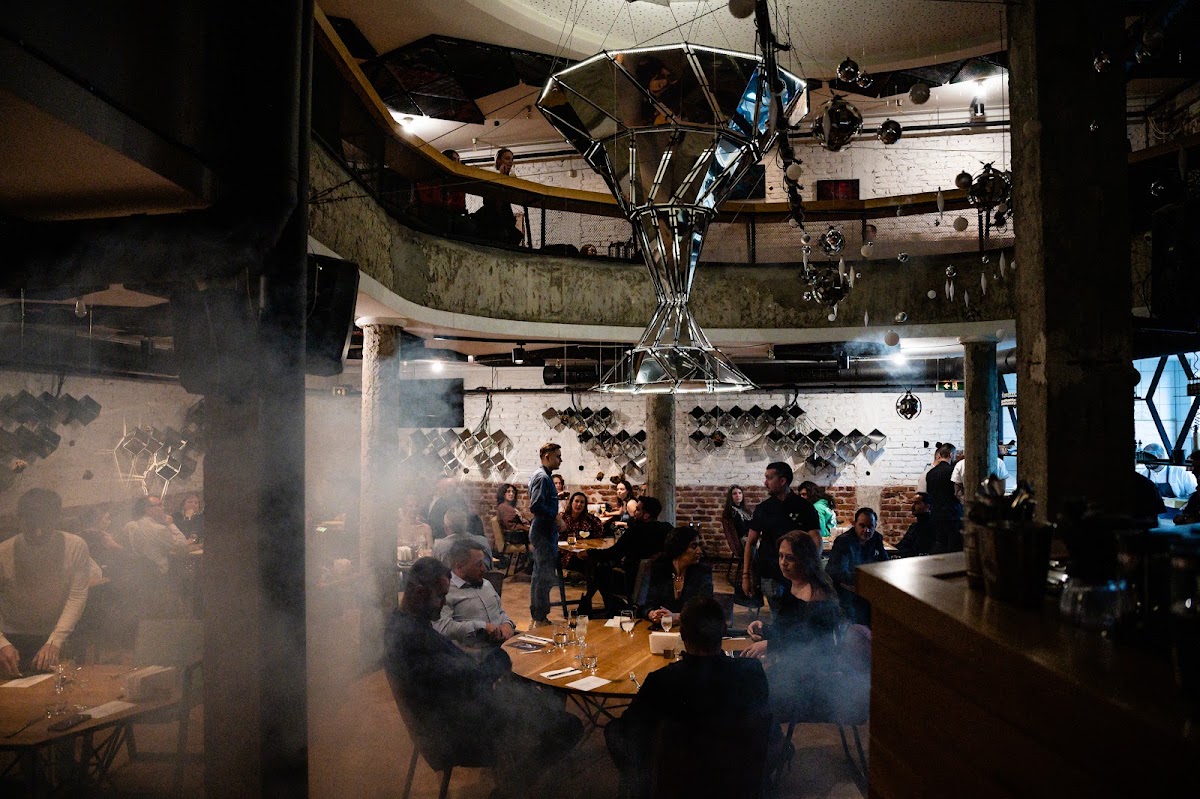
Cosmos Restaurant / Космос
Price $$$$Rated 4.6Old City Center, ul. "Laveleye" 19, 1000 Sofia
Cosmos Restaurant is located in Sofia's Old City Center on ul. Laveleye and serves classic local dishes with a twist. The venue offers weekend brunch and tasting menus, with a rating of 4.6 from over 4000 reviews.
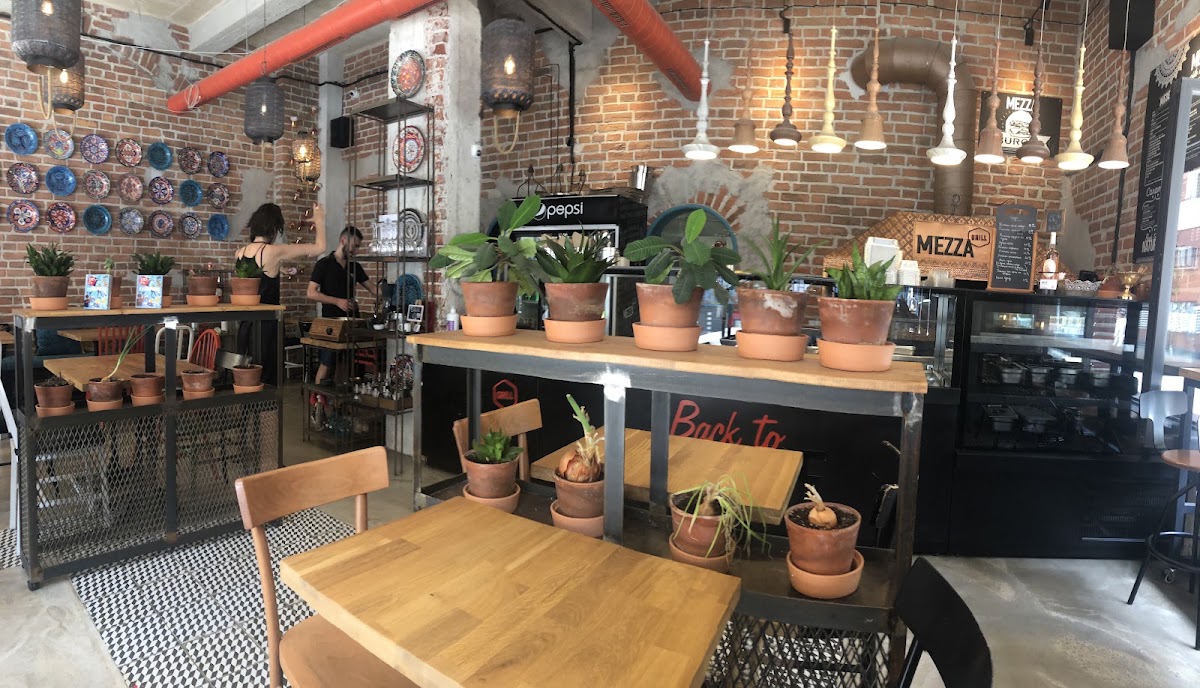
Mezza Restaurant
MediterraneanPrice $$$Rated 4.6Old City Center, ul. "Angel Kanchev" 19, 1000 Sofia
Mezza Restaurant is a Turkish restaurant located in Sofia's Old City Center on ul. Angel Kanchev, just 0.4 km from the city center. With a rating of 4.6 stars from over 1,200 reviews, it is moderately priced and offers a dining experience in the heart of the historic district.
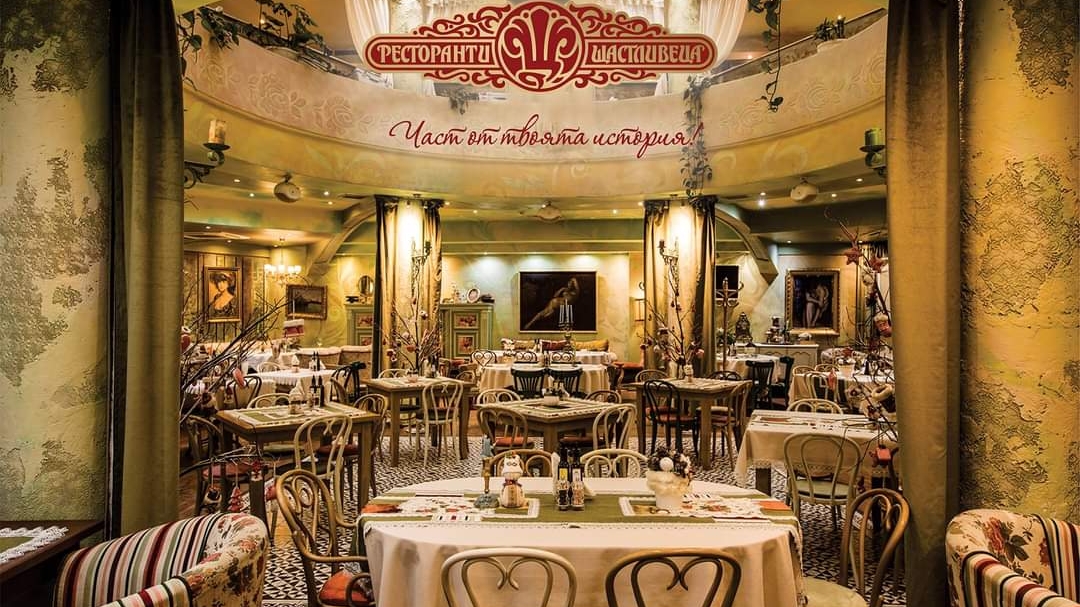
Shtastlivetsa Restaurant - Vitoshka
Price $$$Rated 4.5Sofia Center, bul. "Vitosha" 27, 1000 Sofia
Shtastlivetsa Restaurant - Vitoshka is located on the pedestrian Vitosha Boulevard in central Sofia, just 0.18 km from the city center. The restaurant has a rating of 4.5 stars based on over 13,000 reviews and offers mid-range pricing.
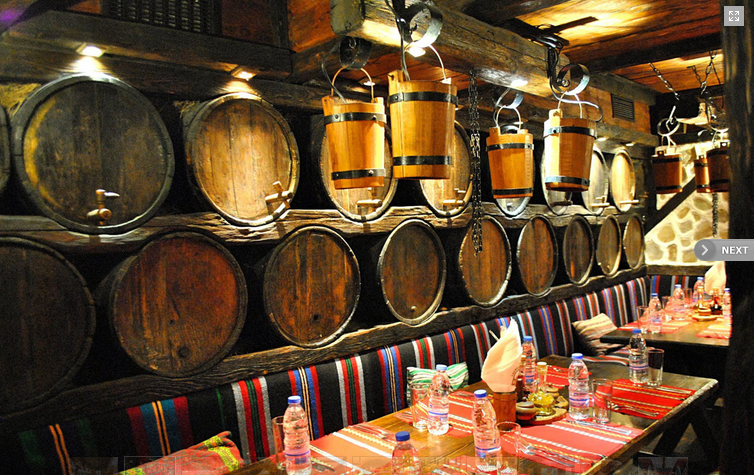
Hadjidraganov's Cellars
Price $$$Rated 4.5Old City Center, ul. "Hristo Belchev" 18, 1000 Sofia
Hadjidraganov's Cellars is an Eastern European restaurant located in Sofia's Old City Center, just 230 meters from the city center. The venue features live music and serves as an event space, with a 4.5-star rating from nearly 11,000 reviews. It is a moderately priced establishment in the mid-range price category.
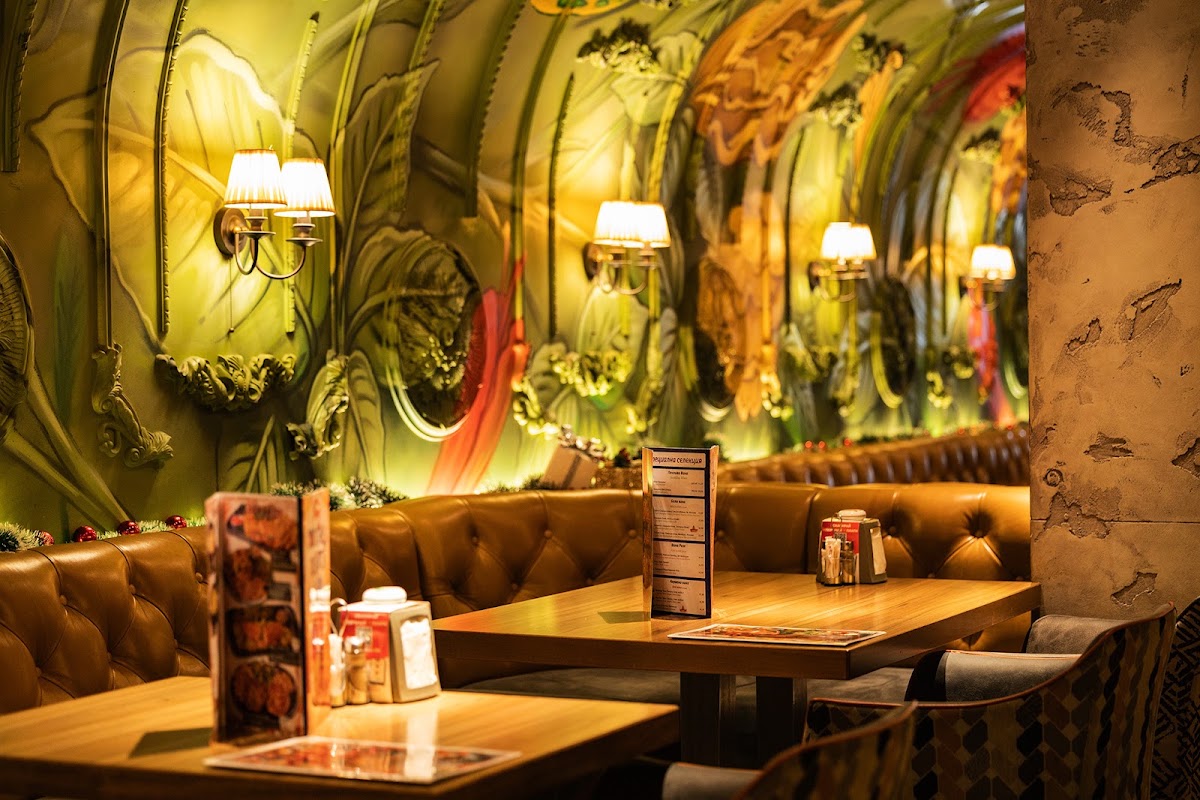
Happy Bar & Grill Sveta Nedelya
Price $$Rated 4.5Old City Center, pl. "Sveta Nedelya" 4, 1000 Sofia
Happy Bar & Grill Sveta Nedelya is a European restaurant located in Sofia's Old City Center at Sveta Nedelya Square, just 0.19 km from the city center. The venue also serves sushi and Japanese cuisine, with a rating of 4.5 stars from over 20,000 reviews. It offers moderate pricing at level 2 out of 4.
What things cost in Sofia
Typical prices. Estimates only: prices vary by season and neighborhood.
| Hostel dorm bedTypically 10-25 EUR. A dorm bed in a central hostel, higher in summer. | €10 – €25 |
|---|---|
| Budget hotel roomTypically 30-60 EUR. Simple private room or small hotel. | €30 – €60 |
| Mid-range hotel roomTypically 60-120 EUR. Comfortable three or four-star hotel in the centre. | €60 – €120 |
| Luxury hotel roomTypically 130-280 EUR. Top-end hotels in the city centre. | €130 – €280 |
| Street food snackTypically 1.50-4 EUR. Banitsa, pastries and sandwiches from bakeries and stands are cheap. | €1.50 – €4.00 |
|---|---|
| CoffeeTypically 1.80-3.50 EUR. Espresso or cappuccino at a cafe. | €1.80 – €3.50 |
| Local beerTypically 1.80-4 EUR. A draught beer in a bar, with central venues at the higher end. | €1.80 – €4.00 |
| Budget mealTypically 6-12 EUR. A meal at a simple local restaurant or canteen-style eatery. | €6 – €12 |
| Groceries (per day)Typically 8-18 EUR. Basic supermarket food for one person. | €8 – €18 |
| Mid-range mealTypically 15-30 EUR. Dinner at a sit-down restaurant with a drink, generally good value compared with Western Europe. | €15 – €30 |
| Fine diningTypically 40-90 EUR. Multi-course tasting menus at upscale restaurants. | €40 – €90 |
| Public transport rideOfficial fares: 0.80 EUR single (30 minutes with transfers), 1.10 EUR for 60 minutes; 24-hour card 3 EUR. Source: metropolitan.bg. | €0.80 – €1.10 |
|---|---|
| Short taxi rideTypically 3-8 EUR. Short metered trip within the centre. | €3.00 – €8.00 |
| Guided walking tourTypically 0-25 EUR. Tip-based free tours are common, while private tours cost more. | €0 – €25 |
|---|---|
| Museum entryTypically 2-8 EUR. Most museums and galleries are modestly priced. | €2.00 – €8.00 |
| Day trip tourTypically 30-80 EUR. Organised trips to Rila Monastery or Boyana Church and nearby sights. | €30 – €80 |
Essentials
Practical things to know before you arrive in Sofia.
When to go
The best months to visit Sofia are May to June and September to early October, when it is warm and comfortable for walking and day trips to Vitosha and Rila.
- Peak: June-August
- Shoulder: April-May, September-October
- Low: November-March
Getting around
Sofia Airport is a few kilometres east of the centre and is linked to the city by the metro, which is the simplest and cheapest option, as well as by buses and taxis. Use licensed taxis from the official rank or order one through a reputable app or by phone, and agree on or check the metered rate to avoid overcharging.
The centre is compact and very walkable, with a large pedestrian zone around Vitosha Boulevard. The metro, trams, buses and trolleybuses cover the rest of the city, and tickets can be bought from machines, kiosks or by contactless payment on many services. Mountain trips to Vitosha are possible by public transport combined with cable car, and long-distance trains and buses connect Sofia to Plovdiv, Rila and other destinations.
Where to stay
The city centre around Vitosha Boulevard, Alexander Nevsky Cathedral and the National Theatre is best for first-time visitors, with sights, restaurants and transport within walking distance. The areas near the Lion's Bridge and the Central Station are convenient for onward travel and often cheaper, though they are grittier and busier at night.
The Lozenets and Ivan Vazov districts are quieter and greener, suiting families and those who want a calmer base near parks and cafes. Budget travellers and hostel seekers will find options close to the centre, while those wanting a mountain feel or hiking access can stay at the foot of Vitosha, accepting a longer ride into town.
Money
The local currency is Euro (EUR).
Exchange rates
- 1 EUR = 1.138 USD (rate as of 2026-09-25)
Cash and cards
- Cards and contactless payments are widely accepted in Sofia in shops, restaurants and on public transport. Carry some cash for small vendors, markets, taxis and rural areas.
- Carry small notes and coins for bakeries, kiosks and markets.
- Withdraw cash from ATMs inside bank branches or malls for safer use.
- If offered a choice, pay in euros rather than letting a terminal convert currency.
- Check restaurant bills for service charges before adding a tip.
- Use licensed taxis and confirm the meter is running to avoid inflated fares.
Taxes and tipping
- Tipping around 10 percent in restaurants is customary if service is good, and rounding up is common for taxis and cafes.
Language: Bulgarian
English: English is widely spoken in hotels, restaurants and among younger people, especially in the centre. Older residents and smaller shops may speak little English.
- Hello
- Здравейтеzdra-VAY-te
- Goodbye
- Довижданеdo-VEEZH-da-ne
- Thank you
- Благодаряbla-go-da-RYA
- Please / You're welcome
- МоляMO-lya
- Yes
- Даda
- No
- Неneh
- Excuse me / Sorry
- Извинетеiz-vee-NEH-te
- Do you speak English?
- Говорите ли английски?go-vo-REE-te lee ang-LEES-kee
- How much does it cost?
- Колко струва?KOL-ko STROO-va
- The bill, please
- Сметката, моляSMET-ka-ta MO-lya
- Where is the toilet?
- Къде е тоалетната?ka-DEH eh to-a-LET-na-ta
- Cheers
- Наздравеnaz-DRA-ve
More in Bulgaria
This guide is for general reference. Check opening hours, prices and entry rules with official sources before you travel.