Bulgaria
Bulgaria is a Southeastern European country situated on the Balkan Peninsula, featuring diverse landscapes from Black Sea beaches to mountain ranges. It offers travelers a unique b...
Discover Bulgaria
ulgaria is a captivating Southeastern European country nestled on the Balkan Peninsula, offering travelers a rich tapestry of historical, cultural, and natural experiences. With a landscape that dramatically transitions from the Black Sea coastline to mountainous interior regions like the Balkan and Rhodope Mountains, the country presents diverse terrain featuring stunning beaches, ancient forests, and picturesque alpine landscapes. Its history spans Thracian, Roman, Byzantine, and Ottoman influences, resulting in a complex cultural heritage reflected in its archaeological sites, traditional festivals, and architectural landmarks.
The country boasts remarkable cities like Sofia, its cosmopolitan capital, and Plovdiv, one of the world's oldest continuously inhabited cities with remarkable Roman and Ottoman-era architecture. Bulgarian culture is characterized by warm hospitality, a deep connection to folk traditions, and a vibrant arts scene. The nation's cuisine is a delightful blend of Balkan flavors, featuring renowned dishes like shopska salata, banitsa, and exceptional yogurt and rose oil production.
Bulgaria's unique blend of natural beauty, historical depth, affordable travel options, and rich cultural experiences make it an increasingly popular yet still relatively undiscovered European destination. The country's natural diversity is extraordinary, with national parks like Pirin and Rila offering spectacular mountain landscapes, ancient forests, and opportunities for hiking, skiing, and wildlife observation. Bulgaria's Black Sea coast provides beautiful beach resorts, while its interior regions showcase traditional villages, medieval monasteries, and archaeological sites that tell stories of complex civilizations that have inhabited this land for millennia.
Historical Significance
Bulgaria's history is a rich tapestry of cultural migrations, imperial conquests, and national resilience. The region was originally inhabited by Thracian tribes as early as 1000 BCE, known for their advanced metallurgy and complex societal structures. Around 681 CE, the First Bulgarian Empire was established by Khan Asparuh, marking the formal founding of the Bulgarian state and uniting Slavic and Bulgar peoples. This early kingdom became a significant cultural and political power in southeastern Europe, developing a distinctive Cyrillic alphabet and Orthodox Christian traditions that would profoundly shape national identity. The medieval period was characterized by alternating periods of Bulgarian independence and foreign domination.
Official Country Website
Latest information and updates from Bulgaria
Key Information
Region
Southeastern Europe, Balkan Peninsula
Not specified
EET (UTC+2)
Cities in Bulgaria
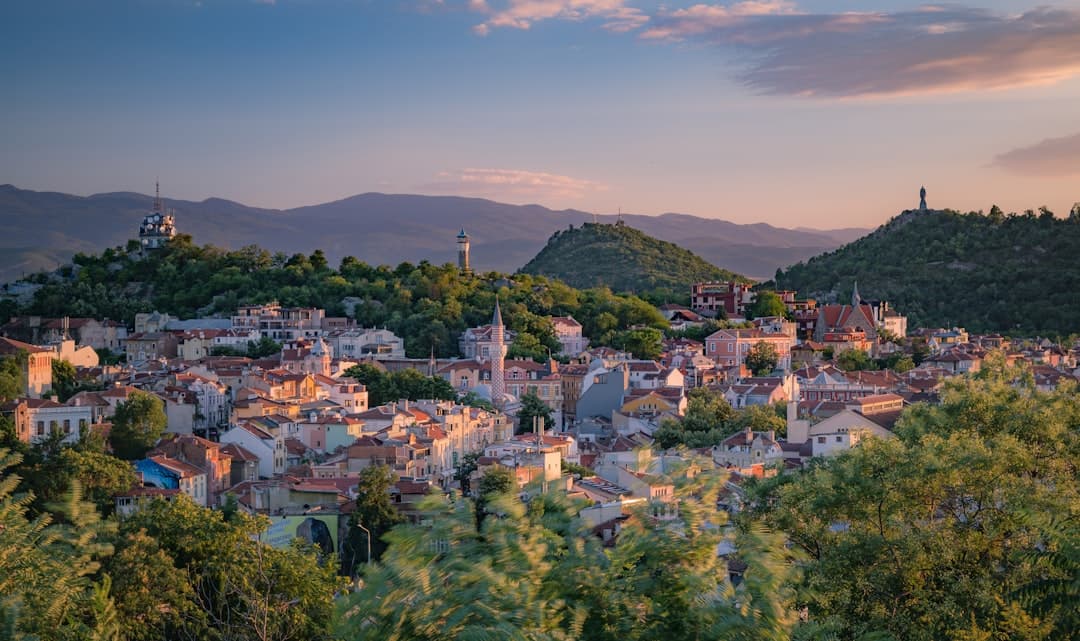
Plovdiv
Plovdiv is a captivating ancient city blending millennia of history with vibrant modern culture, recognized as one of Europe's oldest continuously inhabited cities.
Explore Plovdiv
Sofia
Sofia is a vibrant Eastern European capital blending ancient history with modern urban energy, nestled at the foot of Vitosha Mountain.
Explore SofiaFeatured Destinations in Bulgaria
Travel Costs in Bulgaria
Cost Overview
Bulgaria has moderate costs, with a mix of affordable options and some premium experiences.
Money-Saving Tips
- •Visit during shoulder season for better rates on accommodation
- •Use public transportation instead of taxis when possible
- •Consider staying in locations outside the main tourist areas
- •Look for restaurants where locals eat for better value
Currency Information
Currency: Bulgarian Lev (лв)
Cost Guide: Bulgaria
Local pricing information
Budget Traveler
Hostels, street food, public transport
Mid-Range
3-star hotels, restaurants, tours
Luxury
4-5 star hotels, fine dining, private tours
Seasonal Pricing
Prices vary by season. High season (summer, holidays) typically costs 20-40% more, while low season offers better deals. Consider the shoulder season (spring/fall) for a balance between good weather and lower prices.
Loading exchange rates...
Note: These prices are approximate and may vary depending on region, season, and personal preferences. Prices in popular tourist areas may be higher.
Budget Comparison
Estimated daily costs for traveling in Bulgaria
Budget
Backpacker style
Includes
- Hostels & dorms
- Street food & markets
- Free attractions
- Local transport
Mid-Range
Comfortable travel
Includes
- Mid-range hotels
- Local restaurants
- Guided tours
- Mix of transport
Luxury
Premium experience
Includes
- Luxury hotels & resorts
- Fine dining
- Private tours & experiences
- Private transport
Note: Costs vary significantly between cities and regions within Bulgaria. These are general estimates and can fluctuate based on season, location, and travel style.
Everything You Need to Know
Click any section to expand and view details
Travel Advisory
Check the latest travel advisories and safety information before your trip.
View Official AdvisoryLocal Insights
Culture & Traditions
Bulgaria is a culturally rich Balkan nation with deep Slavic roots and a complex historical heritage influenced by Ottoman, Greek, and Thracian traditions. The country's cultural identity is characterized by strong familial bonds, a deep connection to folklore, and a vibrant artistic tradition that blends ancient customs with modern sensibilities. Traditional Bulgarian culture emphasizes hospitality, respect for elders, and a strong sense of community.
Music and dance play a crucial role in Bulgarian cultural expression. The country is renowned for its distinctive folk music, featuring complex vocal harmonies and intricate rhythms, with the Bulgarian folk choir style recognized globally as a UNESCO Intangible Cultural Heritage. Traditional folk dances like the horo, performed in circular formations during celebrations, remain an essential part of social gatherings and cultural festivals. Bulgarian traditional clothing, with its intricate embroidery and distinctive regional variations, reflects the country's rich textile and craft traditions.
Bulgarian literature and arts have a profound historical depth, with a strong tradition of storytelling, poetry, and visual arts. The country has produced notable writers like Yordan Radichkov and Georgi Gospodinov, who have gained international recognition. Contemporary Bulgarian culture is a dynamic blend of traditional values and modern European influences, particularly evident in urban centers like Sofia and Plovdiv. Family remains central to social life, with multi-generational households and strong extended family networks still common, especially in rural areas.
The country's architectural landscape tells a story of diverse historical influences, from ancient Thracian sites and Byzantine churches to Ottoman-era structures and modern European-style buildings. Festivals like Kukeri (traditional carnival celebrations), Baba Marta (spring welcoming festival), and numerous wine and folklore festivals showcase the vibrant cultural traditions that continue to thrive in modern Bulgarian society.

Cultural Experience
Immerse yourself in local traditions and customs