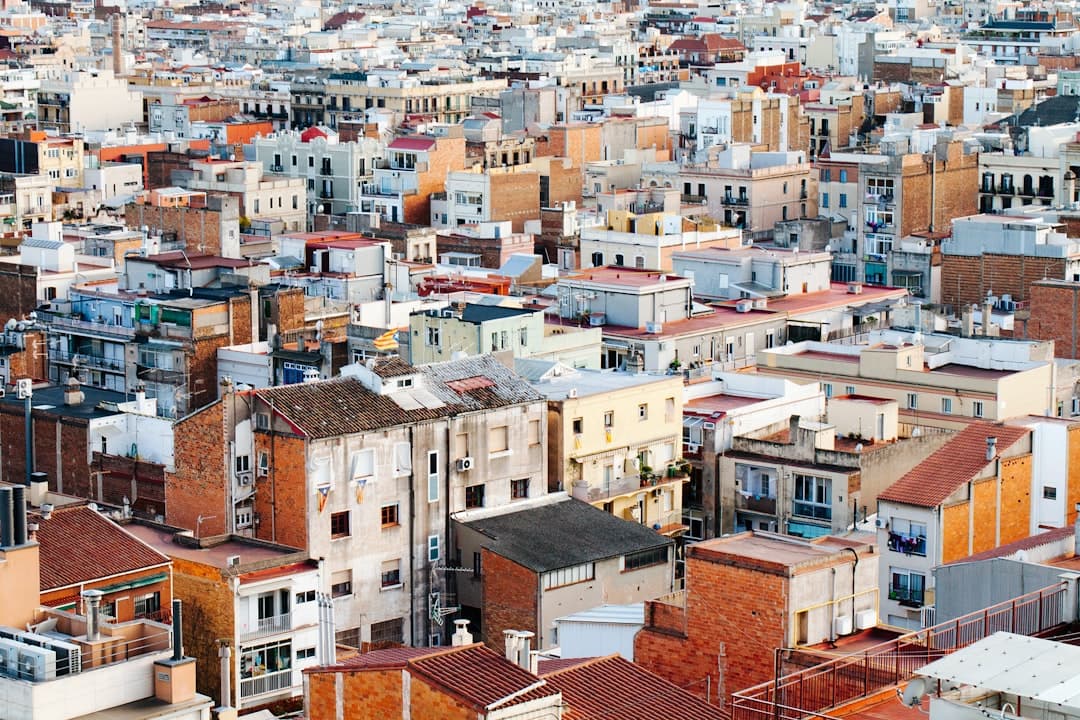
Barcelona
Catalonia's Mediterranean capital, famed for Gaudí's architecture, a medieval Gothic Quarter, lively beaches and a food culture built on markets, tapas and late dinners.
Barcelona quick facts
- Best time to visit
- May to June and September to early October are the best months, with
- Language
- Catalan and Spanish (Castilian)
- Currency
- Euro (EUR)
- Getting around
- Metro, tram and bus
- Suggested stay
- 4 days
- Population
- 1M
About Barcelona
Barcelona sits on the northeastern coast of Spain between the Mediterranean Sea and the Collserola hills, with the Besòs and Llobregat rivers bounding it to either side. It is the capital of Catalonia and Spain's second-largest city, a place where Catalan is spoken alongside Spanish and where regional identity is a visible part of daily life.
The cityscape mixes a compact medieval core with the 19th-century Eixample grid designed by Ildefons Cerdà, its chamfered corners and long straight avenues laid out in a regular pattern. Modernisme, the Catalan take on Art Nouveau, left the city with buildings by Antoni Gaudí, Lluís Domènech i Montaner and others, and these are among the main reasons visitors come.
Beyond architecture, Barcelona offers a long urban seafront, hillside parks such as Montjuïc, museums devoted to Picasso and Miró, and a busy calendar of festivals. Football is a major part of local culture, with FC Barcelona a strong source of civic pride.
The city is easy to explore on foot, by metro and by bus, and it works well as a base for trips to mountains, monasteries, wine country and coastal towns. Summers are hot and crowded in the center, while spring and autumn tend to be more comfortable for walking.
Known for
- Antoni Gaudí and Modernista architecture, The Gothic Quarter, FC Barcelona, Mediterranean beaches, Tapas and market food culture, Catalan identity and festivals
Food in Barcelona
Catalan cooking draws on the sea, the mountains and the farmland around the city. Bread rubbed with tomato, olive oil, cured meats, seafood, rice dishes and seasonal vegetables all feature prominently. Sauces such as romesco, allioli and sofregit underpin many traditional dishes.
Meal times run later than in northern Europe. Lunch is often the main meal in the early afternoon and many people eat dinner after 9 pm. Many restaurants offer a fixed-price weekday lunch menu, and sharing small plates is common. Neighborhood markets remain a real source of daily food shopping as well as a place to eat.
Cava, the local sparkling wine, is produced in the wider region, and Catalan wine regions supply many reds and whites. Vermouth on a weekend afternoon is a much-loved habit.
History of Barcelona
Barcelona's origins go back to a small Roman settlement often called Barcino, founded around the end of the 1st century BC on a low hill near the present Gothic Quarter. Fragments of Roman walls and streets can still be seen in the old center. After the Roman period the town passed through Visigothic rule and, briefly, Muslim control, before being taken by the Franks around 801.
In the medieval period Barcelona became the seat of the Counts of Barcelona and a major power in the Crown of Aragon, with a merchant fleet trading across the Mediterranean. Much of the Gothic architecture of the old city dates from this era. Political changes in the early modern period, especially after the War of the Spanish Succession that ended in 1714, brought the loss of many Catalan institutions and rights.
The 19th century brought industrialization, the demolition of the old city walls and the expansion into the Eixample. Exhibitions in 1888 and 1929 reshaped parts of the city, and the Modernista movement flourished. The Spanish Civil War and the Franco era suppressed Catalan language and institutions, which returned after the transition to democracy. The 1992 Olympic Games spurred a major transformation of the waterfront and infrastructure.
Culture and etiquette
Catalan and Spanish are both official languages, and you will hear both on the street. A few words of greeting in Catalan, such as bon dia for good morning and gràcies for thank you, are appreciated. Catalan identity is a sensitive and important topic, so approach political discussions with listening rather than assumptions.
Social life is lively and centered on food, conversation and public space. Greetings between acquaintances often involve two kisses on the cheek. Tipping is modest compared with some countries, and rounding up or leaving small change is common. In busy areas, dress respectfully when entering churches and avoid walking around in swimwear away from the beach.
Major celebrations include La Mercè in late September, Sant Jordi in April when books and roses are exchanged, and the summer festa de Gràcia. Traditions such as castells, human towers, and the sardana dance are part of Catalan cultural heritage. Petty theft, especially pickpocketing in crowded tourist areas and on public transport, is a known issue, so keep valuables secure.
Things to do in Barcelona
What to see, where to stay and where to eat.
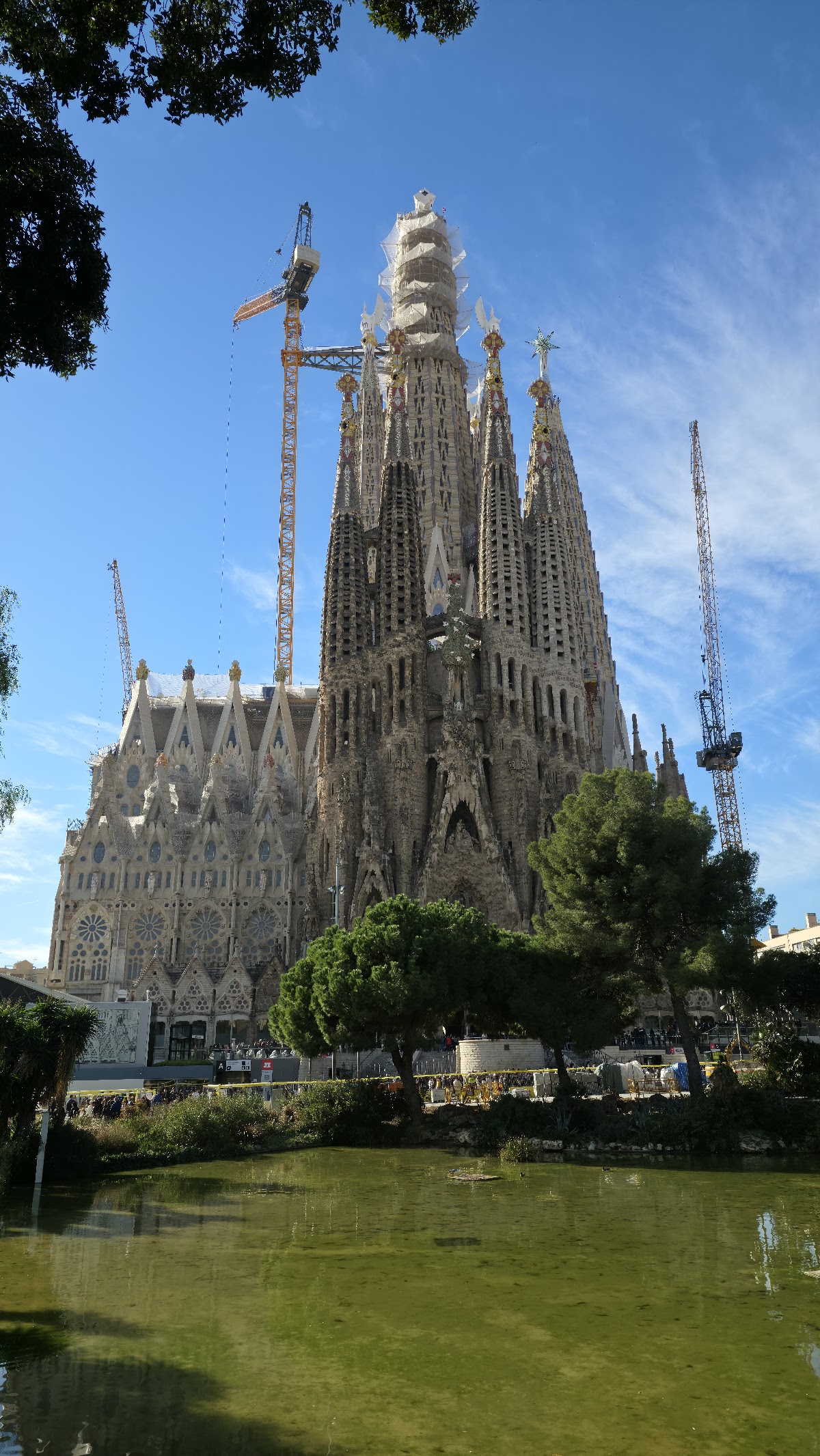
Basilica of the Sagrada Familia
Carrer de Mallorca, 401, Eixample, 08013 Barcelona
The Basilica of the Sagrada Familia is Antoni Gaudí's renowned unfinished church, started in the 1880s, located in the Eixample district. The basilica features a museum and offers city views, drawing visitors from around the world to this iconic architectural landmark.
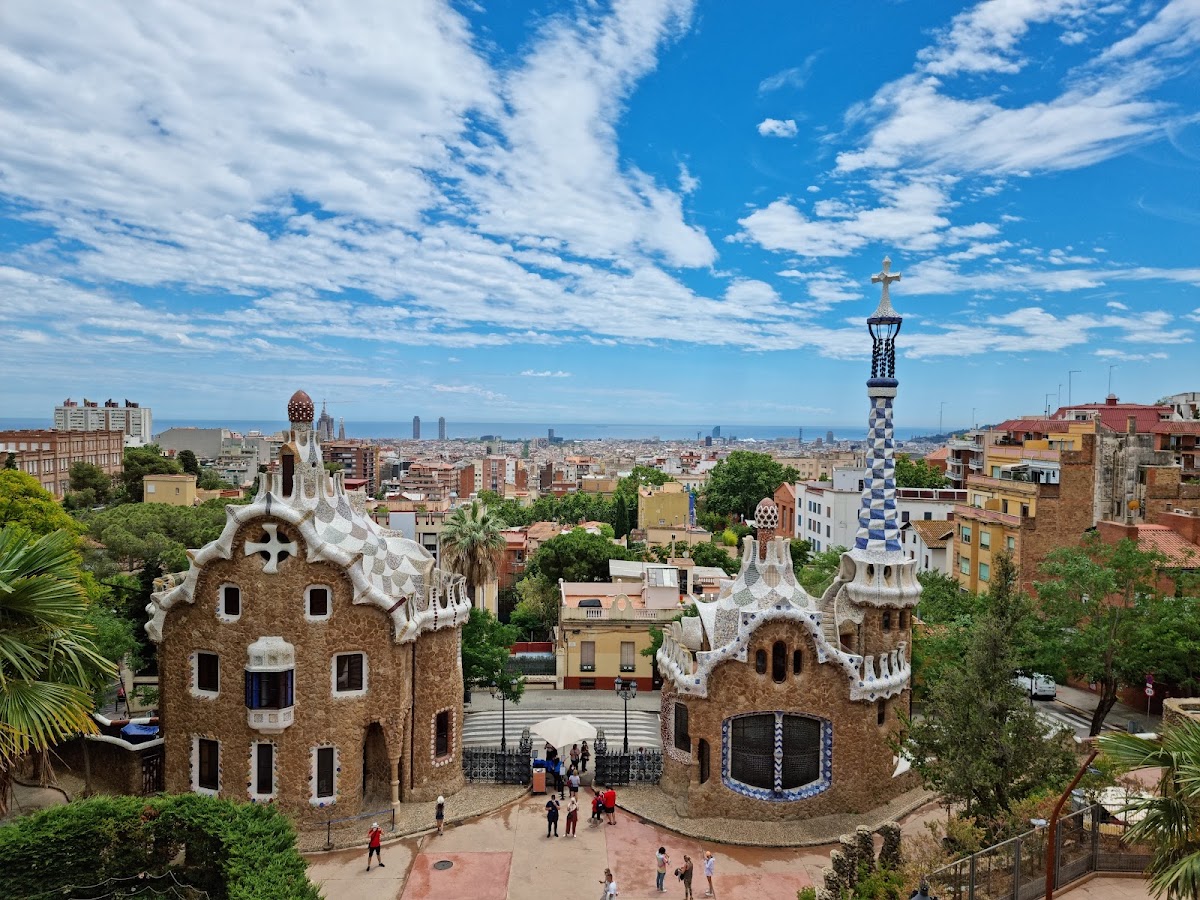
Park Güell
Gràcia, 08024 Barcelona
Park Güell is a verdant park featuring mosaic-covered buildings, steps, and sculptures designed by Gaudí, with a Gaudí museum and panoramic views of the city. Located in the Gràcia neighborhood, approximately 3.2 kilometers from Barcelona's city center, the park is highly rated by visitors with an average rating of 4.4 stars from over 242,000 reviews.
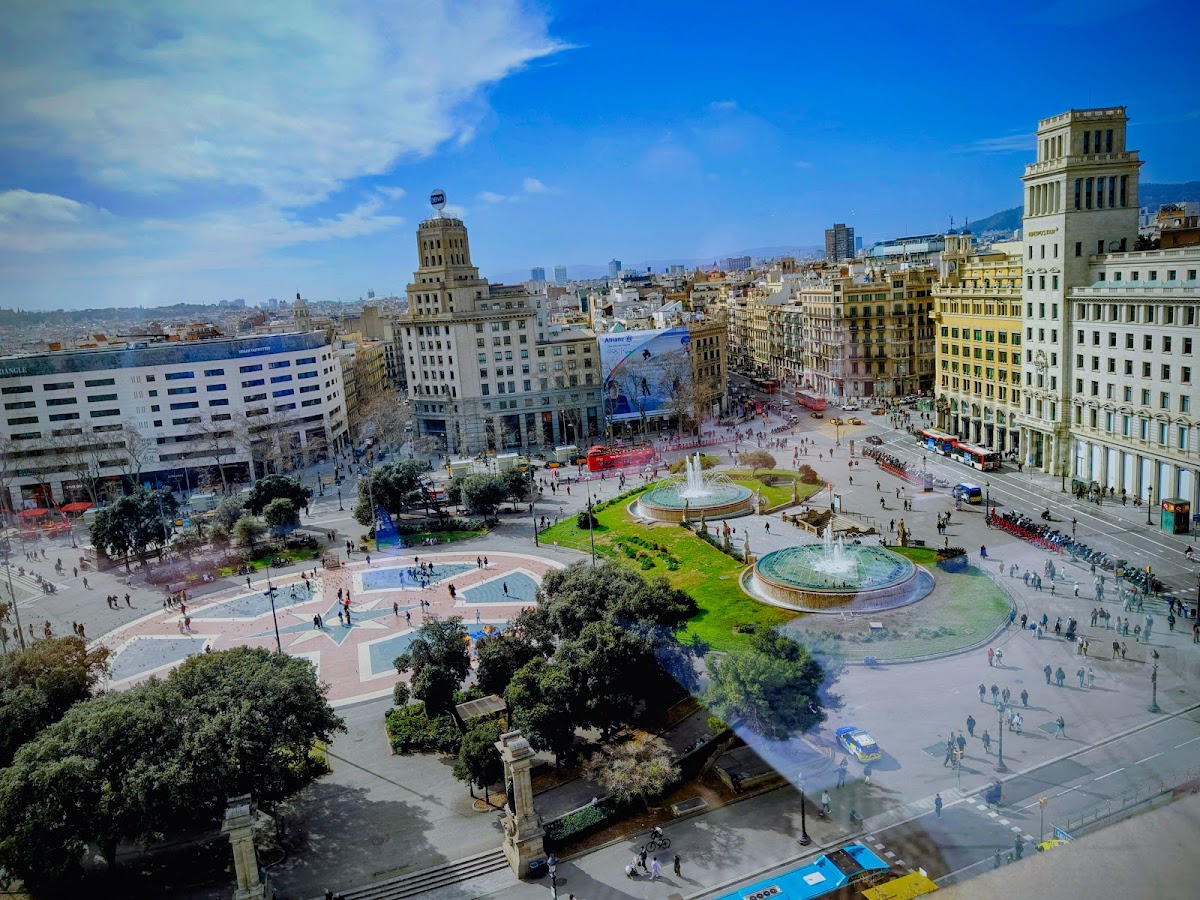
Plaça de Catalunya
Plaça de Catalunya, Eixample, 08002 Barcelona
Plaça de Catalunya is a central, tree-lined square in the Eixample district filled with sculptures and lined with shops and cafes. The plaza is used for special events and is located just 0.39 km from Barcelona's city center.
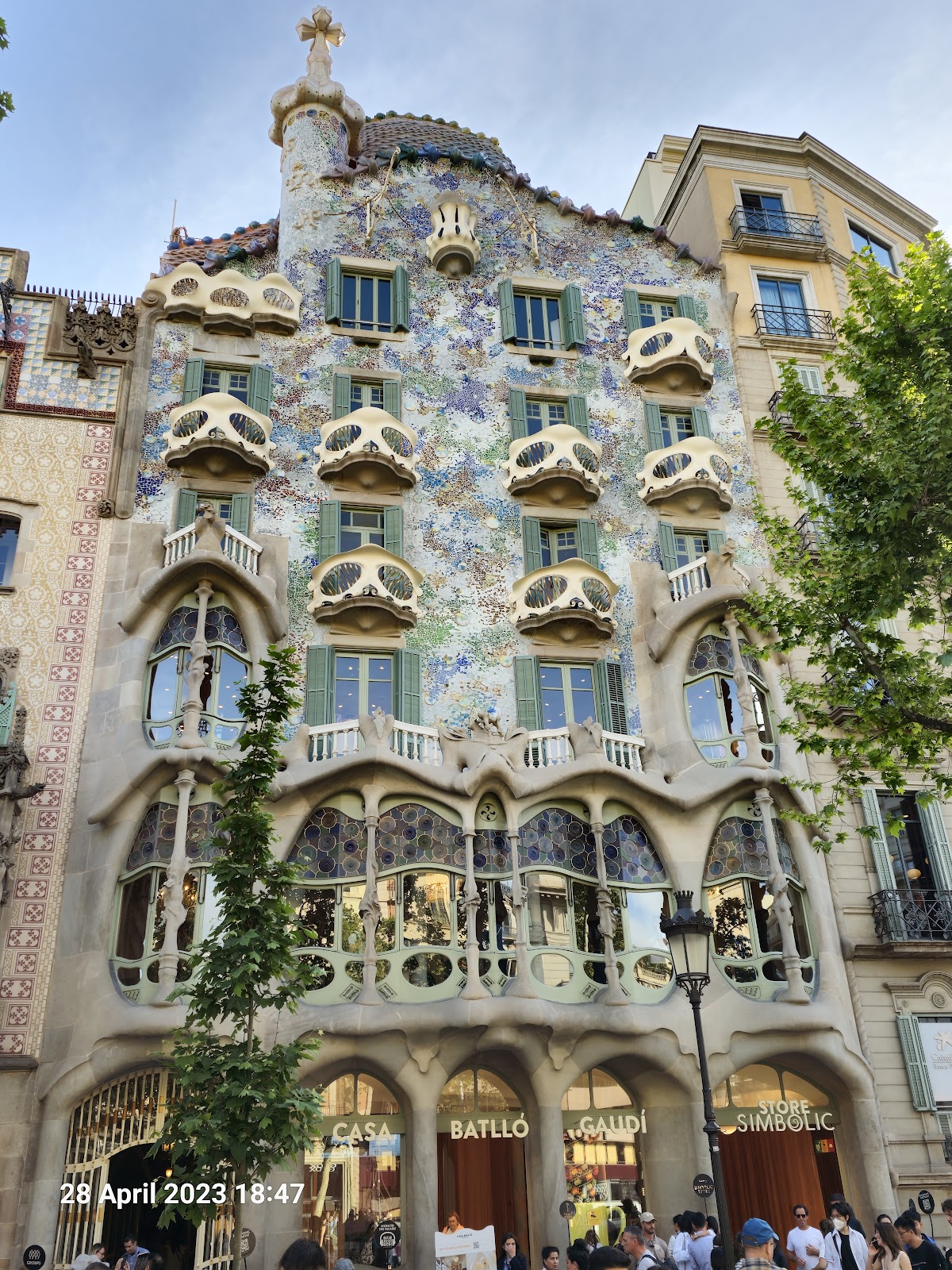
Casa Batlló
Pg. de Gràcia, 43, Eixample, 08007 Barcelona
Casa Batlló is a fantastical apartment block featuring curving architecture and a distinctive dragon-inspired roof, designed by architect Antoni Gaudi. Now operating as a museum, this historical landmark is located on Passeig de Gràcia in the Eixample district, just 0.5 kilometers from Barcelona's city center. The building showcases Gaudi's distinctive modernist style and attracts visitors interested in architectural heritage.
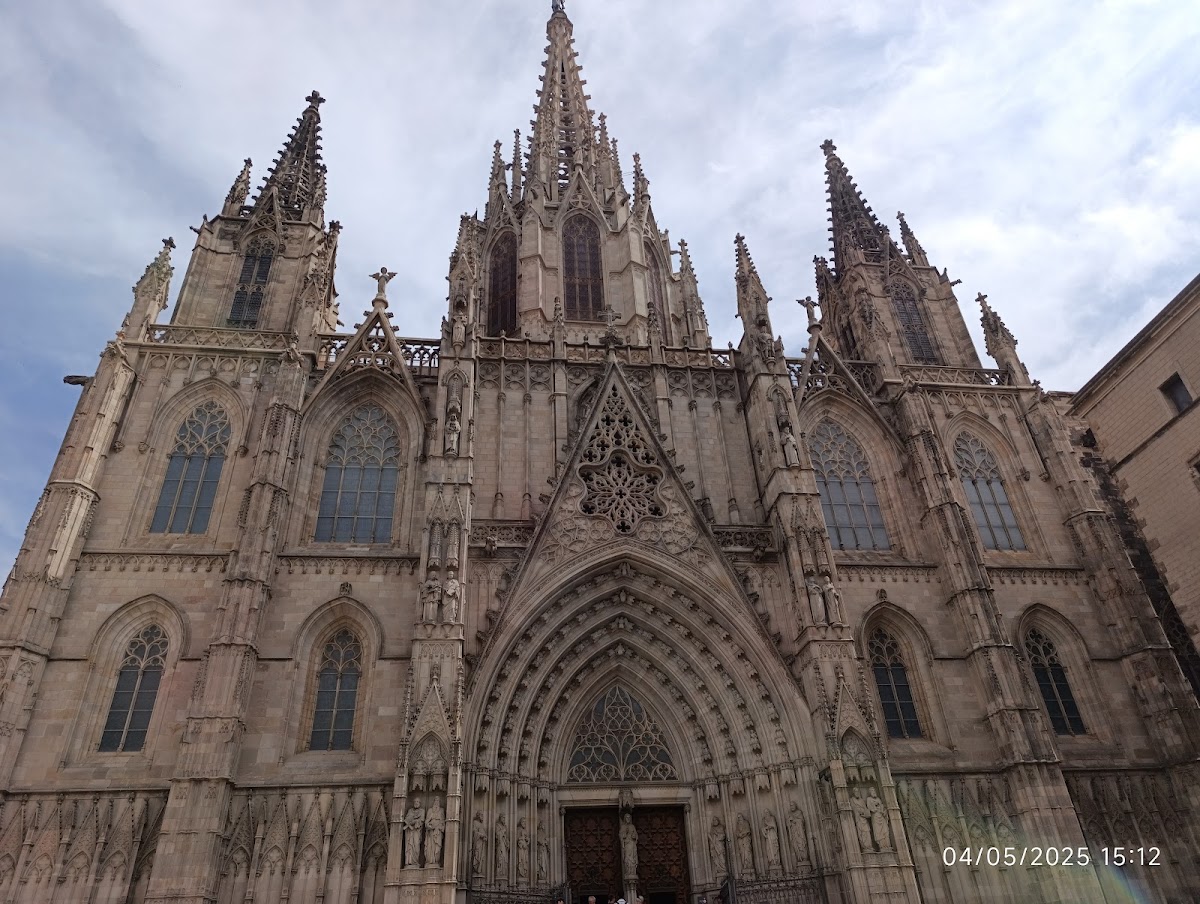
Cathedral of Barcelona
Pla de la Seu, s/n, Ciutat Vella, 08002 Barcelona
The Cathedral of Barcelona is an imposing Gothic cathedral located in Ciutat Vella, featuring geese-filled cloisters and offering guided tours with city-wide views. Situated just under 1 km from the city center, this church serves as both a significant place of worship and a major tourist attraction. With a rating of 4.6 out of 5 based on over 85,000 reviews, it is one of Barcelona's most visited landmarks.
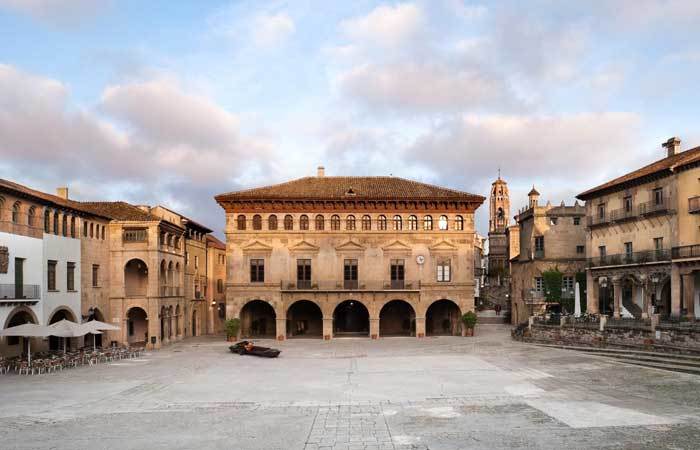
Poble Espanyol
Av. de Francesc Ferrer i Guàrdia, 13, Sants-Montjuïc, 08038 Barcelona
Poble Espanyol is an open-air museum built in 1929 featuring 117 buildings that showcase typical regional architecture from across Spain. Located 2.55 km from Barcelona's city center, it offers visitors an immersive look at Spanish architectural styles and cultural heritage. The venue has a rating of 4.2 stars based on over 41,000 reviews.
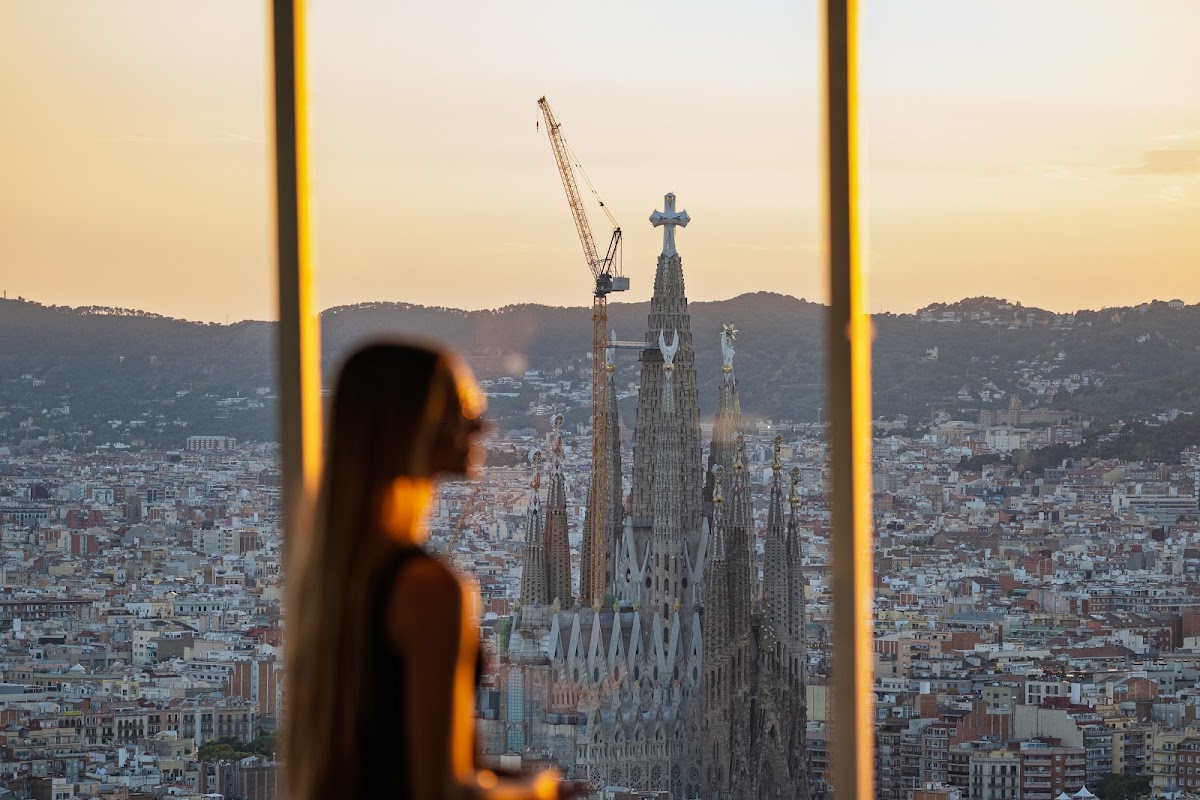
Mirador Torre Glòries
Av. Diagonal, 209, Sant Martí, 08018 Barcelona
Mirador Torre Glòries is an observation deck located on Av. Diagonal in Sant Martí, offering scenic views of Barcelona from an elevated vantage point. The venue has a rating of 4.5 stars based on over 5,200 visitor reviews and is situated approximately 2.7 km from the city center.
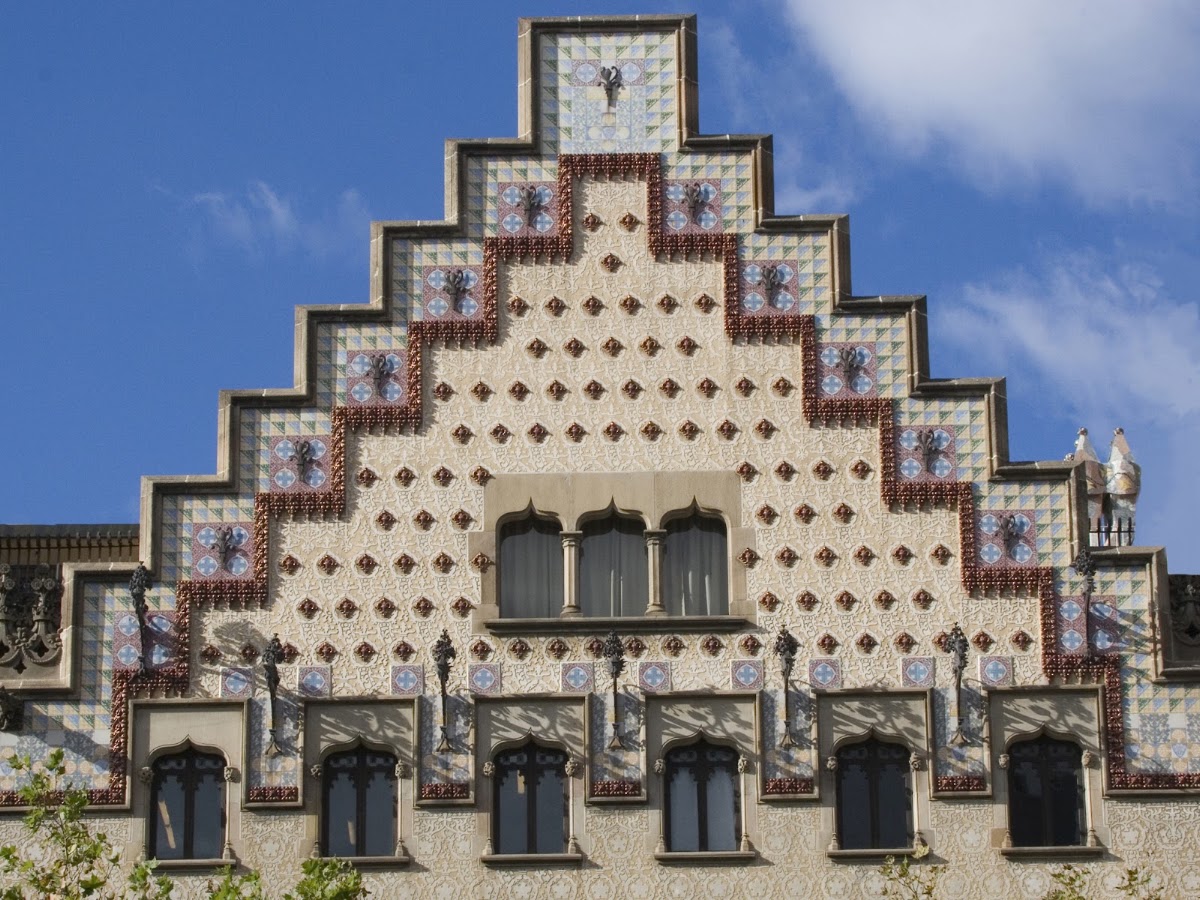
Casa Amatller
Pg. de Gràcia, 41, Eixample, 08007 Barcelona
Casa Amatller is a colorful modernista house on Passeig de Gràcia that fuses Catalan and Flemish architectural styles, decorated with quirky animal sculptures. Located in the Eixample district just under half a kilometer from the city center, it serves as both a historical landmark and museum. The venue has a rating of 4.6 stars based on nearly 5,000 visitor reviews.
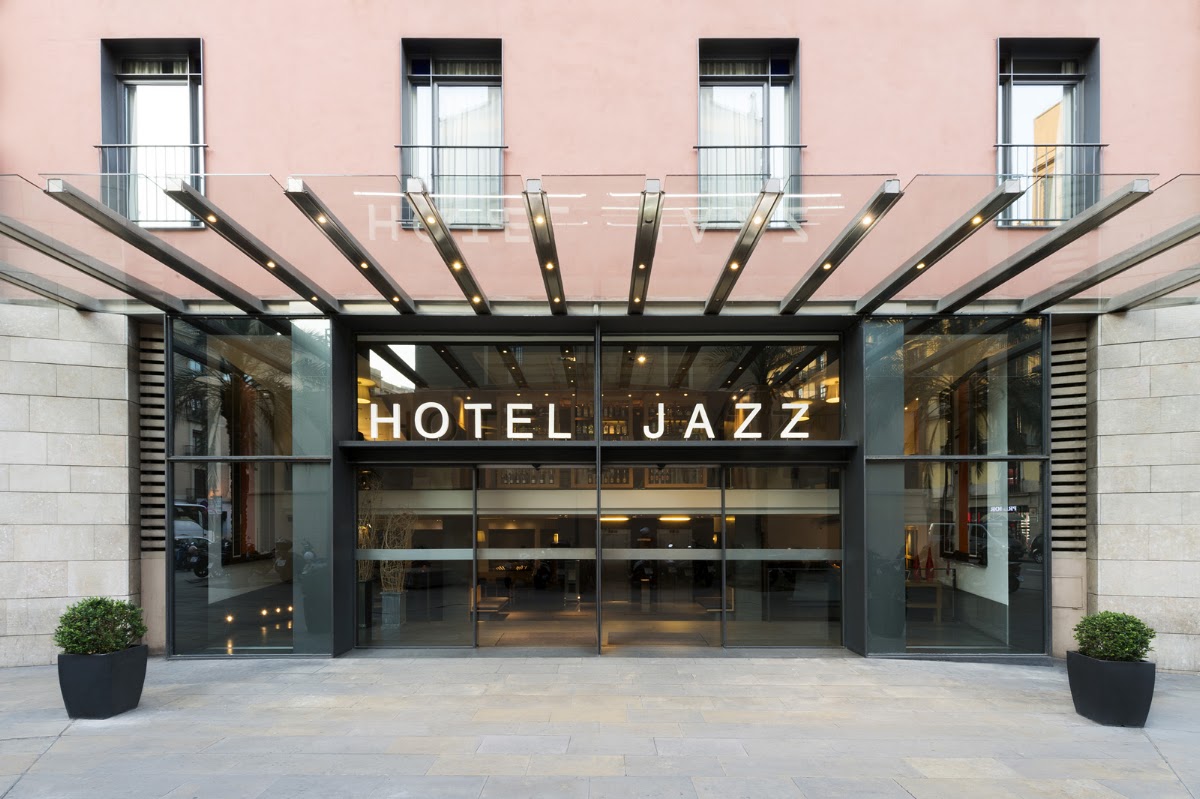
Hotel Jazz
HotelCarrer de Pelai, 3 Parking:, Ronda de la Univ., 4, Eixample, 08001 Barcelona
Hotel Jazz is a posh hotel in Barcelona's Eixample district, just 0.14 km from the city center, offering modern rooms and suites. The property features a rooftop pool and terrace along with a trendy bar and lounge. With a rating of 4.7 out of 5 based on 2389 reviews, it provides contemporary accommodations in a central location.
Check prices on Booking.com for Hotel Jazz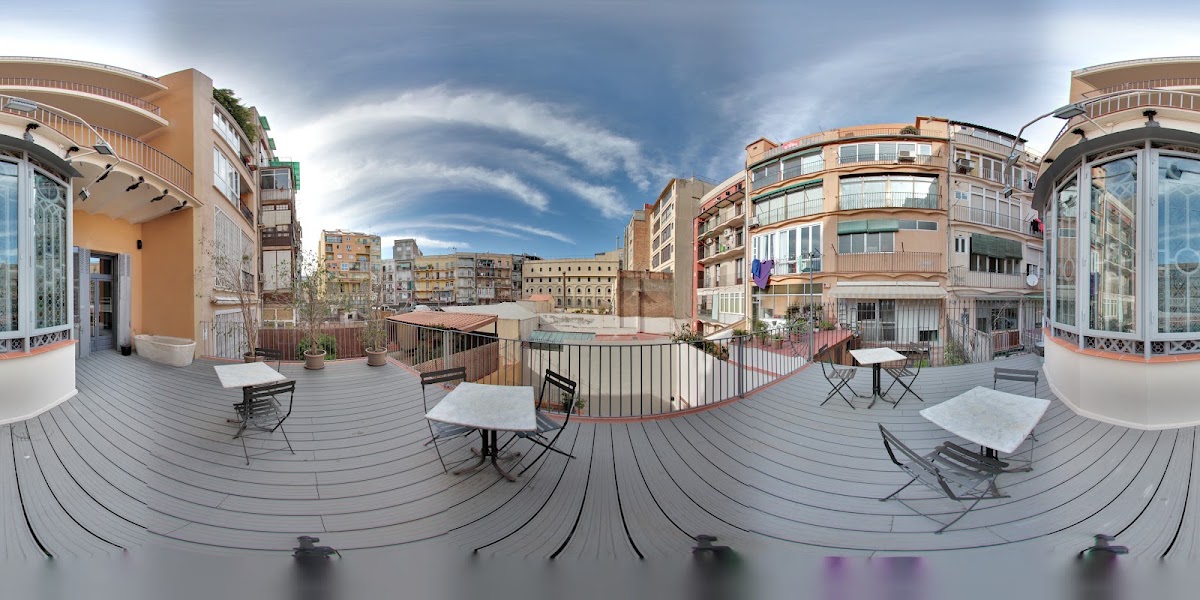
Sant Jordi Hostels Rock Palace
HostelCarrer de Balmes, 75, Eixample, 08007 Barcelona
Sant Jordi Hostels Rock Palace is a functional hostel in Barcelona's Eixample district, offering mixed dormitory accommodations. The property features a rooftop pool, guest kitchen, bar, and free Wi-Fi, located just 0.51 km from the city center.
Check prices on Booking.com for Sant Jordi Hostels Rock Palace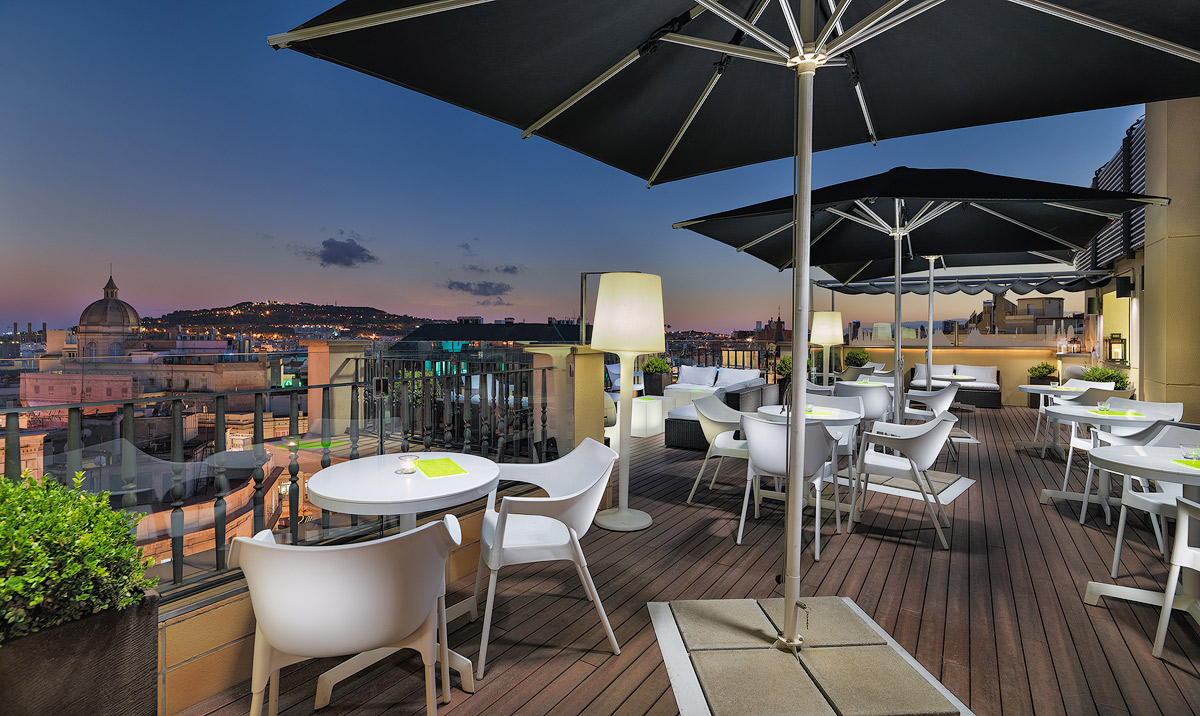
H10 Universitat
HotelRonda de la Univ., 21, Eixample, 08007 Barcelona
H10 Universitat is a modern hotel located in the Eixample district, just 0.11 km from Barcelona's city center. The hotel features a posh restaurant, a sleek lobby lounge, and a rooftop terrace with a bar. It has a rating of 4.5 stars based on 1567 guest reviews.
Check prices on Booking.com for H10 Universitat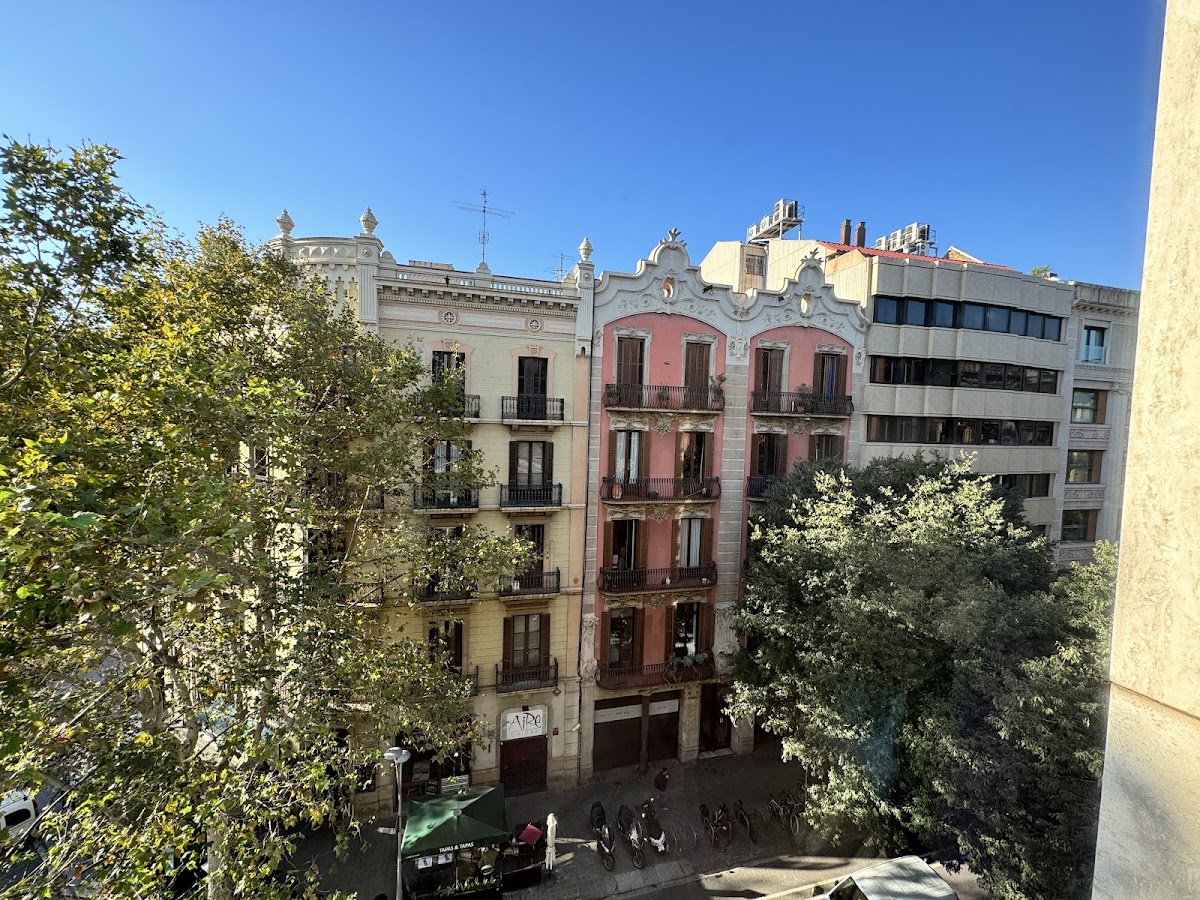
Hotel Sansi Barcelona
HotelCarrer de la Diputació, 234, Eixample, 08007 Barcelona
Hotel Sansi Barcelona is a contemporary hotel located in the Eixample district, just 0.13 km from the city center. The hotel offers free Wi-Fi, a business center, and a lounge with a fireplace.
Check prices on Booking.com for Hotel Sansi Barcelona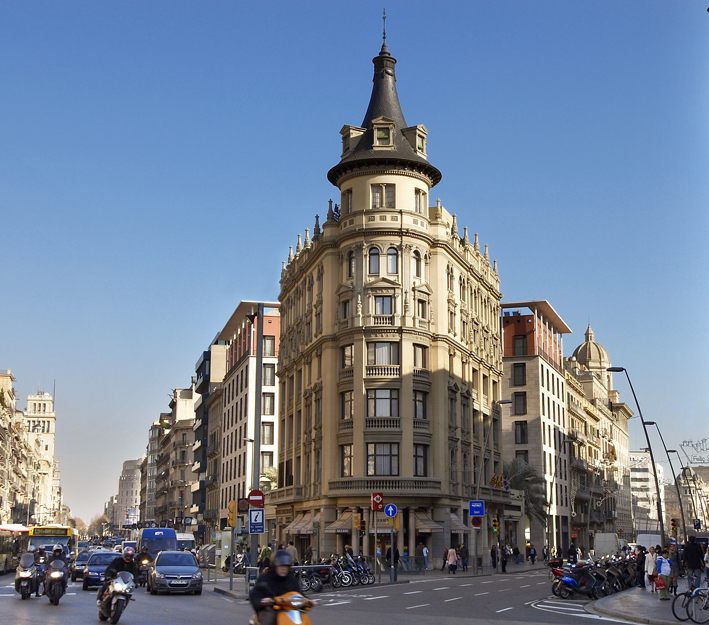
Hotel ITC Barcelona by Soho Boutique
HotelCarrer de Pelai, 1, Eixample, 08001 Barcelona
Hotel ITC Barcelona by Soho Boutique is located in the Eixample district, just 0.14 km from the city center. The hotel features warmly furnished rooms, some with city views, and offers free Wi-Fi throughout the property.
Check prices on Booking.com for Hotel ITC Barcelona by Soho Boutique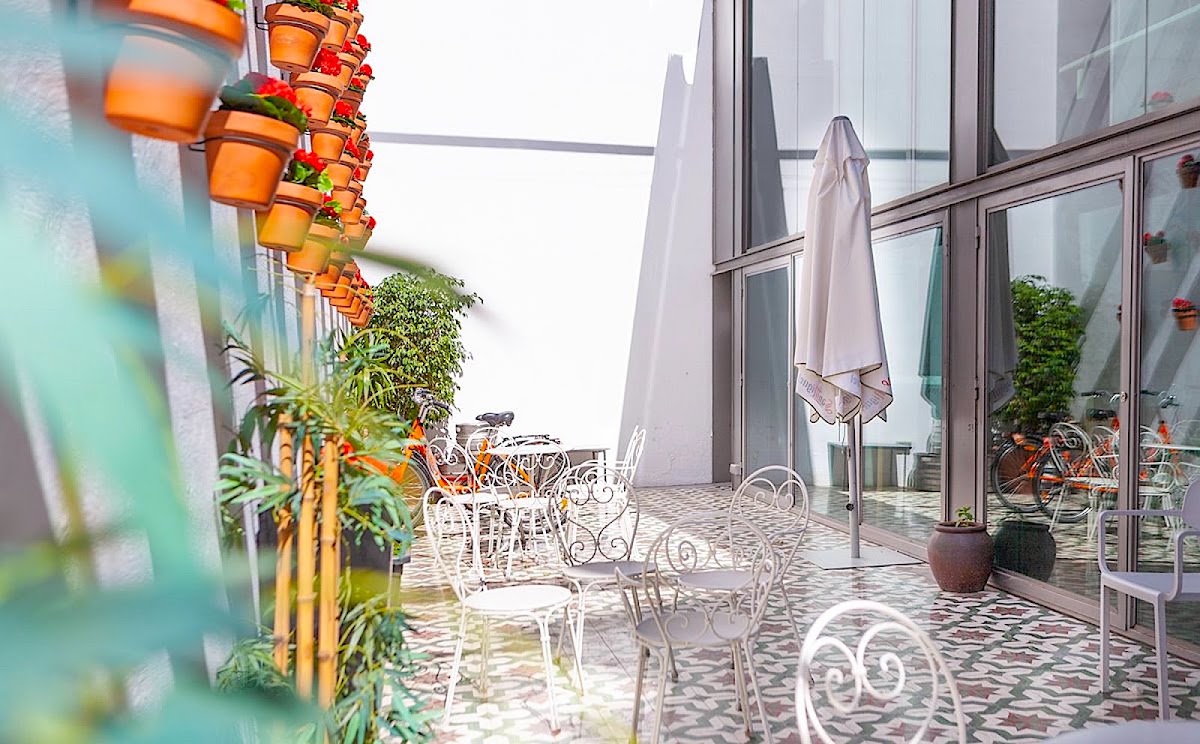
St Christopher's Barcelona
HostelCarrer de Bergara, 3, Eixample, 08002 Barcelona
St Christopher's Barcelona is a relaxed hostel located in the Eixample district, just 0.23 km from the city center. The property offers dorms and rooms with free breakfast, and features a laid-back bar and restaurant on-site. It has a rating of 4.2 stars based on over 5,100 reviews.
Check prices on Booking.com for St Christopher's Barcelona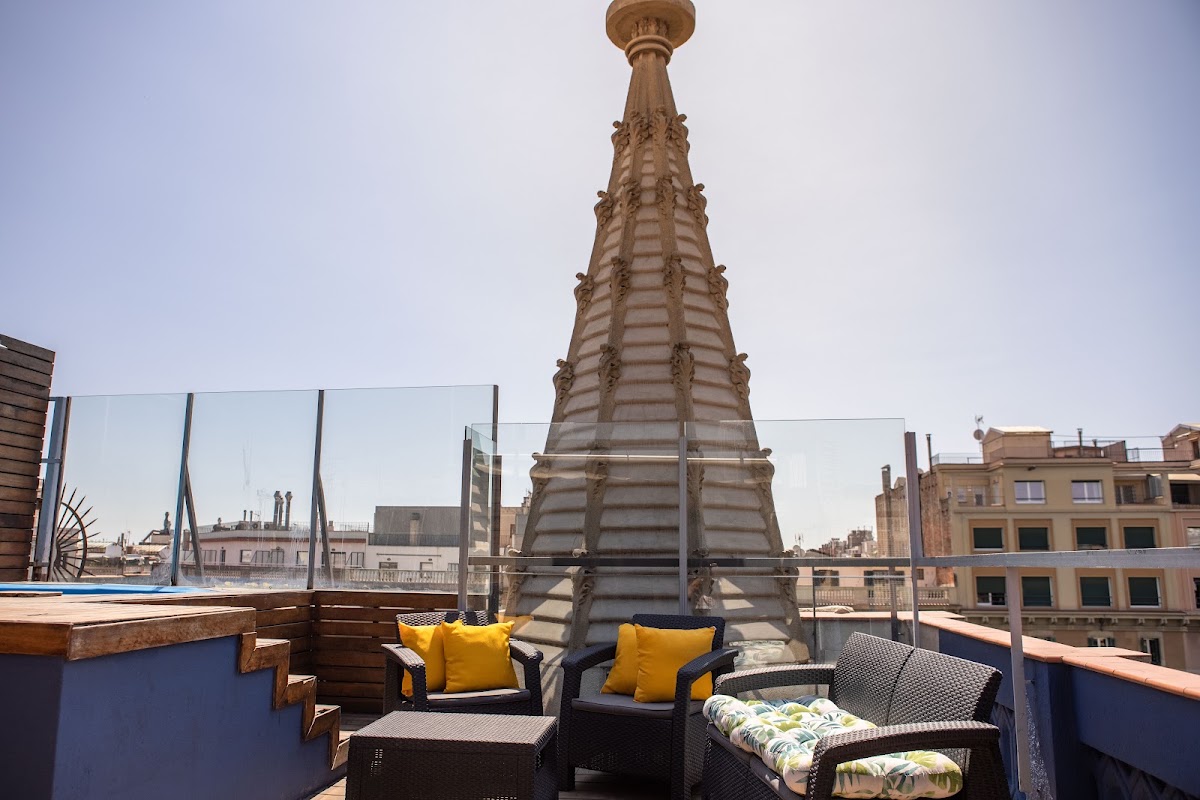
Urbany Hostel BCN GO!
HostelGran Via de les Corts Catalanes, 563, Eixample, 08011 Barcelona
Urbany Hostel BCN GO! is a vibrant hostel located on Gran Via in Barcelona's Eixample district, just 0.46 km from the city center. It offers both private rooms and shared dormitories, along with a communal kitchen and rooftop hot tub. The hostel has a rating of 4.3 stars based on 4627 guest reviews.
Check prices on Booking.com for Urbany Hostel BCN GO!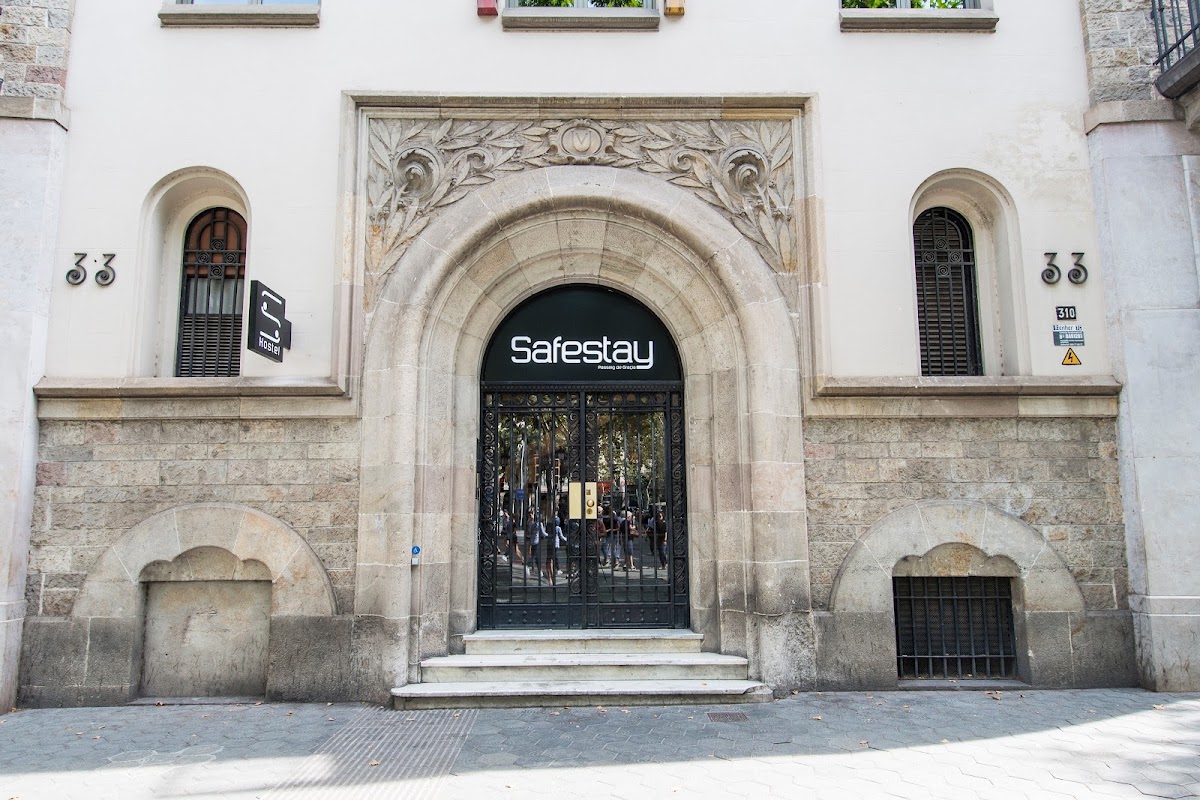
Safestay Barcelona Passeig de Gràcia
HostelPg. de Gràcia, 33, Eixample, 08007 Barcelona
Safestay Barcelona Passeig de Gràcia is a casual hostel located on Passeig de Gràcia in the Eixample district, just 0.41 km from the city center. The hostel offers basic dormitory and private rooms, along with a guest kitchen, terrace, and free Wi-Fi.
Check prices on Booking.com for Safestay Barcelona Passeig de Gràcia
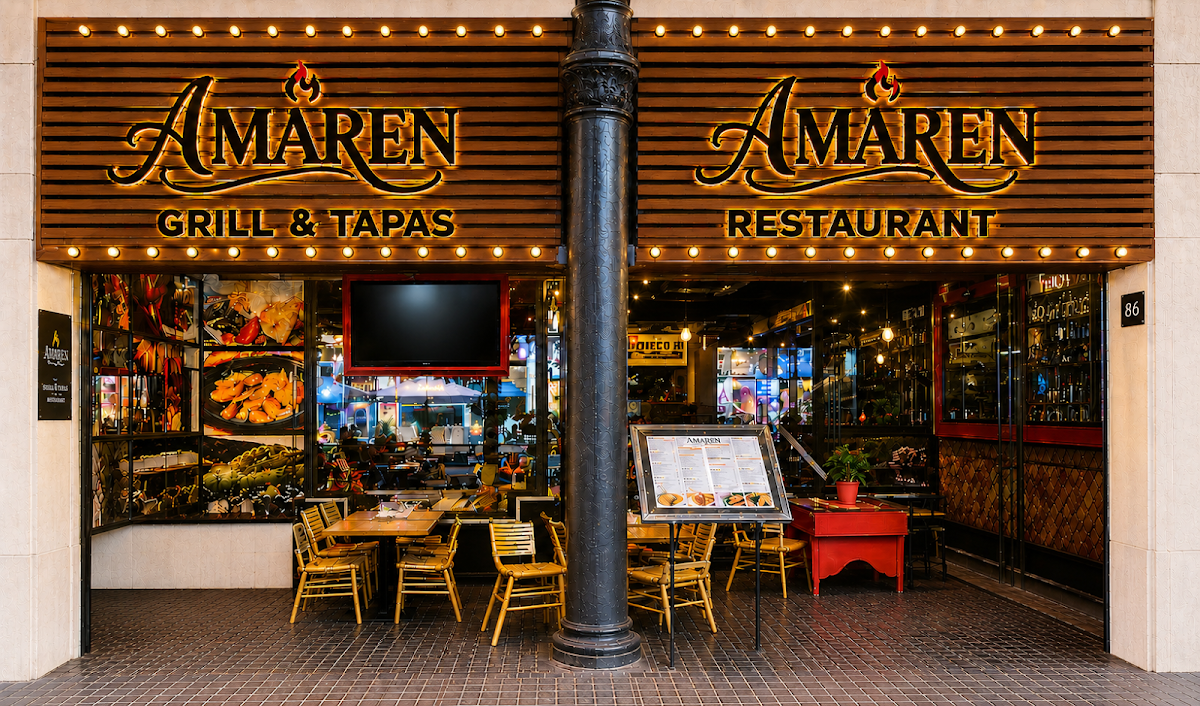
Restaurante AMAREN
Price $$$Rated 4.9Rambla de Catalunya, 13, Eixample, 08007 Barcelona
Restaurante AMAREN is a French and European restaurant located on Rambla de Catalunya in Barcelona's Eixample district, just 0.2 km from the city center. It has a rating of 4.9 stars based on 2,165 reviews and is in the mid-to-high price range.
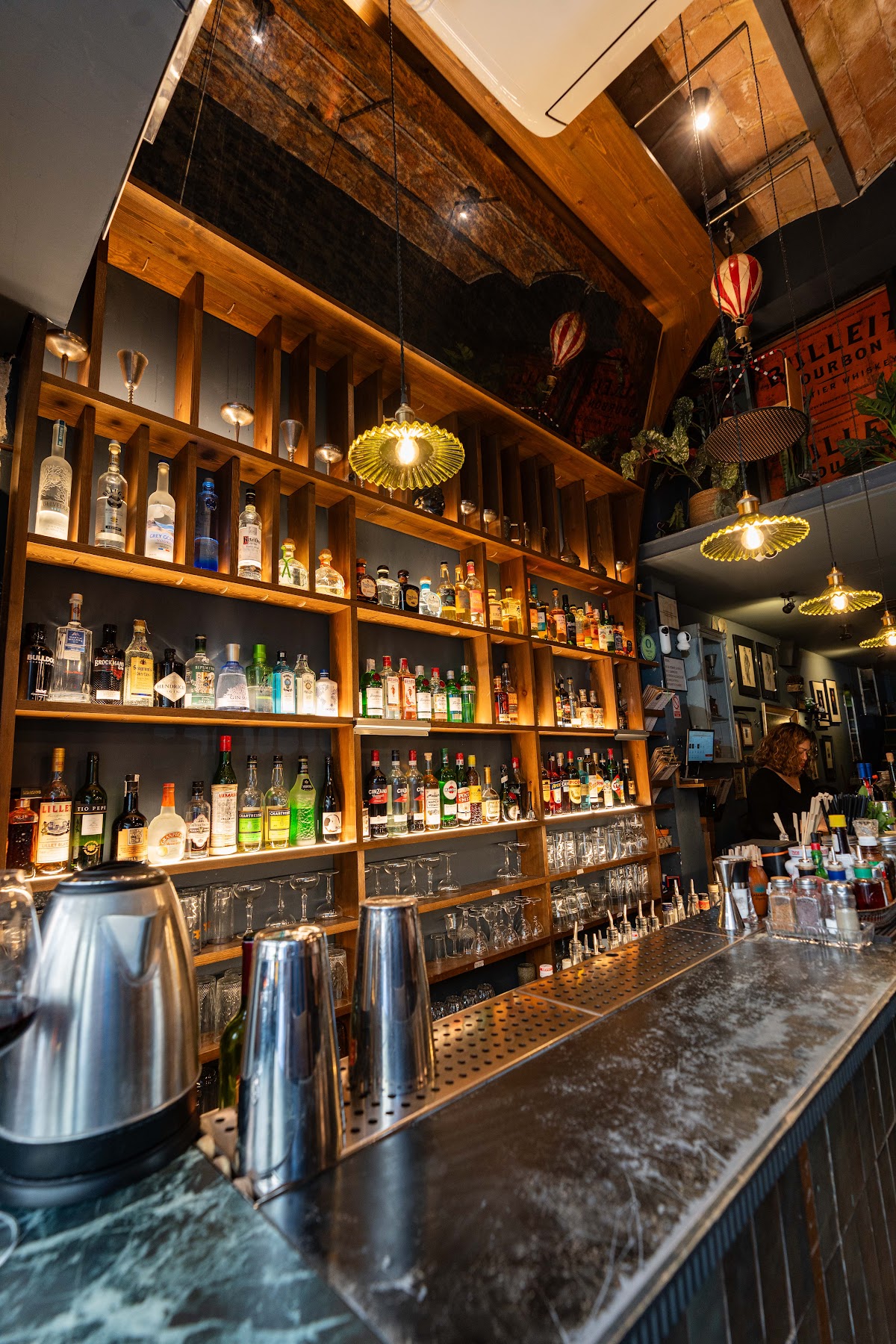
ABANIC
EuropeanPrice $$Rated 4.8Carrer del Rosselló, 207, Eixample, 08008 Barcelona
ABANIC is a Spanish restaurant in Barcelona's Eixample neighborhood serving Mediterranean and European cuisine with a focus on tapas. Located on Carrer del Rosselló, it operates as both a restaurant and cocktail bar, offering moderately priced dining just under 1 km from the city center.
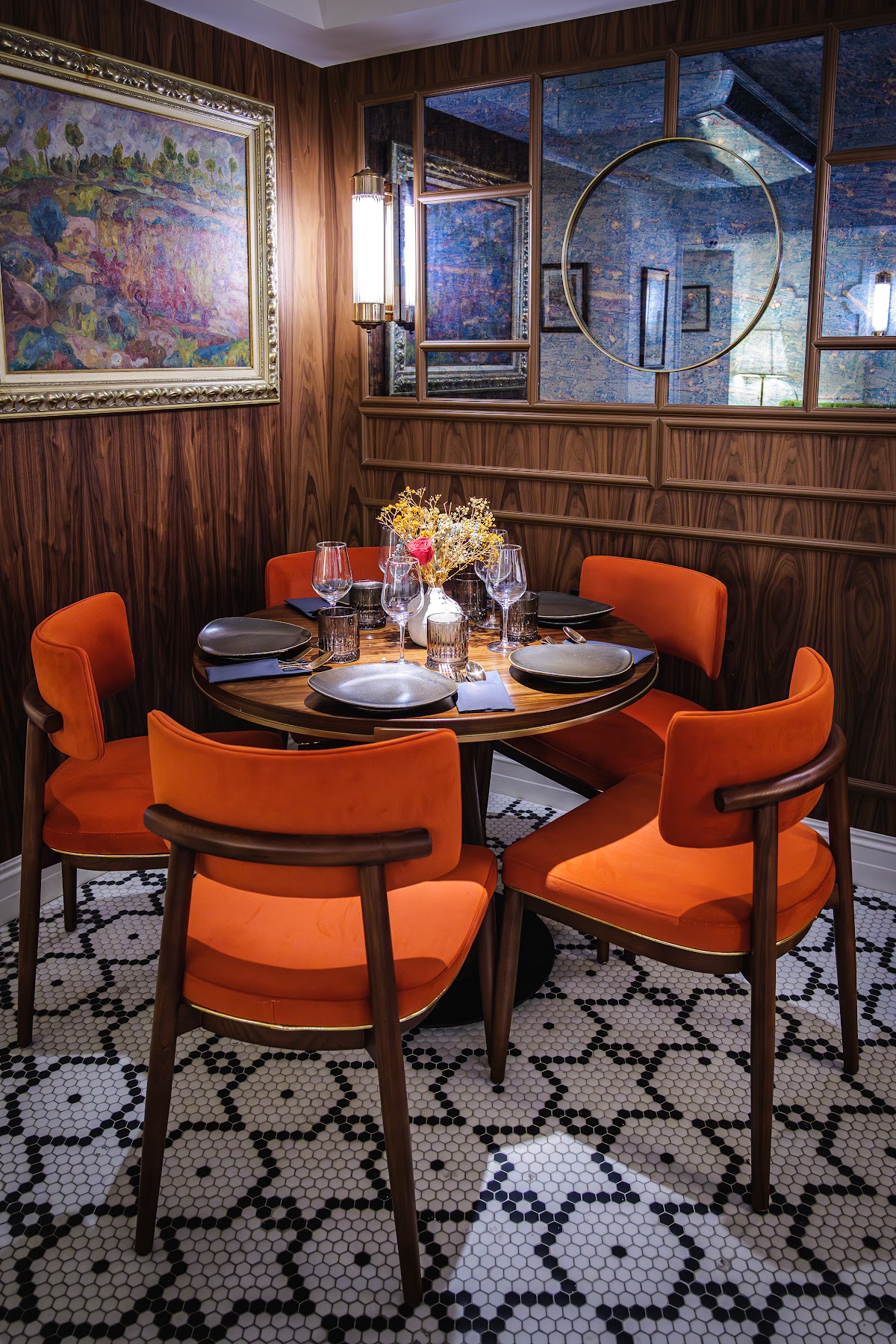
VÍA 646
Price $$$Rated 4.8Gran Via de les Corts Catalanes, 646, Eixample, 08007 Barcelona
VÍA 646 is a restaurant located on Gran Via de les Corts Catalanes in Barcelona's Eixample district, just 0.5 km from the city center. With a rating of 4.8 stars based on 703 reviews, it is a mid-range establishment in the moderately priced category.
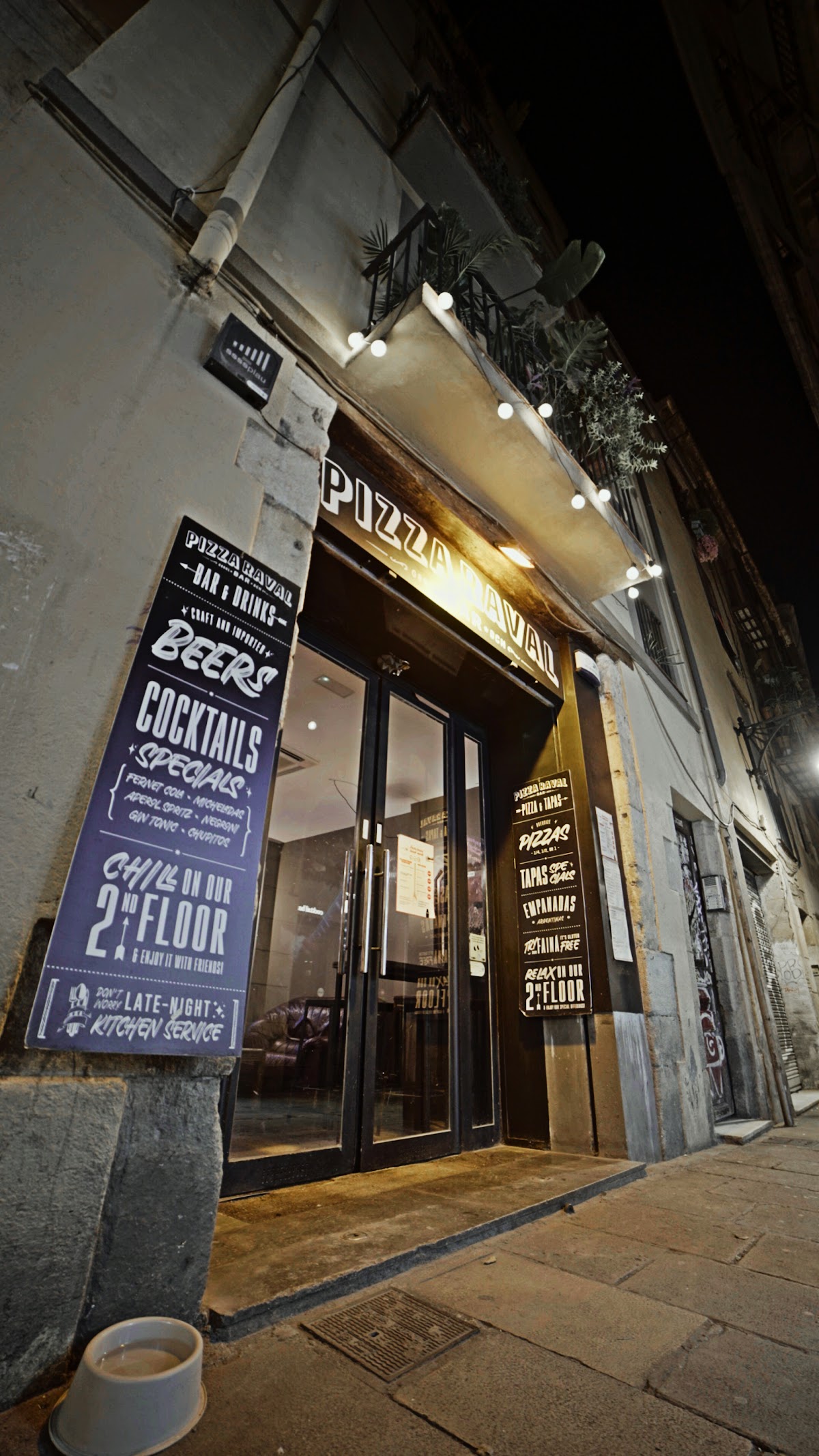
Pizza Raval
ItalianPrice $$Rated 4.6Carrer de les Sitges, 6, Ciutat Vella, 08001 Barcelona
Pizza Raval is a laid-back Italian restaurant located in Ciutat Vella, just 0.5 km from Barcelona's city center. The restaurant serves artisan pasta, sauces, empanadas, and desserts with a rating of 4.6 stars from nearly 3,800 reviews. It offers affordable dining at price level 2 and provides meal takeaway options.
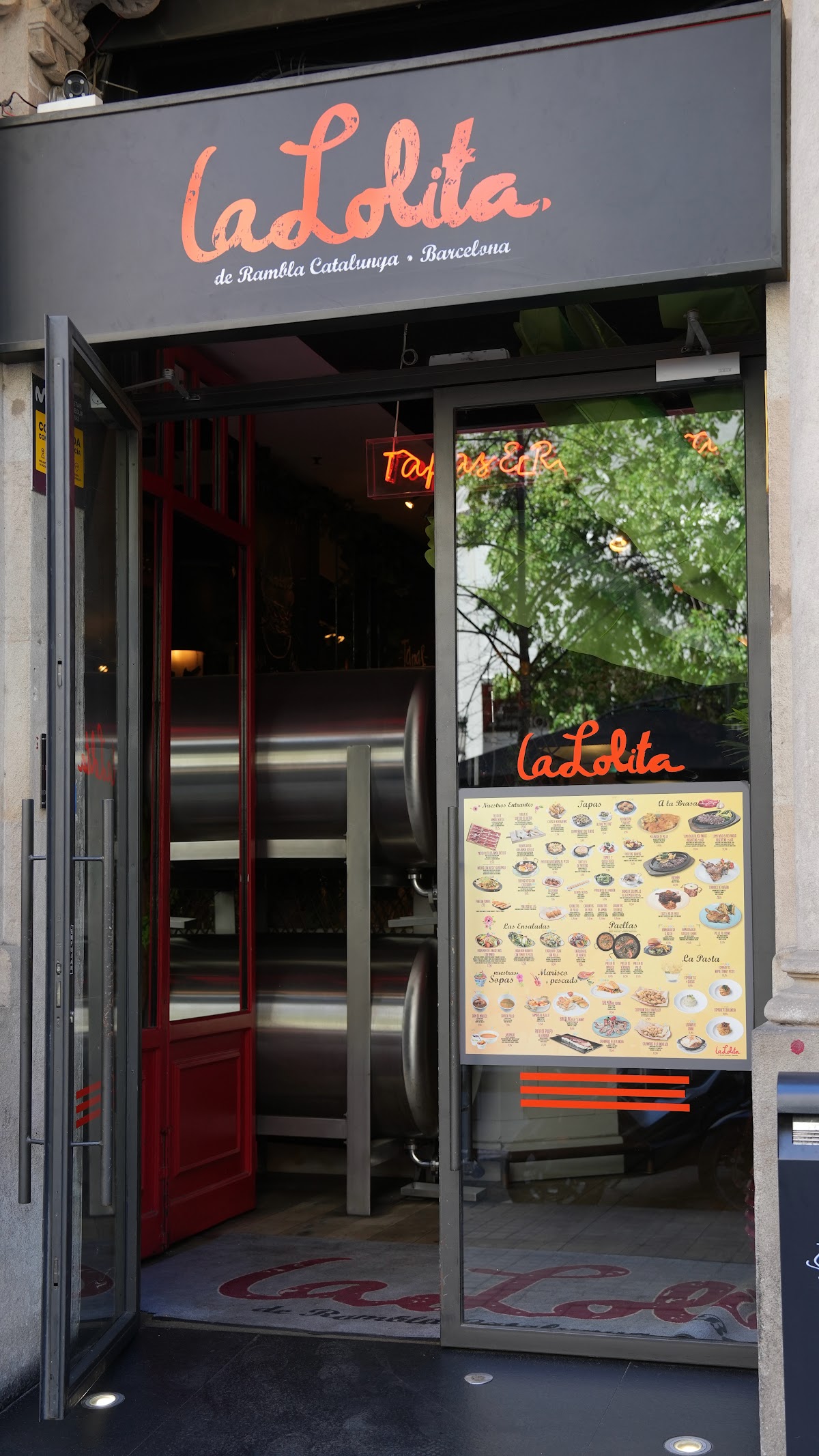
La Lolita Barcelona
Price $$Rated 4.6Rambla de Catalunya, 27, Loc, Eixample, 08007 Barcelona
La Lolita Barcelona is a halal Mediterranean restaurant located on Rambla de Catalunya in Eixample, just 0.2 km from the city center. With a rating of 4.6 stars from over 14,000 reviews, it offers moderately priced dining options.
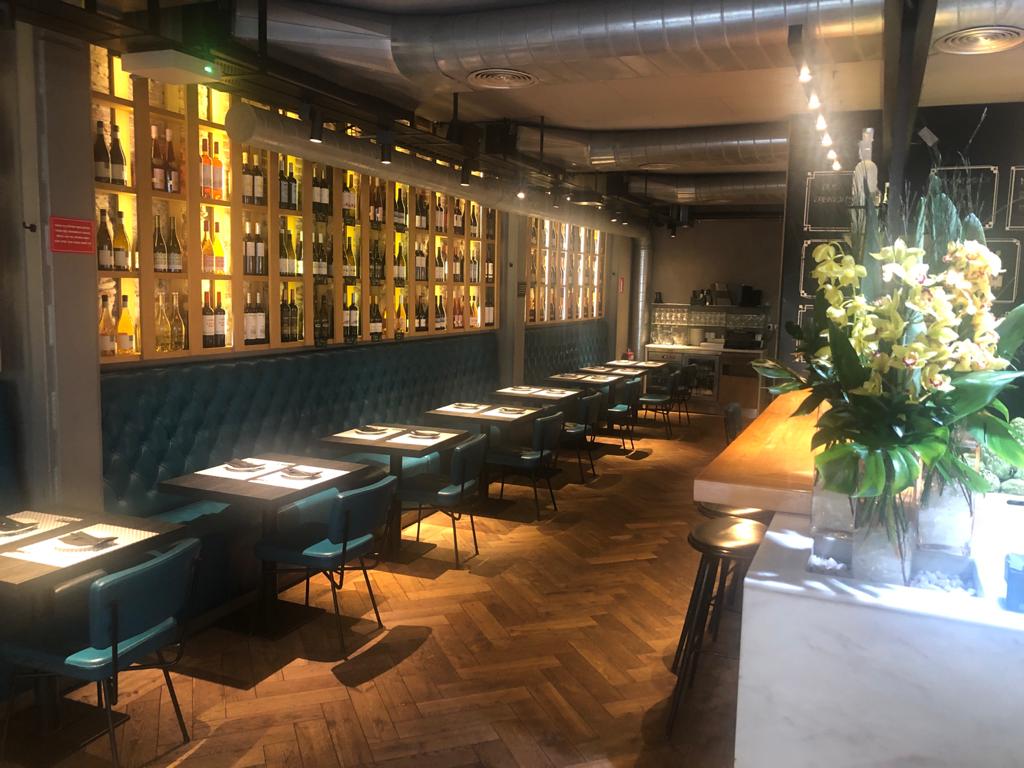
Vinitus
Price $$Rated 4.5Carrer del Consell de Cent, 333, Eixample, 08007 Barcelona
Vinitus is an upmarket tapas restaurant in Barcelona's Eixample district, located just 0.33 km from the city center. The venue features sleek dining room design with illuminated wine shelves, and serves fish dishes and classic small bites in a Mediterranean and Spanish style.
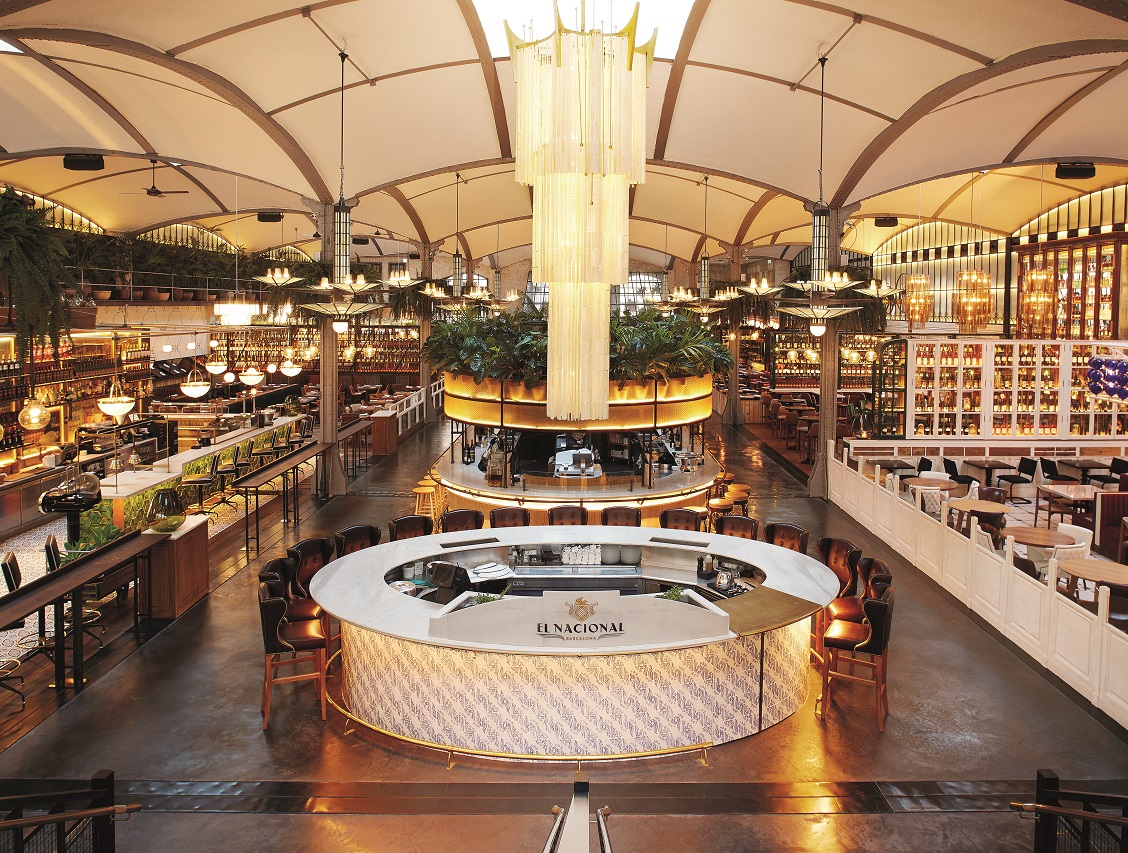
El Nacional Barcelona
EuropeanPrice $$Rated 4.4Pg. de Gràcia, 24 Bis, Eixample, 08007 Barcelona
El Nacional Barcelona is a Spanish restaurant located on Passeig de Gràcia in the Eixample district, just 0.45 km from the city center. The vast, high-ceilinged space features dedicated areas serving grilled meats, Spanish seafood, and tapas. With a rating of 4.4 from over 41,000 reviews, it offers moderately priced dining.
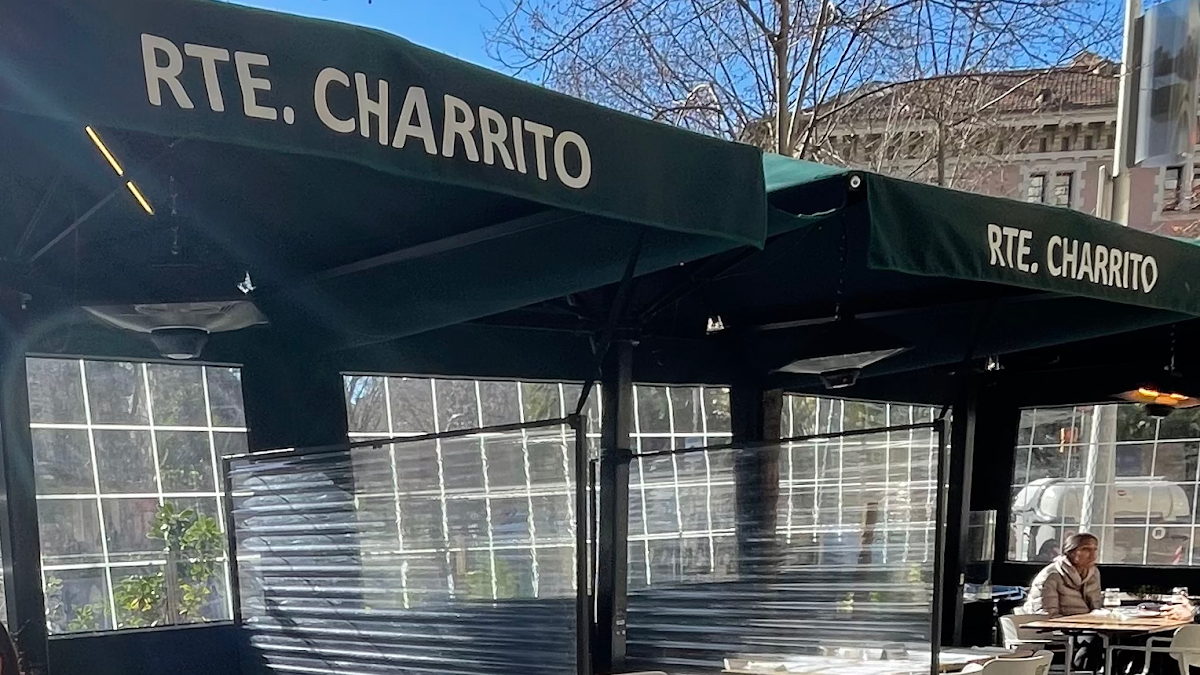
Charrito | Diputació
Price $$Rated 4.3Carrer de la Diputació, 233, Eixample, 08007 Barcelona
Charrito | Diputació is a modest restaurant located in Eixample, just 0.17 km from Barcelona's city center, serving tapas, sandwiches, paella, seafood and meat dishes alongside wine. The venue features sidewalk seating and is rated 4.3 out of 5 based on over 3,000 reviews, with moderate pricing.
What things cost in Barcelona
Typical prices. Estimates only: prices vary by season and neighborhood.
| Hostel dorm bedTypically 25-60 EUR. Per bed; prices climb sharply in summer and on event weekends. | €25 – €60 |
|---|---|
| Budget hotel roomTypically 70-130 EUR. Per night for a double room, varying widely by season. | €70 – €130 |
| Mid-range hotel roomTypically 130-250 EUR. Per night for a double room in a central location. | €130 – €250 |
| Luxury hotel roomTypically 300-700 EUR. Per night at high-end properties; peak dates can exceed this. | €300 – €700 |
| CoffeeTypically 1.50-3.50 EUR. Café con leche or cortado at a cafe; more at tourist-heavy spots. | €1.50 – €3.50 |
|---|---|
| Local beerTypically 2.50-6 EUR. Small draught beer in a bar; terraces near sights cost more. | €2.50 – €6.00 |
| Street food snackTypically 3-8 EUR. Bakery snacks, empanadas or a quick bocadillo. | €3.00 – €8.00 |
| Budget mealTypically 10-16 EUR. Set lunch menus (menú del día) are often the best value. | €10 – €16 |
| Groceries (per day)Typically 15-30 EUR. Basic daily supplies for one person from supermarkets and markets. | €15 – €30 |
| Mid-range mealTypically 22-40 EUR. Per person at a sit-down restaurant, excluding drinks. | €22 – €40 |
| Fine diningTypically 80-200 EUR. Tasting menus at top restaurants can go higher. | €80 – €200 |
| Public transport rideTypically 1.50-3 EUR. Single trips are pricier than multi-trip tickets. | €1.50 – €3.00 |
|---|---|
| Short taxi rideTypically 7-15 EUR. Short city hop within central areas, extras may apply. | €7 – €15 |
| Bike rental (per day)Typically 12-30 EUR. Standard city bikes; electric bikes cost more. | €12 – €30 |
| Museum entryTypically 8-30 EUR. Major attractions are at the upper end; some museums have free periods. | €8 – €30 |
|---|---|
| Guided walking tourTypically 15-35 EUR. Group tours; many free tours operate on a tip basis. | €15 – €35 |
| Day trip tourTypically 40-100 EUR. Organised trips to places like Montserrat or Girona vary by inclusions. | €40 – €100 |
Essentials
Practical things to know before you arrive in Barcelona.
When to go
May to June and September to early October are the best months, with warm weather, swimmable seas by late spring or early autumn, and manageable crowds.
- Peak: June-August
- Shoulder: April-May, September-October
- Low: November-March
Getting around
Barcelona is compact and very walkable, and the metro, buses, trams and suburban trains cover most of the city. The metro is the fastest way to cross town, and integrated ticketing lets you transfer between modes. Taxis are plentiful and reasonably priced for short trips, and bike lanes make cycling a good option in flatter areas.
Barcelona-El Prat Airport lies southwest of the city. It connects to the centre by airport bus, a metro line, regional trains and taxis. Long-distance and high-speed trains arrive at Sants and other central stations. Be alert for pickpockets on public transport and in crowded areas.
Where to stay
The Gothic Quarter and El Born suit first-time visitors who want medieval streets, restaurants and nightlife on the doorstep, though they can be noisy at night. El Raval is lively and more affordable but grittier in places. Eixample offers elegant architecture, good dining and a calmer feel, and is well placed for Modernist sights.
Barceloneta and the seafront suit beach lovers, while Gràcia is a relaxed, village-like neighbourhood with plazas and independent shops, good for longer stays. Sants is convenient for train connections and value, and Poblenou is quieter and near the beaches with a creative scene.
Money
The local currency is Euro (EUR).
Exchange rates
- 1 EUR = 1.138 USD (rate as of 2026-09-25)
Cash and cards
- Cards and contactless payments are accepted almost everywhere, including small cafes and transport machines. Carrying a little cash is still useful for markets, small bars and some kiosks.
- Pay in euros when using a card abroad rather than accepting the terminal's home-currency conversion.
- Set lunch menus offer much better value than ordering a la carte in the evening.
- Keep wallets and phones secured in crowded areas, as pickpocketing is common.
- Tap water is safe to drink, but many locals prefer bottled or filtered water.
- Compare prices away from La Rambla and major sights, where food and drink cost more.
Taxes and tipping
- Tipping is not obligatory as service is usually included in wages. Rounding up or leaving a few coins for good service at restaurants is common and appreciated.
Language: Catalan and Spanish (Castilian)
English: English is widely understood in tourist areas, hotels and many restaurants, particularly among younger people. Outside the centre it is less common, and a few words of Spanish or Catalan are appreciated.
- Hello
- HolaOH-lah
- Good morning (Catalan)
- Bon diabon DEE-ah
- Thank you (Catalan)
- GràciesGRAH-see-es
- Thank you (Spanish)
- GraciasGRAH-thyahs
- Please (Catalan)
- Si us plausee oos PLOW
- Please (Spanish)
- Por favorpor fah-VOR
- Excuse me / Sorry (Catalan)
- Perdoniper-DOH-nee
- Excuse me (Spanish)
- Disculpedees-KOOL-peh
- How much is it?
- Quant costa?kwahnt KOS-tah
- Where is the toilet?
- On és el lavabo?on ess el lah-VAH-boh
- The bill, please
- El compte, si us plauel KOMP-teh see oos plow
- Goodbye (Catalan)
- Adéuah-DEH-oo
More in Spain
This guide is for general reference. Check opening hours, prices and entry rules with official sources before you travel.