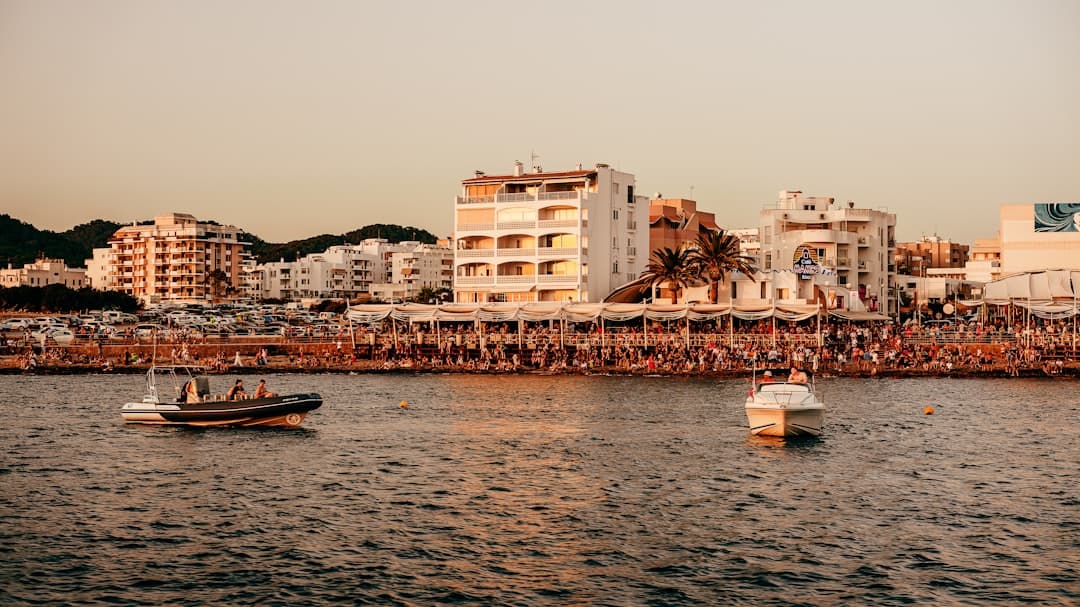
Ibiza
A vibrant Mediterranean island renowned for its stunning beaches, legendary nightlife, and unique blend of party culture and natural beauty.
Ibiza quick facts
- Best time to visit
- May-October
- Daily budget, mid-range
- €100-200
- Language
- Spanish (Castilian), Catalan (co-official in Balearic Islands)
- Currency
- Euro (EUR)
- Getting around
- Bus
- Suggested stay
- 5 days
About Ibiza
Ibiza is a dynamic Balearic Island that offers far more than just its world-famous clubbing scene. Located in the Mediterranean Sea, the island features a diverse landscape of rocky coastlines, pine forests, and crystal-clear turquoise waters. While internationally recognized as a premier party destination, Ibiza also boasts a rich cultural heritage, with a UNESCO World Heritage historic old town that showcases centuries of Mediterranean history.
The island is divided into distinct areas, each offering a different experience. The southern part is known for its high-energy nightlife and world-famous electronic music clubs, attracting thousands of international tourists annually. In contrast, the northern regions provide a more relaxed atmosphere with traditional villages, secluded beaches, and a slower pace of life that appeals to travelers seeking tranquility and natural beauty.
Beyond its party reputation, Ibiza offers numerous activities for travelers, including water sports, hiking, yoga retreats, and exploring local markets and historical sites. The island's cuisine is a delightful mix of traditional Spanish and Mediterranean flavors, with fresh seafood, local produce, and innovative culinary experiences that cater to various tastes and preferences.
Known for
- World-famous electronic music clubs
- Beautiful Mediterranean beaches
- Historic UNESCO World Heritage old town
- Vibrant summer party scene
- Crystal-clear waters and stunning coastline
Food in Ibiza
Ibiza's culinary landscape is a vibrant fusion of Mediterranean and traditional Spanish influences, deeply rooted in its coastal location and agricultural heritage. The island's cuisine is characterized by fresh seafood, locally grown produce, and recipes that reflect centuries of cultural interactions, including Phoenician, Roman, and Moorish influences. Meals are a social affair, with locals embracing long, leisurely dining experiences that often extend well into the evening.
Dining in Ibiza is not just about food, but about community and celebration. Meal times are typically later than in many other cultures, with lunch served around 2-3 PM and dinner starting no earlier than 9 PM. The food culture emphasizes shared plates, fresh ingredients, and a relaxed approach to eating that mirrors the island's laid-back lifestyle. While the island is famous for its nightlife, its culinary traditions remain deeply connected to local farming and fishing traditions.
History of Ibiza
Ibiza, known in ancient times as Eivissa, was originally founded by Phoenician settlers from Carthage around 654 BCE. These early colonizers recognized the strategic importance of the island's location in the Mediterranean and established a thriving trading settlement. The Phoenicians were followed by successive waves of conquerers, including the Romans, who arrived in 123 BCE and transformed the island into an important maritime and agricultural center.
Throughout the medieval period, Ibiza experienced significant cultural and political shifts, being ruled by various powers including the Vandals, Byzantine Empire, and eventually the Moorish kingdoms during the Islamic period from 902 to 1235 CE. The island was subsequently conquered by the Crown of Aragon and became an important part of the Spanish territories. During the 16th and 17th centuries, Ibiza was frequently targeted by Mediterranean pirates, leading to the construction of substantial defensive walls and fortifications in Dalt Vila, the historic old town, which is now a UNESCO World Heritage site. These historical influences have created a rich, multicultural heritage that is still evident in the island's architecture, traditions, and cultural practices today.
In the 20th century, Ibiza transformed from a relatively isolated agricultural community to a global tourist destination, particularly during the 1960s and 1970s when it became a magnet for counterculture movements and, later, electronic music and club culture. The island's historical layers - from Phoenician trading post to Spanish colonial outpost to modern party destination - have created a unique cultural landscape that continues to attract millions of visitors annually.
Culture and etiquette
Ibiza, part of the Balearic Islands, is known for its vibrant and diverse culture that blends traditional Spanish island life with a modern, cosmopolitan atmosphere. While famous for its world-renowned nightlife and electronic music scene, the island also maintains strong traditional roots with a relaxed Mediterranean lifestyle. Locals are typically warm, social, and enjoy long meals and conversations, with a strong emphasis on family and community.
The island's daily life is characterized by a laid-back approach, with a significant focus on enjoying life's pleasures. Meal times are later than in many other cultures, with lunch typically served around 2-3 PM and dinner starting around 9-10 PM. Siesta time is still respected, though less strictly observed in the more touristy areas. The local culture embraces both traditional Spanish customs and the international, multicultural vibe brought by tourists and expats.
Do's: - Greet people with a kiss on each cheek (for locals and close acquaintances) - Dress casually but respectfully, especially in non-beach areas - Learn a few basic Spanish phrases - Embrace the relaxed island lifestyle - Try local cuisine and participate in local festivals
Don'ts: - Don't be overly loud or aggressive in public spaces - Avoid wearing beach attire in restaurants or city centers - Don't expect punctuality to be strictly observed - Avoid discussing sensitive political topics
Tipping Culture: - 10% tip is appreciated in restaurants - Round up taxi fares - Small tips for bartenders and service staff are welcome but not mandatory
Dress Code: - Beach areas: Very casual, swimwear acceptable - Nightclubs: Stylish, trendy attire - Restaurants: Smart casual - Religious sites: Modest clothing (cover shoulders and knees)
Local Customs: - Late dining is normal - Afternoon siesta is still respected - Family gatherings are important - Locals are generally open and friendly to tourists - Respect the island's natural environment
Things to do in Ibiza
What to see, where to stay and where to eat.
Old Town Dalt Vila Historic Walking Tour
2 hoursPrice $Dalt Vila historic district
Explore the UNESCO World Heritage Site of Dalt Vila, a stunning medieval walled city with Renaissance-era fortifications. Walk through ancient cobblestone streets, discover historic architecture, and enjoy panoramic views of the island and Mediterranean.
Es Vedrà Nature Reserve Hiking Experience
4 hoursPrice $$Southwest Ibiza coast
Explore the mystical Es Vedrà island and surrounding nature reserve, known for its spiritual energy and stunning landscapes. Moderate hiking trails offer incredible views of the Mediterranean and unique rock formations.
Sunset Boat Tour of Ibiza Coastline
2 hoursPrice $$Marina districts, western coastline
Cruise along Ibiza's stunning coastline, experiencing the legendary sunset that made the island famous. Enjoy breathtaking views of hidden coves, dramatic cliffs, and crystal-clear waters while sipping local wine.
Traditional Ibicenco Cooking Class
3 hoursPrice $$$Central Ibiza Town
Learn authentic Balearic cuisine from local chefs, preparing traditional dishes like sofrit pagès (traditional meat stew) and flaó (local cheesecake). Includes market visit and hands-on cooking experience.
San Antonio Street Art and Local Neighborhood Tour
2 hoursPrice $$San Antonio district
Discover the vibrant street art scene and local culture of San Antonio, exploring colorful murals, hidden art installations, and experiencing the authentic neighborhood atmosphere.
Old Town Social Backpackers Hostel
Party HostelPrice $$Ibiza Town historic center
High-energy hostel located in the heart of Ibiza Town, perfect for young travelers looking to experience the island's legendary nightlife. Features multiple common areas, nightly social events, and direct connections to top clubs. Vibrant and energetic atmosphere attracts international backpackers.
Check prices on Booking.com for Old Town Social Backpackers HostelSunset Cliff Luxury Resort
Luxury HotelPrice $$$$San Antonio west coast
Stunning clifftop resort overlooking the Mediterranean with breathtaking views of San Antonio's famous sunset. Offers ultra-modern rooms, infinity pools, and world-class spa facilities. Designed for travelers seeking premium relaxation and exclusivity.
Check prices on Booking.com for Sunset Cliff Luxury ResortHippie Market Budget Hostel
Chill HostelPrice $$Santa Eulalia area
Laid-back hostel inspired by Ibiza's legendary hippie culture, located near the famous Las Dalias market. Offers a relaxed atmosphere with bohemian decor, communal spaces for meeting fellow travelers, and a focus on wellness and community.
Check prices on Booking.com for Hippie Market Budget HostelMarina Business Hotel
HotelPrice $$$$Ibiza Town business district
Sleek, modern hotel catering to business travelers and professionals. Located near Ibiza's commercial district with efficient workspaces, high-speed internet, and convenient meeting facilities. Clean, minimalist design with professional service.
Check prices on Booking.com for Marina Business HotelWaterfront Design Apartments
HotelPrice $$$$Ibiza Town marina
Modern, fully-equipped apartments with stunning harbor views. Perfect for travelers wanting a home-like experience with hotel conveniences. Each unit features contemporary design, full kitchens, and private balconies.
Check prices on Booking.com for Waterfront Design Apartments
Waterfront Mediterranean Kitchen
MediterraneanPrice $Marina district
Stunning seaside restaurant offering traditional Ibizan coastal cuisine. Fresh seafood caught daily and prepared with classic Mediterranean techniques. Open-air terrace with panoramic ocean views.
Old Town Traditional Tapas Bar
MediterraneanPrice $Historic center
Authentic local tapas experience in historic Dalt Vila neighborhood. Family-run establishment serving generations-old recipes. Intimate setting with traditional Spanish small plates.
Sunset Vegetarian Terrace
VegetarianPrice $Ibiza Town
Modern plant-based restaurant featuring innovative Mediterranean-inspired dishes. Beautiful rooftop setting with panoramic island views. Uses locally sourced organic ingredients.
Beachside Seafood Grill
SeafoodPrice $Playa d'en Bossa area
Casual oceanfront restaurant specializing in freshly caught local seafood. Simple, rustic preparation highlighting natural flavors. Direct beach access with relaxed atmosphere.
Modern Asian Fusion Kitchen
AsianPrice $Marina district
Contemporary restaurant blending Asian culinary techniques with local Ibizan ingredients. Sleek, minimalist design with open kitchen concept. Innovative fusion menu.
Street Food Market Cafe
Fast_foodPrice $Ibiza Town center
Vibrant casual eatery featuring international street food selections. Multiple cooking stations offering diverse global cuisines. Communal seating and energetic atmosphere.
Artisan Bakery & Dessert Cafe
DessertPrice $Old Town
Charming local bakery specializing in traditional Spanish pastries and modern dessert creations. Warm, inviting atmosphere with fresh baked goods prepared daily.
What things cost in Ibiza
Typical prices in US dollars. Estimates only: prices vary by season and neighborhood.
| Hostel dorm bedBudget hostels, mostly in Ibiza Town | $20-35 |
|---|---|
| Budget hotel roomBasic hotels, off-peak season | $50-80 |
| Apartment rentalEntire apartment, varies by location | $60-150 |
| Mid-range hotel roomComfortable hotels with pool | $100-200 |
| Luxury hotel roomBeachfront resorts, premium amenities | $250-500 |
| CoffeeEspresso at local cafes | $2-4 |
|---|---|
| Street foodBocadillos, empanadas, quick tapas | $3-8 |
| Local beerDraft beer at bars, beach clubs | $4-7 |
| Glass of wineLocal Spanish wines, premium selections | $6-12 |
| Budget mealLocal tapas bars, casual eateries, beach side snacks | $8-15 |
| Groceries for a dayDaily groceries for self-catering | $15-25 |
| Mid-range mealSit-down restaurants with Mediterranean cuisine | $20-35 |
| Fine diningHigh-end beach clubs, celebrity chef restaurants | $60-120 |
| Taxi, per kmAdditional kilometer charge | $1-2 |
|---|---|
| Public transport ticketSingle bus journey | $2-3 |
| Taxi base fareInitial taxi fare | $5-8 |
| Ride-hailing tripAverage ride within island | $10-20 |
| Bike rental, per dayDaily bicycle rental | $15-25 |
| Car rental, per dayDaily car rental, insurance included | $40-80 |
| Beach club day pass | $10-20 |
|---|---|
| Old Town (Dalt Vila) historical walking tour | $15-25 |
| Wine tasting tour in local vineyards | $20-35 |
| Entry to world-famous nightclubs (Pacha, Amnesia) | $20-40 |
| Hippie market experience in Es Canar | $25-45 |
| Private beach club entry with sunbed | $30-50 |
| Snorkeling/kayaking tour around island | $40-60 |
Essentials
Practical things to know before you arrive in Ibiza.
When to go
May-October
Ideal for warm temperatures, minimal rainfall, and full tourist infrastructure. Peak season (July-August) offers most activities but also highest prices and crowds. Shoulder months (May-June, September-October) provide excellent balance of good weather and more relaxed atmosphere.
- Peak: (July-August)
- Shoulder: (May-June, September-October)
- Low: (November-April)
Getting around
Ibiza offers a relatively comprehensive transportation network that caters well to tourists and locals. The island's public transport system is efficient during peak tourist season, with regular bus routes connecting major towns and popular beach areas.
During summer months, transportation becomes more frequent and extensive, with special tourist-focused services. In off-peak seasons, transport options become more limited, so planning ahead is recommended.
- Airport: 7 km from Ibiza Town Bus connections: €3-5, 15-20 minute journey Taxi: €15-25, 10-15 minute ride
- Public Transport: Bus network covers most island destinations Frequent routes during summer (every 30-60 minutes) Integrated ticket systems, day passes available Typical single journey: €1.50-€3
- Walking: Very walkable in towns and urban areas Typical walking distance in towns: 1-3 km Challenging in hilly or rural areas
- Taxis/Rideshare: Taxis widely available Base rate: €3-4 Per kilometer rate: €1-1.50 Uber/Cabify limited, local taxi apps recommended
Where to stay
Ibiza offers diverse accommodation options ranging from budget hostels to luxury resorts. Peak season (June-August) sees prices surge by 50-100% compared to shoulder seasons. Accommodation is typically divided between party-focused areas, family-friendly zones, and quieter retreats. Most properties are clustered around coastal regions, with varying amenities and price points. Advance booking is crucial during summer months, with many properties filling up 3-6 months ahead.
1. Playa d'en Bossa: - Pros: Close to major clubs, vibrant nightlife, beach proximity - Cons: Noisy, crowded during peak season - Price Range: €80-€350 per night - Best for: Young travelers, party enthusiasts, 18-35 age group
2. San Antonio: - Character: Lively resort town, sunset strip location - Advantages: Budget-friendly, numerous entertainment options - Nearby: Beach clubs, bars, boat tours - Price Level: €50-€250 per night - Suits: Budget travelers, young groups, party seekers
3. Santa Eulalia: - Description: Quieter, more sophisticated area - Suitability: Families, couples, mature travelers - Typical Costs: €100-€400 per night - Calmer atmosphere with upscale dining and beaches
- Book early for summer season (ideally 4-6 months in advance)
- Consider shoulder seasons (May/September) for better rates
- Best booking platforms: Booking.com, Airbnb, Hotels.com
- Look for package deals including airport transfers
- Check cancellation policies carefully
- Consider location relative to desired activities
- Budget an extra 10-20% for unexpected costs
- Verify Wi-Fi and air conditioning availability
- Some areas require minimum stay during peak season
- Local tax is typically added to accommodation costs
Prices are approximate and can vary significantly based on specific dates and property type.
Money
The local currency is Euro (EUR).
Exchange rates
- 1 USD = €0.90-0.95
- 1 GBP = €1.10-1.15
- 1 EUR = Base currency
Cash and cards
- Cash still important in smaller establishments
- Recommended to carry €50-100 in cash daily
- €10, €20, €50 denominations most useful
- Some small bars/beach venues cash-only
Taxes and tipping
- VAT (IVA): 21% standard rate
- Tourists can claim VAT refund on purchases over €90
- Refund process available at major airports
- Peak season (summer) prices significantly higher
- Credit cards offer best exchange rates
- Always have some cash for small transactions
- Be aware of potential card skimming in tourist areas
Language: Spanish (Castilian), Catalan (co-official in Balearic Islands)
English: Moderate to high, especially in tourist areas; younger generations and hospitality workers more proficient
- Hello/Good morning
- Hola/Buenos díasoh-LAH/bweh-nos DEE-ahs
- Good evening
- Buenas nochesbweh-nahs NO-ches
- Thank you
- GraciasGRAH-see-ahs
- Please
- Por favorpor fah-VOR
- Excuse me/Sorry
- Perdón/Disculpeper-DON/dees-KOOL-peh
- Yes/No
- Sí/Nosee/no
- How much?
- ¿Cuánto cuesta?KWAN-to KWES-tah
- Where is...?
- ¿Dónde está...?DON-deh es-TAH
- I don't understand
- No entiendono en-tee-EN-do
- Do you speak English?
- ¿Habla inglés?AH-blah een-GLES
- Help!
- ¡Ayuda!ah-YOO-dah
- Goodbye
- Adiósah-dee-OS
- Cheers!
- ¡Salud!sah-LOOD
- Delicious
- Deliciosodeh-lee-see-OH-so
- Bill/Check please
- La cuenta, por favorlah KWEN-tah, por fah-VOR
More in Spain
This guide is for general reference. Check opening hours, prices and entry rules with official sources before you travel.