Seville
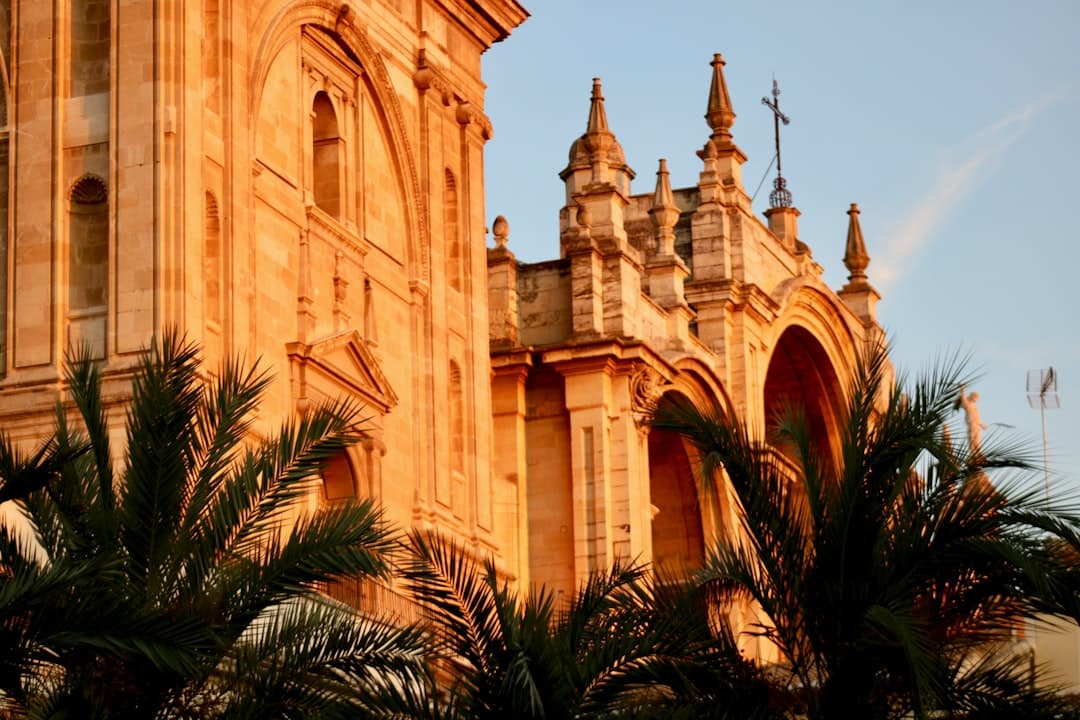
Seville is the sun-soaked capital of Andalusia, famed for its Moorish and Baroque architecture, flamenco, orange trees and lively tapas culture.
Seville quick facts
- Best time to visit
- March to May and October to early November are the best months, with
- Language
- Spanish (Andalusian dialect)
- Currency
- Euro (EUR)
- Getting around
- Metro, tram and bus
- Suggested stay
- 3 days
- Population
- 700M
About Seville
Seville sits on the banks of the Guadalquivir River in southern Spain and is the capital of the Andalusia region. It is a city of narrow lanes, whitewashed courtyards, bitter orange trees and grand monuments that reflect Roman, Moorish and Christian rule. The historic center is compact and largely walkable, which makes it easy to move between major sights on foot.
The city is closely tied to flamenco, bullfighting tradition, and the dramatic religious processions of Semana Santa, the Holy Week before Easter. The Feria de Abril, held in spring, fills a large fairground with decorated tents, traditional dress, music and dancing. Summers are extremely hot, so many visitors prefer spring and autumn, and locals shift their day toward early mornings and late evenings.
Beyond the monuments, Seville rewards slow wandering: plazas with tiled benches, small bars crowded at lunchtime, riverside promenades and quiet convent bakeries. Across the river, the Triana district has its own strong identity, with a long history of potters, sailors and flamenco artists.
The city works well as a base for exploring Andalusia, with other historic towns and coastal areas within reach for day trips.
Known for
- Flamenco, Semana Santa processions, Moorish and Gothic architecture, Tapas culture, Orange trees lining the streets, Feria de Abril
Food in Seville
Seville's food is built around the tapas tradition: small plates shared standing at a bar or at a table, often with a glass of sherry-style wine, beer or vermouth. Olive oil, cured ham, fried fish, seafood and stews feature heavily. Eating hours are late by many countries' standards, with lunch usually after 2 pm and dinner after 9 pm.
Many dishes reflect the region's mix of Moorish and Christian heritage, and the local produce is excellent, from olives to citrus. Bitter oranges from the city's own streets are used for marmalade. Sweets are often made in convents, and pastries flavored with almond, egg yolk and cinnamon are common around religious festivals.
Bars are informal and lively, and it is normal to move between several during an evening, ordering one or two dishes at each.
History of Seville
Seville began as an ancient settlement later known as Hispalis under Roman rule, and nearby Italica was the birthplace of emperors Trajan and Hadrian. After the Visigoths, the city came under Muslim rule from the early 700s and became an important center of al-Andalus, especially under the Almohads in the 1100s, who built a great mosque whose minaret survives as the Giralda.
Seville was conquered by Ferdinand III of Castile in 1248. In the 1500s, after the voyages of Columbus, it gained a royal monopoly on trade with the Americas and became one of Europe's wealthiest cities. The Cathedral, one of the largest Gothic cathedrals in the world, was built on the site of the old mosque during this period of growth.
The river silted up and trade shifted to Cádiz in the 1700s, ending Seville's golden age. The city hosted the Ibero-American Exposition of 1929, which left behind landmarks such as Plaza de España and Maria Luisa Park, and the 1992 Expo brought further modernization.
Culture and etiquette
Life in Seville is strongly social and centered on the street. People gather at bars, plazas and terraces, and conversations are animated. Greetings often involve two kisses on the cheek among friends. Punctuality is relaxed socially, and the evening stretches late, especially in warm months.
Religious tradition remains important. During Semana Santa, brotherhoods carry elaborate floats through crowded streets, and visitors should be respectful, avoid cutting through processions and keep noise low near the pasos. Dress modestly when entering churches, and expect that some sights close for services.
Flamenco is a serious art form rooted in Andalusian and Romani culture. If you attend a performance, stay quiet during songs and dance and applaud at appropriate moments. Many businesses close in the afternoon for a break in the heat, so plan errands around that rhythm.
Things to do in Seville
What to see, where to stay and where to eat.
Plaza de España
Av. Isabel la Católica, 41004 Sevilla
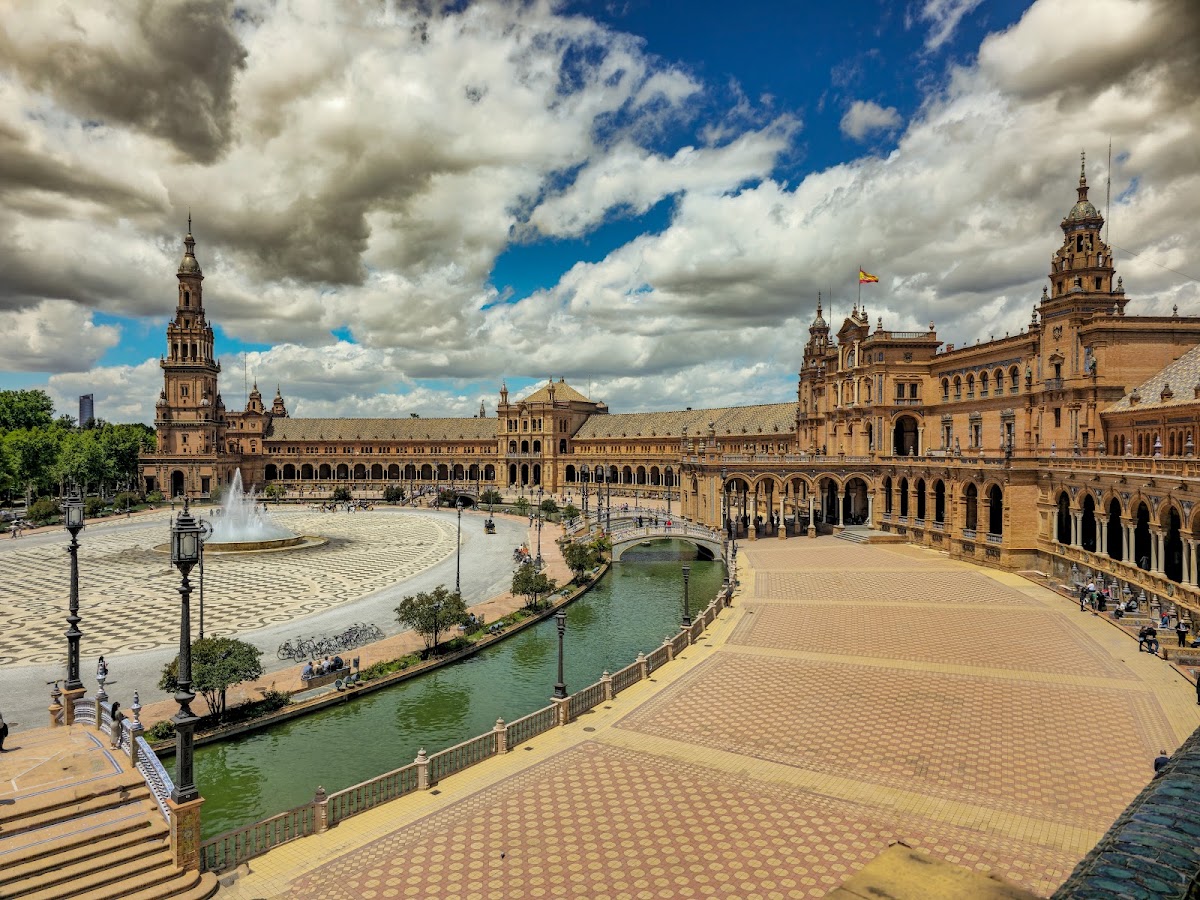
Plaza de España is a landmark square featuring a large water feature, ornate pavilion, and seating decorated with painted ceramic tiles. Located 1.45 km from Seville's city center, it has a rating of 4.8 from nearly 191,000 visitors.
Setas de Sevilla
Pl. de la Encarnación, s/n, Casco Antiguo, 41003 Sevilla
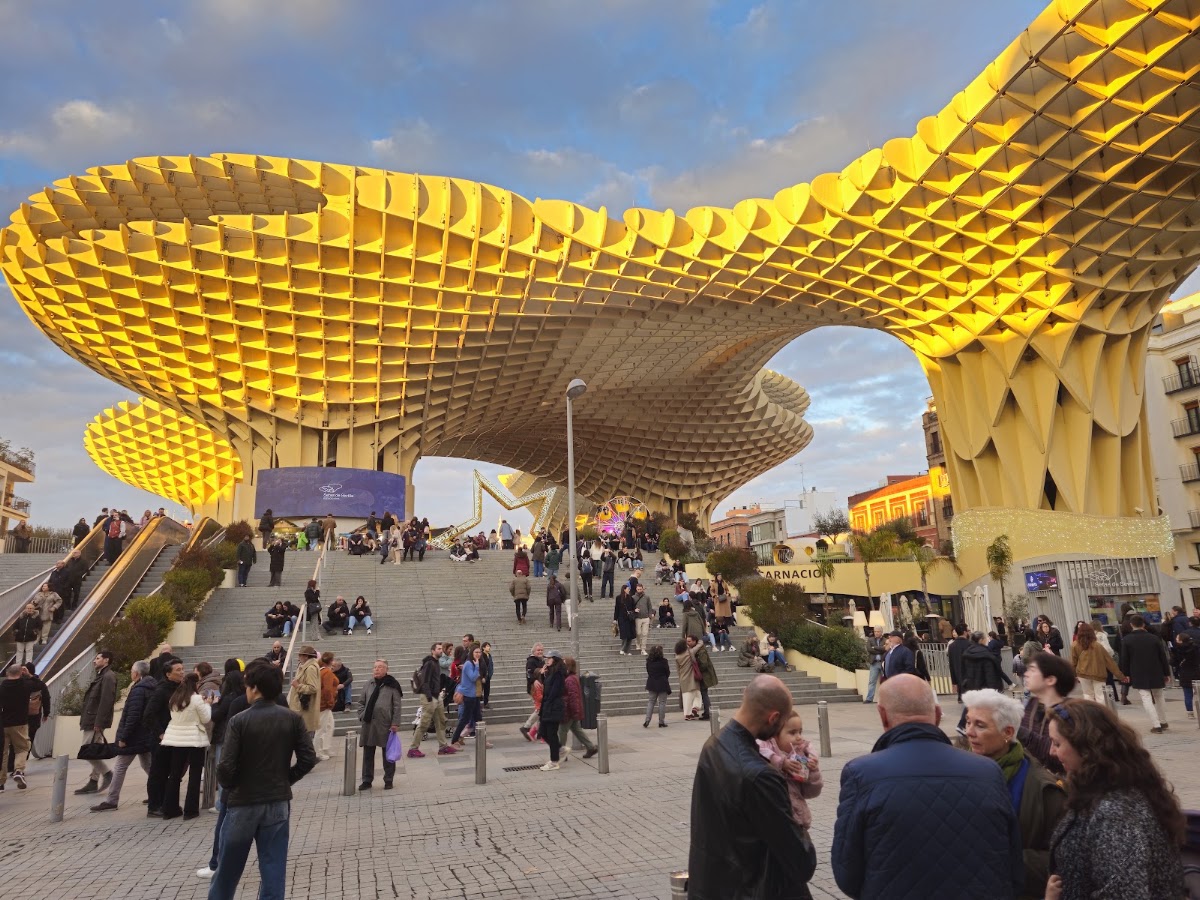
Setas de Sevilla is a sculptural wooden structure located in Plaza de la Encarnación in the historic Casco Antiguo district. The landmark features an archaeological museum, a rooftop walkway, and a viewpoint offering views of the city. It is situated just 0.4 km from Seville's city center and has a rating of 4.4 based on over 112,000 reviews.
Royal Alcázar of Seville
Casco Antiguo, 41004 Seville
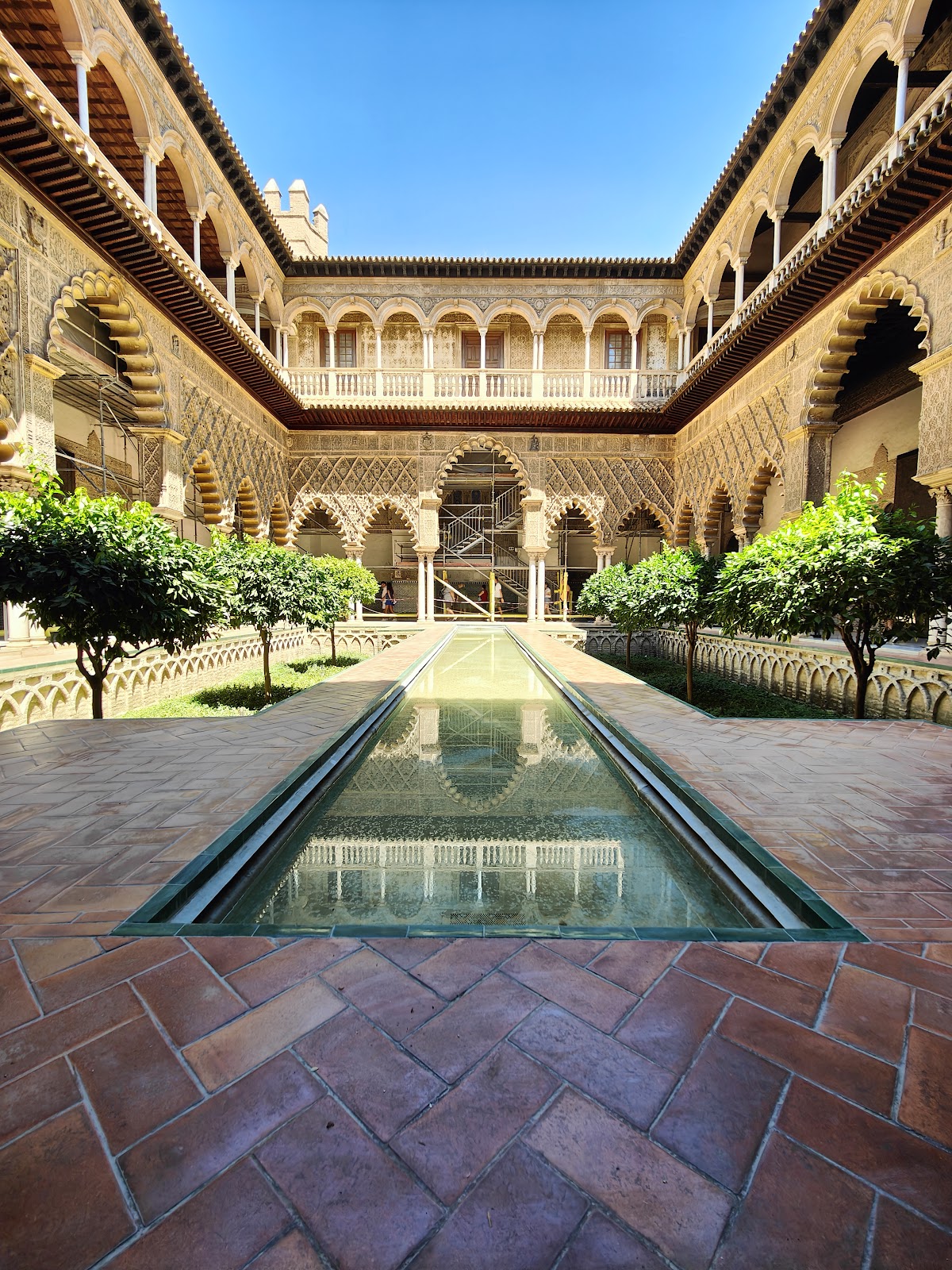
The Royal Alcázar of Seville is a landmark Moorish royal palace located in the Casco Antiguo district, featuring fountain-filled gardens, ornate arches, and 16th-century tiles. Situated less than a kilometer from the city center, it is a significant historical landmark and cultural attraction.
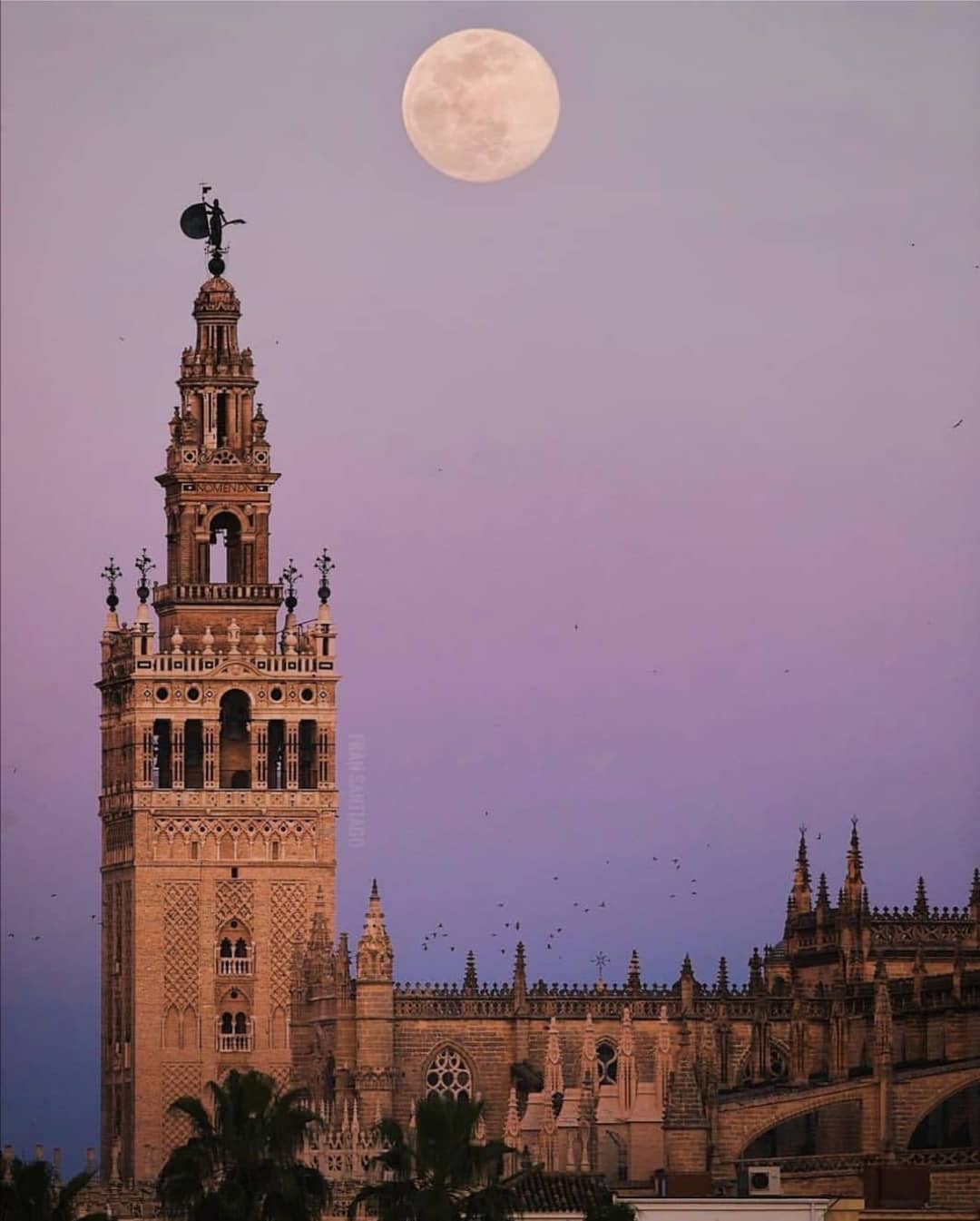
La Giralda
Av. de la Constitución, s/n, Casco Antiguo, 41004 Sevilla
La Giralda is a Spanish Renaissance-style minaret topped by a Gothic and baroque bell tower built centuries later. Located in the Casco Antiguo district, this tourist attraction is just 0.36 km from the city center.
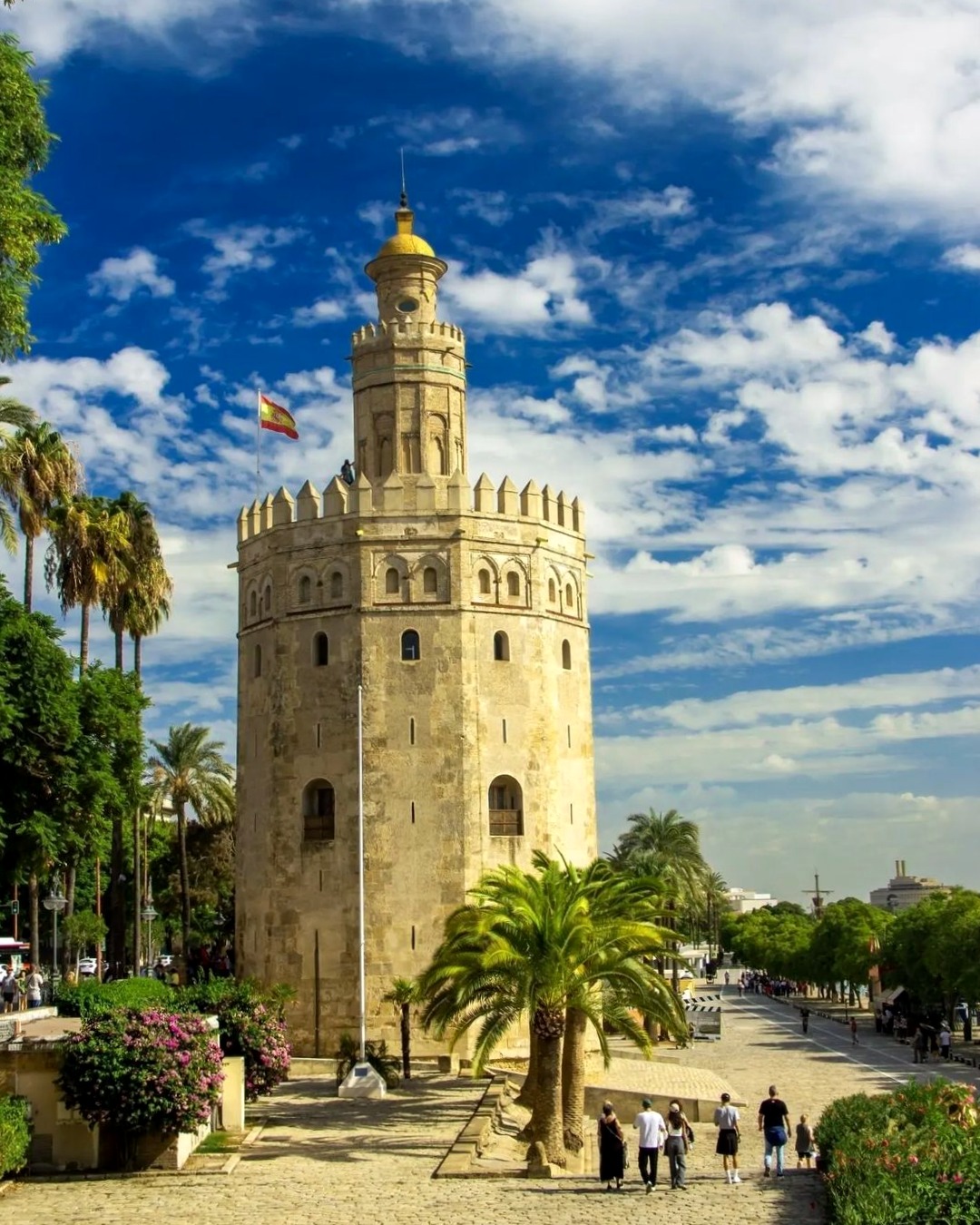
Torre del Oro
Torre del Oro, P.º de Cristóbal Colón, s/n, Casco Antiguo, 41001 Sevilla
Torre del Oro is an outer defensive tower built around 1220, located along Paseo de Cristóbal Colón in the old quarter. The tower's name has multiple competing theories about its origins.
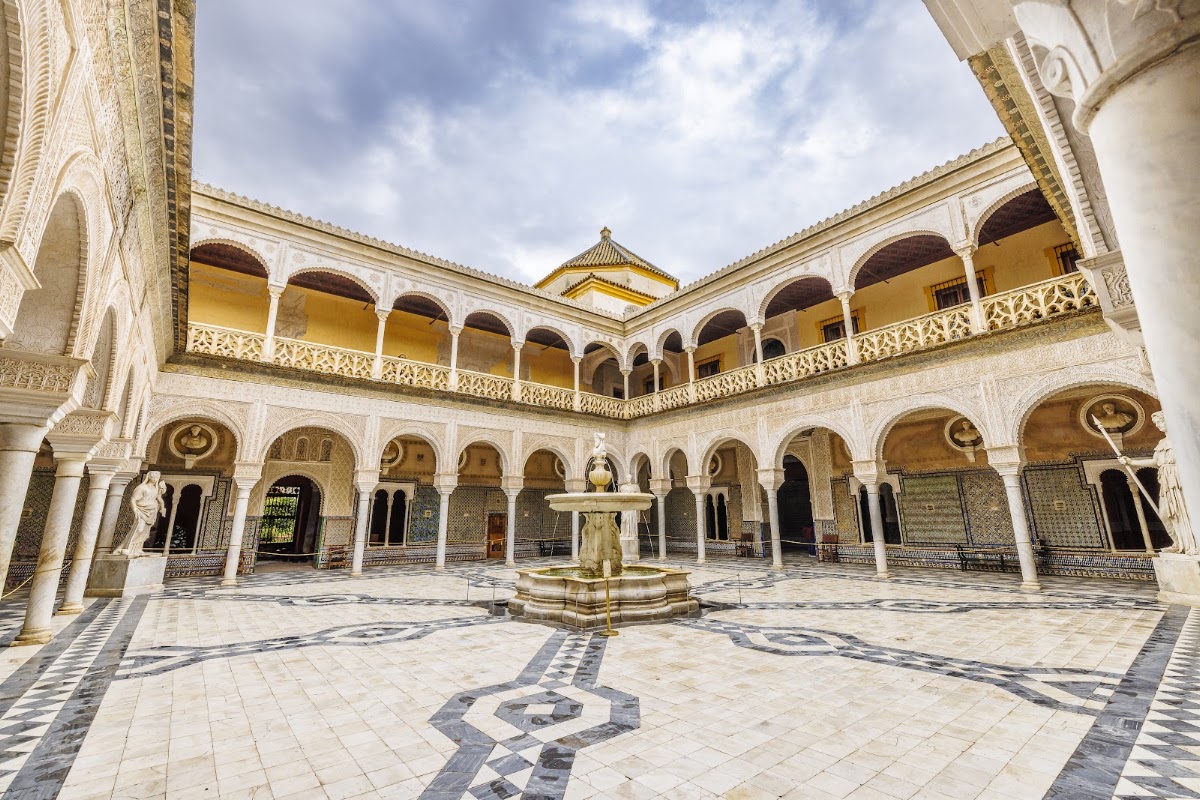
Casa de Pilatos
Pl. de Pilatos, 1, Casco Antiguo, 41003 Sevilla
Casa de Pilatos is a palace featuring internal courtyards adorned with Greek and Roman statues, along with a collection of artworks. Located in the Casco Antiguo district, this historical landmark sits less than half a kilometer from Seville's city center.
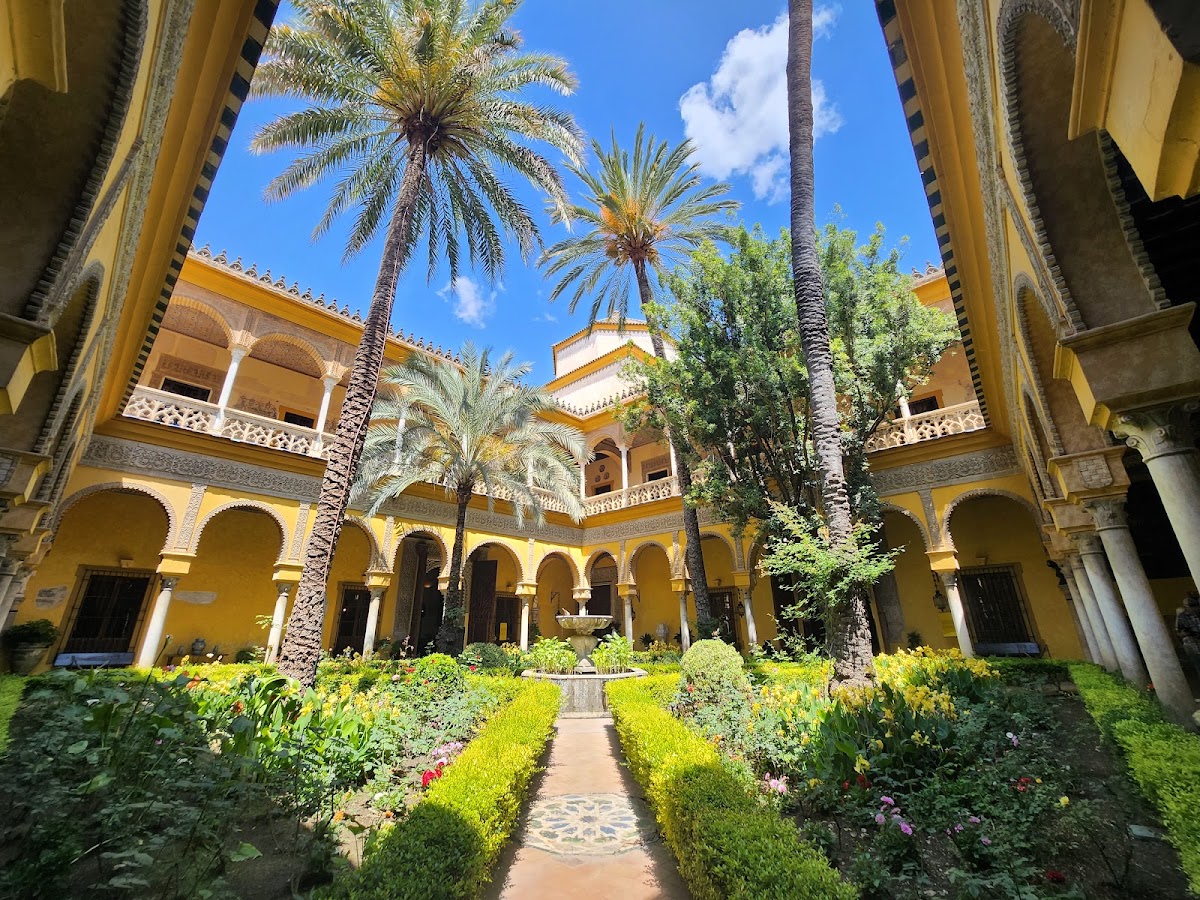
Palacio de las Dueñas
C. Dueñas, 5, Casco Antiguo, 41003 Sevilla
Palacio de las Dueñas is a late-1400s palace located in Seville's historic center, featuring a large collection of decorative arts and paintings. The venue offers audio tours to visitors exploring this historical landmark.
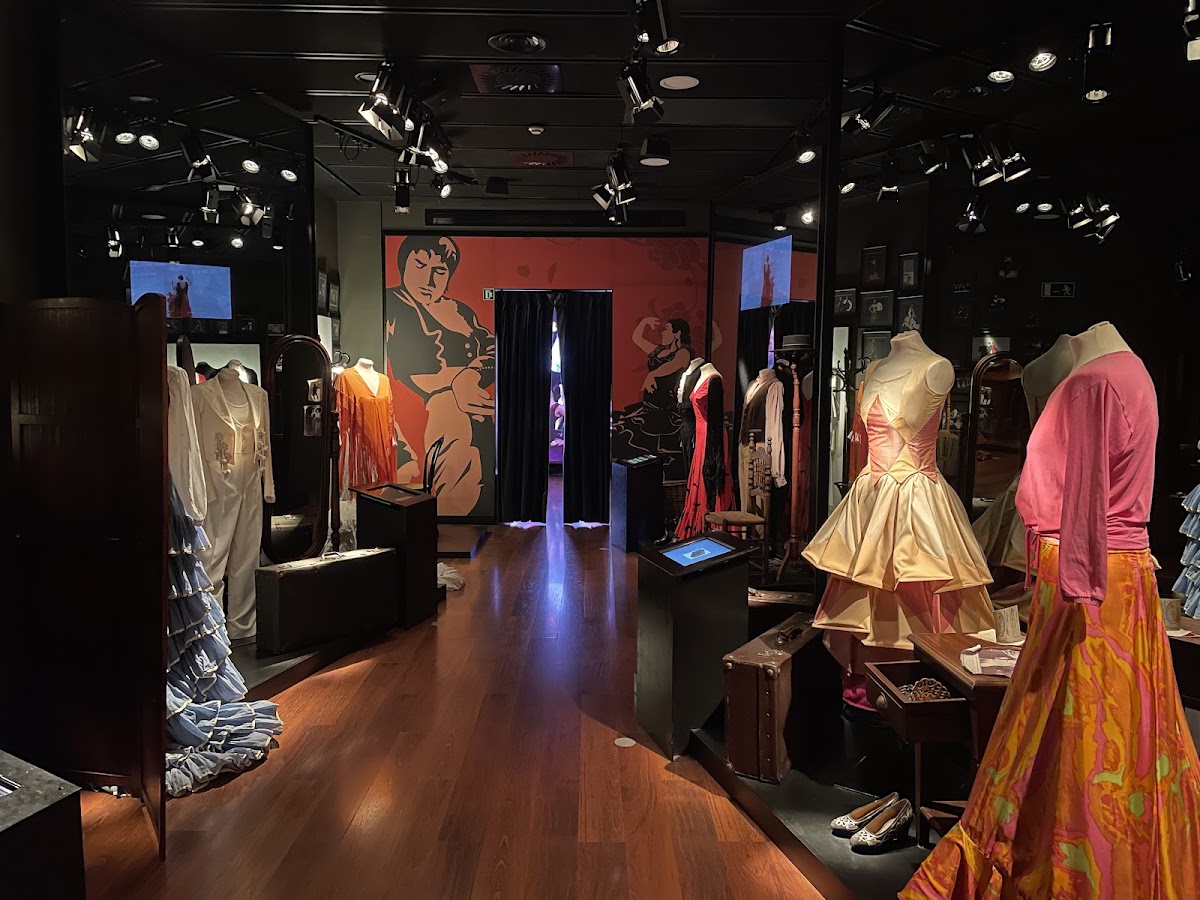
Flamenco Dance Museum
C. Manuel Rojas Marcos, 3, Casco Antiguo, 41004 Sevilla
The Flamenco Dance Museum is housed in an 18th-century building in Seville's Casco Antiguo district, just 0.13 km from the city center. It features exhibits detailing the history and culture of flamenco dancing, along with live performances. The museum has a 4.5 rating based on over 5,000 visitor reviews.
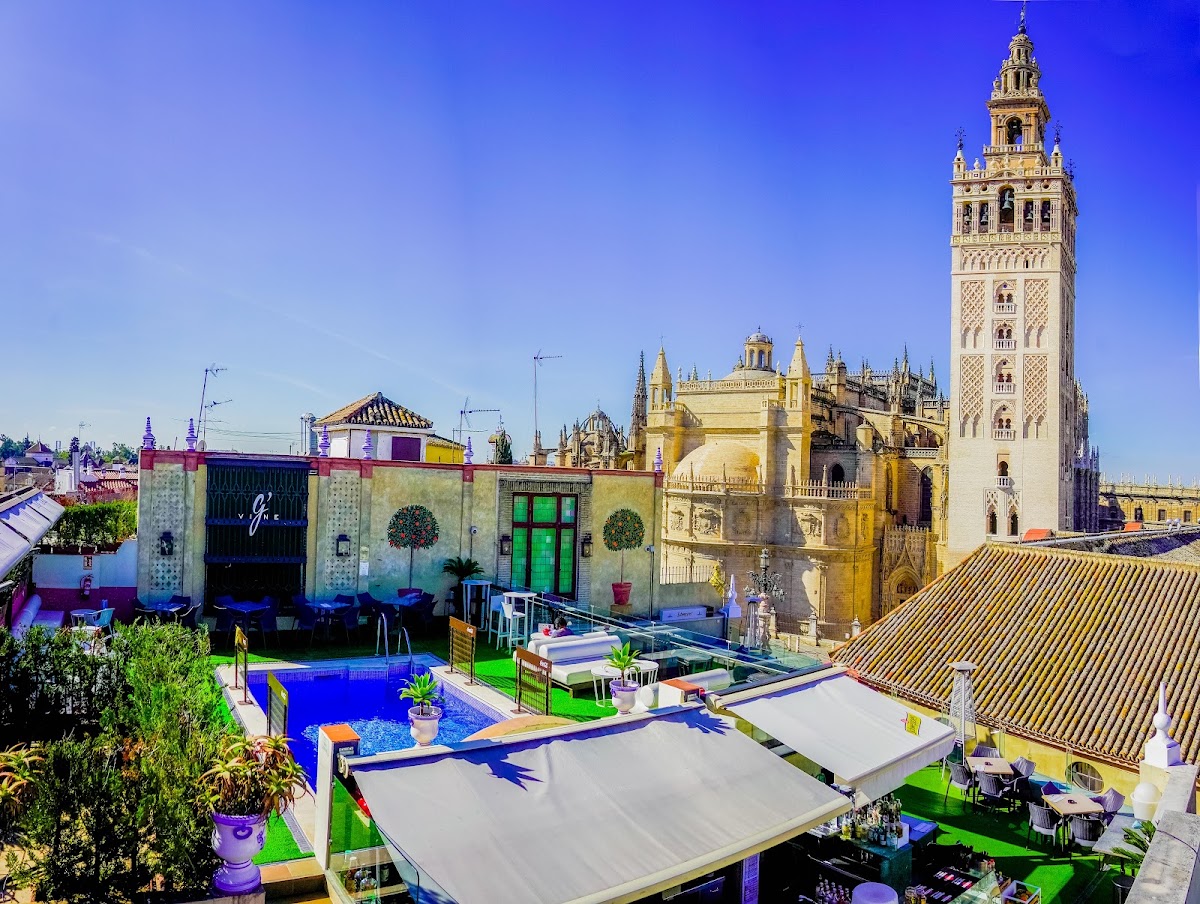
Hotel Doña María Sevilla
HotelC. Don Remondo, 19, Casco Antiguo, 41004 Sevilla
Hotel Doña María Sevilla is a 14th-century palace-house located in the Casco Antiguo district, just 0.35 km from Seville's city center. The hotel features stately rooms, a cocktail bar, and a rooftop pool. With a rating of 4.4 out of 5 based on over 3,000 guest reviews, it offers historic accommodation in the heart of the old city.
Check prices on Booking.com for Hotel Doña María Sevilla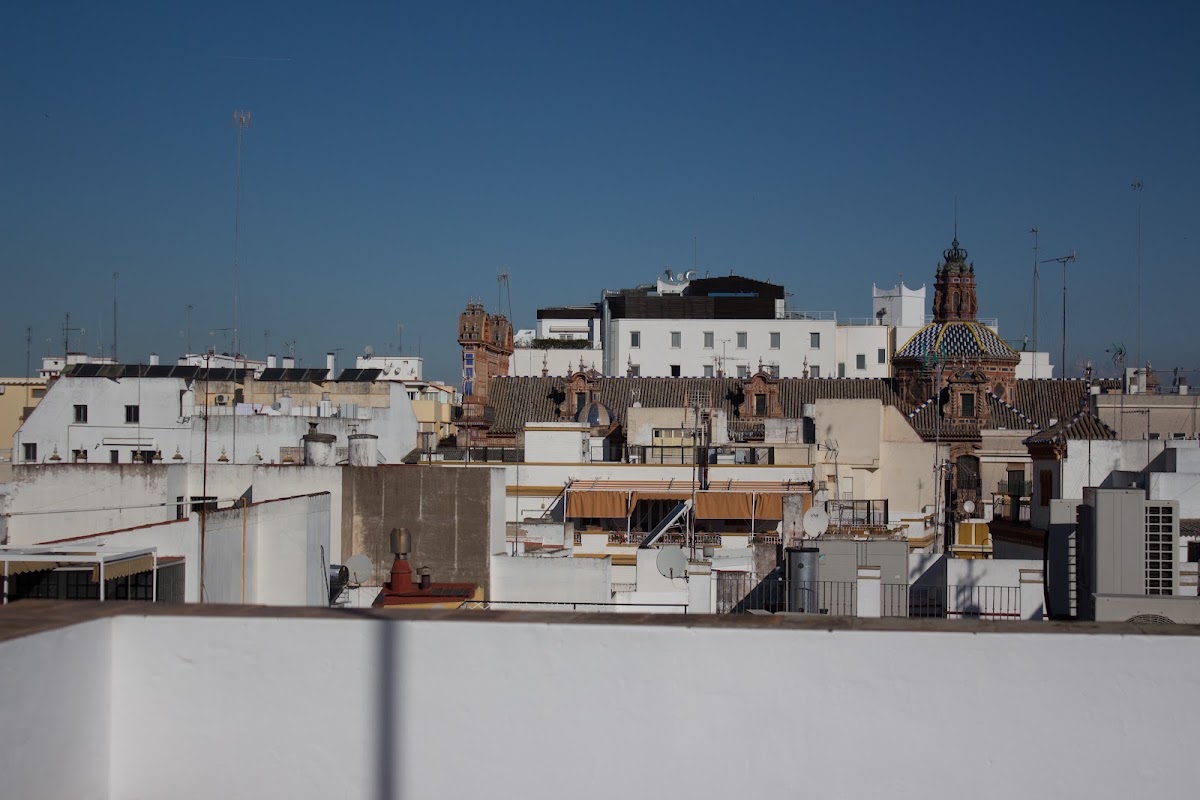
Black Swan Hostel Sevilla
HostelC. Bilbao, 10, Casco Antiguo, 41001 Sevilla
Black Swan Hostel Sevilla is an industrial-chic hostel located in the Casco Antiguo neighborhood, just 0.4 km from Seville's city center. The hostel offers both dormitory and private rooms, along with a communal kitchen, bar, and terrace for guests.
Check prices on Booking.com for Black Swan Hostel Sevilla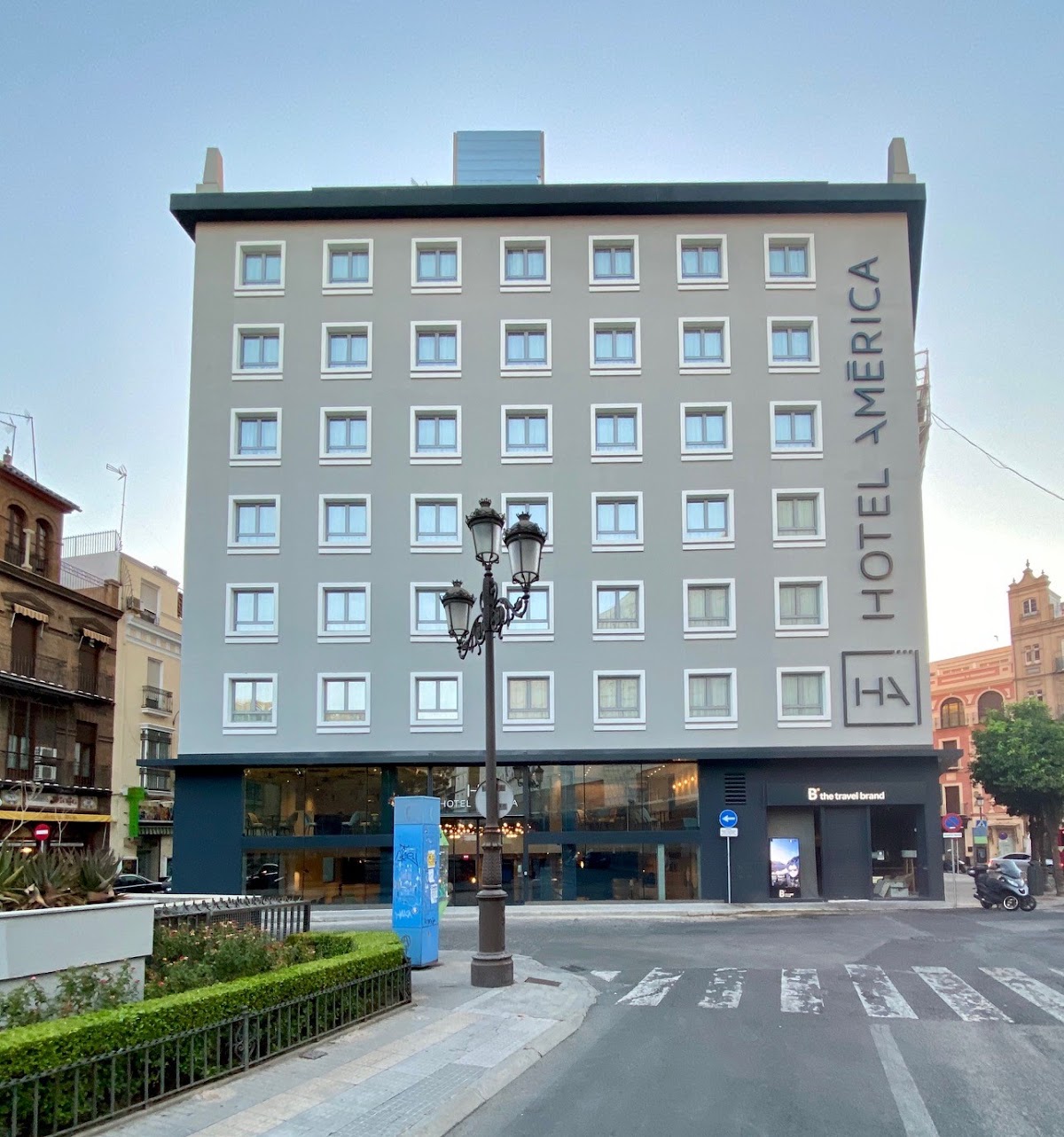
Hotel América Sevilla
HotelPl. del Duque de la Victoria, 9, Casco Antiguo, 41002 Sevilla
Hotel América Sevilla is an informal hotel located in the Casco Antiguo district, 0.57 km from Seville's city center. The hotel features unassuming rooms and suites, along with an on-site restaurant and complimentary Wi-Fi. It holds a rating of 4.4 out of 5 based on 1684 guest reviews.
Check prices on Booking.com for Hotel América Sevilla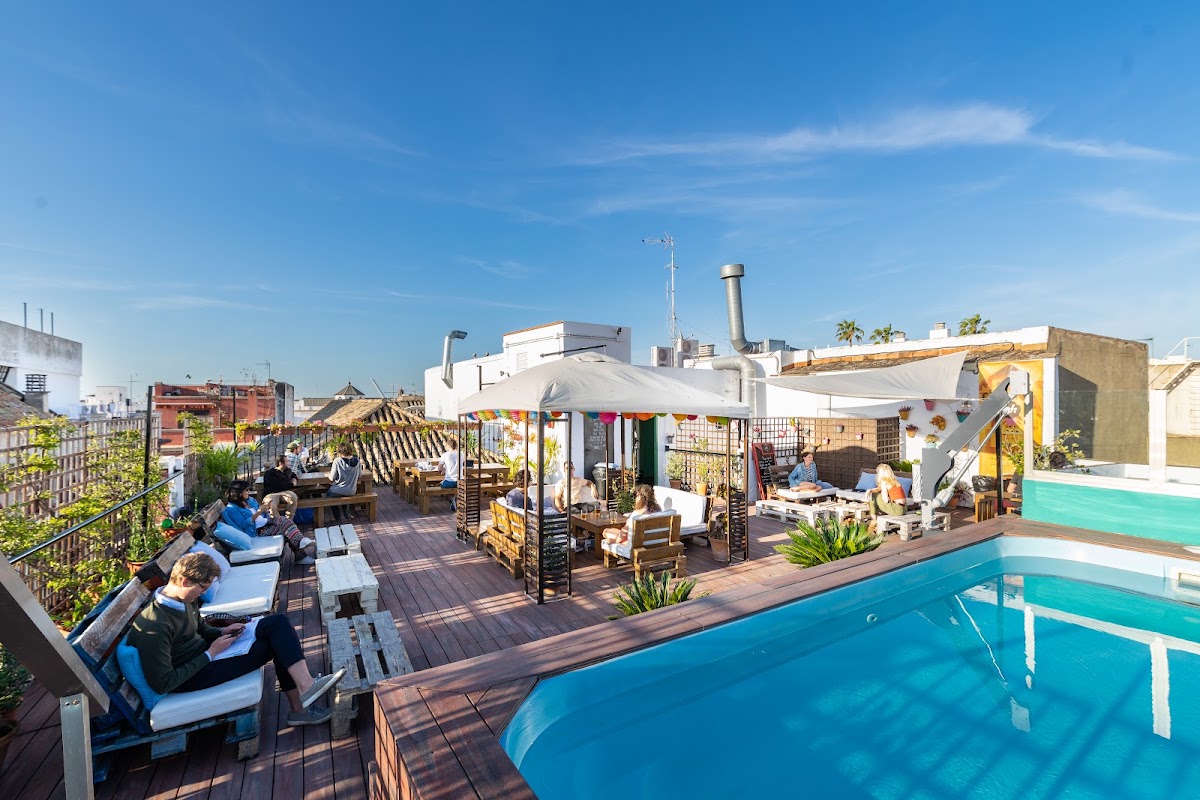
JOY Plaza de Armas Hostel Sevilla
HostelC. Almte. Ulloa, 1, Casco Antiguo, 41001 Sevilla
JOY Plaza de Armas Hostel Sevilla is a lively hostel housed in a colorful, restored mansion located in the Casco Antiguo neighborhood, just 0.63 km from the city center. The hostel features a guest kitchen and a rooftop terrace with a pool.
Check prices on Booking.com for JOY Plaza de Armas Hostel Sevilla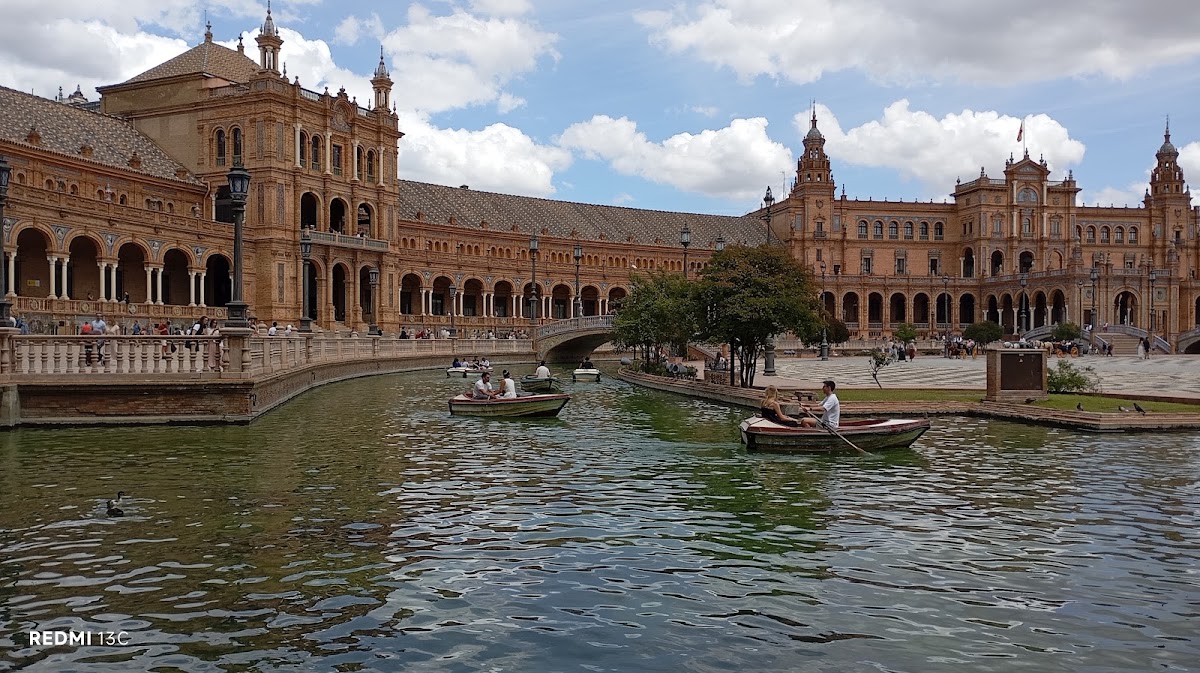
Pension Nuevo Suizo
HostelCjón. Azofaifo, 7, Casco Antiguo, 41004 Sevilla
Pension Nuevo Suizo is a hostel located in the Casco Antiguo district, just 0.3 km from Seville's city center. The property features colorful rooms, a rooftop terrace, and complimentary breakfast and Wi-Fi. It has a 3.6-star rating based on 747 reviews.
Check prices on Booking.com for Pension Nuevo Suizo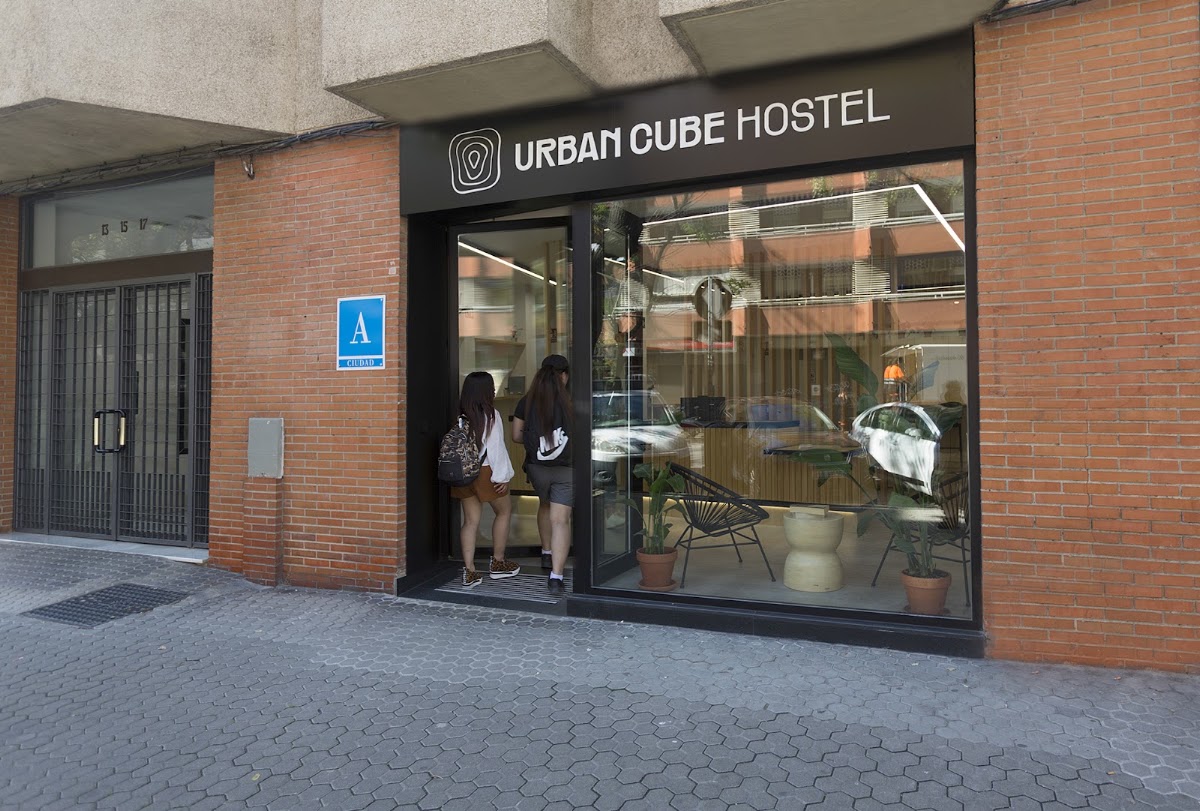
Urban Cube Hostel Sevilla
HostelC. Amador de los Ríos, 13 - 17, 41003 Sevilla
Urban Cube Hostel Sevilla is a hostel located on Calle Amador de los Ríos in central Seville, less than 1 km from the city center. With a 4.5-star rating based on 606 reviews, it offers accommodation in the heart of the city.
Check prices on Booking.com for Urban Cube Hostel Sevilla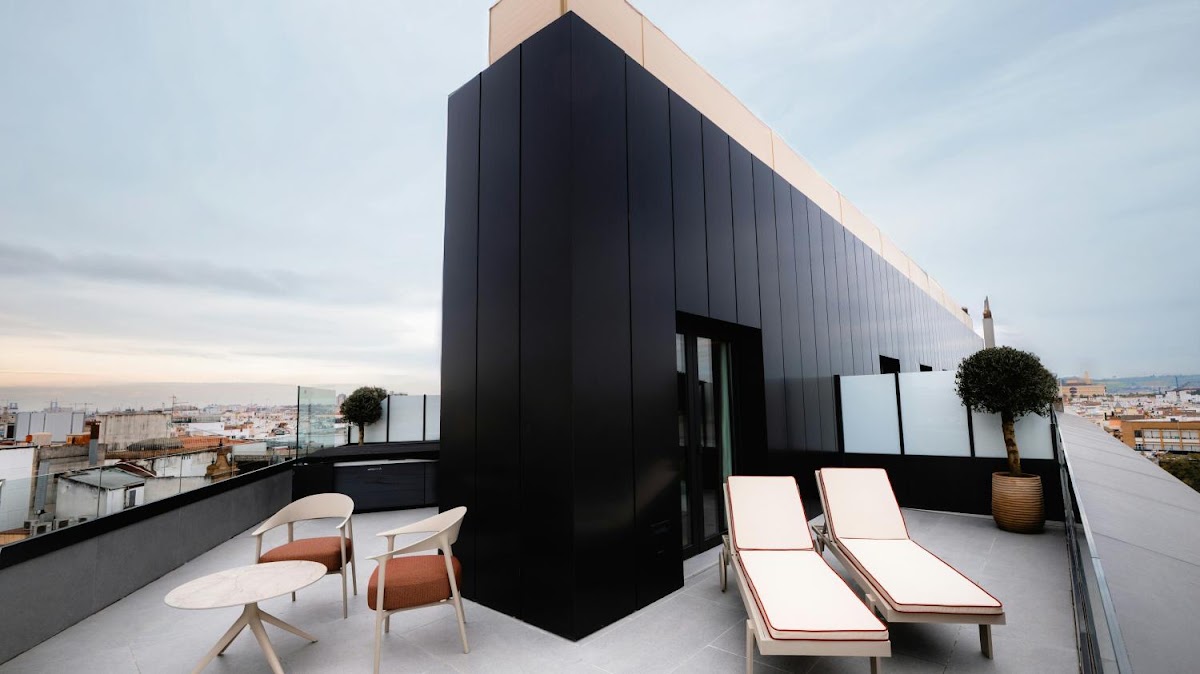
Sercotel Sevilla Don Luciano
HotelC. Trajano, 1, Casco Antiguo, 41002 Sevilla
Sercotel Sevilla Don Luciano is a hotel located on Calle Trajano in the historic Casco Antiguo district of Seville, just 0.54 km from the city center. With a rating of 4.6 stars based on 191 reviews, it offers accommodation in Seville's old town.
Check prices on Booking.com for Sercotel Sevilla Don Luciano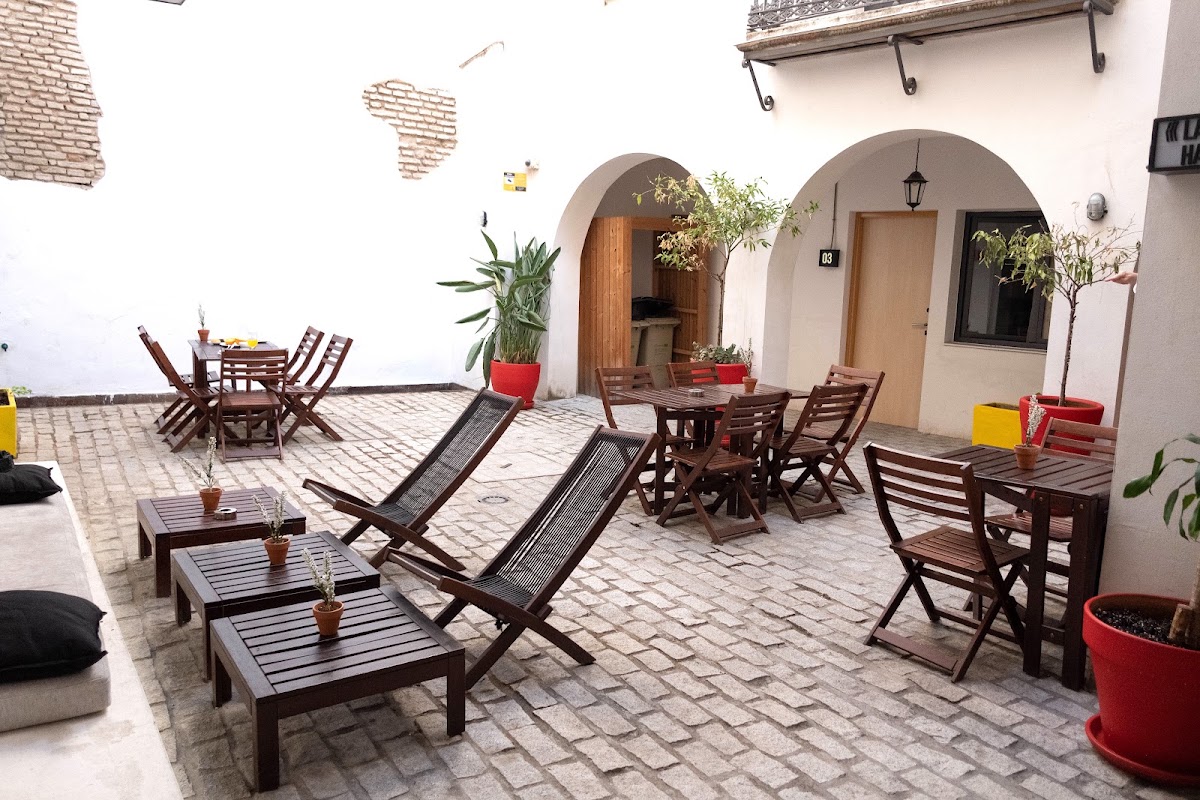
U-Sense For You Hostel Sevilla
HostelC. Bailén, 15, Casco Antiguo, 41001 Sevilla
U-Sense For You Hostel Sevilla is a hostel located in the Casco Antiguo district, 0.64 km from Seville's city center. It offers relaxed dorms and private rooms along with complimentary Wi-Fi, a bar, and a guest kitchen. With a rating of 4.4 out of 5 based on over 1,200 reviews, it provides casual accommodation options for travelers.
Check prices on Booking.com for U-Sense For You Hostel Sevilla
Cathedral Steakhouse Restaurant
Price $$Rated 4.8C. Hernando Colón, 12, Casco Antiguo, 41004 Sevilla
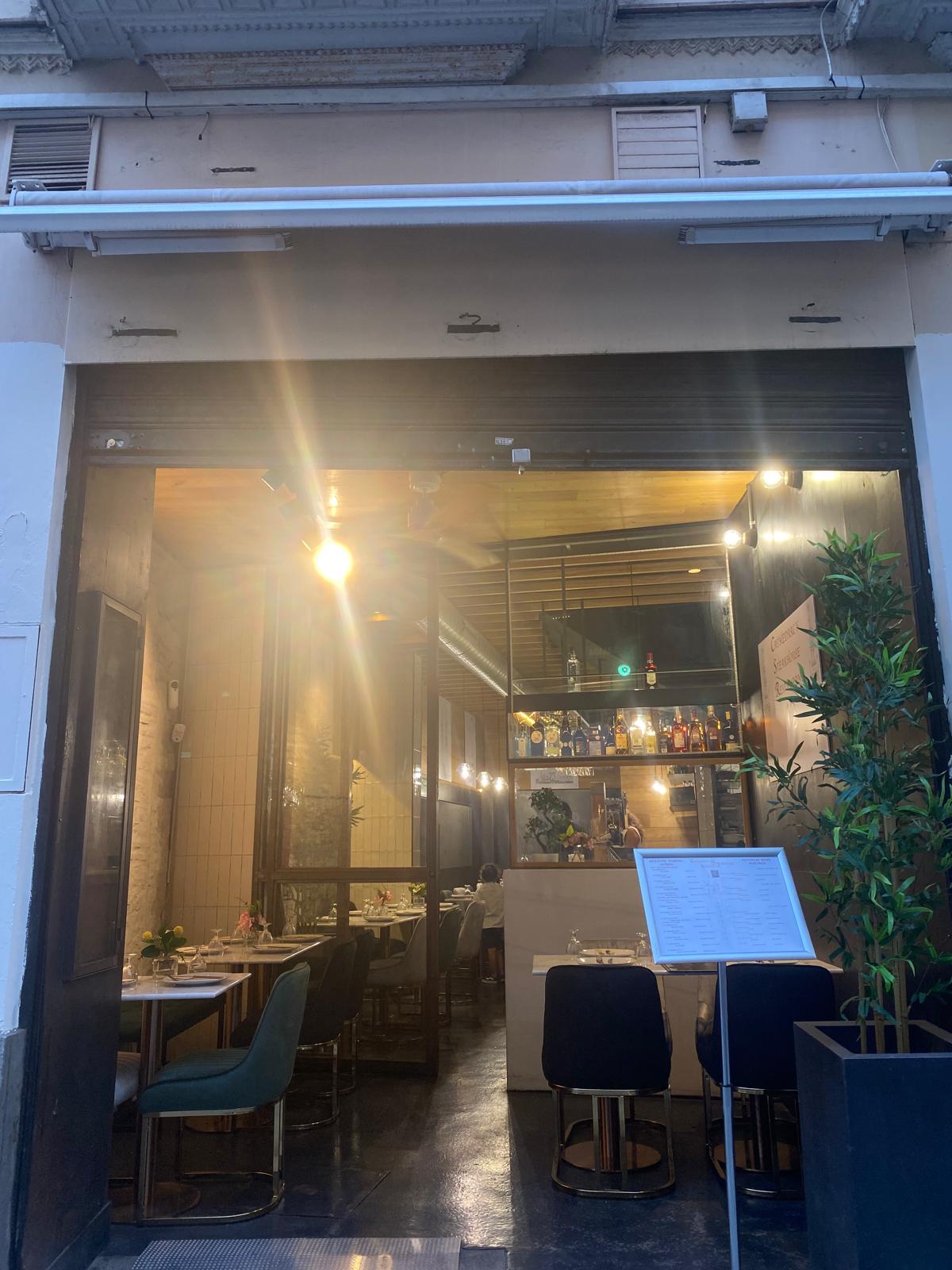
Cathedral Steakhouse Restaurant is located on Calle Hernando Colón in Seville's historic Casco Antiguo district, just 0.22 km from the city center. The venue operates as a restaurant, cocktail bar, and wine bar, and has earned a 4.8-star rating from over 2,100 reviews. It offers moderate pricing and serves a variety of cuisines including steaks, hamburgers, and barbecue.
Restaurante El Paseíllo
EuropeanPrice $$Rated 4.6Calle Gral. Polavieja, 4, Casco Antiguo, 41004 Sevilla
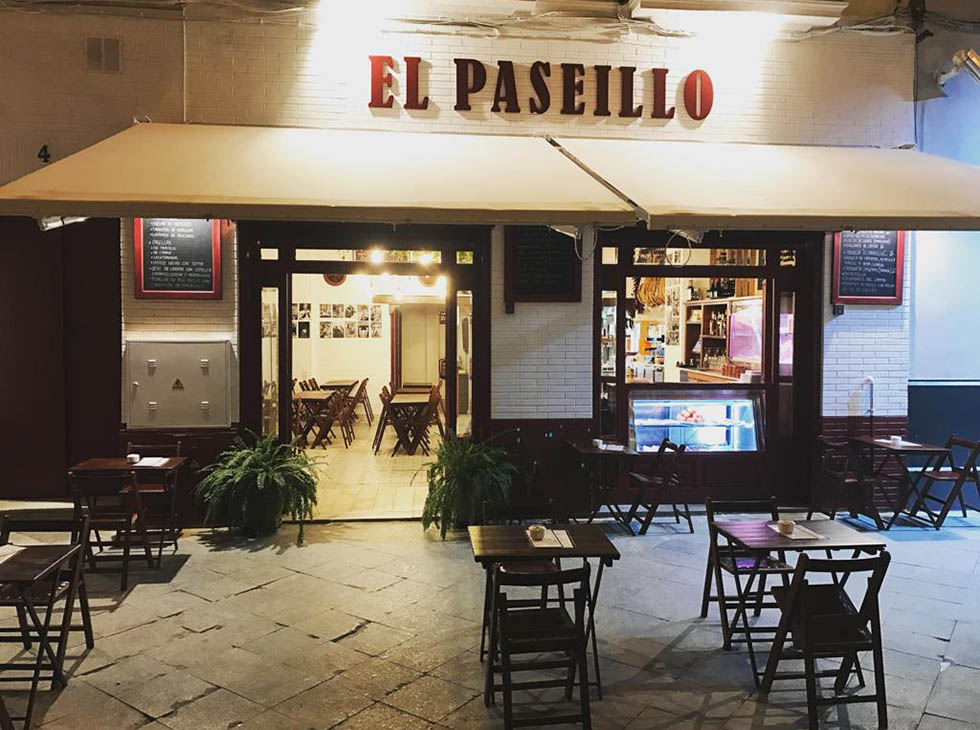
Restaurante El Paseíllo is a Spanish restaurant located on Calle Gral. Polavieja in the historic Casco Antiguo district, just 0.2 km from Seville's city center. The restaurant has a 4.6 rating based on over 7,300 reviews and offers moderate pricing. It serves Spanish and European cuisine in a casual dining atmosphere.
Recoveco
EuropeanPrice $$$Rated 4.5C. Ortiz de Zúñiga, 8, Casco Antiguo, 41004 Sevilla
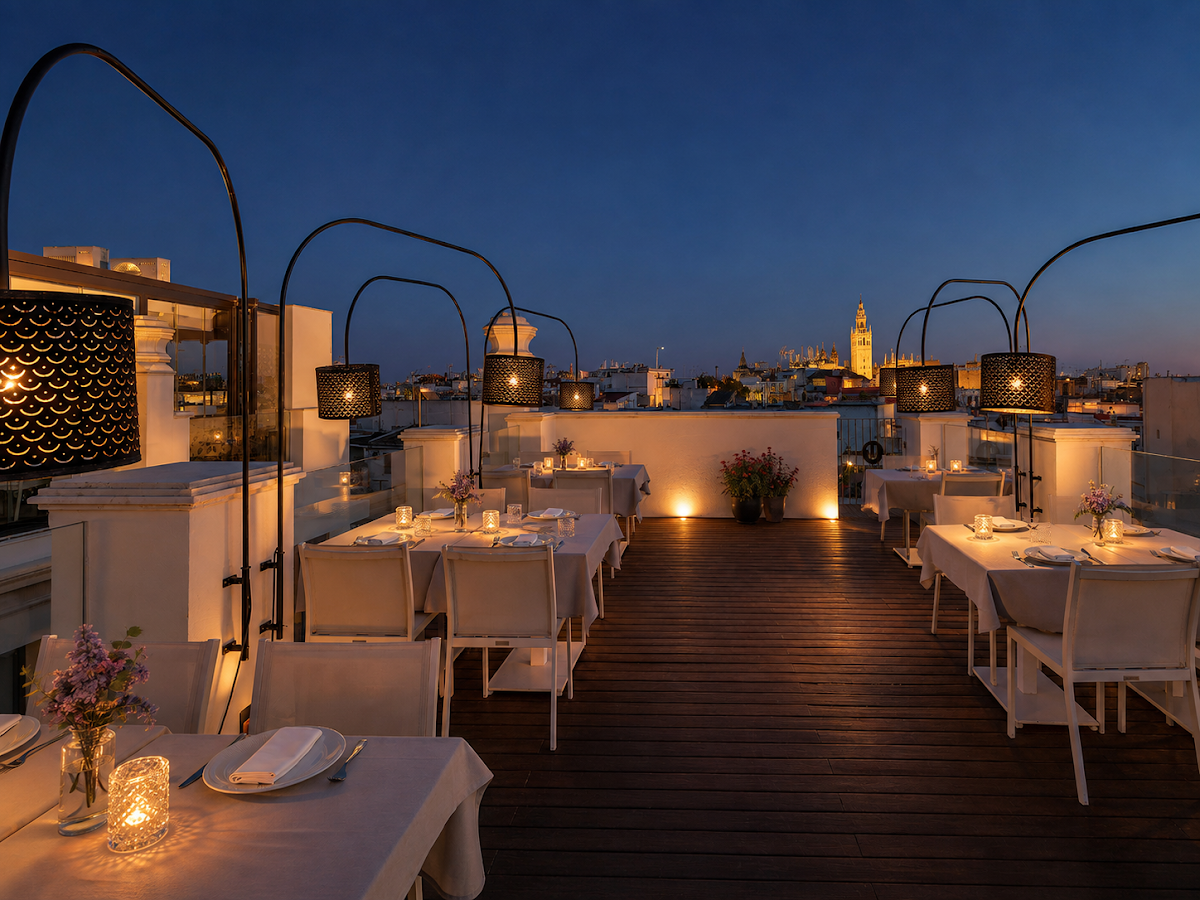
Recoveco is an elegant fine-dining Spanish restaurant in Seville's historic old town, located just 0.28 km from the city center. The restaurant specializes in slow-cooked Andalusian dishes prepared with locally sourced ingredients. With a rating of 4.5 stars from over 1,700 reviews, it is a moderately upscale dining destination.
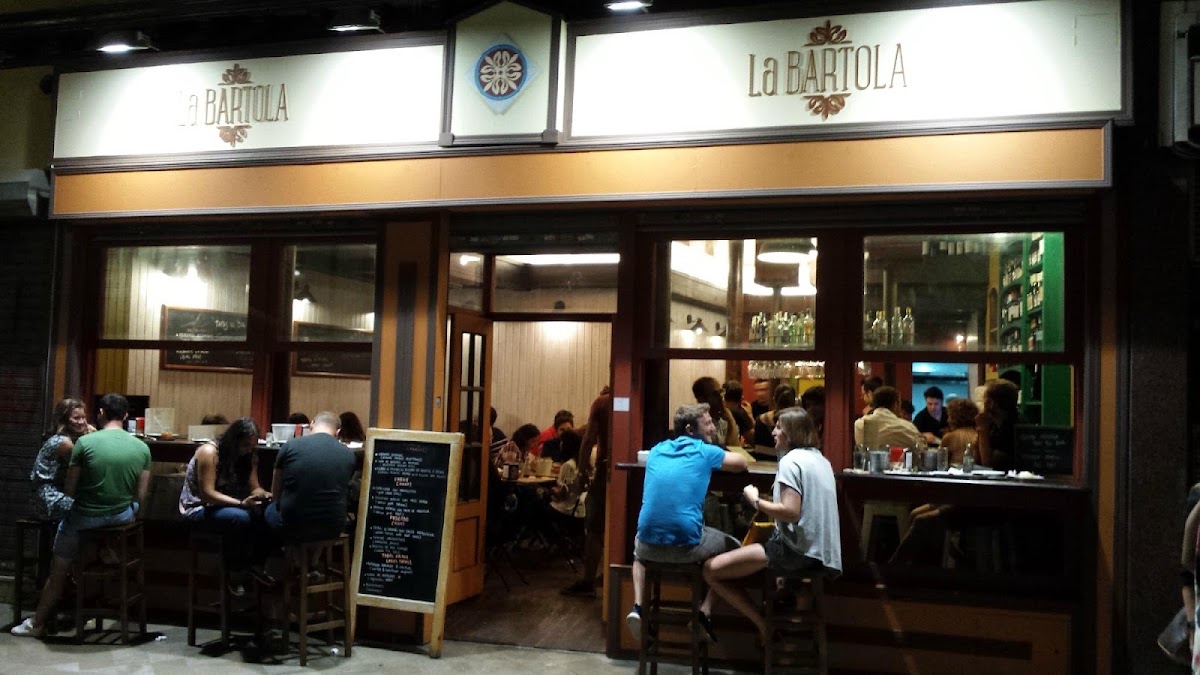
La Bartola
Price $$Rated 4.5C. San José, 15, Casco Antiguo, 41004 Sevilla
La Bartola is an easygoing, vibrant bar and grill in Casco Antiguo serving tapas and Spanish dishes, including vegan and vegetarian options. Located just 0.4 km from the city center, it offers casual dining at moderate prices and has earned a 4.5 rating from over 6,500 visitors.
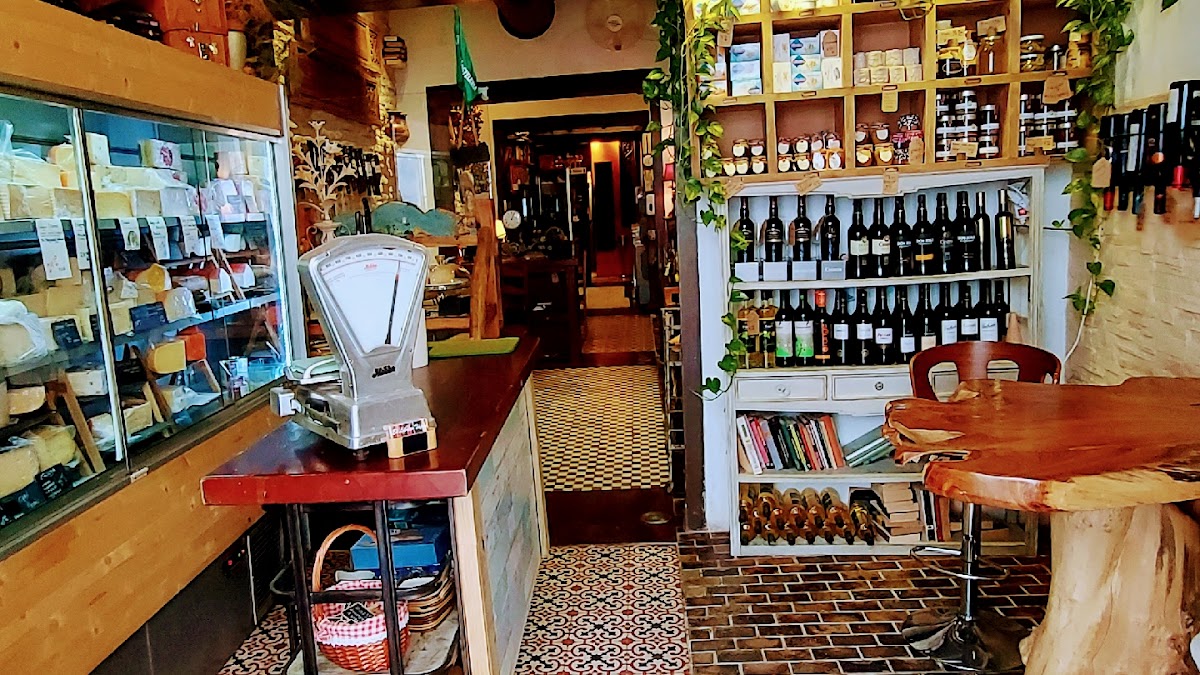
El Librero Tapas Y Quesos
EuropeanPrice $$Rated 4.5Pje. Andreu, 4, Casco Antiguo, 41004 Sevilla
El Librero Tapas Y Quesos is a Spanish tapas restaurant located in the Casco Antiguo neighborhood of Seville, just 0.46 km from the city center. The restaurant specializes in tapas and cheeses, with a moderate price level and a rating of 4.5 stars based on over 5,400 reviews.
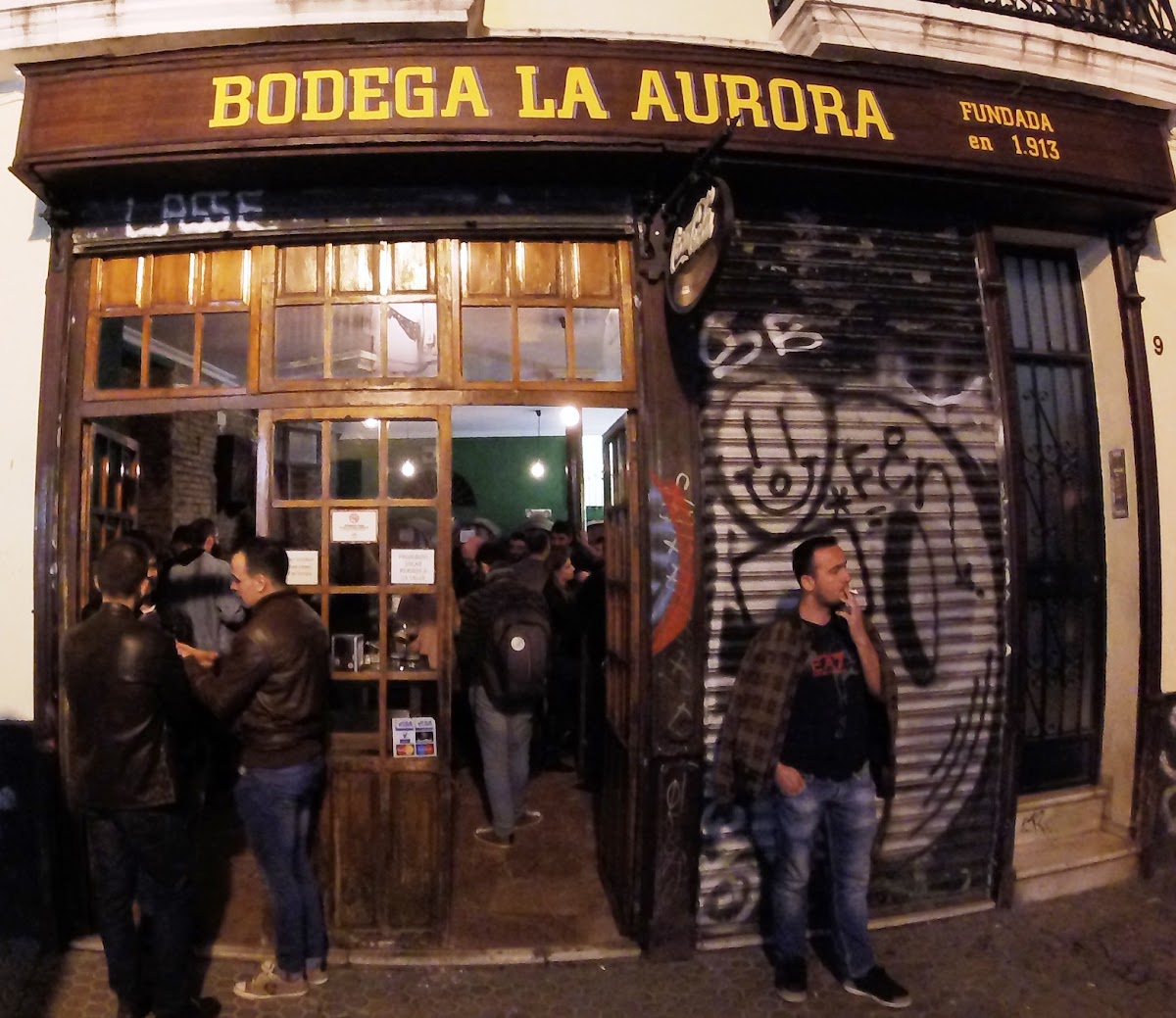
Bodega La Aurora
Price $$Rated 4.4C. Pérez Galdós, 9, Bajo, Casco Antiguo, 41004 Sevilla
Bodega La Aurora is a Spanish tapas and wine bar located in the Casco Antiguo neighborhood, just 0.22 km from Seville's city center. The intimate, old-school space features wooden casks and artifacts, offering a traditional atmosphere for enjoying Spanish tapas and wines at moderate prices.
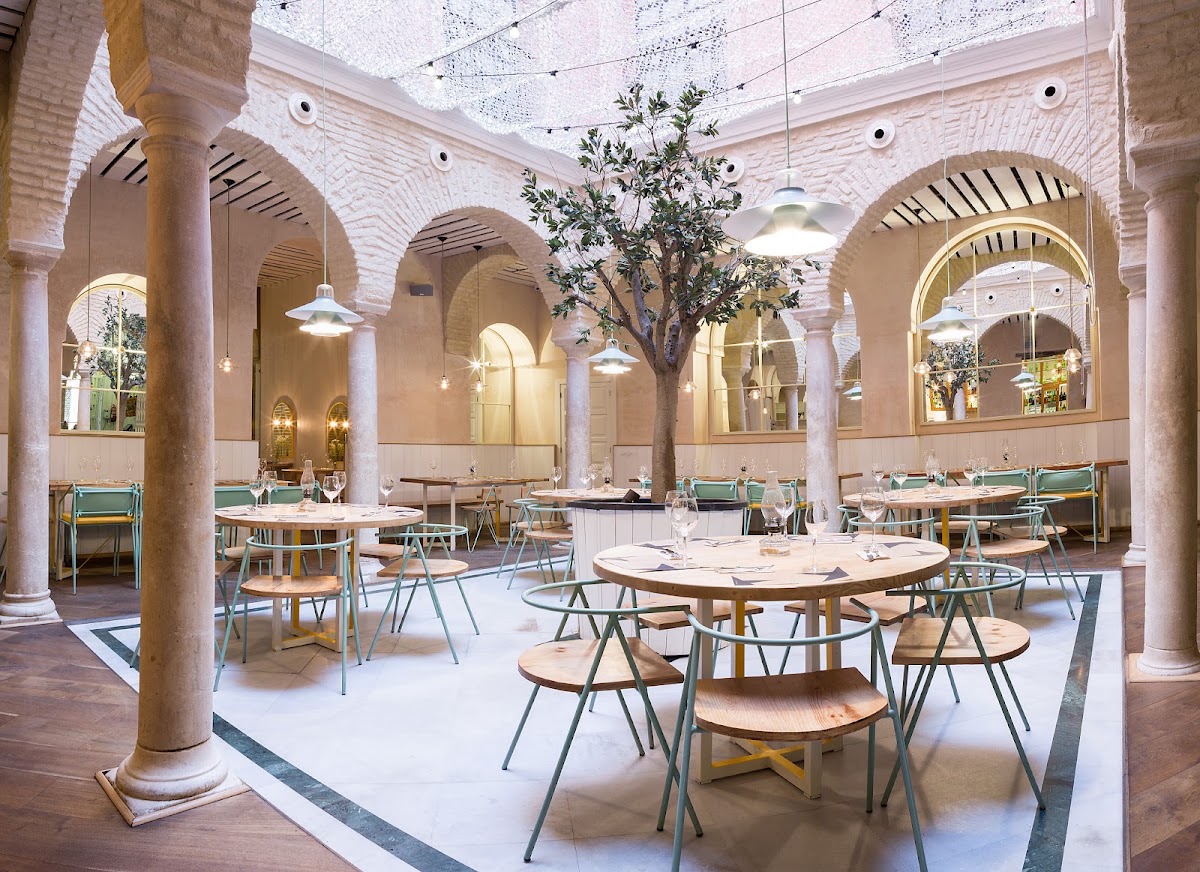
Restaurante El Pintón
Price $$Rated 4.3C. Francos, 42, Casco Antiguo, 41004 Sevilla
Restaurante El Pintón is a tapas restaurant located on Calle Francos in Seville's old town, just 0.17 km from the city center. It serves innovative small plates and offers cocktails and wine in a chic setting with outdoor seating.
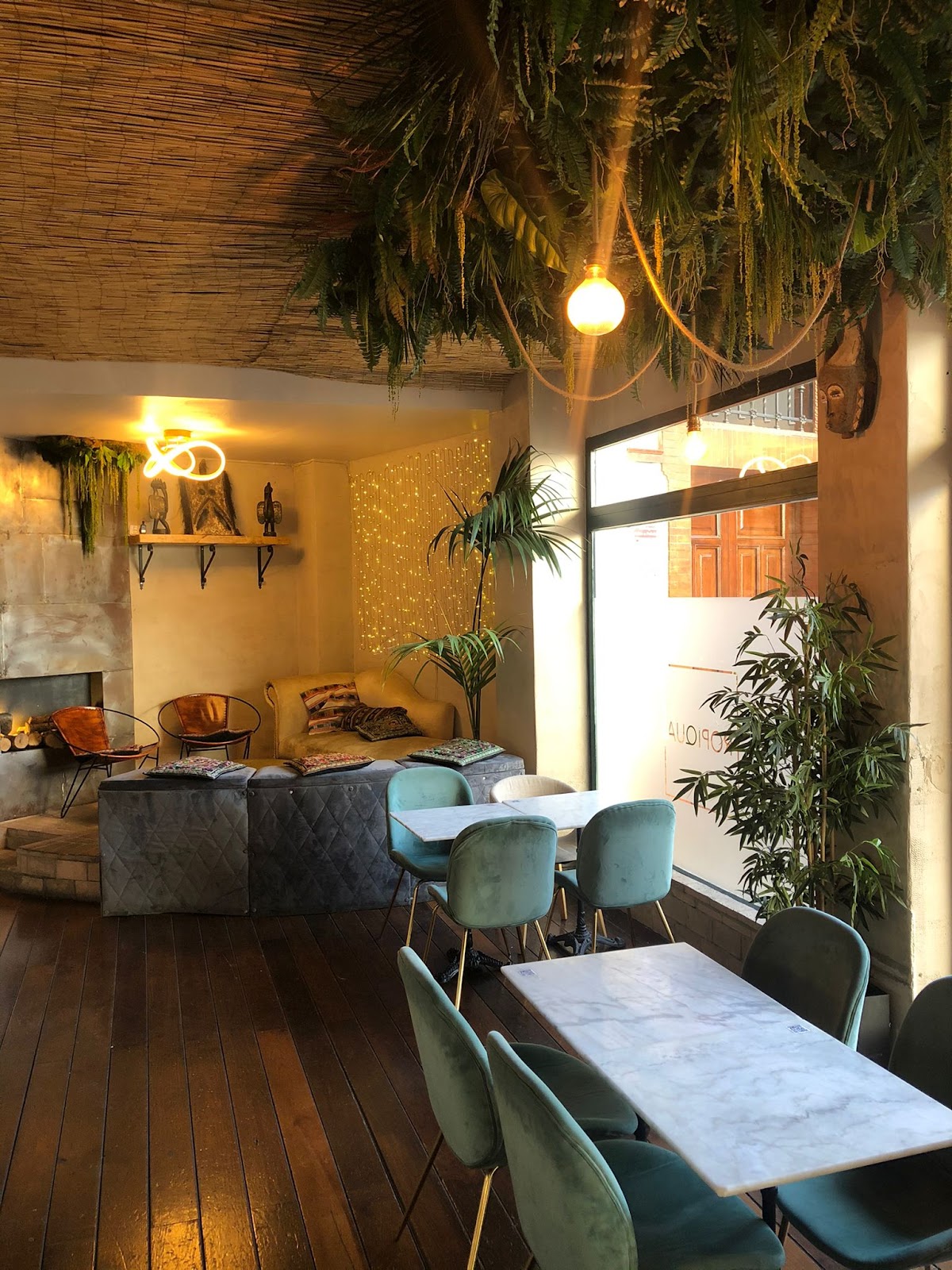
Restaurante Tropiqual
Price $$$Rated 4.2Pl. de la Encarnación, 23, Casco Antiguo, 41003 Sevilla
Restaurante Tropiqual is a fusion restaurant and bar located in the historic Casco Antiguo district on Plaza de la Encarnación, just 0.43 km from Seville's city center. The venue offers sushi and fusion cuisine alongside cocktails and grilled dishes, with a rating of 4.2 stars from over 1,300 reviews. It operates at a mid-to-high price level.
What things cost in Seville
Typical prices. Estimates only: prices vary by season and neighborhood.
| Hostel dorm bedTypically 20-45 EUR. Higher during Semana Santa, Feria and summer weekends. | €20 – €45 |
|---|---|
| Budget hotel roomTypically 55-110 EUR. Per room per night, with big spikes during major festivals. | €55 – €110 |
| Mid-range hotel roomTypically 110-220 EUR. Per room per night for central boutique or four-star options. | €110 – €220 |
| Luxury hotel roomTypically 250-600 EUR. Per room per night, and much more in festival weeks. | €250 – €600 |
| CoffeeTypically 1.50-3.50 EUR. Café con leche or cortado at a bar; terraces on main squares cost more. | €1.50 – €3.50 |
|---|---|
| Local beerTypically 2-5 EUR. A caña at a bar is at the lower end; tourist terraces charge more. | €2.00 – €5.00 |
| Street food snackTypically 3-8 EUR. Includes a bocadillo, a tapa or a pastry from a local bar or stall. | €3.00 – €8.00 |
| Budget mealTypically 10-16 EUR. Menú del día at a neighborhood restaurant is often the best value at lunch. | €10 – €16 |
| Groceries (per day)Typically 15-30 EUR. Basic self-catering supplies for one person from supermarkets and markets. | €15 – €30 |
| Mid-range mealTypically 20-40 EUR. Per person for a sit-down dinner with a drink, more in prime tourist areas. | €20 – €40 |
| Fine diningTypically 60-150 EUR. Tasting menus at top restaurants can go higher. | €60 – €150 |
| Public transport rideTypically 1-2 EUR. Single ride on bus, tram or metro; multi-ride cards usually reduce the cost. | €1.00 – €2.00 |
|---|---|
| Short taxi rideTypically 6-12 EUR. Typical short hop within the center. | €6 – €12 |
| Bike rental (per day)Typically 10-20 EUR. Standard city bike from a rental shop. | €10 – €20 |
| Museum entryTypically 3-15 EUR. Varies widely; some municipal museums are cheap and some sights have free periods. | €3 – €15 |
|---|---|
| Guided walking tourTypically 15-35 EUR. Includes group tours; some free tours operate on a tip basis. | €15 – €35 |
| Day trip tourTypically 40-90 EUR. Organized excursions to places such as Córdoba, Ronda or Cádiz. | €40 – €90 |
Essentials
Practical things to know before you arrive in Seville.
When to go
March to May and October to early November are the best months, with warm pleasant weather and manageable heat.
- Peak: March-May
- Shoulder: October-November
- Low: July-August
Getting around
The historic center is compact and largely flat, so walking is the best way to see the Cathedral, Alcázar, Santa Cruz and Arenal. Bike lanes are extensive and bike rental or bike share is a popular option. For longer distances there are city buses, a tram serving the central area, a single metro line, and taxis, which are plentiful and easy to hail or find at ranks.
Seville Airport (SVQ) lies northeast of the city, roughly 10 to 15 kilometers from the center. An airport bus connects to the center and taxis are also available, with journeys typically taking around 20 to 30 minutes depending on traffic. Santa Justa station has high-speed AVE trains to Madrid, Córdoba and Málaga, plus regional services, and is a short bus or taxi ride from the center.
Where to stay
Santa Cruz and the streets around the Cathedral suit first-time visitors who want atmospheric lanes and to walk to the main sights, though they are busy and touristy. Arenal and El Centro are good for shopping, restaurants and tapas bars with easy transport links, and are somewhat livelier at night.
Triana, across the river, has a more local feel, with ceramics, flamenco heritage and riverside dining, and suits travellers who want a neighborhood atmosphere. Macarena and Alameda are more bohemian and often better value, with a younger crowd and nightlife. Near Santa Justa station is convenient for train arrivals but less charming. Light sleepers should ask about noise in the central squares and during festival weeks.
Money
The local currency is Euro (EUR).
Exchange rates
- 1 EUR = 1.138 USD (rate as of 2026-09-25)
Cash and cards
- Cards and contactless payments are widely accepted in hotels, restaurants and shops. Carry some cash for small bars, markets and low-value purchases.
- Keep small change for coffee, tapas and taxis.
- Check whether a restaurant terrace charges more than sitting at the bar.
- Lunchtime set menus are usually much cheaper than dinner à la carte.
- Book accommodation well ahead for Semana Santa and the Feria de Abril.
- If offered a choice when paying by card abroad, pay in euros rather than your home currency.
Taxes and tipping
- Tipping is modest and not obligatory; rounding up or leaving a few coins for good table service is common.
Language: Spanish (Andalusian dialect)
English: English is common in hotels, major sights and tourist restaurants, but limited in local bars, markets and among older residents. Basic Spanish is appreciated and helpful.
- Hello
- HolaOH-lah
- Good morning
- Buenos díasBWEH-nohs DEE-ahs
- Please
- Por favorpor fah-VOR
- Thank you
- GraciasGRAH-thyahs
- Excuse me / Sorry
- Perdónper-DOHN
- Do you speak English?
- ¿Habla inglés?AH-blah een-GLESS
- I don't understand
- No entiendonoh en-TYEN-doh
- The bill, please
- La cuenta, por favorlah KWEN-tah por fah-VOR
- Where is...?
- ¿Dónde está...?DOHN-deh es-TAH
- A small draught beer, please
- Una caña, por favorOO-nah KAH-nyah por fah-VOR
- How much does it cost?
- ¿Cuánto cuesta?KWAN-toh KWES-tah
- Goodbye
- Adiósah-DYOHS
More in Spain
This guide is for general reference. Check opening hours, prices and entry rules with official sources before you travel.