Spain
Spain is a culturally rich European country located on the Iberian Peninsula, offering travelers an extraordinary mix of historic cities, stunning landscapes, world-class art, and ...
Discover Spain
pain is a vibrant and diverse country located on the Iberian Peninsula, renowned for its rich cultural heritage, stunning landscapes, and passionate way of life. From the sun-drenched Mediterranean coastline to the rugged Pyrenees mountains, Spain offers travelers an extraordinary blend of historical depth and modern excitement. Its regions each boast unique identities, with distinct traditions, cuisines, and architectural styles that reflect centuries of complex historical influences including Roman, Moorish, and Christian civilizations.
The country's cultural landscape is dominated by iconic experiences like flamenco dancing, bullfighting, and world-class art museums featuring works by masters like Picasso and Dalí. Cities like Barcelona showcase extraordinary architectural wonders such as Antoni Gaudí's breathtaking Sagrada Familia, while Madrid offers world-class museums, royal palaces, and vibrant urban energy. Spain's culinary scene is equally impressive, with tapas culture, exceptional wines, and regional specialties like paella, gazpacho, and jamón ibérico representing a gastronomic tradition that is both sophisticated and deeply rooted in local traditions.
Spain's diverse geography provides travelers with incredible variety, from the green landscapes of Galicia in the northwest to the arid beauty of Andalusia in the south. The country boasts numerous UNESCO World Heritage sites, pristine beaches, historic medieval towns, and cosmopolitan cities that blend ancient charm with contemporary innovation. Its warm Mediterranean climate, welcoming people, and relaxed lifestyle make it an incredibly attractive destination for travelers seeking culture, history, natural beauty, and unforgettable experiences.
Historical Significance
Spain's historical narrative begins with prehistoric Iberian settlements dating back to 35,000 BCE, with early human communities inhabiting the peninsula's diverse landscapes. Indigenous Iberians, Celts, and other tribal groups established complex societies before the arrival of Mediterranean civilizations. Phoenician and Greek colonizers established coastal trading settlements around 1100 BCE, introducing advanced maritime technologies and cultural exchanges that would profoundly influence the region's development. The Roman conquest of Hispania, beginning in 218 BCE, marked a transformative period in Spanish history. For nearly six centuries, Romans integrated the peninsula into their vast empire, introducing Latin language, sophisticated infrastructure, Christianity, and a unified administrative system.
Official Country Website
Latest information and updates from Spain
Key Information
Region
Southern Europe
Spanish (Castilian)
CET (UTC+1)
Cities in Spain
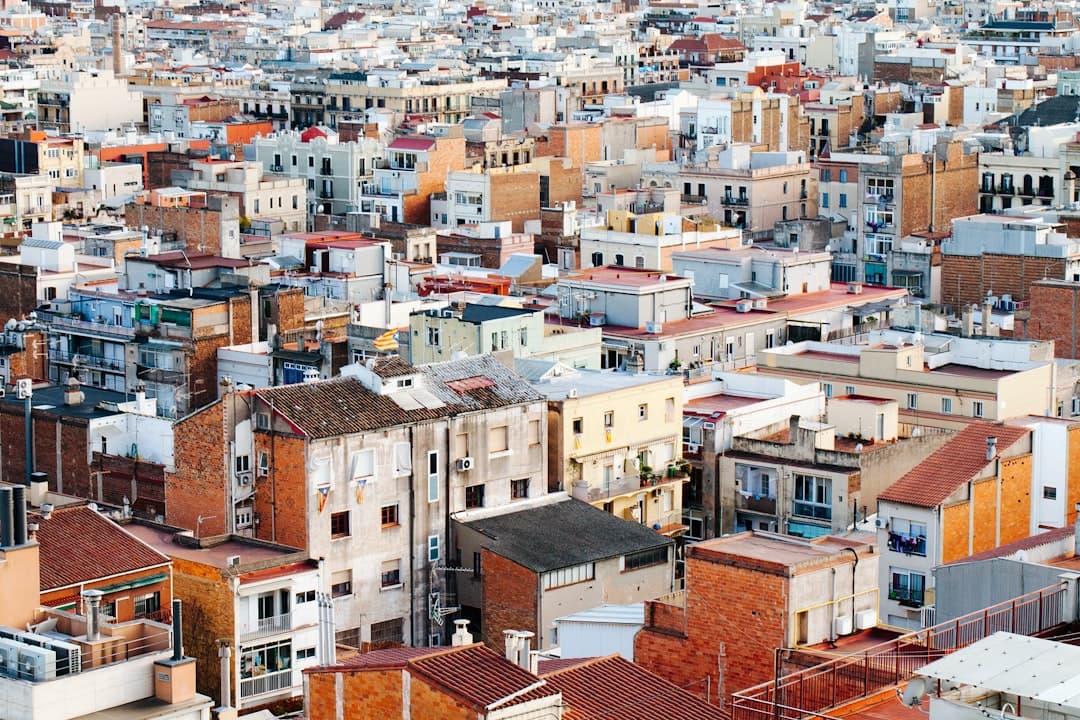
Barcelona
A vibrant Mediterranean city blending historic architecture, modern design, and rich cultural experiences.
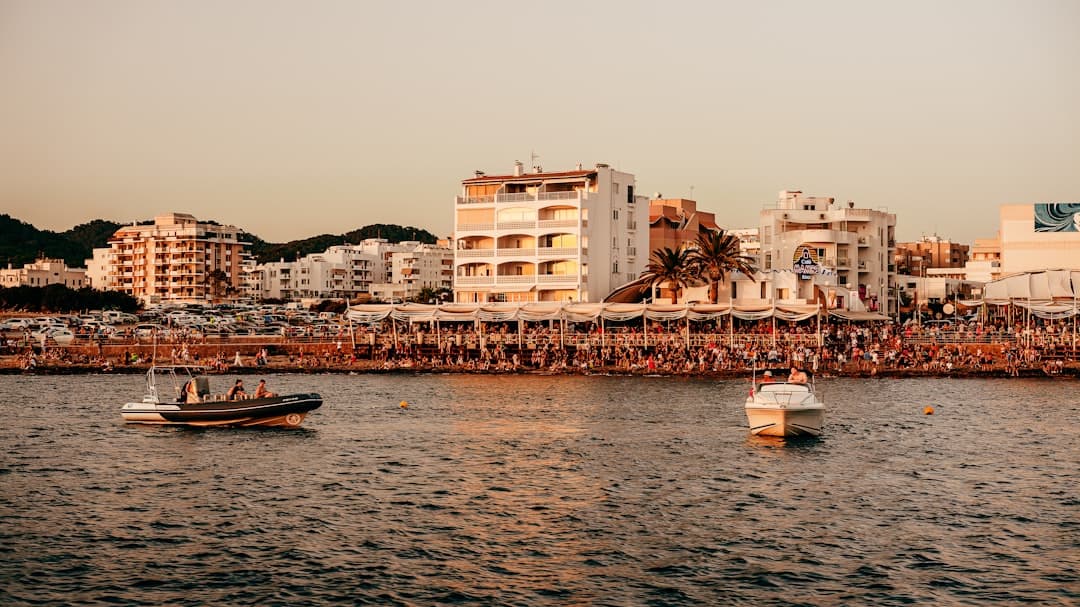
Ibiza
A vibrant Mediterranean island renowned for its stunning beaches, legendary nightlife, and unique blend of party culture and natural beauty.
Explore Ibiza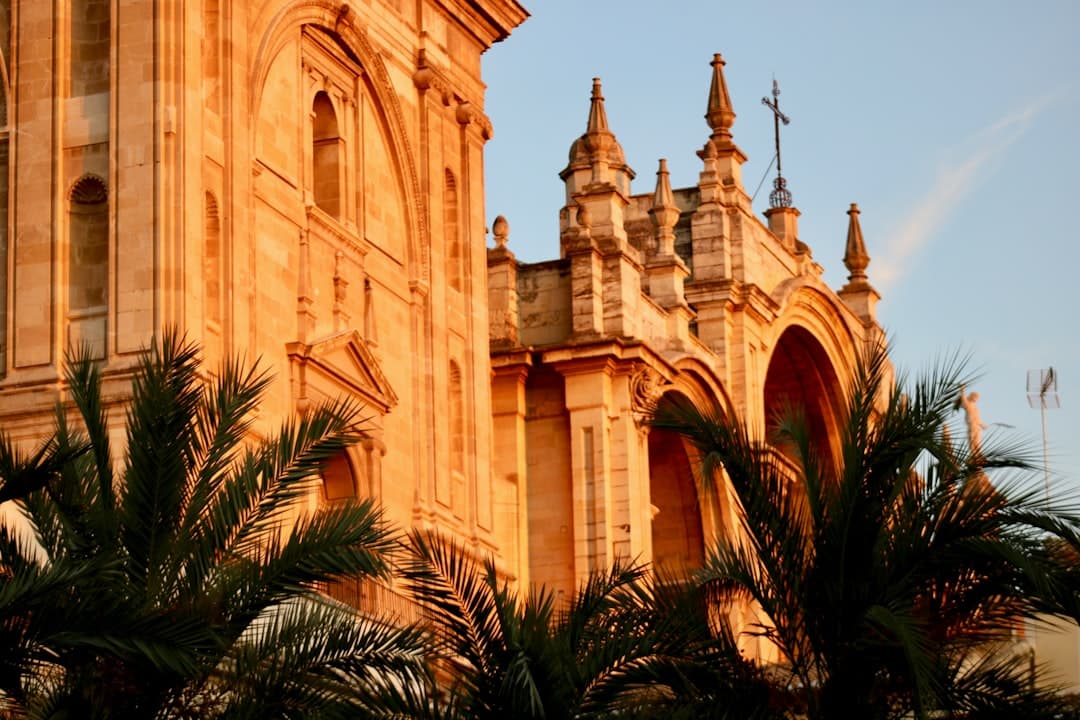
Seville
A vibrant Andalusian city that captivates visitors with its stunning architecture, passionate flamenco culture, and rich historical heritage.
Explore SevilleFeatured Destinations in Spain
Travel Costs in Spain
Cost Overview
Spain has moderate costs, with a mix of affordable options and some premium experiences.
Money-Saving Tips
- •Visit during shoulder season for better rates on accommodation
- •Use public transportation instead of taxis when possible
- •Consider staying in locations outside the main tourist areas
- •Look for restaurants where locals eat for better value
Currency Information
Currency: Euro (€)
Cost Guide: Spain
Local pricing information
Budget Traveler
Hostels, street food, public transport
Mid-Range
3-star hotels, restaurants, tours
Luxury
4-5 star hotels, fine dining, private tours
Seasonal Pricing
Prices vary by season. High season (summer, holidays) typically costs 20-40% more, while low season offers better deals. Consider the shoulder season (spring/fall) for a balance between good weather and lower prices.
Loading exchange rates...
Note: These prices are approximate and may vary depending on region, season, and personal preferences. Prices in popular tourist areas may be higher.
Budget Comparison
Estimated daily costs for traveling in Spain
Budget
Backpacker style
Includes
- Hostels & dorms
- Street food & markets
- Free attractions
- Local transport
Mid-Range
Comfortable travel
Includes
- Mid-range hotels
- Local restaurants
- Guided tours
- Mix of transport
Luxury
Premium experience
Includes
- Luxury hotels & resorts
- Fine dining
- Private tours & experiences
- Private transport
Note: Costs vary significantly between cities and regions within Spain. These are general estimates and can fluctuate based on season, location, and travel style.
Everything You Need to Know
Click any section to expand and view details
Travel Advisory
Check the latest travel advisories and safety information before your trip.
View Official AdvisoryLocal Insights
Culture & Traditions
Spain is a vibrant and diverse nation with rich cultural traditions deeply rooted in its complex historical heritage. The country's culture is characterized by a passionate blend of regional identities, with distinct cultural expressions in regions like Catalonia, Andalusia, and the Basque Country. Each area maintains unique languages, traditions, and customs, creating a mosaic of cultural experiences. Spanish culture is renowned for its warmth, social connectivity, and emphasis on family and community.
The arts play a central role in Spanish cultural identity, with world-famous contributions in visual arts, literature, and performance. Spain has produced legendary artists like Picasso, Dalí, and Gaudí, whose innovative works have shaped global artistic movements. Flamenco, a passionate dance and musical tradition originating in Andalusia, represents the emotional depth of Spanish cultural expression. Traditional festivals like La Tomatina, Running of the Bulls, and numerous regional celebrations showcase the country's love for communal experiences and vibrant social interactions.
Spanish daily life is characterized by a relaxed yet passionate approach, epitomized by customs like the siesta and late-night dining. Family remains the core social unit, with multiple generations often living close together or maintaining strong connections. Social interactions are typically warm and tactile, with kissing on both cheeks as a standard greeting. The Spanish approach to time is more fluid compared to northern European cultures, with a greater emphasis on enjoying moments and social connections over strict punctuality.
Modern Spanish culture blends traditional values with progressive social attitudes, particularly in urban centers like Madrid and Barcelona. The country has emerged as a global leader in design, cuisine, fashion, and contemporary arts. Spanish cuisine, with its emphasis on fresh ingredients, regional specialties, and social dining experiences like tapas, continues to be a significant cultural ambassador. The nation's commitment to preserving regional identities while embracing global influences makes its cultural landscape dynamic and continuously evolving.

Cultural Experience
Immerse yourself in local traditions and customs