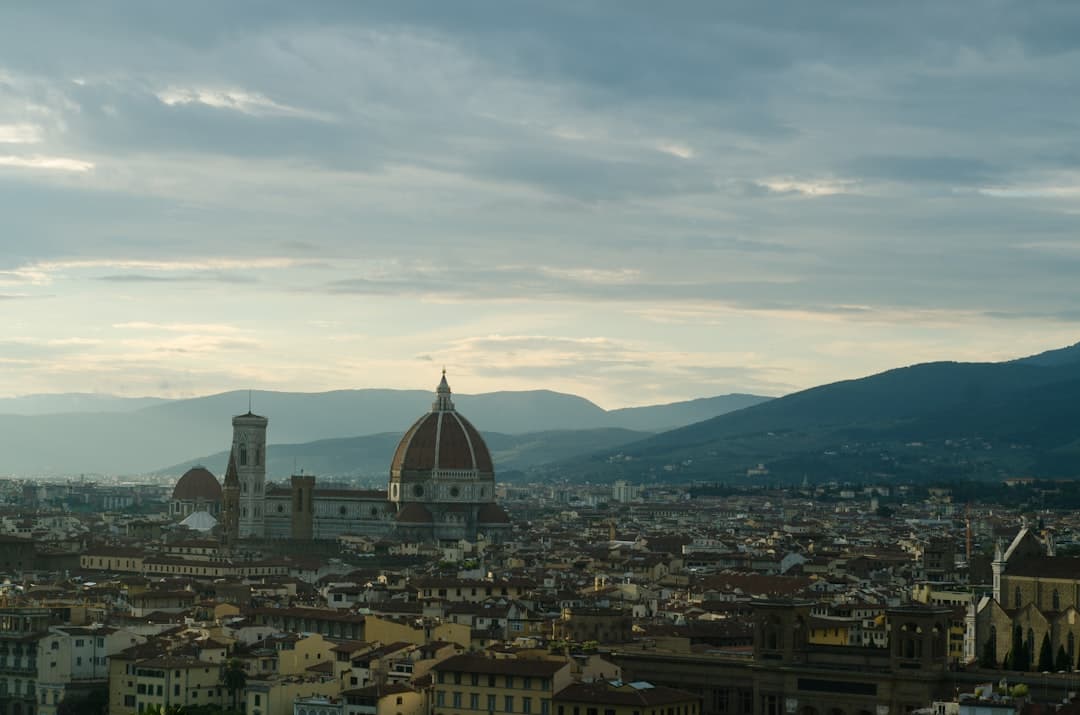
Florence
Florence is the Tuscan capital and cradle of the Italian Renaissance, packed with world-class art, palaces, churches and food in a compact walkable center on the Arno.
Florence quick facts
- Best time to visit
- April to early June and September to October offer the most pleasant
- Language
- Italian (Tuscan dialect influence)
- Currency
- Euro (EUR)
- Getting around
- Tram, bus and train
- Suggested stay
- 3 days
- Population
- 380M
About Florence
Florence sits in a basin of the Arno River in central Tuscany, ringed by green hills dotted with villas, olive groves and cypress trees. Its historic center is compact and largely pedestrian, so most major sights can be reached on foot, and it is recognized as a UNESCO World Heritage Site.
The city is best known as the heart of the Renaissance, when banking families such as the Medici funded painters, sculptors and architects who reshaped European art. Today the cathedral with its great red dome, the Uffizi Gallery, the Accademia and the Palazzo Vecchio anchor a visit, while countless smaller churches, cloisters and workshops reward slower wandering.
Florence is also a living city with universities, artisan workshops, leather and paper crafts, and a strong food culture built on simple Tuscan ingredients. Crowds are heavy in the center in spring and summer, so early mornings, evenings and the quieter Oltrarno side of the river offer a more local feel.
Beyond the center, the hills to the north and south give views over the city, and the surrounding region makes Florence an excellent base for exploring Tuscany by train or bus.
Known for
- Renaissance art and architecture, The Duomo and its dome, The Uffizi Gallery, The Medici family legacy, Tuscan cuisine and wine, Leather goods and artisan crafts
Food in Florence
Florentine food is rooted in Tuscan country cooking: simple, seasonal and built on good olive oil, beans, bread, grilled meat and vegetables. Traditional Tuscan bread is baked without salt, which shapes many dishes, from soups to bread salads that use up stale loaves.
Meals typically follow the Italian pattern of antipasto, a first course of pasta or soup, then a meat or fish main, though many people happily order just one or two courses. Lunch is often the main meal, and aperitivo in the early evening is a popular way to start a night out. Street food such as tripe and lampredotto sandwiches has a long tradition in the city.
Wine is central to the table, with Chianti and other Tuscan reds the usual companions. Markets sell fresh produce, cured meats, cheese and truffle products, and gelato shops are found on nearly every street.
History of Florence
Florence began as a Roman settlement, Florentia, founded around the 1st century BC on the Arno. After the fall of Rome it was a modest town, but in the medieval period it grew into a wealthy commune driven by the wool trade and banking, and the gold florin became a widely used currency in Europe.
In the 14th and 15th centuries the city became a center of humanist thought and artistic innovation. The Medici family, bankers who dominated politics from the 15th century, patronized artists and architects, and figures such as Brunelleschi, Donatello, Botticelli, Leonardo and Michelangelo worked here. The Medici later became grand dukes of Tuscany and ruled for generations.
Florence briefly served as capital of the newly unified Kingdom of Italy in the 1860s. In the 20th century the city suffered wartime damage and a severe flood of the Arno in 1966, after which an international effort helped restore damaged artworks and books.
Culture and etiquette
Florentines are proud of their artistic heritage and tend to be courteous but reserved with visitors. A simple greeting in Italian when entering shops, cafes and restaurants is appreciated. Dress modestly for churches, with shoulders and knees covered.
Many cafes have different prices for standing at the bar versus sitting at a table, and coffee is usually taken quickly at the counter. Dinner is served later than in many countries, commonly after 7:30 pm. Tipping is modest, and a cover charge may appear on restaurant bills.
The historic center has a limited traffic zone, and driving there is restricted, so visitors should not drive into it. Sitting or eating on church steps and monument bases is discouraged, and popular museums are best booked in advance.
Things to do in Florence
What to see, where to stay and where to eat.
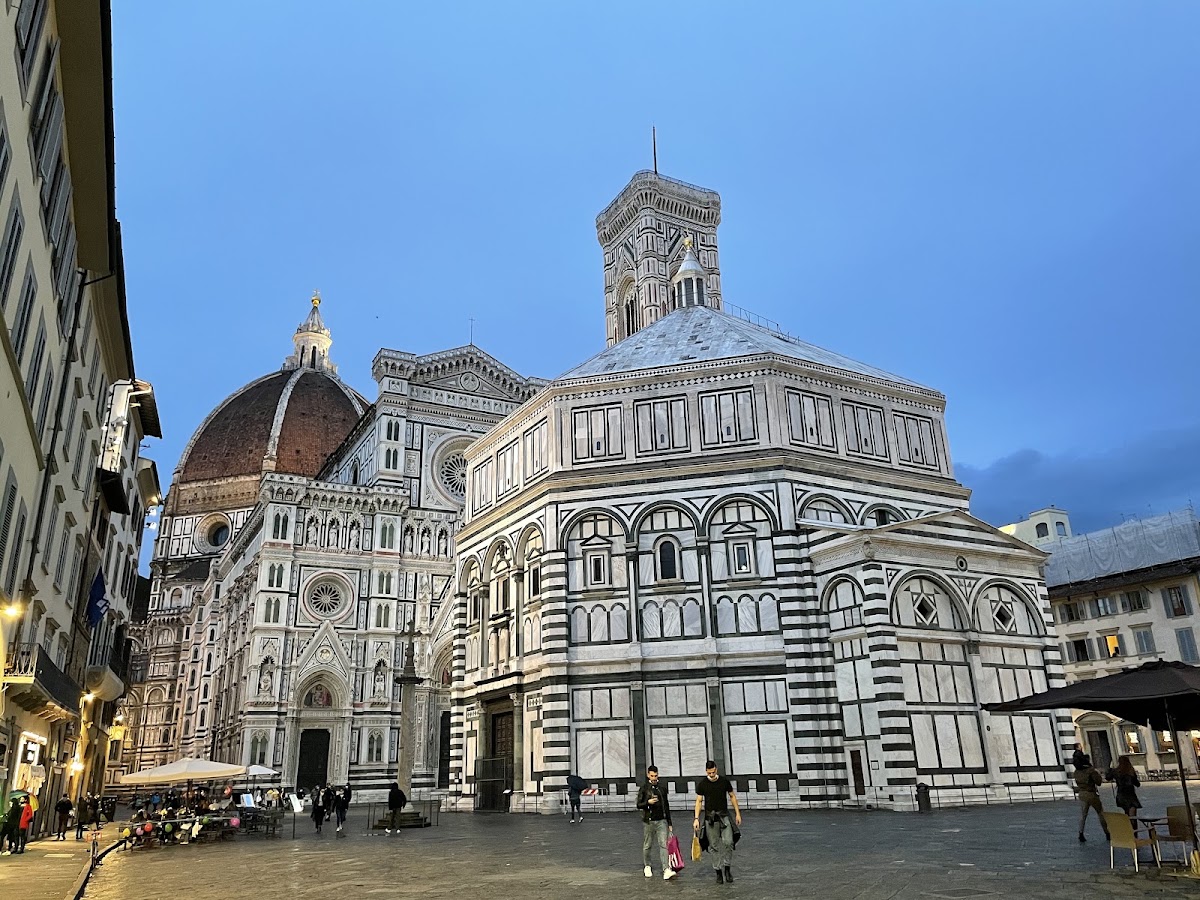
Piazza del Duomo
Piazza del Duomo, 50122 Firenze FI
Piazza del Duomo is a cathedral-flanked square in central Florence featuring iconic historic, religious and artistic landmarks alongside museums. Located just 0.19 km from the city center, it is one of Florence's most visited attractions with a 4.8 rating from over 143,000 reviews.
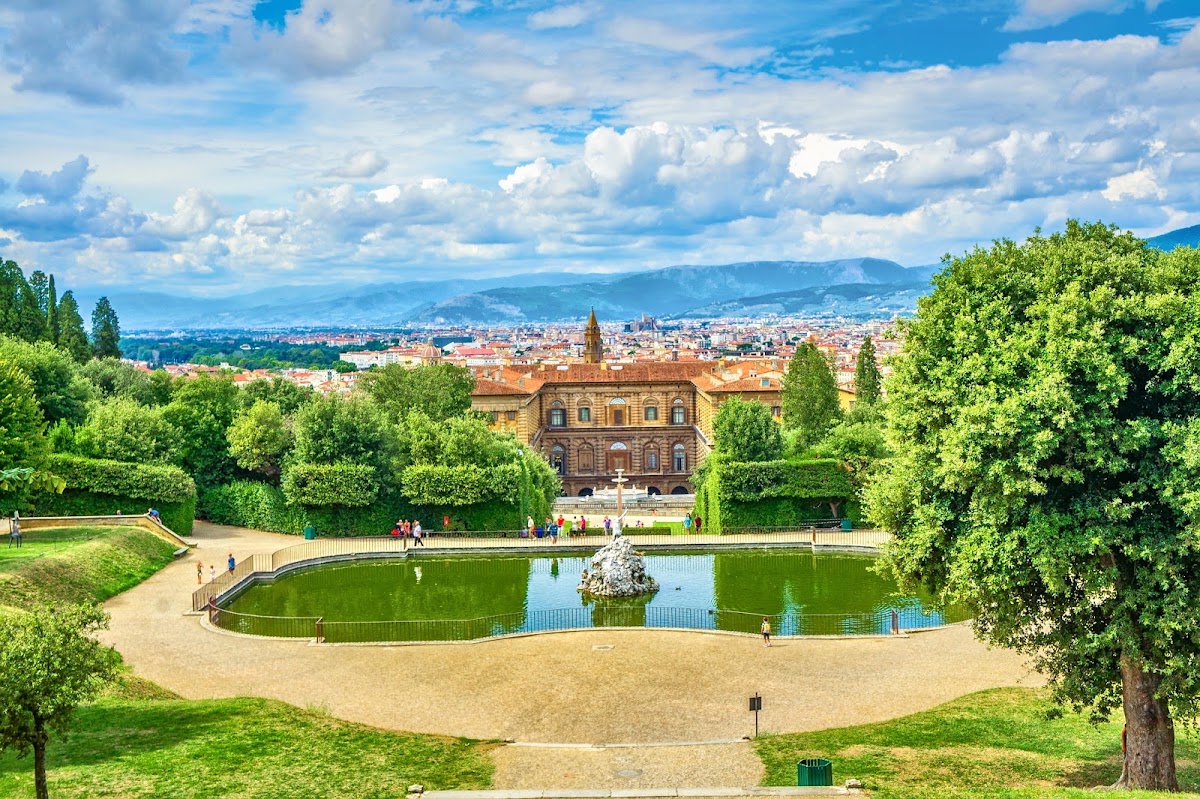
Boboli Gardens
50125 Florence, Metropolitan City of Florence
Boboli Gardens is a formal garden featuring Renaissance statues and ornate fountains that were laid out in the 16th and 17th centuries. Located 1.2 kilometers from Florence's city center, this garden serves as both a tourist attraction and sculpture park.
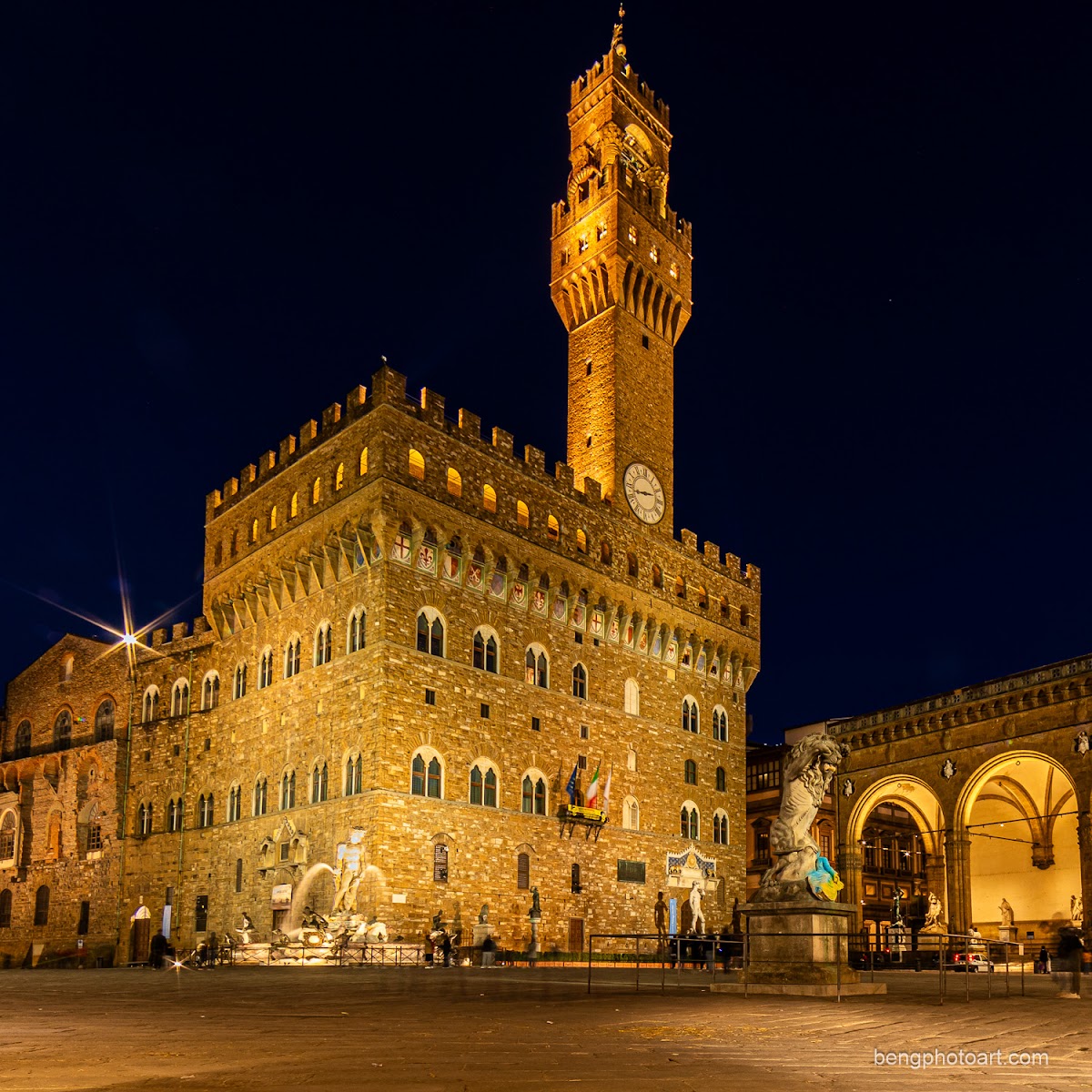
Palazzo Vecchio
P.za della Signoria, 50122 Firenze FI
Palazzo Vecchio is a fortified 13th-century palace located in Piazza della Signoria, just 0.24 km from Florence's city center. The palace features lavishly decorated chambers and ornate courtyards that visitors can explore. With a rating of 4.7 out of 5 from over 26,000 reviews, it stands as a major historical landmark and museum attraction in Florence.
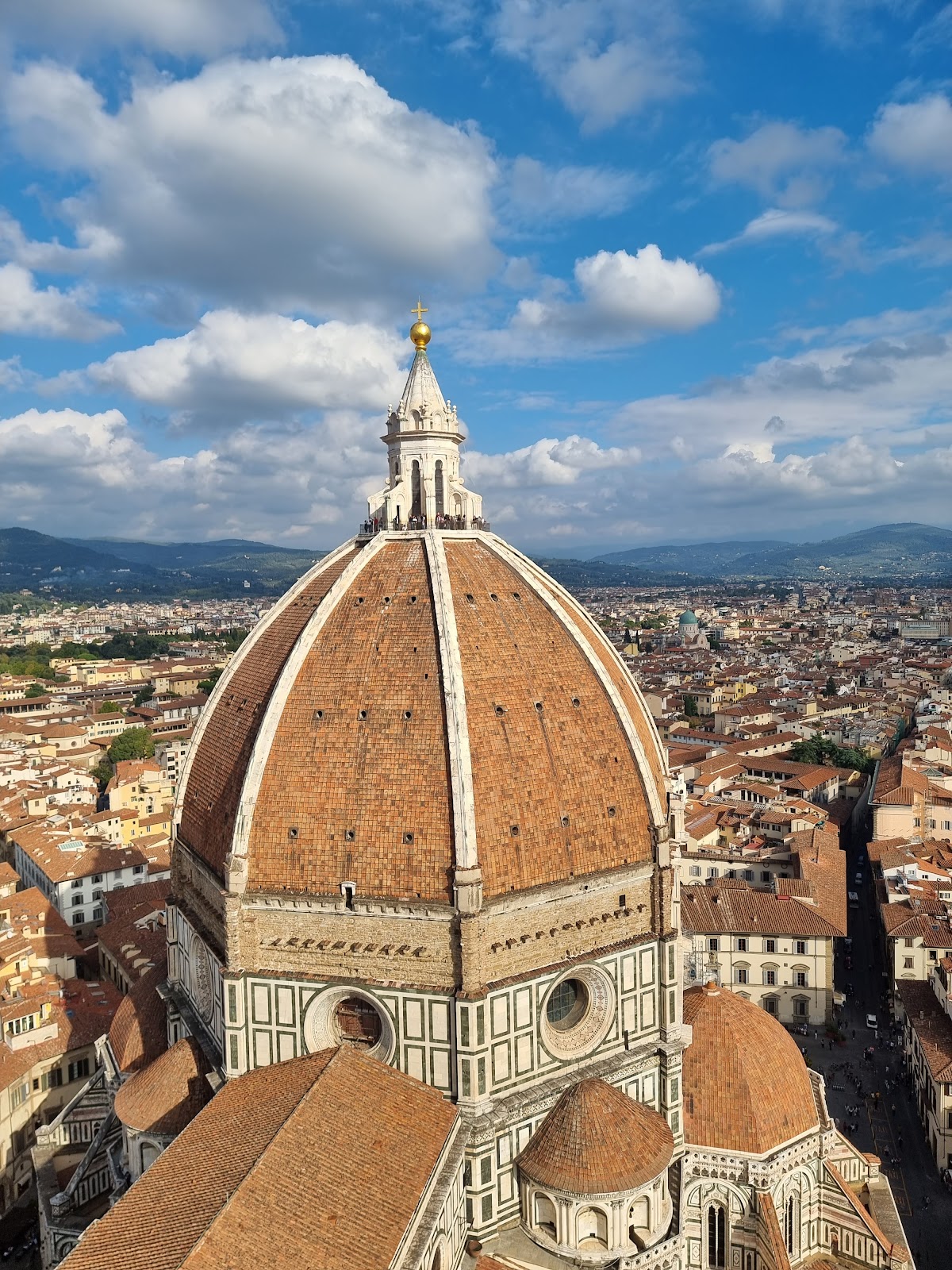
Brunelleschi's dome
Piazza del Duomo, 50122 Firenze FI
Brunelleschi's dome is an iconic Renaissance cathedral dome designed in the 15th century by Filippo Brunelleschi, located in Piazza del Duomo. This historical landmark is situated just 0.2 kilometers from Florence's city center and has a rating of 4.8 out of 5 based on over 12,000 visitor reviews.
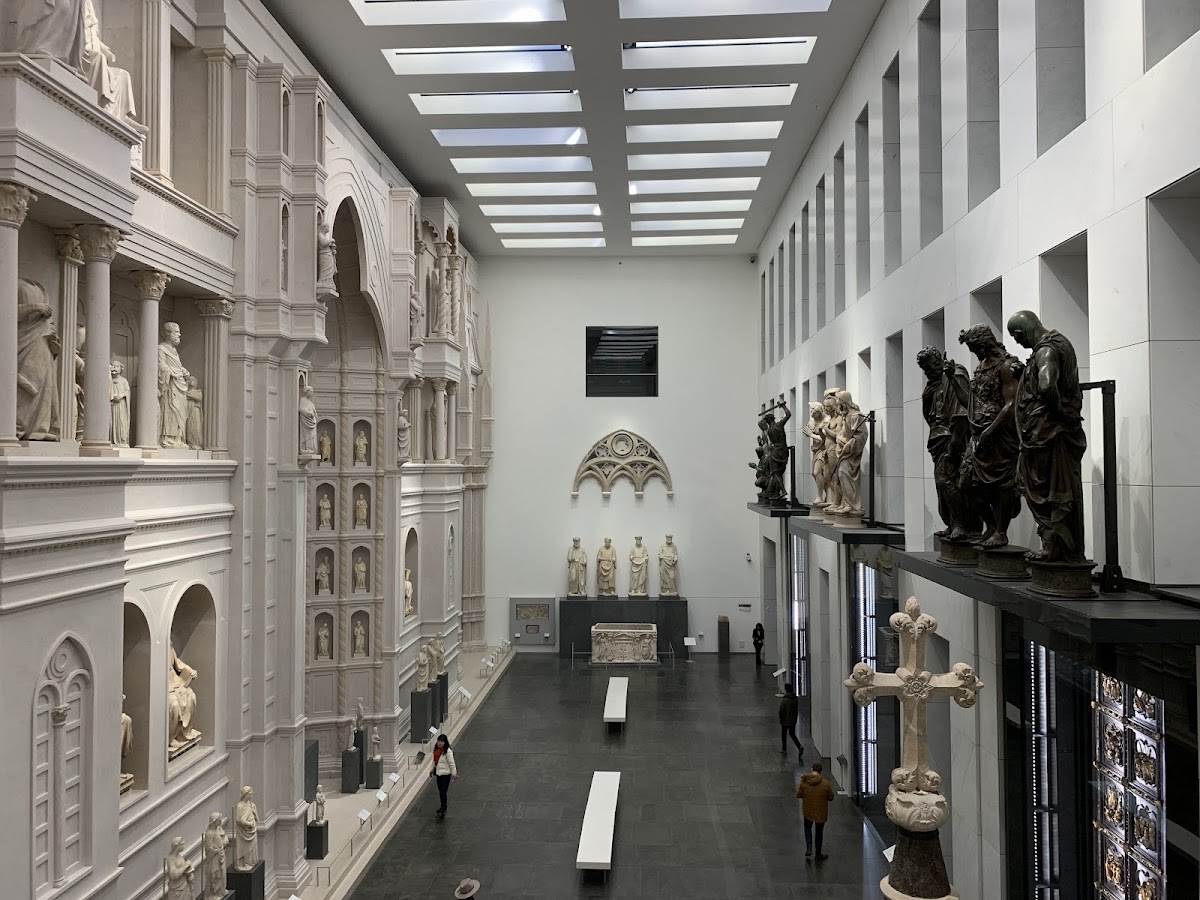
Opera del Duomo Museum
Piazza del Duomo, 9, 50122 Firenze FI
The Opera del Duomo Museum houses statues by Michelangelo and Donatello, along with bronze-gilded baptistery panels, displayed within a restoration center. Located just 0.25 km from Florence's city center at Piazza del Duomo, this art museum offers visitors access to significant Renaissance sculptural works.
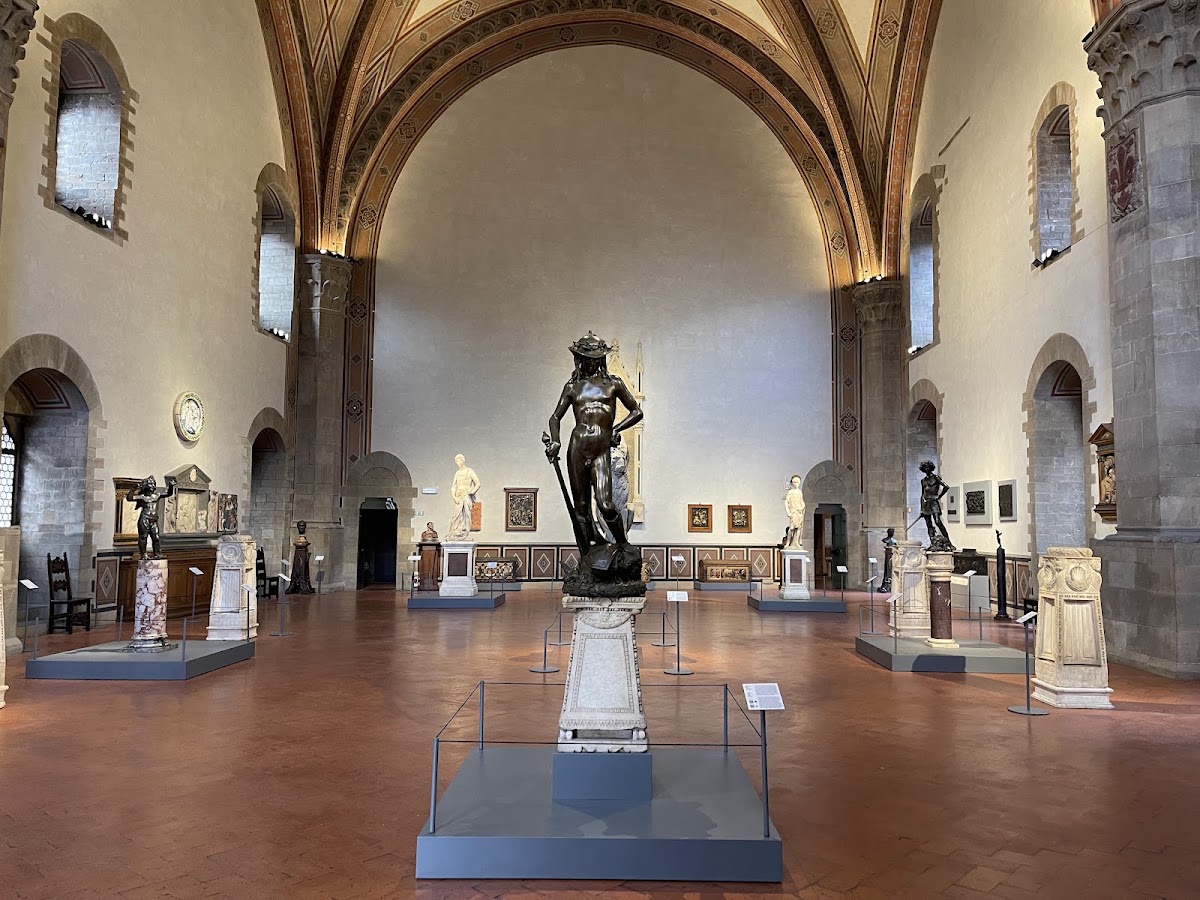
Museo Nazionale del Bargello
Via del Proconsolo, 4, 50122 Firenze FI
Museo Nazionale del Bargello is an art museum housed in a 13th-century palace featuring Renaissance sculptures, including works by Michelangelo. Located just 0.19 km from Florence's city center on Via del Proconsolo, it holds a 4.7 rating based on nearly 9,200 visitor reviews.
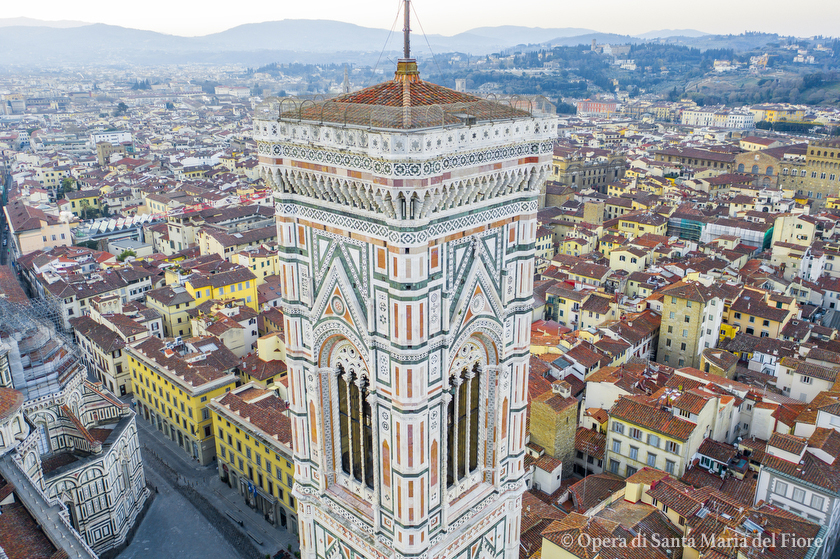
Giotto's Bell Tower
Piazza del Duomo, 43°46'22"N 11°15'20"E, 50122 Firenze FI
Giotto's Bell Tower is a celebrated Gothic tower clad in red, green and white marble located in Piazza del Duomo. Visitors can climb the steps to reach a terrace offering views of the city.
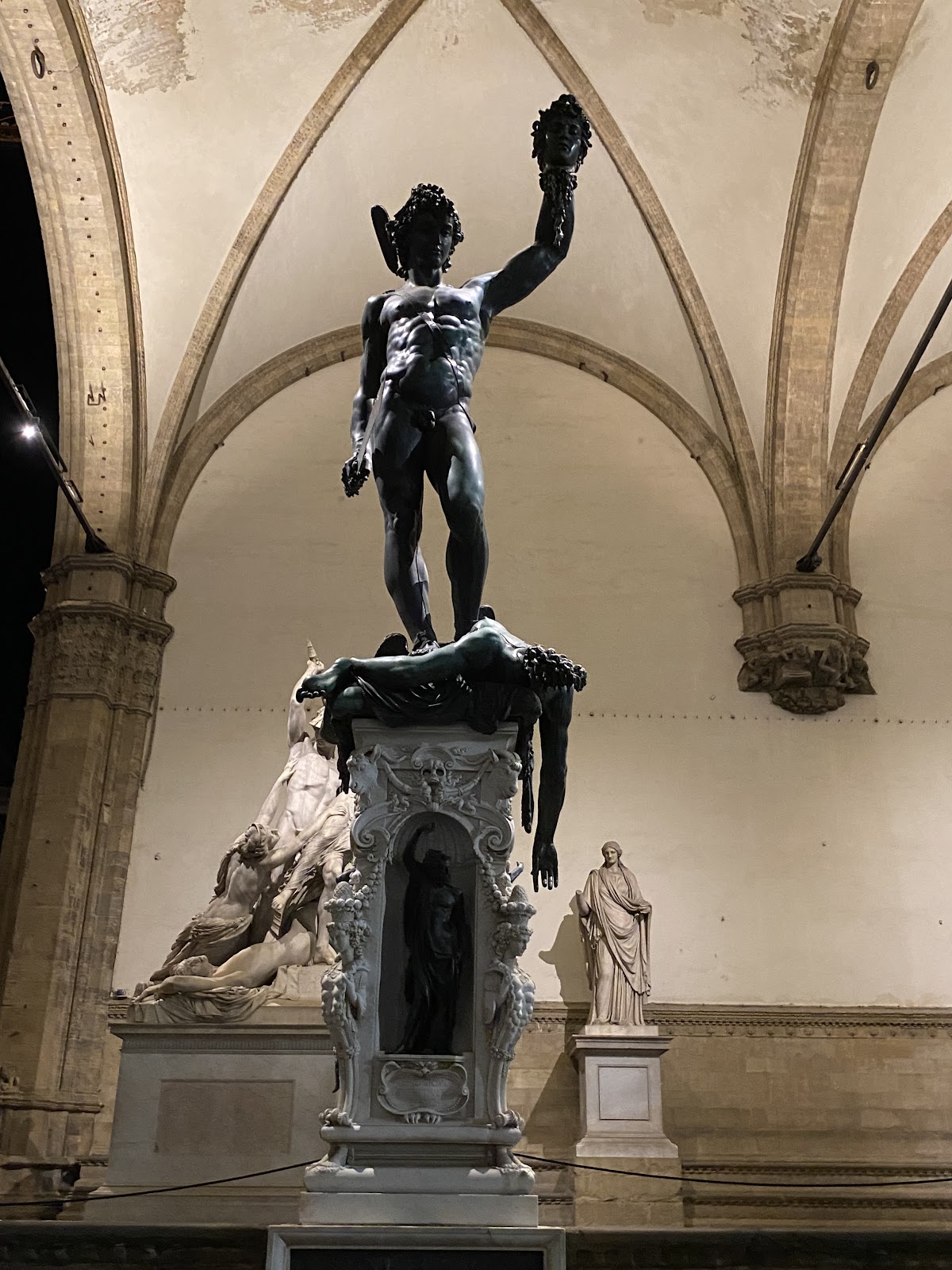
Loggia dei Lanzi
P.za della Signoria, 50121 Firenze FI
The Loggia dei Lanzi is a 14th-century ceremonial building featuring wide arches and serves as an open-air gallery of Renaissance sculpture. Located in Piazza della Signoria, it is just a short walk from Florence's city center.
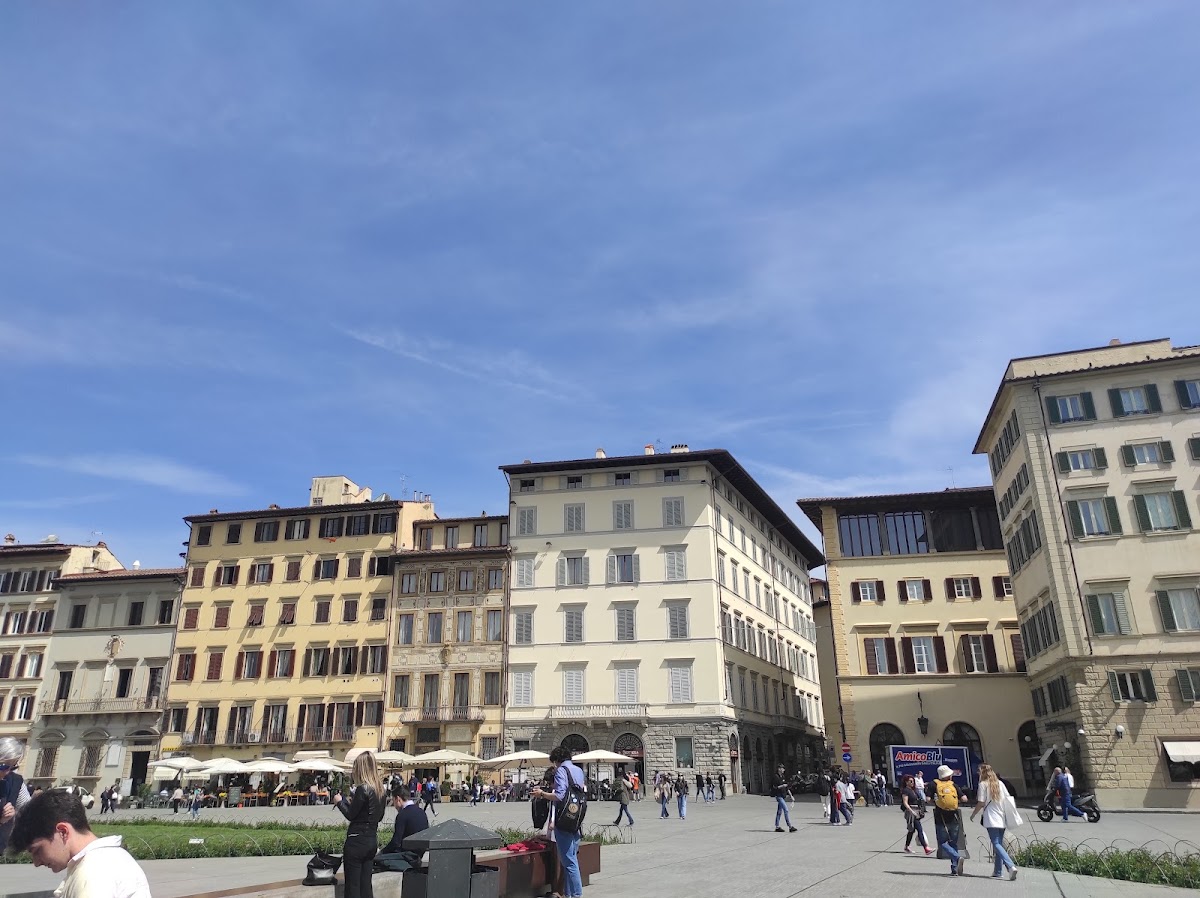
Hotel Pensione Ferretti
HotelVia delle Belle Donne, 17, 50123 Firenze FI
Hotel Pensione Ferretti is a family-run hotel located in a 17th-century property on Via delle Belle Donne, just 0.5 km from Florence's city center. The hotel offers complimentary continental breakfast and Wi-Fi to its guests.
Check prices on Booking.com for Hotel Pensione Ferretti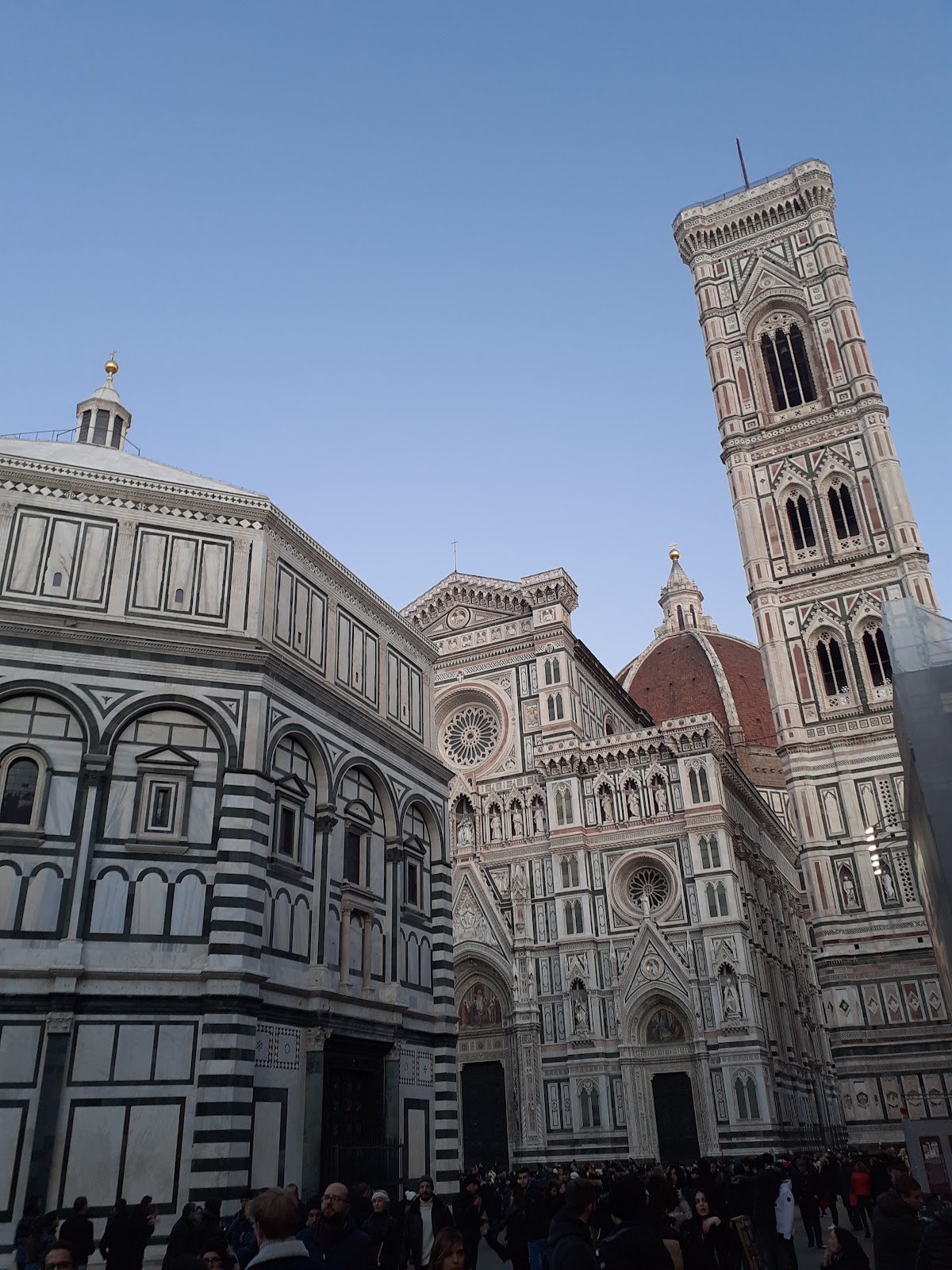
Academy Hostel Florence
HostelVia Ricasoli, 9, 50122 Firenze FI
Academy Hostel Florence is a straightforward hostel located just 0.3 km from Florence's city center on Via Ricasoli. The property offers mixed-gender dorms and features a communal lounge, plus provides breakfast and Wi-Fi access to guests.
Check prices on Booking.com for Academy Hostel Florence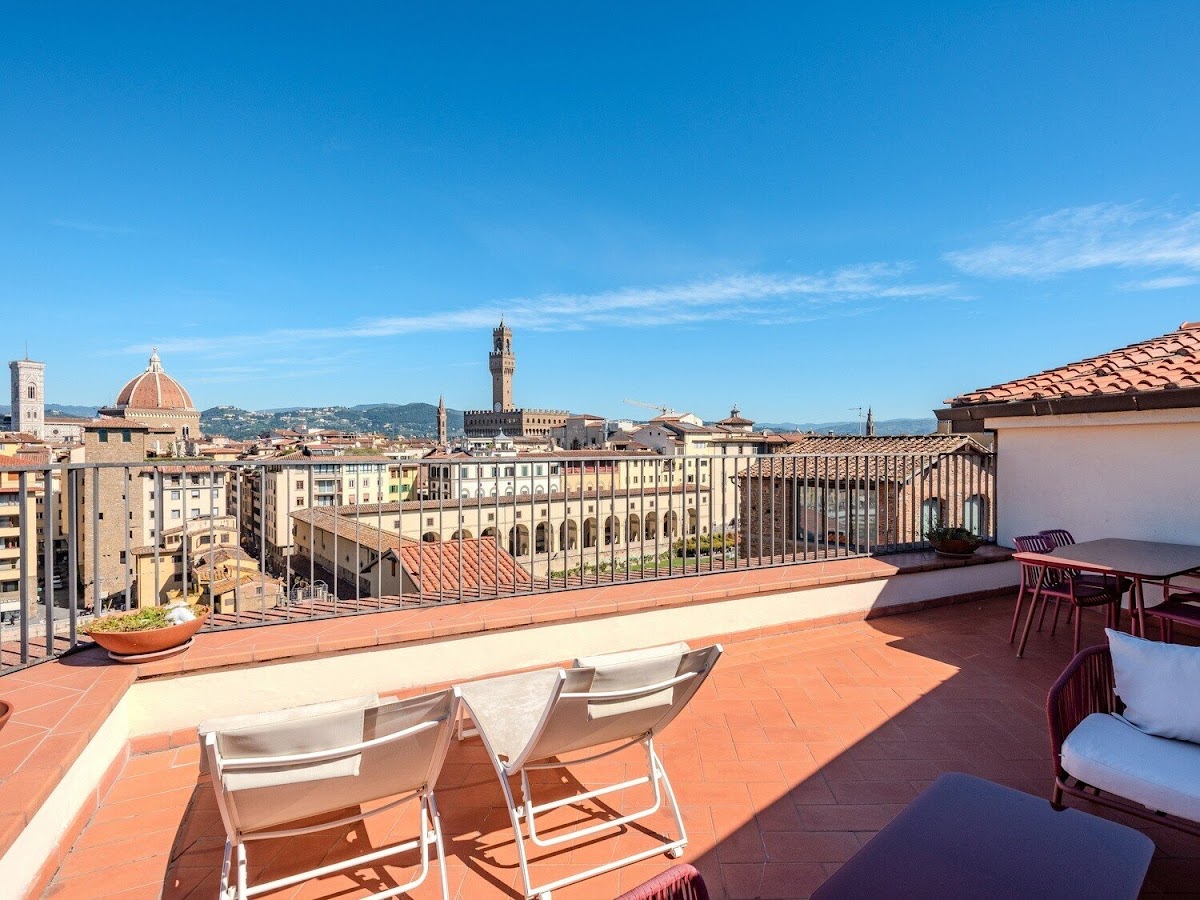
Hotel Pitti Palace al Ponte Vecchio
HotelBorgo San Iacopo, 3/R, 50125 Firenze FI
Hotel Pitti Palace al Ponte Vecchio is a casual hotel located in a medieval building on Borgo San Iacopo, just 0.5 km from Florence's city center. The hotel features a rooftop wine bar and cafe, along with free Wi-Fi and breakfast for guests. With a rating of 4.7 out of 5 from over 4,200 reviews, it offers a convenient base for exploring Florence's historic center.
Check prices on Booking.com for Hotel Pitti Palace al Ponte Vecchio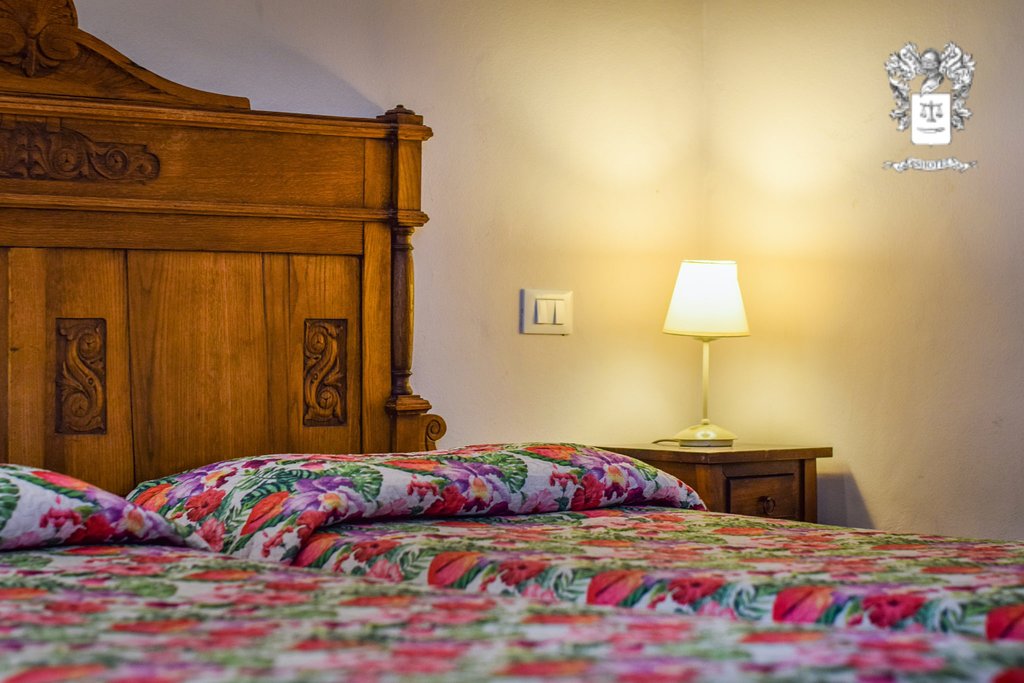
Hotel Medici
HotelVia dei Medici, 6, 50123 Firenze FI
Hotel Medici is a casual property located on Via dei Medici in central Florence, just 0.12 km from the city center. It offers simple rooms with cathedral views, a rooftop terrace and bar, and complimentary breakfast.
Check prices on Booking.com for Hotel Medici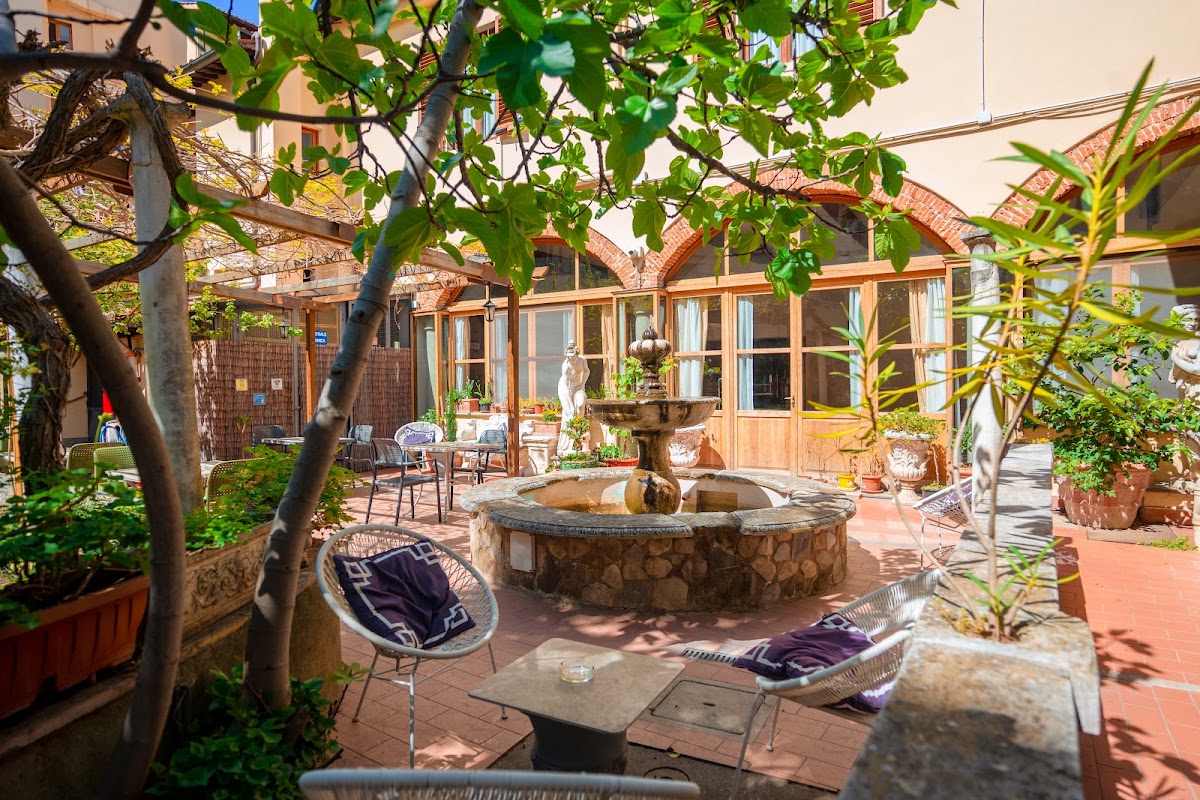
Hostel Archi Rossi
HostelVia Faenza, 94R, 50123 Firenze FI
Hostel Archi Rossi is a laid-back hostel located on Via Faenza, less than a kilometer from Florence's city center. It offers simple rooms and dormitory accommodations with complimentary Wi-Fi and breakfast included. The hostel has a rating of 4.4 stars based on over 1,000 guest reviews.
Check prices on Booking.com for Hostel Archi Rossi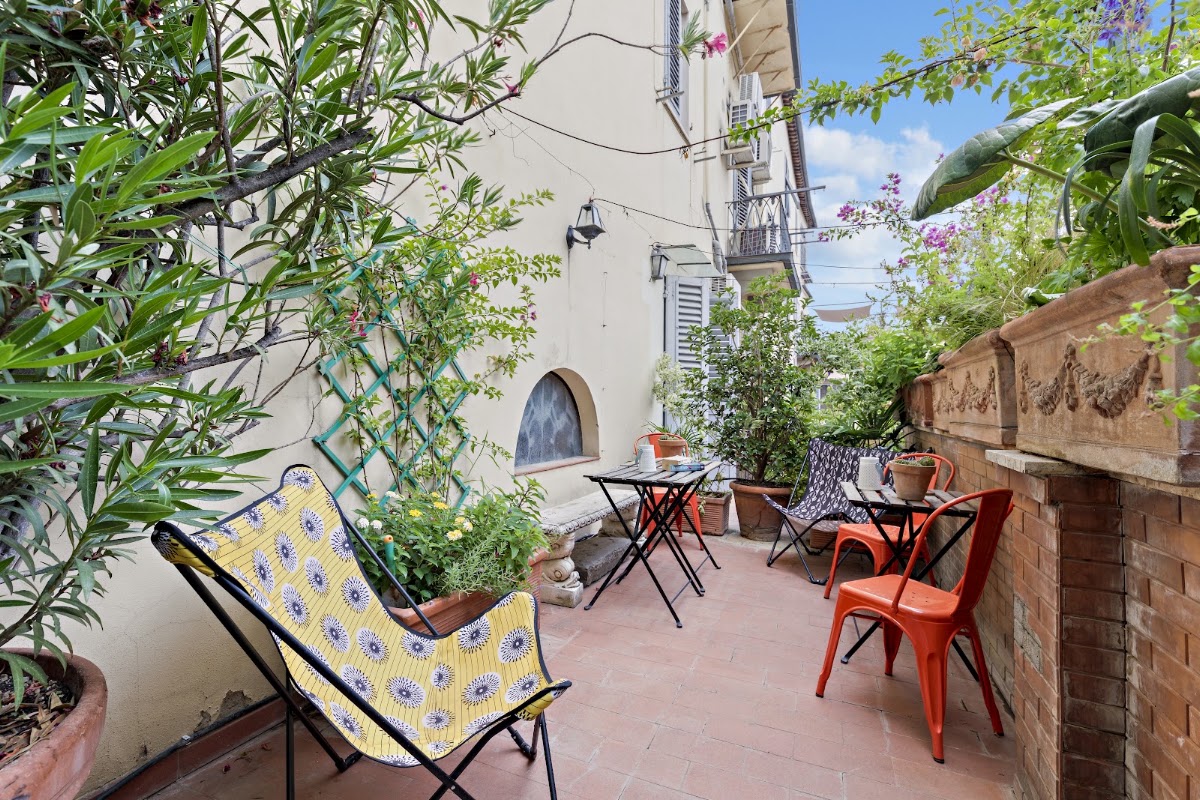
Ostello Bello Firenze - Hostel and Bar
HostelVia Faenza, 56, 50123 Firenze FI
Ostello Bello Firenze is an informal hostel located on Via Faenza with a guest kitchen, lobby bar, terrace, and music room. The venue operates as a hostel, pub, bar, and live music venue combined in one location, situated less than one kilometer from Florence's city center.
Check prices on Booking.com for Ostello Bello Firenze - Hostel and Bar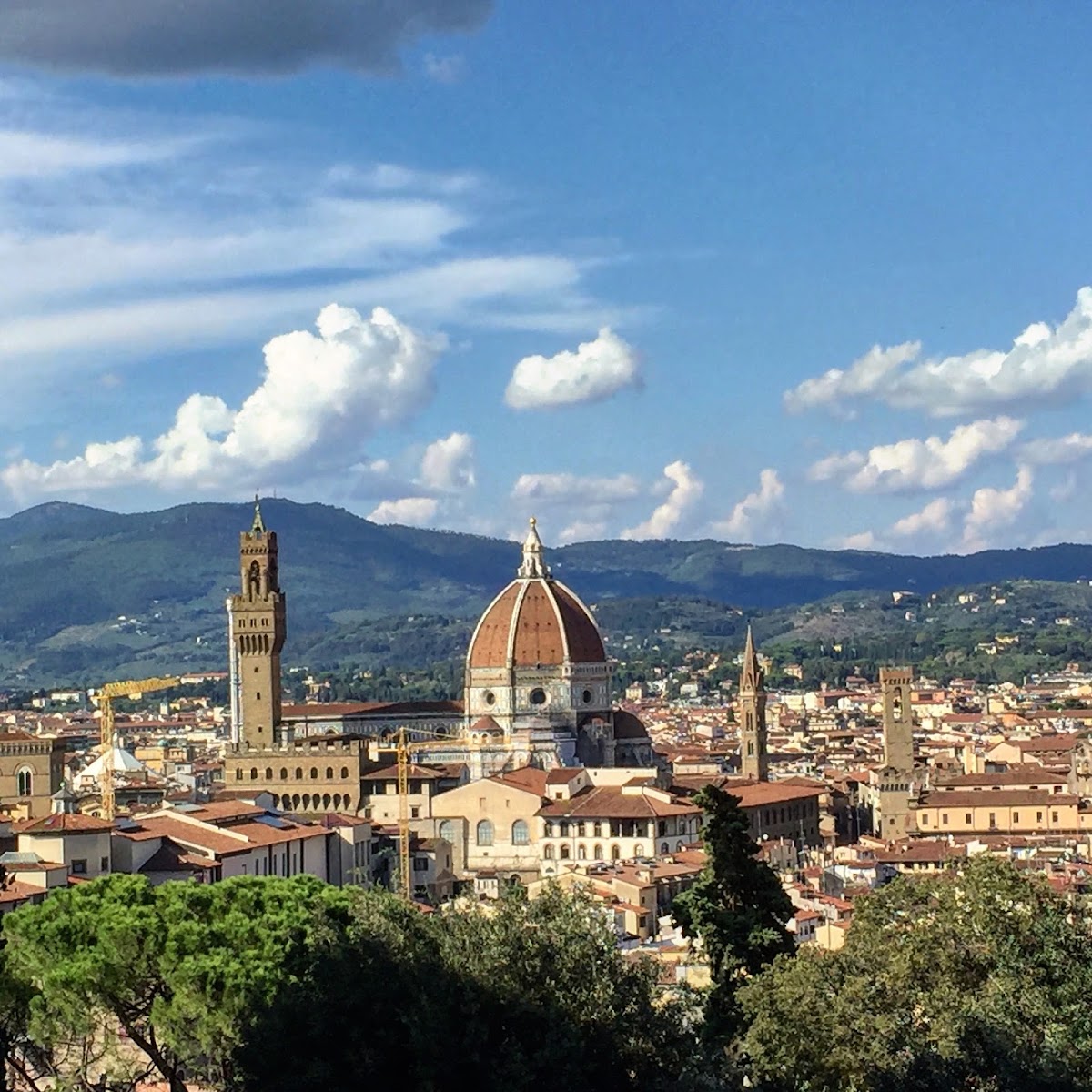
Santa Monaca Hostel
HostelVia Santa Monaca, 6, 50124 Firenze FI
Santa Monaca Hostel is a relaxed property located in a 1400s building in Florence, offering colorful dorms and private rooms alongside a shared kitchen. Situated less than 1 km from the city center on Via Santa Monaca, it provides budget-friendly accommodation options for travelers.
Check prices on Booking.com for Santa Monaca Hostel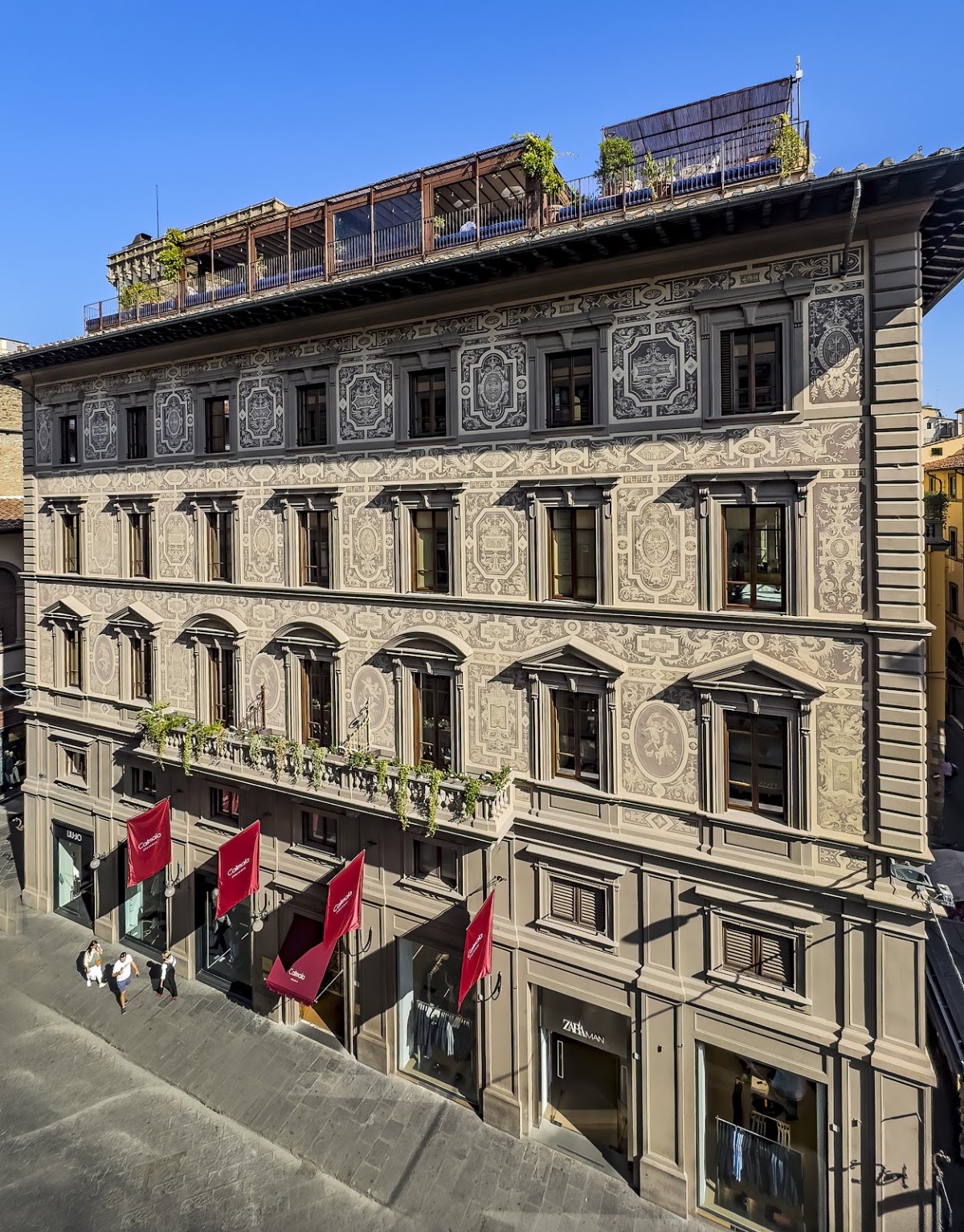
Hotel Calimala Florence
HotelVia dei Lamberti, 5, 50123 Firenze FI
Hotel Calimala Florence is an upmarket hotel located in a 1500s palazzo on Via dei Lamberti, just 0.2 km from Florence's city center. The hotel features refined rooms, a gym, and a rooftop restaurant and bar. With a rating of 4.8 out of 5 from over 1000 guests, it offers a luxurious stay in a historic building.
Check prices on Booking.com for Hotel Calimala Florence
Dal Vinaio
ItalianPrice $$Rated 4.8Via Vacchereccia, 10r, 50122 Firenze FI
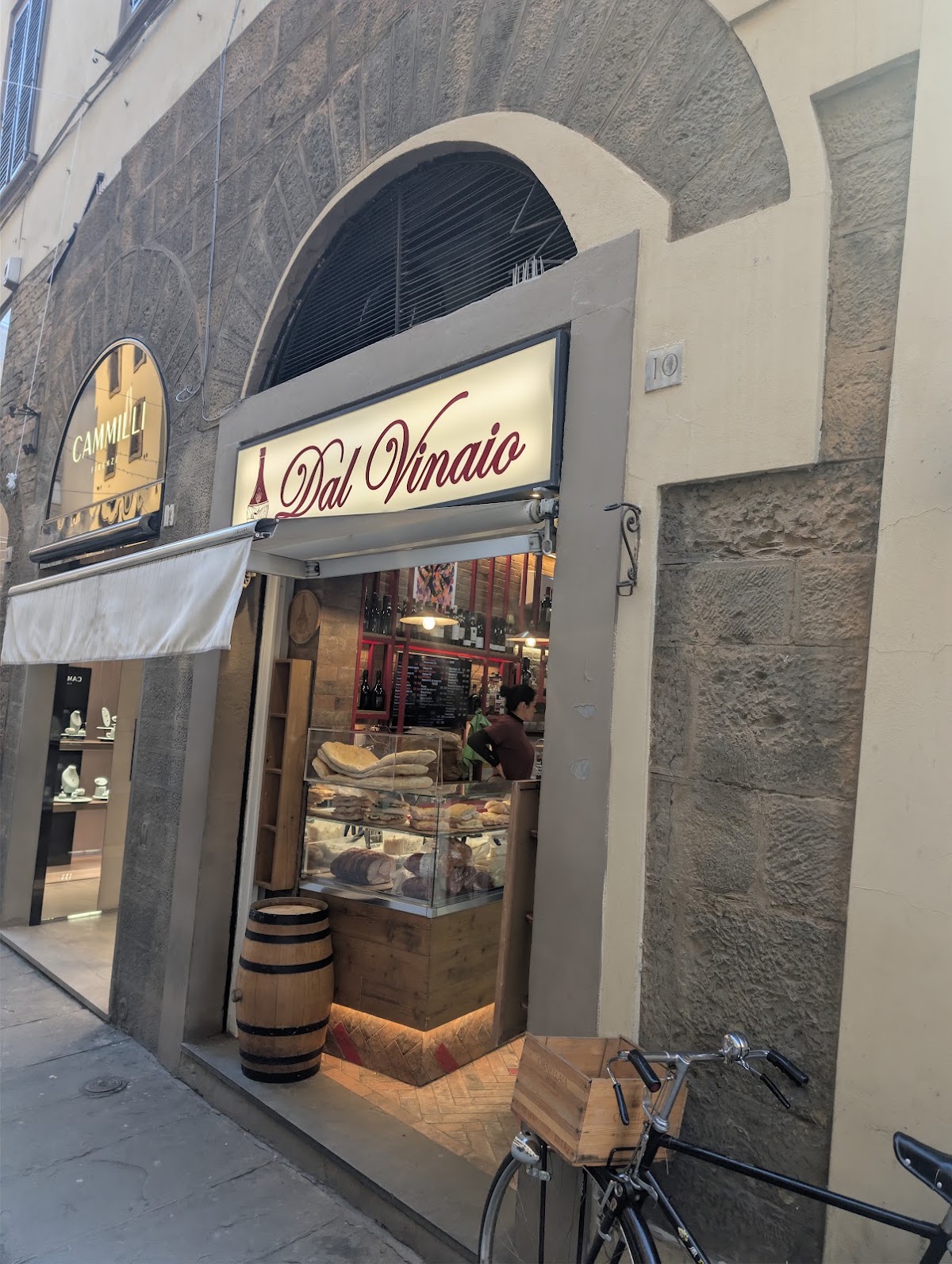
Dal Vinaio is an Italian restaurant located on Via Vacchereccia in central Florence, just 0.23 km from the city center. With a rating of 4.8 stars from 916 reviews, it offers moderately priced dining options.
Trattoria Dalloste
BarbecuePrice $$$Rated 4.7Borgo S. Lorenzo, 31, 50121 Firenze FI
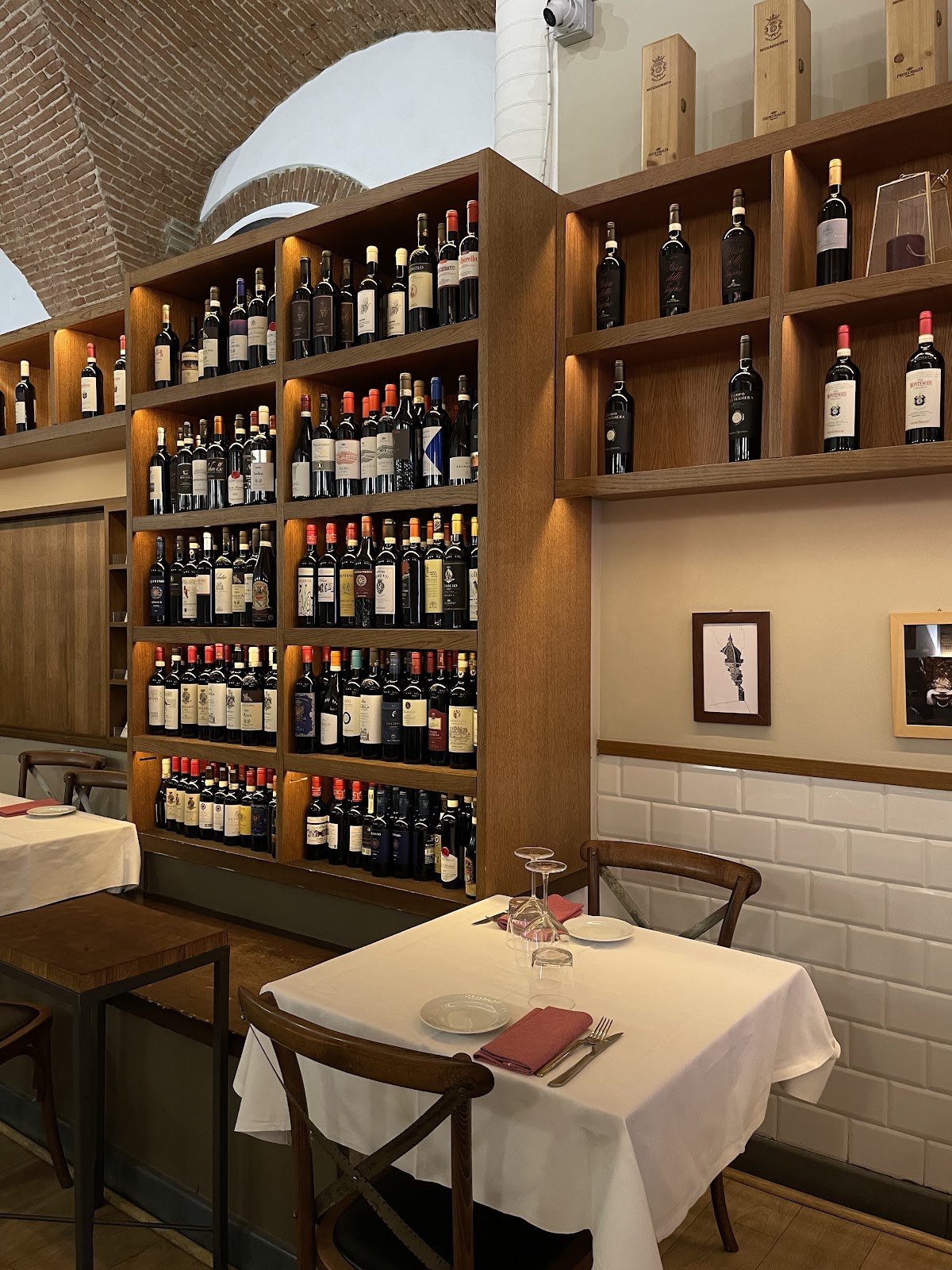
Trattoria Dalloste is a steak house located on Borgo S. Lorenzo, just 0.3 km from Florence's city center. With a 4.7-star rating from nearly 30,000 reviews, it offers Italian and European cuisine at a moderate price level.
RISTORANTE IL BONGUSTO
BarbecuePrice $$Rated 4.7Via Giuseppe Verdi, 16/r, 50122 Firenze FI
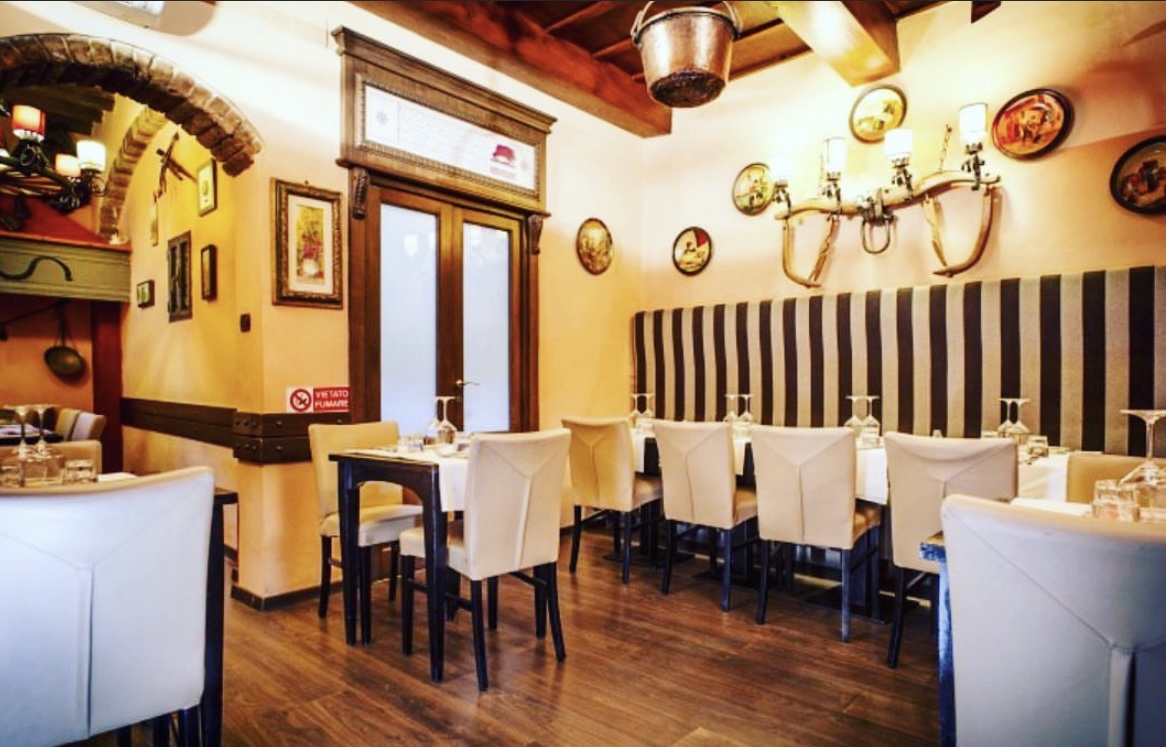
Ristorante Il Bongusto is a relaxed, art-filled steakhouse located on Via Giuseppe Verdi in central Florence, just 0.45 km from the city center. The restaurant specializes in regional Italian classics including pasta and Florentine steak, with a moderate price level. It holds a strong rating of 4.7 stars from over 2,000 reviews.
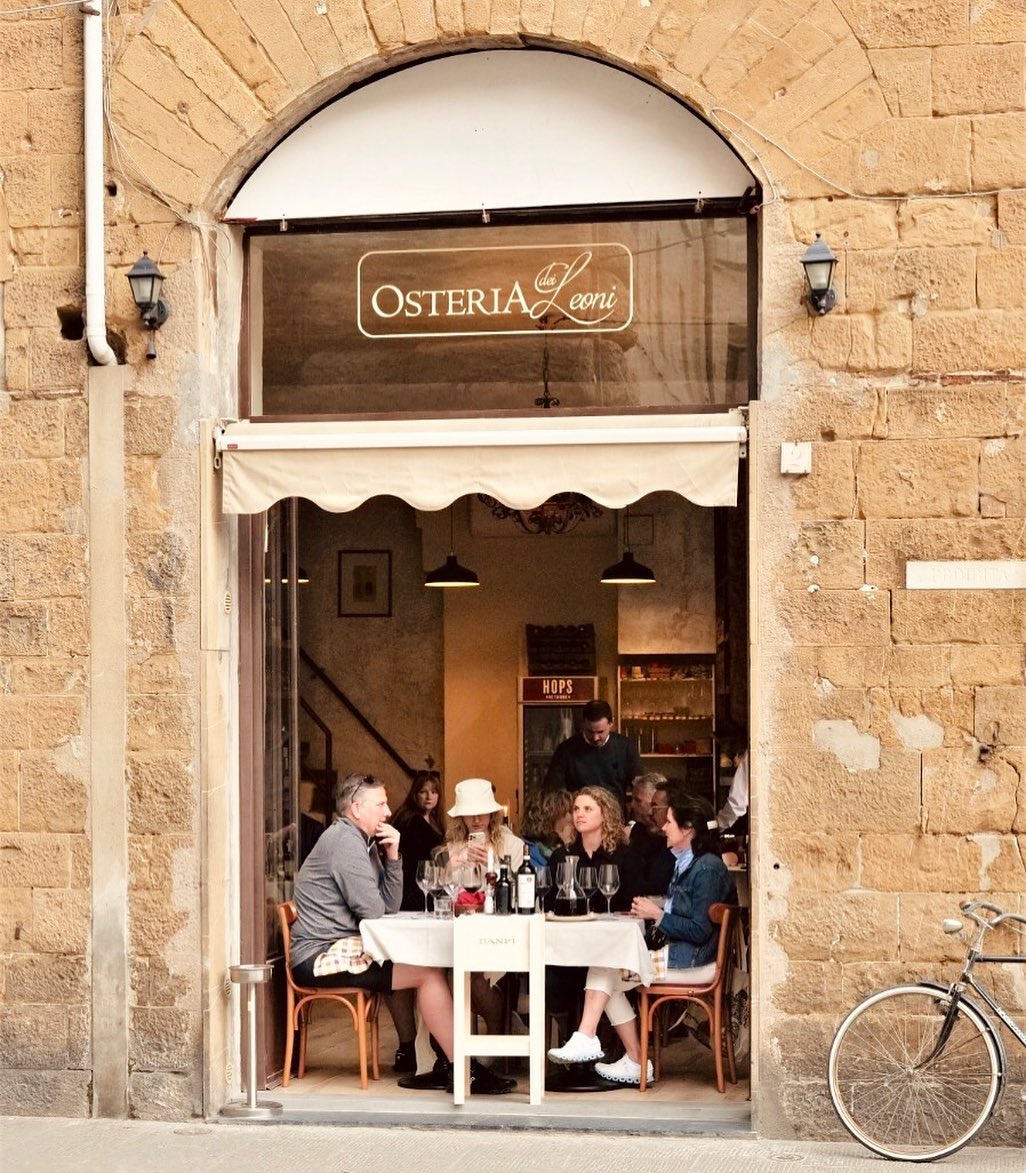
Osteria dei Leoni Firenze
ItalianPrice $$$Rated 4.7Via dei Leoni, 2r, 50122 Firenze FI
Osteria dei Leoni Firenze is an Italian restaurant located on Via dei Leoni, just 0.32 km from Florence's city center. With a rating of 4.7 stars from 1,370 reviews, it offers European cuisine at a moderate price level.
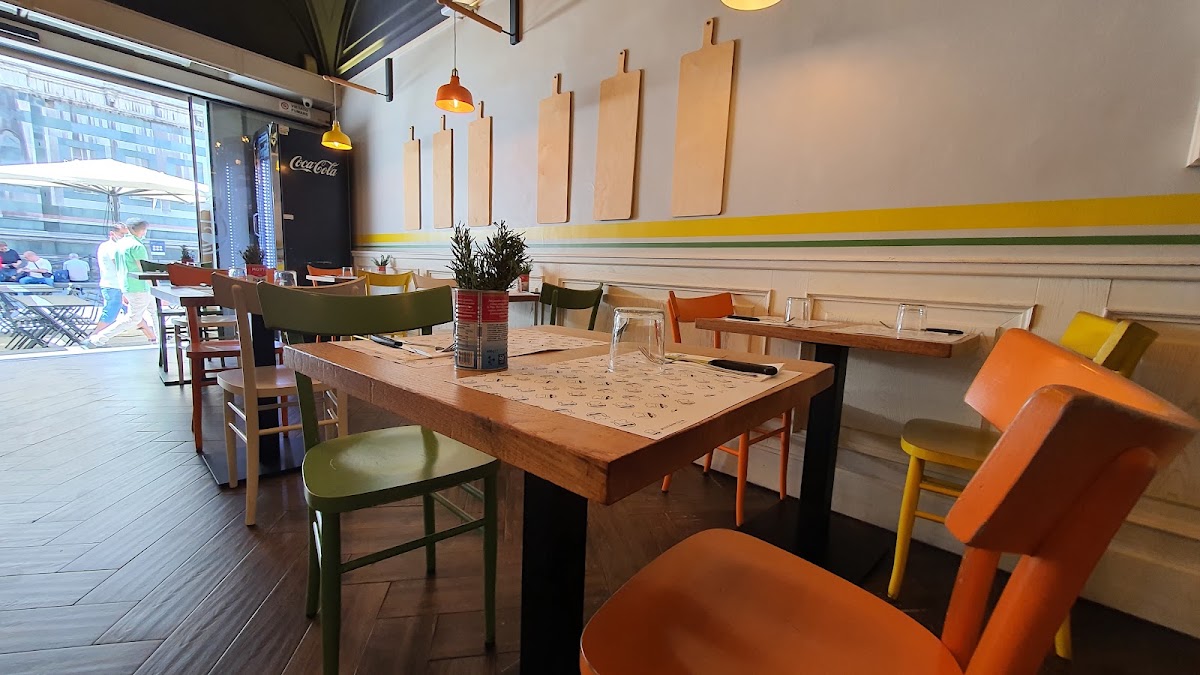
Mister Pizza
PizzaPrice $$Rated 4.6Piazza del Duomo, 5r, 50122 Firenze FI
Mister Pizza is a pizza restaurant located on Piazza del Duomo in central Florence, just 0.23 km from the city center. The venue offers vegan and vegetarian pizza options alongside traditional Italian pizza, with pizza delivery and meal delivery services available. With a 4.6-star rating from over 13,000 reviews, it is a moderately priced dining option in the heart of the city.
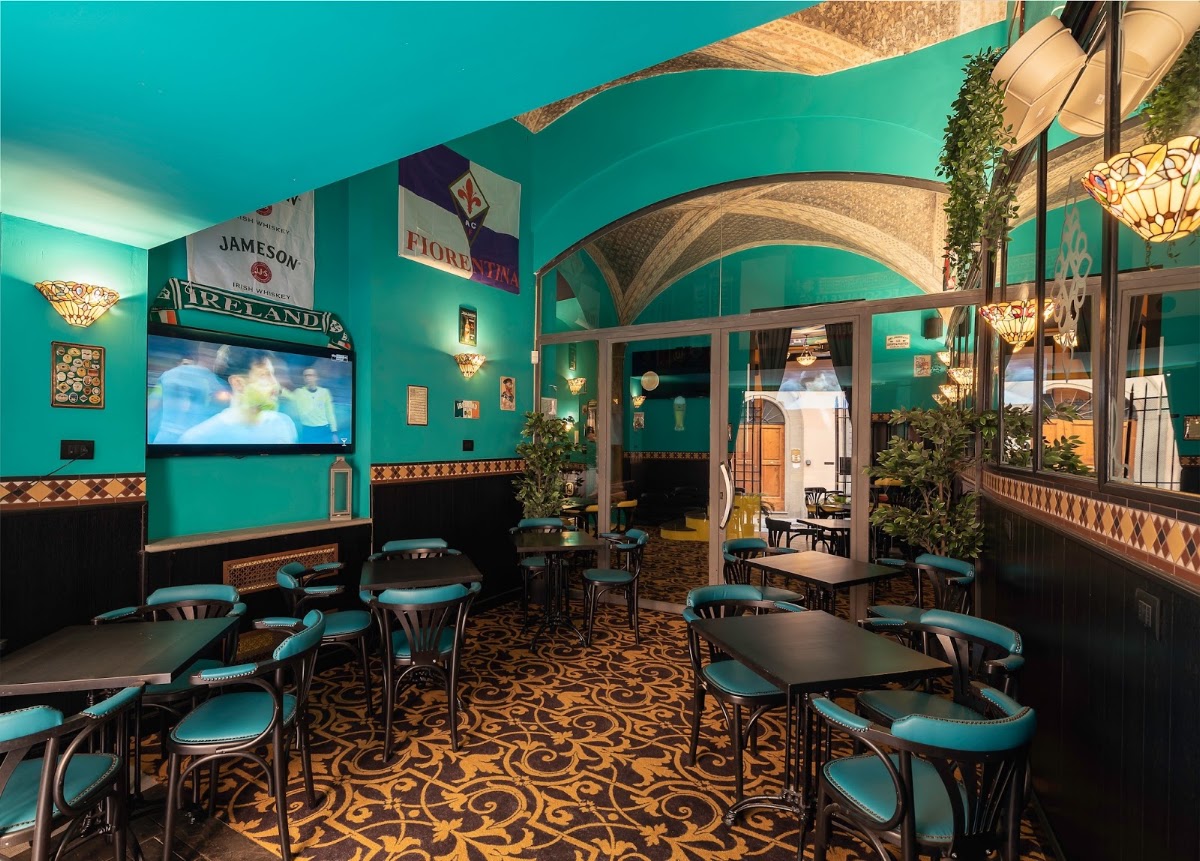
Fitzpatrick's Irish Pub & Restaurant
Price $$Rated 4.5Via Ghibellina, 152r, 50122 Firenze FI
Fitzpatrick's Irish Pub & Restaurant is located on Via Ghibellina in central Florence, just 0.35 km from the city center. This Irish pub serves as both a restaurant and bar, offering European cuisine with an Irish focus. With a 4.5-star rating from 897 reviews and moderate pricing, it provides a casual dining option in the heart of the city.
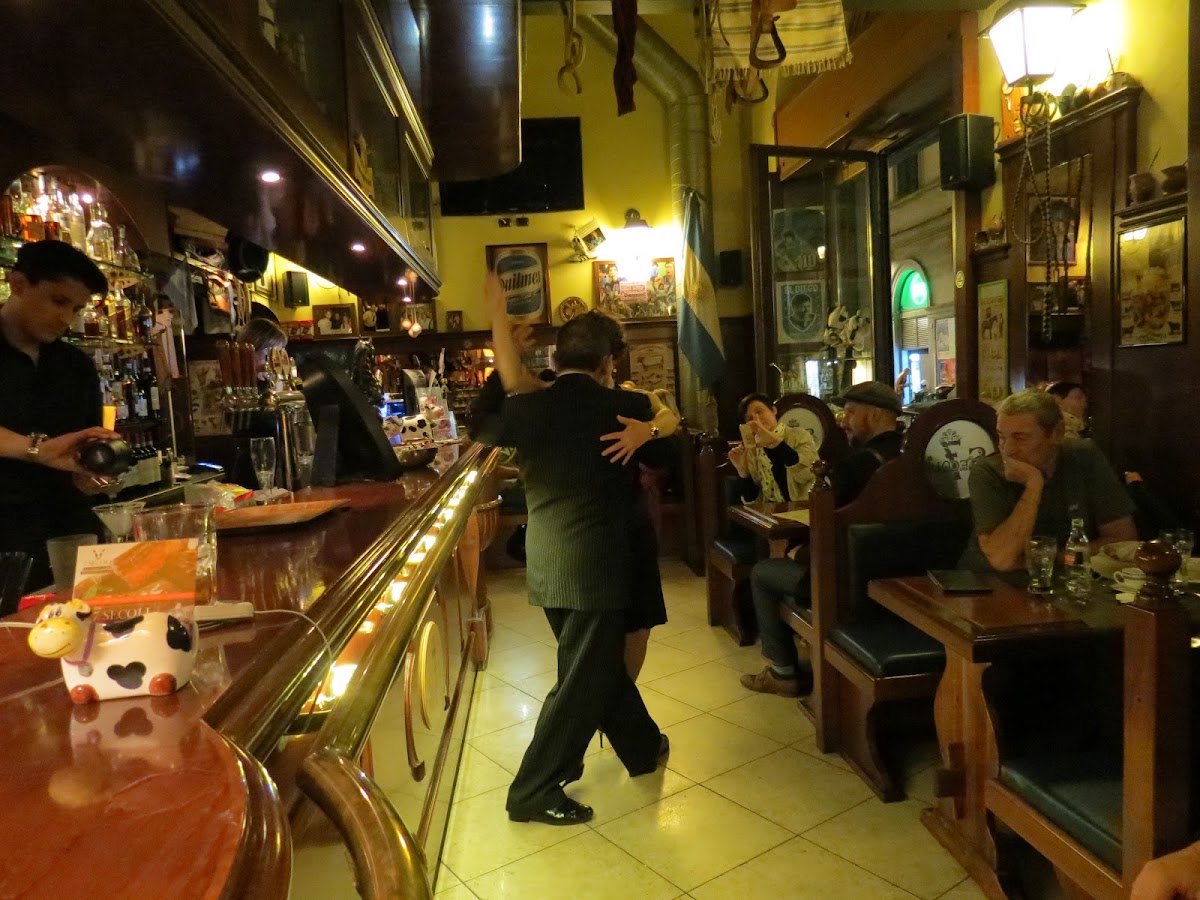
Ristorante Argentino 7 Secoli
Price $$Rated 4.4Via Ghibellina, 140r, 50122 Firenze FI
Ristorante Argentino 7 Secoli is an Argentinian restaurant located on Via Ghibellina in central Florence, just 0.39 km from the city center. The nostalgic venue serves Argentinian specialties with vegetarian options available, and also functions as a brewpub and bar. With a rating of 4.4 out of 5 from 554 reviews, it offers mid-range pricing.
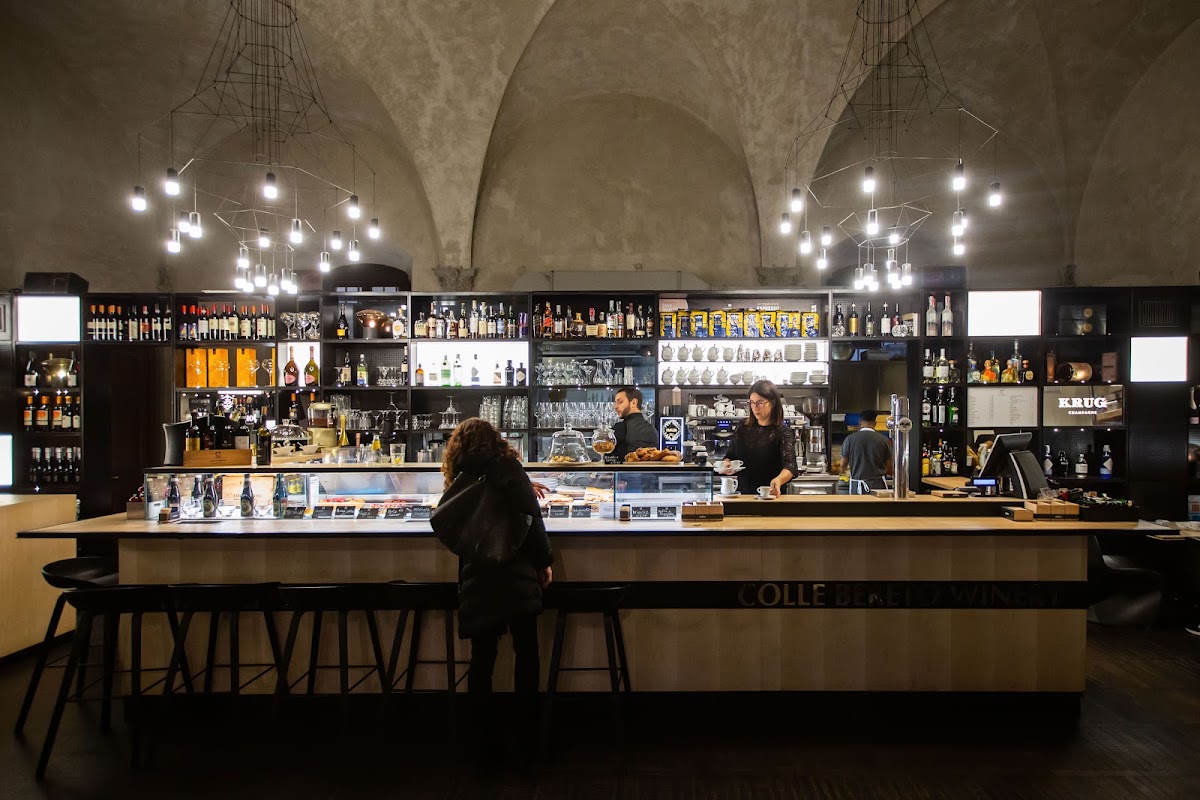
Colle Bereto
Price $$Rated 4.0Piazza degli Strozzi, 5, 50123 Firenze FI
Colle Bereto is a sophisticated restaurant and cocktail bar located on Piazza degli Strozzi, just 0.3 km from Florence's city center. The venue features seasonally inspired dishes and cocktails, with a veranda overlooking the piazza. It also offers catering services and operates as a coffee shop and cafe.
What things cost in Florence
Typical prices. Estimates only: prices vary by season and neighborhood.
| Hostel dorm bedTypically 25-60 EUR. Per bed in a shared dorm, higher in summer. | €25 – €60 |
|---|---|
| Budget hotel roomTypically 70-130 EUR. Simple double room; prices rise sharply in peak season. | €70 – €130 |
| Mid-range hotel roomTypically 130-260 EUR. Comfortable central hotel double, varying widely by season. | €130 – €260 |
| Luxury hotel roomTypically 350-800 EUR. High-end and historic properties, with peak-season rates often higher. | €350 – €800 |
| CoffeeTypically 1-3 EUR. Espresso at the bar is cheaper than sitting at a table in tourist areas. | €1.00 – €3.00 |
|---|---|
| Local beerTypically 4-7 EUR. Draught beer in a bar; prices are higher in central squares. | €4.00 – €7.00 |
| Street food snackTypically 4-10 EUR. Sandwiches such as panini or lampredotto from stalls and small shops. | €4 – €10 |
| Budget mealTypically 10-18 EUR. Simple trattoria or pizzeria meal, often with a cover charge. | €10 – €18 |
| Groceries (per day)Typically 15-30 EUR. Basic supermarket and market food for one person. | €15 – €30 |
| Mid-range mealTypically 25-50 EUR. Per person for a sit-down dinner with a drink at a typical restaurant. | €25 – €50 |
| Fine diningTypically 80-200 EUR. Per person for a tasting menu or high-end restaurant. | €80 – €200 |
| Public transport rideTypically 1-3 EUR. Single bus or tram ride within the city. | €1.00 – €3.00 |
|---|---|
| Short taxi rideTypically 8-15 EUR. Short trip within the centre; extra charges apply at night and for luggage. | €8 – €15 |
| Bike rental (per day)Typically 15-30 EUR. Standard city bike; electric bikes cost more. | €15 – €30 |
| Museum entryTypically 8-30 EUR. Ranges from smaller museums to the major galleries; booking ahead may add a fee. | €8 – €30 |
|---|---|
| Guided walking tourTypically 15-50 EUR. Group tours of the centre; private and specialist tours cost more. | €15 – €50 |
| Day trip tourTypically 50-130 EUR. Organised excursions to places like Siena, San Gimignano or Chianti. | €50 – €130 |
Essentials
Practical things to know before you arrive in Florence.
When to go
April to early June and September to October offer the most pleasant weather for walking the city, though these months are also busy.
- Peak: June-August
- Shoulder: April-May, September-October
- Low: November-March
Getting around
The historic centre is compact and best explored on foot; most major sights lie within a short walk of the Duomo. Much of the centre is a limited traffic zone (ZTL) closed to non-resident vehicles, so driving there is best avoided and can lead to fines. Buses serve areas beyond the centre such as Fiesole and Piazzale Michelangelo, and a tram network connects the main station with parts of the suburbs and the airport area. Taxis are available at ranks and by phone.
Florence Airport (Amerigo Vespucci) is close to the city and linked to the centre by tram, shuttle bus and taxi. Pisa's Galileo Galilei Airport is also used by many visitors, with train and bus connections. Santa Maria Novella is the main railway station, with high-speed and regional trains to Rome, Bologna, Venice, Pisa, Siena area connections and other Tuscan towns. Check current timetables and ticket rules before travelling, and validate regional tickets if required.
Where to stay
The historic centre around the Duomo, Piazza della Signoria and Santa Maria Novella is ideal for first-time visitors who want to walk everywhere, though it can be noisy and crowded. The area near Santa Maria Novella station is convenient for train travel and often has a wide range of options. Oltrarno, south of the river around Santo Spirito, has an artisan, more local feel with good restaurants and bars, and suits travellers who like a quieter, characterful base.
Santa Croce and San Lorenzo offer lively surroundings with markets and nightlife, while quieter residential areas such as those toward Fortezza da Basso or Campo di Marte suit those seeking calmer streets and easier road access. Staying just outside the centre can be practical for drivers and those on tighter budgets, provided there is good tram or bus access.
Money
The local currency is Euro (EUR).
Exchange rates
- 1 EUR = 1.138 USD (rate as of 2026-09-25)
Cash and cards
- Cards and contactless payments are widely accepted in hotels, shops and most restaurants, but small cafes, market stalls and some trattorias may prefer cash. It is useful to carry some small notes and coins.
- Standing at the bar for coffee is much cheaper than sitting at a table.
- Check the bill for coperto or service charge before adding a tip.
- Use ATMs attached to banks and decline any dynamic currency conversion offered when paying by card.
- Carry some coins for public toilets, small purchases and markets.
- Book major museums in advance to avoid long queues and last-minute price surges.
Taxes and tipping
- Tipping is not obligatory. Many restaurants add a cover charge (coperto) per person, and rounding up or leaving a few euros for good service is appreciated.
Language: Italian (Tuscan dialect influence)
English: English is widely spoken in hotels, restaurants and tourist sites. Outside the centre, in small trattorias and local shops, you may need a few Italian words.
- Good morning / Hello
- Buongiornobwon-JOR-no
- Good evening
- Buonaserabwon-a-SEH-ra
- Please
- Per favoreper fa-VOH-reh
- Thank you
- GrazieGRAH-tsee-eh
- You're welcome / Go ahead
- PregoPREH-go
- Excuse me (formal)
- ScusiSKOO-zee
- Do you speak English?
- Parla inglese?PAR-la in-GLAY-zeh
- I don't understand
- Non capisconon ka-PEES-ko
- The bill, please
- Il conto, per favoreeel KON-to per fa-VOH-reh
- Where is the station?
- Dov'è la stazione?do-VEH la sta-TSYO-neh
- A table for two
- Un tavolo per dueoon TAH-vo-lo per DOO-eh
- Goodbye
- Arrivederciar-ree-veh-DER-chee
More in Italy
This guide is for general reference. Check opening hours, prices and entry rules with official sources before you travel.