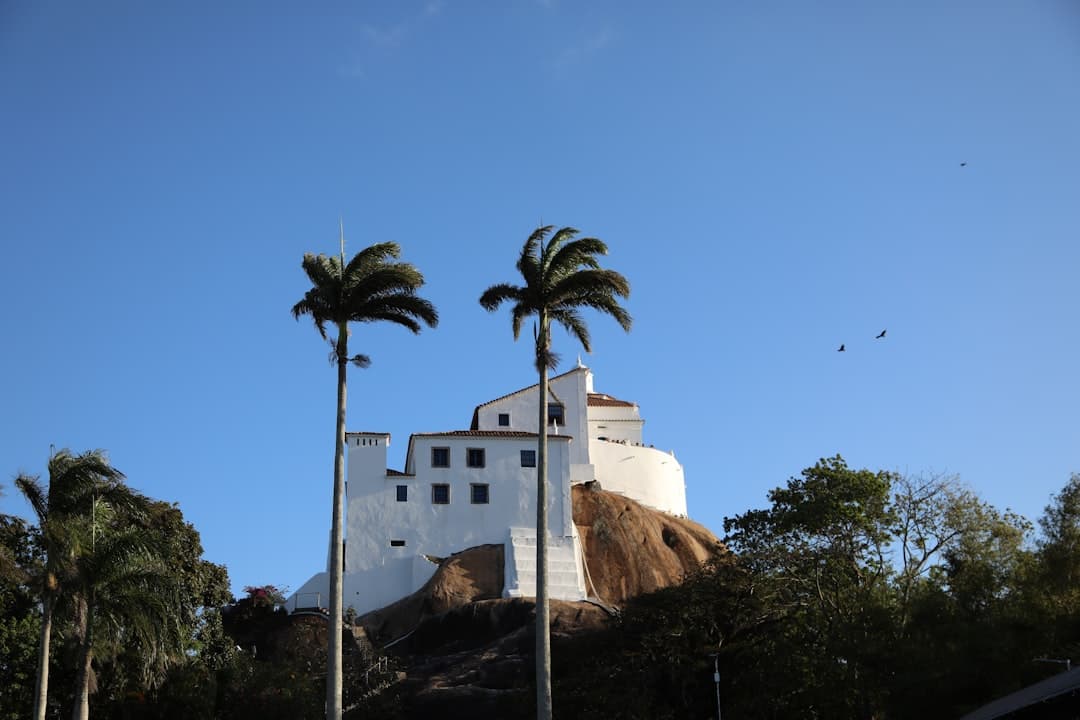
Praiano
A serene coastal gem nestled along the Amalfi Coast, Praiano offers breathtaking views, intimate Mediterranean charm, and a tranquil escape from the more crowded tourist destinations.
Praiano quick facts
- Best time to visit
- May-September
- Daily budget, mid-range
- €150-250
- Language
- Italian
- Currency
- Euro (EUR)
- Getting around
- Bus and ferry
- Suggested stay
- 3 days
About Praiano
Praiano is a picturesque village located between Positano and Amalfi, offering visitors an authentic and less commercialized experience of the stunning Amalfi Coast. Perched on steep cliffs overlooking the Tyrrhenian Sea, the town features traditional white-washed buildings, narrow winding streets, and spectacular panoramic views that capture the essence of Italian coastal beauty.
The village is characterized by its peaceful atmosphere and proximity to natural and cultural attractions. Visitors can explore beautiful churches, enjoy dramatic coastal hiking trails, and experience the local marine lifestyle. The town's elevated position provides stunning sunset views and allows travelers to appreciate the dramatic landscape of the Amalfi Coast.
Despite its small size, Praiano offers excellent access to surrounding attractions, with convenient connections to other famous Amalfi Coast towns. Its more relaxed environment makes it an ideal destination for travelers seeking a more genuine and less touristy experience of this renowned coastal region.
Known for
- Stunning coastal views
- Peaceful Mediterranean atmosphere
- Traditional Italian coastal architecture
- Proximity to hiking trails
- Beautiful marine landscapes
Food in Praiano
Praiano's culinary traditions are deeply rooted in the coastal cuisine of the Amalfi Coast, blending fresh seafood, local produce, and time-honored Mediterranean cooking techniques. The village's proximity to the sea heavily influences its gastronomic identity, with meals centered around fresh fish, locally grown lemons, and seasonal vegetables. Dining is a leisurely and social experience, with lunch typically served between 1-3 PM and dinner starting around 8-10 PM, reflecting the relaxed southern Italian approach to meals.
The local cuisine emphasizes simple, high-quality ingredients and traditional preparation methods passed down through generations. Families often gather for long, multi-course meals that celebrate local produce and seafood, with an emphasis on fresh, seasonal ingredients. Olive oil, tomatoes, and lemons from the surrounding terraced landscapes play a crucial role in most dishes, creating a distinctive flavor profile that captures the essence of the Amalfi Coast's culinary heritage.
History of Praiano
Praiano emerged as a small coastal settlement along the Amalfi Coast during the early medieval period, originally developing as a fishing and agricultural community under the maritime influence of the powerful Duchy of Amalfi. The town's strategic location on the rugged Campanian coastline allowed it to benefit from maritime trade and maritime economic activities while maintaining a degree of protection from inland threats.
During the height of the Amalfi Republic (9th-11th centuries), Praiano was part of a thriving coastal region known for its maritime prowess, trade networks, and sophisticated maritime code. The town's economy was primarily based on fishing, agriculture, and supporting the larger maritime infrastructure of the Amalfi Coast. Local families developed terraced agricultural systems on the steep coastal landscape, cultivating lemons, olives, and grapes, a practice that continues to define the region's agricultural character today. Throughout the centuries, Praiano remained a relatively small but resilient community, weathering invasions, economic shifts, and political changes while maintaining its distinct cultural identity rooted in maritime and agricultural traditions.
By the Renaissance and early modern periods, Praiano had become a quiet but picturesque coastal settlement, increasingly valued for its natural beauty and strategic coastal location. The town's architecture reflects its historical development, with traditional Mediterranean-style buildings, narrow streets, and a landscape that bears witness to centuries of human adaptation to the challenging coastal terrain. Today, Praiano retains much of its historical charm, attracting visitors who appreciate its authentic representation of traditional Amalfi Coast life and its rich maritime heritage.
Culture and etiquette
Praiano, a charming coastal village on Italy's Amalfi Coast, embodies a relaxed Mediterranean lifestyle deeply rooted in traditional Southern Italian culture. Social interactions are warm and personal, with a strong emphasis on family connections and community bonds. Locals value leisurely meals, afternoon conversations, and maintaining close relationships with neighbors and extended family members.
Daily life in Praiano revolves around a slower pace, with significant importance placed on enjoying moments and maintaining social connections. Meals are considered sacred social events, typically lasting several hours and involving multiple courses. Residents take pride in their local traditions, maritime heritage, and the stunning coastal landscape that defines their community.
DO'S: - Dress modestly, especially when visiting churches - Greet people with a handshake or kiss on both cheeks - Learn and use basic Italian phrases - Respect local dining etiquette - Appreciate slow-paced lifestyle - Enjoy aperitivo (pre-dinner drinks and snacks)
DON'TS: - Don't rush meals or interactions - Avoid loud or aggressive behavior - Don't wear beachwear outside beach areas - Don't tip excessively (10% is standard) - Don't be overly direct in communication - Avoid scheduling important meetings during lunch or siesta times
ADDITIONAL NOTES: - Dress code is generally smart-casual - Punctuality is flexible - Locals appreciate genuine interest in their culture - Small gestures of politeness are highly valued - Embrace the relaxed Mediterranean lifestyle
Things to do in Praiano
What to see, where to stay and where to eat.
Marina di Praia Coastal Exploration
2 hoursMarina di Praia beach area
Discover Praiano's most beautiful beach, nestled between dramatic cliffs. Enjoy swimming, sunbathing, and exploring local seaside restaurants and hidden grottos.
Amalfi Coast Scenic Boat Tour
3 hoursPrice $$Praiano coastal waters
Cruise along the stunning Amalfi coastline, experiencing breathtaking views of dramatic cliffs, hidden coves, and picturesque villages. Professional guides share local history and point out geological highlights.
Kayaking Coastal Adventure
2 hoursPrice $$Marina di Praia coastline
Paddle along the stunning Amalfi coastline, exploring hidden coves, sea caves, and enjoying marine landscapes from a unique perspective.
Path of the Gods Hiking Trail
4 hoursMountain trails above Praiano
Legendary coastal hiking trail offering unparalleled views of the Amalfi Coast. Moderate difficulty trail connecting mountain villages with spectacular Mediterranean panoramas.
Sunset Photography Expedition
2 hoursPrice $$$Coastal panoramic locations
Capture the legendary Amalfi Coast sunset from multiple breathtaking viewpoints. Professional photographers provide technical guidance and local insights.
Local Artisan Craft Workshop
2 hoursPrice $$Artisan workshops in village
Experience traditional ceramic and textile crafting techniques passed through generations. Hands-on workshops with local artisans.
Local Fishing Village Cultural Walking Tour
2 hoursPrice $$Historic village center
Explore Praiano's traditional fishing community, learn about maritime history, observe local crafts, and understand the village's rich cultural heritage.
Mediterranean Cooking Class
3 hoursPrice $$$Local culinary school/restaurant
Learn authentic coastal Italian cooking techniques from local chefs. Prepare traditional dishes using fresh, local ingredients and enjoy your creations.
Traditional Limoncello Making Workshop
2 hoursPrice $$Local farm/workshop near Praiano
Learn the authentic process of crafting traditional Limoncello from local farmers. Participants will understand citrus cultivation, preparation techniques, and enjoy tastings.
Chiesa di San Gennaro Exploration
1 hourPraiano village center
Visit this beautiful historic church, understanding local religious traditions and admiring stunning architectural details and artwork.
Coastal Cliffside Backpackers Hostel
Chill HostelPrice $$Hillside area near Marina di Praiano
A serene hostel perched on Praiano's dramatic coastline with breathtaking Mediterranean views. Designed for travelers seeking connection with nature and fellow adventurers. Offers intimate communal spaces and opportunities for cultural exchange.
Check prices on Booking.com for Coastal Cliffside Backpackers HostelAmalfi Coast Luxury Retreat
Luxury HotelPrice $$$$Quiet residential area with coastal panoramas
Elegant boutique hotel offering unparalleled views of the coastline. Meticulously designed rooms blend traditional Italian aesthetics with modern comfort. Private terraces and personalized service define the experience.
Check prices on Booking.com for Amalfi Coast Luxury RetreatMarina di Praiano Budget Hostel
Party HostelPrice $$Near marina area
Energetic hostel catering to young travelers seeking social experiences. Organized group activities, nightly social events, and a vibrant communal atmosphere. Perfect for meeting international travelers.
Check prices on Booking.com for Marina di Praiano Budget HostelCoastal Business Suites
HotelPrice $$$$Near transportation hub
Modern accommodations designed for professionals traveling to the Amalfi Coast. Offers workspace-equipped rooms, reliable internet, and efficient service. Combines business functionality with coastal charm.
Check prices on Booking.com for Coastal Business SuitesRomantic Coastline Boutique Hotel
HotelPrice $$$$Hillside with panoramic vistas
Intimate hotel capturing the essence of Amalfi Coast romance. Each room carefully designed with local artisan touches, offering personalized experiences and breathtaking sea views.
Check prices on Booking.com for Romantic Coastline Boutique Hotel
Coastal Amalfi Kitchen
ItalianPrice $Waterfront area near town center
Authentic Praiano family-style restaurant overlooking the Mediterranean. Specializes in traditional Campania regional recipes passed through generations. Intimate dining experience celebrating local ingredients.
Cliffside Mediterranean Terrace
MediterraneanPrice $Upper village overlook
Panoramic restaurant featuring locally sourced ingredients with breathtaking coastal views. Open-air dining experience capturing Praiano's culinary essence.
Fisherman's Catch Trattoria
SeafoodPrice $Harbor district
Casual seafood restaurant run by local fishing families. Fresh daily catches prepared using traditional coastal cooking methods.
Rustic Mountain Cuisine
ItalianPrice $Inland village area
Traditional mountain-inspired restaurant featuring hearty Campania countryside recipes. Warm, wood-paneled interior with family-style dining.
Vegetarian Coastal Garden
VegetarianPrice $Town center
Modern plant-based restaurant using organic local produce. Creative interpretations of traditional Italian vegetarian dishes.
Seaside Pizza Terrace
PizzaPrice $Waterfront area
Authentic wood-fired pizzeria with stunning ocean views. Traditional Neapolitan pizza-making techniques using local ingredients.
Artisan Pastry Café
DessertPrice $Town center
Charming café specializing in traditional Italian pastries and espresso. Homemade gelato and fresh-baked morning treats.
What things cost in Praiano
Typical prices in US dollars. Estimates only: prices vary by season and neighborhood.
| Hostel dorm bedLimited options, mostly in nearby Positano | $25-40 |
|---|---|
| Budget hotel roomSmall family-run hotels with partial sea views | $80-120 |
| Apartment rentalApartments with coastal panoramas | $100-250 |
| Mid-range hotel room3-star hotels with stunning Amalfi Coast perspectives | $150-250 |
| Luxury hotel room5-star boutique hotels with private terraces | $300-600 |
| CoffeeEspresso at local cafes, typically standing at bar | $2-4 |
|---|---|
| Street foodFocaccia, arancini, local coastal street snacks | $3-6 |
| Local beerLocal Italian craft beers, mostly at restaurants | $4-7 |
| Glass of wineLocal Campania region wines, coastal vineyard selections | $6-12 |
| Budget mealLocal trattorias, simple pasta dishes, pizza, casual coastal eateries | $8-15 |
| Groceries for a dayDaily market purchases, fresh Mediterranean ingredients | $15-25 |
| Mid-range mealSeafood restaurants with Amalfi Coast specialties, table service | $20-35 |
| Fine diningMichelin-starred restaurants with panoramic coastal views | $50-100 |
| Taxi, per kmSteep terrain increases costs | $2-3 |
|---|---|
| Public transport ticketLocal SITA bus between coastal towns | $2-5 |
| Taxi base fareInitial fare within Praiano | $5-10 |
| Car rental, per dayDaily rate, recommended for flexibility | $50-80 |
Essentials
Practical things to know before you arrive in Praiano.
When to go
May-September
Ideal for warm Mediterranean weather, peak tourist season with maximum coastal beauty. June-August offers warmest temperatures but highest crowds. May and September provide excellent balance of good weather and fewer tourists.
- Peak
- Shoulder (May-June, September-October)
- Low (November-March)
Getting around
Praiano is a small coastal village with limited public transportation infrastructure. Most movement relies on local buses, walking, and occasional taxi services. The town's compact nature and scenic location make it relatively easy to navigate.
The Amalfi Coast's transportation can be challenging but scenic, with narrow winding roads and limited parking. Visitors often find a combination of buses, walking, and occasional boat services most effective for exploring the area.
- Airport: Naples International Airport (80-90 km away)
- Transport options: Shuttle buses, private transfers
- Typical travel time: 1.5-2 hours
- Transfer cost: €50-100 per person
- Public transport:
- Limited local bus service connecting coastal towns
- SITA buses run along Amalfi Coast
- Tickets purchasable at local shops and bus stations
- Moderate frequency, somewhat unreliable schedule
- Walking:
- Highly walkable within Praiano
- Steep streets and stairs require moderate fitness
- Most attractions within 1-2 km walking distance
- Taxis/Rideshare:
- Limited taxi availability
- Typical rates: €3-5 per km
- Recommended to pre-arrange or use hotel connections
Where to stay
Praiano offers intimate, boutique-style accommodations primarily in cliff-side settings with stunning Amalfi Coast views. Most lodgings are small hotels, family-run B&Bs, and vacation rentals. Peak season (June-August) sees prices 40-60% higher than shoulder seasons. Accommodations typically feature terraces, sea views, and traditional Mediterranean architecture. Most properties are compact due to the steep coastal terrain. Advance booking is crucial, especially for summer months.
1. Centro Storico (Historic Center): - Pros: Central location, authentic village atmosphere - Cons: Limited parking, steep walking paths - Price Range: €150-€350/night - Best for: Couples, culture enthusiasts, travelers wanting immersive local experience
2. Marina di Praiano: - Waterfront district with direct coastal access - Proximity to beaches and restaurants - Slightly more modern accommodations - Price Range: €180-€400/night - Ideal for: Beach lovers, water sports enthusiasts
3. Vettica Maggiore: - Higher elevation with panoramic views - Quieter, more residential area - Slightly more spacious accommodations - Price Range: €120-€300/night - Suits: Families, travelers seeking tranquility
- Book 4-6 months in advance for summer season
- Consider shoulder seasons (April-May, September-October) for better rates
- Best booking platforms: Booking.com, Airbnb, local tourism websites
- Look for properties with air conditioning
- Verify stairs/accessibility given terrain
- Many properties require minimum stay during peak season
- Consider half-board options for convenience
- Check cancellation policies carefully
- Expect potential extra charges for sea view rooms
Typical price ranges across Praiano: - Budget: €80-€150/night - Mid-range: €150-€300/night - Luxury: €300-€700/night
Money
The local currency is Euro (EUR).
Exchange rates
- 1 EUR ≈ 1.08 USD
- 1 EUR ≈ 0.85 GBP
- 1 USD ≈ 0.93 EUR
Cash and cards
- Cash still widely used, especially in small businesses
- Recommended to carry €50-100 in cash daily
- Small denominations (€5-20) preferred for small purchases
Taxes and tipping
- VAT (IVA): 22% standard rate
- Tourists can claim VAT refund on purchases over €154.94
- Refund process available at major airports
- Typically 11-15% refund on eligible purchases
- Credit cards increasingly accepted, but cash still king
- Small local businesses prefer cash
- Always inform bank of travel to prevent card blocking
- Carry some emergency cash and backup payment method
Language: Italian
English: Moderate; more prevalent among younger generations, tourism workers, and professionals in urban areas. Older residents and rural locals may have limited English skills.
- Hello/Good morning
- Buongiornobwohn-jor-noh
- Good evening
- Buonaserabwoh-nah-seh-rah
- Thank you
- Graziegrah-tsee-eh
- Please
- Per favorepehr fah-voh-reh
- Excuse me/Sorry
- Scusi/Mi dispiaceskoo-zee/mee dees-pee-ah-cheh
- Yes/No
- Sì/Nosee/noh
- How much?
- Quanto costa?kwan-toh koh-stah
- Where is...?
- Dov'è...?doh-veh
- I don't understand
- Non capisconohn kah-pee-shoh
- Do you speak English?
- Parla inglese?par-lah een-gleh-seh
- Help!
- Aiuto!ah-yoo-toh
- Goodbye
- Arrivederciah-ree-veh-dehr-chee
- Cheers!
- Salute!sah-loo-teh
- Delicious
- Deliziosodeh-lee-tsee-oh-soh
- Bill/Check please
- Il conto, per favoreeel kohn-toh
More in Italy
This guide is for general reference. Check opening hours, prices and entry rules with official sources before you travel.