Loading...
Italy
Italy is a southern European country renowned for its rich cultural heritage, stunning landscapes, and profound historical significance. From ancient Roman ruins to Renaissance art...
Overview
Country Overview
Discover Italy
I
taly is a captivating Mediterranean country renowned for its extraordinary blend of historical significance, artistic legacy, and cultural richness. Stretching from the Alpine mountains in the north to the sun-drenched Mediterranean coastlines in the south, Italy offers an incredibly diverse landscape that encompasses rolling Tuscan hills, dramatic coastal cliffs, historic cities, and picturesque rural villages. The country is a living museum of human civilization, with architectural and artistic treasures spanning from ancient Roman ruins to Renaissance masterpieces and modern design. Italy's cultural heritage is unparalleled, with cities like Rome, Florence, and Venice serving as global centers of art, history, and architecture.
The country has profoundly influenced Western civilization through its contributions to art, music, literature, science, and cuisine. From the Colosseum and Vatican City to the canals of Venice and the archaeological sites of Pompeii, Italy offers an extraordinary journey through human history and creativity. Italian cuisine is world-famous, characterized by regional diversity, fresh ingredients, and time-honored cooking traditions. Each region boasts its own culinary specialties, from Neapolitan pizza and Sicilian seafood to Tuscan wines and Roman pasta dishes.
The country's gastronomic culture is deeply rooted in family traditions, local ingredients, and a passionate approach to food preparation and enjoyment. The Italian lifestyle, characterized by the concept of "la dolce vita" (the sweet life), emphasizes quality of life, family, art, fashion, and enjoying moments of beauty and pleasure. With its stunning landscapes, rich cultural experiences, world-class art and architecture, exceptional cuisine, and warm hospitality, Italy offers travelers an incomparable destination that stimulates all senses and creates lasting memories.
Historical Significance
Italy's history is a rich tapestry of civilization stretching back thousands of years. The Italian peninsula was originally inhabited by diverse indigenous tribes, including the Etruscans, who developed a sophisticated culture in central Italy before the rise of Rome. The founding of Rome in 753 BCE marked the beginning of one of the most significant civilizations in human history. The Roman Republic emerged around 509 BCE, gradually expanding its territories through military conquests and diplomatic strategies, eventually transforming into the Roman Empire by 27 BCE under Augustus, which would become the most powerful and influential empire of the ancient world. The fall of the Western Roman Empire in 476 CE ushered in a complex period of fragmentation, with the peninsula divided among various kingdoms, papal states, and foreign powers. During the Middle Ages and Renaissance, Italian city-states like Venice, Florence, and Milan became centers of cultural, artistic, and economic innovation.
Official Country Website
Latest information and updates from Italy
Key Information
Region
Southern Europe
Official Language
Italian
Timezone
CET (UTC+1)
Calling Code
+39Cities in Italy
Italy
3 days recommended
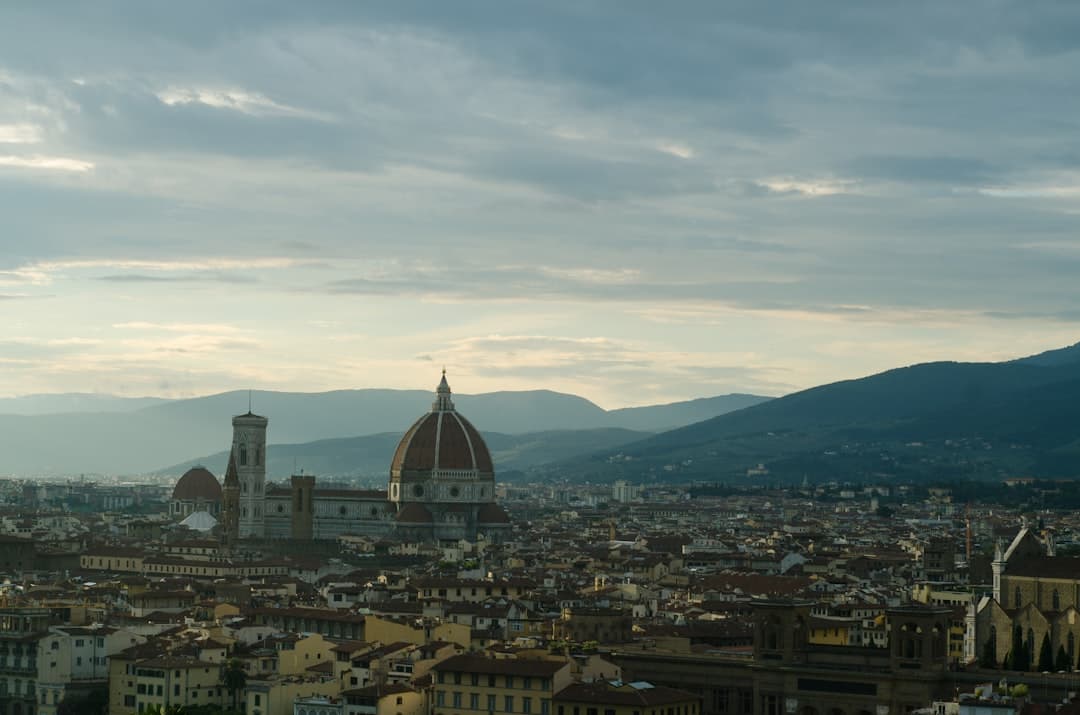
Florence
A breathtaking Renaissance jewel nestled in the heart of Tuscany, Florence is a living museum of art, architecture, and cultural heritage.
Explore Florence
Italy
2 days recommended
Itala
A charming hidden gem nestled in the scenic Sicilian landscape, offering visitors an authentic and tranquil Italian countryside experience.
Explore Itala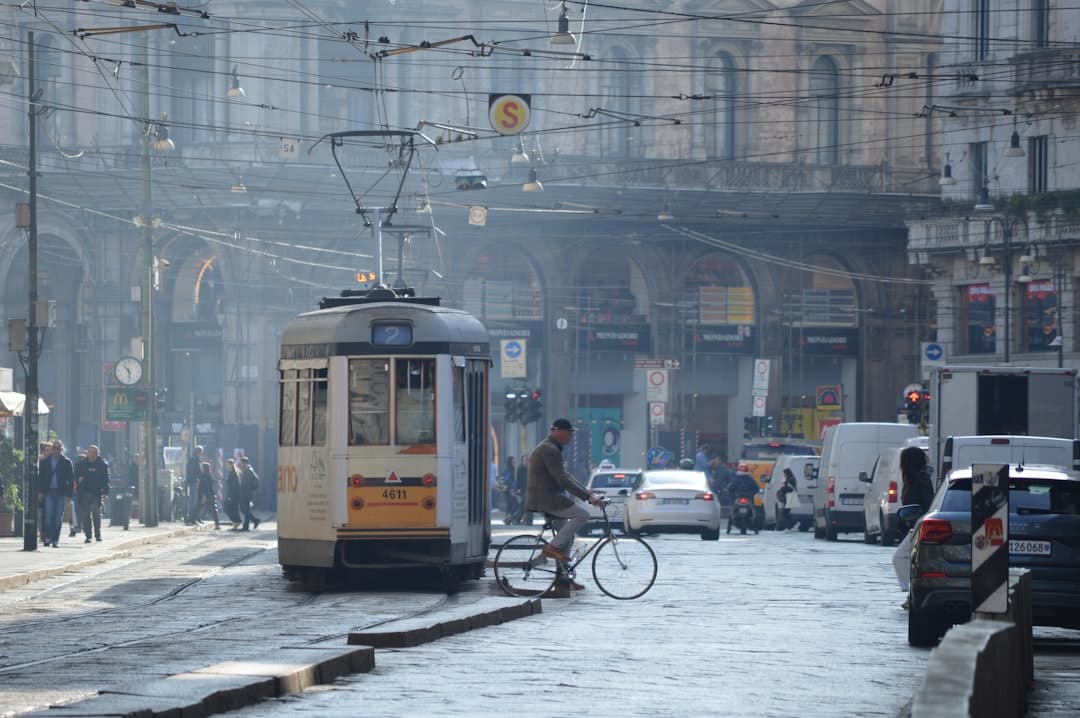
Italy
3 days recommended
Milan
A sophisticated global fashion and design capital blending historic elegance with modern innovation.
architecturearthubculinaryexperience+7 more
Explore Milan
Italy
3 days recommended
Praiano
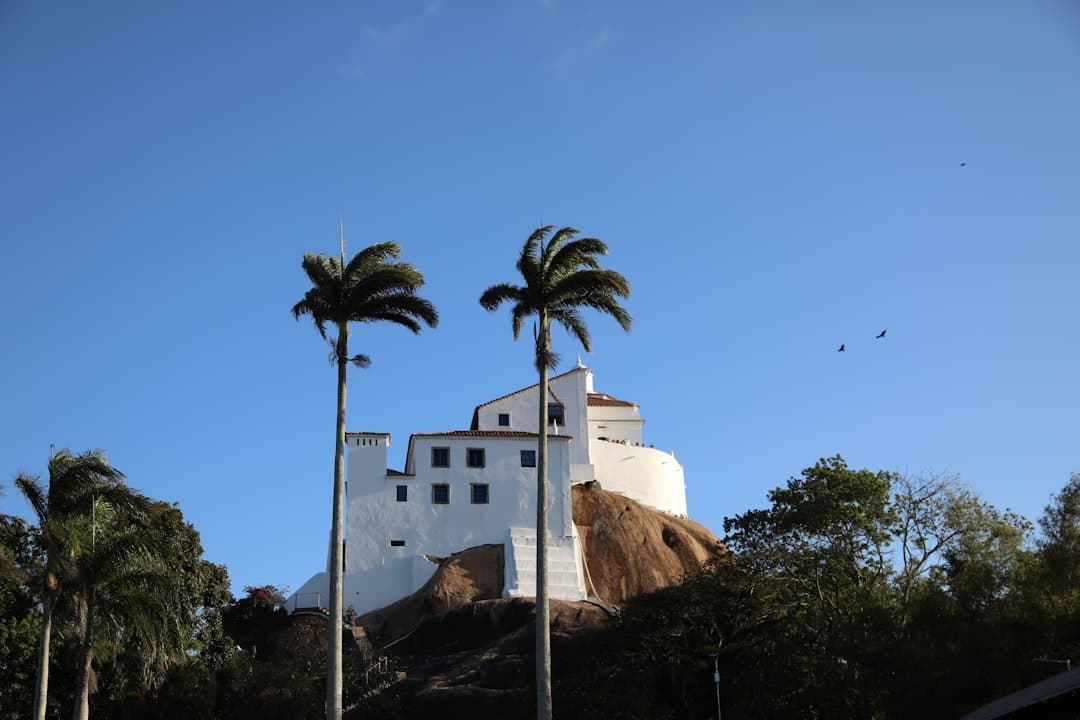
A serene coastal gem nestled along the Amalfi Coast, Praiano offers breathtaking views, intimate Mediterranean charm, and a tranquil escape from the more crowded tourist destinations.
Explore Praiano
Italy
2 days recommended
Termini Imerese
** A charming Sicilian coastal town where ancient Greek ruins meet medieval architecture, offering authentic Mediterranean culture without the crowds of major tourist destinations. **LONG_DESCRIPTION:** Termini Imerese is a historic port town located on the northern coast of Sicily, between Palermo and Cefalù, with roots stretching back to ancient Greek colonization. The town's name derives from the thermal springs (terme) that attracted settlers centuries ago, and this rich history is woven throughout its narrow streets and hillside neighborhoods. The old town cascades down from higher elevations to the modern harbor below, creating a picturesque landscape of pastel-colored buildings and winding pathways typical of Sicilian settlements. The town is perhaps most famous for its archaeological significance, particularly its connection to the ancient Greek city of Himera. Visitors can explore substantial Greek ruins and visit the archaeological museum to understand the region's classical heritage. The medieval core of Termini Imerese features charming piazzas, baroque churches, and traditional Sicilian architecture that reflects centuries of cultural layering—Greek, Arab, Norman, and Spanish influences all left their mark. Beyond history, Termini Imerese offers genuine Sicilian coastal living with a working harbor, local fishing culture, and access to beautiful Mediterranean beaches. The atmosphere is relaxed and authentically Sicilian rather than polished for tourism. Visitors can enjoy fresh seafood at waterfront trattorias, explore local markets, and experience daily life in a real Sicilian town. The proximity to other coastal attractions and the Madonie Mountains makes it an excellent base for exploring northwestern Sicily. The town rewards those seeking an off-the-beaten-path experience with genuine hospitality, affordable dining, and the chance to experience Sicily as locals do, rather than as a packaged tourist destination. **KNOWN_FOR:** - Ancient Greek ruins and the archaeological site of Himera - Thermal springs and spa heritage - Authentic Sicilian coastal town atmosphere - Working fishing harbor and fresh seafood - Medieval old town with baroque architecture - Strategic location between Palermo and Cefalù - Less touristy alternative to major Sicilian destinations **AFFORDABILITY:** Cheap to Moderate **RECOMMENDED_STAY:** 2-3 days **TAGS:** historic-city, beach-destination, archaeological-site, mediterranean-coast, authentic-sicily, coastal-town, greek-ruins, baroque-architecture, seafood-dining, working-harbor, off-the-beaten-path, thermal-springs, budget-friendly, cultural-heritage, family-friendly
Explore Termini ImereseFeatured Destinations in Italy
Travel Costs in Italy
Cost Overview
Italy has moderate costs, with a mix of affordable options and some premium experiences.
Money-Saving Tips
- •Visit during shoulder season for better rates on accommodation
- •Use public transportation instead of taxis when possible
- •Consider staying in locations outside the main tourist areas
- •Look for restaurants where locals eat for better value
Currency Information
Currency: Euro (€)
Cost Guide: Italy
Local pricing information
Currency:
Budget Traveler
Hostels, street food, public transport
Mid-Range
3-star hotels, restaurants, tours
Luxury
4-5 star hotels, fine dining, private tours
Seasonal Pricing
Prices vary by season. High season (summer, holidays) typically costs 20-40% more, while low season offers better deals. Consider the shoulder season (spring/fall) for a balance between good weather and lower prices.
Loading exchange rates...
Note: These prices are approximate and may vary depending on region, season, and personal preferences. Prices in popular tourist areas may be higher.
Budget Comparison
Estimated daily costs for traveling in Italy
Budget
Backpacker style
Accommodation
$10-20/nightMeals
$8-15/dayActivities
$5-10/dayTotal
$30-60/dayIncludes
- Hostels & dorms
- Street food & markets
- Free attractions
- Local transport
TYPICAL FOR ITALY
Mid-Range
Comfortable travel
Accommodation
$40-80/nightMeals
$25-40/dayActivities
$15-30/dayTotal
$80-150/dayIncludes
- Mid-range hotels
- Local restaurants
- Guided tours
- Mix of transport
Luxury
Premium experience
Accommodation
$150+/nightMeals
$60-120/dayActivities
$40-80/dayTotal
$250+/dayIncludes
- Luxury hotels & resorts
- Fine dining
- Private tours & experiences
- Private transport
Note: Costs vary significantly between cities and regions within Italy. These are general estimates and can fluctuate based on season, location, and travel style.
Travel Essentials
Everything You Need to Know
Click any section to expand and view details
For European Union and European Economic Area (EU/EEA) citizens, entry into Italy is straightforward. These citizens can enter, live, and work in Italy without a visa, requiring only a valid passport or national ID card. They have the right to stay for up to three months without registration, and longer stays require obtaining a residence permit.
Non-EU citizens from visa-exempt countries (including the United States, Canada, Australia, Japan, and many others) can enter Italy for tourism or business purposes without a visa for up to 90 days within a 180-day period under the Schengen Agreement. Travelers must have a passport valid for at least three months beyond their intended stay. Countries not on the visa-exempt list must obtain a Schengen visa through the Italian consulate in their home country. Recent policy changes include stricter documentation requirements and increased scrutiny of travel purposes, particularly post-COVID-19 pandemic.
Long-term visa options include work visas (requiring a job offer and sponsorship), student visas (requiring acceptance from an Italian educational institution), and retirement visas for those with sufficient financial means. Specialized categories exist for researchers, artists, and highly skilled professionals. Work visas typically require a specific employment contract and approval from Italian labor authorities. Student visas necessitate proof of enrollment, financial sustainability, and health insurance.
Travel Advisory
Check the latest travel advisories and safety information before your trip.
View Official AdvisoryLocal Insights
Culture & Traditions
Italy is a nation deeply rooted in rich cultural traditions, characterized by profound regional diversity and a strong sense of local identity. Each region—from Sicily to Lombardy—maintains distinct cultural characteristics, dialects, cuisines, and social practices that contribute to Italy's complex national tapestry. Family remains the fundamental social unit, with multi-generational households and close familial bonds being central to Italian social life.
The Italian cultural experience is dramatically expressed through art, music, and lifestyle. Italians are renowned for their passionate approach to life, emphasizing quality of experience over pure productivity. This manifests in practices like the daily "passeggiata" (evening social walk), extended family meals, and a deep appreciation for aesthetic beauty evident in fashion, design, and architecture. The country's artistic heritage spans millennia, from Roman and Renaissance masterpieces to contemporary design and fashion.
Modern Italian culture beautifully blends traditional values with contemporary global influences. While respecting historical customs, younger generations embrace international trends, particularly in urban centers like Milan and Rome. The arts remain tremendously important, with cinema, opera, classical music, and contemporary performance receiving significant cultural support. Festivals like Carnevale, religious celebrations, and local sagre (food festivals) continue to play crucial roles in community life, maintaining strong connections to historical and regional traditions.

Cultural Experience
Immerse yourself in local traditions and customs