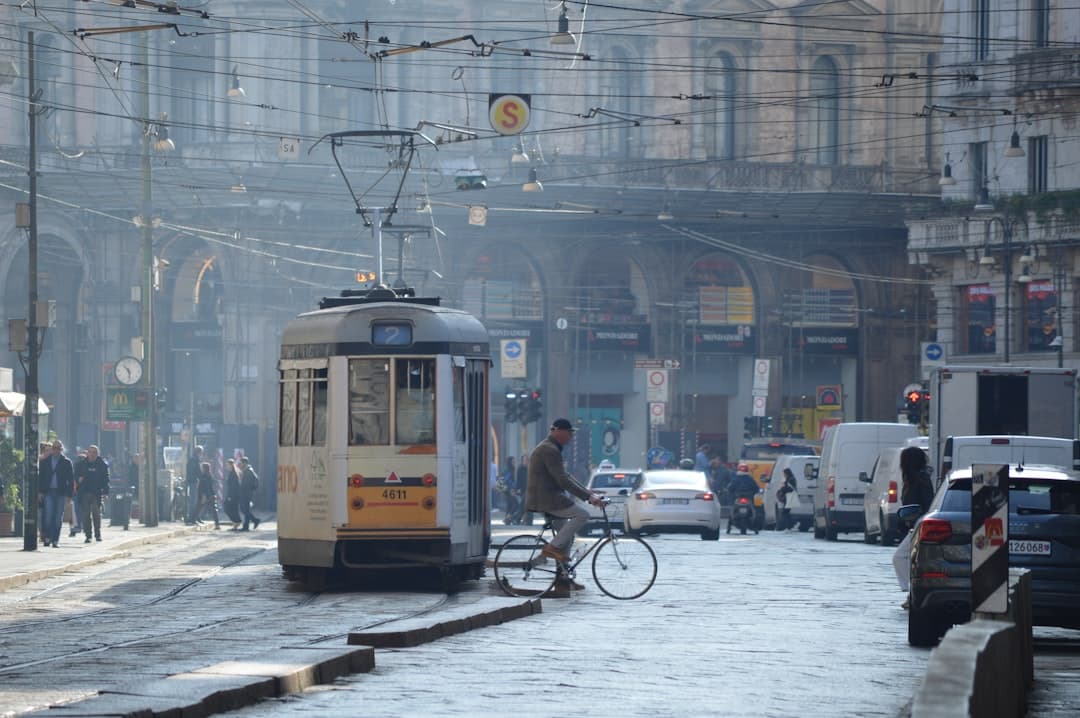
Milan
Milan is Italy's fashion, finance and design capital, home to the Duomo, La Scala and Leonardo da Vinci's Last Supper, set in the Lombardy plain.
Milan quick facts
- Best time to visit
- April to June and September to early October offer mild, pleasant
- Language
- Italian
- Currency
- Euro (EUR)
- Getting around
- Metro, tram and bus
- Suggested stay
- 3 days
- Population
- 1M
About Milan
Milan is the capital of Lombardy and the economic engine of northern Italy. It lacks the postcard canals or ruins of other Italian cities, but rewards visitors with grand Gothic architecture, elegant shopping arcades, world-class museums, opera and a busy, polished urban life.
The city is centered on Piazza del Duomo, from which streets radiate in rings that still trace the medieval and Roman layouts. Beyond the center you find former industrial areas turned into design and nightlife districts, canal-side neighborhoods known for aperitivo, and modern skyscraper clusters that changed the skyline in the last two decades.
Milan is known globally for Fashion Week, the Salone del Mobile furniture fair and its football clubs, AC Milan and Inter. Locals are hardworking and stylish, and the city runs on a fast rhythm compared with much of Italy, though the aperitivo hour brings everyone to the bars.
It works well as a base for two to four days, with an efficient metro and tram network, major rail connections and easy access to the lakes and the Alps. Spring and autumn are pleasant, summers can be hot and humid, and winter is often foggy and cool.
Known for
- Fashion and design, The Duomo, La Scala opera house, Leonardo da Vinci's Last Supper, Aperitivo culture, Football at San Siro
Food in Milan
Milanese cooking reflects Lombardy's northern position: rice, butter, cheese and meat feature more than tomatoes and olive oil. Classic dishes are hearty and designed for cool, damp winters, though the city also has a huge range of international and contemporary restaurants.
Meals follow the usual Italian rhythm, with a light breakfast of coffee and a pastry, a lunch that is often quick on weekdays, and dinner starting around eight. The early evening aperitivo is a Milan institution, where a drink is served with snacks or a buffet at many bars.
Bakeries and pastry shops are important, especially around Christmas, when panettone dominates. Many locals still eat at trattorias serving regional dishes, and markets sell Lombard cheeses such as gorgonzola, taleggio and grana padano.
History of Milan
Milan began as a Celtic settlement and was conquered by Rome around 222 BC, becoming known as Mediolanum. In the late third and fourth centuries AD it served as a capital of the Western Roman Empire, and in 313 the Edict of Milan, associated with Constantine and Licinius, granted religious tolerance to Christians. Bishop Ambrose later made the city a major Christian center.
In the medieval period Milan became a powerful city-state, ruled by the Visconti and then the Sforza families from the fourteenth to the early sixteenth century. This era saw the start of the Duomo in 1386 and the presence of Leonardo da Vinci at the Sforza court. Afterward the city passed under Spanish, then Austrian Habsburg rule, when institutions such as La Scala and the Brera academy were established in the eighteenth century.
Milan was a center of the movement for Italian unification in the nineteenth century, joining the Kingdom of Italy in 1859 to 1861. It was heavily bombed in the Second World War, then rebuilt and grew into Italy's industrial and financial capital. In recent decades it has reinvented itself through design, services and major redevelopment, notably around Expo 2015.
Culture and etiquette
Milanese people are known for being punctual, efficient and image-conscious by Italian standards. Dressing smartly is the norm, and many restaurants, bars and especially churches expect a tidy appearance. Shoulders and knees should be covered to enter the Duomo and other churches.
Greetings are polite and fairly formal with strangers: a buongiorno when entering shops and a thank you when leaving are expected. Tipping is modest, and service is often not added in the way it is in some countries, though a small round-up is appreciated. Cappuccino is generally a morning drink, and ordering coffee standing at the bar is the local habit.
Cultural life is strong, with opera at La Scala, numerous galleries and design events, especially in April during the furniture fair and in February and September for fashion weeks. Hotels fill and prices rise sharply then, so booking ahead is wise. Many smaller shops and restaurants close for part of August when residents go on holiday.
Things to do in Milan
What to see, where to stay and where to eat.
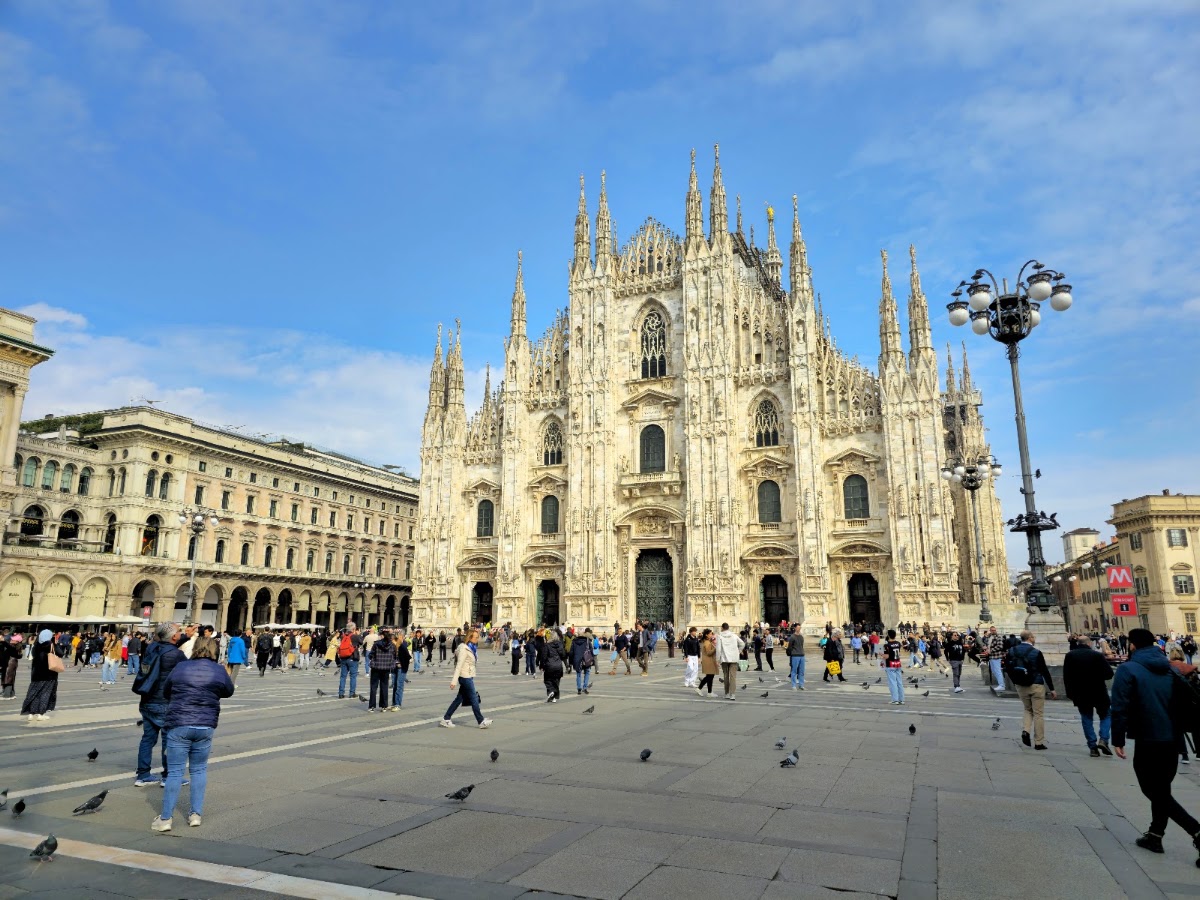
Duomo di Milano
P.za del Duomo, 20122 Milano MI
The Duomo di Milano is one of the largest cathedrals in the world, located in Piazza del Duomo just 0.26 kilometers from Milan's city center. This iconic masterpiece took over 600 years to complete. With a rating of 4.8 out of 5 from over 209,000 reviews, it stands as a major tourist attraction and place of worship.
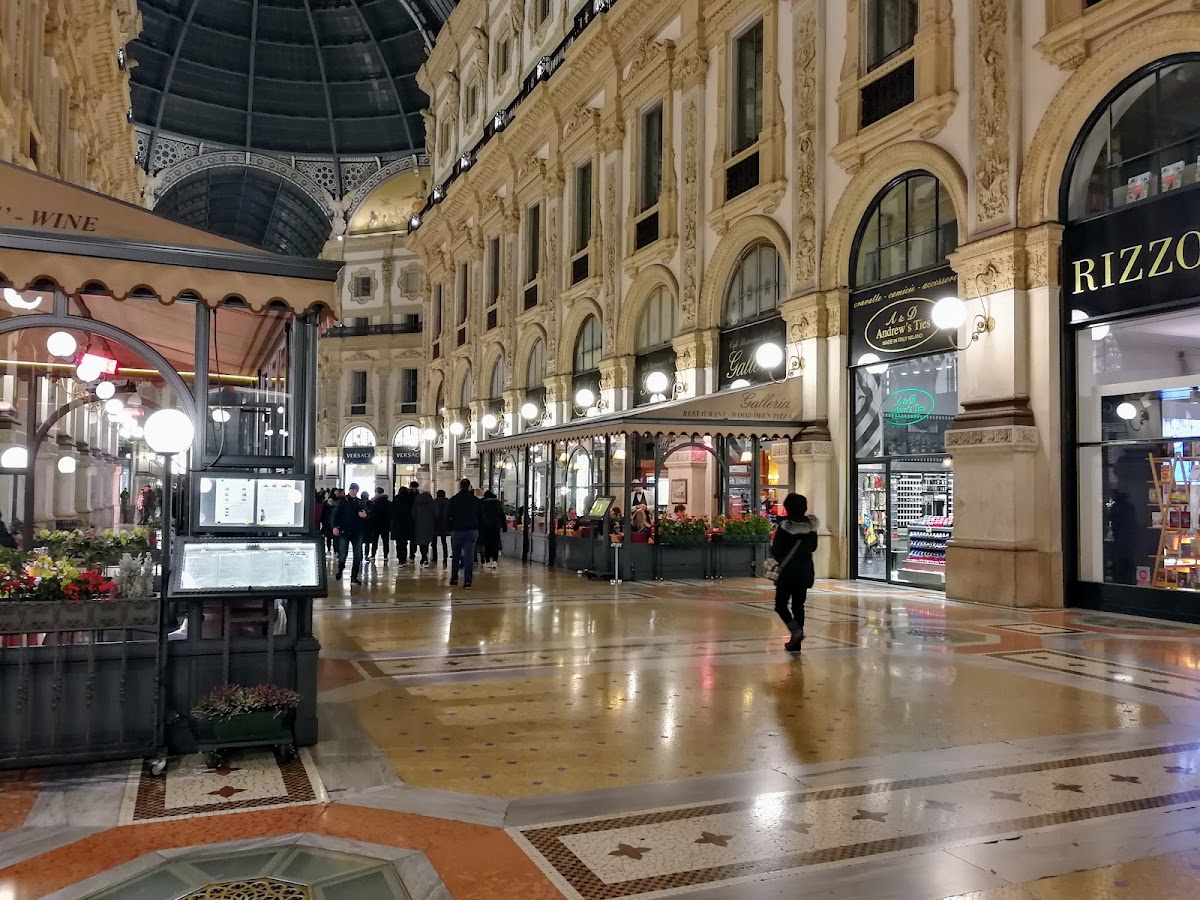
Galleria Vittorio Emanuele II
20123 Milan, Metropolitan City of Milan
Galleria Vittorio Emanuele II is a shopping mall housed in a glass-covered 19th-century arcade featuring luxury clothing brands and upscale dining. Located just 0.24 km from Milan's city center, it has a rating of 4.7 stars based on over 116,000 reviews.
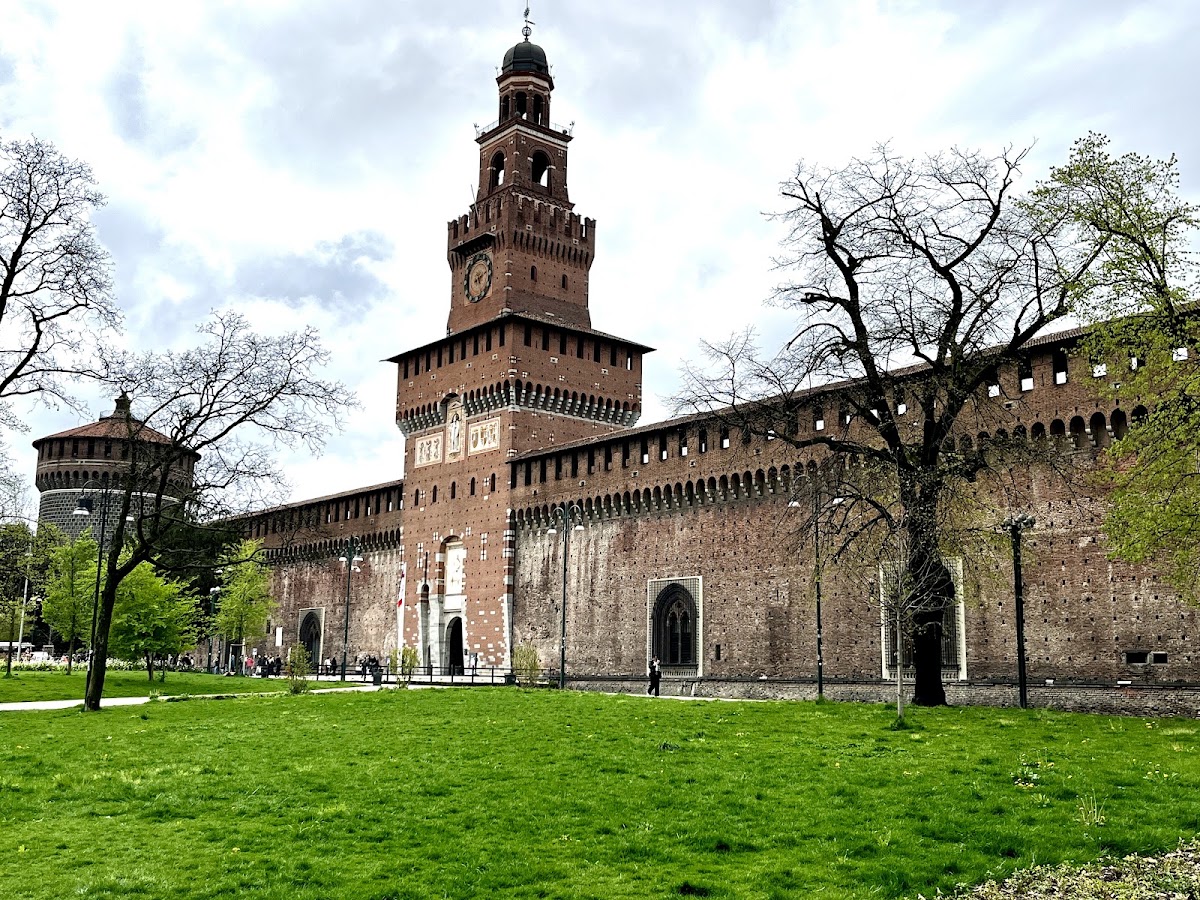
Sforzesco Castle
Piazza Castello, 20121 Milano MI
Sforzesco Castle is a huge Medieval-Renaissance fortress located just over 1 km from Milan's city center. The castle houses historical museums and features art by da Vinci and Michelangelo.
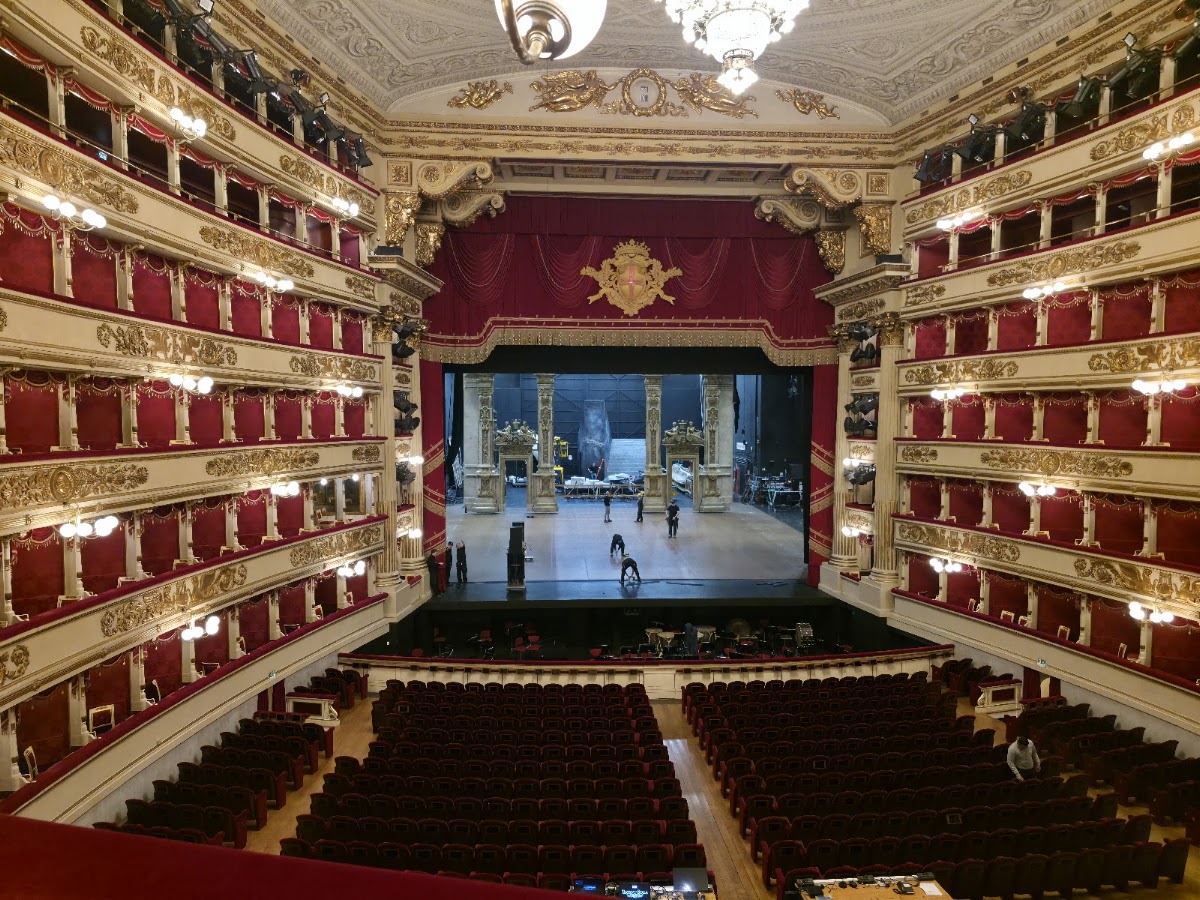
Teatro alla Scala
V. Filodrammatici, 2, 20121 Milano MI
Teatro alla Scala is a lavish 18th-century opera house famous for Italian opera and ballets, located just 0.39 km from Milan's city center. The venue also features a museum and music library for visitors to explore.
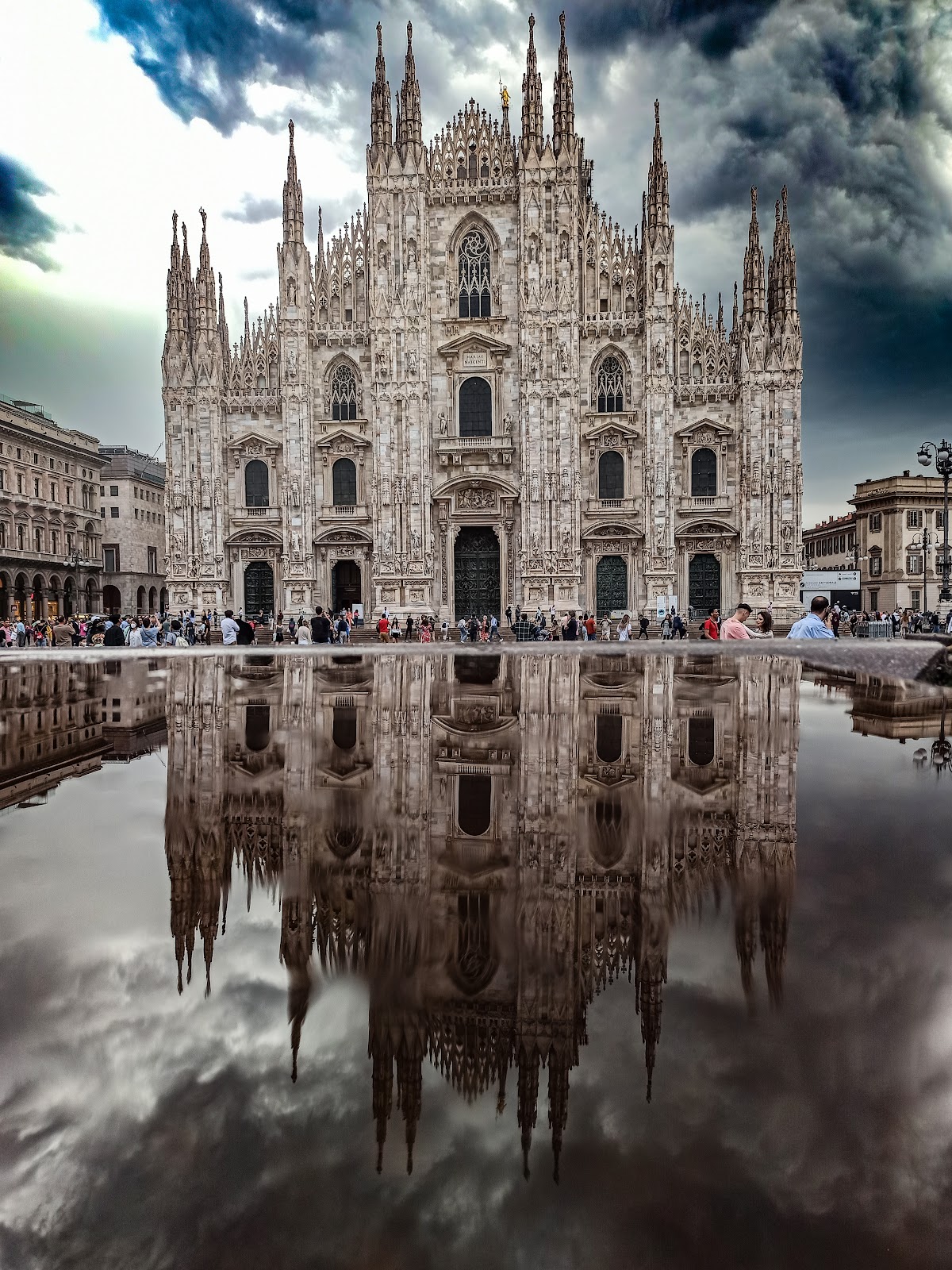
Piazza del Duomo
P.za del Duomo, 20123 Milano MI
Piazza del Duomo is a central plaza in Milan flanked by the cathedral, the Royal Palace, and the Galleria Vittorio Emanuele II arcade. Located just 0.09 km from the city center, it is a major historical landmark and tourist attraction in the heart of the city.
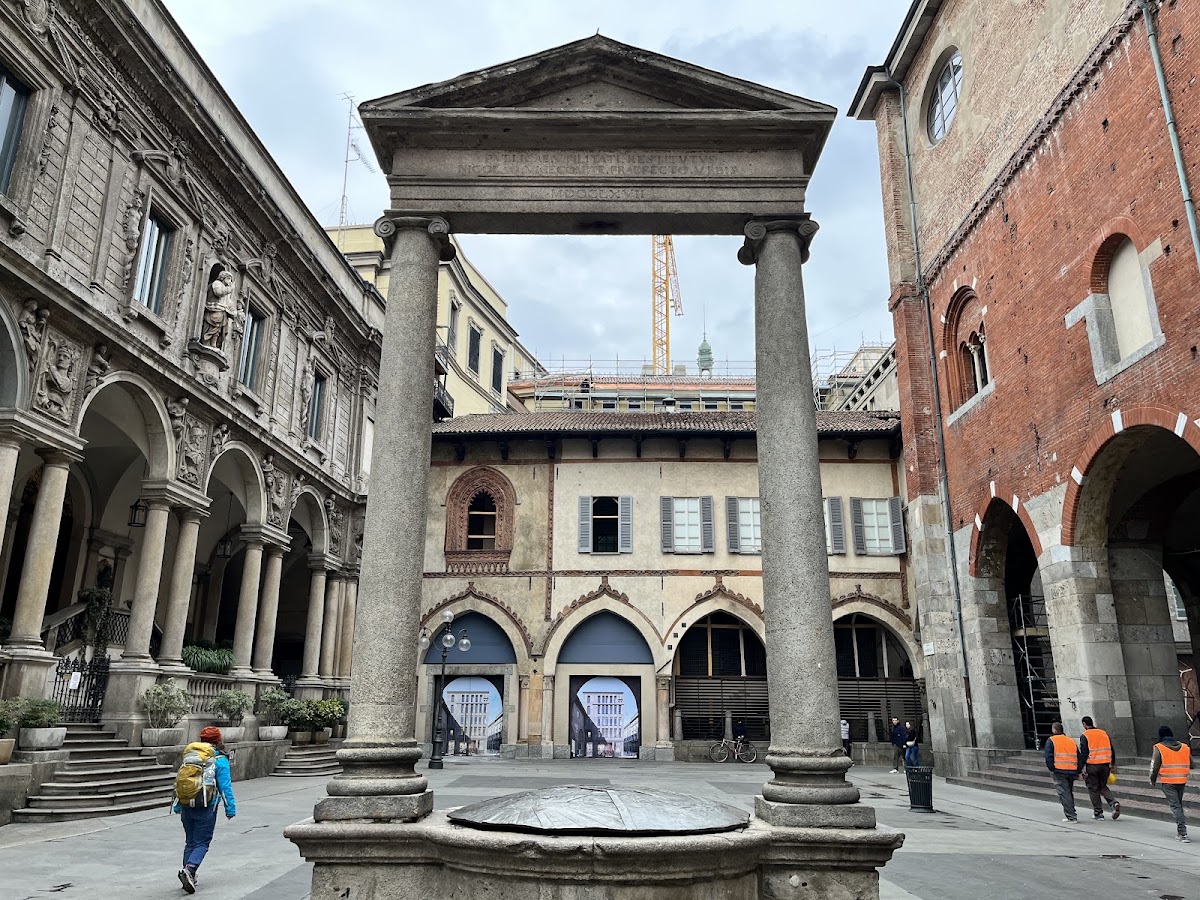
Merchants Square
Piazza dei Mercanti, 20123 Milano MI
Merchants Square is a medieval public square located just 0.1 km from Milan's city center. Outdoor exhibitions, markets and concerts often take place in this historical landmark, which is situated at Piazza dei Mercanti.
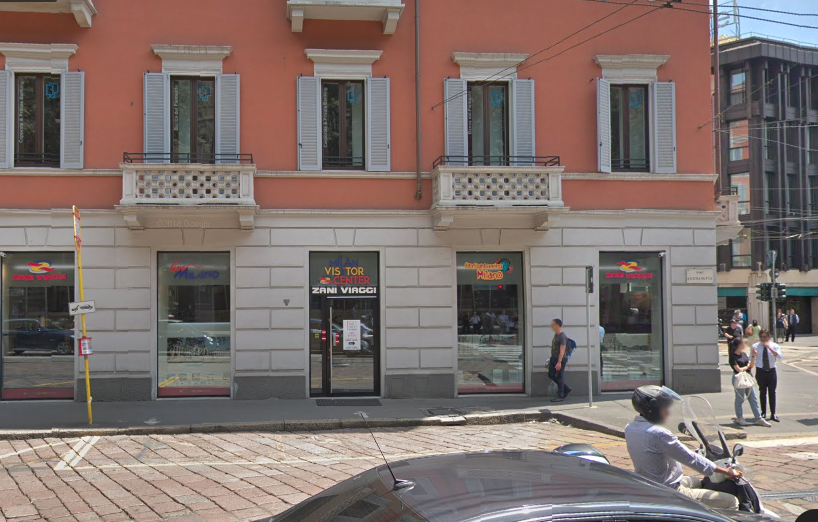
City Sightseeing Milan
Piazza Duomo, 17 Foro Buonaparte, Piazza Duca d'Aosta, 12, 20121 Milano MI
City Sightseeing Milan is a tourist attraction located at multiple central points including Piazza Duomo and Piazza Duca d'Aosta, less than one kilometer from Milan's city center. The venue has a rating of 3.2 stars based on 241 reviews.
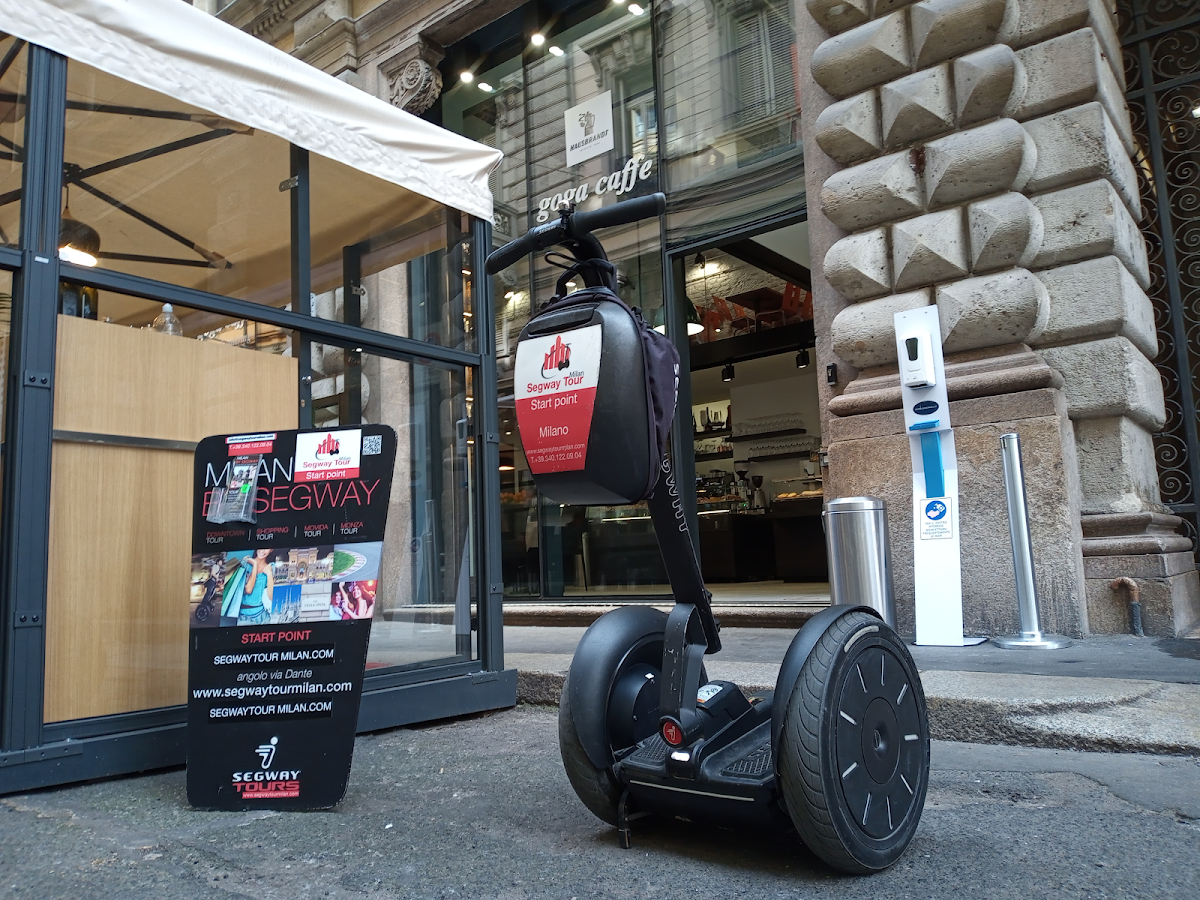
Segway Tour Milan
Via Giorgio Giulini, 2, 20123 Milano MI
Segway Tour Milan is a tourist attraction located at Via Giorgio Giulini, 2, just 0.51 km from Milan's city center. The venue offers guided tours and has received a rating of 4.7 out of 5 from 69 reviews.
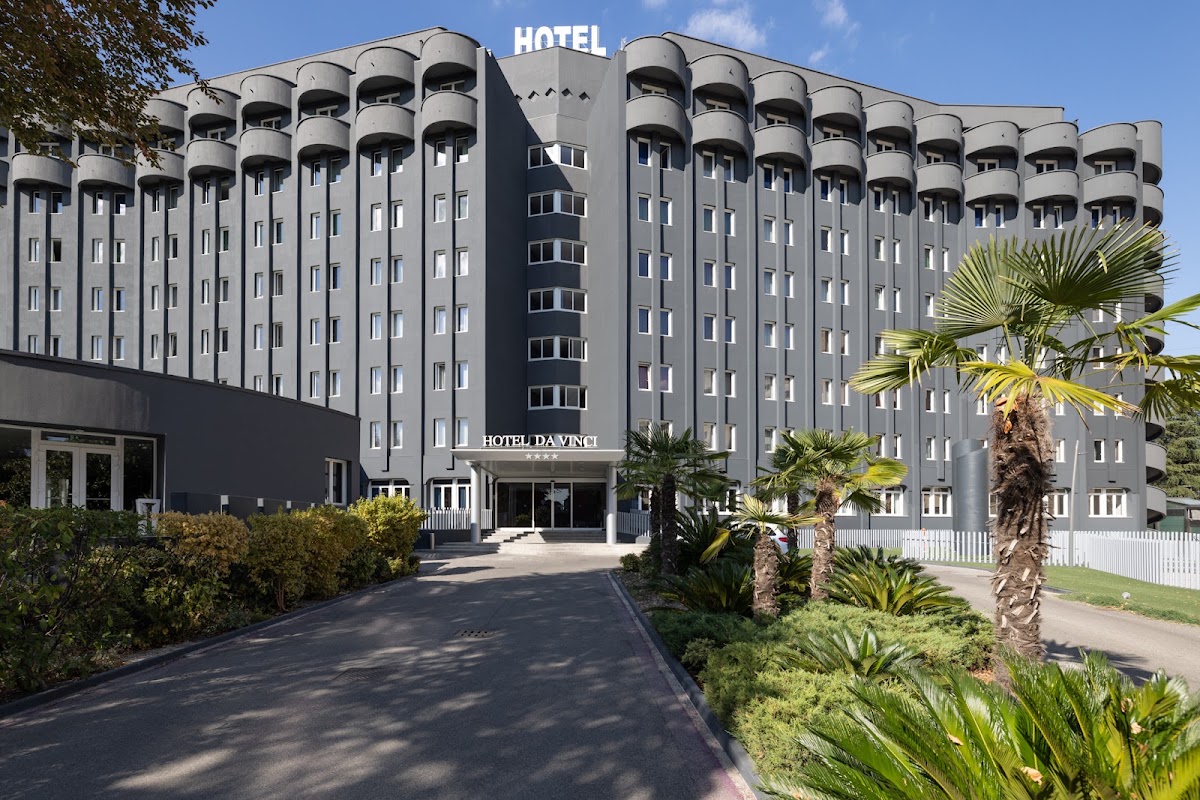
Hotel Da Vinci Milano
HotelVia Senigallia, 6, 20161 Milano MI
Hotel Da Vinci Milano is an upscale, contemporary hotel located 7.82 km from Milan's city center. The hotel features a chic cocktail bar, a high-end restaurant, and breakfast service. With a rating of 3.9 out of 5 based on over 7,700 reviews, it offers modern accommodations in the city.
Check prices on Booking.com for Hotel Da Vinci Milano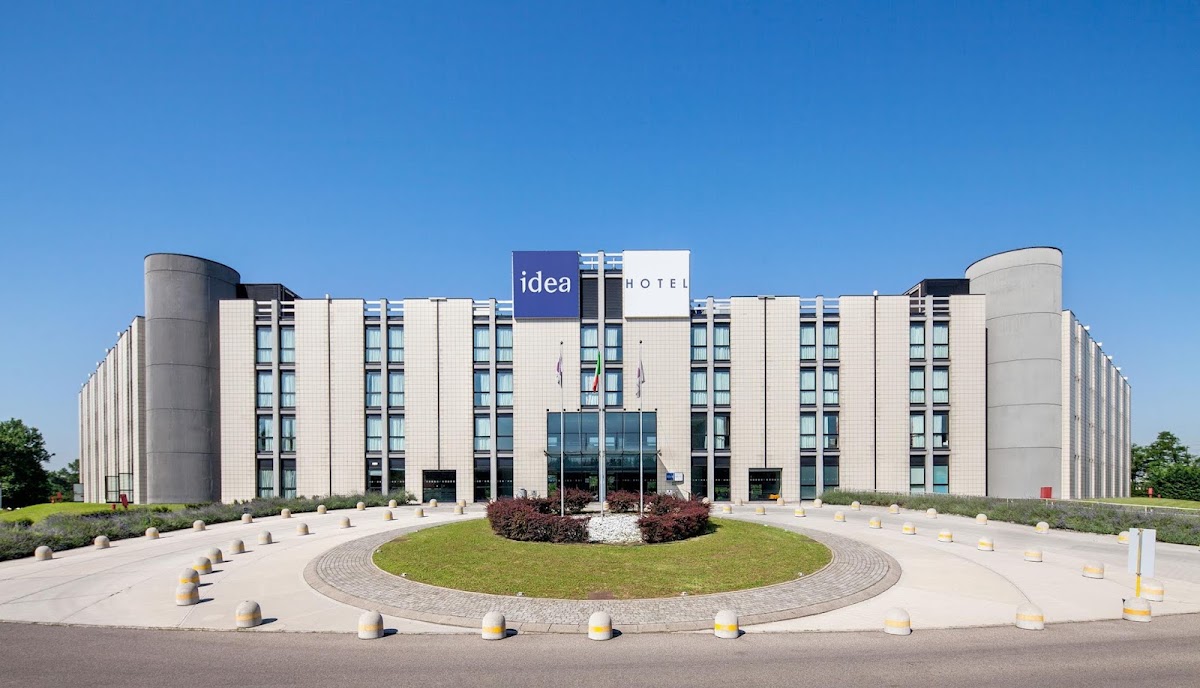
Idea Hotel Milano San Siro
HotelVia Gaetano Airaghi, 125, 20153 Milano MI
Idea Hotel Milano San Siro is located 8.7 km from Milan's city center and offers bright, airy rooms with free breakfast and a casual bar. The hotel provides a train shuttle service for guest convenience.
Check prices on Booking.com for Idea Hotel Milano San Siro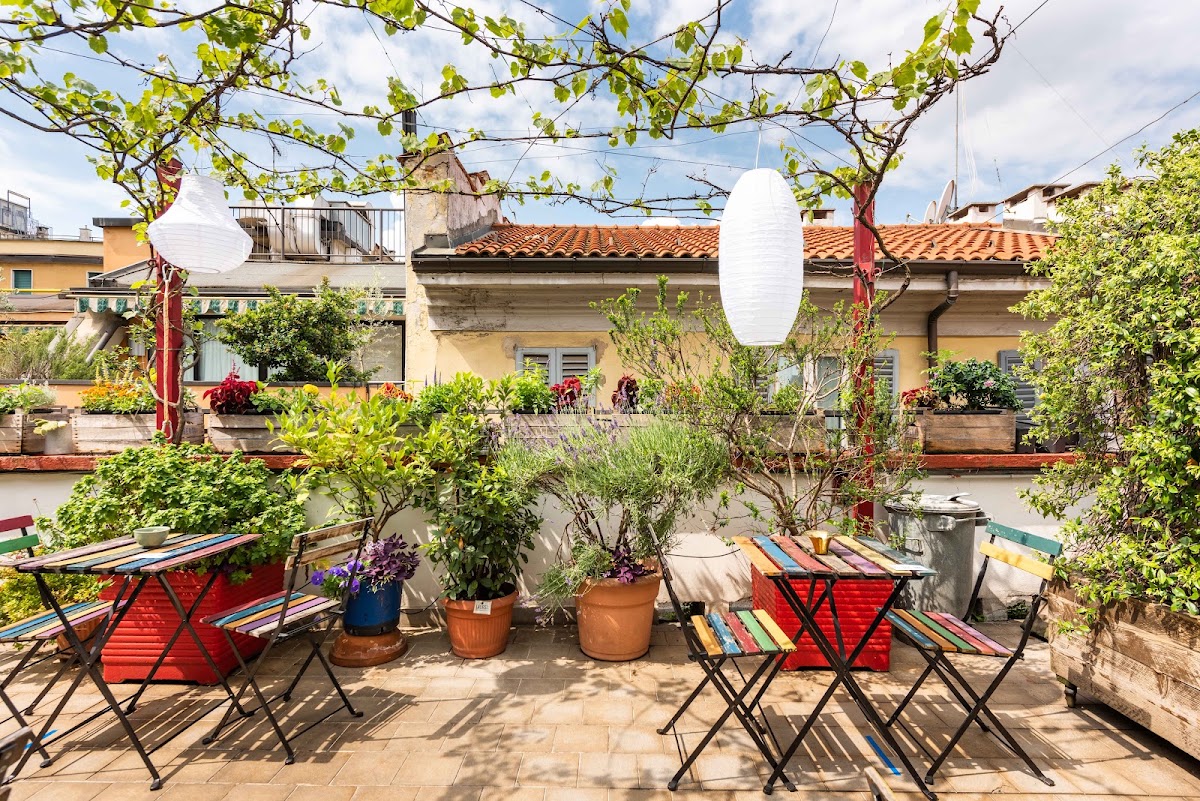
Ostello Bello
HostelVia Medici, 3, 20123 Milano MI
Ostello Bello is an unassuming budget hostel in Milan with simple rooms and dormitories, along with a bar, game room, and terraces with hammocks. Located just 0.69 km from the city center, it also functions as a pub and live music venue. The hostel has a 4.5 rating based on over 4,000 guest reviews.
Check prices on Booking.com for Ostello Bello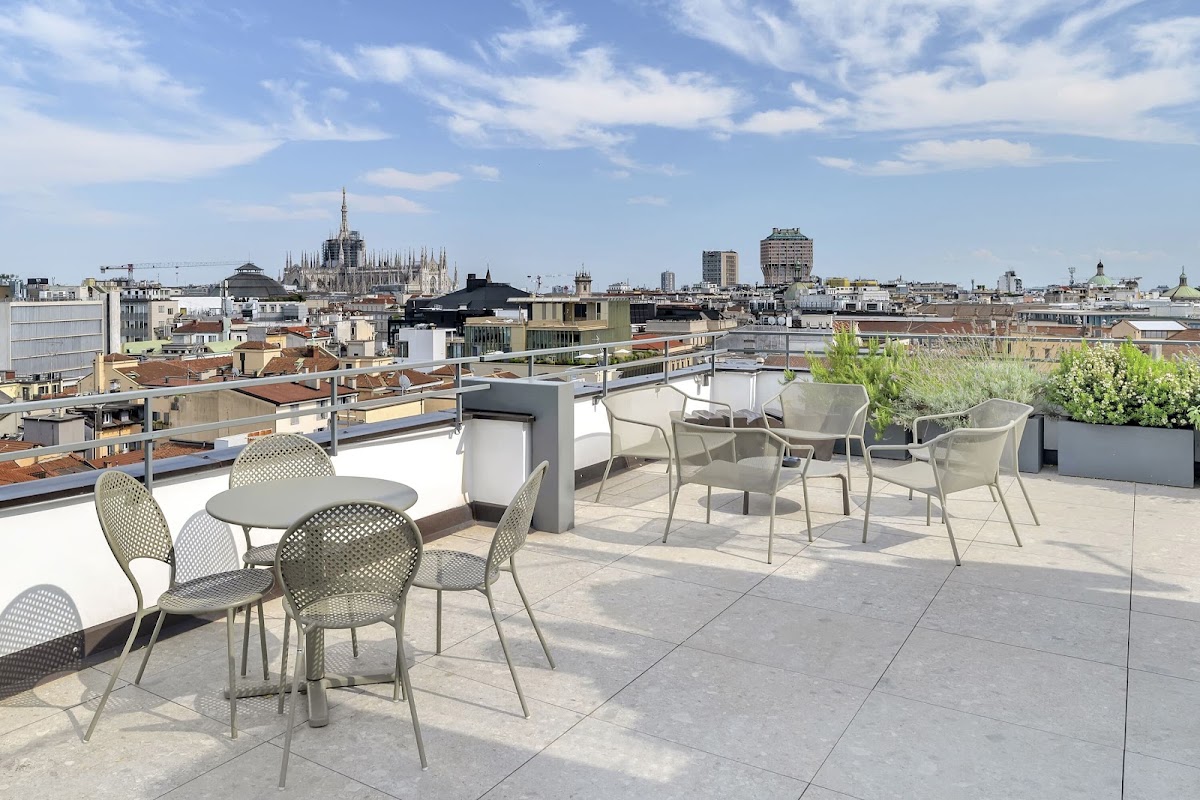
B&B Hotel Milano Duomo
HotelVia S. Tomaso, 4, 20121 Milano MI
B&B Hotel Milano Duomo is located just 0.48 km from Milan's city center on Via S. Tomaso. The hotel features sleek rooms, with some offering views of the cathedral, along with a terrace and breakfast service in an informal setting.
Check prices on Booking.com for B&B Hotel Milano Duomo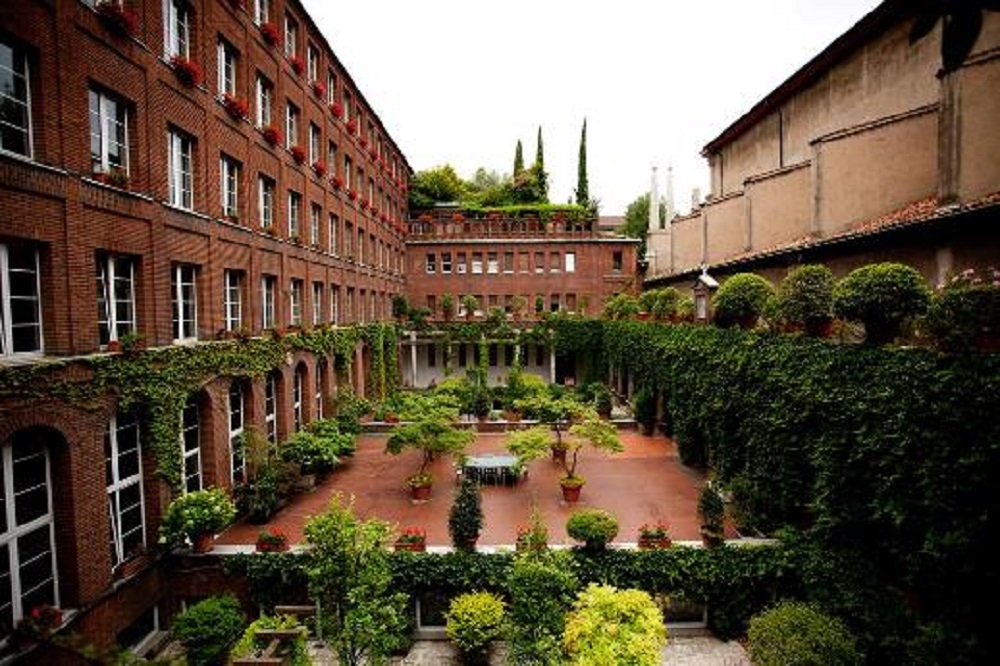
New Generation Hostel Urban Brera
HostelVia Renzo Bertoni, 3, 20121 Milano MI
New Generation Hostel Urban Brera is located in the Brera neighborhood, 1.3 kilometers from Milan's city center. Set in a former monastery, this hostel features monochrome quarters and offers free Wi-Fi and a kitchen for guests.
Check prices on Booking.com for New Generation Hostel Urban Brera
New Generation Hostel Milan Center Navigli
HostelVia Giovanni Aurispa, 7, 20122 Milano MI
New Generation Hostel Milan Center Navigli is a down-to-earth hostel located 1.26 km from Milan's city center in the Navigli neighborhood. The hostel offers a shared kitchen, garden, breakfast, and limited parking for guests.
Check prices on Booking.com for New Generation Hostel Milan Center Navigli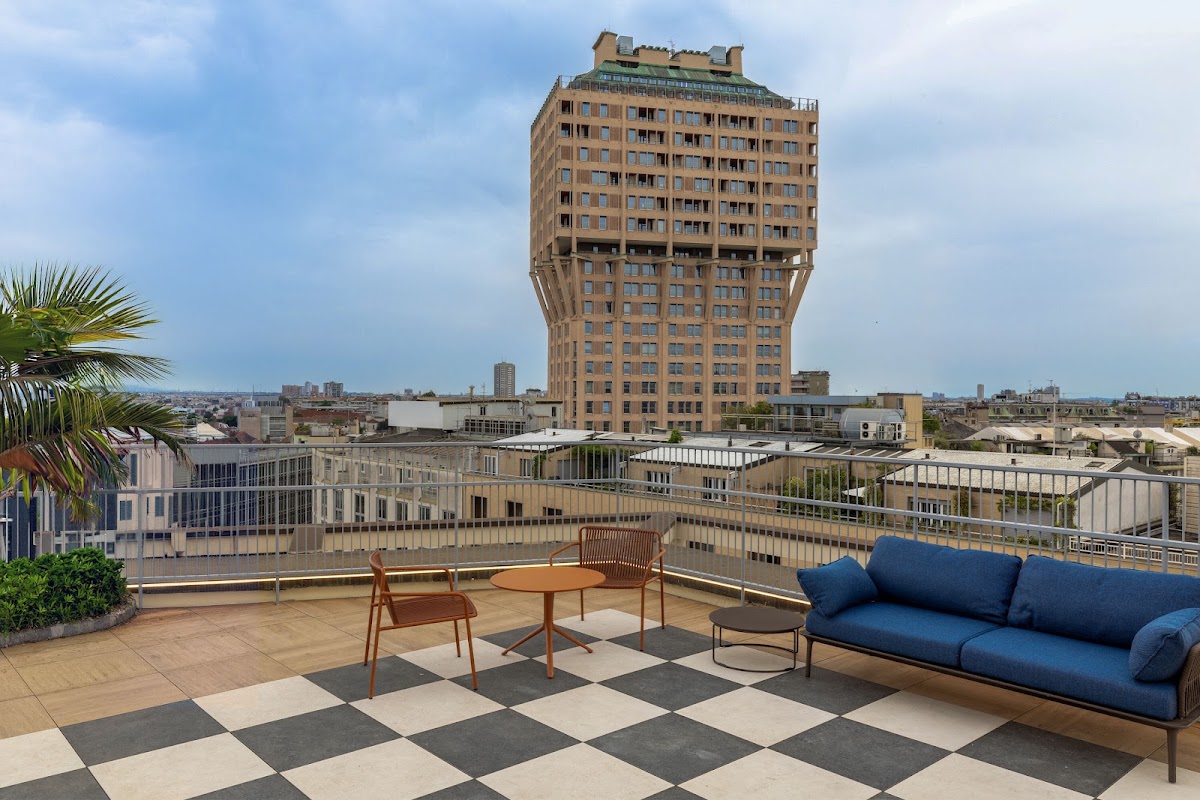
B&B Hotel Milano Duomo Velasca
HotelVia Alberico Albricci, 5, 20122 Milano MI
B&B Hotel Milano Duomo Velasca is a hotel located on Via Alberico Albricci in Milan, just 0.33 km from the city center. The property has a rating of 4.8 stars based on 465 reviews.
Check prices on Booking.com for B&B Hotel Milano Duomo Velasca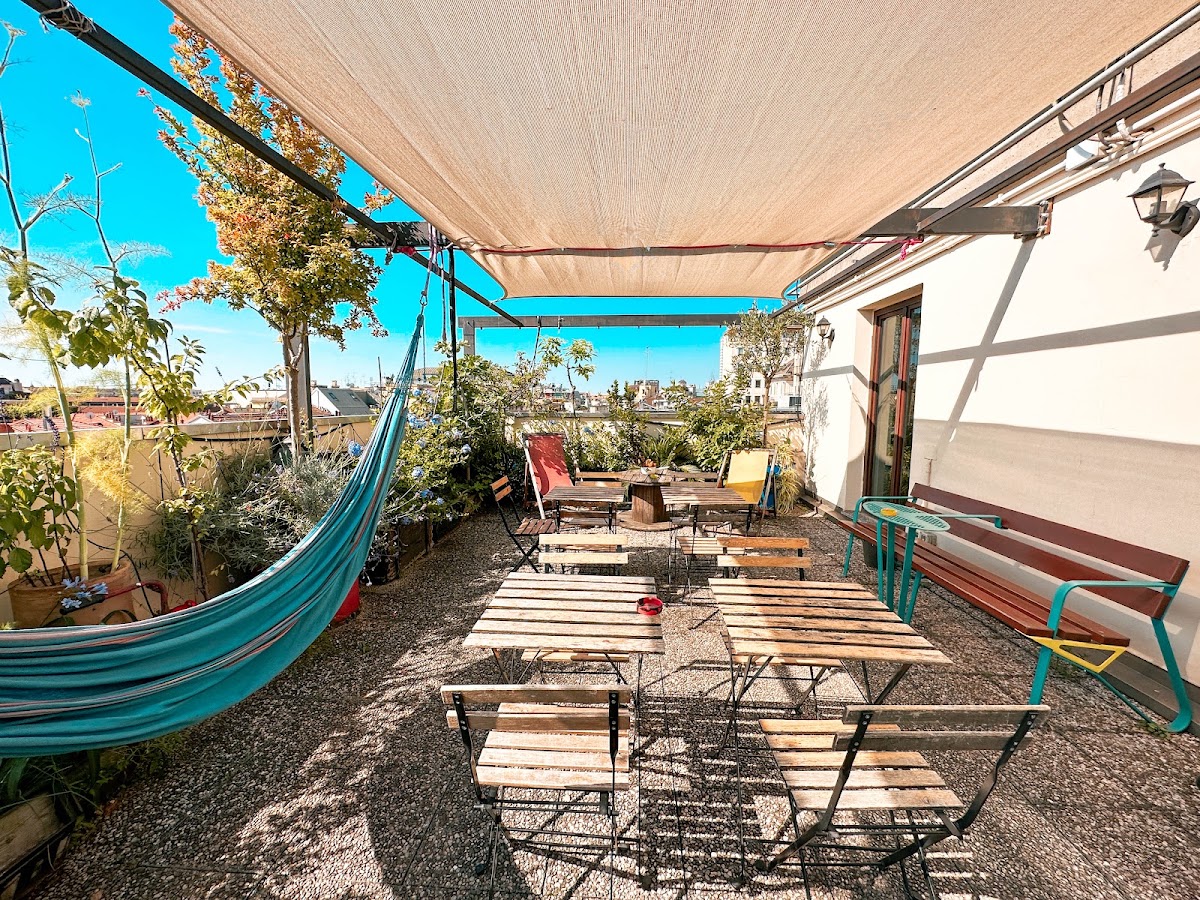
Ostello Bello Grande
HostelV. Roberto Lepetit, 33, 20124 Milano MI
Ostello Bello Grande is a lively hostel located 2.6 kilometers from Milan's city center, offering both private rooms and shared dormitories. The venue features a kitchen, bar, and live music performances, along with complimentary meals and Wi-Fi for guests. With a rating of 4.6 out of 5 based on over 4,700 reviews, it serves as both an accommodation and social hub.
Check prices on Booking.com for Ostello Bello Grande
Il Posto
ItalianPrice $$Rated 4.7Via Paolo da Cannobio, 4, 20122 Milano MI
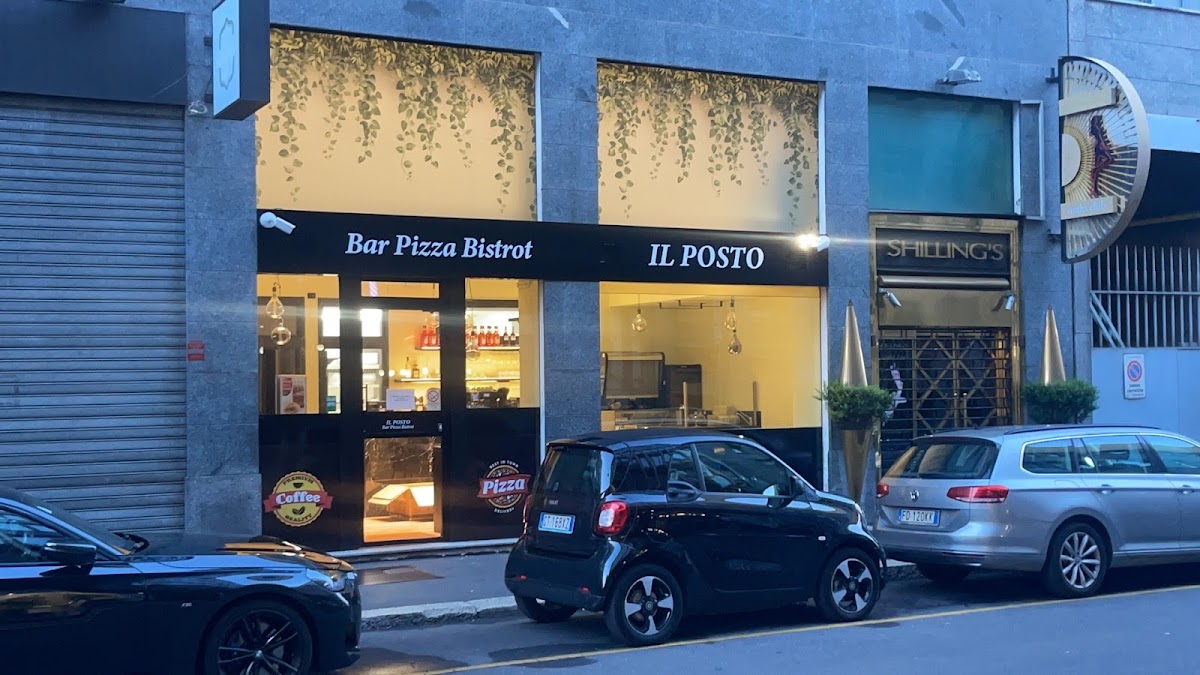
Il Posto is an Italian restaurant specializing in pizza, located on Via Paolo da Cannobio in central Milan, just 0.28 km from the city center. With a rating of 4.7 out of 5 from 488 reviews, it offers affordable dining at price level 2.
Pasto - Laboratorio di pasta con cucina
Price $$Rated 4.7Via Zecca Vecchia, 4, 20123 Milano MI
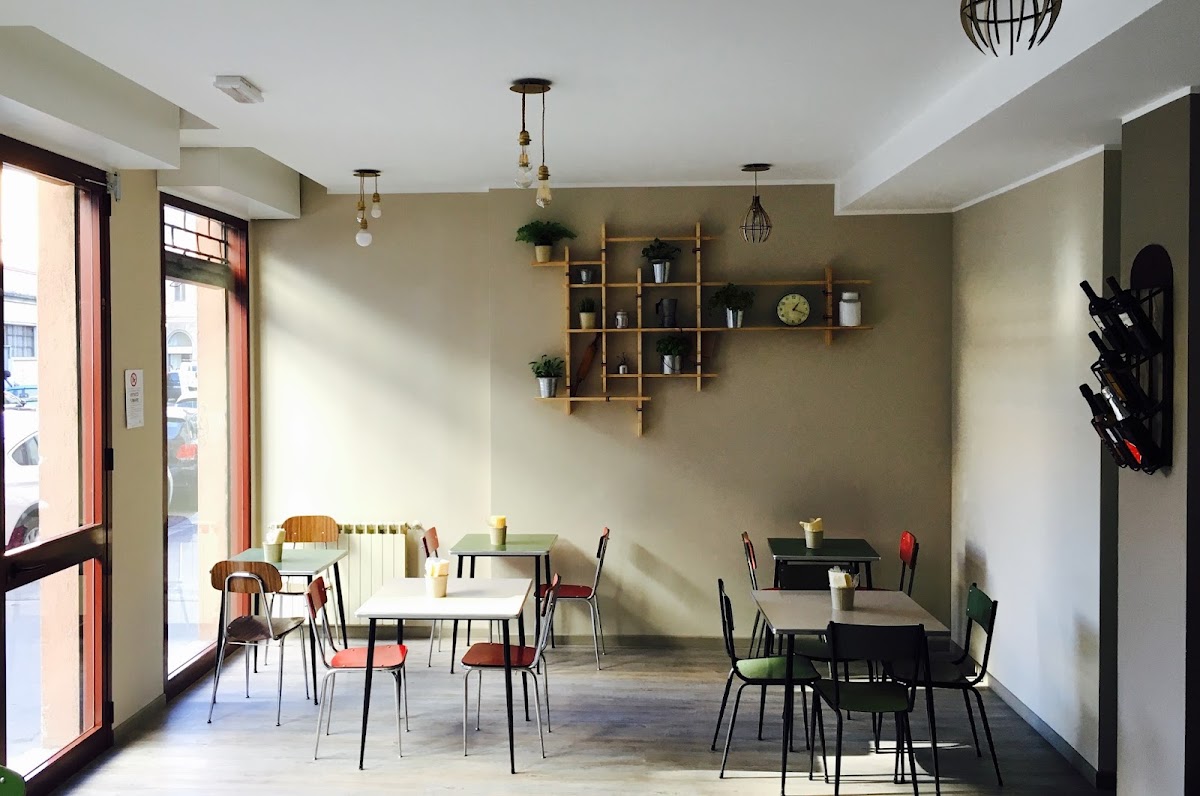
Pasto is a simply decorated Italian restaurant with a laid-back ambiance located just 0.35 km from Milan's city center. The restaurant specializes in a variety of pastas and offers moderate pricing. It holds a 4.7-star rating from over 2,600 reviews.
Nerino Dieci Trattoria
ItalianPrice $$$Rated 4.6Via Nerino, 10, 20123 Milano MI
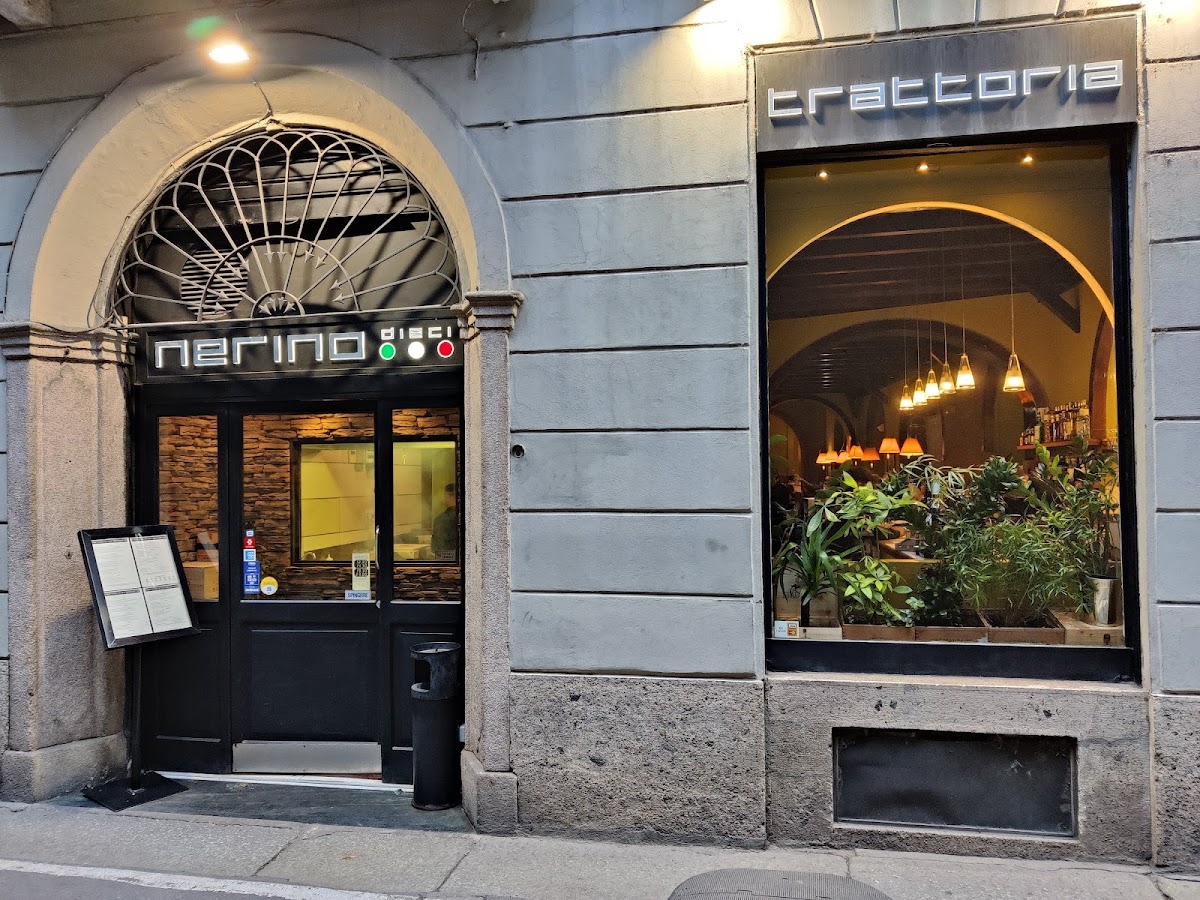
Nerino Dieci Trattoria is an Italian restaurant located on Via Nerino in central Milan, just 0.5 km from the city center. The beamed trattoria serves hamburgers alongside classic Italian cuisine and seafood specials, with a set lunch option available. It has a rating of 4.6 stars from over 3,000 reviews and is in the moderate price range.
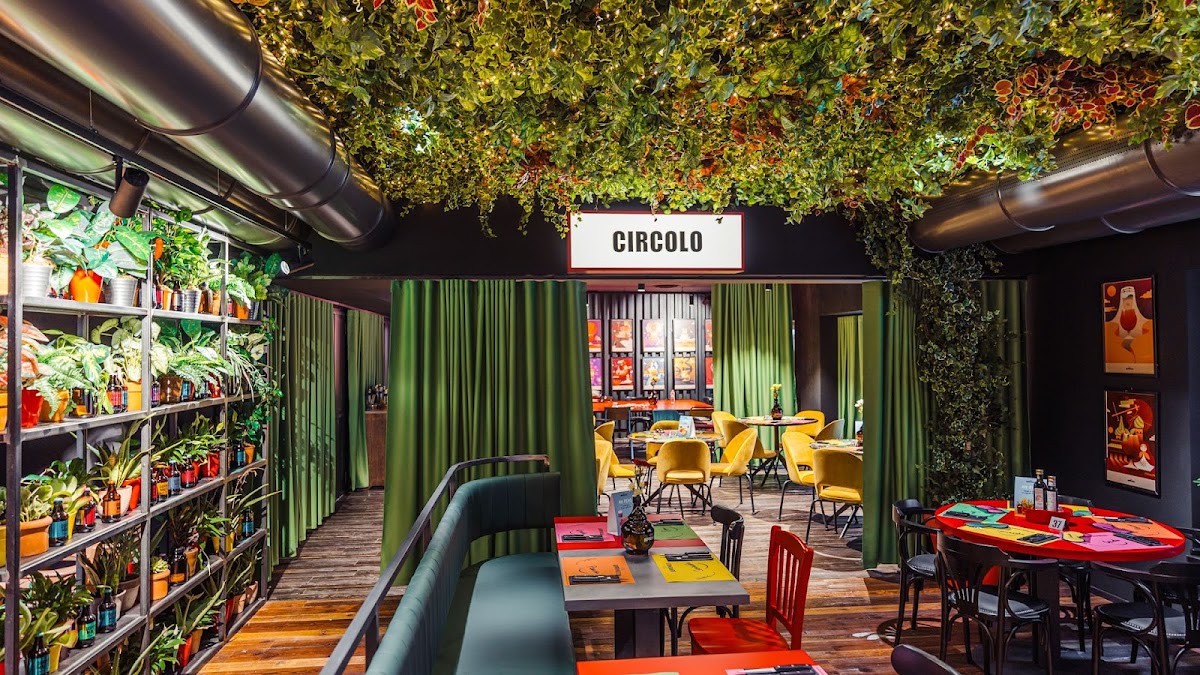
Doppio Malto Milano Duomo
Price $$Rated 4.5Via Dogana, 1, 20123 Milano MI
Doppio Malto Milano Duomo is a brewpub located on Via Dogana near Milan's city center, offering hamburgers and cocktails in a sports bar atmosphere. With a rating of 4.5 stars based on over 5,400 reviews, it provides casual dining at moderate prices.
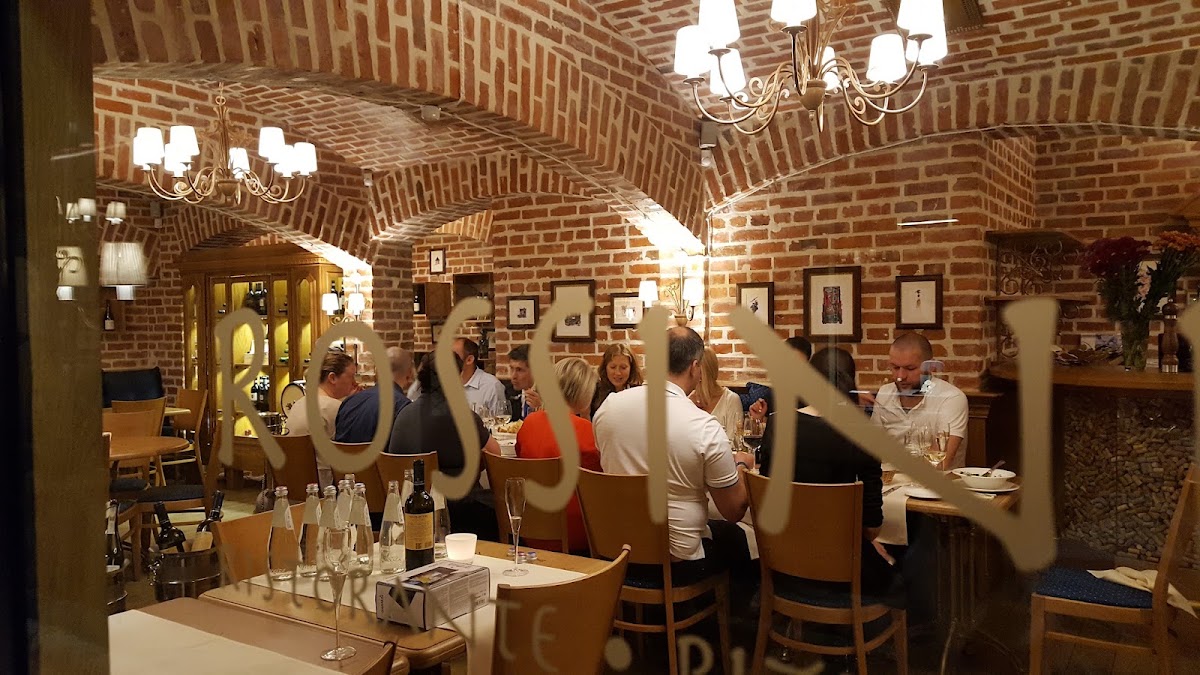
Rossini Ristorante Pizzeria
ItalianPrice $$Rated 4.5Via dei Piatti, 4, 20123 Milano MI
Rossini Ristorante Pizzeria is an Italian restaurant located on Via dei Piatti in central Milan, just 0.44 km from the city center. It offers both pizza and traditional Italian cuisine at moderate prices, with a rating of 4.5 stars based on nearly 3,000 reviews.
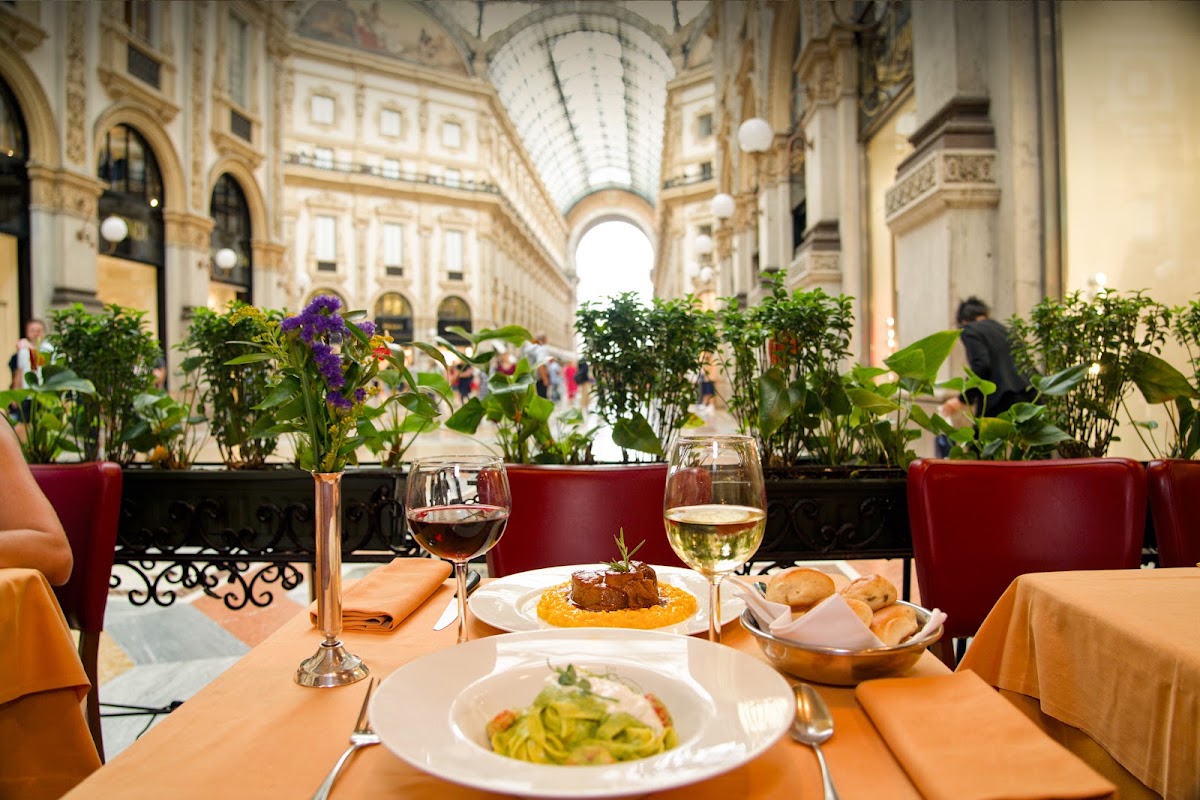
Ristorante Galleria
ItalianPrice $$$Rated 4.5Galleria Vittorio Emanuele II, 75, 20121 Milano MI
Ristorante Galleria is a glass-fronted Italian restaurant located in the Galleria Vittorio Emanuele II arcade, featuring outdoor seating in this chic setting. The restaurant serves wood-fired pizza, pasta, and pastries. It has a rating of 4.5 stars based on over 6,600 reviews and is positioned in the moderate-to-upscale price range.
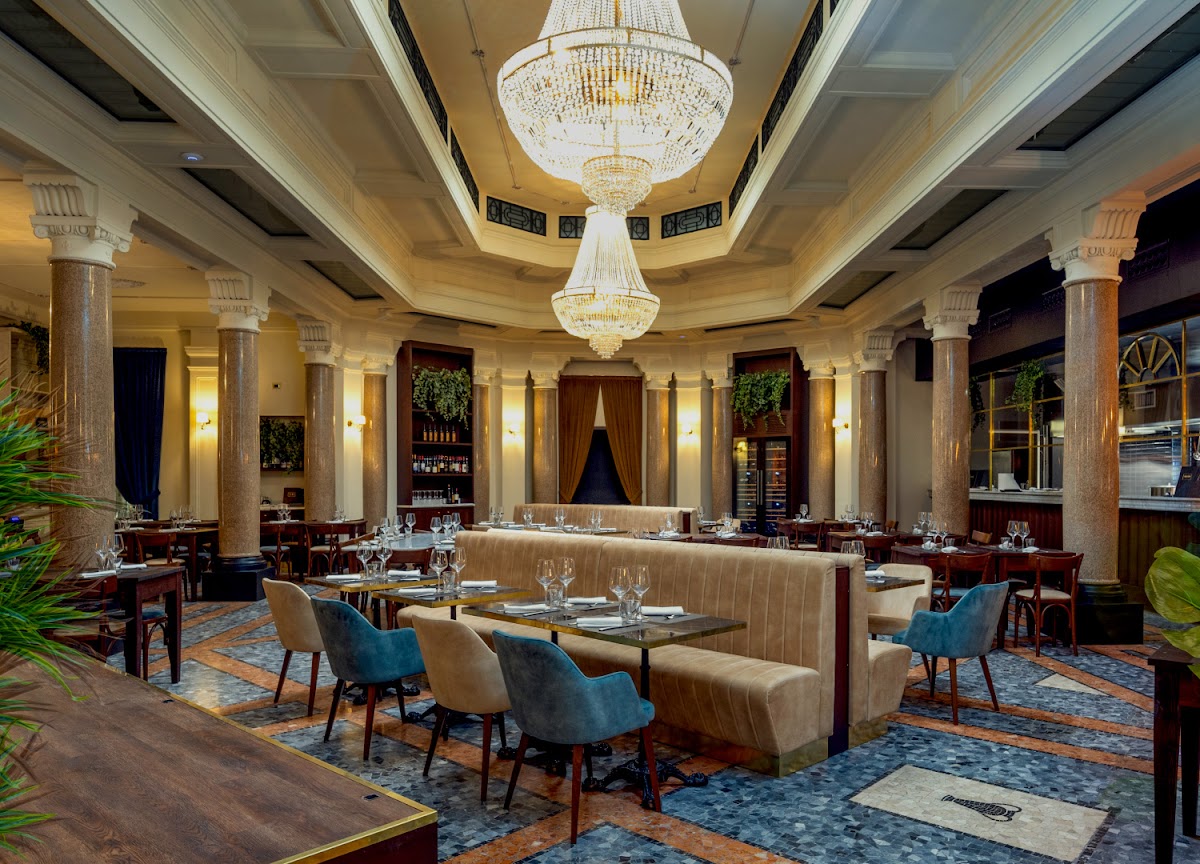
Il Marchese Milano
ItalianPrice $$$Rated 4.4Via dei Bossi, 3, 20121 Milano MI
Il Marchese Milano is an Italian restaurant and cocktail bar located on Via dei Bossi, just 0.41 km from Milan's city center. The venue has a rating of 4.4 stars based on over 1,000 reviews and offers mid-to-high price level dining.
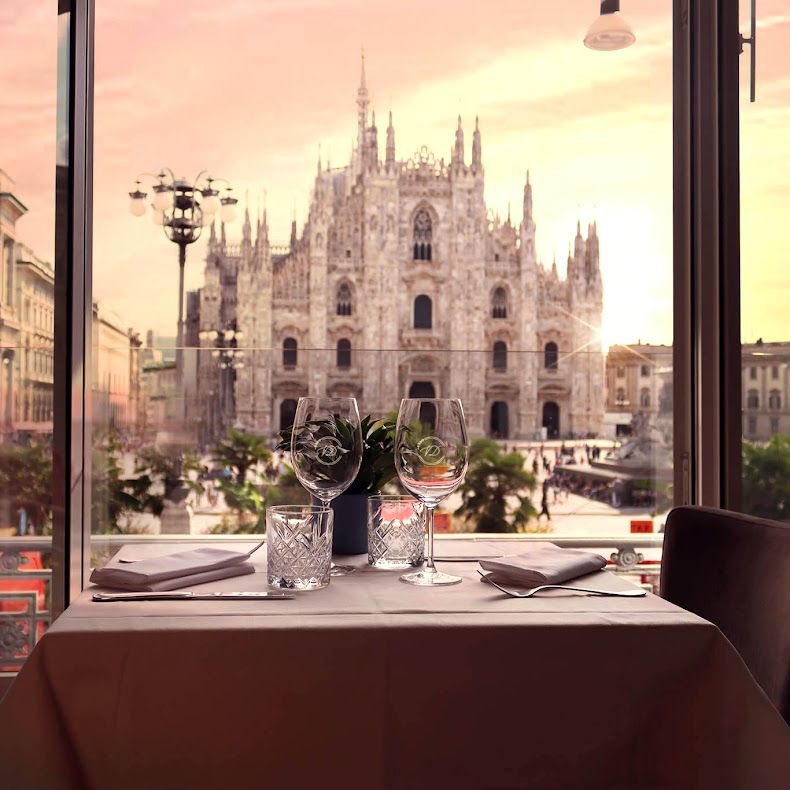
Ristorante Vista Duomo
Rated 4.1P.za del Duomo, 17/A, 20123 Milano MI
Ristorante Vista Duomo is located at Piazza del Duomo in central Milan, just 70 meters from the city center. The restaurant has a rating of 4.1 stars based on over 1,000 reviews.
What things cost in Milan
Typical prices. Estimates only: prices vary by season and neighborhood.
| Hostel dorm bedTypically 30-60 EUR. A dorm bed per night, higher during fashion and design weeks. | €30 – €60 |
|---|---|
| Budget hotel roomTypically 70-130 EUR. Double room per night, rising sharply during major events. | €70 – €130 |
| Mid-range hotel roomTypically 130-260 EUR. Double room per night in a central or well-connected area. | €130 – €260 |
| Luxury hotel roomTypically 350-900 EUR. Top-end five-star rooms per night, often higher in event periods. | €350 – €900 |
| CoffeeTypically 1.20-3 EUR. Espresso at the bar is cheaper than a table service coffee or cappuccino in tourist areas. | €1.20 – €3.00 |
|---|---|
| Local beerTypically 4-8 EUR. A pint or medium beer at a bar, with cocktails costing more. | €4.00 – €8.00 |
| Street food snackTypically 4-10 EUR. Focaccia, panzerotti or a slice of pizza from a takeaway counter. | €4 – €10 |
| Budget mealTypically 10-18 EUR. A simple pizza, pasta or lunch special at a casual spot. | €10 – €18 |
| Groceries (per day)Typically 15-30 EUR. Basic supermarket items for one person. | €15 – €30 |
| Mid-range mealTypically 25-45 EUR. Per person for a sit-down dinner with a drink at a trattoria or restaurant. | €25 – €45 |
| Fine diningTypically 90-250 EUR. Tasting menus at high-end restaurants, often more with wine. | €90 – €250 |
| Public transport rideTypically 1-3 EUR. A single ride within the city zone on metro, tram or bus. | €1.00 – €3.00 |
|---|---|
| Bike rental (per day)Typically 10-25 EUR. Shared or shop rental for a day, depending on bike type. | €10 – €25 |
| Short taxi rideTypically 10-20 EUR. A short central ride, with surcharges at night and on holidays. | €10 – €20 |
| Museum entryTypically 8-25 EUR. Typical range for major museums and sights, with some free or discounted days. | €8 – €25 |
|---|---|
| Guided walking tourTypically 15-45 EUR. Group walking tours of around two to three hours. | €15 – €45 |
| Day trip tourTypically 60-150 EUR. Organised excursions to places like Lake Como or Bergamo. | €60 – €150 |
Essentials
Practical things to know before you arrive in Milan.
When to go
April to June and September to early October offer mild, pleasant weather and long daylight for sightseeing and walking.
- Peak: April-June; September-October
- Shoulder: March; July; November
- Low: December-February; August
Getting around
Milan's centre is compact and well served by a metro network, trams and buses, which together cover most sights, neighbourhoods and train stations. Historic yellow trams still run on some lines. Tickets are generally validated or tapped at entry, and options such as single and multi-day passes exist; check the city transport operator for current details. Walking and cycling are practical in the centre, and bike and scooter sharing is available. Taxis are usually booked by phone, app or found at ranks rather than hailed.
Milan has three airports: Malpensa (the main international hub), Linate (close to the city, mainly European and domestic flights) and Bergamo Orio al Serio (used by low-cost carriers). Malpensa is linked to the city by express trains and coaches, Linate by metro and bus, and Bergamo by shuttle coaches. Milano Centrale and other main stations offer high-speed rail links to Rome, Florence, Venice, Turin and beyond, plus international services. Driving in the centre is restricted by low-emission and traffic-limited zones, so a car is not advised for city stays.
Where to stay
The Duomo, Brera and Centro Storico areas suit first-time visitors who want to walk to major sights, shopping and dining, though they are the priciest and busiest. Brera is charming and artsy with cobbled streets and good evening dining, while Porta Venezia is lively, well connected and known for its varied food and nightlife.
Navigli is popular with those seeking canal-side bars and nightlife, though it can be noisy at night. Porta Garibaldi and Isola offer modern, business-friendly stays with good transport links, and the area around Centrale station is convenient for early trains and airport transfers, if less atmospheric. Tortona suits design and fashion visitors, and Porta Romana or Città Studi can offer calmer, better-value stays with metro access.
Money
The local currency is Euro (EUR).
Exchange rates
- 1 EUR = 1.138 USD (rate as of 2026-09-25)
Cash and cards
- Cards and contactless payments are widely accepted in shops, restaurants, hotels and transport, though small cafés and markets may prefer cash for very small amounts. Carrying a little cash is still useful.
- Check restaurant bills for the coperto or service charge before adding a tip.
- Drinking an espresso standing at the bar is usually cheaper than sitting at a table.
- Carry some small coins and notes for cafés, kiosks and public toilets.
- Use ATMs attached to bank branches and decline dynamic currency conversion, paying in euros.
- Book hotels well ahead of fashion and design weeks to avoid the highest rates.
Taxes and tipping
- Tipping is not obligatory; service or a cover charge (coperto) is often added to restaurant bills. Leaving a few euros or rounding up for good service is appreciated but not expected.
Language: Italian
English: English is widely spoken in hotels, major restaurants, shops and tourist sites, and among younger people. Outside the centre, in small trattorias and local shops, some Italian helps.
- Good morning / Hello
- Buongiornobwon-JOR-no
- Good evening
- Buonaserabwo-na-SEH-ra
- Thank you
- GrazieGRAHT-tsee-eh
- You're welcome / Please go ahead
- PregoPREH-go
- Please
- Per favoreper fa-VOH-reh
- Excuse me
- ScusiSKOO-zee
- Do you speak English?
- Parla inglese?PAR-la een-GLEH-zeh
- How much does it cost?
- Quanto costa?KWAN-to KOS-ta
- The bill, please
- Il conto, per favoreeel KON-to per fa-VOH-reh
- Where is the station?
- Dov'è la stazione?do-VEH la sta-TSYOH-neh
- I don't understand
- Non capisconon ka-PEES-ko
- Goodbye
- Arrivederciar-ree-veh-DEHR-chee
More in Italy
This guide is for general reference. Check opening hours, prices and entry rules with official sources before you travel.