Los Angeles
A vibrant, sprawling metropolis where entertainment, culture, and sunshine converge to create an iconic American destination.
Los Angeles quick facts
- Best time to visit
- September-November
- Daily budget, mid-range
- $150-$300
- Language
- English
- Currency
- United States Dollar (USD)
- Getting around
- Metro, bus and train
- Suggested stay
- 4 days
About Los Angeles
Los Angeles is a diverse and dynamic city that embodies the quintessential California lifestyle, offering visitors an unparalleled urban experience. The city is a global entertainment capital, home to Hollywood and the film industry, with countless opportunities to explore movie history, celebrity culture, and behind-the-scenes studio experiences. From the glamorous streets of Beverly Hills to the eclectic neighborhoods of Venice and Silver Lake, LA presents a mosaic of cultures, architectural styles, and lifestyle experiences.
The city's geography is remarkably varied, featuring stunning Pacific coastline, rugged mountain backgrounds, and urban landscapes that range from historic districts to modern architectural marvels. Visitors can enjoy world-class museums, extensive outdoor spaces, beautiful beaches, and a thriving culinary scene that reflects the city's multicultural population. Los Angeles offers something for every type of traveler, whether interested in entertainment, art, cuisine, outdoor activities, or simply soaking up the legendary Southern California sunshine.
Beyond its entertainment reputation, Los Angeles is a global city with rich cultural diversity, featuring significant communities from around the world. This multicultural environment creates a unique atmosphere where traditional boundaries blur and innovation thrives. The city's neighborhoods each have distinct personalities, from the trendy arts district to the historic downtown, providing visitors with multiple experiences within a single destination.
Known for
- Hollywood film industry
- Celebrity culture
- Diverse neighborhoods
- Beautiful beaches
- Entertainment venues
- Iconic movie studios
- Year-round pleasant weather
Food in Los Angeles
Los Angeles boasts an incredibly diverse and vibrant food culture that reflects its multicultural population and global influences. The city's culinary landscape is a melting pot of flavors, combining traditional American cuisine with strong Mexican, Asian, and international influences. From street food to high-end dining, LA offers an extraordinary range of gastronomic experiences that blend local ingredients, innovative cooking techniques, and global culinary traditions.
The dining culture in Los Angeles is characterized by its casual yet sophisticated approach to food, with an emphasis on fresh, locally-sourced ingredients and health-conscious options. Food trucks, farmers markets, and fusion cuisine are particularly prominent, showcasing the city's innovative spirit. Angelenos tend to have flexible meal times, with breakfast extending late into the morning, lunch often being a light and quick affair, and dinner typically starting later in the evening, influenced by the city's entertainment and work culture.
History of Los Angeles
Los Angeles began as a small Spanish pueblo in 1781, established by Governor Felipe de Neve as part of the Spanish colonial expansion in California. Initially a small agricultural settlement with a diverse population of Native Americans, Spanish settlers, and mixed-race residents, the pueblo gradually grew around the Mission San Gabriel Arcángel and became an important regional center for agriculture and trade.
The city's transformation accelerated dramatically after California became part of the United States in 1850, following the Mexican-American War. The discovery of oil in the late 19th century, the arrival of the transcontinental railroad, and the emerging film industry in the early 20th century propelled Los Angeles into rapid growth. By the mid-20th century, the city had become a major metropolitan center, attracting migrants from across the United States with promises of economic opportunity, pleasant climate, and the glamour of Hollywood. The post-World War II era saw massive suburban expansion, infrastructure development, and the emergence of Los Angeles as a global city with significant cultural and economic influence.
The city's history is marked by complex racial dynamics, significant immigration waves, and ongoing urban development. From the displacement of indigenous populations to the growth of diverse ethnic neighborhoods, Los Angeles has been continuously reshaped by waves of migration from Mexico, Asia, and other parts of the world, making it one of the most multicultural cities in the United States.
Culture and etiquette
Los Angeles is a diverse, multicultural metropolis known for its laid-back and progressive social atmosphere. The city embraces a casual lifestyle where personal expression, creativity, and individuality are highly valued. People tend to dress casually, with a mix of trendy and relaxed styles, and social interactions are generally informal and friendly.
Communication in LA is direct yet relaxed, with a strong emphasis on networking and personal connections. The entertainment industry's influence creates an environment where people are often open, expressive, and comfortable discussing personal and professional aspirations. Angelenos are typically welcoming to newcomers and appreciate authenticity and genuine interactions.
DO's: - Tip 15-20% in restaurants - Dress casually but stylishly - Be environmentally conscious - Respect diversity and cultural differences - Use ride-sharing or public transportation - Be punctual but not overly rigid
DON'TS: - Don't discuss traffic as a casual conversation starter - Avoid criticizing the entertainment industry - Don't be too formal in social settings - Don't assume everyone works in movies/TV - Avoid discussing politics too aggressively - Don't honk excessively in traffic
Additional Tips: - Sunscreen is essential - Sustainable and organic lifestyles are popular - Fitness and health are important cultural values - Be prepared for significant cultural diversity - Learn basic Spanish, as it's widely spoken
Things to do in Los Angeles
What to see, where to stay and where to eat.
Getty Center Museum Experience
2 hoursPrice $$Westside Los Angeles
World-renowned museum featuring incredible art collections, stunning architecture, and breathtaking gardens with panoramic city views. Offers diverse exhibitions and architectural marvel.
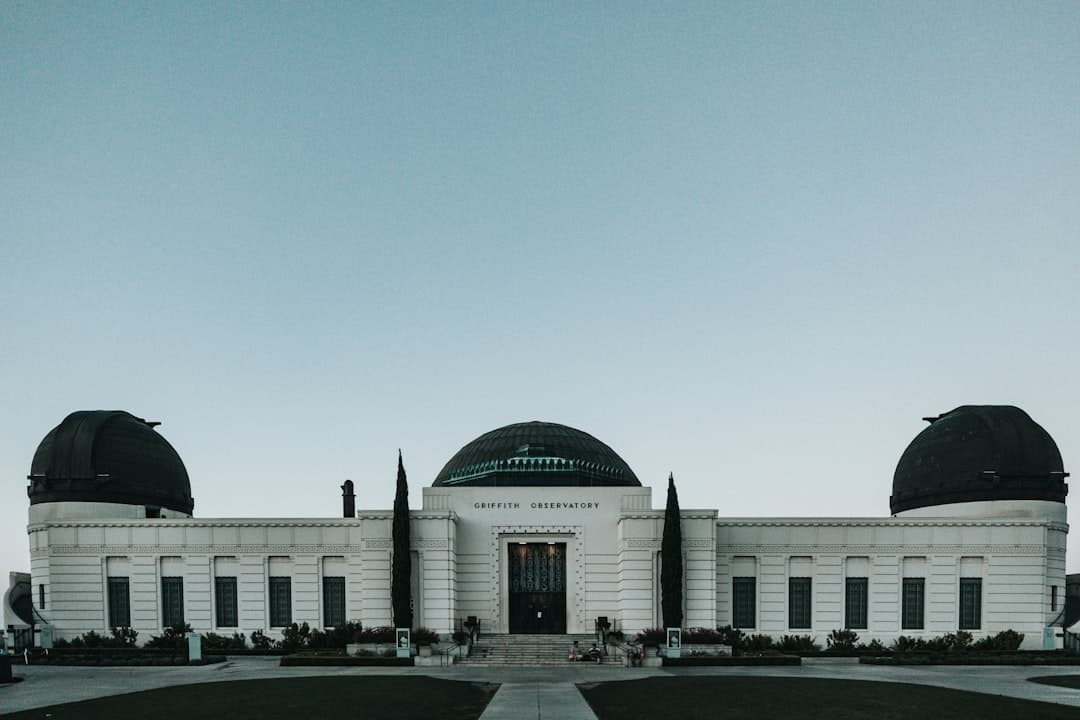
Griffith Park Hiking and Observatory Experience
2 hoursPrice $Northern Los Angeles
Explore Los Angeles' largest urban park with stunning city views, hiking trails, and the famous planetarium. Offers incredible panoramic views of the city and Hollywood sign.
Hollywood Walk of Fame Exploration
1 hourPrice $$Hollywood district
Stroll along the iconic sidewalk featuring stars honoring entertainment legends. Discover celebrity handprints, unique street performers, and the vibrant atmosphere of Hollywood Boulevard.
Santa Monica Pier Sunset Experience
2 hoursPrice $$Santa Monica Beach
Classic California pier with amusement park, stunning ocean views, and vibrant atmosphere. Perfect for watching spectacular Pacific Ocean sunsets.
Universal Studios Hollywood Adventure
2 hoursPrice $$$$Universal City
Immersive theme park combining movie-themed rides, live shows, and behind-the-scenes studio experiences. Perfect for movie fans and thrill-seekers of all ages.
Venice Beach Boardwalk Cultural Experience
2 hoursPrice $$Venice Beach area
Vibrant oceanfront walkway featuring street performers, unique shops, muscle beach, and eclectic street art. A quintessential Los Angeles experience showcasing the city's diverse culture.
Downtown Arts District Culinary Walking Tour
3 hoursPrice $$Downtown Arts District
Explore LA's trendy Arts District, sampling innovative cuisine from local restaurants, craft breweries, and artisan food producers. Experience the neighborhood's creative culinary scene.
Los Angeles Farmers Market Food Experience
2 hoursPrice $Fairfax District
Historic market featuring diverse food vendors, local produce, gourmet shops, and cooking demonstrations. Represents LA's multicultural culinary landscape.
Venice Beach Social Hostel
Party HostelPrice $$Venice Beach
A vibrant backpacker haven located just steps from Venice Beach's iconic boardwalk. The hostel captures the free-spirited California surf culture with its colorful murals and communal spaces. Perfect for young travelers looking to meet people and experience LA's beach scene.
Check prices on Booking.com for Venice Beach Social HostelHollywood Hills Boutique Retreat
HotelPrice $$$$Hollywood Hills
An intimate design hotel nestled in the Hollywood Hills with panoramic city views. Each room features unique art from local creators and mid-century modern furnishings. A quiet sanctuary just minutes from Hollywood's excitement.
Check prices on Booking.com for Hollywood Hills Boutique RetreatDowntown Business Lofts
HotelPrice $$$$Downtown Los Angeles
Modern urban accommodations designed specifically for business travelers. Spacious rooms with dedicated workspace, high-speed internet, and convenient downtown location. Combines professional functionality with contemporary design.
Check prices on Booking.com for Downtown Business LoftsSanta Monica Family Apartments
HotelPrice $$$$Santa Monica
Spacious apartment-style accommodations perfect for families and longer stays. Full kitchens, multiple bedrooms, and a family-friendly atmosphere. Located in a quiet residential area near Santa Monica's attractions.
Check prices on Booking.com for Santa Monica Family ApartmentsArts District Creative Hostel
Chill HostelPrice $$Arts District
A laid-back hostel situated in LA's trendy Arts District. Celebrates creative culture with workspace areas, art workshops, and a relaxed community atmosphere. Perfect for digital nomads and artistic travelers.
Check prices on Booking.com for Arts District Creative HostelBeverly Hills Luxury Resort
Luxury HotelPrice $$$$Beverly Hills
An opulent hotel embodying Hollywood glamour with world-class service. Expansive rooms, multiple dining options, and a spa that caters to celebrities and discerning travelers seeking ultimate luxury.
Check prices on Booking.com for Beverly Hills Luxury Resort
Pacific Coast Seafood Grill
SeafoodPrice $Santa Monica Pier Area
Waterfront-inspired restaurant featuring fresh California coastal cuisine. Specializes in locally sourced seafood with panoramic ocean views. Relaxed yet sophisticated dining experience.
Downtown Urban Vegetarian Kitchen
VegetarianPrice $Arts District
Modern plant-based restaurant offering creative, globally-inspired vegetarian dishes. Bright, minimalist space with an open kitchen concept. Attracts health-conscious diners and food enthusiasts.
Hollywood Classic Diner
AmericanPrice $Hollywood Boulevard Area
Retro-style diner capturing mid-century Los Angeles dining culture. Serves traditional American comfort food with nostalgic decor. Popular among locals and film industry professionals.
Sunset Boulevard Fine Dining
FrenchPrice $West Hollywood
Elegant French restaurant offering sophisticated Mediterranean-inspired cuisine. Intimate dining room with impeccable service and extensive wine selection. Attracts culinary enthusiasts and special occasion diners.
Koreatown Street Food Cafe
AsianPrice $Koreatown
Vibrant casual restaurant celebrating Korean street food and contemporary cuisine. Energetic atmosphere with communal dining options. Popular among younger crowd and food adventurers.
Venice Beach Organic Cafe
CafePrice $Venice Beach
Relaxed beachside cafe focusing on organic, locally sourced ingredients. Offers extensive vegan and gluten-free options. Reflects Los Angeles' health-conscious dining culture.
Little Tokyo Traditional Kitchen
JapanesePrice $Little Tokyo
Authentic Japanese restaurant specializing in traditional cooking techniques. Offers sushi, ramen, and regional specialty dishes. Intimate setting celebrating Japanese culinary traditions.
What things cost in Los Angeles
Typical prices in US dollars. Estimates only: prices vary by season and neighborhood.
| Hostel dorm bedSanta Monica, Hollywood hostels | $25-40 |
|---|---|
| Budget hotel roomBudget hotels in Koreatown, Downtown | $50-80 |
| Apartment rentalVenice, Silver Lake, Echo Park areas | $80-150 |
| Mid-range hotel room3-star hotels near Universal Studios | $100-180 |
| Luxury hotel roomBeverly Hills, West Hollywood premium hotels | $250-500 |
| CoffeeArtisan coffee shops in Silver Lake, Venice | $3-5 |
|---|---|
| Street foodKorean BBQ trucks, Mexican street vendors | $3-7 |
| Local beerCraft breweries in Arts District | $6-8 |
| Glass of wineWine bars in Hollywood | $8-12 |
| Budget mealTaco trucks, fast casual spots in Downtown and East LA | $8-15 |
| Groceries for a dayWhole Foods, local supermarkets | $15-25 |
| Mid-range mealTrendy restaurants in West Hollywood, Santa Monica | $20-35 |
| Fine diningMichelin-starred restaurants in Beverly Hills | $75-150 |
| Taxi, per kmAdditional distance charges | $1.50-2.50 |
|---|---|
| Public transport ticketSingle metro/bus ride, $7 day pass | $1.75 |
| Taxi base fareInitial fare, typical for LA | $3-5 |
| Ride-hailing tripAverage city ride | $12-25 |
| Bike rental, per dayDaily bike rental in beach areas | $15-30 |
| Car rental, per dayDaily economy/mid-size rental | $40-75 |
Essentials
Practical things to know before you arrive in Los Angeles.
When to go
September-November (mild temperatures, fewer tourists, lower accommodation prices, comfortable outdoor activities)
- Peak: June-August
- Temperatures: 70-85°F
- Shoulder: September-November, March-May
- Low: December-February
Getting around
Los Angeles has a complex transportation network characterized by extensive highway systems and car-dependent infrastructure. Public transportation exists but is less comprehensive compared to other major US cities, with metro and bus systems covering key urban areas.
The city's transportation reflects its sprawling nature, requiring strategic planning for efficient movement. While public transit continues improving, most residents and visitors rely significantly on personal vehicles or ridesharing services.
- Airport: LAX (Los Angeles International) 25-30 km from city center Multiple transport options (train, shuttle, rideshare) Airport transfer cost: $10-25 Travel time: 30-45 minutes depending on traffic
- Public transport: Metro rail and bus system Limited but expanding coverage TAP card payment system Day pass: $7-10 Moderate reliability, improving infrastructure
- Walking: Varies by neighborhood Downtown and some districts pedestrian-friendly Typical walkable distances: 1-3 km Sidewalk quality inconsistent
- Taxis/Rideshare: Uber/Lyft extensively available Base fare: $2-3 Per kilometer rate: $1-1.50 Abundant service across metropolitan area
Where to stay
Los Angeles offers diverse accommodation options ranging from luxury hotels to budget-friendly hostels. Prices fluctuate significantly based on season, with peak tourist periods (summer and holiday seasons) seeing higher rates. Expect to pay premium prices during major events like awards season or film festivals. Booking in advance and being flexible with location can help manage costs. Most accommodations offer modern amenities, with varying levels of comfort and service.
1. Beverly Hills: - Pros: Luxurious, prestigious, excellent shopping - Cons: Extremely expensive, limited budget options - Price Range: $350-$1,000+ per night - Best for: Luxury travelers, celebrities, high-end tourists
2. Hollywood: - Character: Iconic, touristy, vibrant nightlife - Advantages: Close to major attractions, entertainment venues - Nearby: Walk of Fame, TCL Chinese Theatre, Universal Studios - Price Level: $150-$400 per night - Suits: First-time visitors, entertainment enthusiasts
3. Santa Monica: - Description: Beachfront area with relaxed atmosphere - Suitability: Families, beach lovers, casual travelers - Typical Costs: $200-$500 per night - Highlights: Pier, beach access, casual dining options
4. Downtown LA: - Pros: Central location, business-friendly - Cons: Can be noisy, less scenic - Price Range: $150-$350 per night - Best for: Business travelers, urban explorers
- Book 2-3 months in advance for best rates
- Consider alternative platforms like Airbnb for potentially lower prices
- Check for parking costs (often extra in urban areas)
- Verify location relative to public transportation
- Peak seasons (summer, December) require earliest booking
- Consider staying slightly outside central areas for cost savings
- Look for package deals that include parking or breakfast
- Check cancellation policies carefully
- Consider travel insurance for flexible bookings
- Use price comparison websites
- Be aware of additional city taxes and resort fees
Typical Overall Price Ranges: - Budget: $50-$150 per night - Mid-range: $150-$300 per night - Luxury: $300-$1000+ per night
Recommended booking platforms: Booking.com, Expedia, Hotels.com, Airbnb
Money
The local currency is United States Dollar (USD).
Exchange rates
- 1 USD = 0.92 EUR (approximate)
- 1 USD = 0.79 GBP (approximate)
- 1 USD = 1.35 CAD (approximate)
Cash and cards
- Cash used, but credit cards preferred
- Carry $50-$100 in cash
- Common denominations: $1, $5, $10, $20 bills
- Most businesses accept cash, but cards are more convenient
Taxes and tipping
- Sales tax in Los Angeles: 9.5%
- No VAT
- Tourists cannot claim tax refunds on most purchases
- Prices typically do not include sales tax
- Credit cards offer best exchange rates
- Always notify bank of travel plans
- Keep some emergency cash
- Use credit cards with travel rewards/no foreign transaction fees
Language: English
English: - High proficiency across all age groups - Professional environments: Near-native fluency - Casual settings: Wide range of English dialects - Significant bilingual population (English/Spanish)
- Hello
- English
- Good evening
- English
- Thank you
- English
- Please
- English
- Excuse me/Sorry
- English
- Yes/No
- English
- How much?
- English
- Where is...?
- English
- I don't understand
- English
- Do you speak English?
- English
- Help!
- English
- Goodbye
- English
- Cheers!
- English
- Delicious
- English
- Bill/Check please
- English
More in United States

This guide is for general reference. Check opening hours, prices and entry rules with official sources before you travel.