Martha's Vineyard
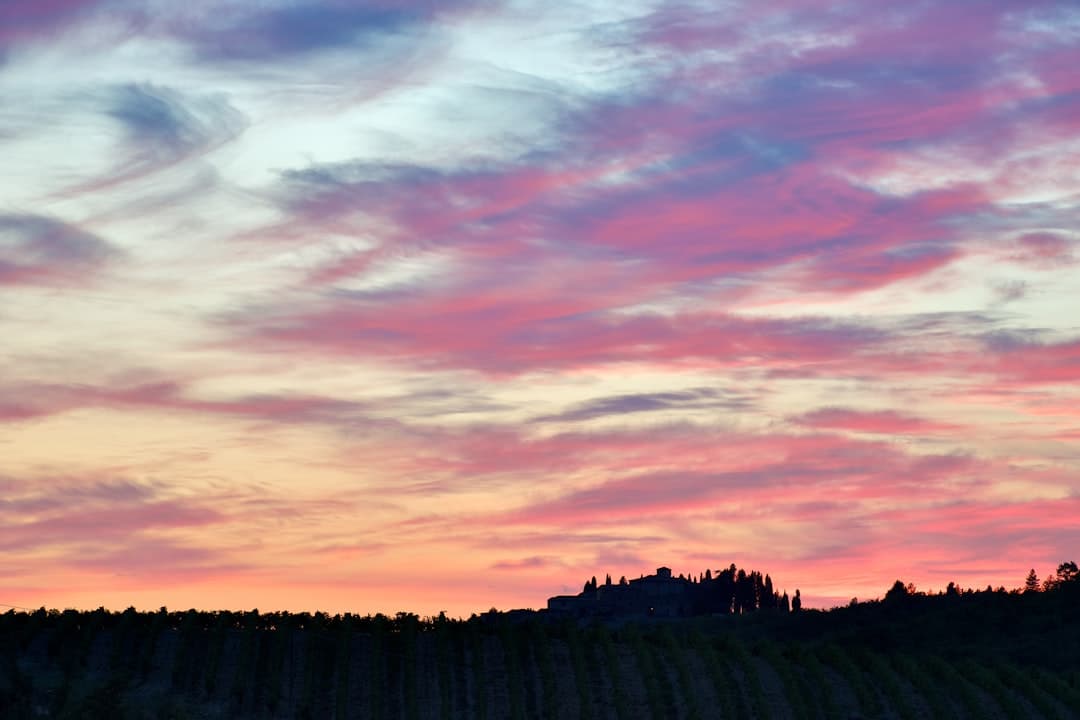
A picturesque island off the coast of Massachusetts, Martha's Vineyard is a charming summer destination known for its pristine beaches, historic towns, and laid-back New England atmosphere.
Martha's Vineyard quick facts
- Best time to visit
- Late June to early September
- Daily budget, mid-range
- $150-$250
- Language
- English
- Currency
- United States Dollar (USD)
- Getting around
- Bus
- Suggested stay
- 4 days
About Martha's Vineyard
Martha's Vineyard is an iconic island located south of Cape Cod, Massachusetts, offering visitors a quintessential New England coastal experience. The island is divided into six distinct towns, each with its own unique character and charm, ranging from the gingerbread-style cottages of Oak Bluffs to the elegant whaling era homes of Edgartown.
The island boasts stunning natural beauty, with miles of pristine sandy beaches, rolling farmlands, and scenic lighthouses. Visitors can explore diverse landscapes, from coastal cliffs to dense forests and pastoral countryside. The island's commitment to preserving its natural environment and historic character makes it a haven for those seeking a peaceful and authentic coastal retreat.
Martha's Vineyard offers a wide range of activities for travelers, including beach relaxation, cycling along scenic paths, exploring local art galleries, enjoying fresh seafood, and experiencing the island's rich maritime history. The destination attracts a mix of vacationers, from wealthy summer residents to day-trippers seeking a tranquil escape from mainland life.
Known for
- Beautiful beaches
- Historic gingerbread cottages
- Affluent summer destination
- Scenic bike paths
- Laid-back New England atmosphere
Food in Martha's Vineyard
Martha's Vineyard's food culture is deeply rooted in its maritime heritage and New England coastal traditions, featuring an abundance of fresh seafood and locally sourced ingredients. The island's cuisine reflects a blend of traditional New England cooking with modern farm-to-table approaches, emphasizing fresh, seasonal produce from local farms and daily catches from surrounding waters. Dining experiences range from casual seafood shacks to upscale restaurants, with a strong emphasis on community, seasonal ingredients, and sustainable food practices.
The island's culinary landscape is characterized by its proximity to the Atlantic Ocean, with seafood playing a central role in local dining. Restaurants and home cooks alike celebrate the region's maritime bounty, preparing dishes that showcase local fish, shellfish, and traditional cooking methods passed down through generations of island residents. Seasonal variations significantly influence the local food scene, with summer months bringing an influx of tourists and expanded culinary offerings.
History of Martha's Vineyard
Martha's Vineyard has a rich history dating back to the indigenous Wampanoag people, who inhabited the island for thousands of years before European contact. The Wampanoag were skilled fishers and farmers who maintained a complex society on the island, utilizing its natural resources and developing a deep connection to the land long before the arrival of European settlers in the mid-17th century.
In 1642, Thomas Mayhew Jr. purchased the island from the Earl of Sterling and began establishing permanent European settlements. The island became an important whaling and fishing center during the 18th and 19th centuries, with numerous maritime communities developing along its coastline. Vineyard Haven, Oak Bluffs, and Edgartown emerged as key settlements, each with its own distinct character and economic focus. The island's economy shifted over time, transitioning from whaling and fishing to agriculture and eventually to tourism, which became a dominant economic force in the late 19th and early 20th centuries.
The island gained additional prominence in the mid-20th century as a popular summer destination for affluent families and notable politicians, including several U.S. presidents. Its reputation as a progressive, culturally rich community grew, attracting artists, writers, and intellectuals who appreciated its unique landscape and relative isolation. Today, Martha's Vineyard maintains a delicate balance between preserving its historical character and adapting to modern tourism and environmental challenges, with a strong emphasis on conservation and maintaining the island's distinctive cultural heritage.
Culture and etiquette
Martha's Vineyard is a unique island community off the coast of Massachusetts, known for its distinctive blend of year-round residents and seasonal visitors. The island has a relaxed, sophisticated atmosphere that combines New England coastal charm with a progressive, environmentally conscious lifestyle. Social interactions are typically friendly but reserved, with a strong emphasis on community and respect for local traditions.
The island's culture is deeply influenced by its maritime history, artistic community, and mix of wealthy summer residents and working-class local population. People tend to dress casually but neatly, with a preppy, nautical style that reflects the island's coastal environment. Community events, local farmers markets, and beach gatherings are important social anchors that bring residents and visitors together.
DO's: - Respect local environmental practices - Be patient and courteous - Support local businesses - Dress in layers (weather can change quickly) - Respect private property and beach access rules
DON'Ts: - Don't litter - Avoid being overly loud in public spaces - Don't park in resident-only areas - Don't assume all areas are public access - Avoid discussing controversial local development issues with strangers
ADDITIONAL TIPS: - Tipping: 15-20% in restaurants is standard - Dress Code: Casual but neat; preppy/nautical style preferred - Summer season (June-September) is the busiest time - Bring cash, as some smaller establishments may not accept cards - Respect wildlife and natural environments - Be prepared for higher prices during peak tourist season
Local Customs: - Strong bicycle culture - Emphasis on local, sustainable food - Community-oriented social interactions - Respect for marine and natural environment - Appreciation for local arts and crafts
Things to do in Martha's Vineyard
What to see, where to stay and where to eat.
Edgartown Historic District Walking Tour
2 hoursPrice $$Edgartown historic center
Explore a beautifully preserved 19th-century whaling village with elegant captain's homes, historic churches, and charming boutiques. Learn about the island's maritime history and architectural evolution.
Oak Bluffs Historic Gingerbread Cottage Walking Tour
1 hourPrice $Oak Bluffs historic district
Explore a unique historic neighborhood featuring over 300 colorful Victorian cottages. These charming, ornate homes create a whimsical, storybook-like environment that captures Martha's Vineyard's architectural heritage.
Aquinnah Cliffs Scenic Exploration
1 hourPrice $Western tip of Martha's Vineyard
Stunning coastal landscape featuring colorful clay cliffs and historic Gay Head Lighthouse. Visitors can explore breathtaking views of the Atlantic Ocean and learn about the area's Native American heritage.
Island Seafood and Farm-to-Table Culinary Experience
3 hoursPrice $$Vineyard Haven and local farmers markets
Sample local seafood and farm-fresh produce from Martha's Vineyard's renowned local restaurants and farmers markets. Experience the island's rich culinary traditions and seasonal offerings.
Menemsha Sunset Beach Experience
1 hourMenemsha Beach
Watch a breathtaking sunset over the ocean at this picturesque fishing village beach. Known for its tranquil atmosphere and stunning views, perfect for a romantic evening.
Martha's Vineyard Museum Exploration
2 hoursPrice $Vineyard Haven
Discover the island's rich maritime history, Native American heritage, and local culture through engaging exhibits and historical artifacts.
Vineyard Bike Trail Adventure
2 hoursPrice $$Island-wide bike trails
Explore Martha's Vineyard's scenic landscapes through an extensive network of bike trails. Ride through state forests, coastal paths, and picturesque towns with stunning ocean views.
Martha's Vineyard Agricultural Fair
2 hoursPrice $West Tisbury Fairgrounds
Annual summer event celebrating local agriculture, crafts, and community traditions. Features livestock competitions, homemade crafts, live music, and traditional fair activities.
Vineyard Haven Historic Hostel
Chill HostelPrice $$Vineyard Haven historic district
A charming coastal hostel nestled in a restored 19th-century home. Offers a relaxed atmosphere with stunning ocean views and communal spaces perfect for travelers seeking connection. Ideal for budget-conscious explorers wanting an authentic island experience.
Check prices on Booking.com for Vineyard Haven Historic HostelOak Bluffs Waterfront Luxury Resort
Luxury HotelPrice $$$$Oak Bluffs coastal area
Elegant oceanfront property offering breathtaking views of Martha's Vineyard's coastline. Featuring sophisticated rooms, gourmet dining, and premium wellness facilities. Perfect for travelers seeking a high-end island retreat.
Check prices on Booking.com for Oak Bluffs Waterfront Luxury ResortEdgartown Coastal Business Hotel
HotelPrice $$$$Edgartown professional district
Modern, professional accommodation catering to business travelers and conference attendees. Strategically located with efficient workspaces, high-speed internet, and convenient meeting facilities.
Check prices on Booking.com for Edgartown Coastal Business HotelAquinnah Cliffs Boutique Retreat
HotelPrice $$$$Aquinnah scenic area
Intimate, design-focused property offering unique accommodations with panoramic views of the iconic Aquinnah Cliffs. Celebrates local architecture and provides a serene, artistic environment for discerning travelers.
Check prices on Booking.com for Aquinnah Cliffs Boutique RetreatVineyard Sound Budget Party Hostel
Party HostelPrice $$Vineyard Haven entertainment district
High-energy hostel perfect for young travelers seeking social connections and vibrant nightlife. Offers organized activities, group events, and a lively atmosphere for meeting fellow adventurers.
Check prices on Booking.com for Vineyard Sound Budget Party Hostel
Vineyard Waterfront Seafood House
SeafoodPrice $Edgartown waterfront area
Classic New England seafood restaurant overlooking the harbor. Features fresh daily catch from local fishermen. Rustic maritime atmosphere with panoramic ocean views.
Island Farm-to-Table Kitchen
AmericanPrice $West Tisbury agricultural district
Celebrates local Martha's Vineyard agricultural produce. Seasonal menu changing weekly based on island harvests. Warm, welcoming farmhouse-style dining room.
Mediterranean Coastal Grill
MediterraneanPrice $Oak Bluffs downtown area
Bright, airy restaurant featuring Mediterranean coastal cuisine. Open kitchen with wood-fired grill. Relaxed atmosphere with indoor and outdoor seating.
Organic Vegetarian Café
VegetarianPrice $Vineyard Haven health district
Plant-based restaurant focusing on locally sourced organic ingredients. Bright, modern space with community-focused atmosphere. Offers vegan and gluten-free options.
Island Gourmet Bakery
DessertPrice $Edgartown historic district
Charming artisan bakery specializing in local ingredient-based pastries. Handmade breads, seasonal fruit pies, and gourmet coffee. Cozy, welcoming atmosphere.
What things cost in Martha's Vineyard
Typical prices in US dollars. Estimates only: prices vary by season and neighborhood.
| Budget hotel roomBasic accommodations, off-peak season | $100-200 |
|---|---|
| Apartment rentalSeasonal pricing varies dramatically | $150-350 |
| Mid-range hotel roomComfortable hotels with island views | $250-400 |
| Luxury hotel roomBoutique hotels, waterfront resorts | $500-800 |
| CoffeeLocal cafes, artisan coffee shops | $3-5 |
|---|---|
| Street foodLobster rolls, clam chowder, local seafood stands | $5-10 |
| Local beerCraft beers from island breweries | $6-8 |
| Glass of wineLocal vineyard wines, restaurant pricing | $8-12 |
| Budget mealCasual sandwich shops, local delis, fish shacks | $12-20 |
| Groceries for a dayGrocery stores, slightly higher due to island pricing | $20-35 |
| Mid-range mealSeafood restaurants, local bistros with island cuisine | $25-40 |
| Fine diningUpscale waterfront restaurants, gourmet seafood experiences | $60-100 |
| Public transport ticketLocal bus services between towns | $2-3 |
|---|---|
| Taxi base fareInitial fare within island towns | $5-8 |
| Bike rental, per dayDaily bike rental, popular island transportation | $20-35 |
| Car rental, per dayDaily rental, peak season prices higher | $50-100 |
| Oak Bluffs Historic Gingerbread Cottages walking tour | $10-20 |
|---|---|
| Evening live music at local venues | $15-25 |
| Martha's Vineyard Museum, historical exhibits | $20-30 |
| Edgartown historic walking tour | $20-35 |
| Vineyard Sound sailing cruise | $25-40 |
| Guided island bicycle tour | $30-50 |
| Fishing charter expedition | $40-60 |
Essentials
Practical things to know before you arrive in Martha's Vineyard.
When to go
Late June to early September
- Peak: June-August
- Shoulder: May-June, September-October
- Low: November-April
Getting around
Martha's Vineyard has a limited but functional public transportation system primarily serving seasonal tourists and residents. The Martha's Vineyard Transit Authority (VTA) operates buses that connect major towns and popular destinations during peak season.
During summer months, transportation is relatively convenient, with frequent bus routes and shuttle services. However, winter months see significantly reduced public transit options, making personal transportation or taxi services more essential.
- Airport: Martha's Vineyard Airport (MVY)
- Located centrally on the island
- Shuttle buses and taxi services available
- Airport transfer costs: $15-30 per person
- Flight connections to major northeastern cities
- Public transport:
- VTA bus system covers most island routes
- Seasonal frequency (high in summer, limited in winter)
- Day passes: $8-12
- Cash and contactless payment accepted
- Walking:
- Highly walkable in town centers
- Typical walking distances: 1-3 km between attractions
- Bike rentals widely available
- Taxis/Rideshare:
- Uber/Lyft available
- Local taxi services operate
- Typical rates: $10-25 per trip depending on distance
- Higher rates during peak tourist season
Where to stay
Martha's Vineyard offers a diverse range of accommodations, primarily seasonal from May to October. Prices peak during summer months (July-August), with rates 30-50% higher than shoulder seasons. Expect to pay a premium for waterfront and island-view properties. Accommodations range from quaint bed & breakfasts and historic inns to luxury resorts and vacation rentals. Most properties are smaller, independently owned establishments with limited inventory, so early booking is crucial.
1. Edgartown: - Pros: Most upscale area, historic charm, walkable downtown - Cons: Most expensive district, can be crowded in peak season - Price Range: $250-$600 per night - Best for: Couples, luxury travelers, history enthusiasts
2. Oak Bluffs: - Character: Vibrant, colorful, more casual and family-friendly - Advantages: Victorian cottages, beach proximity, lively atmosphere - Price Range: $200-$450 per night - Nearby: Gingerbread cottages, Flying Horses Carousel, active nightlife
3. Vineyard Haven: - Description: More local, less touristy, artistic community - Suitability: Budget travelers, artists, those seeking authentic experience - Typical Costs: $180-$350 per night - Quieter alternative with access to galleries and local culture
- Book 6-9 months in advance for summer stays
- Consider shoulder seasons (May-June, September) for lower prices
- Best booking platforms: Airbnb, VRBO, local island rental agencies
- Look for package deals including ferry transportation
- Consider home exchanges or off-island accommodations during peak season
- Check for minimum stay requirements, especially in summer
- Verify parking availability, as island parking can be limited
- Consider travel insurance due to potential weather disruptions
Estimated Overall Price Ranges: - Budget: $150-$250/night - Mid-range: $250-$450/night - Luxury: $450-$800+/night
Money
The local currency is United States Dollar (USD).
Exchange rates
- 1 USD = €0.92 EUR (approximate)
- 1 USD = £0.79 GBP (approximate)
- 1 USD = ¥134 JPY (approximate)
Cash and cards
- Cash still widely used, especially in smaller towns and local businesses
- Recommended to carry $50-$100 in small denominations
- Most businesses accept cash, but card payments increasingly preferred
Taxes and tipping
- Massachusetts state sales tax: 6.25%
- Martha's Vineyard follows state tax rates
- No tax refund program for tourists
- Meals tax additional 0.75%
- Peak season (summer) tends to be more expensive
- Many businesses seasonal, check operating hours
- Credit cards offer best exchange rates
- Carry some cash for small local establishments
Language: English
English: High proficiency; native language spoken by virtually all residents; fluent across all age groups and professions
- Hello/Good morning
- Hihī
- Good evening
- Eveningēv-ning
- Thank you
- ThanksTHangks
- Please
- Pleaseplēz
- Excuse me/Sorry
- Excuse me/Sorryik-ˈskyüs mē/ˈsär-ē
- Yes/No
- Yes/Noyes/nō
- How much?
- How much?hou muCH
- Where is...?
- Where's the...wer iz
- I don't understand
- I don't get itī dōnt get it
- Do you speak English?
- Do you speak English?dō yü spēk ˈiNG-glisH
- Help!
- Help!help
- Goodbye
- Byebī
- Cheers!
- Cheers!CHirz
- Delicious
- Yummyyə-mē
- Bill/Check please
- Check, pleaseCHek plēz
More in United States




This guide is for general reference. Check opening hours, prices and entry rules with official sources before you travel.