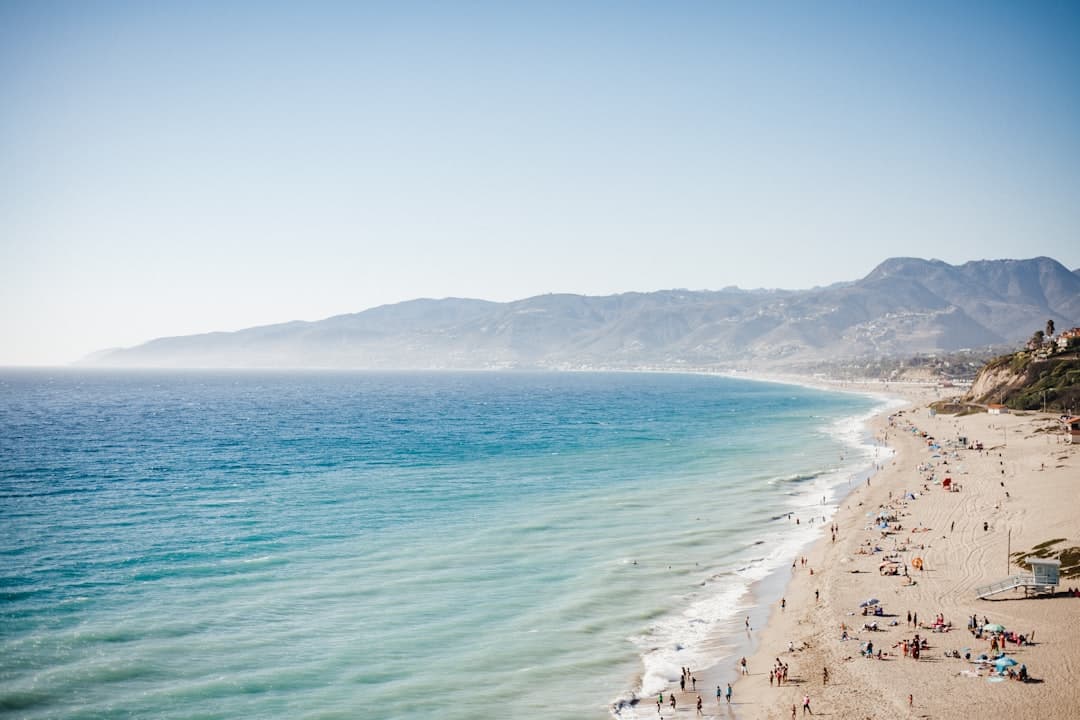
Malibu
A stunning coastal paradise where pristine beaches, celebrity homes, and natural beauty converge along the Southern California coastline.
Malibu quick facts
- Best time to visit
- Late September to early November, offering warm temperatures, minimal
- Daily budget, mid-range
- $250-$400
- Language
- English
- Currency
- United States Dollar (USD)
- Getting around
- Metro and bus
- Suggested stay
- 2 days
About Malibu
Malibu is a luxurious and picturesque city located in Los Angeles County, California, renowned for its 21-mile stretch of breathtaking Pacific coastline. The city offers a unique blend of natural beauty, upscale living, and outdoor recreation that attracts visitors from around the world. Its dramatic landscape features rugged mountains, scenic beaches, and stunning ocean views that create a postcard-perfect environment.
The city is primarily known for its world-class beaches, which offer excellent opportunities for surfing, sunbathing, and water sports. Many of these beaches are public and provide stunning views of the Pacific Ocean, with some featuring unique rock formations and secluded coves. Malibu's natural environment is characterized by its protected state parks, hiking trails, and diverse wildlife.
Beyond its natural attractions, Malibu is also famous for its high-profile residents, including numerous Hollywood celebrities and wealthy professionals. The city offers a sophisticated yet relaxed atmosphere, with upscale restaurants, boutique shopping, and exclusive wine tasting experiences that complement its natural beauty.
Known for
- Pristine beaches
- Celebrity homes
- Surfing locations
- Natural scenic beauty
- Getty Villa museum
- Pacific Coast Highway views
Food in Malibu
Malibu's food culture is a vibrant blend of California coastal cuisine, health-conscious dining, and upscale culinary experiences. The city's proximity to the Pacific Ocean heavily influences its food scene, with an emphasis on fresh seafood, organic ingredients, and farm-to-table dining. Local cuisine reflects the area's affluent lifestyle and health-focused California ethos, featuring light, nutritious dishes that showcase local produce and sustainable ingredients.
The dining culture in Malibu is characterized by a relaxed yet sophisticated approach to eating, where fresh, high-quality ingredients take center stage. Residents and visitors alike appreciate meals that combine nutritional value with gourmet preparation, often enjoying outdoor dining with stunning ocean views. Meal times tend to be flexible, with a strong brunch culture and an appreciation for leisurely dining experiences that capture the laid-back California lifestyle.
History of Malibu
Malibu's history begins with the Chumash Native American tribe, who inhabited the coastal region for thousands of years before European settlement. These indigenous people lived along the coastline, fishing, hunting, and establishing complex social structures in the area's rich natural environment. They developed sophisticated maritime technologies and traded with neighboring tribes, creating a vibrant culture that was deeply connected to the land and sea.
In 1542, Spanish explorer Juan Rodriguez Cabrillo became the first European to explore the Malibu coastline, claiming the territory for Spain. The region remained largely undeveloped until the Mexican land grant era in the early 19th century, when Rancho Topanga Malibu Sequit was established. By the late 19th century, the area transitioned from a rural ranching landscape to a more diverse community, with wealthy landowners and developers recognizing the region's extraordinary natural beauty. The construction of the Pacific Coast Highway in the 1920s dramatically transformed Malibu, making it more accessible and attractive to Hollywood celebrities and affluent residents who began constructing iconic beachfront homes.
Throughout the 20th century, Malibu evolved from a remote coastal area to a world-renowned destination known for its stunning beaches, celebrity residents, and unique blend of natural beauty and architectural innovation. The city was officially incorporated in 1991, cementing its identity as a distinct community that balances environmental preservation with luxurious coastal living.
Culture and etiquette
Malibu, located in Los Angeles County, California, is a quintessential Southern California beach community known for its laid-back, affluent lifestyle and strong connection to surf and beach culture. Residents and visitors alike embrace a relaxed, outdoor-oriented way of life that prioritizes wellness, environmental consciousness, and recreational activities. The community is characterized by a blend of Hollywood glamour, surf culture, and natural beauty.
Daily life in Malibu revolves around the ocean, with many residents and visitors spending significant time surfing, swimming, hiking, and enjoying outdoor activities. The population is diverse but skews towards wealthy professionals, celebrities, and creative individuals who value privacy, natural beauty, and a high-quality lifestyle. Social interactions tend to be casual and friendly, with an emphasis on personal connections and a shared appreciation for the stunning coastal environment.
DO's: - Respect beach and environmental regulations - Dress casually but stylishly - Practice sun safety and use sunscreen - Be environmentally conscious - Respect private property and beach access rules
DON'Ts: - Don't litter on beaches or in natural areas - Avoid being overly loud or disruptive in public spaces - Don't park illegally or block beach access points - Avoid wearing formal attire in most settings
ADDITIONAL TIPS: - Tipping is expected: 15-20% in restaurants - Casual beach attire is acceptable in most settings - Eco-friendly practices are highly valued - Respect wildlife and marine environments - Be prepared for potential traffic and parking challenges
DRESS CODE: - Casual beach wear - Athletic/fitness clothing - Surf and outdoor lifestyle attire - Layers for temperature changes - Sunglasses and sun protection recommended
Things to do in Malibu
What to see, where to stay and where to eat.
Point Dume
2 hoursCliffside Dr &, Birdview Ave, Malibu, CA 90265, USA
Tranquil coastal area featuring trails & rocky coves, plus blufftop views of Santa Catalina Island.
Leo Carrillo State Park
2 hours35000 Pacific Coast Hwy, Malibu, CA 90265, USA
Beach with coastal caves & reefs, plus swimming, surfing, camping, hiking & surf fishing.
Solstice Canyon
2 hoursPrice $3455 Solstice Canyon Rd, Malibu, CA 90265, USA
Canyon offering trails of varying difficulty, plus picnicking, a waterfall, wildlife & dog walking.
El Matador State Beach
2 hoursPrice $$$32350 Pacific Coast Hwy, Malibu, CA 90265, USA
A collection of 3 small cliff-foot beaches with blufftop parking popular in the summertime.
Malibu Pier
1 hourPrice $$$23000 CA-1, Malibu, CA 90265, USA
Iconic circa-1905 pier next to the beach, with shops, restaurants, fishing & people-watching.
The Getty Villa
2 hours17985 Pacific Coast Hwy, Pacific Palisades, CA 90272, USA
Former tycoon's residence modeled after 1st-century Italian villa, with Greek & Roman artifacts.
Malibu Creek State Park
3 hoursPrice $$1925 Las Virgenes Road, Calabasas, CA 91302, USA
Rugged state park in the Santa Monica Mountains with hiking trails & a rock pool swimming hole.
Shutters on the Beach
Hotel1 Pico Blvd, Santa Monica, CA 90405, USA
Polished beachfront hotel offering elegant dining & a casual cafe/bar, plus an outdoor pool & a spa.
Check prices on Booking.com for Shutters on the BeachHI Los Angeles Santa Monica Hostel
Hostel1436 2nd St, Santa Monica, CA 90401, USA
Colorful, modern hostel 2 blocks from the beach, offering a game room, free Wi-Fi & a guest kitchen.
Check prices on Booking.com for HI Los Angeles Santa Monica HostelMalibu Beach Inn
Hotel22878 Pacific Coast Hwy, Malibu, CA 90265, USA
Luxe boutique hotel with ocean views & in-room fireplaces, plus fine dining on a terrace.
Check prices on Booking.com for Malibu Beach InnThe Surfrider Hotel
Hotel23033 Pacific Coast Hwy, Malibu, CA 90265, USA
Polished rooms & suites in a stylish boutique hotel featuring a rooftop cafe/bar with ocean views.
Check prices on Booking.com for The Surfrider HotelNobu Ryokan Malibu
Hotel22752 Pacific Coast Hwy, Malibu, CA 90265, USA
Sophisticated Asian-influenced hotel offering high-end dining, ocean views & direct beach access.
Check prices on Booking.com for Nobu Ryokan Malibu
Malibu Seafood
SeafoodPrice $$Rated 4.625653 CA-1, Malibu, CA 90265, USA
Modern plant-based restaurant offering innovative, globally-inspired vegetarian and vegan dishes. Bright, airy space with eco-friendly design and extensive organic wine list.
Zinqué - Malibu
FrenchPrice $$Rated 4.523841 Malibu Rd unit 21, Malibu, CA 90265, USA
Casual, beach-inspired taco restaurant serving authentic street-style Mexican cuisine. Colorful, laid-back atmosphere with outdoor seating and fresh margaritas.
Geoffrey's
AmericanPrice $$$Rated 4.427400 Pacific Coast Hwy, Malibu, CA 90265, USA
Contemporary Japanese restaurant featuring premium sushi and Pacific Rim fusion cuisine. Sleek, minimalist design with ocean-view terrace and expert sushi chefs.
Nobu Malibu
BarPrice $$$$Rated 4.322706 Pacific Coast Hwy, Malibu, CA 90265, USA
Farm-to-table restaurant using ingredients from local Malibu agricultural producers. Rustic, relaxed atmosphere with an emphasis on organic, seasonal California cuisine.
Paradise Cove Beach Café
CafePrice $$Rated 4.128128 Pacific Coast Hwy, Malibu, CA 90265, USA
Oceanfront restaurant offering fresh catch from local fishermen. Features panoramic beach views and an open-air dining terrace. Specializes in sustainable seafood prepared with California coastal techniques.
Malibu Farm Restaurant at the Pier
LocalPrice $$Rated 4.023000 CA-1 Building A, Malibu, CA 90265, USA
Relaxed Mediterranean restaurant celebrating Greek and Turkish culinary traditions. Offers authentic mezze, grilled specialties, and extensive wine selection.
What things cost in Malibu
Typical prices in US dollars. Estimates only: prices vary by season and neighborhood.
| Budget hotel roomBasic hotels near PCH | $150-250 |
|---|---|
| Mid-range hotel roomBeachfront hotels with partial ocean views | $250-400 |
| Apartment rentalBeachfront or canyon view apartments | $250-600 |
| Luxury hotel roomFive-star resorts like Malibu Beach Inn | $500-1,000 |
| CoffeeSpecialty coffee shops in Malibu Village | $4-6 |
|---|---|
| Local beerCraft beers at local restaurants and bars | $6-9 |
| Street foodBeach food trucks and casual takeout | $8-12 |
| Glass of winePremium California wine selections | $10-20 |
| Budget mealCasual beachside cafes, taco shops near Pacific Coast Highway | $15-25 |
| Groceries for a dayHigh-end grocery stores like Whole Foods | $25-40 |
| Mid-range mealSeafood restaurants with ocean views, casual dining | $30-50 |
| Fine diningUpscale oceanfront restaurants like Nobu Malibu | $75-150 |
| Public transport ticketLimited bus services | $2-3 |
|---|---|
| Taxi base fareInitial fare, sparse taxi availability | $10-15 |
| Ride-hailing tripAverage ride within Malibu area | $20-35 |
| Car rental, per dayDaily rate, recommended for exploring | $50-100 |
| Malibu Beach Access and State Beaches | $0-15 |
|---|---|
| Point Dume Nature Preserve Exploration | $0-20 |
| Getty Villa Museum Admission | $10-25 |
| Guided Surfing Lessons at Surfrider Beach | $20-50 |
| Hiking in Santa Monica Mountains | $25-40 |
| Sunset Dinner Cruise along Coastline | $30-60 |
| Whale Watching Boat Tours (Seasonal) | $50-100 |
| Wine Tasting Tours in Malibu Wine Country | $75-150 |
Essentials
Practical things to know before you arrive in Malibu.
When to go
Late September to early November, offering warm temperatures, minimal crowds, and stable coastal weather conditions with lower tourist density compared to summer months.
- Peak
- * Temperatures: 70-85°F
- Shoulder
- * Moderate temperatures: 60-75°F
- Low
- * Temperatures: 50-65°F
Getting around
Malibu's transportation infrastructure is primarily car-dependent, with limited public transit options. The city's linear coastal layout along Pacific Coast Highway makes personal vehicle or rideshare the most practical transportation method for most residents and visitors.
Public transportation exists but is relatively sparse, with bus services connecting key areas but not offering comprehensive coverage across the entire coastal region. Most visitors and residents rely on personal vehicles or ride-sharing services for convenient mobility.
- Airport: Los Angeles International (LAX), 40-50 km away
- Shuttle services: $25-45
- Rideshare: $50-80
- Travel time: 45-60 minutes depending on traffic
- Public transport:
- Limited bus routes
- LA Metro connections available
- Sporadic service frequency
- Cash and digital payment options
- Walking:
- Good walkability in beach and commercial areas
- Typical walking distances: 1-3 km in central zones
- Sidewalks generally well-maintained
- Taxis/Rideshare:
- Uber/Lyft widely available
- Base fare: $5-8
- Per kilometer rate: $1-1.50
- Typical city ride: $15-30
Where to stay
Malibu offers luxurious and scenic accommodation options with a premium pricing structure. Seasonal variations are significant, with peak season running from June to September, where prices can increase by 40-60%. Winter months (November-February) offer more affordable rates but less predictable beach weather. Most accommodations focus on ocean views, beach proximity, and high-end amenities. Visitors should expect prices to be considerably higher compared to nearby Los Angeles areas, with an emphasis on upscale, boutique experiences.
1. Malibu Colony: - Pros: Exclusive beachfront location, celebrity proximity, pristine beaches - Cons: Extremely expensive, limited accommodation options - Price Range: $500-$1,500 per night - Best for: Luxury travelers, celebrities, high-end vacationers
2. Point Dume: - Character: Scenic coastal area with dramatic cliff views - Advantages: Quieter atmosphere, excellent hiking, stunning landscapes - Nearby attractions: State beach, nature preserves - Price Level: $350-$800 per night - Suits: Nature enthusiasts, photographers, couples seeking privacy
3. Topanga Beach: - Description: Bohemian-style area with rustic charm - Suitability: Surfers, artists, alternative travelers - Typical Costs: $250-$600 per night - Unique features: More relaxed environment, artistic community
- Book 3-4 months in advance during peak summer season
- Best booking platforms: Airbnb, VRBO, Luxury Retreats for high-end options
- Consider mid-week stays for better rates
- Check for additional fees (parking, resort charges)
- Verify exact beach access and parking arrangements
- Consider shoulder seasons (April-May, September-October) for better value
- Rental cars recommended due to limited public transportation
- Some areas require minimum stay periods during peak season
- Look for accommodations with kitchen facilities to reduce dining expenses
Money
The local currency is United States Dollar (USD).
Exchange rates
- 1 USD = 0.92 EUR (approximate)
- 1 USD = 0.79 GBP (approximate)
- 1 USD = 1.35 CAD (approximate)
Cash and cards
- Widely accepted but less common in Malibu
- Carry $50-$100 in small denominations
- Most transactions prefer card payments
Taxes and tipping
- California Sales Tax: 7.25% (state level)
- Malibu Local Sales Tax: Additional 0.50%
- Total Sales Tax: Approximately 7.75%
- No tourist tax refund system for domestic travelers
- Malibu is an expensive area with high-end restaurants and shops
- Credit cards are preferred for most transactions
- Cash is less common but still useful for small purchases
- Consider carrying a backup payment method
Language: English
English: - High proficiency across all age groups - Native speakers predominate - Professional and academic environments demonstrate advanced English skills
- Hello/Good morning
- Hihaɪ
- Good evening
- Eveningˈiːvnɪŋ
- Thank you
- Thanks/Thank youθæŋks
- Please
- Pleasepliz
- Excuse me/Sorry
- Excuse me/Sorryɪkˈskjuːz miː/ˈsɒri
- Yes/No
- Yes/Nojɛs/noʊ
- How much?
- How much is this?haʊ mʌtʃ ɪz ðɪs
- Where is...?
- Where's the...wɛərz ðə...
- I don't understand
- I don't get itaɪ doʊnt ɡɛt ɪt
- Do you speak English?
- Do you speak English?duː juː spiːk ˈɪŋɡlɪʃ
- Help!
- Help!hɛlp
- Goodbye
- Bye/See youbaɪ/siː juː
- Cheers!
- Cheers!tʃɪərz
- Delicious
- Deliciousdɪˈlɪʃəs
- Bill/Check please
- Check, pleasetʃɛk pliz
More in United States

This guide is for general reference. Check opening hours, prices and entry rules with official sources before you travel.