New York City
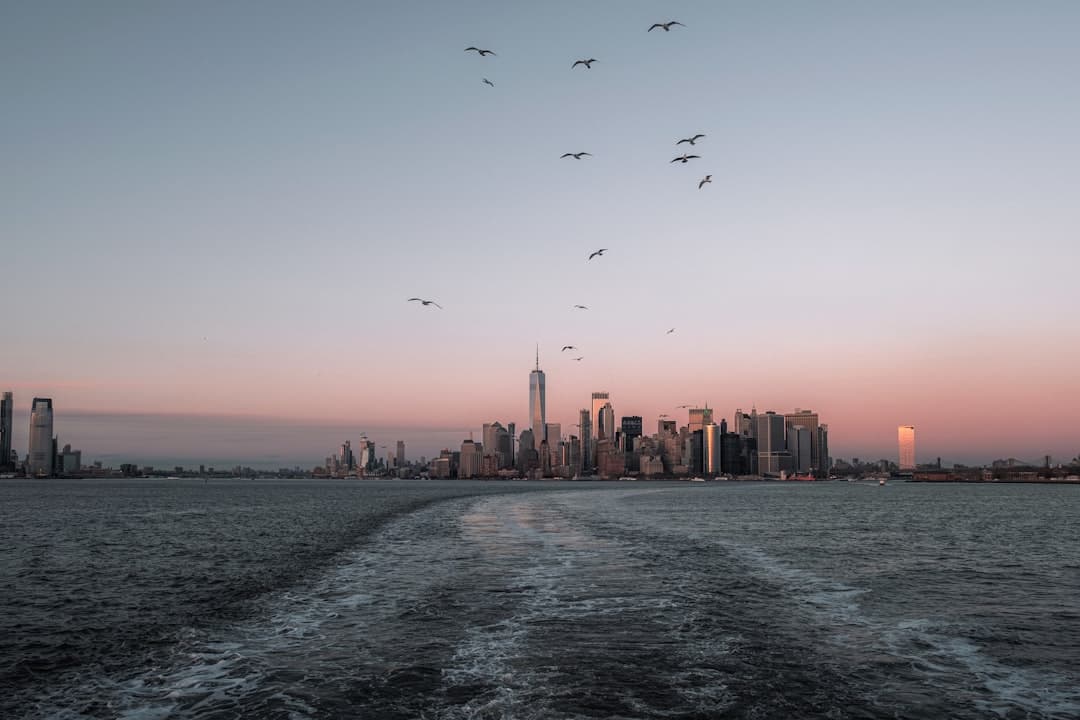
The largest city in the United States, a dense global hub of five boroughs known for its skyline, world-class museums, theater, food and constant energy.
New York City quick facts
- Best time to visit
- The best months to visit are April to June and September to early
- Language
- English
- Currency
- US Dollar (USD)
- Getting around
- Metro, bus and train
- Suggested stay
- 5 days
- Population
- 8.5M
About New York City
New York City sits at the mouth of the Hudson River on the Atlantic coast, spread across five boroughs: Manhattan, Brooklyn, Queens, the Bronx and Staten Island. The coordinates given point to lower Manhattan near City Hall, the historic and governmental heart of the city, close to the Financial District, Tribeca and the Brooklyn Bridge.
The city is one of the world's major centers of finance, media, art, fashion and theater. Its subway, walkable streets and mix of neighborhoods make it possible to experience many different cultures in a single day, from Chinatown's markets to Broadway's theaters to the parks and museums along Central Park.
Visitors find a place that is fast, crowded and endlessly varied. Iconic sights such as the Statue of Liberty, the Empire State Building and Times Square draw huge crowds, while quieter corners like residential brownstone streets, waterfront parks and neighborhood diners show everyday life.
New York rewards those who explore beyond Manhattan. Brooklyn, Queens and the Bronx offer major food scenes, cultural institutions, beaches and green space, and the city changes noticeably with the seasons, from humid summers to cold, sometimes snowy winters.
Known for
- Skyline and skyscrapers, Broadway theater, World-class museums, Diverse food scene, Wall Street and finance, Central Park
Food in New York City
New York's food reflects its immigrant history. Nearly every cuisine in the world can be found somewhere in the five boroughs, often in neighborhood clusters where communities have shaped the local dining scene for generations.
Everyday eating is fast and casual: street carts, slices of pizza eaten standing up, bagels for breakfast, delis and diners. At the same time the city has a major fine dining scene, and reservations for popular restaurants are often needed well in advance.
Tipping is customary at sit-down restaurants and bars. Brunch on weekends is a strong local habit, and late-night eating is easy to find in many neighborhoods.
History of New York City
The area was home to the Lenape people before European contact. Dutch settlers founded the trading colony of New Amsterdam on the southern tip of Manhattan in the 1620s. The English took control in 1664 and renamed it New York.
The city served briefly as the U.S. capital in the 1780s and grew rapidly in the 19th century thanks to the Erie Canal, its deep harbor and waves of immigration, many passing through Ellis Island from the 1890s onward. In 1898 the five boroughs were consolidated into a single city.
The 20th century brought skyscrapers, the subway, the Harlem Renaissance and the rise of the city as a global financial and cultural capital. The city faced fiscal crisis in the 1970s and the September 11, 2001 attacks on the World Trade Center, after which lower Manhattan was extensively rebuilt.
Culture and etiquette
New Yorkers are known for walking fast, speaking directly and valuing efficiency. This is usually not rudeness; people will typically help if asked a clear, quick question. On sidewalks and stairs, stay out of the flow of foot traffic when stopping to look at a map or take photos.
On the subway, let passengers exit before boarding, take off your backpack in crowded cars and avoid blocking doors. Tipping is expected for restaurant service, bars, taxis and many personal services.
The city is extremely diverse, with hundreds of languages spoken. Neighborhood identity is strong, and each borough has its own character, so it helps to approach each area with curiosity and respect for the local community.
Things to do in New York City
What to see, where to stay and where to eat.
Rockefeller Center
3 hoursPrice $$45 Rockefeller Plaza, New York, NY 10111
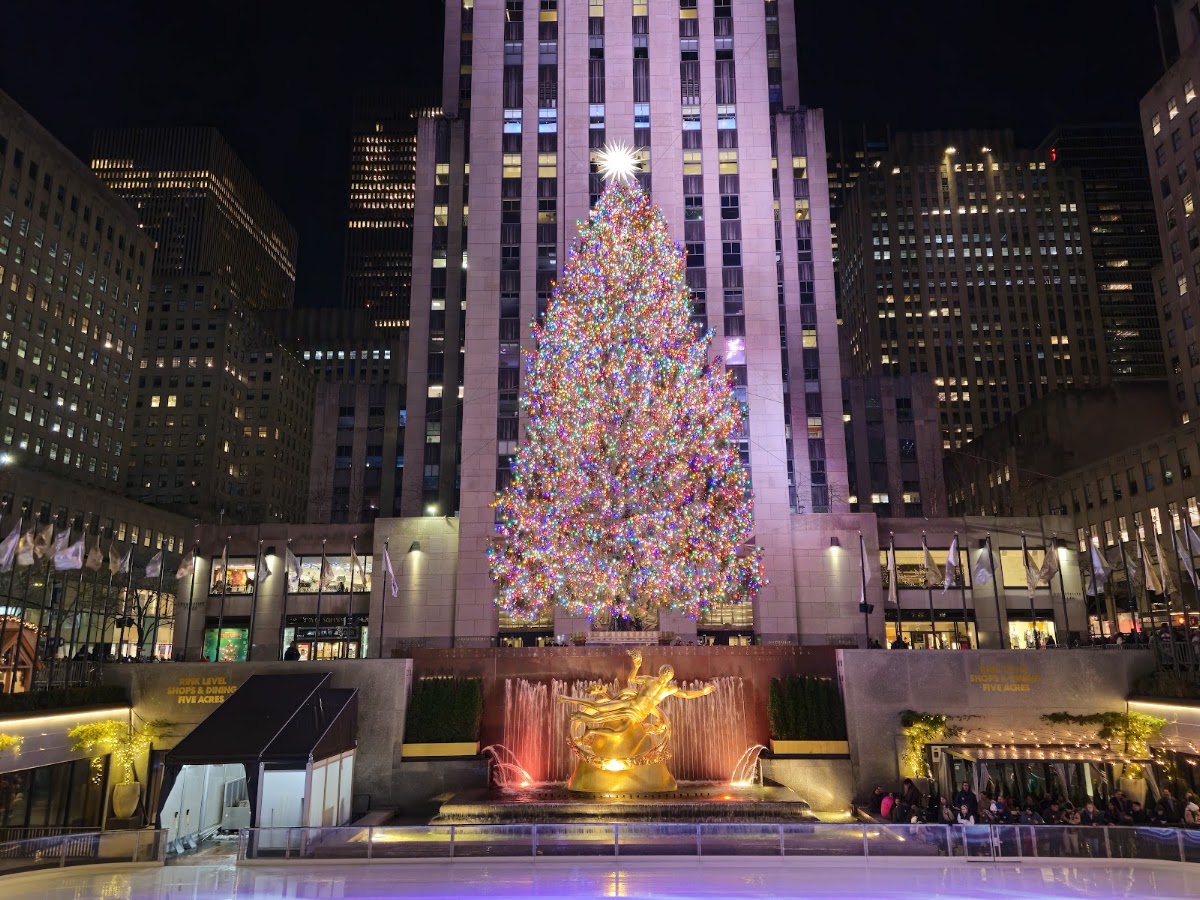
Rockefeller Center is a famous complex located at 45 Rockefeller Plaza that is home to TV studios, a seasonal ice rink, and a giant Christmas tree. This historical landmark is a popular tourist attraction in New York City with a rating of 4.7 out of 5 based on over 202,000 reviews.
Empire State Building
1 hour20 W 34th St., New York, NY 10001
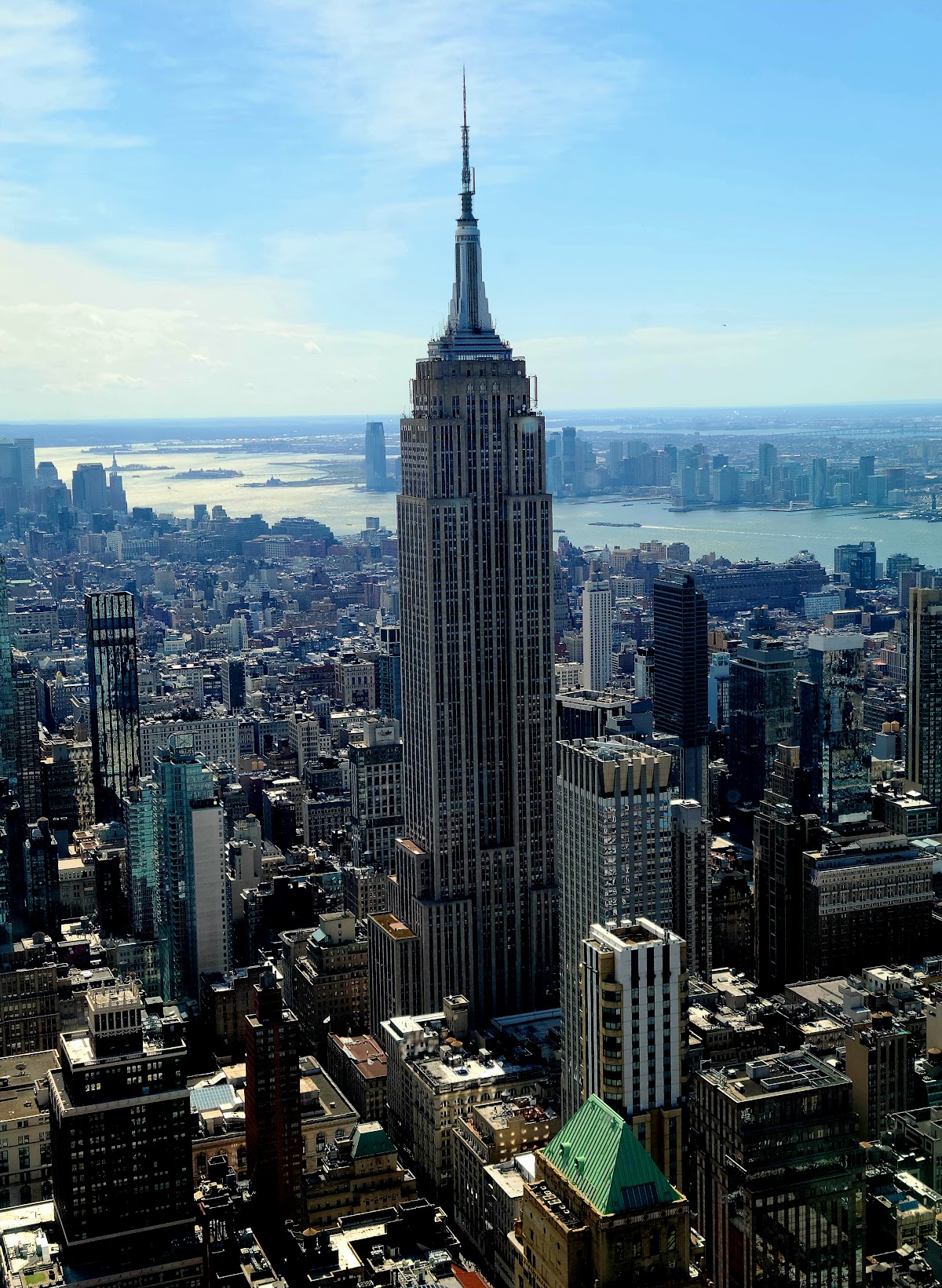
The Empire State Building is an iconic art deco office tower from 1931 featuring observatories on the 86th and 102nd floors with exhibits. Located at 20 W 34th St., it offers views from its observation decks and is rated 4.7 out of 5 stars.
Top of The Rock
3 hoursPrice $$30 Rockefeller Plaza, New York, NY 10112
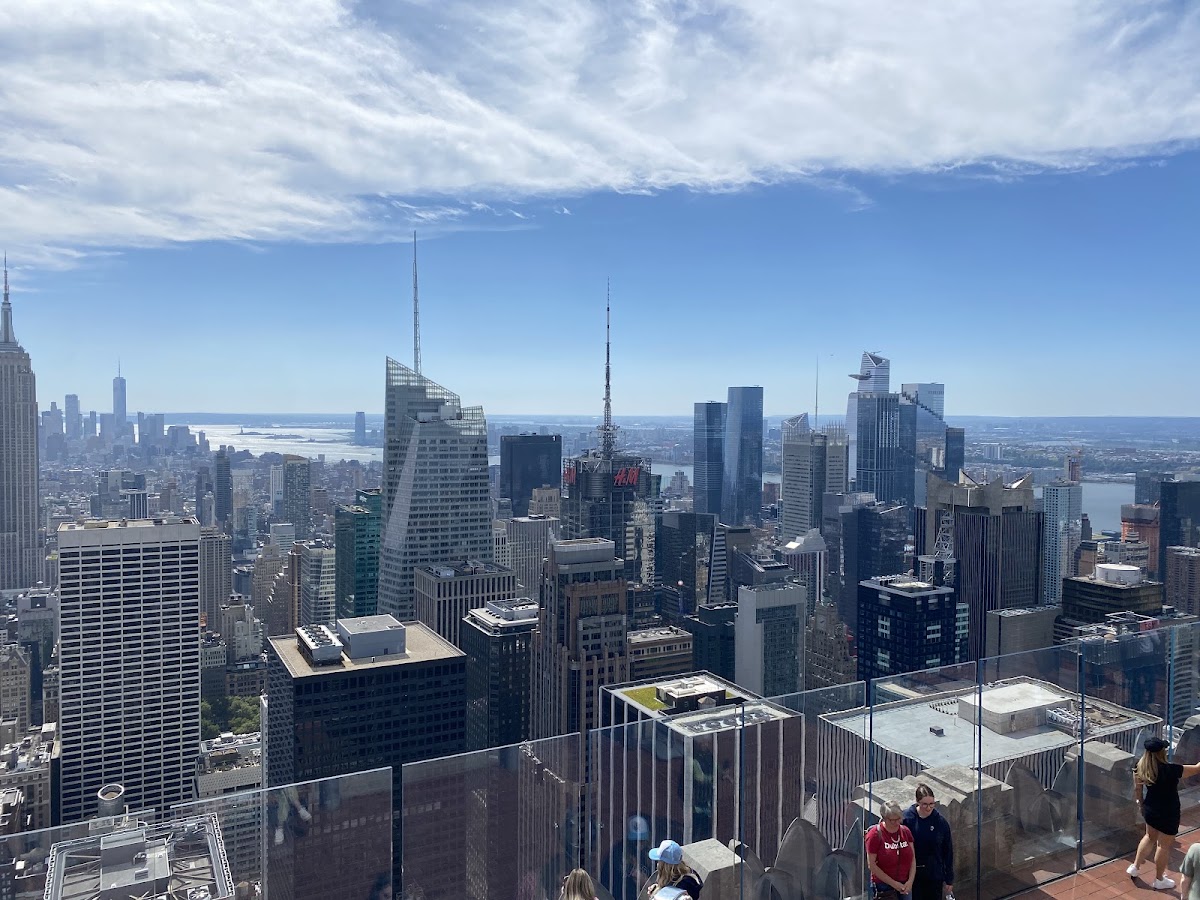
Top of The Rock is an observation deck located atop Rockefeller Center at 30 Rockefeller Plaza, featuring an ocean-liner style design. The deck offers panoramic views of New York City and has a rating of 4.7 stars based on over 91,000 visitor reviews.
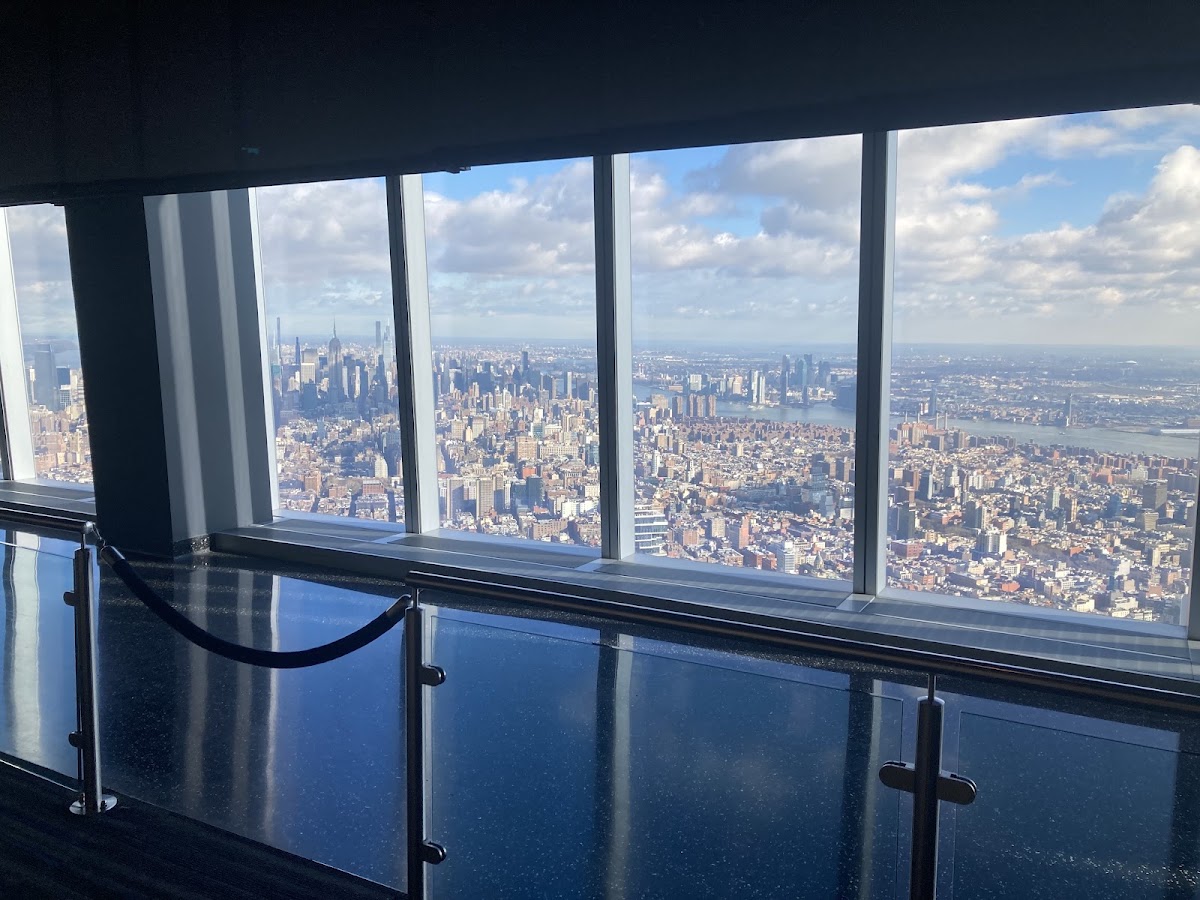
One World Observatory
2 hoursPrice $$$117 West St, New York, NY 10007
One World Observatory is an observation deck located on floors 100-102 of One World Trade Center, featuring exhibits and restaurants with panoramic views of New York City.
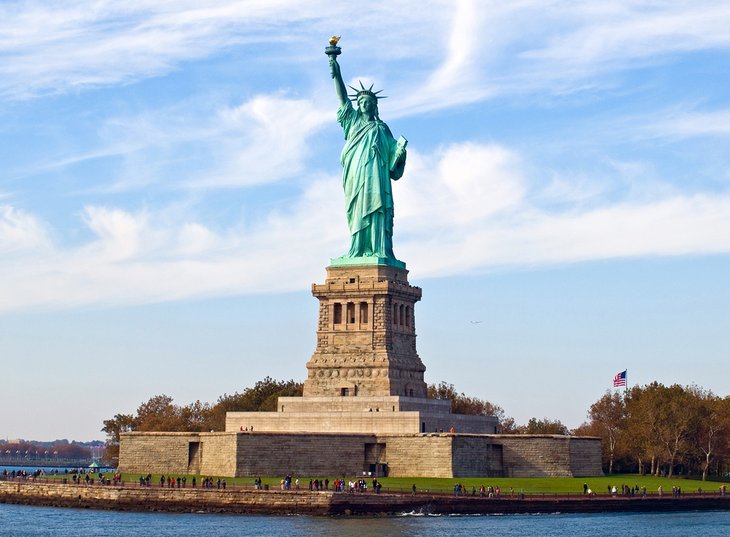
Statue of Liberty Lookout
Battery Park Underpass, New York, NY 10004
A bayside observation point in Battery Park with benches and a walkway offering views of the iconic Statue of Liberty. Located just 1.5 km from the city center, this scenic spot provides an accessible vantage point to see the famous monument.
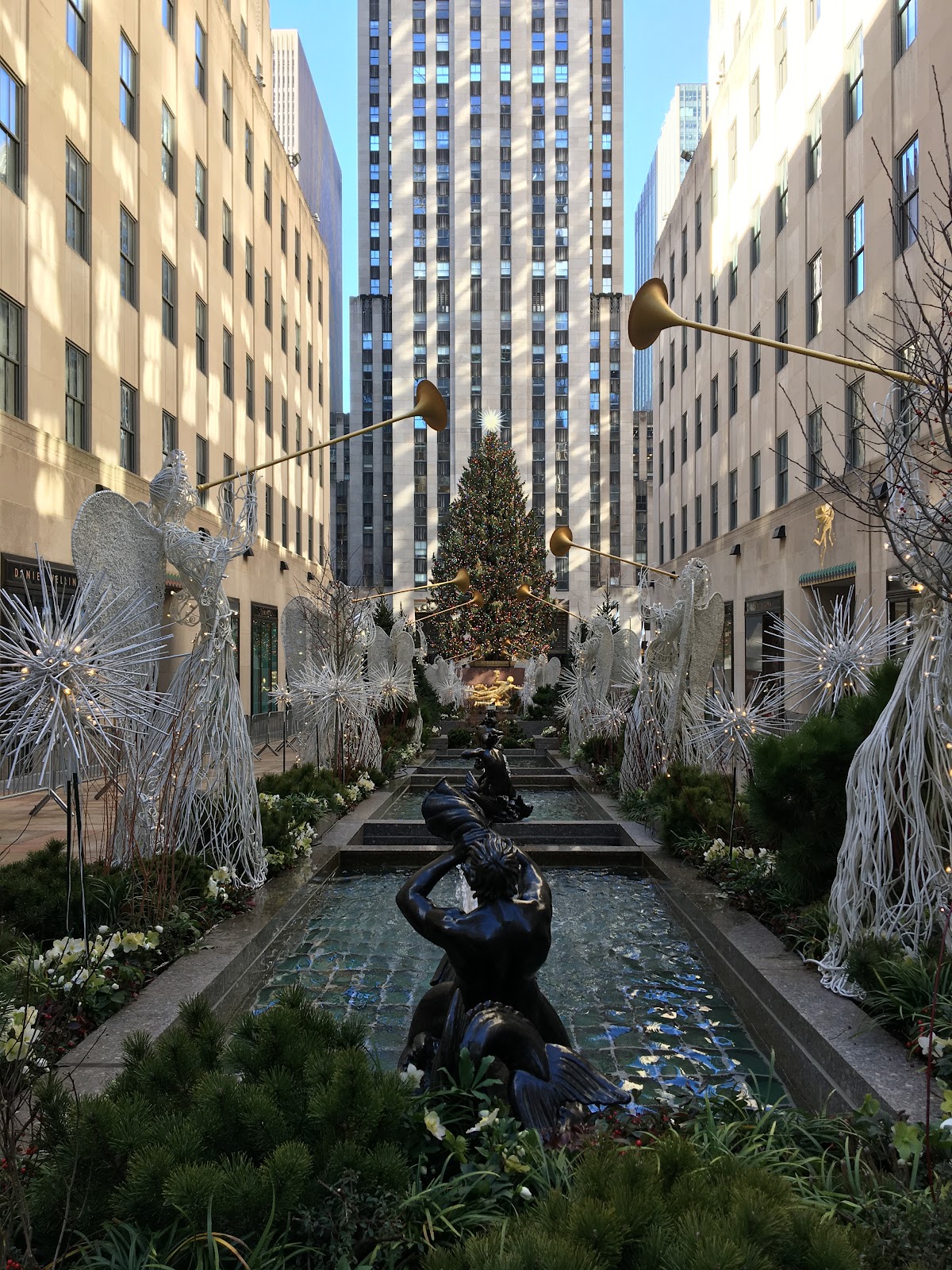
The Channel Gardens
2 hoursPrice $New York, NY 10020
The Channel Gardens features themed, seasonal landscaped gardens arranged around a water feature at the base of a landmark skyscraper in Midtown Manhattan. The gardens are known for their carefully curated plantings that change throughout the year, offering visitors a tranquil outdoor space amid the bustling cityscape.
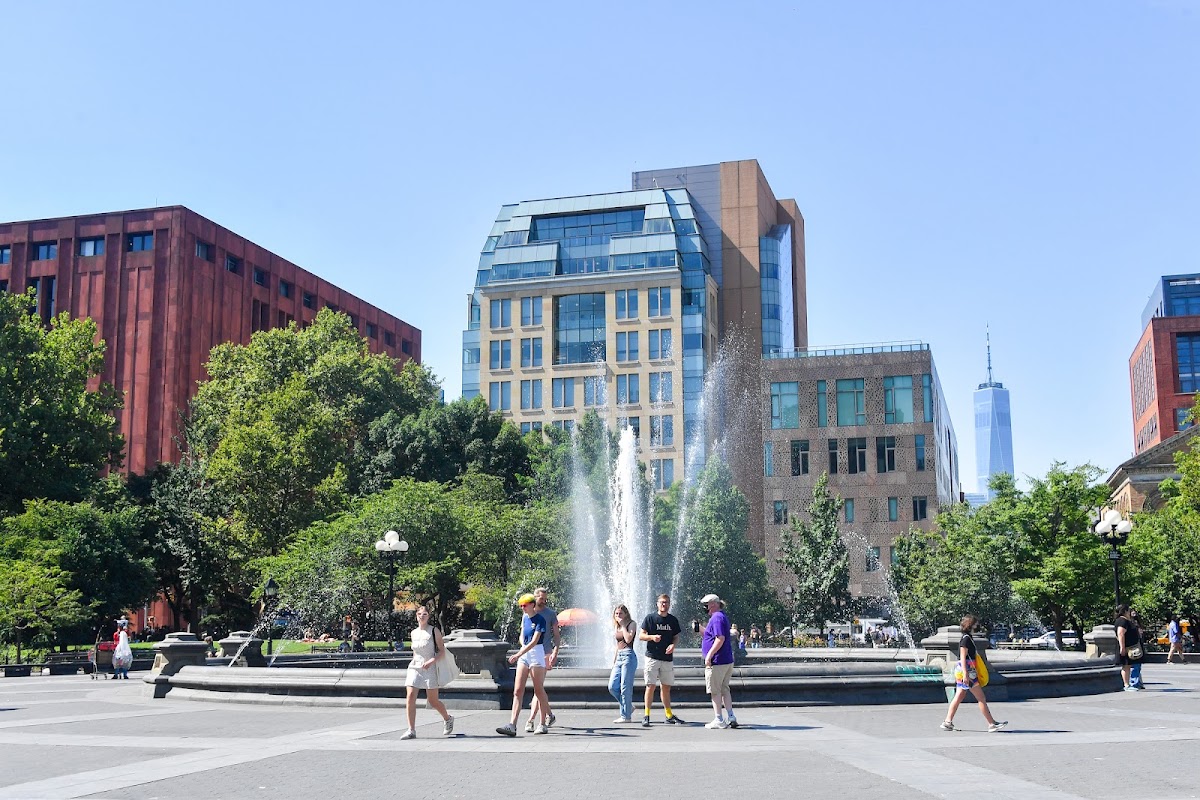
Washington Square Fountain
Washington Square N, New York, NY 10012
Washington Square Fountain is a tourist attraction located at Washington Square N in New York. The fountain has a rating of 4.7 stars based on 539 reviews. It is situated 2.14 kilometers from the city center.
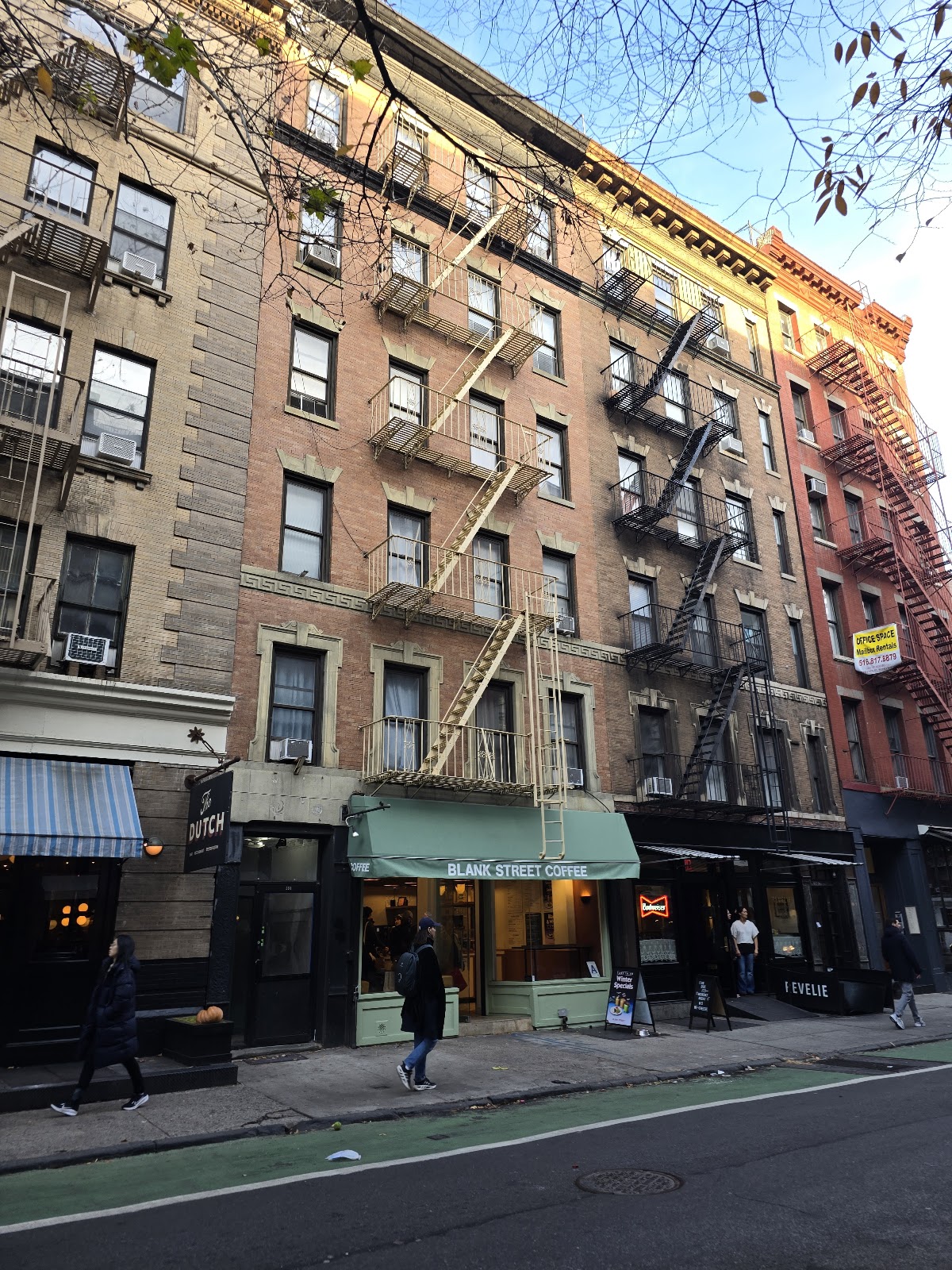
The Museum of Interesting Things Secret Speakeasy
177 Prince St, New York, NY 10012
The Museum of Interesting Things Secret Speakeasy is a history museum located on Prince Street in SoHo, 1.6 kilometers from Manhattan's city center. The venue is classified as both a museum and tourist attraction. It has a rating of 4.3 stars based on 25 reviews.
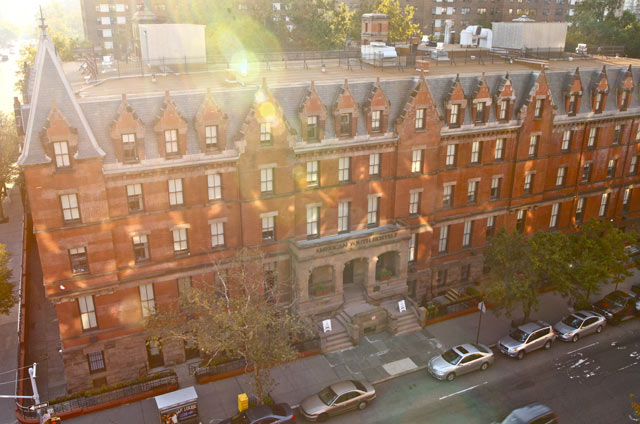
HI New York City Hostel
Party Hostel891 Amsterdam Ave, New York, NY 10025
HI New York City Hostel is located at 891 Amsterdam Ave on the Upper West Side. The hostel offers bunk-bed dorms with free Wi-Fi, a sunken patio and garden, a cafe bar, and organized nights out.
Check prices on Booking.com for HI New York City Hostel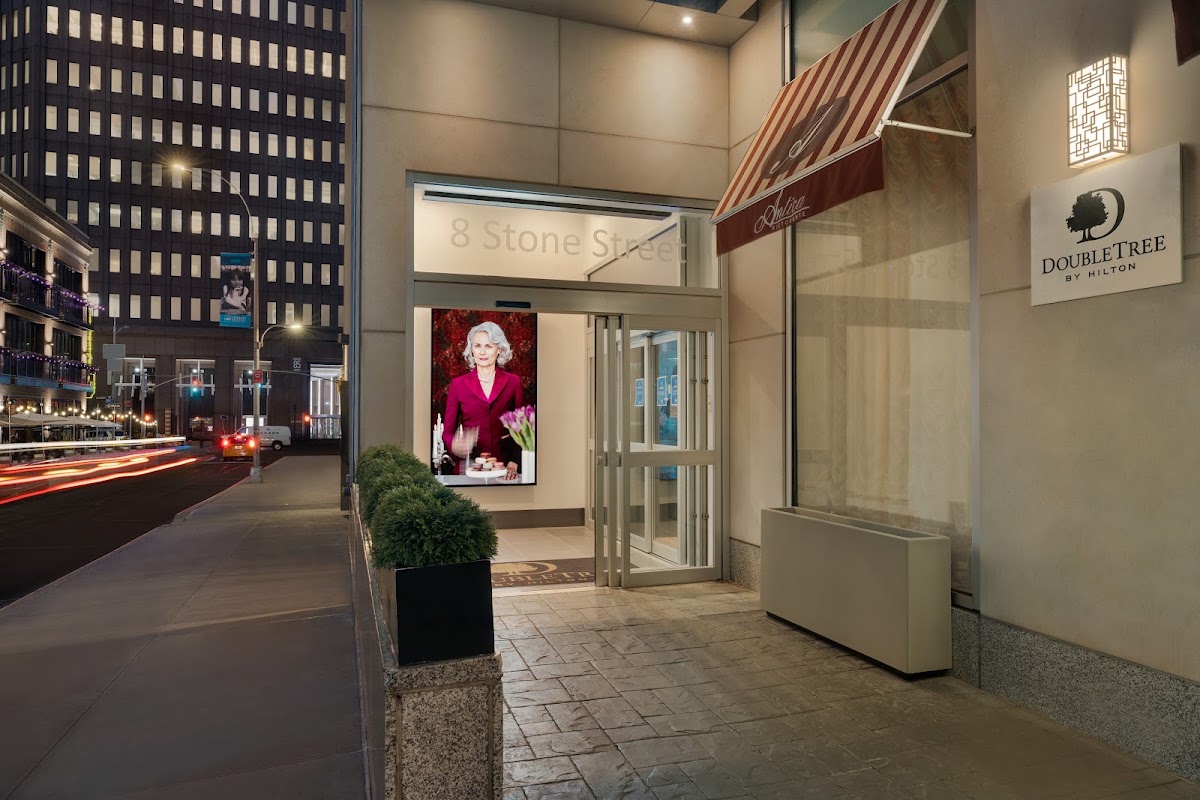
DoubleTree by Hilton New York Downtown
Hotel8 Stone St, New York, NY 10004
DoubleTree by Hilton New York Downtown is a modern hotel located on Stone Street in lower Manhattan, 1.12 km from the city center. The hotel features warm rooms, an all-day restaurant, a gym, and meeting facilities.
Check prices on Booking.com for DoubleTree by Hilton New York Downtown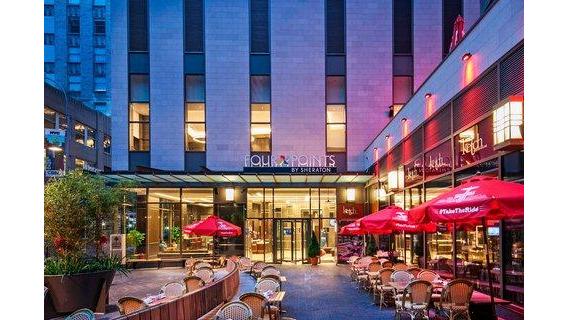
Four Points by Sheraton New York Downtown
Hotel6 Platt St, New York, NY 10038
Four Points by Sheraton New York Downtown is a polished hotel located at 6 Platt St in lower Manhattan, just 0.6 km from the city center. The property offers free Wi-Fi, an on-site restaurant, a rooftop bar, and a 24-hour fitness room for guests.
Check prices on Booking.com for Four Points by Sheraton New York Downtown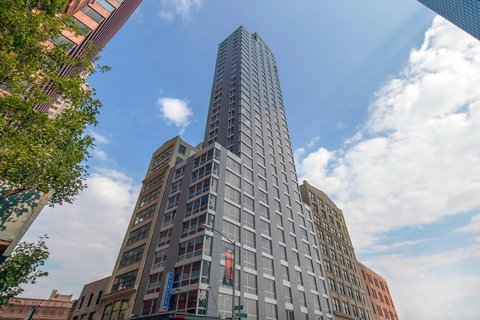
Fairfield by Marriott Inn & Suites New York Manhattan/Financial District
Hotel161 Front St, New York, NY 10038
Fairfield by Marriott Inn & Suites New York Manhattan/Financial District is an unassuming hotel located on Front Street in the Financial District, 0.77 km from the city center. The hotel features a stylish bar, fitness room, free continental breakfast, and complimentary Wi-Fi.
Check prices on Booking.com for Fairfield by Marriott Inn & Suites New York Manhattan/Financial District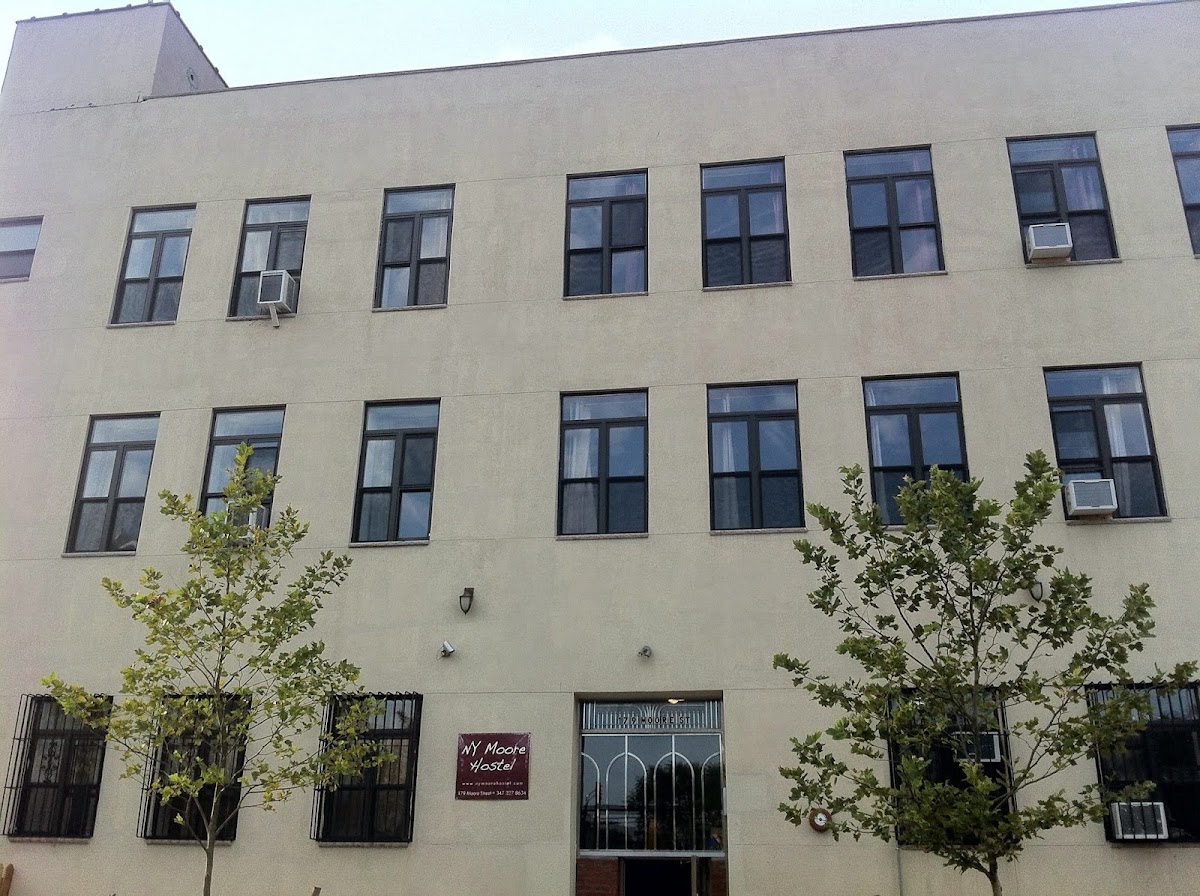
NY Moore Hostel
Hostel179 Moore St, Brooklyn, NY 11206
NY Moore Hostel is a no-frills accommodation in Brooklyn offering modern dorms and private rooms. The hostel features free Wi-Fi and an equipped kitchen for guest use. It has a rating of 4.2 stars based on over 1,100 reviews.
Check prices on Booking.com for NY Moore Hostel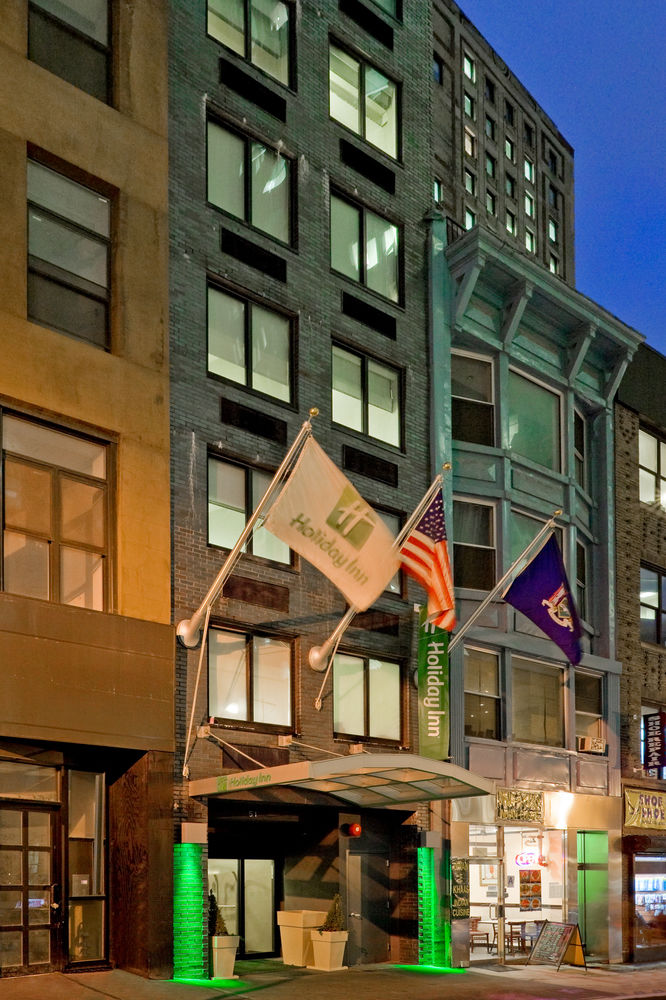
Holiday Inn New York City - Wall Street by IHG
Hotel51 Nassau St, New York, NY 10038
The Holiday Inn New York City - Wall Street by IHG is a contemporary hotel located on Nassau Street, just 0.5 km from the city center. The hotel features a restaurant, business center, fitness room, swimming pool, and complimentary WiFi for guests.
Check prices on Booking.com for Holiday Inn New York City - Wall Street by IHG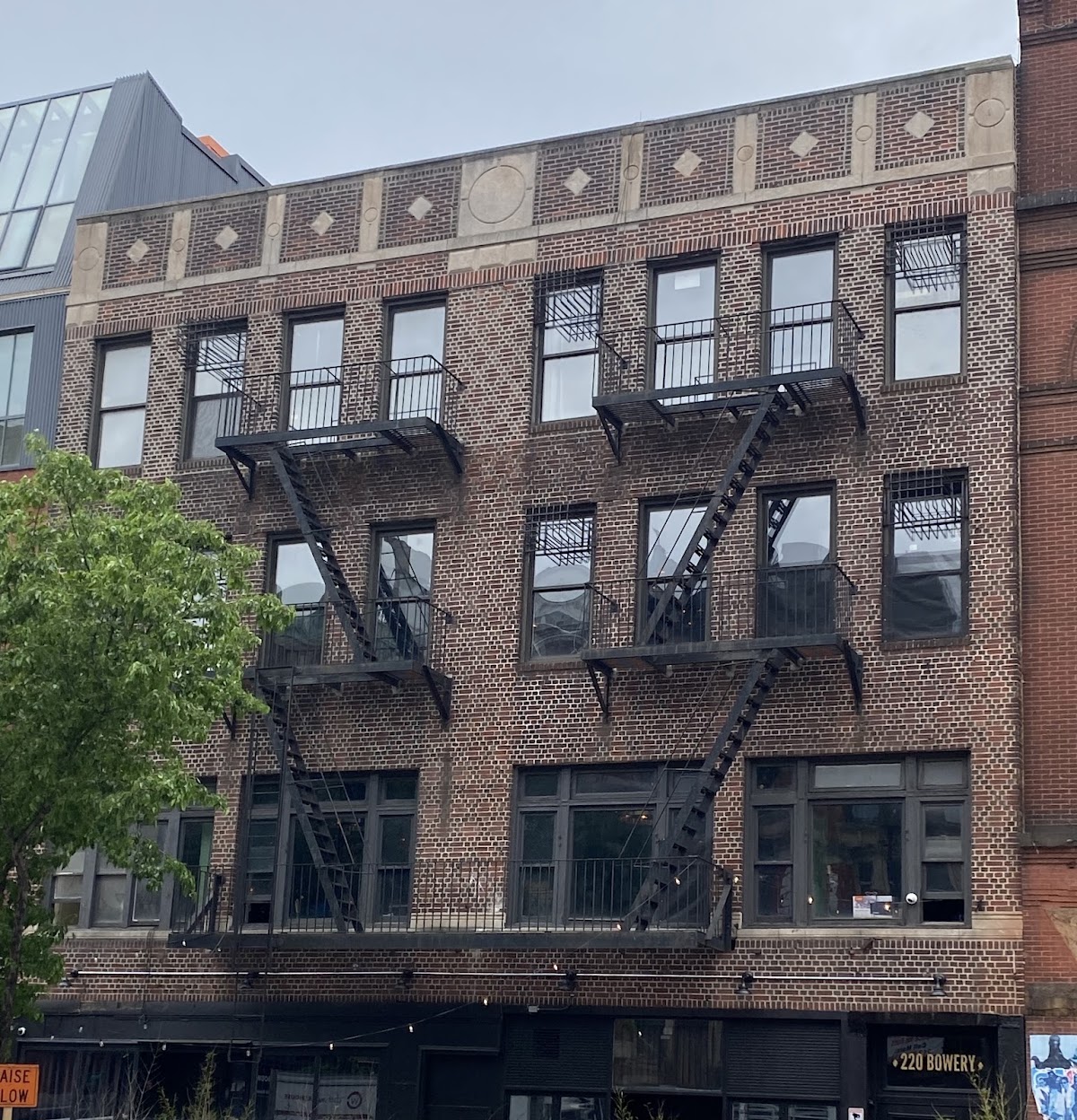
The Nolita Express Hostel
Hostel220 Bowery, New York, NY 10012
The Nolita Express Hostel is a hostel located at 220 Bowery in Manhattan's Nolita neighborhood, approximately 1.45 kilometers from the city center. It has a rating of 3.1 stars based on 348 guest reviews.
Check prices on Booking.com for The Nolita Express Hostel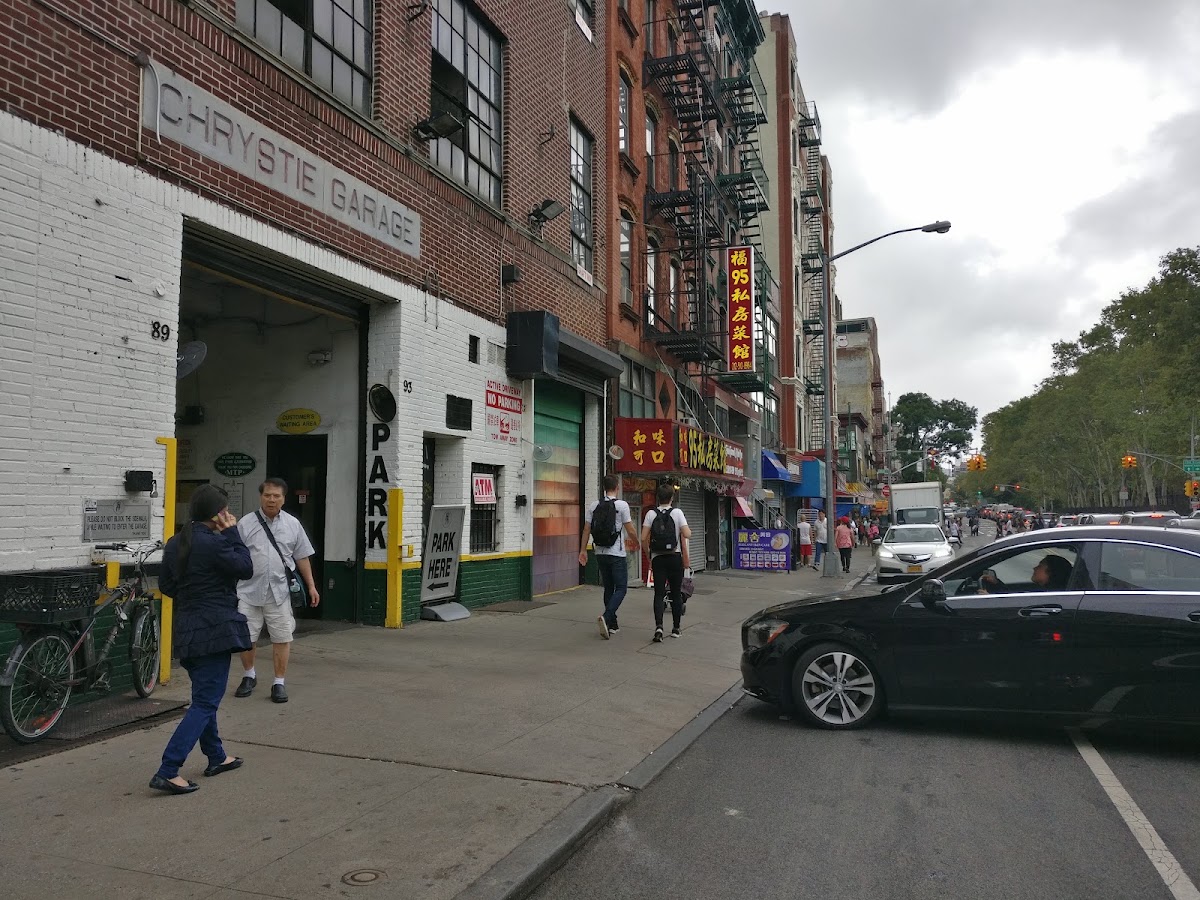
Hostel - Chrystie Street
Hostel81 Bowery, New York, NY 10002
Hostel Chrystie Street offers straightforward dorms and rooms in a pared-down hostel with a communal kitchen, located at 81 Bowery in Lower Manhattan, less than 1 km from the city center.
Check prices on Booking.com for Hostel - Chrystie Street
O'Hara's
AmericanPrice $$Rated 4.6120 Cedar St, New York, NY 10006
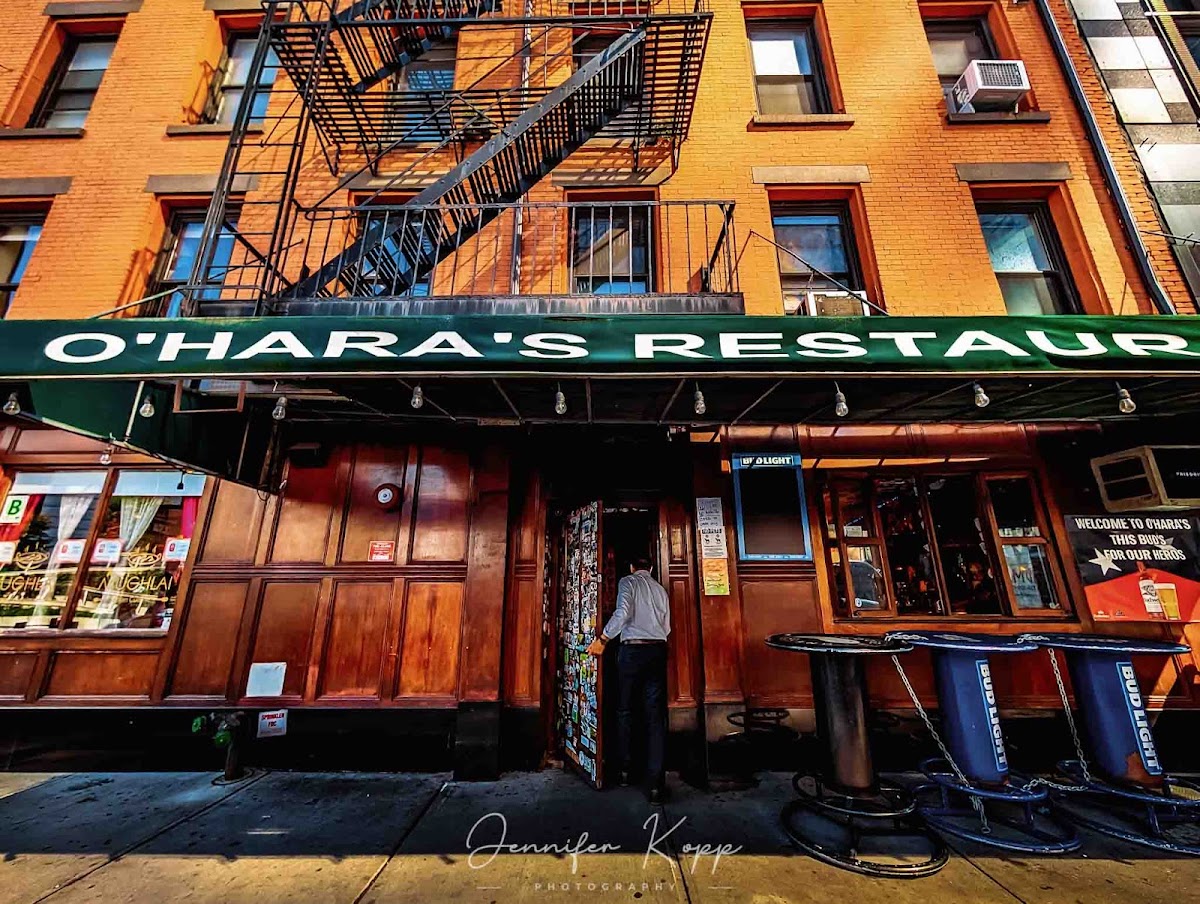
O'Hara's is an American restaurant and bar located at 120 Cedar St in lower Manhattan, featuring cold pints and bar food including burgers and wings. The casual neighborhood spot draws both locals and visitors and has a 4.6 rating based on nearly 6,000 reviews.
1803 NYC
Price $$Rated 4.582 Reade St, New York, NY 10007
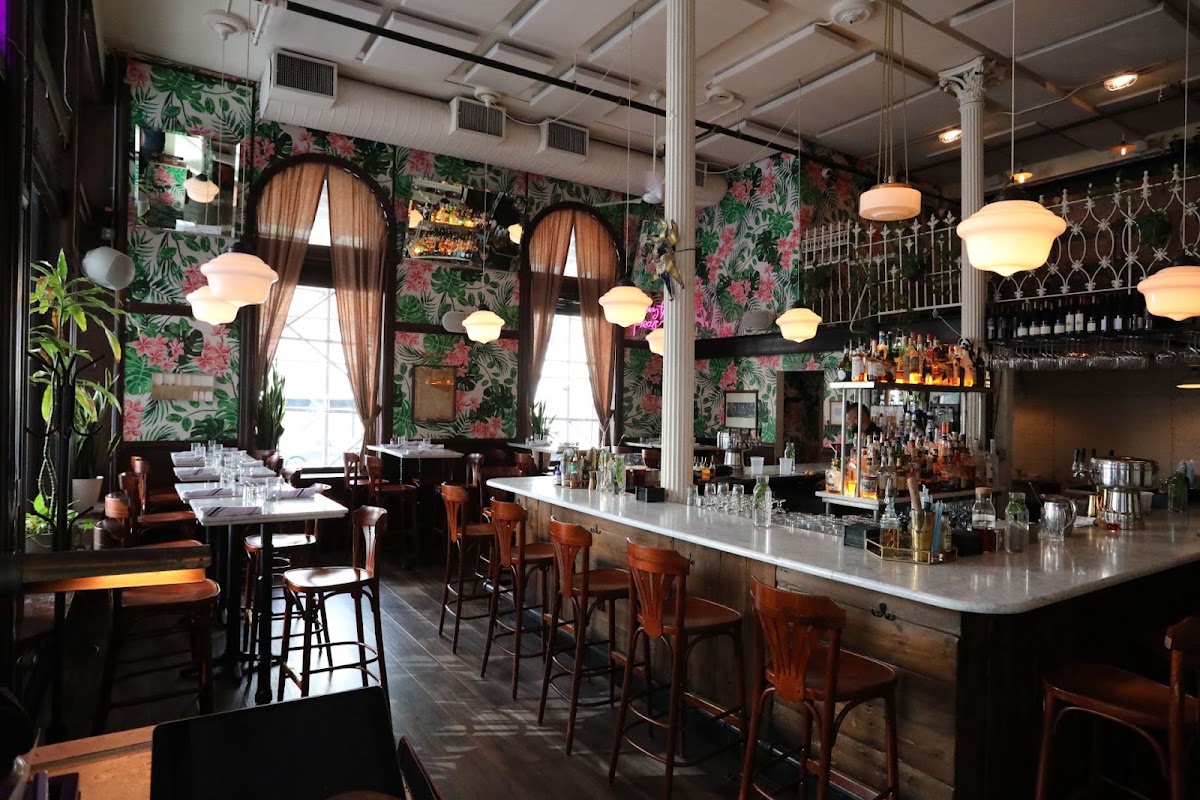
1803 NYC is a Cajun restaurant located at 82 Reade St in lower Manhattan, serving elevated Cajun-Creole food and drinks in a New Orleans French quarters-inspired setting. The venue offers brunch, seafood, and soul food, and features a bar and live music. With a 4.5-star rating from over 2,100 reviews, it is a moderately priced dining option in the neighborhood.
Kuu
JapanesePrice $$Rated 4.520 John St, New York, NY 10038
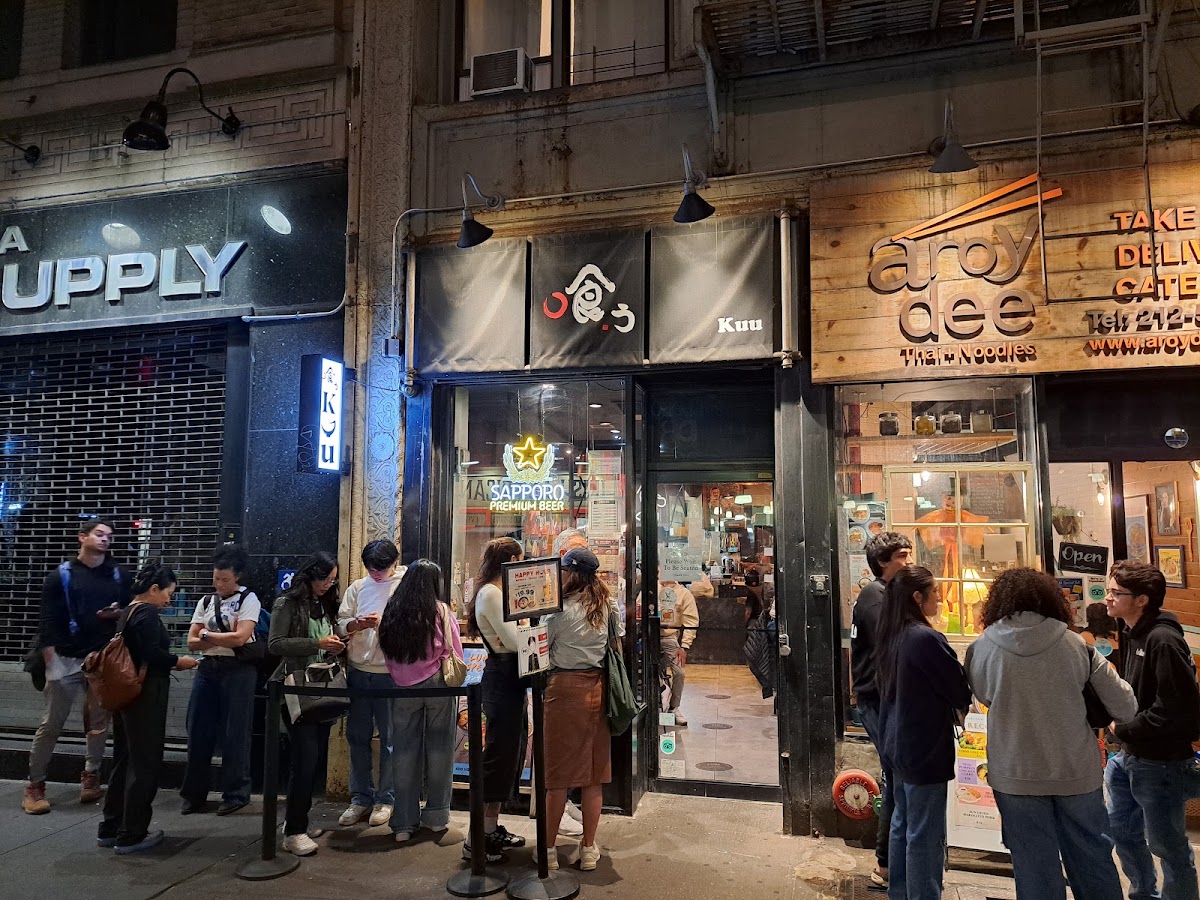
Kuu is a ramen restaurant serving classic Japanese noodle soups and donburi in a snug space with low lighting and concrete walls. Located on John Street in lower Manhattan, it offers moderately priced Japanese fare and maintains a 4.5 rating from nearly 3,000 reviews.
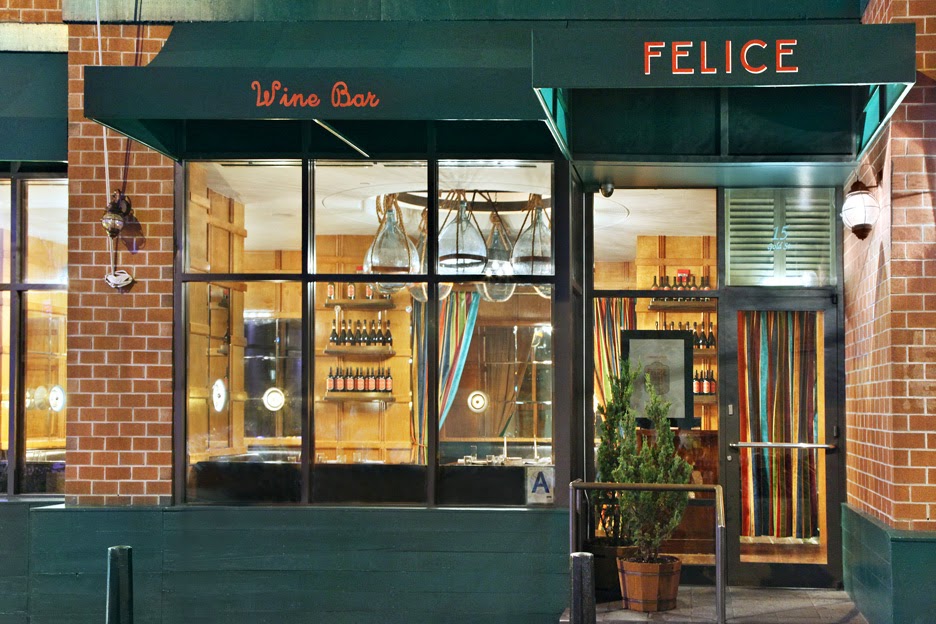
Felice
ItalianRated 4.515 Gold St, New York, NY 10038
Felice is an Italian restaurant located at 15 Gold St in lower Manhattan, featuring sleek decor with warm leather and wood accents. The restaurant specializes in Tuscan fare and maintains an extensive selection of Italian wines, and also operates as a wine bar and cocktail bar. With a 4.5-star rating from over 1,100 reviews, it offers fine dining and brunch service along with catering options.
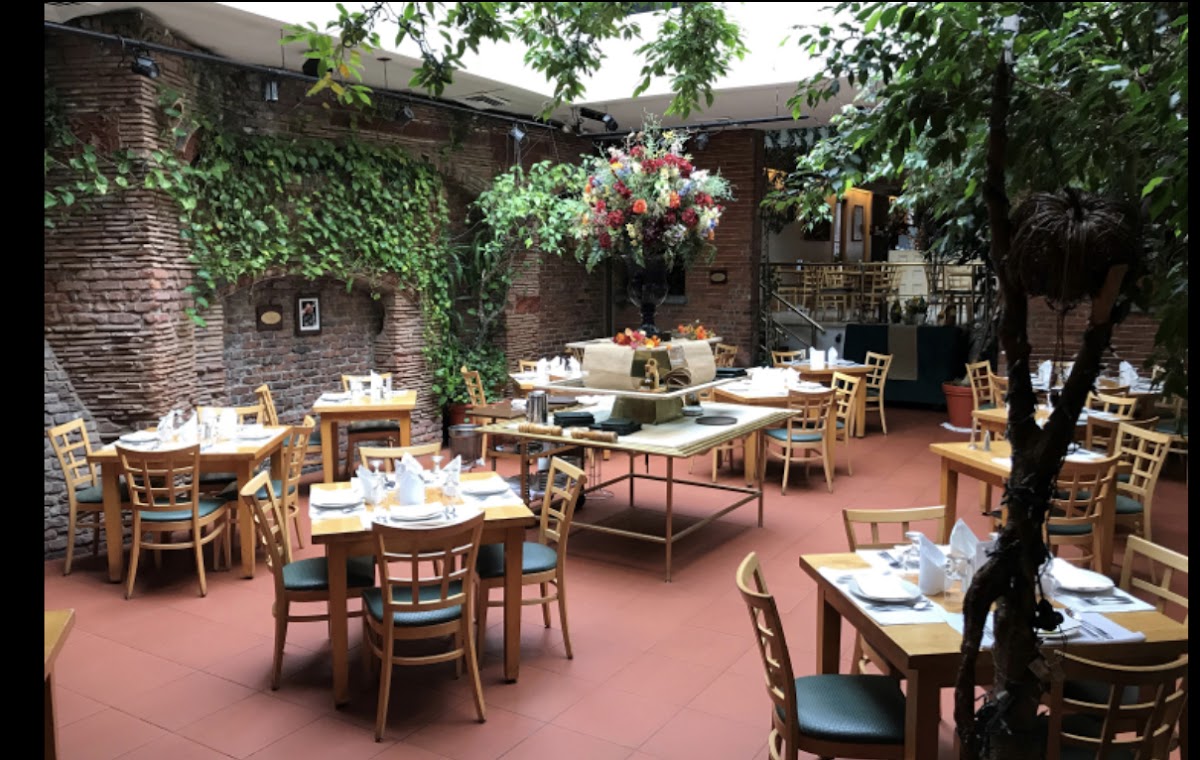
Il Cortile
ItalianRated 4.4125 Mulberry St, New York, NY 10013
Il Cortile is a traditional Northern Italian restaurant located on Mulberry Street in Manhattan's Little Italy, housed in a charming building with a back garden atrium. The establishment has been operating since 1975 and features experienced waitstaff. It has a 4.4-star rating based on over 2,400 reviews.
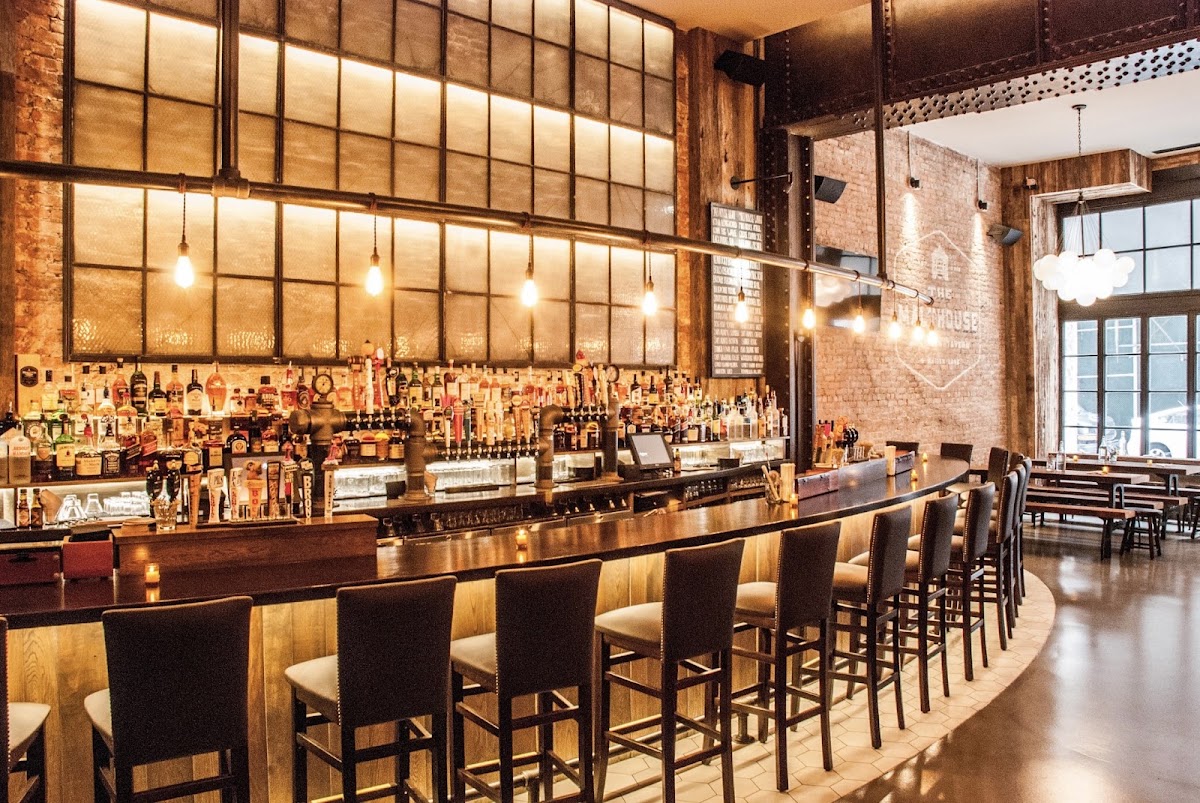
The Malt House
AmericanPrice $$Rated 4.49 Maiden Ln, New York, NY 10038
The Malt House is an American restaurant located at 9 Maiden Ln in lower Manhattan, offering craft beer, classic cocktails, and American fare in a swanky, industrial-chic tavern setting. The venue also serves brunch and functions as an event space. With a rating of 4.4 out of 5 based on over 2,500 reviews, it is moderately priced and situated just 0.44 km from the city center.
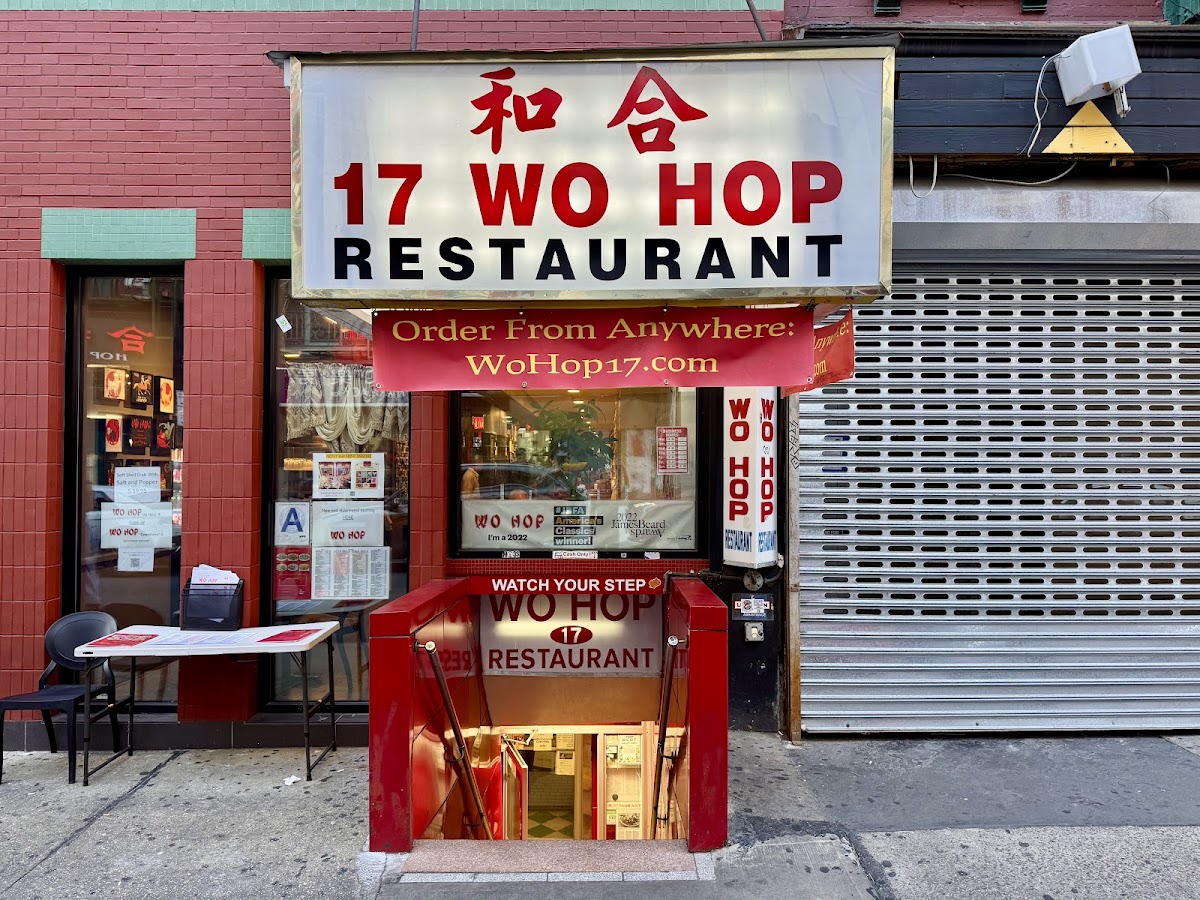
Wo Hop
ChinesePrice $Rated 4.417 Mott St, New York, NY 10013
Wo Hop is a Chinese restaurant located on Mott Street in Chinatown offering lo mein, dumplings and Szechuan specialties in a basement setting with sidewalk seating. The restaurant has a 4.4 rating based on over 4,600 reviews and is budget-friendly with a price level of 1 out of 4.
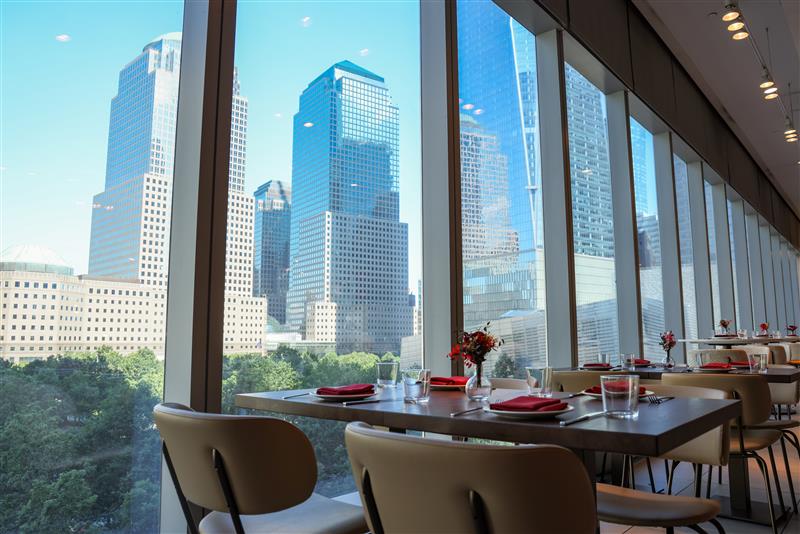
Eataly
Rated 4.2101 Liberty St, New York, NY 10007
Eataly is a bread-themed branch of the famed Italian market located at 101 Liberty Street. It features multiple counters and restaurants, and offers cooking demonstrations throughout the venue.
What things cost in New York City
Typical prices in US dollars. Estimates only: prices vary by season and neighborhood.
| Hostel dorm bedTypically 50-110 USD. Per night in a dorm bed, higher in peak periods. | $50 – $110 |
|---|---|
| Budget hotel roomTypically 130-250 USD. Per night for a basic room, varying widely by season. | $130 – $250 |
| Mid-range hotel roomTypically 230-450 USD. Per night in central areas, often with small rooms. | $230 – $450 |
| Luxury hotel roomTypically 500-1200 USD. Per night for high-end hotels, with more at peak times. | $500 – $1,200 |
| CoffeeTypically 4-7 USD. For a latte or cappuccino at a cafe. | $4.00 – $7.00 |
|---|---|
| Street food snackTypically 4-12 USD. Hot dogs, halal cart platters, slices and food-truck items. | $4 – $12 |
| Local beerTypically 7-12 USD. A pint at a bar; craft beer is usually at the higher end. | $7 – $12 |
| Budget mealTypically 12-22 USD. Casual counter-service or diner meals. | $12 – $22 |
| Groceries (per day)Typically 25-50 USD. Basic food for one person from supermarkets and delis. | $25 – $50 |
| Mid-range mealTypically 30-65 USD. Per person for a sit-down meal before drinks and tip. | $30 – $65 |
| Fine diningTypically 150-400 USD. Per person for tasting menus and top restaurants, before drinks. | $150 – $400 |
| Short taxi rideTypically 12-30 USD. Depends on distance and traffic, before tip. | $12 – $30 |
|---|---|
| Bike rental (per day)Typically 25-60 USD. Bike rental or bike-share day options vary by provider. | $25 – $60 |
| Guided walking tourTypically 25-75 USD. Per person for typical group tours. | $25 – $75 |
|---|---|
| Day trip tourTypically 80-250 USD. Organized trips to places like the Hudson Valley or Niagara Falls region. | $80 – $250 |
Essentials
Practical things to know before you arrive in New York City.
When to go
The best months to visit are April to June and September to early November, when temperatures are comfortable and the city is lively.
- Peak: June-August, December
- Shoulder: April-May, September-November
- Low: January-March
Getting around
The subway runs around the clock and is the fastest and cheapest way to reach most neighborhoods, supplemented by an extensive bus network. Payment is commonly by tapping a contactless card or phone at the turnstile. Walking is excellent in Manhattan, and yellow taxis, app-based rides and bike-share are widely available. Weekend service changes are common, so check the transit authority's live information before you travel.
The main airports are John F. Kennedy International, LaGuardia and Newark Liberty in New Jersey. Options into the city include rail links, airport connections to the subway, buses, taxis and app rides. Allow generous time for traffic, especially at rush hour. Penn Station and Grand Central are the main rail hubs for regional trains.
Where to stay
Midtown Manhattan is convenient for first-time visitors, with easy access to Times Square, Broadway, Central Park and major transit hubs, though it is busy and touristy. Lower Manhattan and the Financial District suit those interested in history and waterfront sights and are often quieter in the evenings. Greenwich Village, SoHo and the Lower East Side offer restaurants, nightlife and a more neighborhood feel.
Brooklyn areas such as Williamsburg, DUMBO and Downtown Brooklyn appeal to travelers who want a local atmosphere, often with better value and skyline views. Long Island City in Queens is a quick subway ride from Midtown and suits budget-minded visitors. The Upper West and Upper East Sides are calmer and near museums and Central Park, good for families and longer stays.
Money
The local currency is US Dollar (USD).
Cash and cards
- Cards and contactless payments are accepted almost everywhere, including many food carts, though a little cash is useful for small vendors. A few places are card-only.
- Menu prices exclude sales tax and tip, so budget extra on top of listed prices.
- Tap-to-pay on the subway saves buying a separate card.
- Look for free or pay-what-you-wish options at some museums and free attractions like the High Line and Central Park.
- Hotel bills often include extra taxes and fees beyond the quoted rate.
- Notify your bank of travel and carry a card with no foreign transaction fees.
Taxes and tipping
- Tipping is expected: roughly 18 to 22 percent at sit-down restaurants, and commonly a dollar or two per drink at bars. Tip taxi and ride drivers, hotel porters and housekeeping as well.
Language: English
English: English is universally spoken and used for signs and services.
- Hello
- Helloheh-LOH
- Thank you
- Thank youthank YOO
- Please
- Pleasepleez
- Getting attention or passing by someone
- Excuse meik-SKYOOZ mee
- Apology
- SorrySOR-ee
- Asking for directions
- How do I get to...?how doo eye get too
- Asking where the metro is
- Where is the subway?wair iz thuh SUB-way
- Asking for the bill at a restaurant
- Check, pleasechek pleez
- Asking about card payment
- Do you take cards?doo yoo tayk kardz
- Ordering takeaway
- Can I get this to go?kan eye get this too goh
- Northbound / southbound direction in Manhattan
- Uptown / DowntownUP-town / DOWN-town
More in United States

This guide is for general reference. Check opening hours, prices and entry rules with official sources before you travel.