Prague
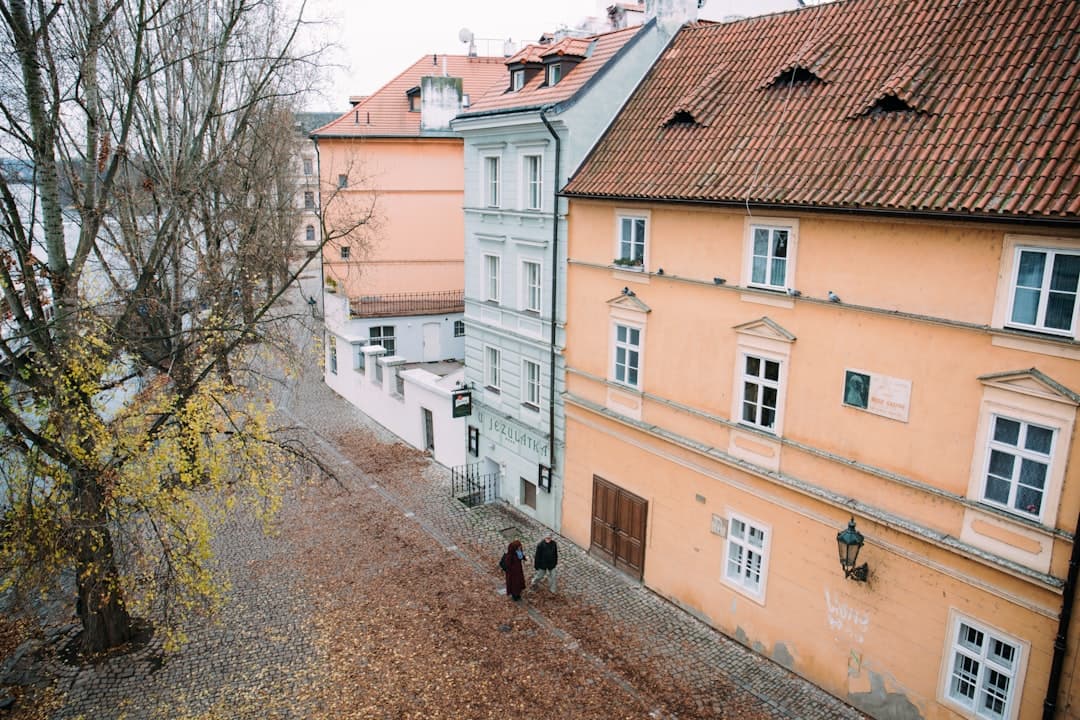
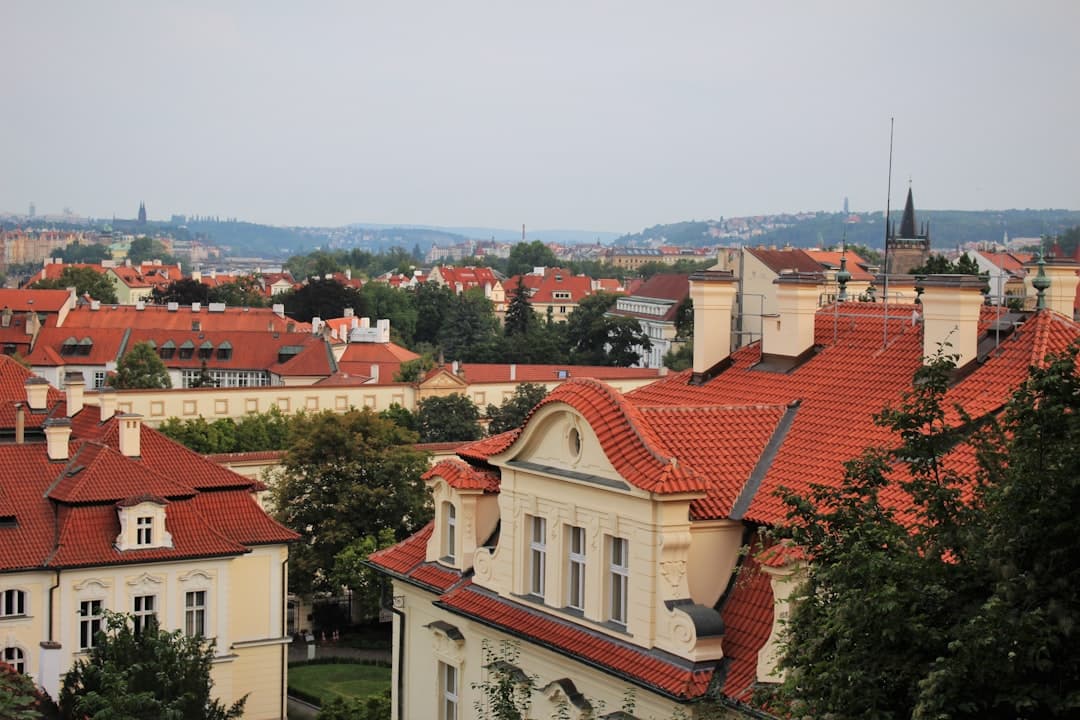
Prague is the Czech capital on the Vltava River, famed for its remarkably preserved historic center, spired skyline, castle, beer halls and layered Gothic, Baroque and Art Nouveau architecture.
Prague quick facts
- Best time to visit
- May to June and September are the best months to visit Prague, with
- Language
- Czech
- Currency
- Czech Koruna (CZK)
- Getting around
- Metro, tram and bus
- Suggested stay
- 4 days
- Population
- 1.3M
About Prague
Prague sits on both banks of the Vltava River in the historic region of Bohemia and serves as the capital and largest city of the Czech Republic. Its historic core escaped major wartime destruction, so visitors can walk from Romanesque cellars to Gothic churches, Renaissance palaces, Baroque domes and Art Nouveau facades within a few blocks.
The city is traditionally described as a collection of distinct towns that merged over time: Hradcany around the castle, Mala Strana below it, Stare Mesto and Nove Mesto on the right bank, and Josefov, the old Jewish quarter. Crossing Charles Bridge at dawn or wandering the lanes of Mala Strana in the evening remains one of the classic ways to feel the city's atmosphere.
Beyond the postcard core, Prague is a working modern capital with lively neighborhoods, a strong theater and classical music tradition, a serious beer culture and a growing café and restaurant scene. Trams, the metro and walkable streets make it easy to move around, though cobblestones are hard on the feet.
The historic center is busiest in the middle of the day and in summer. Early mornings, late evenings and the residential districts outside the center reward visitors with a calmer and more local side of the city.
Known for
- Prague Castle and Hradcany, Charles Bridge, Czech beer culture, Astronomical Clock in Old Town Square, Gothic, Baroque and Art Nouveau architecture, Classical music and puppet theater
Food in Prague
Czech cooking is hearty, meat-focused and built around sauces, dumplings and potatoes. Traditional meals often center on pork, beef or duck, served with bread or potato dumplings and cabbage. Soups, pickled sausages and fried cheese are common pub staples, and the food is designed to go with beer.
Lunch has long been the main meal of the day, and many restaurants offer a lighter set lunch on weekdays. Pubs are the everyday social heart of eating out, and beer is usually poured fresh and served quickly. In tourist areas prices and quality vary widely, so walking a few streets away from the main squares usually pays off.
Sweet items include fruit dumplings, pancakes, and pastries such as koláče. Street snacks like sausages and trdelník are widespread, although trdelník is more a tourist treat than a traditional Prague dish.
History of Prague
Settlement in the Prague area stretches back to prehistoric times, and the Slavic Premyslid dynasty established fortified sites on the hills above the Vltava in the 9th century. Prague Castle became the seat of Bohemian rulers, and the city grew as a trading center on the river.
The city's golden age came in the 14th century under Charles IV, king of Bohemia and Holy Roman Emperor. He founded Charles University in 1348, laid out the New Town, and sponsored the building of St. Vitus Cathedral and the stone bridge that now bears his name. Later centuries brought the Hussite movement, Habsburg rule, the Defenestrations of Prague, and a Baroque rebuilding after the Thirty Years' War.
In 1918 Prague became the capital of newly independent Czechoslovakia. The city endured Nazi occupation in World War II, then decades of communist rule, including the Prague Spring reforms of 1968 that were crushed by a Warsaw Pact invasion. The Velvet Revolution of 1989 ended one-party rule, and since 1993 Prague has been the capital of the Czech Republic.
Culture and etiquette
Czechs tend to be reserved at first but friendly and dry-humored once conversation starts. A quiet, polite tone is appreciated in public spaces such as trams and restaurants. A simple greeting in Czech, such as dobrý den, is noticed and welcomed.
When entering a home, it is customary to remove your shoes. In pubs and restaurants it is normal to share a table with strangers if space is tight, and you should ask before sitting. Tipping of around ten percent or rounding up is common in restaurants, and it is usually given to the server when paying rather than left on the table.
On public transport, validate your ticket if the system requires it and give up seats to older or less mobile passengers. Prague has a rich tradition of classical music, theater, black-light theater and puppetry, and dressing neatly for the opera or concerts is customary though not strict.
Things to do in Prague
What to see, where to stay and where to eat.
Prague Castle
119 08 Prague 1
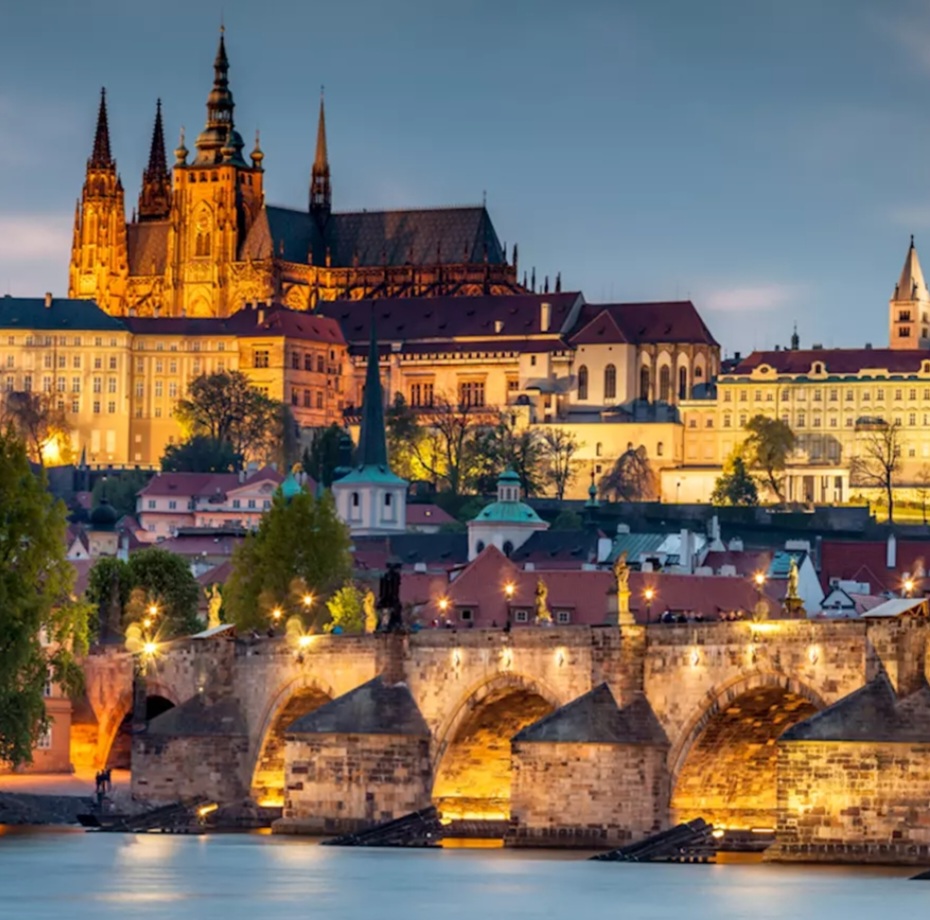
Prague Castle is a vast castle complex located 1.63 km from the city center, featuring buildings that showcase architecture spanning from Romanesque and Gothic styles to 20th century design. The site has a rating of 4.7 out of 5 based on over 202,000 visitor reviews.
Charles Bridge
Karlův most, 110 00 Praha 1
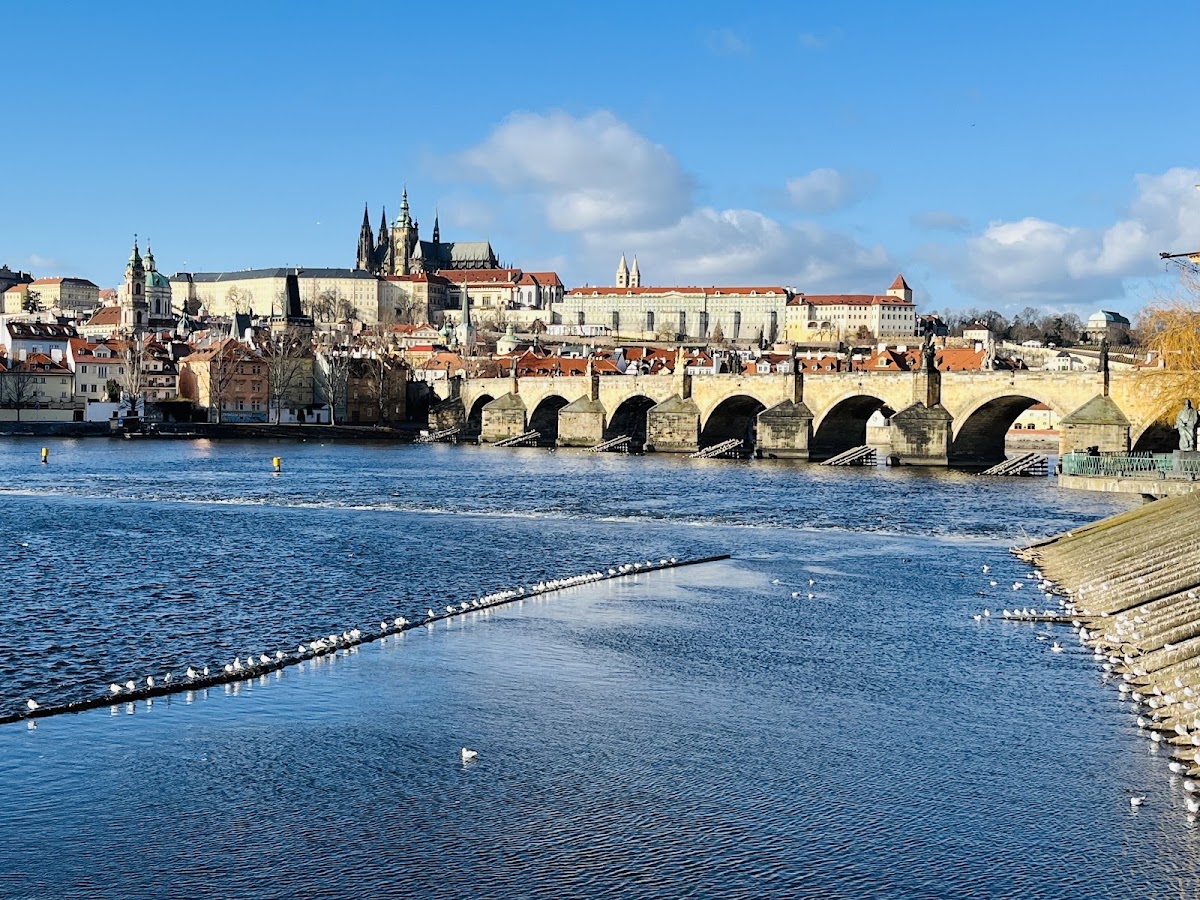
Charles Bridge is a landmark stone bridge that links Prague's Old and New Towns. The bridge features street artists and entertainers along its span.
Old Town Square
Staroměstské nám., 110 00 Praha 1-Staré Město
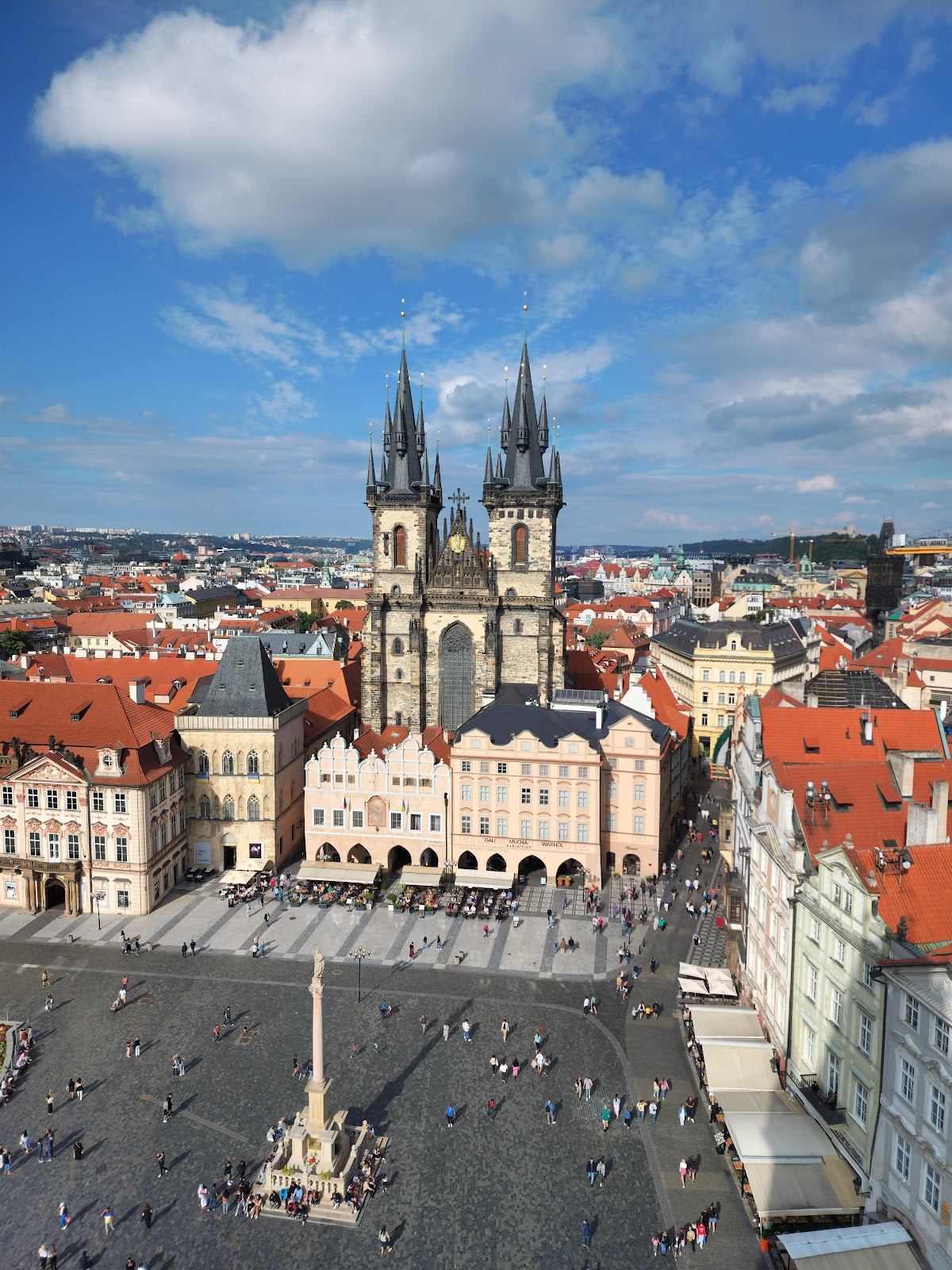
Old Town Square is the oldest square in Prague's historic center, featuring origins dating back to the 10th century and many Gothic buildings. Located just 0.23 km from the city center, this plaza is a major tourist attraction in the heart of Staré Město.
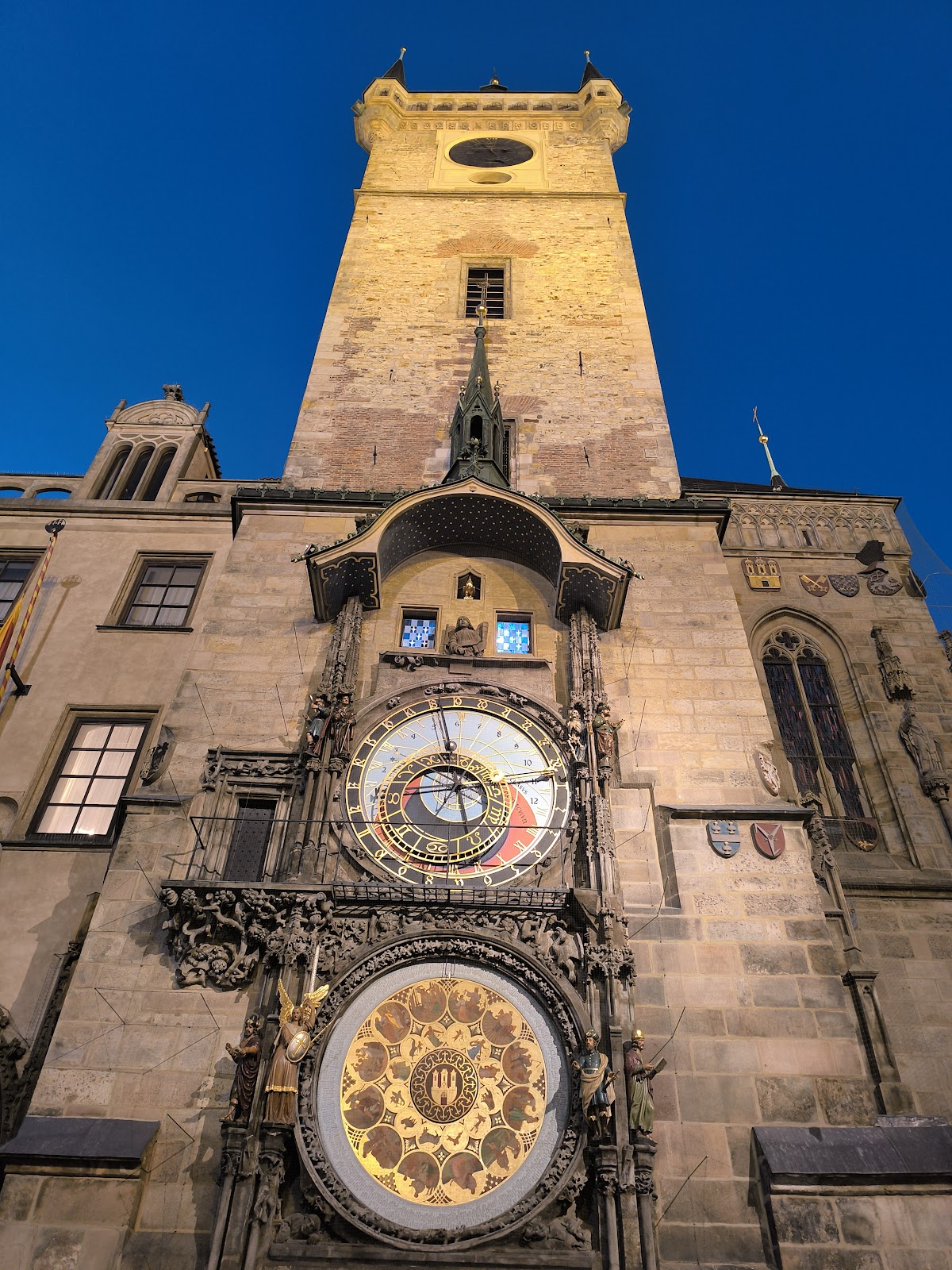
Prague Astronomical Clock
Staroměstské nám. 1, 110 00 Praha 1-Staré Město
The Prague Astronomical Clock is a medieval timepiece located on the facade of city hall in the Old Town Square. The clock displays the twelve apostles as it strikes each hour. It is situated just 0.21 kilometers from Prague's city center.
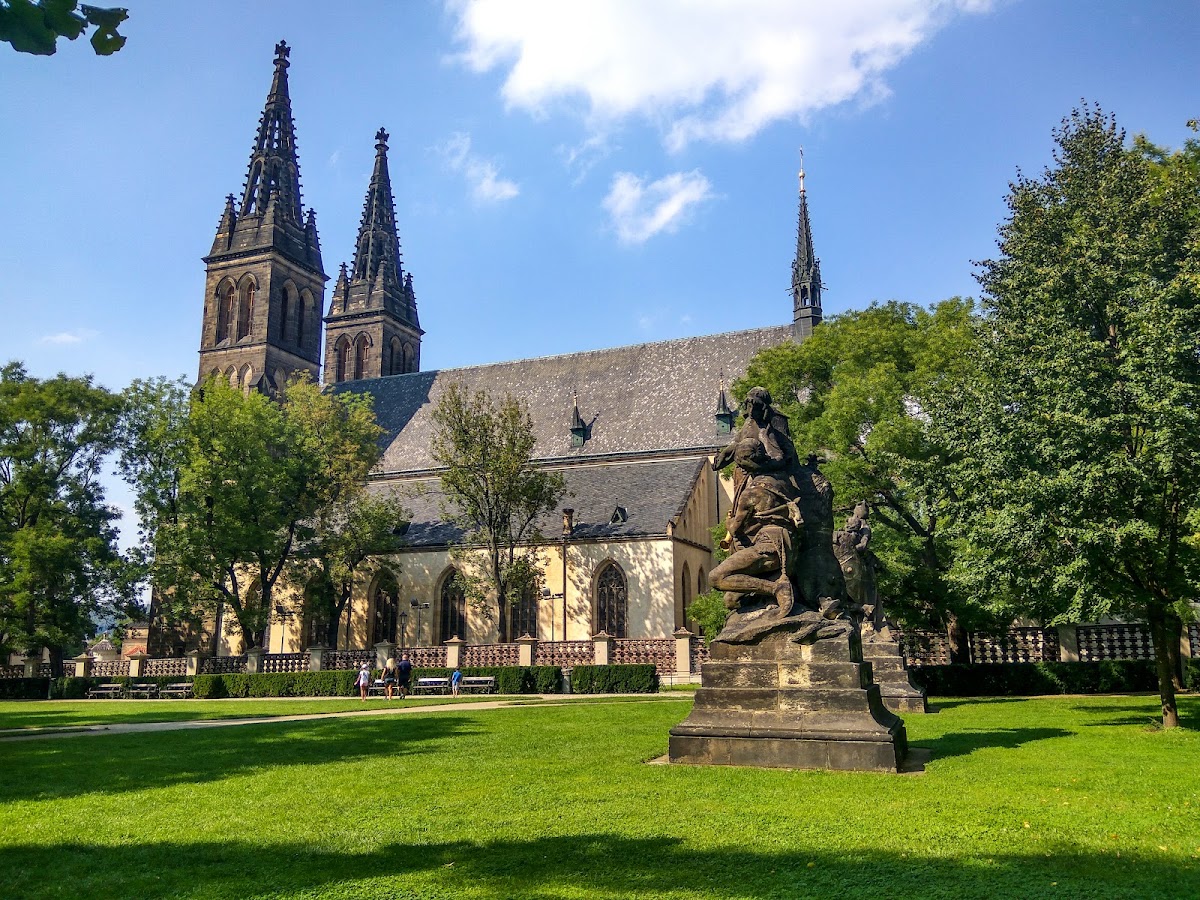
Vyšehrad
V Pevnosti, 128 00 Praha 2-Vyšehrad
Vyšehrad is a fortified castle featuring a museum, hidden passages, and large grounds with remains of a medieval basilica. Located 2.4 kilometers from Prague's city center, this tourist attraction offers visitors the chance to explore both the castle structures and the historic park surrounding it.
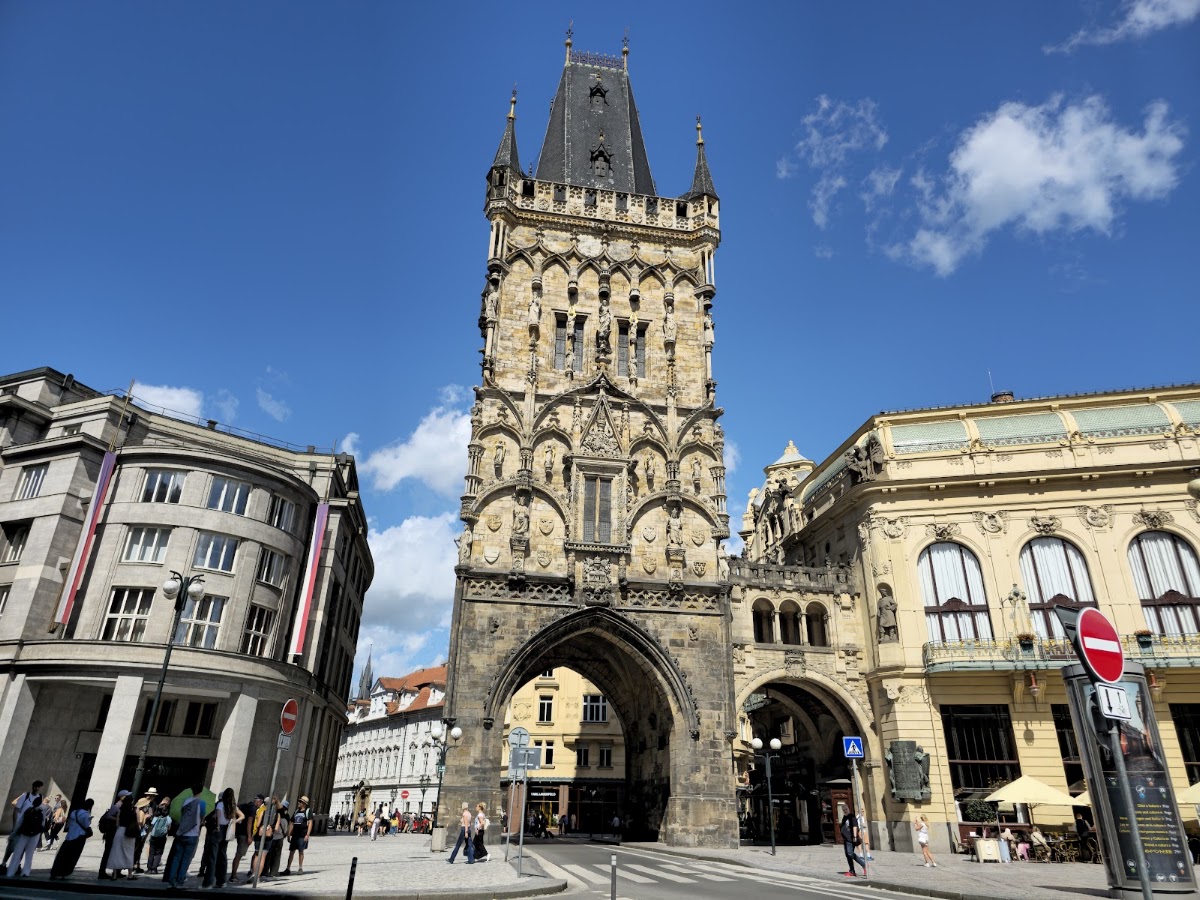
The Powder Tower
Nám. Republiky 5, 110 00 Praha 1-Staré Město
The Powder Tower is a 15th-century city gate that was damaged during the Battle of Prague and later restored. Located in the Old Town, it stands as a historical landmark just 0.38 km from Prague's city center.
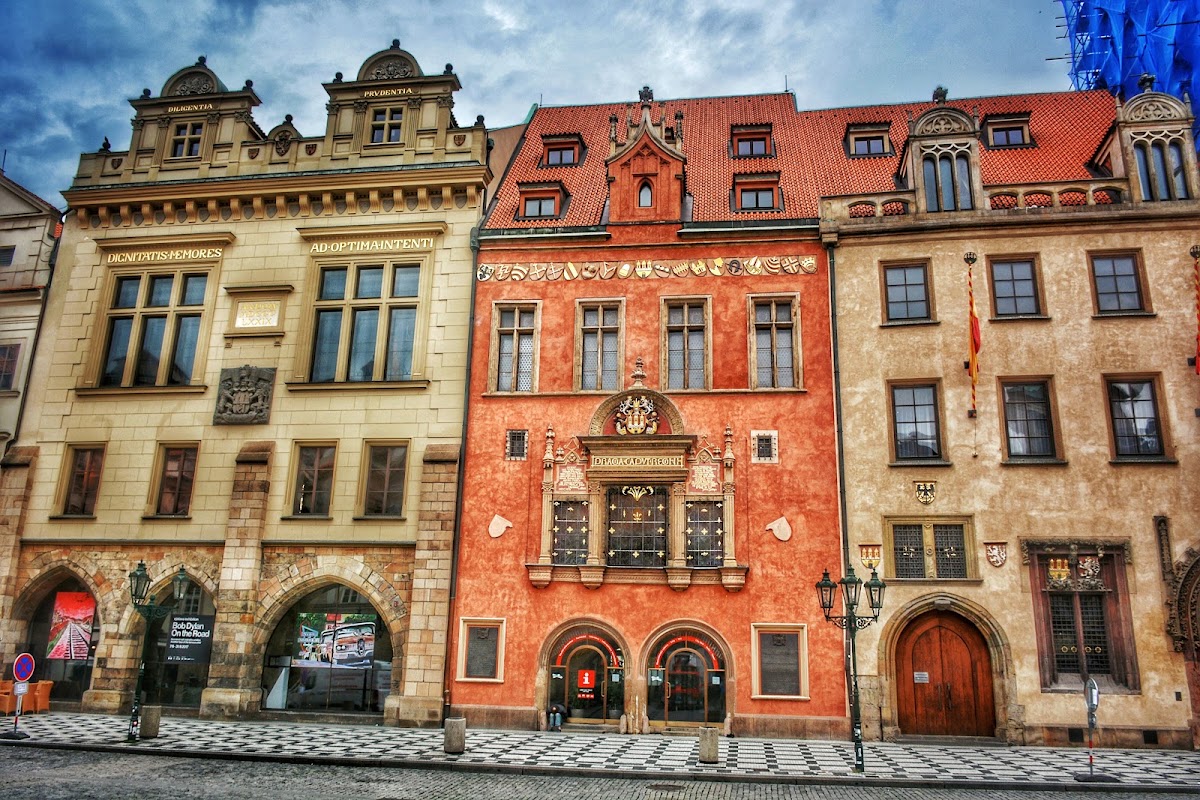
Old Town Underground
Staroměstské nám. 1/3, 110 00 Praha 1-Staré Město
Old Town Underground is a historical site located in Prague's Old Town Square, just 0.21 km from the city center. The venue offers visitors an opportunity to explore underground chambers beneath the historic square, providing insight into the area's medieval past.
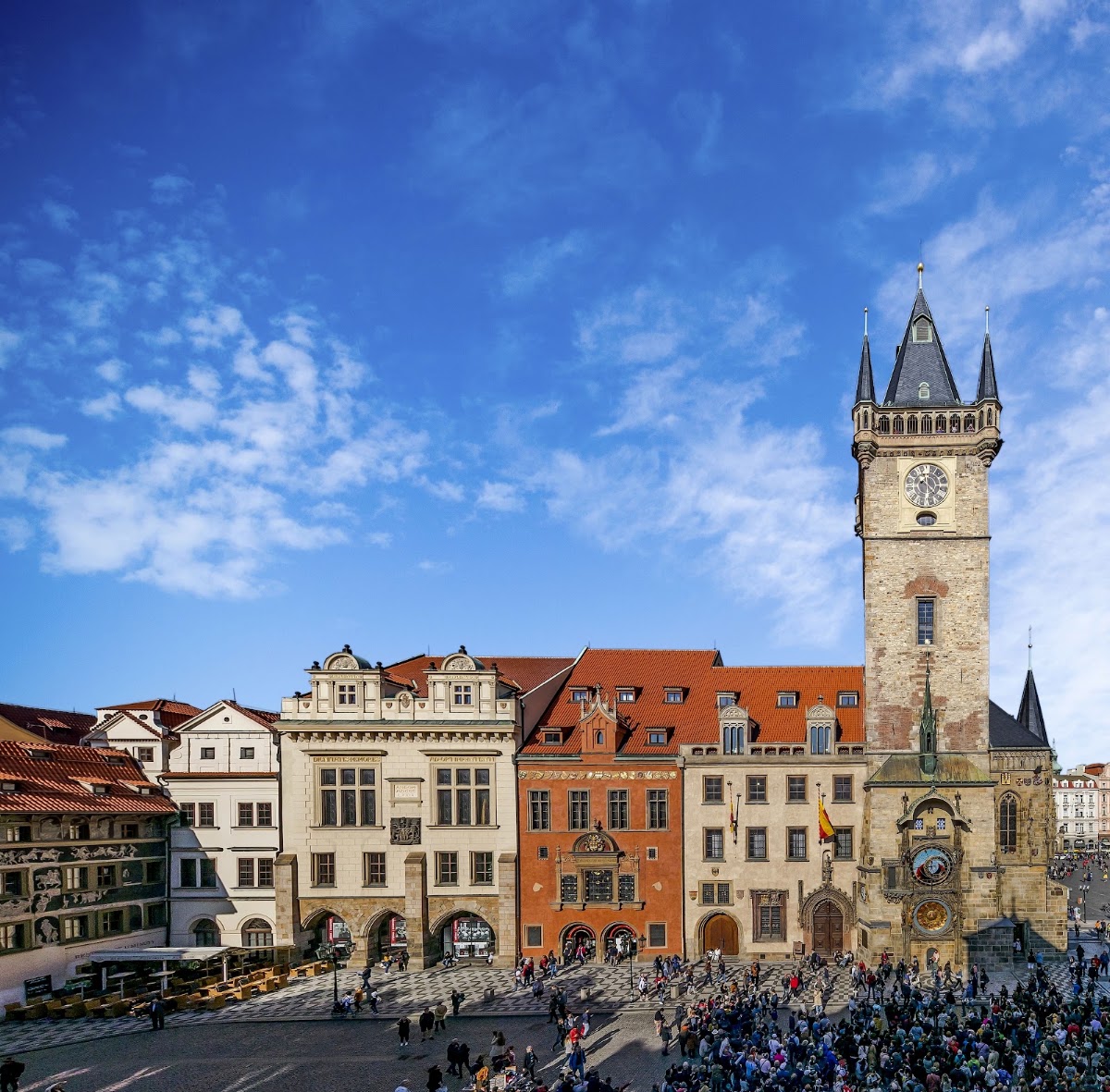
Prague Visitor Pass
Staroměstské nám. 1, Staré Město, 110 00 Praha-Praha 1
Prague Visitor Pass is a tourist attraction located in Staré Město, just 0.23 km from the city center near Staroměstské nám. It has a rating of 4.6 stars based on 241 reviews.
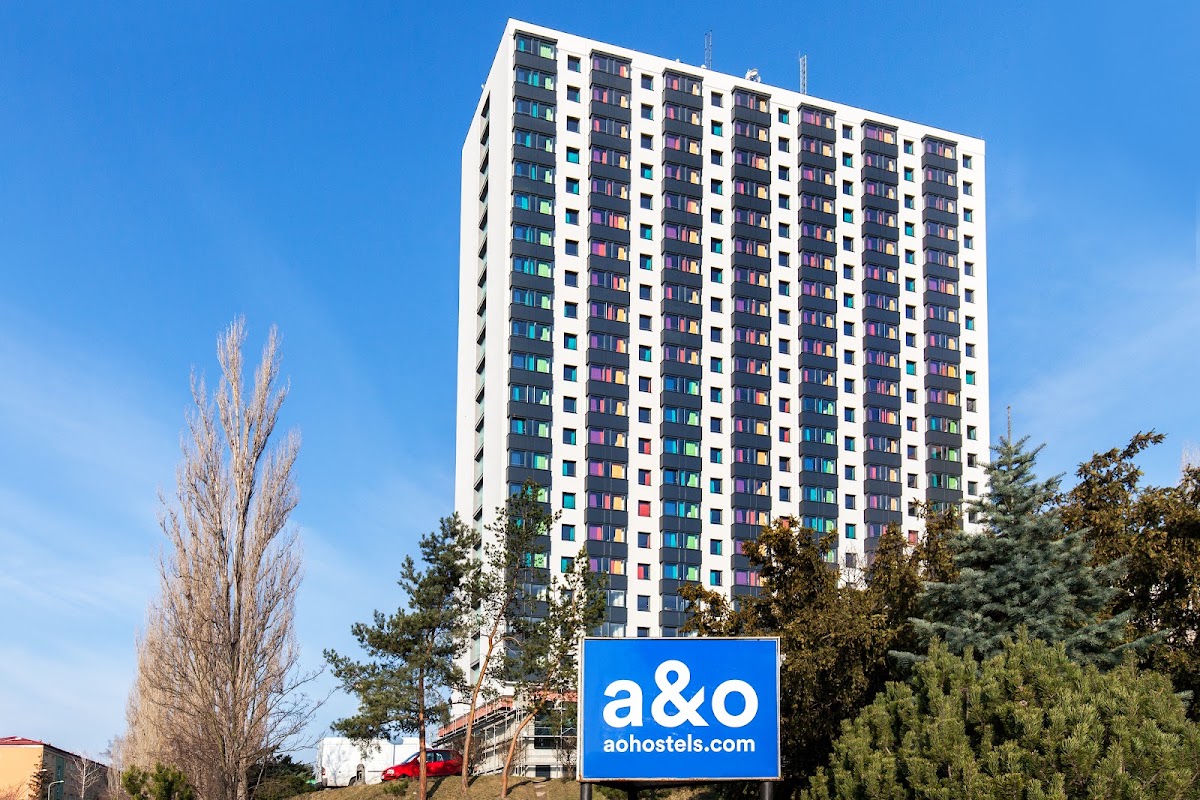
A&O Prague Rhea
Hostel19, V Úžlabině 3068, Strašnice, 108 00 Praha-Praha 10
A&O Prague Rhea is a hostel located in Strašnice, approximately 5.5 kilometers from Prague's city center. It offers no-nonsense rooms and dormitories along with a bar and shared kitchen facilities in an informal setting.
Check prices on Booking.com for A&O Prague Rhea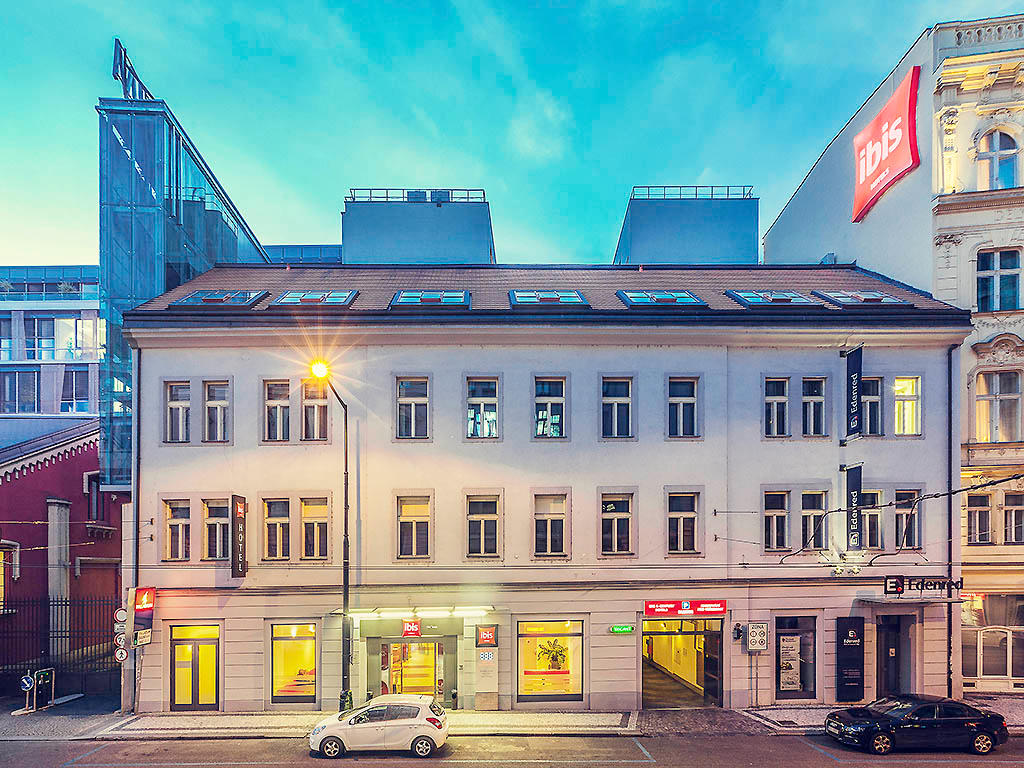
ibis Praha Old Town
HotelNa Poříčí 5, Nové Město, 110 00 Praha-Praha 1
ibis Praha Old Town is a hotel located in Prague's Nové Město district, just 0.69 kilometers from the city center. The hotel features bright, casual rooms and offers a low-key bar along with free Wi-Fi. It has a rating of 4.2 out of 5 based on 4,738 guest reviews.
Check prices on Booking.com for ibis Praha Old Town
Hotel Leon D'Oro
HotelHavelská 496/29, Staré Město, 110 00 Praha-Praha 1
Hotel Leon D'Oro is a casual hotel in Prague's Old Town, just 50 meters from the city center. The unpretentious property offers rooms and suites with a breakfast buffet, and holds a 4.5-star rating from over 2,200 guest reviews.
Check prices on Booking.com for Hotel Leon D'Oro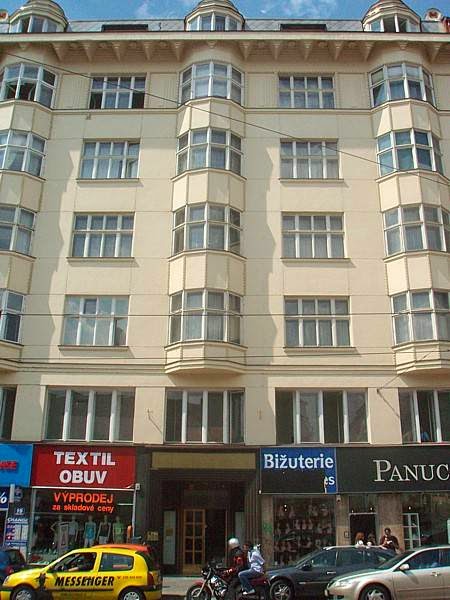
Pension & Hostel Downtown
HostelNárodní 19, 110 00 Praha 1-Staré Město
Pension & Hostel Downtown is a lively hostel located on Národní street in Prague's Old Town, just 0.6 km from the city center. It offers colorful rooms and dormitories along with free Wi-Fi, a shared kitchen, and a lounge area. The hostel has a rating of 4.4 stars based on over 1,200 guest reviews.
Check prices on Booking.com for Pension & Hostel Downtown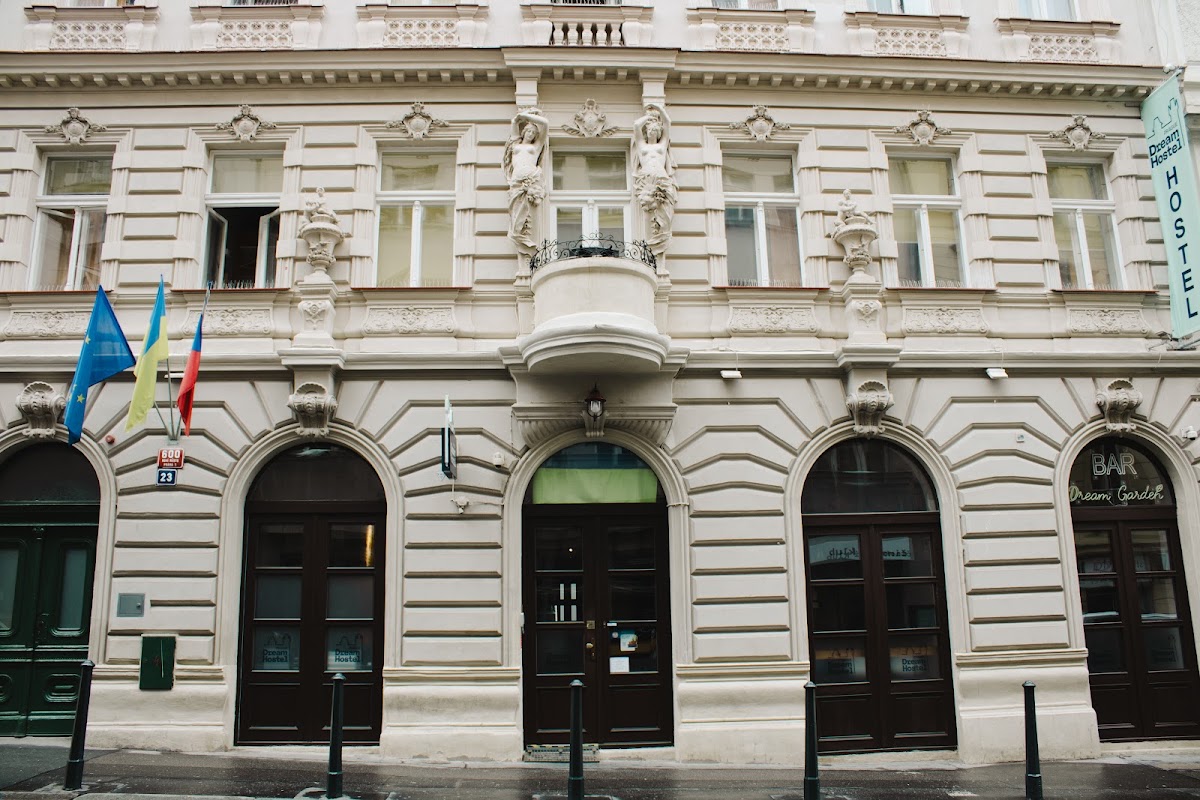
Prague Dream Hostel
HostelVe Smečkách 23, Nové Město, 110 00 Praha-Praha 1
Prague Dream Hostel is a casual hostel in Nové Město offering simple dorms and private rooms, along with a garden, cafe, and shared kitchen. Located 0.78 km from Prague's city center, it has a rating of 4.3 stars based on over 1000 reviews.
Check prices on Booking.com for Prague Dream Hostel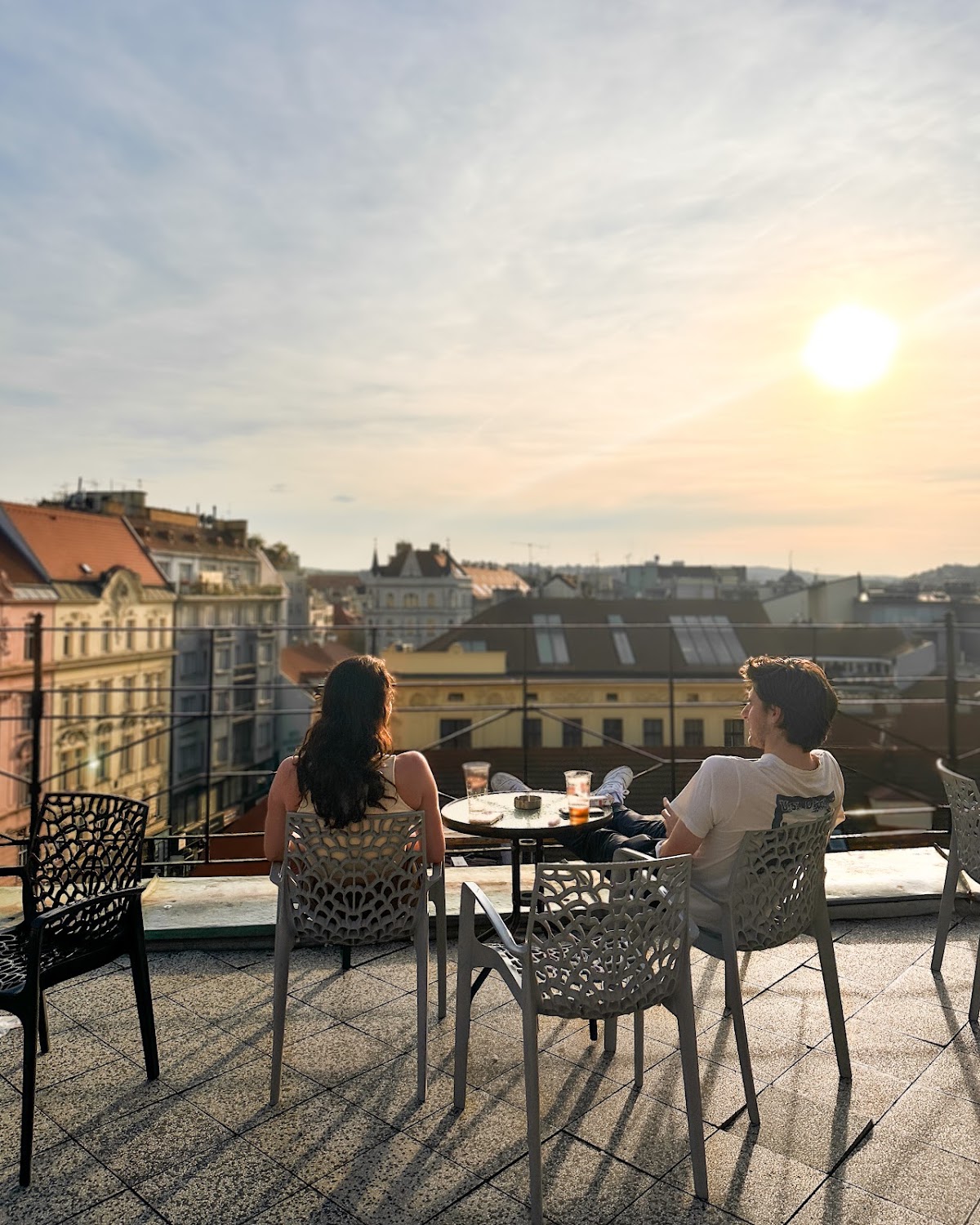
The Clock Inn
HostelSpálená 83/3, Nové Město, 110 00 Praha-Praha 1
The Clock Inn is a hostel located in Nové Město, 0.84 km from Prague's city center, offering humble dorms and private rooms. The hostel features a bar, lounge, and rooftop terrace. It has a rating of 4.6 stars based on 608 reviews.
Check prices on Booking.com for The Clock Inn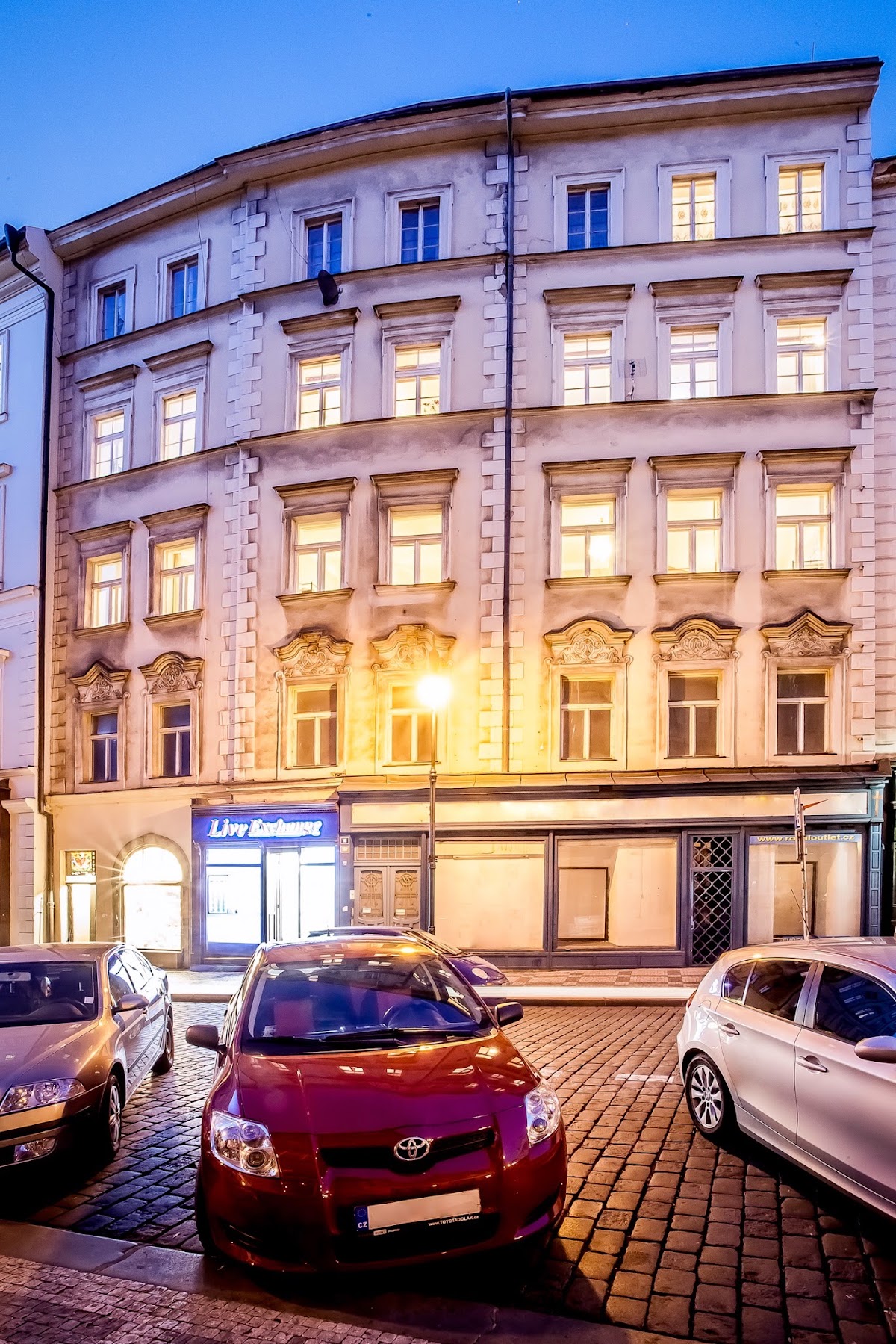
Ahoy! Hostel
HostelNa Perštýně 357/10, 110 00 Praha 1-Staré Město
Ahoy! Hostel is located in Prague's Old Town, just 0.4 km from the city center. The hostel offers colorful dorms and private rooms with free Wi-Fi, along with a communal kitchen and guest lounge for visitors to use.
Check prices on Booking.com for Ahoy! Hostel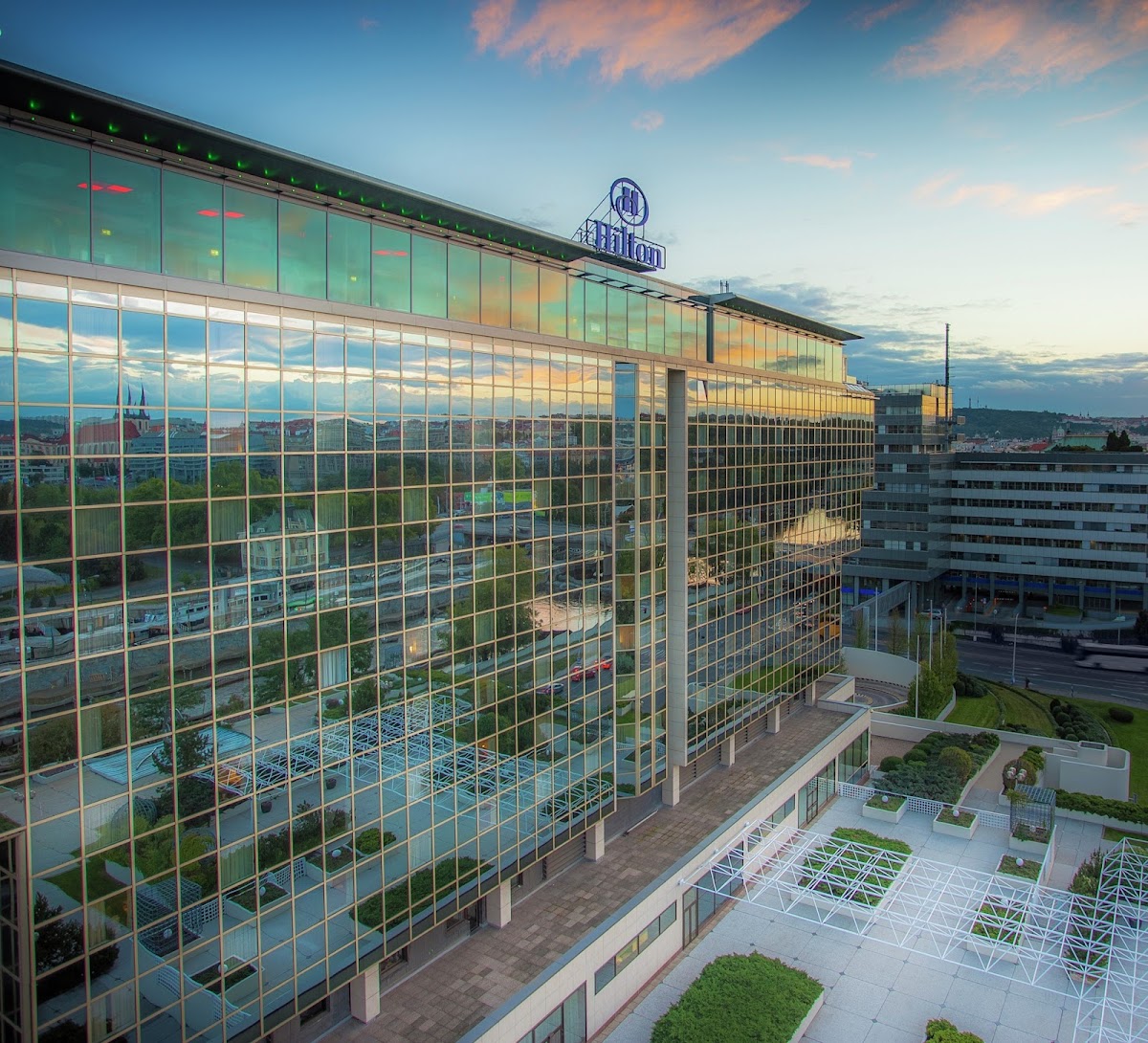
Hilton Prague Atrium
HotelPobřežní 311/1, Karlín, 186 00 Praha-Praha 8
Hilton Prague Atrium is a modern hotel located in the Karlín district, 1.43 km from Prague's city center. The hotel features casual accommodations with dining options, a rooftop lounge, an indoor pool, and a spa. With a rating of 4.4 stars from over 11,600 reviews, it also functions as a business center, event venue, and banquet hall.
Check prices on Booking.com for Hilton Prague Atrium
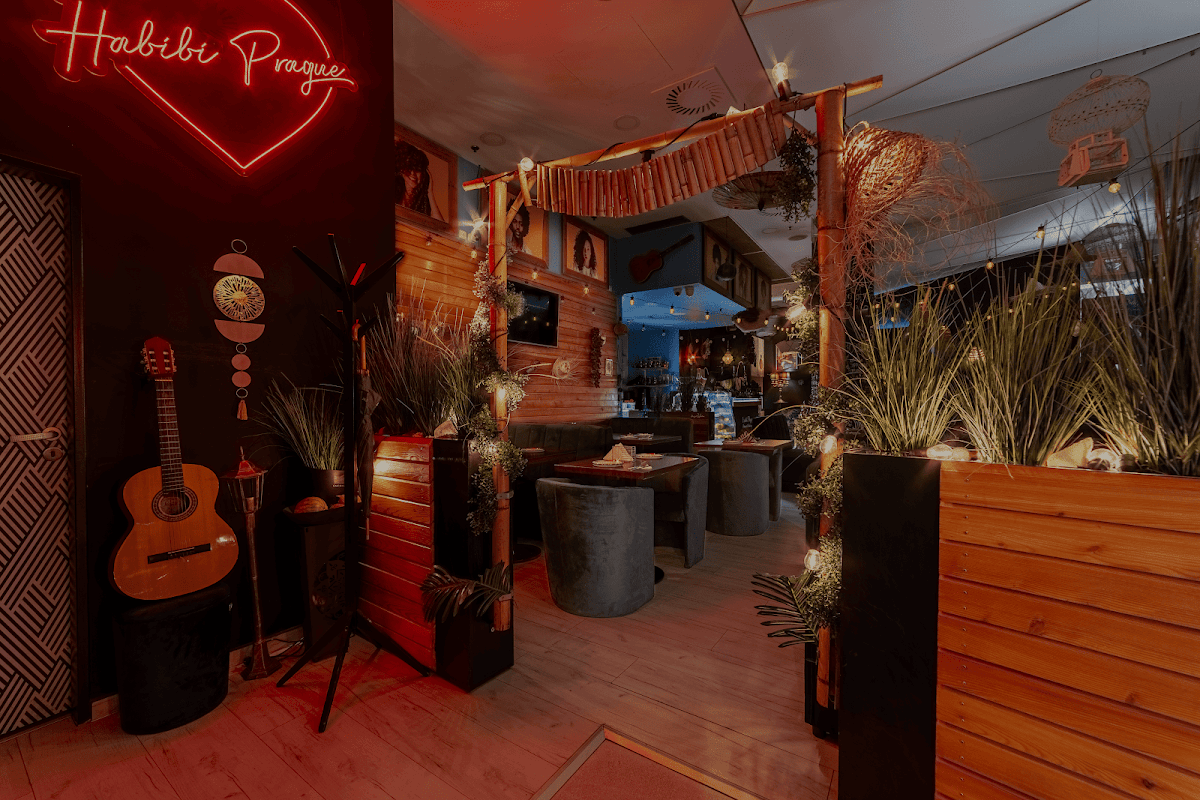
Habibi Prague Arabic Restaurant Halal food أكل حلال
Rated 4.7Na Příkopě 23, 110 00 Praha 1-Staré Město
Habibi Prague is a halal restaurant specializing in Lebanese and Middle Eastern cuisine, located on Na Příkopě in Prague's Old Town, just 0.21 km from the city center. With a rating of 4.7 stars from over 7,700 reviews, it offers authentic Arabic halal food in a central Prague location.
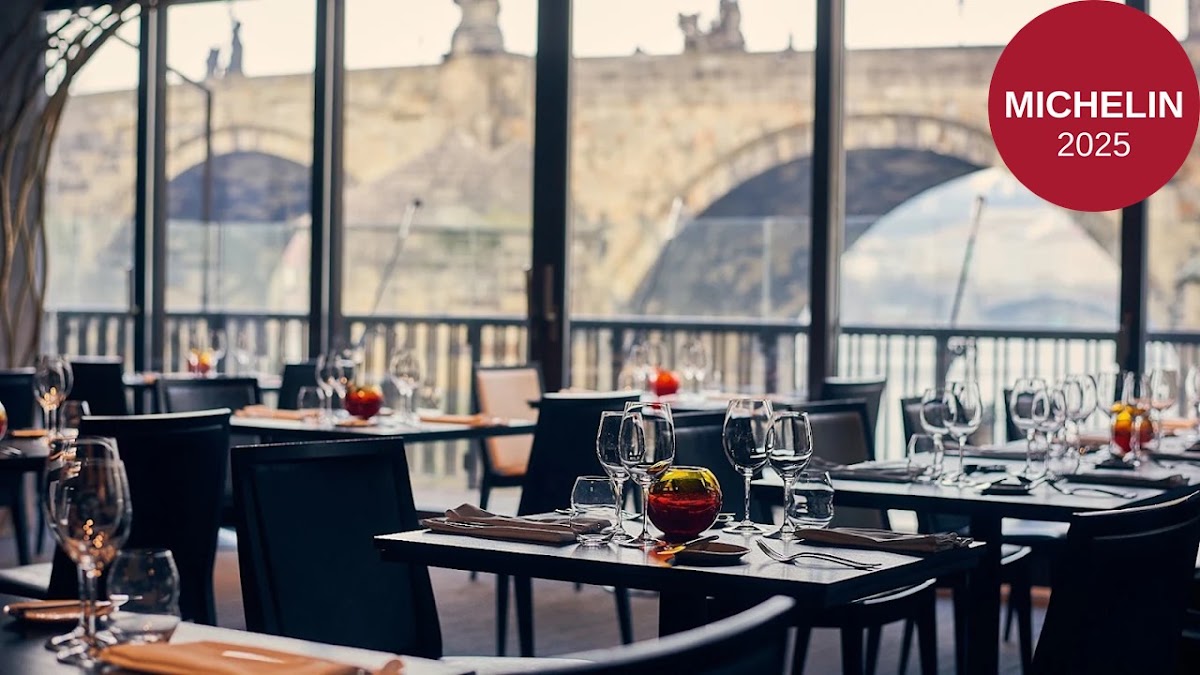
Restaurant Mlýnec
Price $$$$Rated 4.7Novotného lávka 9, Staré Město, 110 00 Praha-Praha 1
Restaurant Mlýnec is a contemporary Czech restaurant with a stylish atmosphere located in Prague's Old Town. The venue features large windows and hosts live jazz evenings, offering fine dining in a European restaurant setting.
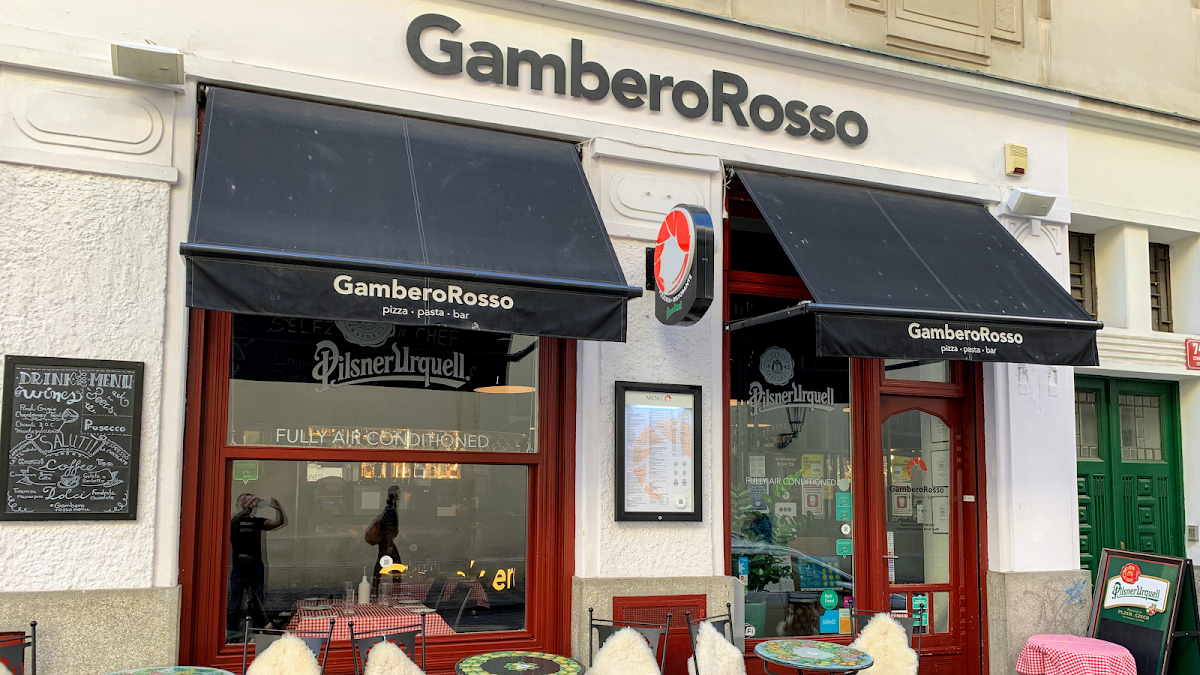
GamberoRosso 🦐
ItalianPrice $$Rated 4.7Jakubská 744/4, Staré Město, 110 00 Praha-Praha 1
GamberoRosso is an Italian restaurant located in Prague's Old Town, just 0.29 km from the city center. The venue specializes in Italian cuisine and pizza, with a rating of 4.7 stars based on over 5,400 reviews. It offers moderately priced dining options.
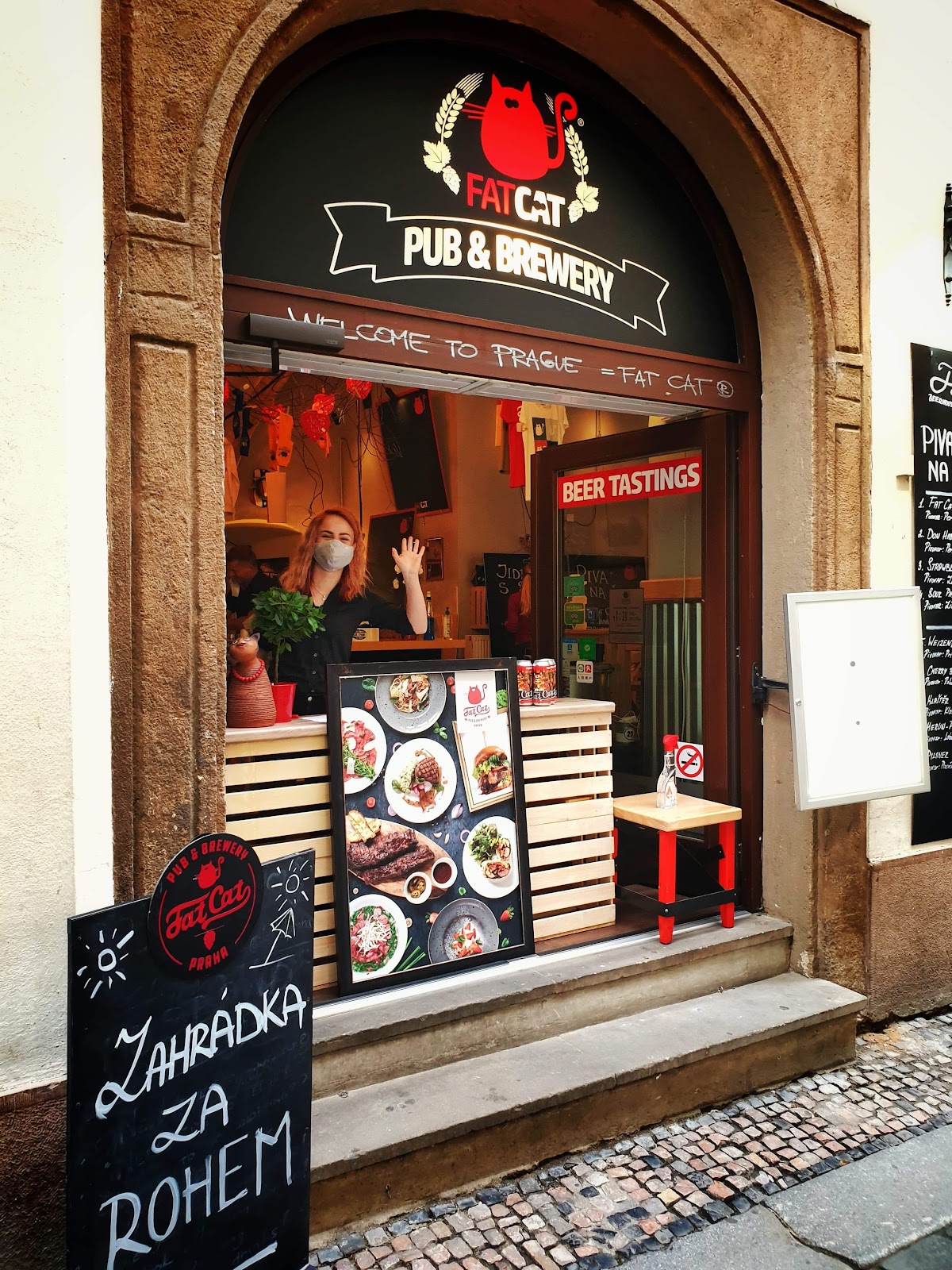
FAT CAT Old Town
Price $$Rated 4.6Karlova 44, Staré Město, 110 00 Praha-Praha 1
FAT CAT Old Town is a restaurant located on Karlova street in Prague's Old Town, just 0.3 km from the city center. The venue serves as a brunch restaurant, breakfast restaurant, and bar with a rating of 4.6 stars from over 12,700 reviews. It offers moderate pricing and is conveniently situated in the historic Staré Město district.
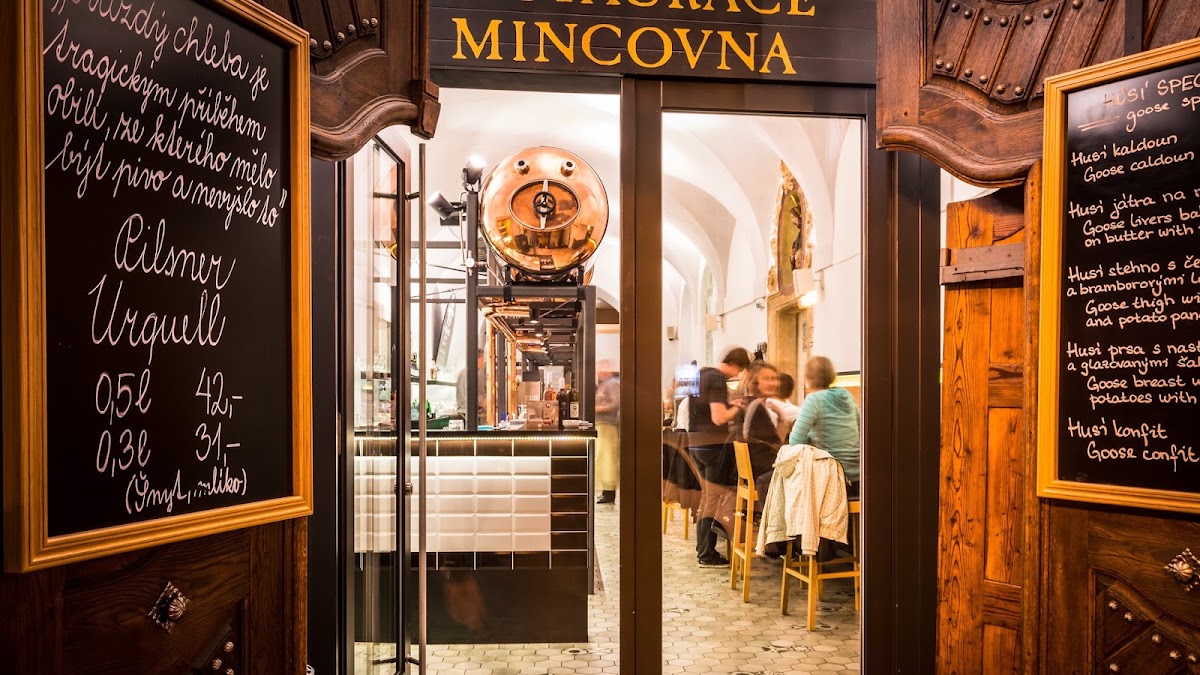
Restaurace Mincovna
Price $$Rated 4.5Staroměstské nám. 930/7, Staré Město, 110 00 Praha-Praha 1
Restaurace Mincovna is an old-fashioned Czech restaurant located on Old Town Square, featuring vaulted ceilings and a robust wine list. The restaurant serves traditional Czech cuisine and operates as a brewery, situated just 0.3 km from Prague's city center.
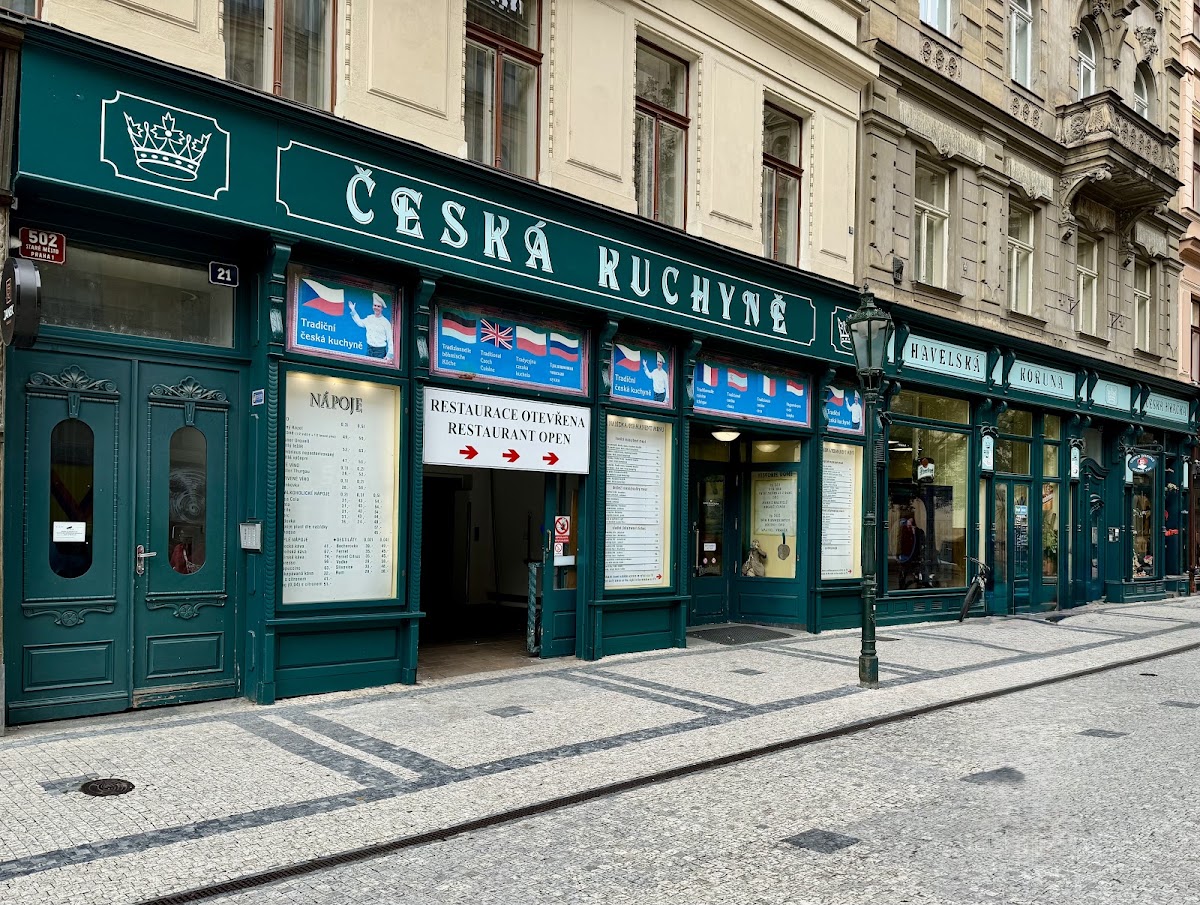
Havelská Koruna
Price $$Rated 4.321 a 23, Havelská 501, 110 00 Praha 1-Staré Město
Havelská Koruna is a low-key buffet restaurant in Prague's Old Town serving local staples including goulash, meat dishes, fried cheese and fruit dumplings. Located just 0.1 km from the city center, it offers budget-friendly Czech and European cuisine with a 4.3 rating from nearly 20,000 reviews.
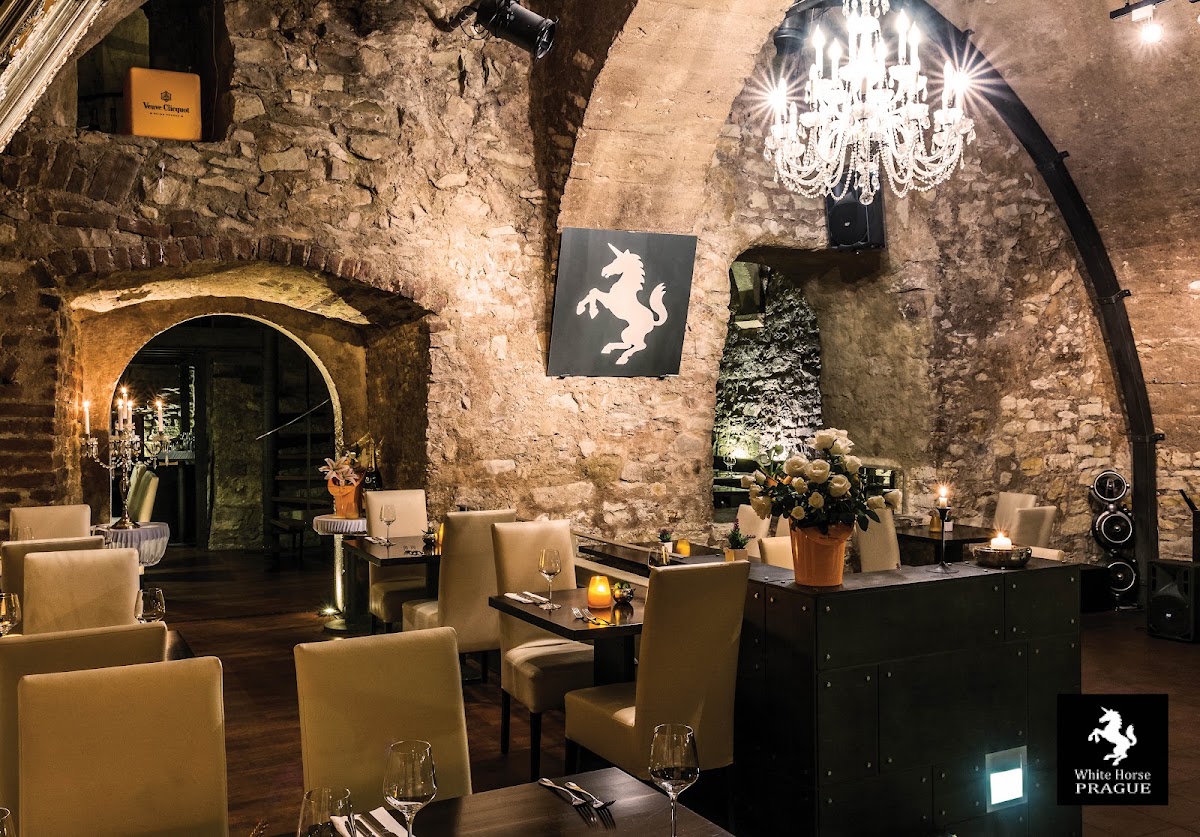
Restaurace White Horse
Rated 4.2Staroměstské nám. 20, Staré Město, 110 00 Praha-Praha 1
Restaurace White Horse is an upmarket European restaurant and music venue located in the Old Town Square area, serving Czech cuisine. The venue features live jazz or blues bands entertaining diners, and operates as a beer garden and bar.
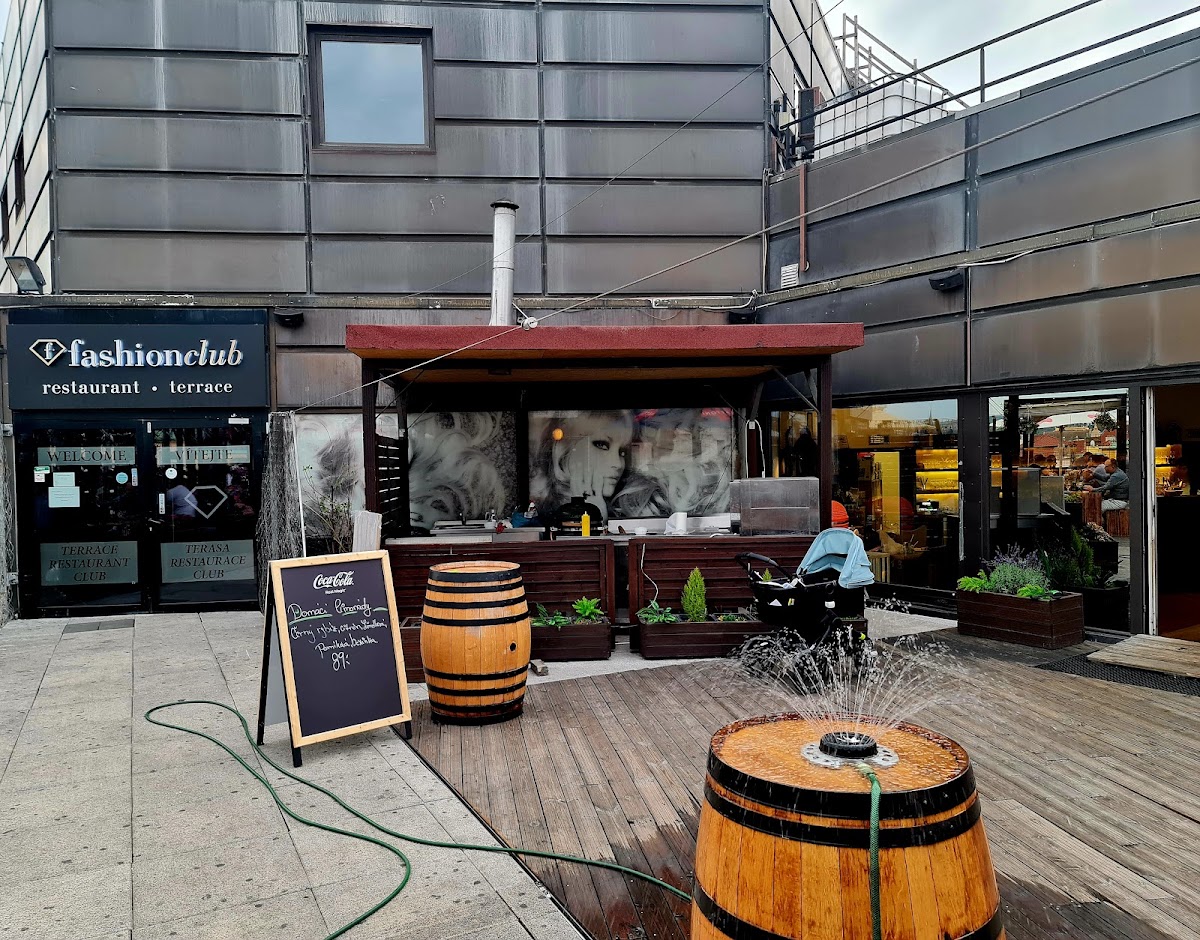
Fashion Restaurant & Club Prague
Rated 3.6Shopping mall Kotva, Náměstí Republiky 8, Staré Město, 110 00 Praha-Praha 1
Fashion Restaurant & Club Prague is located in the Kotva shopping mall at Náměstí Republiky in Prague's Old Town, just 0.45 km from the city center. The venue functions as a restaurant, night club, and event space with a rating of 3.6 stars based on 1197 reviews.
What things cost in Prague
Typical prices. Estimates only: prices vary by season and neighborhood.
| Hostel dorm bedTypically 400-1100 CZK. Per bed per night, higher in summer and on weekends. | CZK 400 – CZK 1,100 |
|---|---|
| Budget hotel roomTypically 1500-3000 CZK. Double room per night, varying widely by season and location. | CZK 1,500 – CZK 3,000 |
| Mid-range hotel roomTypically 3000-6000 CZK. Double room per night in a comfortable central hotel. | CZK 3,000 – CZK 6,000 |
| Luxury hotel roomTypically 6500-15000 CZK. Double room per night for five-star and boutique properties. | CZK 6,500 – CZK 15,000 |
| Local beerTypically 50-110 CZK. Half-litre of draught beer, cheaper in local pubs than near main sights. | CZK 50 – CZK 110 |
|---|---|
| CoffeeTypically 65-120 CZK. Cappuccino or flat white in a cafe, with tourist zones at the top end. | CZK 65 – CZK 120 |
| Street food snackTypically 80-200 CZK. Sausages, trdelník, sandwiches and market snacks, with tourist-area stands at the higher end. | CZK 80 – CZK 200 |
| Budget mealTypically 180-300 CZK. Lunch menus and simple pubs outside the most touristy streets. | CZK 180 – CZK 300 |
| Groceries (per day)Typically 250-500 CZK. Basic supermarket food for one person for a day. | CZK 250 – CZK 500 |
| Mid-range mealTypically 350-700 CZK. Per person for a main course and a drink in a sit-down restaurant. | CZK 350 – CZK 700 |
| Fine diningTypically 1500-4000 CZK. Per person for a tasting menu or upscale dinner. | CZK 1,500 – CZK 4,000 |
| Public transport rideTypically 20-50 CZK. Single ticket range; check the current tariff for time-based options. | CZK 20 – CZK 50 |
|---|---|
| Short taxi rideTypically 200-400 CZK. Short trip within the centre with a licensed taxi or booked service. | CZK 200 – CZK 400 |
| Bike rental (per day)Typically 300-700 CZK. Standard city bike, with electric bikes costing more. | CZK 300 – CZK 700 |
| Museum entryTypically 150-400 CZK. Typical range for city museums and galleries, higher for major sights. | CZK 150 – CZK 400 |
|---|---|
| Guided walking tourTypically 300-700 CZK. Standard group tours, often with tip-based or fixed-price options. | CZK 300 – CZK 700 |
| Day trip tourTypically 1000-2500 CZK. Organised day trips to places like Kutná Hora or Český Krumlov. | CZK 1,000 – CZK 2,500 |
Essentials
Practical things to know before you arrive in Prague.
When to go
May to June and September are the best months to visit Prague, with mild weather, long daylight and fewer crowds than midsummer or the Christmas period.
- Peak: June-August, December
- Shoulder: April-May, September-October
- Low: January-March
Getting around
Central Prague is compact and the historic areas are best explored on foot, though cobbled streets and hills around the Castle can be tiring. The public transport network of metro, trams and buses is extensive and integrated, with trams especially useful for sights and neighbourhoods not on the metro. Tickets must be bought and validated as required before or when boarding, so check the current rules at machines or official sources. Night trams and buses run after the metro closes.
Václav Havel Airport Prague lies west of the centre. Options into the city include city buses connecting to the metro, an airport express bus to the main railway station, and taxis or pre-booked transfers. Use licensed taxis or a reputable booking service, and agree the price or confirm the meter before you set off. International trains and buses arrive at the main railway station and other terminals in or near the centre.
Where to stay
Staying in Staré Město (Old Town) or Nové Město (New Town) puts you close to the main sights, restaurants and nightlife, which suits first-time visitors, though it is busy and noisy at night. Malá Strana, below the Castle, is quieter and atmospheric, good for couples and those who like a picturesque setting, but is hilly and has fewer budget options.
Vinohrady and Žižkov are popular with visitors who want a local feel, with cafes, restaurants and good tram and metro links. Karlín is a modern district with a good food scene and offices, and Holešovice suits those interested in galleries, parks and a more alternative atmosphere. Budget travellers often find better value slightly outside the centre along metro and tram lines.
Money
The local currency is Czech Koruna (CZK).
Cash and cards
- Contactless cards and mobile payments are widely accepted in Prague, including in most restaurants, shops and on public transport machines. Carry a little cash for small pubs, markets, public toilets and some smaller vendors.
- Pay in Czech koruna when offered the choice at card terminals, as conversion into your home currency usually costs more.
- Avoid exchanging money at street booths with poor advertised rates; compare fees and use ATMs or reputable exchange offices.
- Check your restaurant bill for cover charges or items you did not order.
- Lunch menus on weekdays offer good value compared with dinner.
- Keep small notes and coins for toilets and small purchases.
Taxes and tipping
- Tipping around 10 percent is customary in restaurants if service was good, and people usually round up the bill. Tell the server the total you want to pay rather than leaving money on the table.
Language: Czech
English: English is widely spoken in central Prague, especially in hotels, restaurants and tourist sites, and by younger people. Away from the centre, in small shops and local pubs, you may find less English.
- Hello / Good day
- Dobrý denDOH-bree den
- Hi / Bye (informal)
- AhojAH-hoy
- Thank you
- DěkujiDYEH-koo-yi
- Please / You're welcome
- ProsímPRO-seem
- Yes / No
- Ano / NeAH-no / neh
- Excuse me / Sorry
- PromiňtePRO-min-yteh
- Do you speak English?
- Mluvíte anglicky?MLOO-vee-teh AHN-glits-ki
- I don't understand
- NerozumímNEH-roh-zoo-meem
- How much does it cost?
- Kolik to stojí?KOH-lik toh STOH-yee
- The bill, please
- Účet, prosímOO-chet PRO-seem
- Cheers
- Na zdravínah ZDRAH-vee
- Where is the toilet?
- Kde je toaleta?gdeh yeh TOH-ah-leh-tah
Other city guides
This guide is for general reference. Check opening hours, prices and entry rules with official sources before you travel.