London
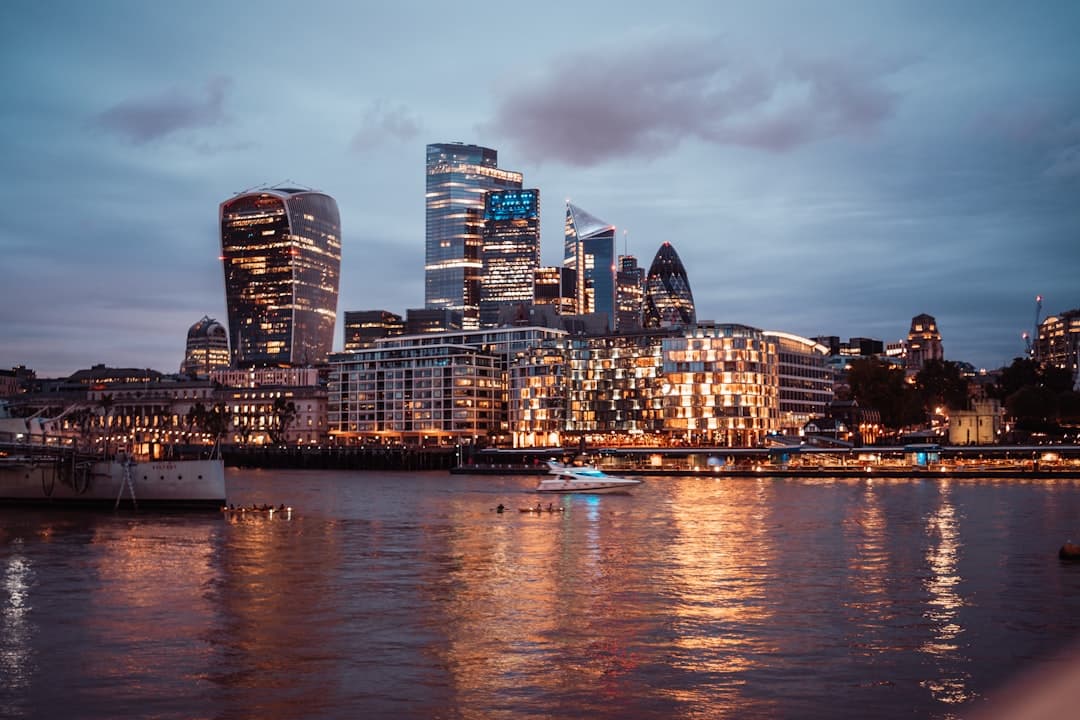
London is the capital of England and the United Kingdom, a vast Thames-side city of royal history, world-class museums, diverse food and endlessly varied neighborhoods.
London quick facts
- Best time to visit
- May to June and September are usually the best months to visit London
- Language
- English
- Currency
- Pound Sterling (GBP)
- Getting around
- Metro, tram and bus
- Suggested stay
- 5 days
- Population
- 8M
About London
London sits on the River Thames in southeast England and is one of the world's great cities. The coordinates given point to the historic core near Charing Cross and Trafalgar Square, where government, theatre, museums and centuries of history sit within walking distance of each other.
The city is a patchwork of former villages and distinct districts, from the medieval alleys of the City to the Georgian terraces of Bloomsbury and the creative energy of the East End. Royal parks, canals and the river provide green and open space throughout, and the skyline mixes cathedrals and palaces with modern towers.
London is among the most multicultural cities anywhere, with hundreds of languages spoken and food, music, festivals and shops that reflect communities from across the globe. Its national museums are largely free to enter, and its theatre, music and sports scenes run year-round.
Getting around is straightforward thanks to the Underground, buses, the Overground, the Elizabeth line and national rail, though the city is large and expensive by most standards. Walking between central sights is often the best way to understand how the districts connect.
Known for
- Royal heritage and Buckingham Palace, World-class free museums, West End theatre, Historic landmarks like the Tower of London and Big Ben, Red buses, black cabs and the Underground, Pubs and multicultural food
Food in London
London's food scene reflects its position as a global crossroads. Traditional British dishes sit alongside excellent South Asian, Caribbean, Turkish, Chinese, Middle Eastern, West African and European cooking, often within the same neighborhood. Curry in particular is deeply woven into the city's eating habits.
Markets are a good way to sample the range, from produce and street food stalls to long-established food halls. Pubs serve hearty meals, Sunday roasts are a weekly ritual, and afternoon tea remains a popular treat. Cafes and bakeries offer everything from a classic full English breakfast to modern brunch.
Tipping is customary in sit-down restaurants, and a service charge is often added to the bill, so check before adding more. Pubs typically involve ordering and paying at the bar rather than being served at the table.
History of London
London began as Londinium, a Roman settlement founded around 47 to 50 AD beside the Thames. It grew into a major trading town with a bridge, forum and city walls, some traces of which can still be seen. After Roman rule ended in the early fifth century the area declined, then revived as the Anglo-Saxon trading town of Lundenwic and later a fortified settlement within the old Roman walls.
After the Norman conquest of 1066, William the Conqueror built fortifications including the White Tower, and Westminster became the seat of royal power and the site of coronations. Medieval London grew as a merchant city governed by its guilds and corporation. The Great Fire of 1666 destroyed much of the walled city, and rebuilding brought new streets and Christopher Wren's St Paul's Cathedral.
In the eighteenth and nineteenth centuries London expanded rapidly as the center of a global empire and of finance, industry and the railways. It was heavily bombed in the Blitz of 1940 to 1941, and postwar rebuilding, immigration and later regeneration of docklands and industrial areas shaped the modern city.
Culture and etiquette
Londoners are known for queuing patiently, saying please and thank you, and respecting personal space. On escalators in the Underground, stand on the right and leave the left free for people walking. Commuters move quickly at rush hour, so avoid blocking doorways and gates.
Social life often centers on the pub, where rounds of drinks are common among groups. Conversation tends to be understated and humor is often dry or self-deprecating. People are generally private on public transport and rarely chat loudly with strangers.
The city is diverse and tolerant, with major cultural festivals, Pride, Notting Hill Carnival and many religious celebrations held through the year. When visiting churches, mosques, temples and other places of worship, dress modestly and follow posted guidance.
Things to do in London
What to see, where to stay and where to eat.
London Eye
2 hoursPrice $$Riverside Building, County Hall, Westminster Bridge Rd, London SE1 7PB
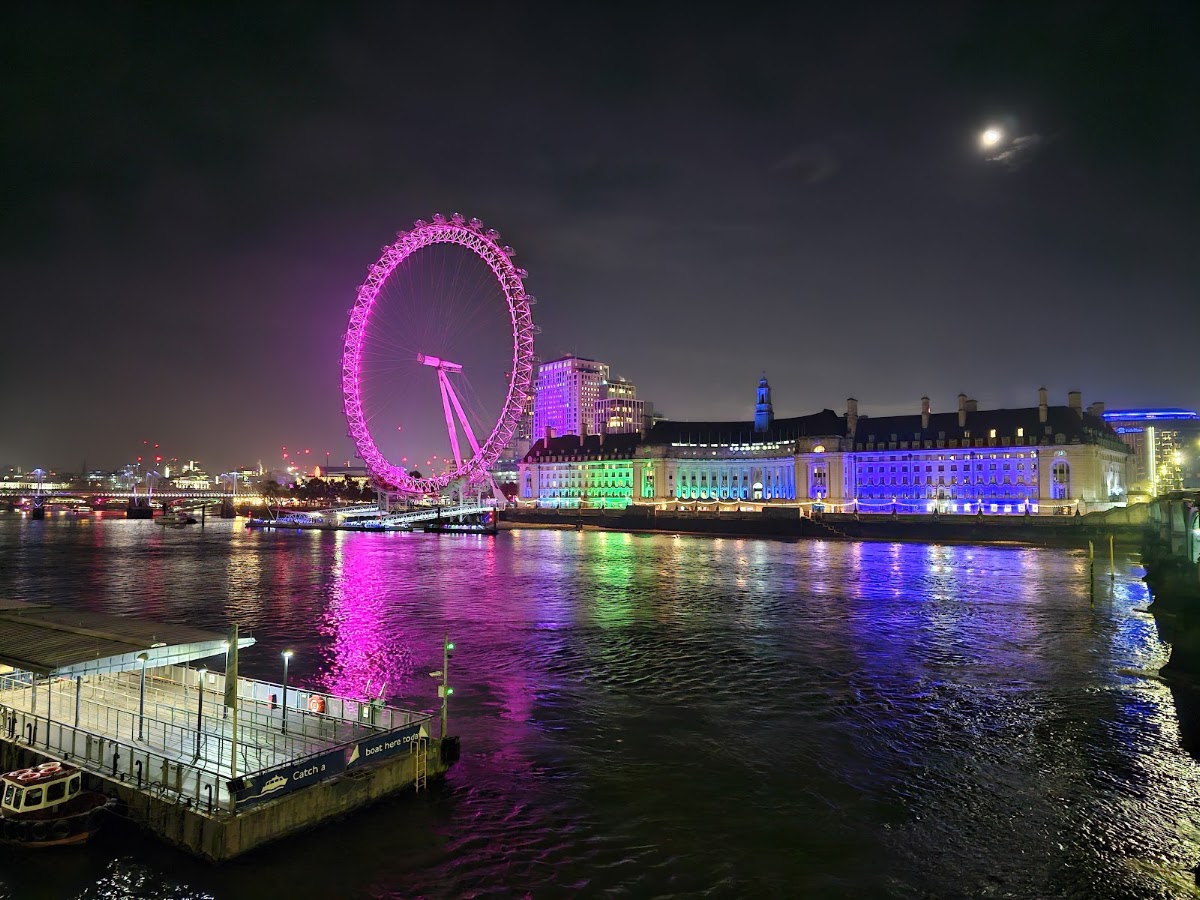
The London Eye is a tourist attraction located on Riverside Building at County Hall on Westminster Bridge Road in central London, just 0.73 km from the city center. It has a rating of 4.5 stars based on over 205,000 visitor reviews.
Trafalgar Square
2 hoursTrafalgar Sq, London WC2N 5DS
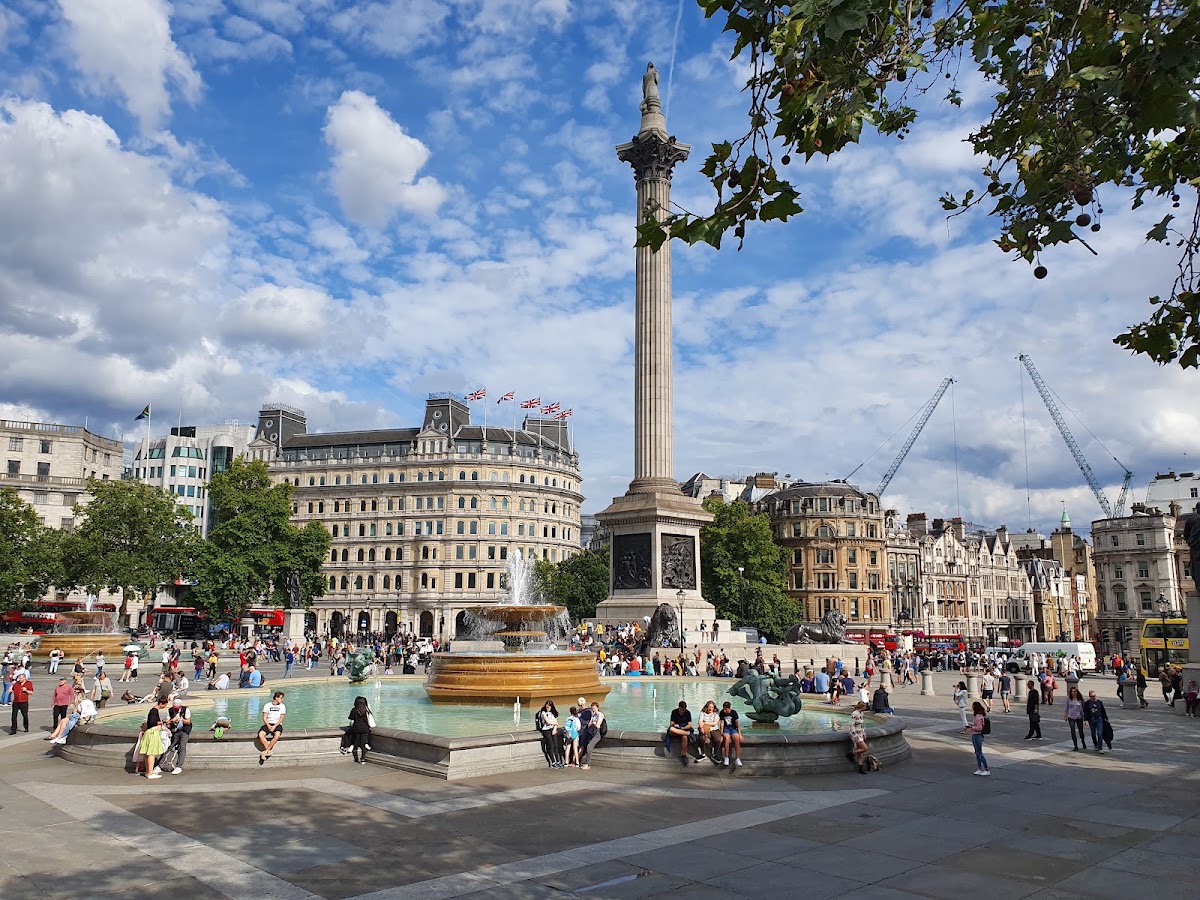
Trafalgar Square is an iconic plaza featuring Nelson's Column, LED-lit fountains, artworks and lion statues. Located just 0.1 km from central London, it is one of the city's most recognizable public spaces and a major tourist attraction.
Tower of London
2 hoursPrice $$London EC3N 4AB
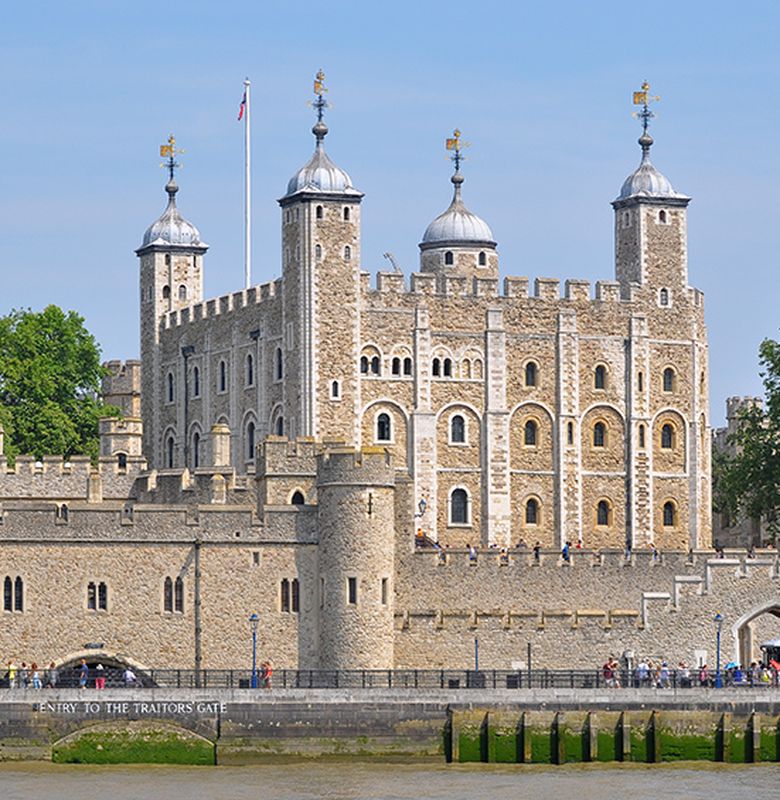
The Tower of London is a medieval castle located 3.6 km from central London. It houses the Crown Jewels and features the iconic Beefeaters, with a history spanning centuries. The venue has a rating of 4.7 based on over 122,000 reviews.
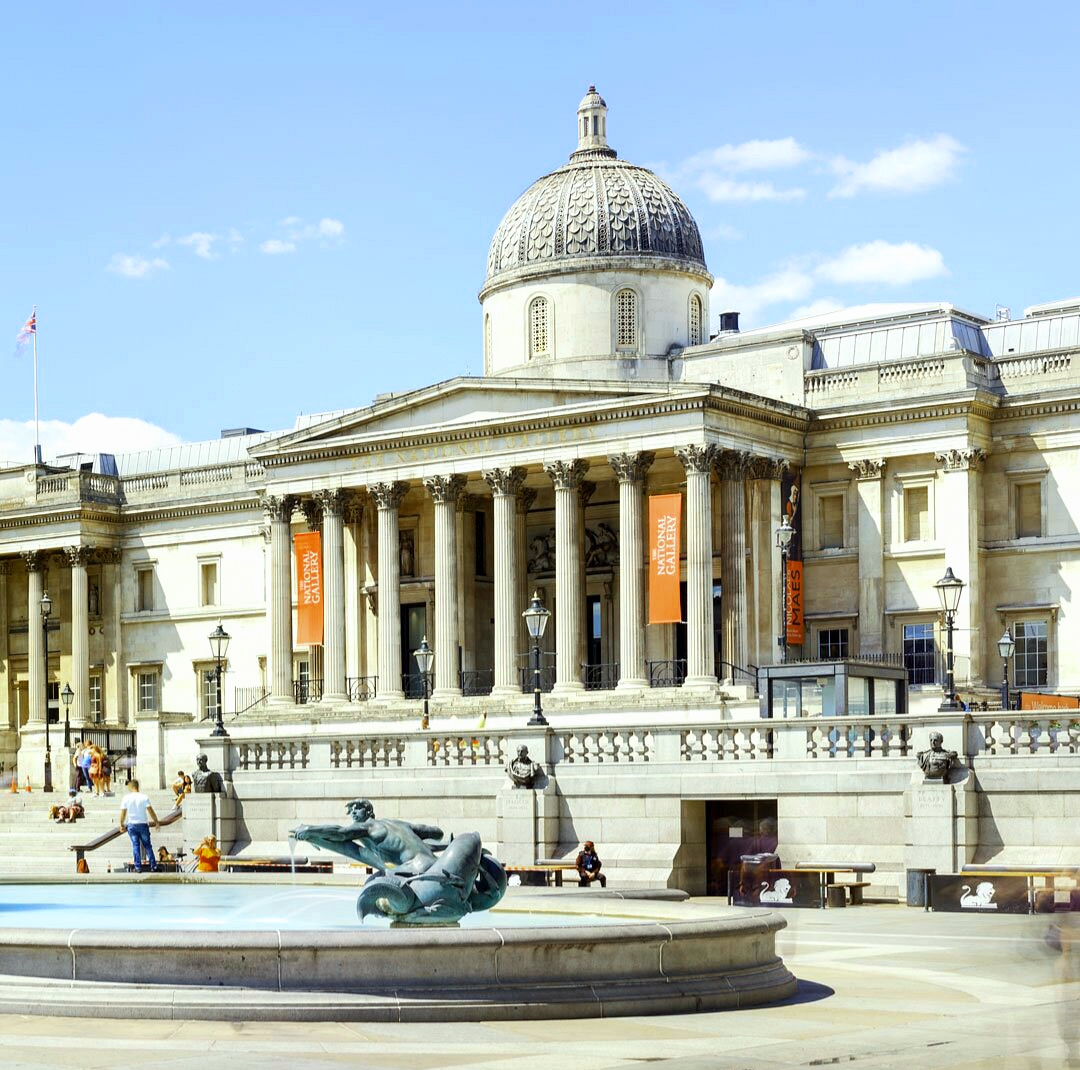
The National Gallery
Trafalgar Square, London WC2N 5DN
The National Gallery is an art museum located in Trafalgar Square that houses masterworks tracing the development of Western European painting. The museum is rated 4.8 out of 5 based on over 63,000 reviews and sits just 0.19 km from central London.
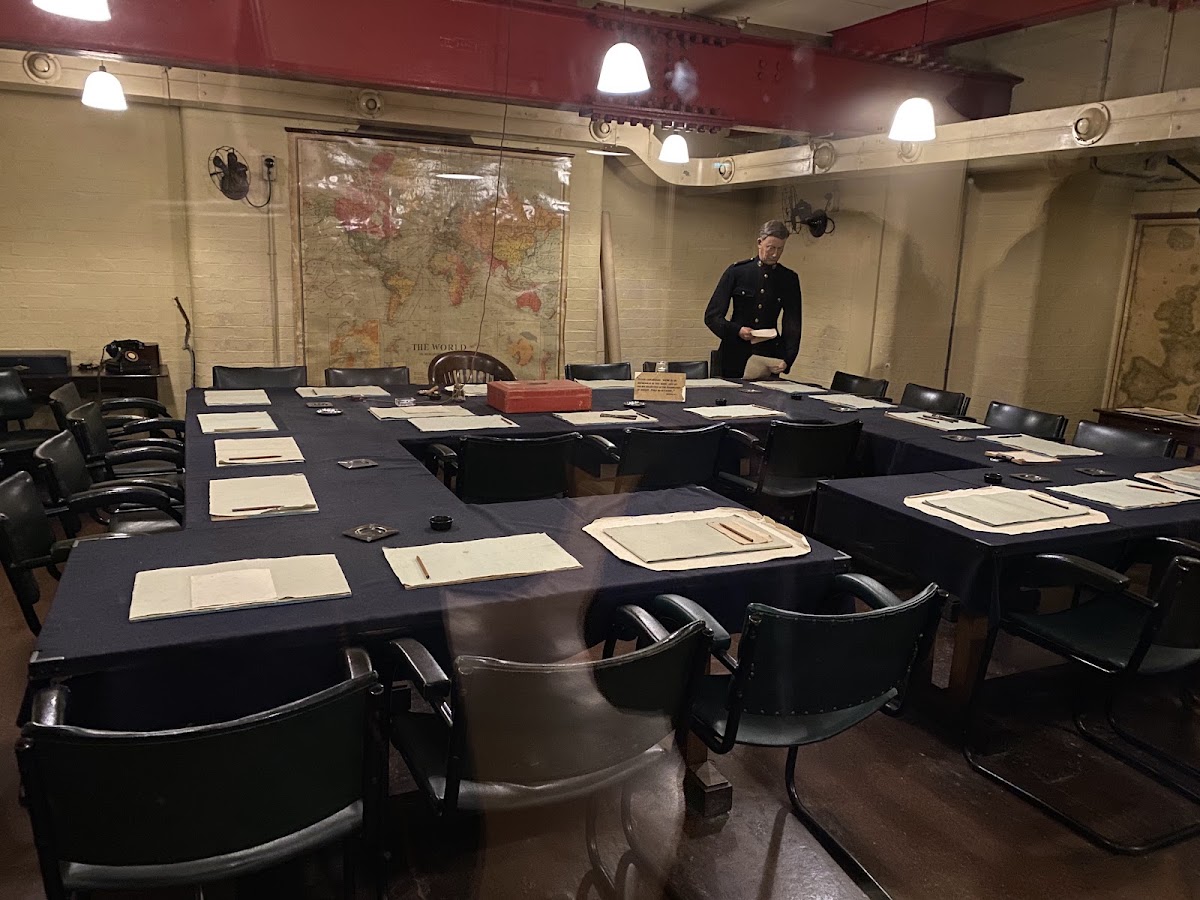
Churchill War Rooms
King Charles St, London SW1A 2AQ
The Churchill War Rooms is a secret underground headquarters located on King Charles Street where Prime Minister Winston Churchill lived and worked during World War II. This history museum offers visitors the chance to explore the protected bunker that served as a command center during the war. It is rated 4.6 stars based on nearly 16,000 reviews and sits less than a kilometer from central London.
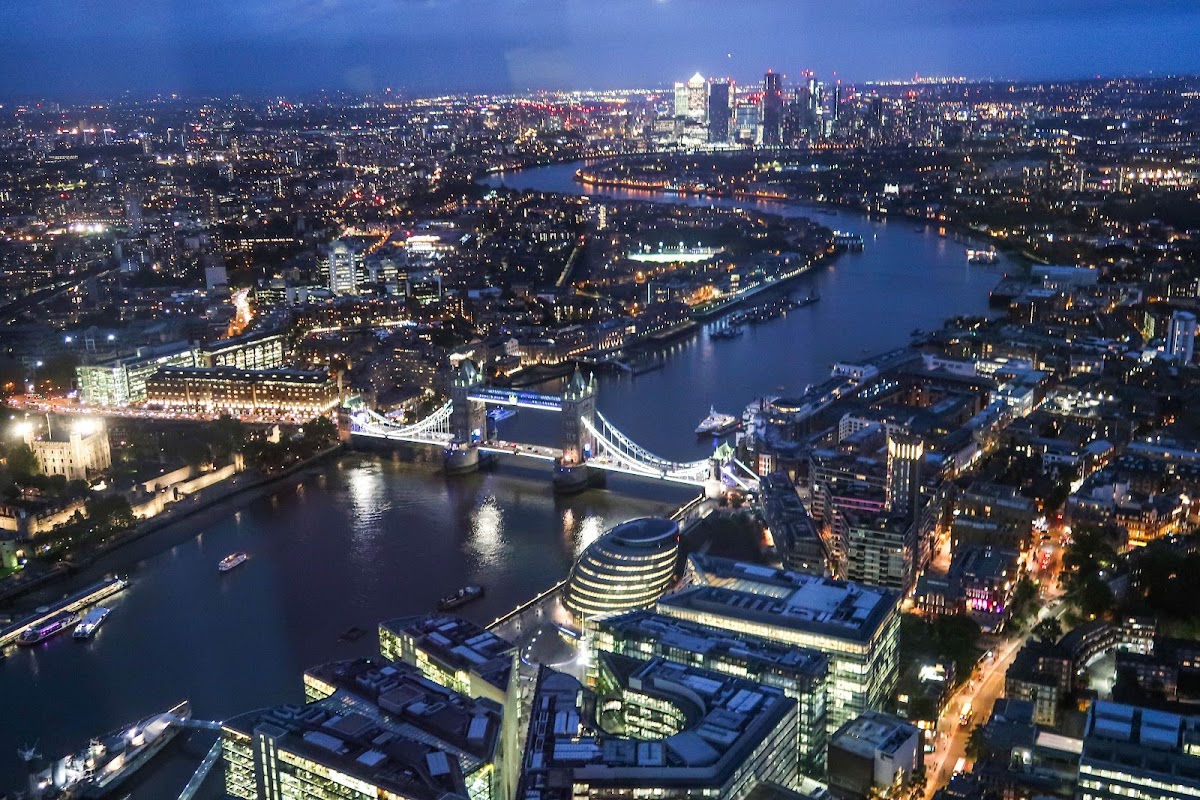
The View from The Shard
32 London Bridge St, London SE1 9SG
The View from The Shard is a scenic spot located at 32 London Bridge Street that offers panoramic views extending up to 40 miles on clear days. The venue guarantees good visibility or offers free return visits if conditions are poor. It has a rating of 4.6 stars based on over 8,200 visitor reviews.
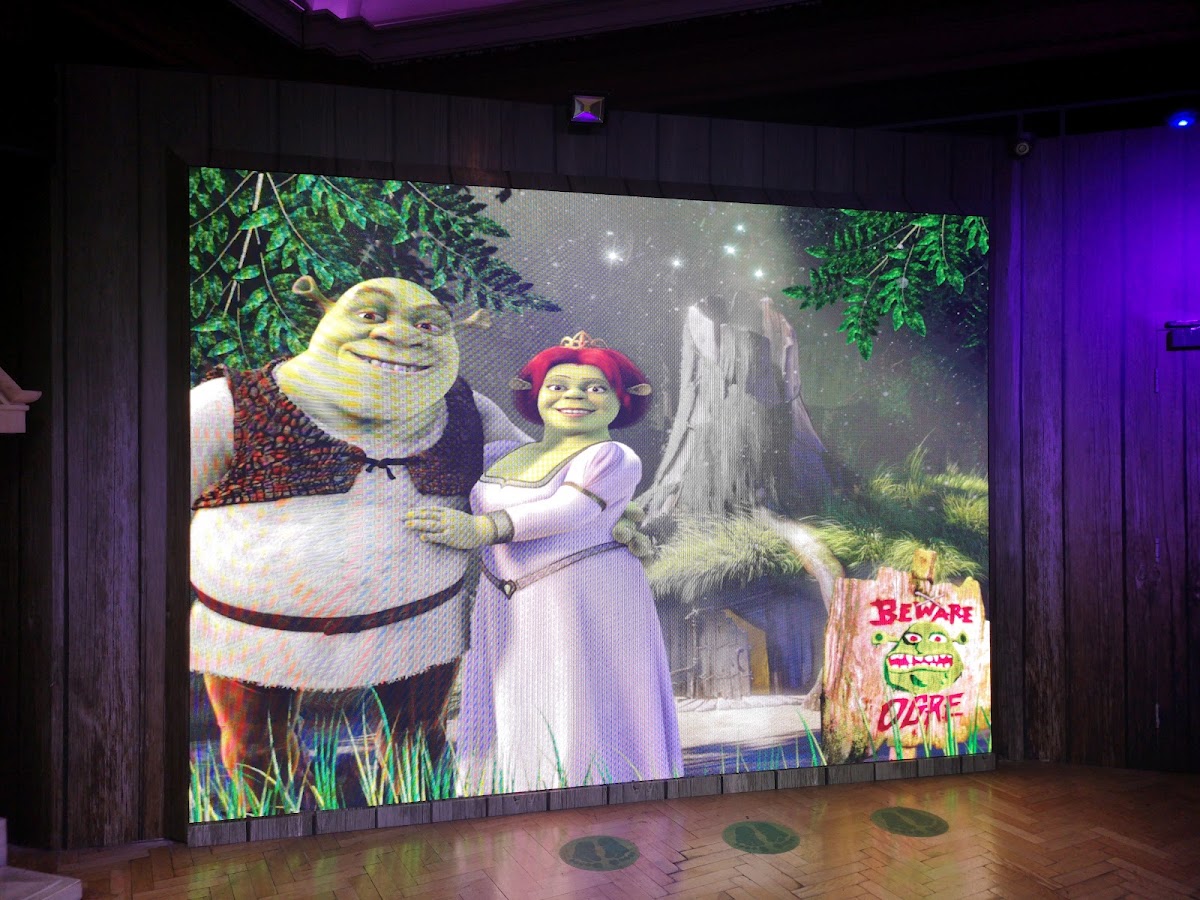
Shrek's Adventure London
Riverside Building, County Hall, Westminster Bridge Rd, London SE1 7PB
Shrek's Adventure London is a family-friendly attraction located in County Hall near Westminster Bridge, featuring a 4D movie and interactive fairy tale shows based on the Shrek film. The venue has a rating of 4.1 stars from over 7,000 visitor reviews.
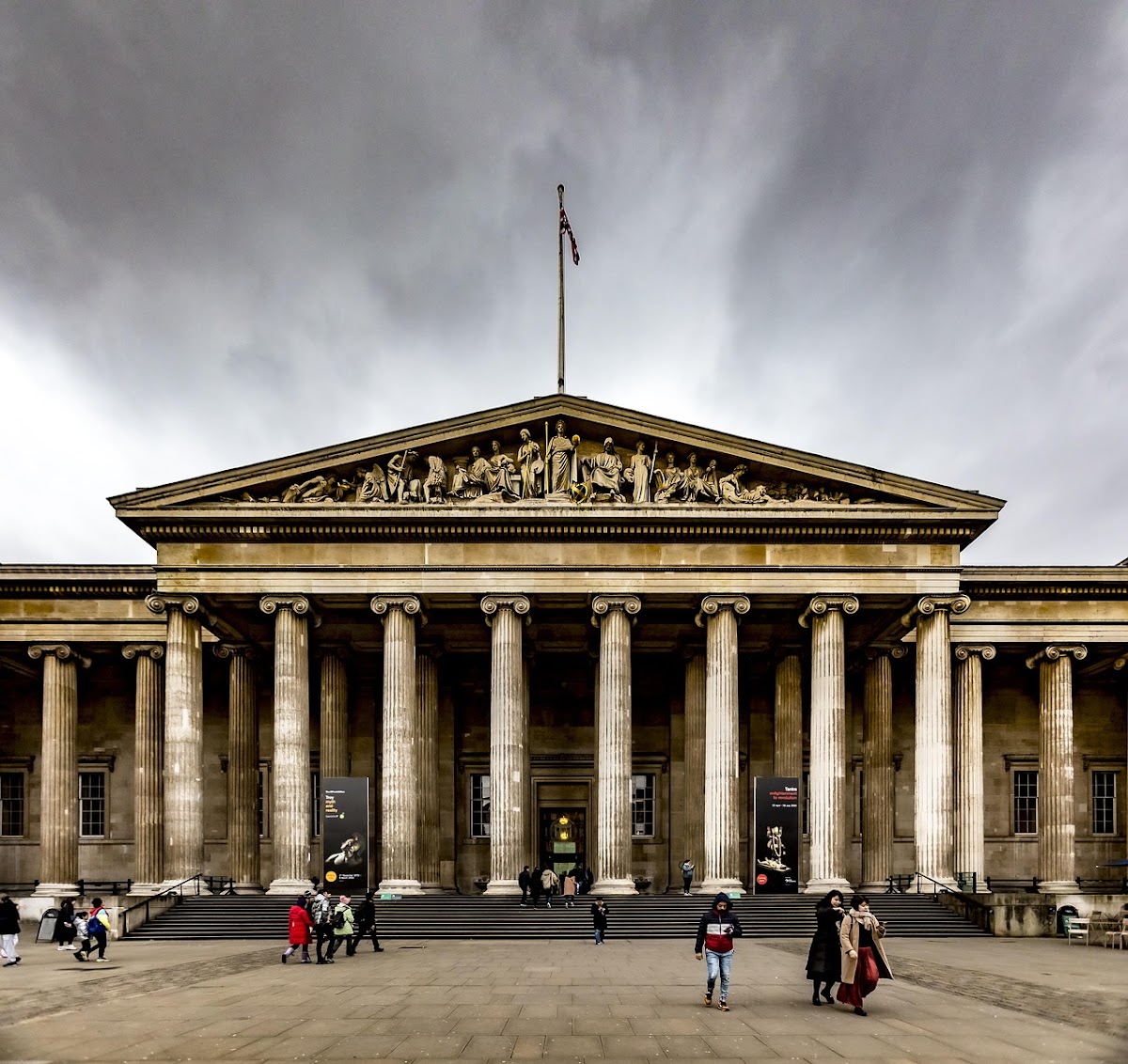
The British Museum
Great Russell St, London WC1B 3DG
The British Museum is a large museum on Great Russell Street featuring an extensive collection of global antiquities. The museum showcases Egyptian mummies and ancient Greek sculptures among its exhibits. It is located 1.35 kilometers from central London.
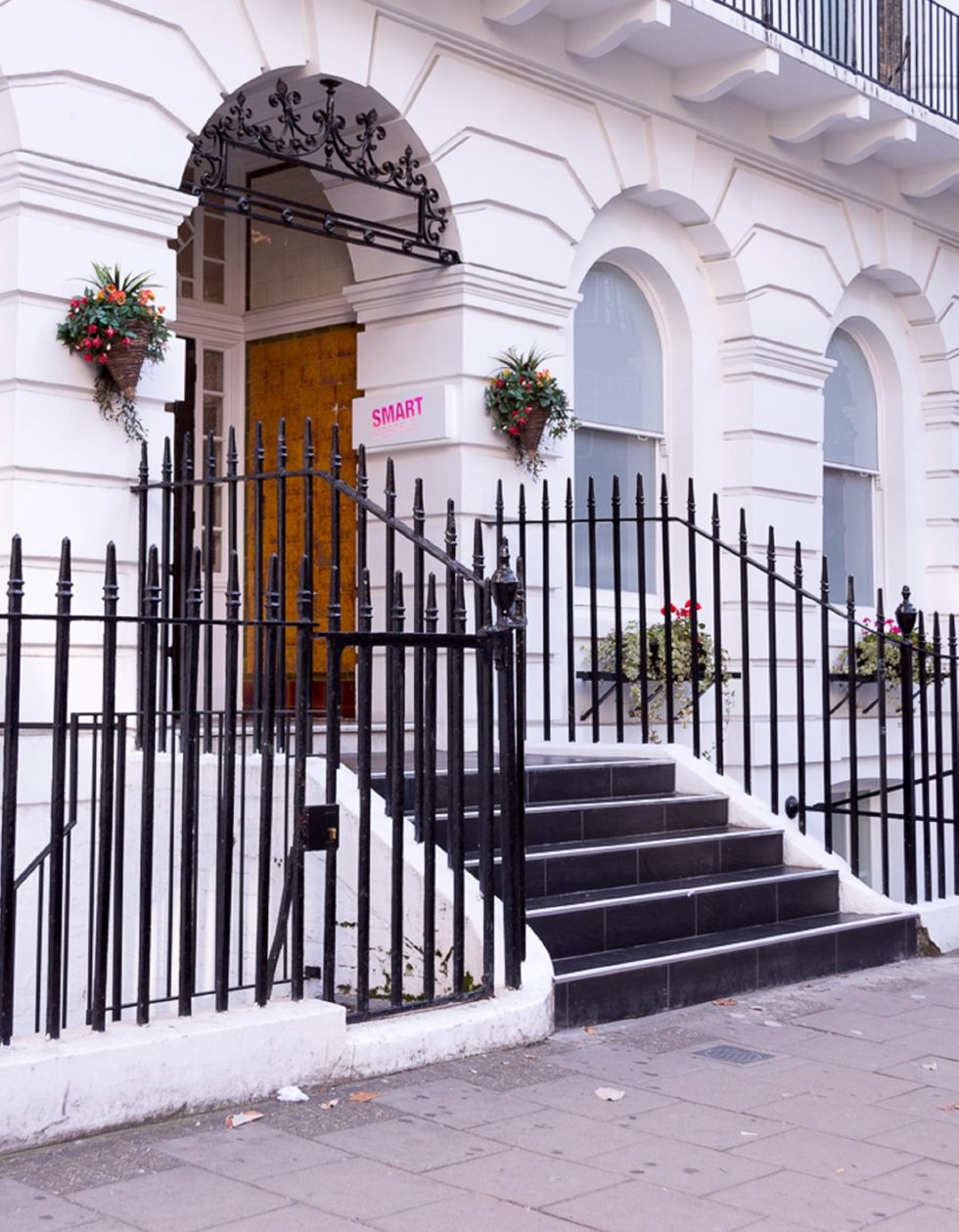
Smart Russell Square
Hostel71-72 Guilford St, London WC1N 1DF
Smart Russell Square is a hostel located on Guilford Street, 1.75 km from central London. It offers private rooms and shared dorms along with a lounge and guest kitchen for visitors.
Check prices on Booking.com for Smart Russell Square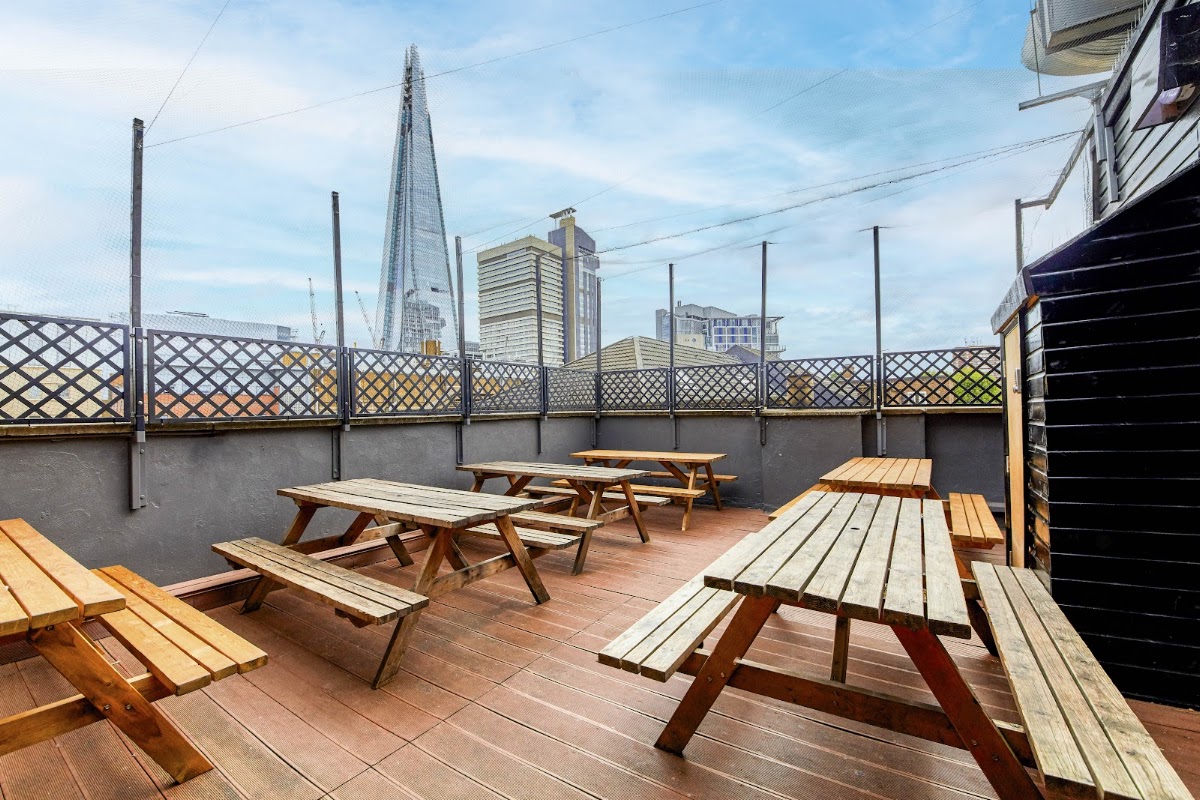
St Christopher's London Bridge - The Village
Hostel161-165, 165 Borough High St, London SE1 1HR
St Christopher's London Bridge - The Village is a hostel on Borough High Street offering bright dorms and private rooms with shared bathrooms. The accommodation includes free Wi-Fi and breakfast, located 2.5 km from central London.
Check prices on Booking.com for St Christopher's London Bridge - The Village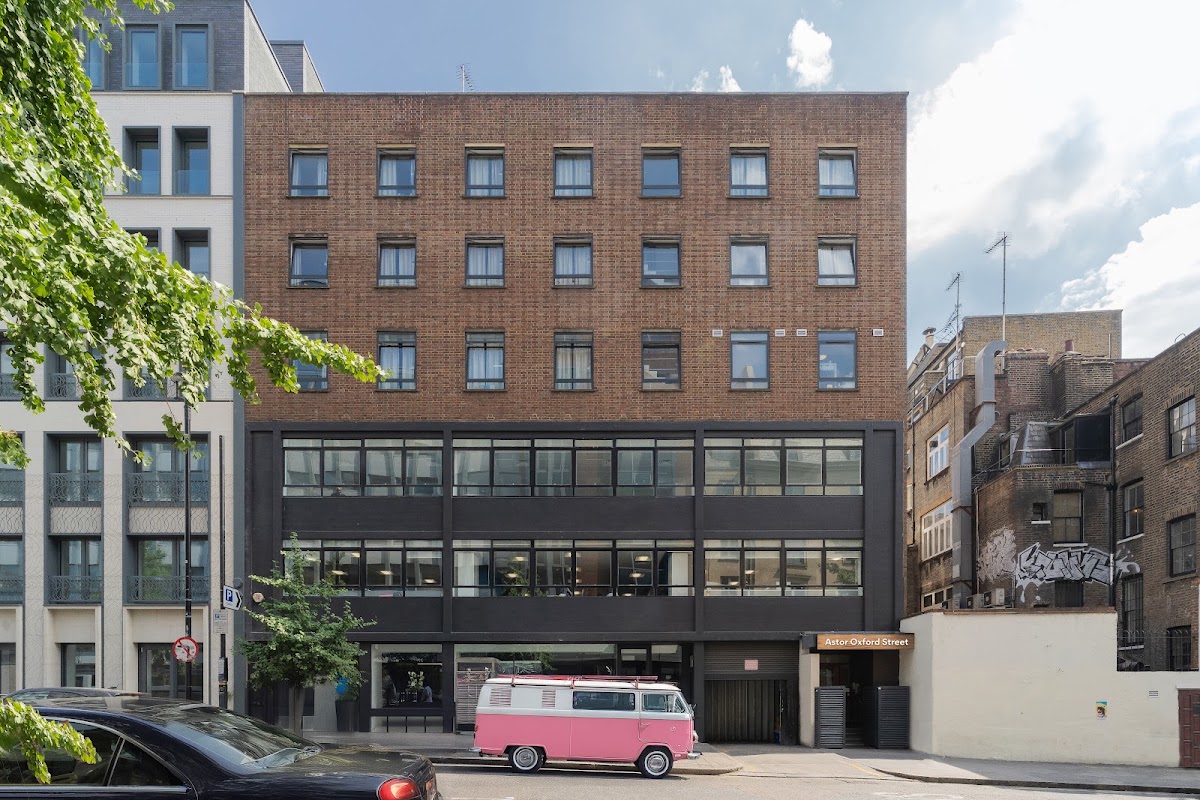
Astor Oxford Street
Hostel14 Noel St, London W1F 8GJ
Astor Oxford Street is a hostel located 1 km from central London offering simple dorms and private rooms. The property features a bar, shared kitchen, and organizes free walking tours for guests. It has a rating of 4.3 stars based on 749 reviews.
Check prices on Booking.com for Astor Oxford Street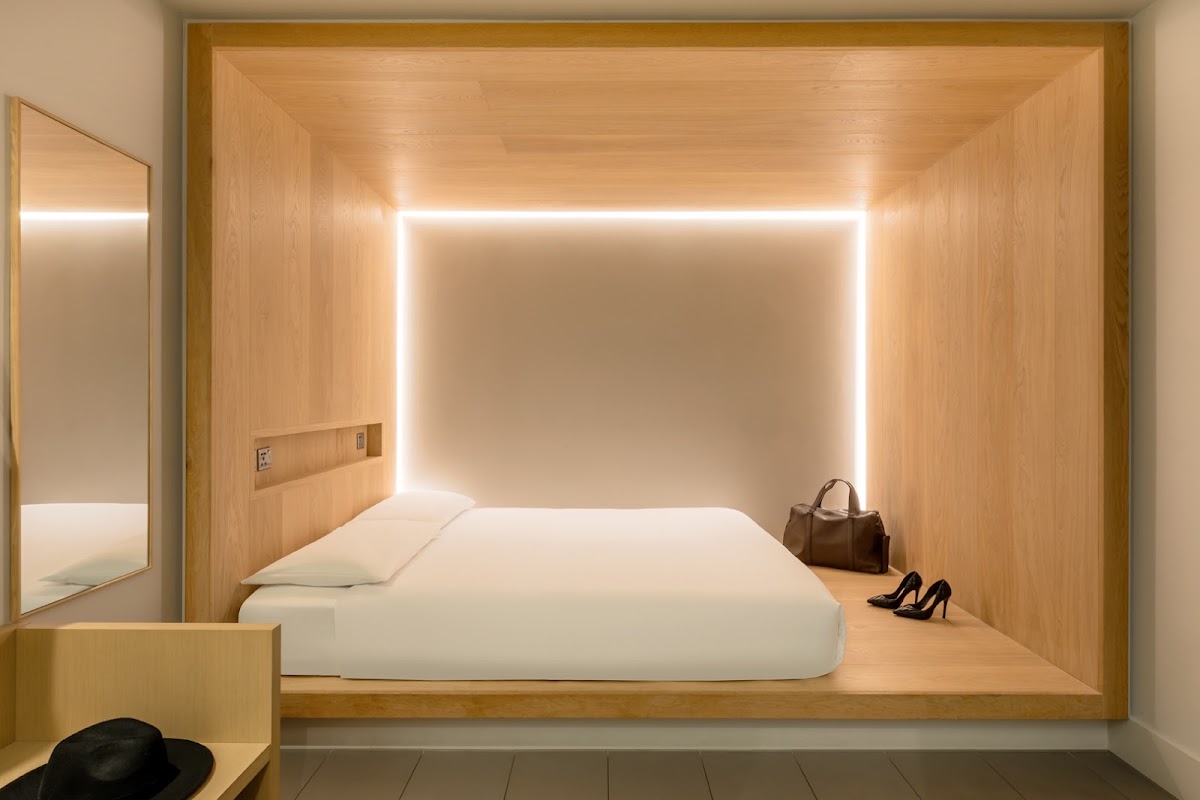
Zedwell Piccadilly Circus
HotelGreat Windmill St, London W1D 7DH
Zedwell Piccadilly Circus is a streamlined hotel located on Great Windmill Street, just 0.54 km from central London. The hotel features compact rooms, some with loft bedrooms, and offers Wi-Fi throughout the property.
Check prices on Booking.com for Zedwell Piccadilly Circus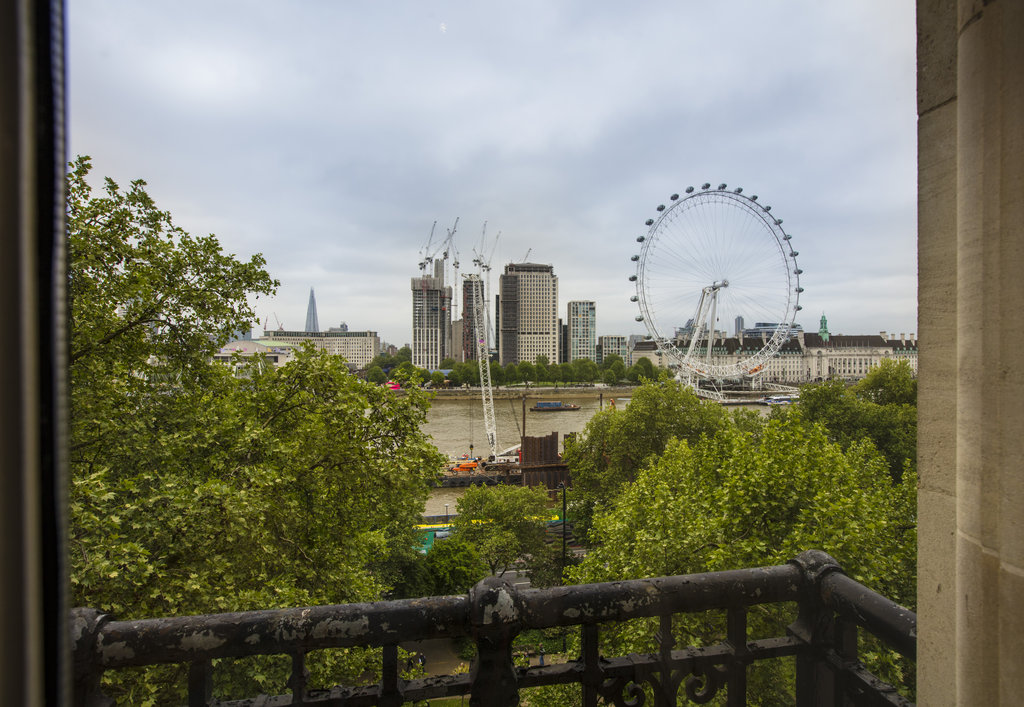
The Royal Horseguards Hotel & One Whitehall Place, London
Hotel2 Whitehall Ct, London SW1A 2EJ
The Royal Horseguards Hotel & One Whitehall Place is a luxury hotel housed in a Victorian building that formerly served as a Secret Service headquarters, located just 0.3 km from London's city center. The hotel offers modern rooms, some with river views, and features a bar and restaurant on-site. With a rating of 4.4 out of 5 based on over 3,300 reviews, it also functions as a wedding and event venue.
Check prices on Booking.com for The Royal Horseguards Hotel & One Whitehall Place, London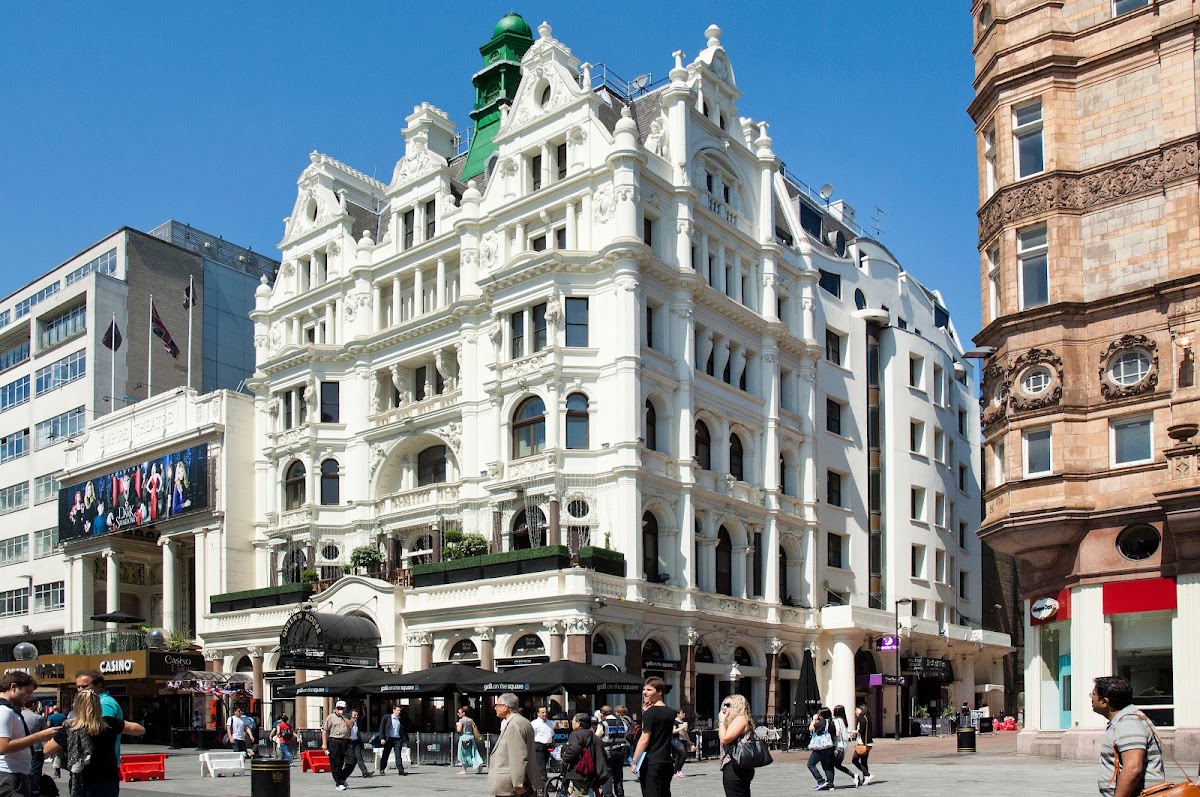
Premier Inn London Leicester Square hotel
HotelQueens House, 1 Leicester Square, London WC2H 7BP
Premier Inn London Leicester Square hotel is a budget hotel located at Queens House on Leicester Square, just 0.45 km from London's city center. The hotel features contemporary en suite rooms and offers on-site dining options along with WiFi access.
Check prices on Booking.com for Premier Inn London Leicester Square hotel
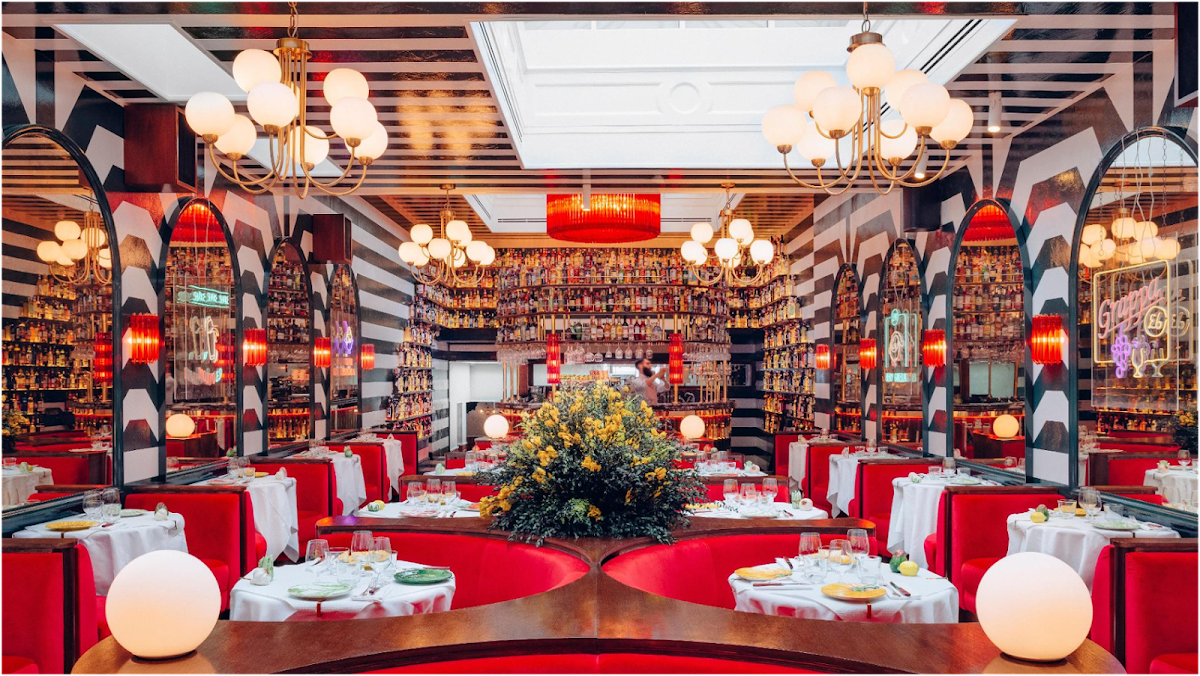
Ave Mario
ItalianPrice $$Rated 4.815 Henrietta St, London WC2E 8QG
Ave Mario is an Italian restaurant located on Henrietta Street in central London, offering meat dishes, pizza, pasta and desserts. The restaurant features weekend brunch and is rated 4.8 stars based on over 30,000 reviews.
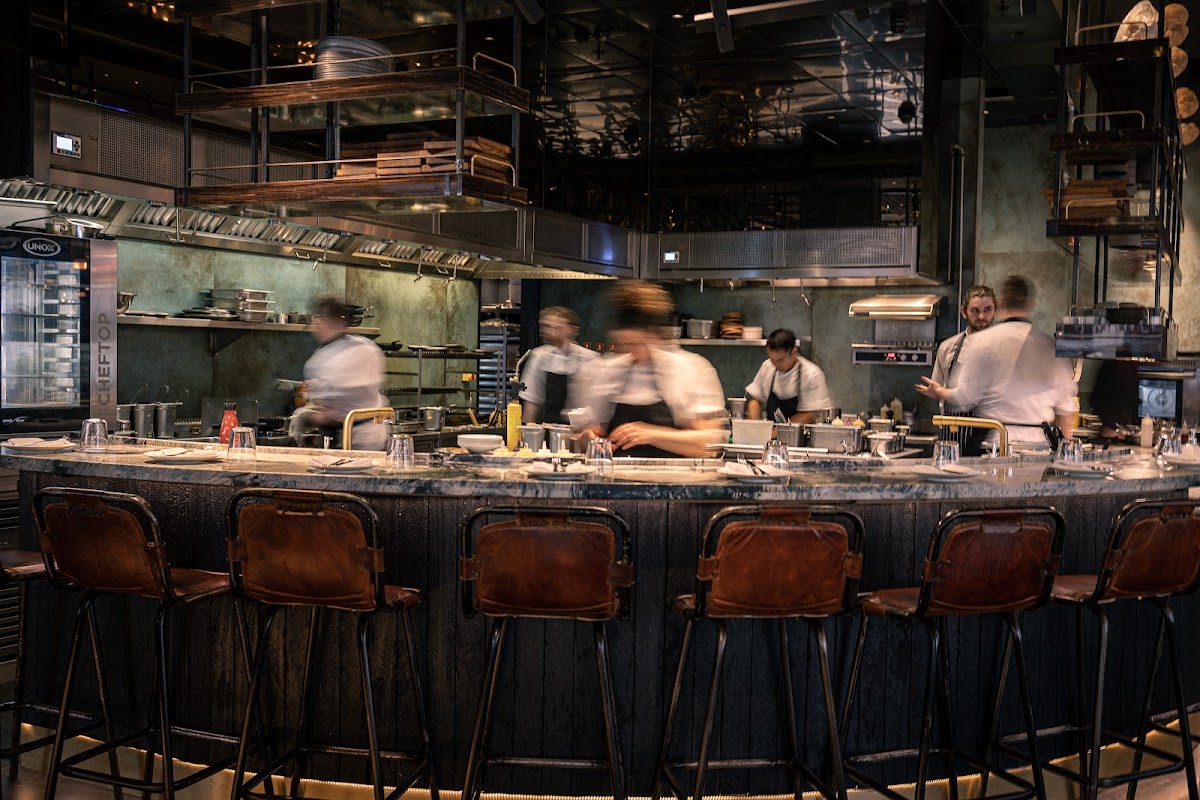
Fallow
Rated 4.752 Haymarket, London SW1Y 4RP
Fallow is a contemporary British restaurant located on Haymarket in central London, serving innovative cuisine prepared with carefully sourced ingredients. With a rating of 4.7 out of 5 from nearly 13,500 reviews, it offers a modern dining destination just 0.4 km from the city center.
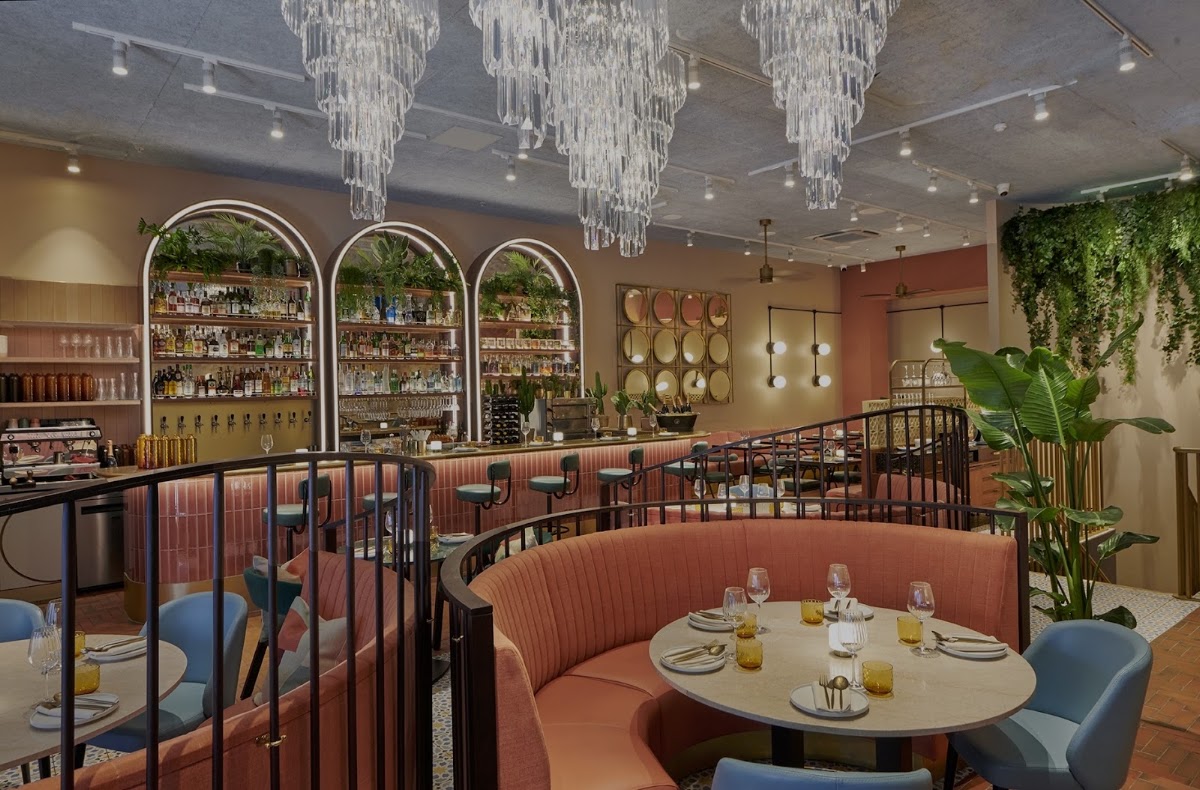
Kapara Restaurant Soho
MediterraneanPrice $$Rated 4.6James court, 14 Greek St, London W1D 4DP
Kapara Restaurant Soho is a Mediterranean restaurant located on Greek Street in Soho, serving brunch, cocktails, and plant-based options. With a 4.6 rating from nearly 2000 reviews, it offers casual dining at moderate prices in a convenient location just under a kilometer from central London.
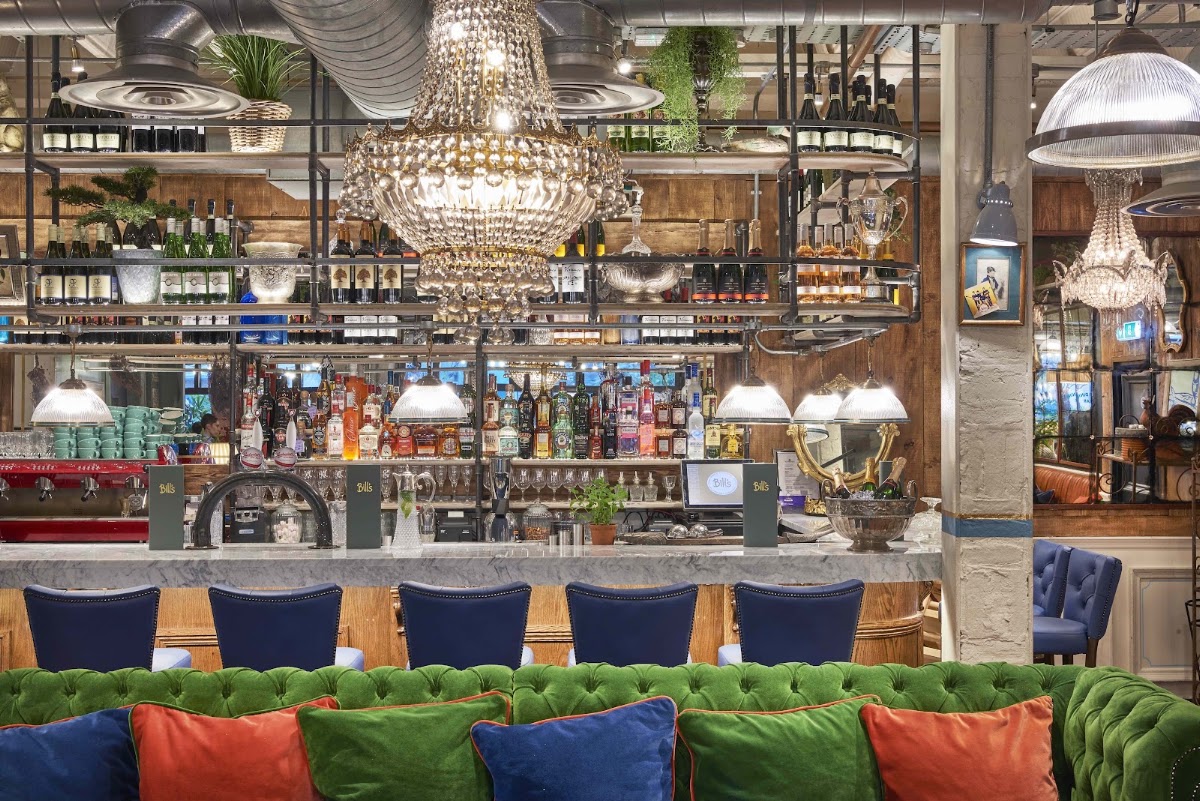
Bill's Covent Garden Restaurant
Price $$Rated 4.6St Martin's Courtyard, Slingsby Pl, London WC2H 9EF
Bill's Covent Garden Restaurant is a contemporary European chain located in St Martin's Courtyard, serving separate breakfast, afternoon tea, lunch and dinner menus. With a 4.6 rating from nearly 10,000 reviews, it offers moderately priced dining and is situated less than a kilometre from London's city centre.
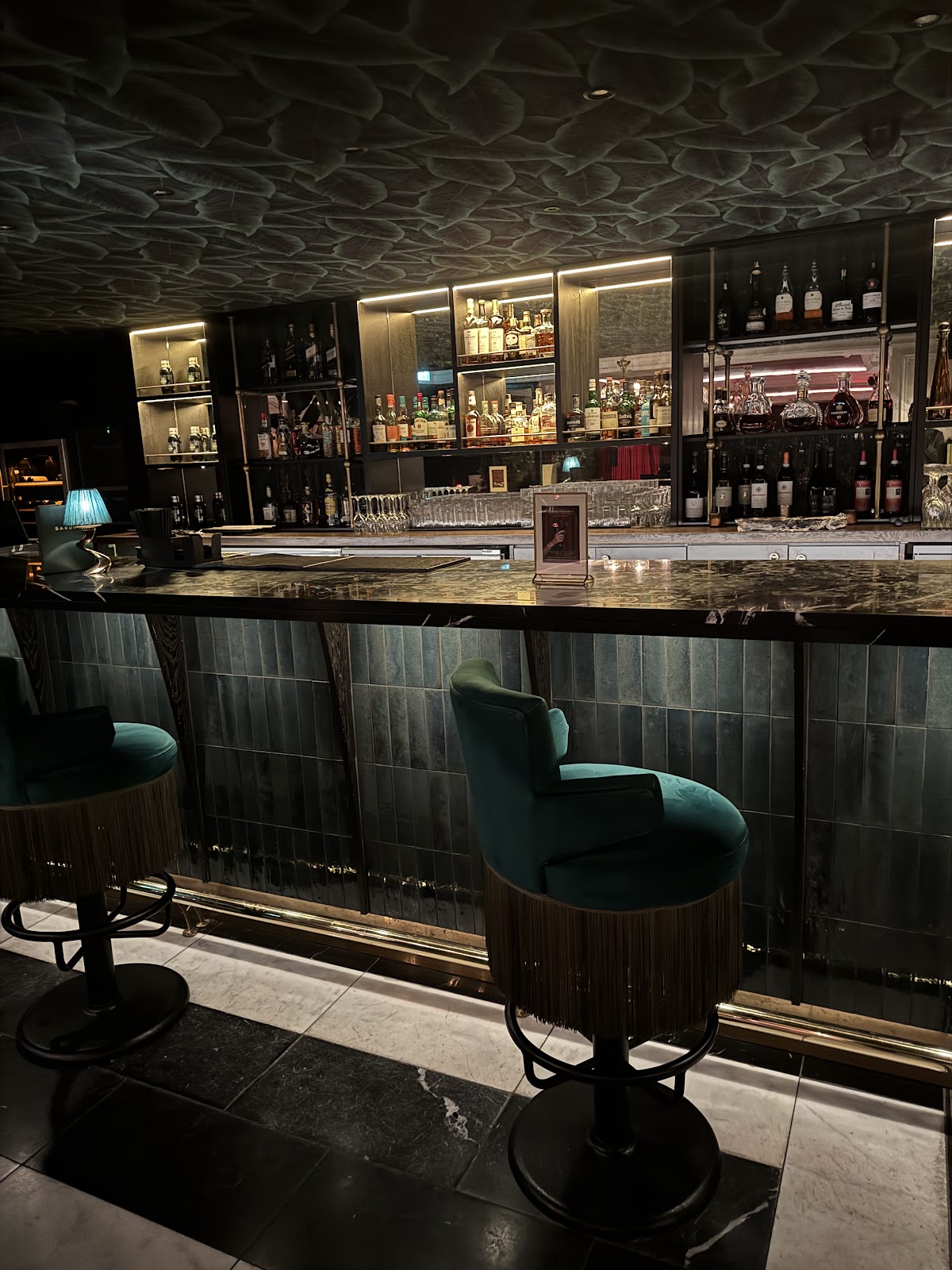
Bardo St James's
ItalianRated 4.54 Suffolk Pl, London SW1Y 4HX
Bardo St James's is an elegant Italian restaurant located on Suffolk Place in central London. The venue offers pasta, seafood and shared plates alongside other Italian classics and cocktails. It has a rating of 4.5 stars based on 614 reviews.
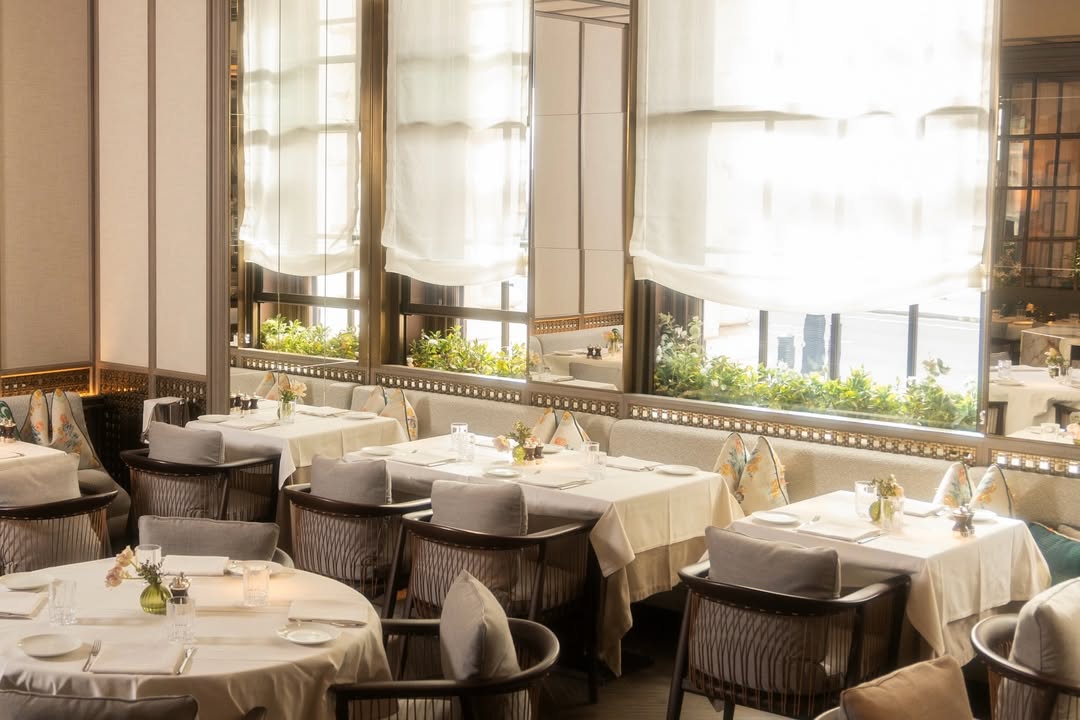
Paper Moon Restaurant, Westminster
ItalianPrice $$$$Rated 4.5The OWO, 7 Horse Guards Ave, London SW1A 2EU
Paper Moon Restaurant is an Italian restaurant located in The OWO at 7 Horse Guards Avenue in Westminster, just 0.3 km from central London. It is a fine dining establishment with a price level of 4 and holds a 4.5-star rating from 332 customer reviews.
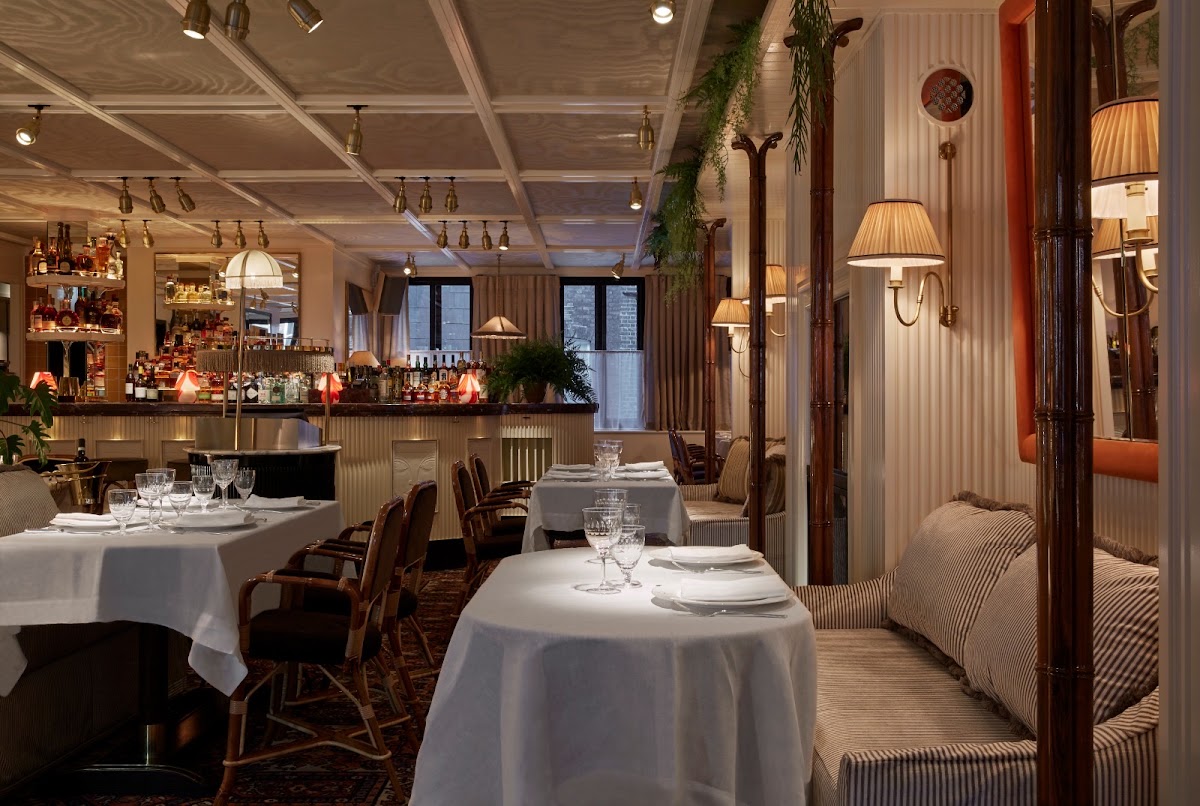
Louie
FrenchPrice $$$$Rated 4.413-15 West St, London WC2H 9NE
Louie is a sophisticated French restaurant located on West Street in London's West End, offering international plates and seafood specialties including oysters. The venue features a bar, lounge area, and terrace, and operates as an upscale dining destination with a cocktail bar component.
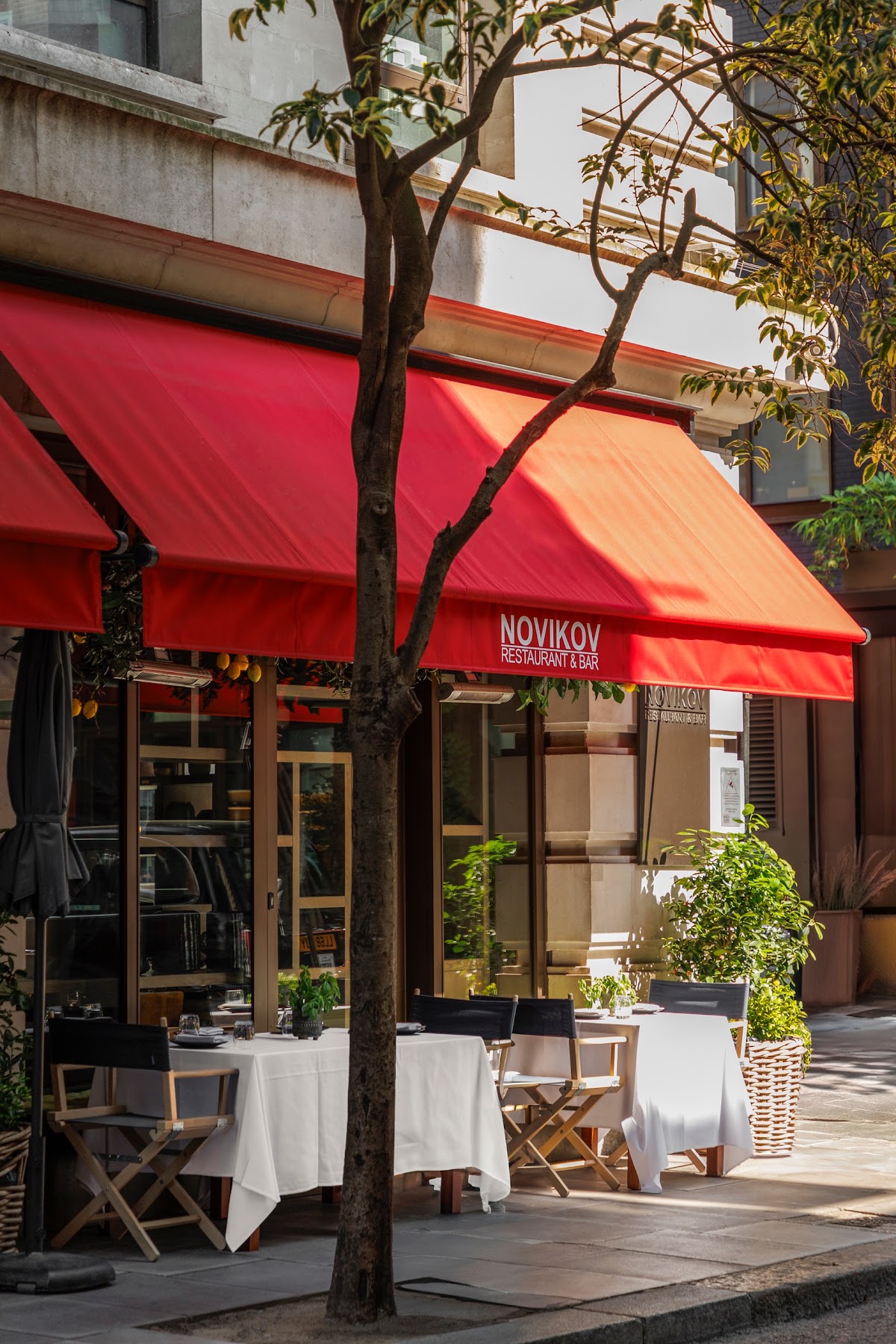
Novikov Restaurant & Bar
Price $$$$Rated 4.350A Berkeley St, London W1J 8HA
Novikov Restaurant & Bar is an upscale venue located on Berkeley Street featuring two elegant dining rooms serving Asian and Italian cuisine. The establishment includes a lounge bar with DJs and craft cocktails, offering both fine dining and nightlife experiences.
What things cost in London
Typical prices. Estimates only: prices vary by season and neighborhood.
| Hostel dorm bedTypically 25-60 GBP. Per bed per night, higher in peak season and at weekends. | £25 – £60 |
|---|---|
| Budget hotel roomTypically 80-150 GBP. Per room per night for basic hotels and chain budget options. | £80 – £150 |
| Mid-range hotel roomTypically 150-280 GBP. Per room per night in central locations, varying widely by season. | £150 – £280 |
| Luxury hotel roomTypically 350-900 GBP. Per room per night at top-end hotels in central London. | £350 – £900 |
| CoffeeTypically 3-4.50 GBP. For a flat white or cappuccino at a cafe. | £3.00 – £4.50 |
|---|---|
| Local beerTypically 5-8 GBP. For a pint in a pub, with central venues at the higher end. | £5.00 – £8.00 |
| Street food snackTypically 5-12 GBP. Market stalls and takeaways, with prices varying by area and cuisine. | £5 – £12 |
| Budget mealTypically 10-18 GBP. Casual cafes, pub lunches and simple restaurants. | £10 – £18 |
| Groceries (per day)Typically 12-25 GBP. Basic supermarket food for one person for a day. | £12 – £25 |
| Mid-range mealTypically 25-50 GBP. Per person for a sit-down meal, before drinks and service. | £25 – £50 |
| Fine diningTypically 90-250 GBP. Per person for tasting menus at high-end restaurants. | £90 – £250 |
| Bike rental (per day)Typically 2-25 GBP. Public hire bikes are cheap for short rides, while daily rentals from shops cost more. | £2 – £25 |
|---|---|
| Short taxi rideTypically 10-25 GBP. For a short central journey, depending on traffic and time of day. | £10 – £25 |
| Guided walking tourTypically 15-30 GBP. Per person for a typical guided walk, with some tours being tip-based. | £15 – £30 |
|---|---|
| Day trip tourTypically 50-120 GBP. Per person for organised trips to places such as Windsor, Oxford or Stonehenge. | £50 – £120 |
Essentials
Practical things to know before you arrive in London.
When to go
May to June and September are usually the best months to visit London, with mild weather, long daylight and fewer crowds than midsummer.
- Peak: June-August
- Shoulder: April-May, September-October
- Low: January-March, November
Getting around
London has an extensive public transport network of the Underground (the Tube), Overground, Elizabeth line, buses, trams, DLR and national rail. Contactless bank cards and phones are widely accepted on most services, and walking is often the best way to connect central sights. Buses are useful for scenic routes, and the Thames river boats offer another option. Cycle hire schemes and taxis, including the black cabs, are also available.
London is served by several airports, with Heathrow the biggest and the nearest for many visitors. Heathrow connects to central London by the Underground and the Elizabeth line, as well as by express rail, coaches and taxis. Gatwick, Stansted, Luton and London City airports each have their own rail, coach or light rail links. Check current services before travelling, since engineering works often affect weekends.
Where to stay
For first-time visitors and sightseeing, the West End, Covent Garden, Soho, Westminster and South Bank put major attractions, theatres and restaurants within walking distance, though they tend to be pricier and busier. Kensington, South Kensington and Chelsea suit those who want museums, elegant streets and a quieter residential feel, while Bloomsbury and King's Cross are convenient for rail connections and offer a mix of options.
Travellers wanting nightlife, street food and a creative scene often prefer Shoreditch, Hackney or Camden, and Brixton or Peckham offer lively local culture south of the river. Budget travellers often find better value further out in zones 2 and 3 near Tube or Overground stations, and Greenwich or Richmond suit visitors after a calmer, greener base with good transport links into the centre.
Money
The local currency is Pound Sterling (GBP).
Cash and cards
- Cards and contactless payments are accepted almost everywhere, including on public transport, in shops and at most market stalls. Carrying a small amount of cash is rarely necessary.
- Use a contactless card or phone for transport rather than buying paper tickets.
- Check restaurant bills for an included service charge before tipping extra.
- Many major museums and galleries are free, so you can save money on sightseeing.
- Choose a card without foreign transaction fees and pay in pounds rather than your home currency when prompted.
- Meal deals and supermarket food are a cheap way to eat lunch in an expensive city.
Taxes and tipping
- Tipping is customary but modest. Many restaurants add a discretionary service charge to the bill, so check before adding more, and it is normal to round up for taxis.
Language: English
English: English is the everyday language, spoken by virtually everyone, so visitors will have no difficulty getting by.
- Hello
- Helloheh-LOH
- Thanks, or a toast when drinking
- Cheerscheerz
- Thank you
- Thank youthank yoo
- Apology, or a polite way to get attention or pass by
- SorrySOR-ee
- Excuse me
- Excuse meex-KYOOZ mee
- Asking for the check at a restaurant
- Could I have the bill, please?kud eye hav the bil pleez
- Asking for the nearest underground station
- Where is the nearest Tube station?wair iz the NEER-est chewb STAY-shun
- Warning about the gap between the train and platform
- Mind the gapmynd the gap
- A line of people waiting; Londoners expect you to join the back
- Queuekyoo
- Ordering a pint of traditional ale at a pub
- Pint of bitter, pleasepynt of BIT-er pleez
- Asking whether a card is accepted
- Do you take card?doo yoo tayk kard
Other city guides

This guide is for general reference. Check opening hours, prices and entry rules with official sources before you travel.